Café Deadend operates in Hong Kong's Central and Western district, where the city's appetite for considered, sustainability-conscious dining has carved out a distinct tier of neighbourhood restaurants. The café occupies a space between casual accessibility and genuine kitchen ambition, drawing an audience that values sourcing transparency and daily-driven menus over spectacle or status signalling.
 Discover on Pearl
Pearl is the En Primeur Club membership app — saves, bookings, and concierge access live there. Same editors, same standards.
Where Central's Sustainability Conversation Gets Practical
Café Deadend is a casual Western Cafe in Hong Kong's Central and Western district, with an average spend of about US$15 per person. The city that gave the world the highest concentration of Michelin stars per square kilometre also sustains an enormous appetite for quick, affordable eating. Between those two poles, a quieter movement has been taking shape in Central and Western: restaurants and cafés that take ethical sourcing and waste reduction seriously without positioning themselves as activist spaces. Café Deadend sits inside that conversation, in a district where the competition for thoughtful everyday dining is sharper than it might appear from the outside.
Central and Western is not short of ambition. The neighbourhood supports Michelin-starred French contemporary kitchens like Amber and Caprice, the Franco-Japanese precision of Ta Vie, and long-running Italian fine dining at 8 1/2 Otto e Mezzo Bombana. But these are destination venues with price points and booking windows to match. The day-to-day eating life of Central runs on a different rhythm, and it is in that rhythm that Café Deadend operates. The neighbourhood also contains AMMO, which occupies its own distinct corner of the area's dining identity. Each of these venues addresses a different appetite, but collectively they illustrate how Central has developed a multi-layered food culture that goes well beyond its finance-district reputation.
The Sustainability Tier in Hong Kong Dining
Across Hong Kong's restaurant scene, sustainability has moved from marketing language to operational standard for a specific cohort of venues. This shift is partly driven by consumer expectation and partly by the practical realities of a city that imports the majority of its food. Sourcing transparency, menu flexibility based on daily availability, and waste-reduction kitchen practices have become distinguishing signals for the mid-tier café and restaurant category, particularly in districts like Central and Sheung Wan where a younger, internationally mobile clientele has settled.
The broader Hong Kong dining scene provides useful reference points here. Venues like Forum have built decades of reputation on ingredient integrity within the Cantonese tradition, demonstrating that sourcing discipline is not a recent import from Western dining culture. Meanwhile, internationally, restaurants such as Lazy Bear in San Francisco and Le Bernardin in New York City have shown how sustainability commitments can be embedded at the highest tiers of formal dining without sacrificing the rigour that awards recognition demands. In Hong Kong, the challenge is applying comparable discipline at a more accessible price register, where margins are thinner and the pressure to cut corners is more acute.
Café Deadend addresses this challenge from the neighbourhood café end of the spectrum, which is arguably where sustainability commitments are most difficult to sustain. At the fine-dining tier, sourcing premiums can be absorbed into tasting menu pricing. At the café level, every decision about suppliers, packaging, and waste management has an immediate impact on the economics of service. Venues that manage to hold this line without either raising prices beyond their comparable set or compromising on the quality of what arrives at the table occupy a genuinely interesting position in a city where food costs are structurally high.
Eating at Café Deadend: What the Format Signals
What the café format itself signals, however, is worth examining. In Hong Kong, the café category has evolved considerably over the past decade. The traditional cha chaan teng model, with its laminated menus and condensed milk tea, remains a cultural institution across districts from Yau Tsim Mong to Tsuen Wan. But a newer cohort of cafés, concentrated in Central and Sheung Wan, operates closer to the Western speciality coffee and seasonal food model, where the menu changes based on what is available rather than what is standardised.
This daily-driven approach is intrinsically more sustainable than fixed menus because it reduces over-ordering and allows kitchens to work with smaller, more responsive suppliers. It also shifts the creative burden onto the kitchen, which must build dishes around what arrives rather than what was planned weeks in advance. Venues that operate this way tend to develop a loyal regular audience rather than a tourist-driven one, because the offering rewards repeat visits in ways that a static menu cannot.
For readers comparing options across Hong Kong's wider culinary spread, from the traditional to the contemporary, the EP Club Hong Kong restaurants guide maps the full range. Specific neighbourhood contrasts are also worth noting: the Enchanted Garden Restaurant in the Islands district and Hoi Tin Garden in Tuen Mun demonstrate how food culture extends well beyond Central's concentrated dining corridor. Even within the city's plant-forward category, venues like King of Soybeans in Wong Tai Sin show that ingredient-focused cooking exists across very different price points and neighbourhood contexts.
Planning Your Visit
Café Deadend is located in Hong Kong's Central and Western district, which is served by multiple MTR stations and is easily accessible from most parts of Hong Kong Island. The Central and Western district encompasses a broad stretch of the northern island shoreline, so the specific sub-location within the district will affect which station is most practical. The café is walk-in friendly. Walk-in service suits off-peak visits. Visitors combining the café with nearby options might also consider Le Salon de Thé de Joël Robuchon at ifc mall for a contrasting experience within the same district. Those with more time might extend their Hong Kong eating across the harbour to Lei Garden in Sha Tin or further afield to Habib's in Kwun Tong for a sense of the city's full geographic and culinary range.
What It’s Closest To
Comparable venues nearby, for context on price, style, and recognition.
| Venue | Cuisine | Price | Awards | Notes |
|---|---|---|---|---|
| Café DeadendThis venue — the venue you are viewing | Western Cafe | $$ | , | |
| Artista Perfetto | Specialty Coffee & Cafe | $$ | , | Causeway Bay |
| ethos | Modern Cafe | $$ | , | Western |
| Blue Bottle Coffee | Specialty Coffee Cafe | $$ | , | Wan Chai / Starstreet Precinct |
| Bar Leone | Italian-inspired cocktail bar | $$$ | , | Central |
| Celebrity Cuisine | Dining | , | Central |
Continue exploring
More in Hong Kong
Restaurants in Hong Kong
Browse all →
Bars in Hong Kong
Browse all →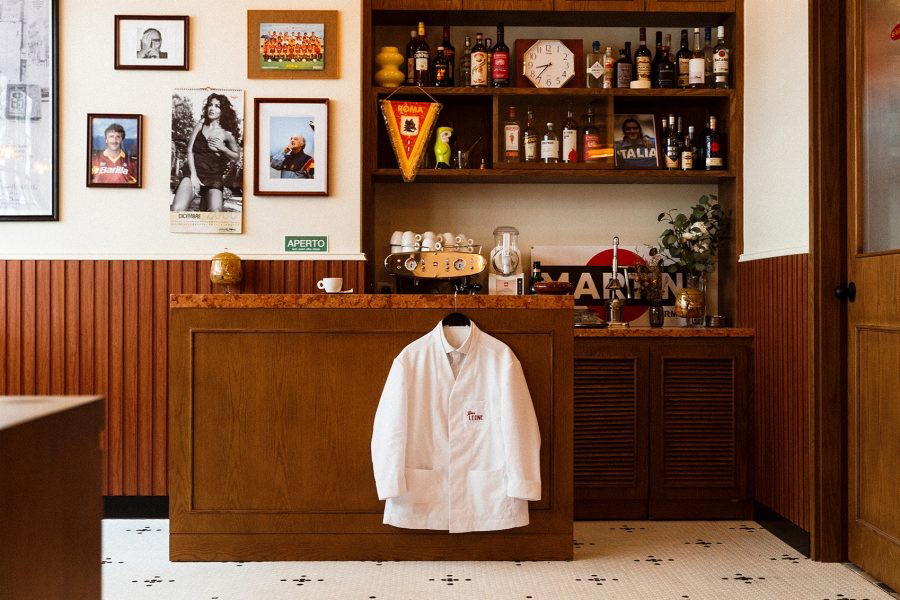
At a Glance
- Cozy
- Trendy
- Hidden Gem
- Minimalist
- Casual Hangout
- Brunch
- Street Scene
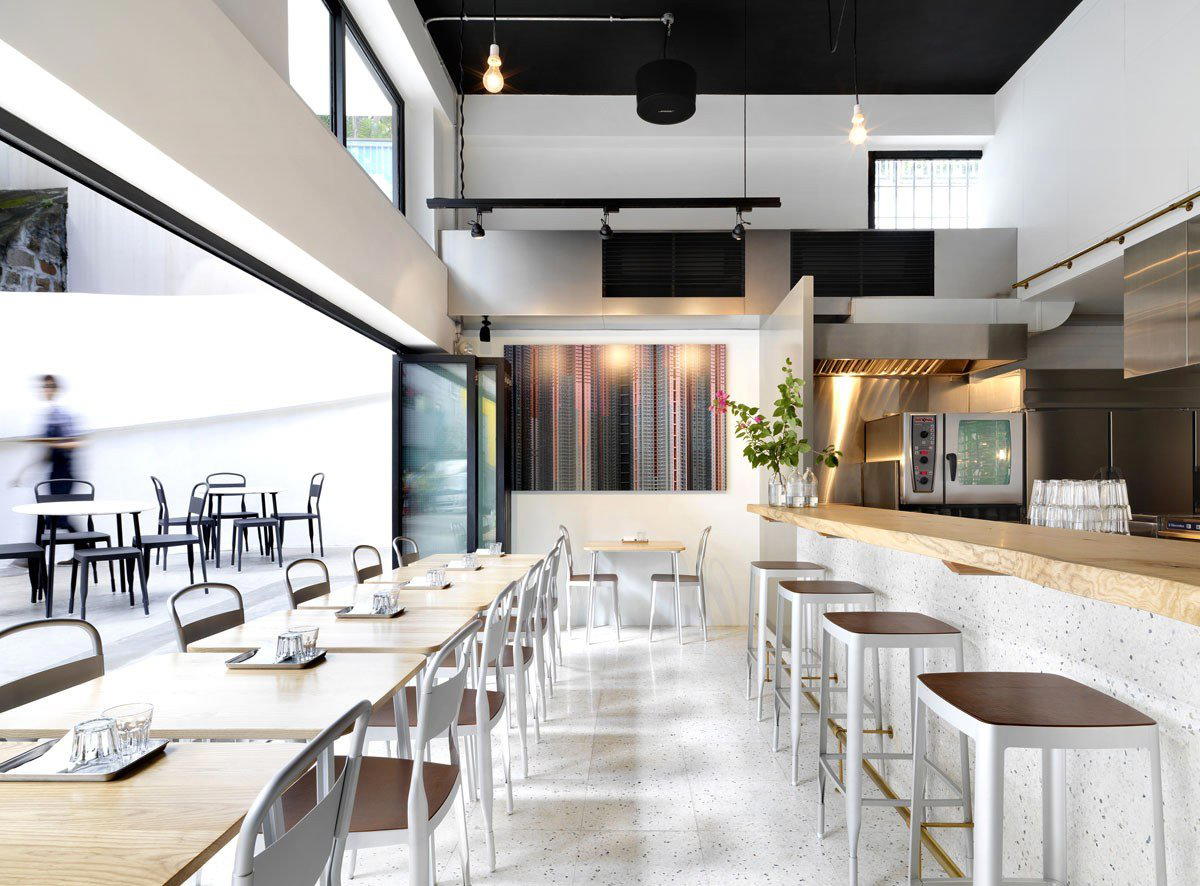
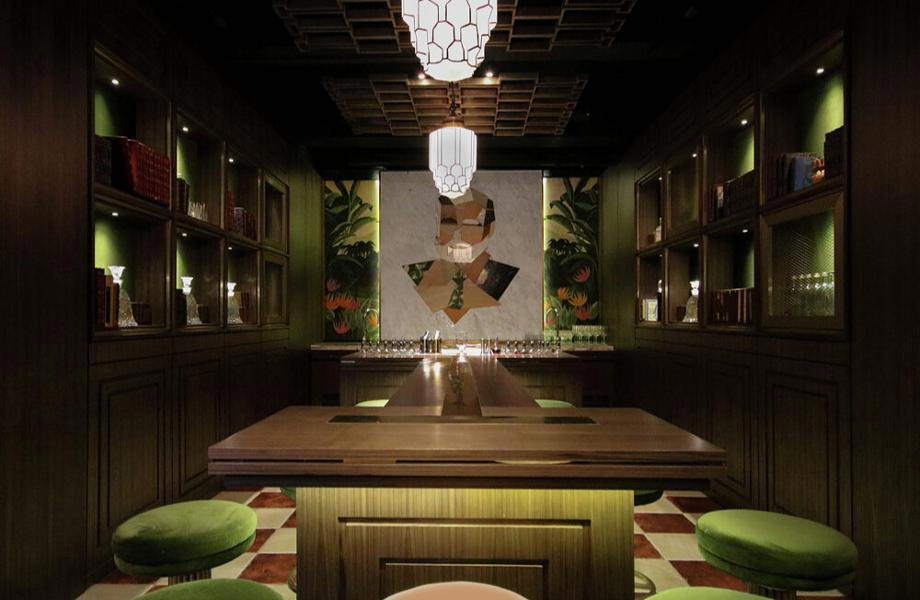
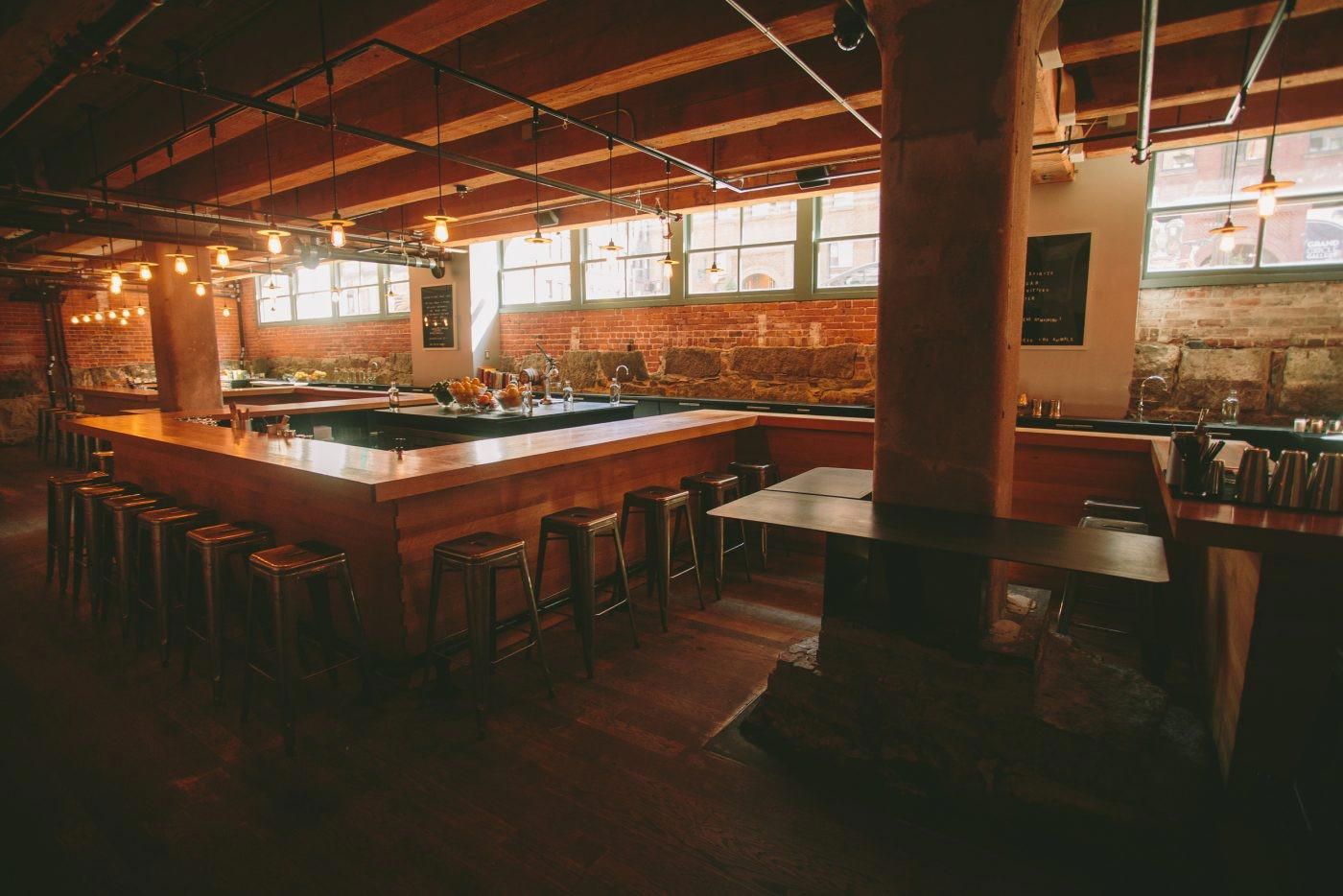
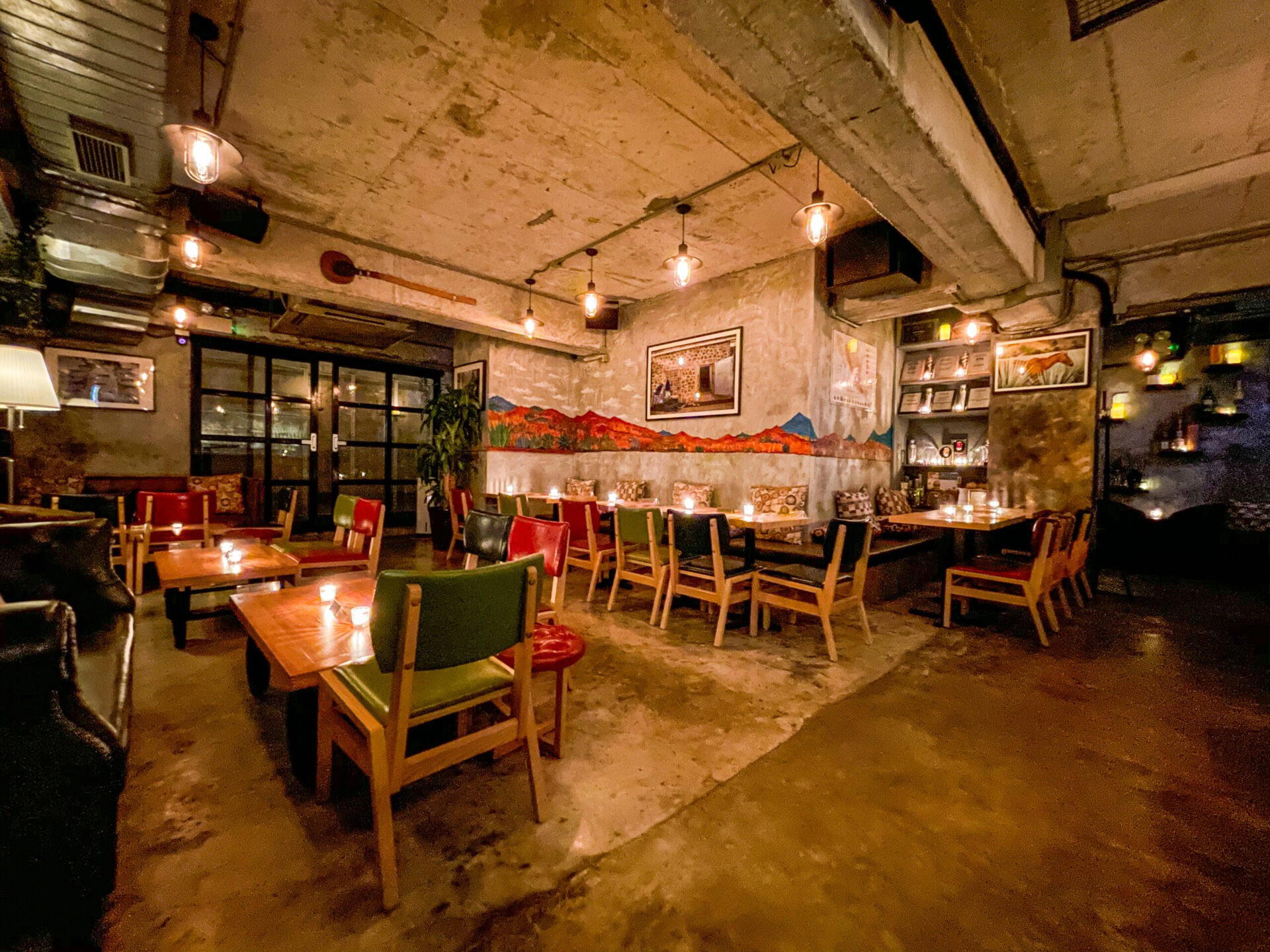
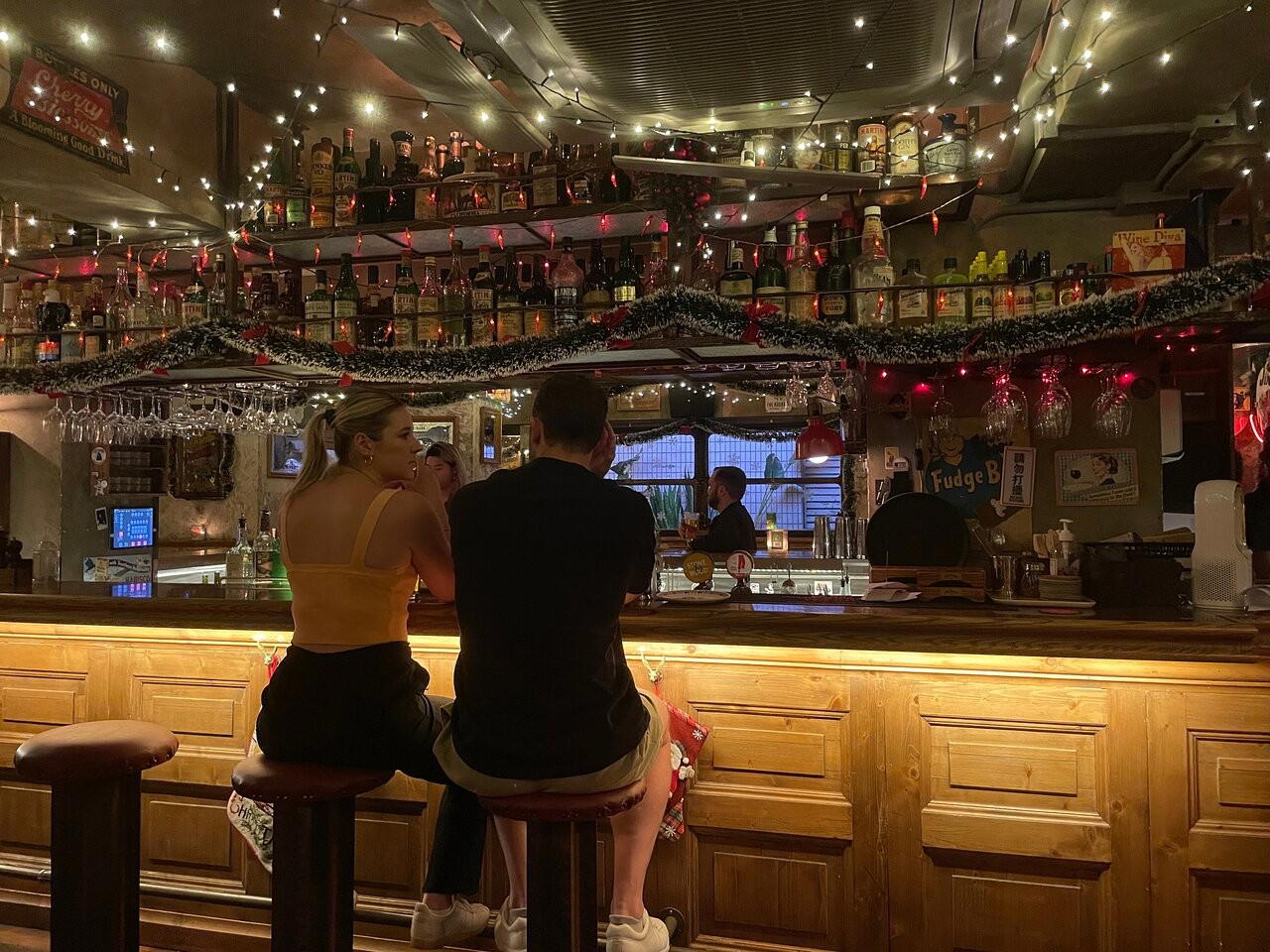
Simple white decor with concrete and marble floors, wooden tables, creating a chic, tranquil, and private atmosphere ideal for working or relaxing.