Blue Bottle Coffee in Hong Kong belongs to the city’s newer specialty-cafe layer, where espresso technique, filter brewing, and design-conscious rooms sit alongside cha chaan teng speed and hotel-lobby formality. Treat it as a coffee stop rather than a full restaurant plan: useful for reading the city’s imported cafe culture against Hong Kong’s older, faster daily drinking habits.
 Discover on Pearl
Pearl is the En Primeur Club membership app — saves, bookings, and concierge access live there. Same editors, same standards.
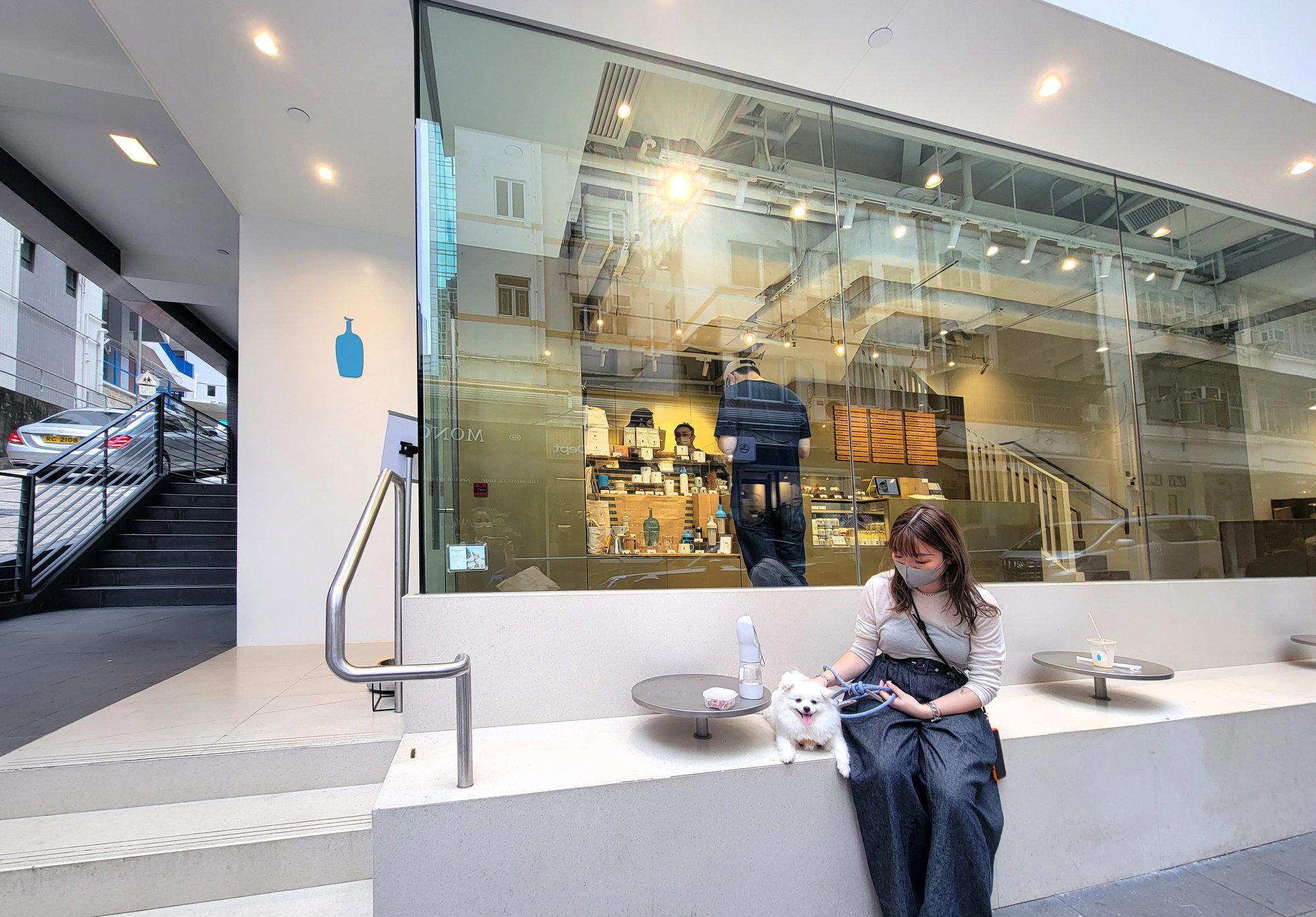
Hong Kong’s cafe rhythm is built on compression: quick milk tea at a tiled counter, office workers moving between MTR exits, shopping arcades that turn caffeine into a pause rather than an event. Blue Bottle Coffee enters that setting with the visual grammar of contemporary specialty coffee: pale surfaces, a calmer service tempo, and a menu centered on espresso and brewed coffee rather than the full meal logic of a restaurant.
That contrast matters. The city has long treated coffee and tea as practical fuel, from cha chaan teng cups to hotel lounges, but the newer specialty-cafe scene asks for slower attention. Extraction, roast profile, and brewing method become part of the order. In Hong Kong, where space is expensive and speed is cultural muscle memory, a cafe built around coffee as the main subject feels less like a lifestyle pose than a change in how people use a room between meals.
Specialty coffee in a city trained for speed
The sharper way to read Blue Bottle Coffee is not as a destination restaurant, but as evidence of how Hong Kong absorbs global formats and makes them compete with local habits. Coffee / cafe venues here do not operate in a vacuum. They sit beside bakeries, tea restaurants, dessert shops, hotel lounges, and office-tower takeaway counters, each with a different idea of what a break should cost in time and attention.
Specialty coffee culture tends to slow the transaction down. The customer chooses between espresso-based drinks and brewed coffee, and the room signals that the drink itself deserves focus. Hong Kong’s older beverage culture is more direct: milk tea, lemon tea, yuenyeung, and iced drinks designed for pace, familiarity, and repeat use. The tension between those two modes is the interesting part. A cafe such as this gives international coffee language a Hong Kong stress test: can a calibrated, design-led format survive in a city that prizes convenience as much as craft?
The answer depends on how the stop is used. This is not where the city’s dining identity is settled over a long lunch. It is better understood as a short-format urban ritual, a place for a measured coffee before a meeting, between gallery stops, or after crossing districts by rail. For broader cafe context, Hong Kong’s coffee map also includes independent and neighbourhood-specific addresses such as Artista Perfetto, Halfway Coffee, 15-27 Cannon St, and 208 Hollywood Rd, each pointing to a different way the city uses cafe space.
What the format says about Hong Kong's cafe culture
Hong Kong has a talent for turning imported dining formats into local punctuation marks. Spanish tapas, Italian fine dining, Indian and Middle Eastern canteens, theme-park hotel restaurants, and older seafood landmarks all occupy different parts of the city’s eating day. A coffee bar belongs to the lighter end of that spectrum, but it still reveals how international taste travels through the city.
The useful comparison is not a direct peer ranking, but a question of function. A tapas address such as 22 Ships is built around appetite and evening tempo. 8½ Otto e Mezzo BOMBANA in Central And Western belongs to a more formal dining register. Street-level local eating has another cadence again, visible in places like Block 18 Doggie's Noodle in Yau Tsim Mong, Chin Sik in Tsuen Wan, and Habib's Indian & Middle Eastern Food in Kwun Tong. Blue Bottle Coffee sits in the interstitial category: useful between meals, more deliberate than a convenience-counter drink, and less socially loaded than dinner.
That middle position is why the format works for visitors trying to understand Hong Kong beyond reservation-led dining. The city’s food culture is not only banquets, tasting menus, or late-night noodles. It is also the 20-minute pause, the solo table, the laptop hour, the meeting before dinner. Cafes expose that layer clearly because they are judged by repetition. A room can impress once; a coffee format has to make sense on an ordinary day.
The Hong Kong context also keeps sentimentality in check. Imported specialty coffee can become self-serious in cities where the cafe is treated as a lifestyle stage. Here, the surrounding pace makes the proposition more practical. The drink has to justify the interruption. The room has to be calm without pretending the city outside has slowed down.
How to place it in a Hong Kong itinerary
Use Blue Bottle Coffee as a daytime anchor rather than a meal plan. It fits before a gallery visit, after a hotel checkout, or between district changes, especially when the day needs a controlled pause instead of another full-service table. For deeper city planning, pair the cafe layer with our full Hong Kong restaurants guide, then widen the trip through our full Hong Kong hotels guide, our full Hong Kong bars guide, our full Hong Kong wineries guide, and our full Hong Kong experiences guide.
Visitors with longer itineraries should treat coffee as one thread in a broader urban pattern. Hong Kong moves from polished Central dining to district-level noodle shops, from harbour nostalgia at Former Jumbo Floating Restaurant in Aberdeen to family-facing formats such as Enchanted Garden Restaurant in Islands. Outside Hong Kong, related beverage-led planning can stretch toward places such as Loquat, Coffee / cafe in Los Angeles or Jōdo Saké Bar in Los Angeles, but in this city the cafe’s role is sharper: a small, controlled interval inside a dense eating day.
Comparable Venues Nearby
Comparable venues nearby, for context on price, style, and recognition.
| Venue | Cuisine | Price | Notes |
|---|---|---|---|
| Blue Bottle CoffeeThis venue — the venue you are viewing | Specialty Coffee Cafe | $$ | |
| ethos | Modern Cafe | $$ | Western |
| Artista Perfetto | Specialty Coffee & Cafe | $$ | Causeway Bay |
| BASE HALL 02 | Modern multi‑concept food hall | $$ | Central |
| Pierre | Dining | , | Central |
| Café Deadend | Western Cafe | $$ | Central |
Continue exploring
More in Hong Kong
Restaurants in Hong Kong
Browse all →
Bars in Hong Kong
Browse all →
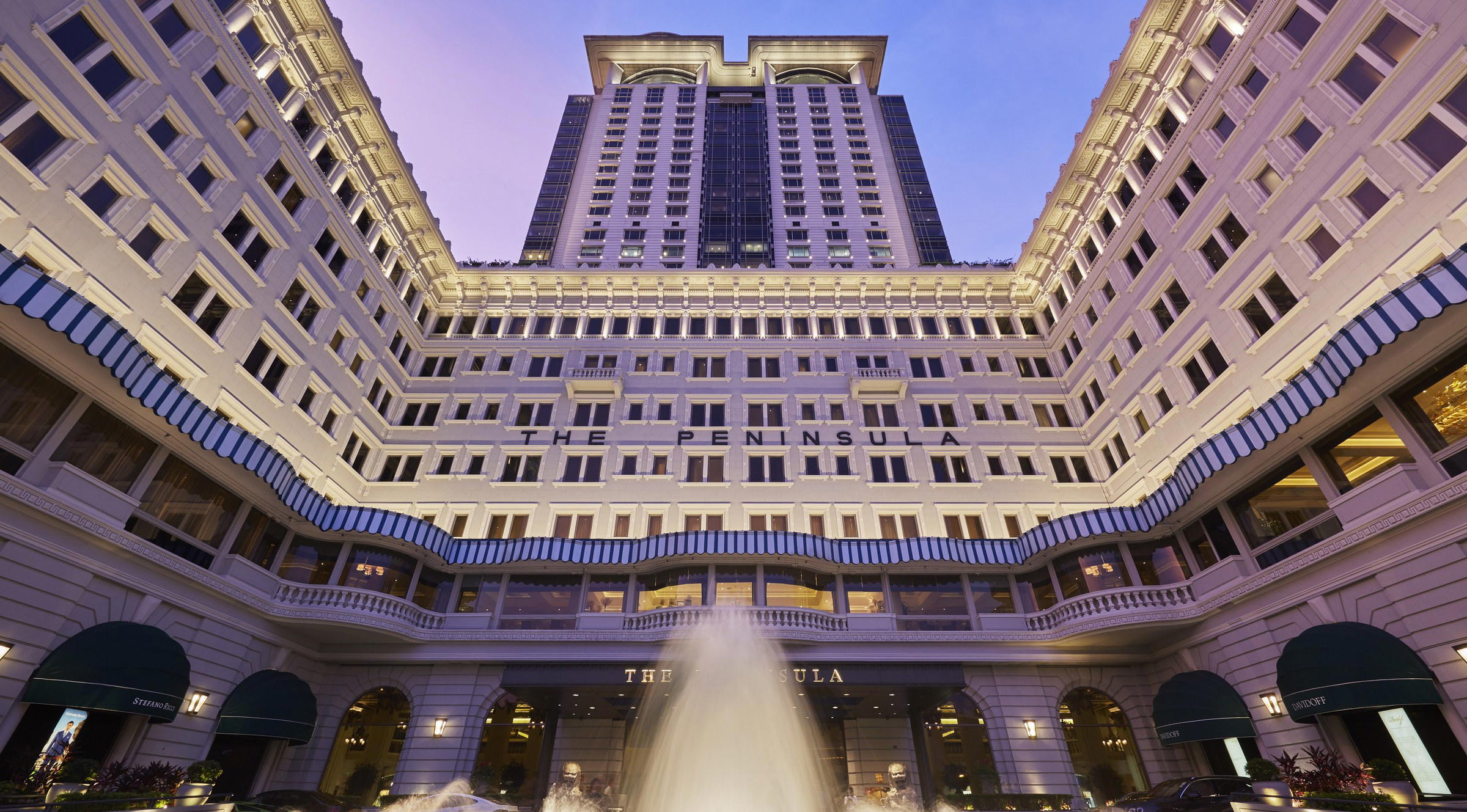
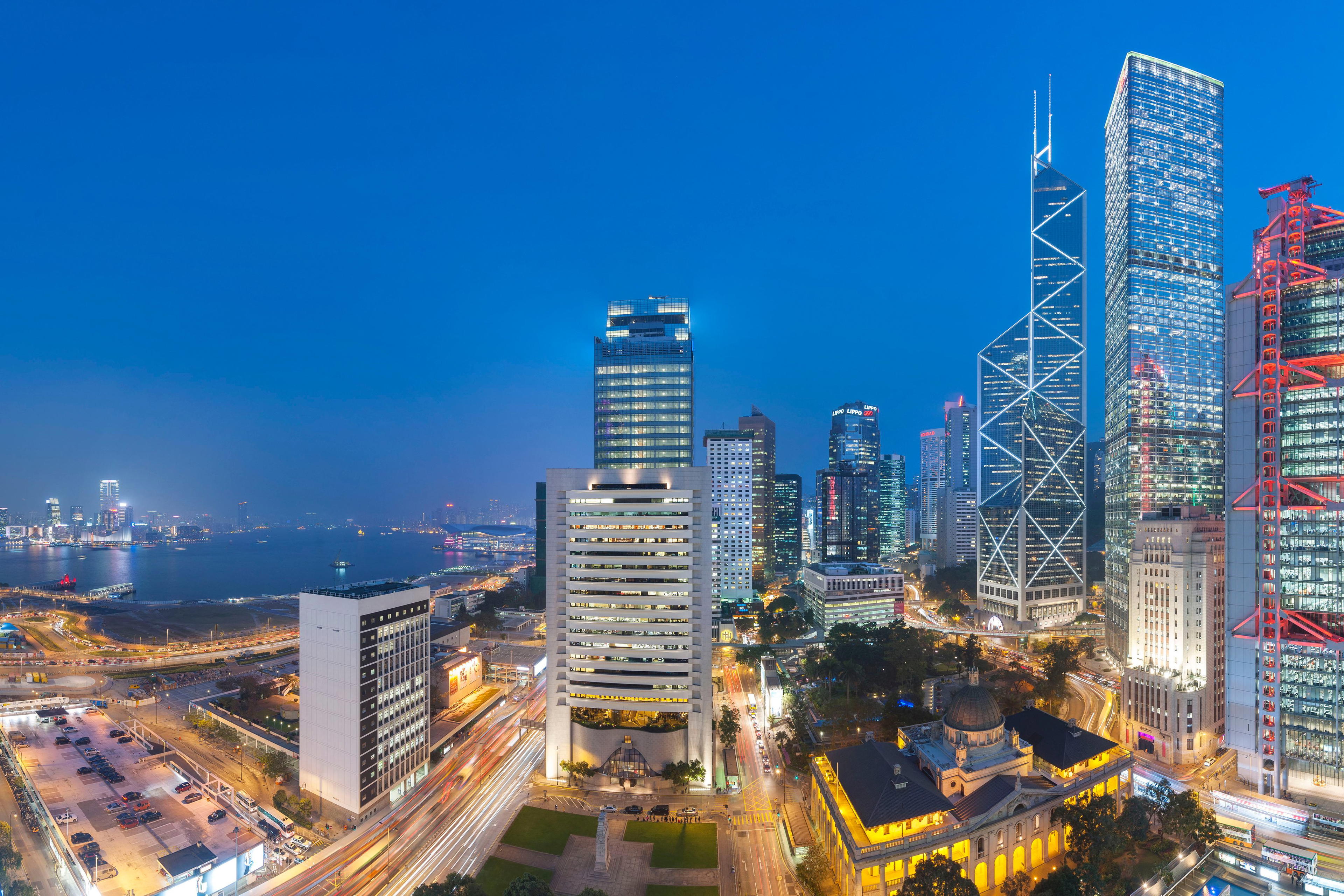
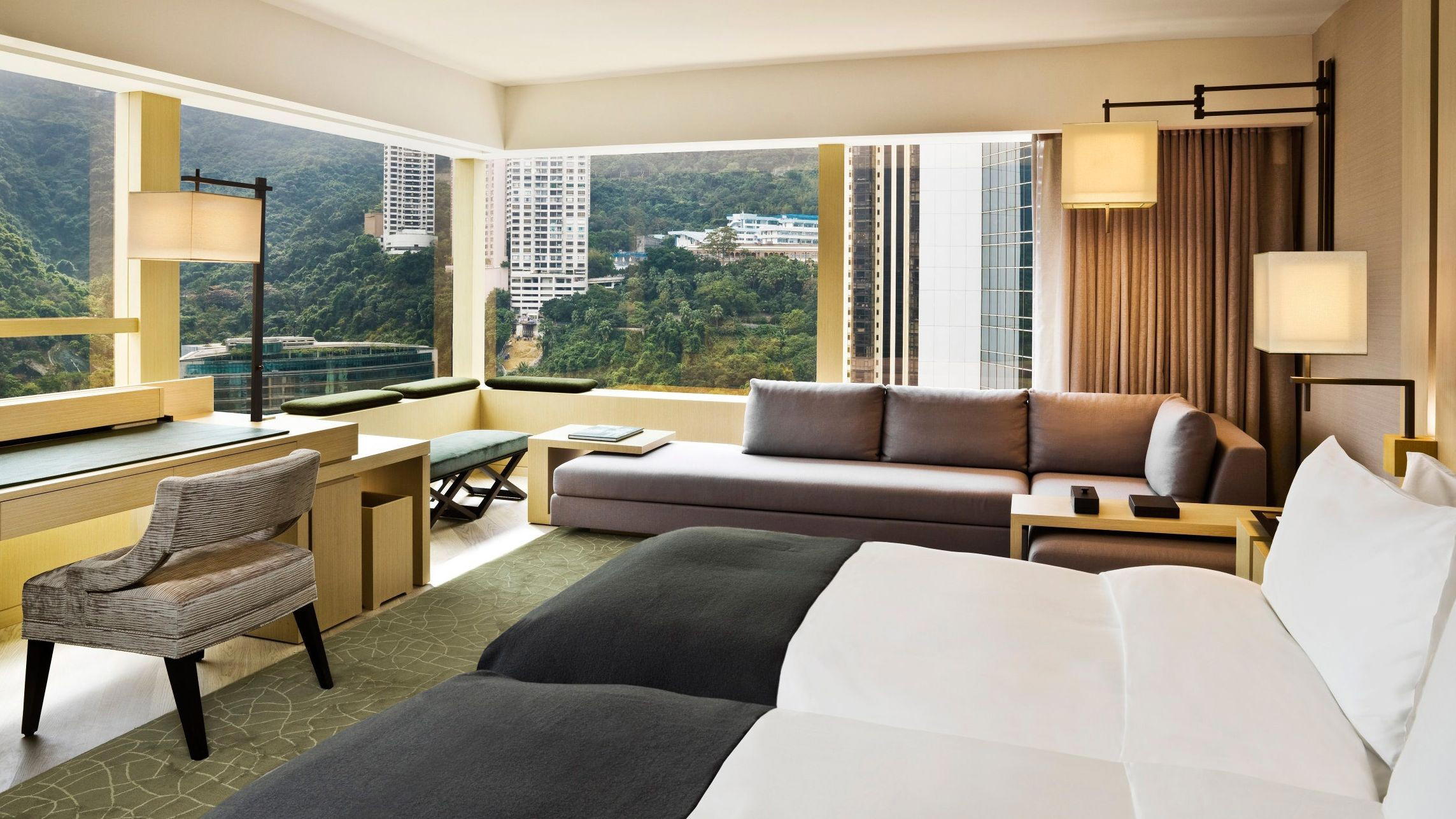
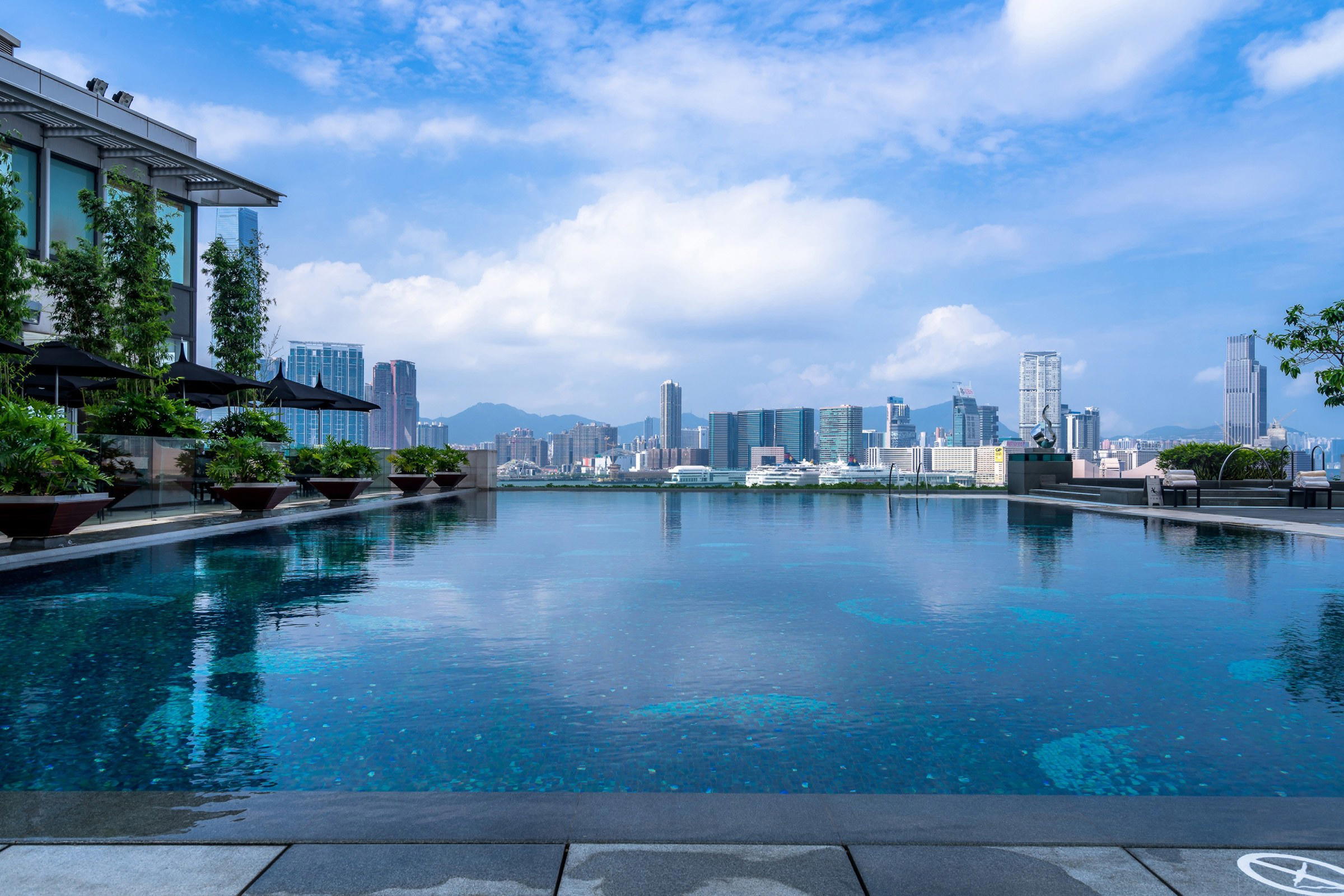
At a Glance
- Modern
- Cozy
- Minimalist
- Quiet
- Scenic
- Solo
- Casual Hangout
- After Work
- Brunch
- Panoramic View
- Design Destination
- Standalone
- Zero Proof
- Organic
- Street Scene
- Skyline
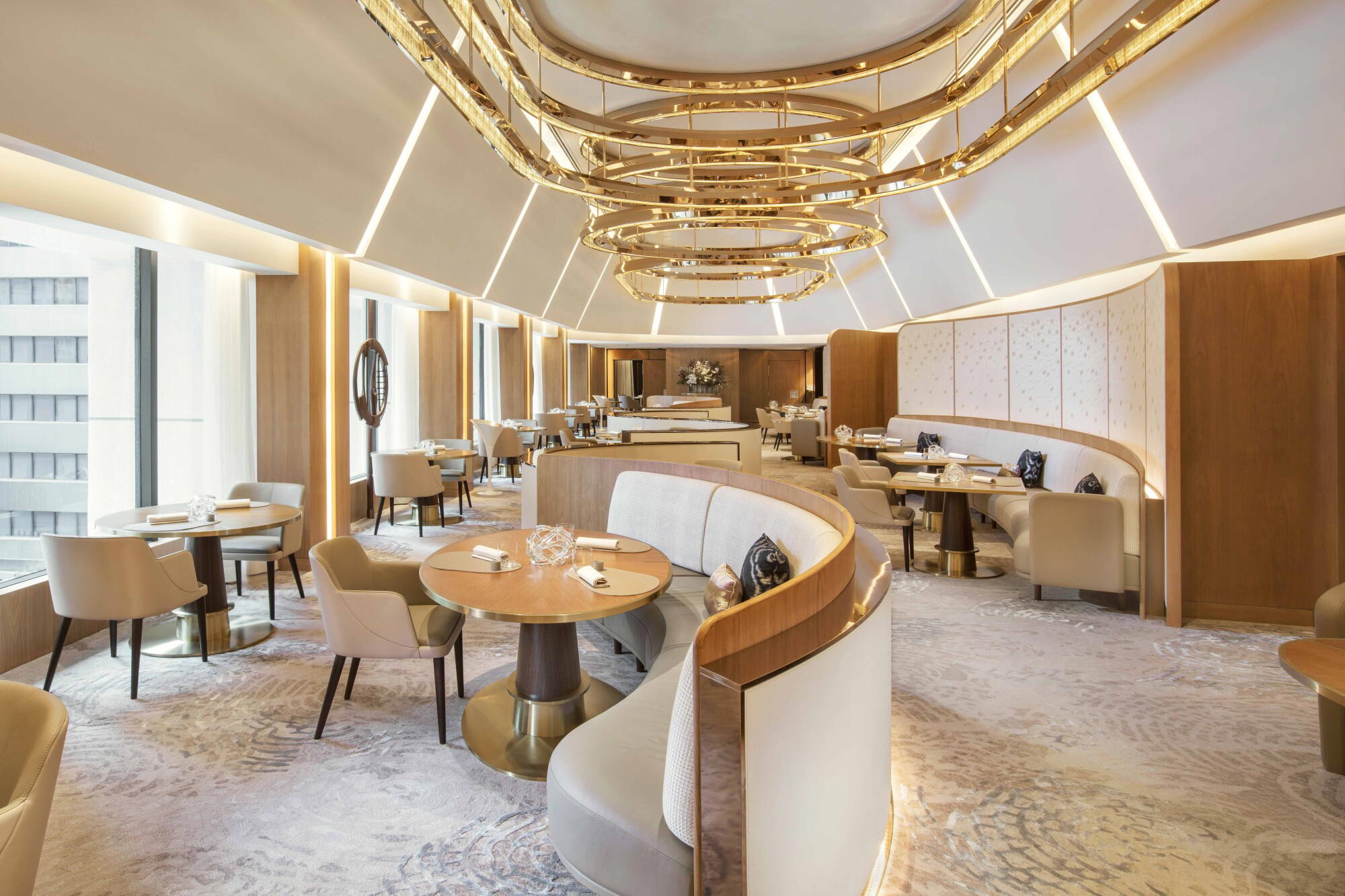
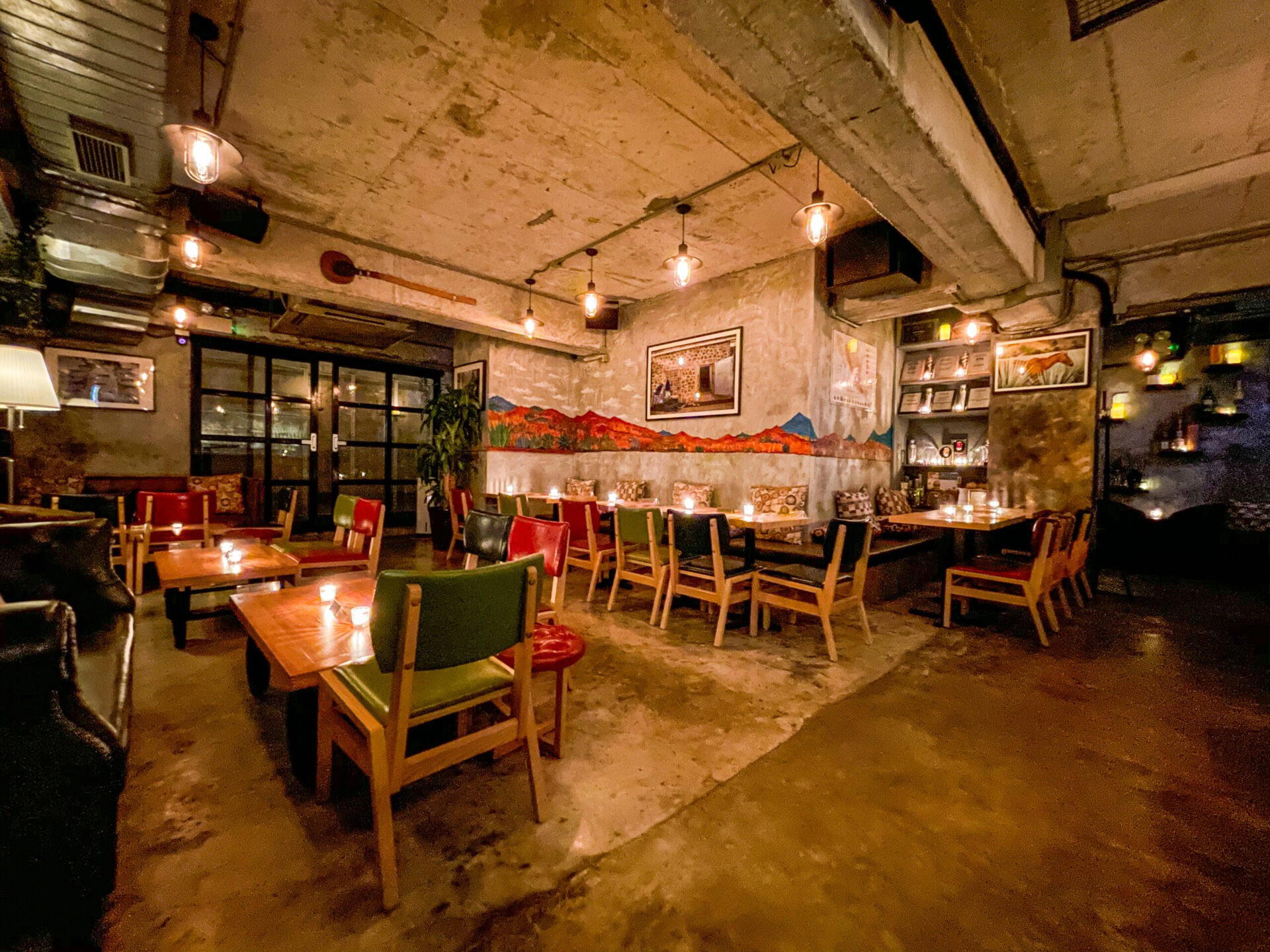
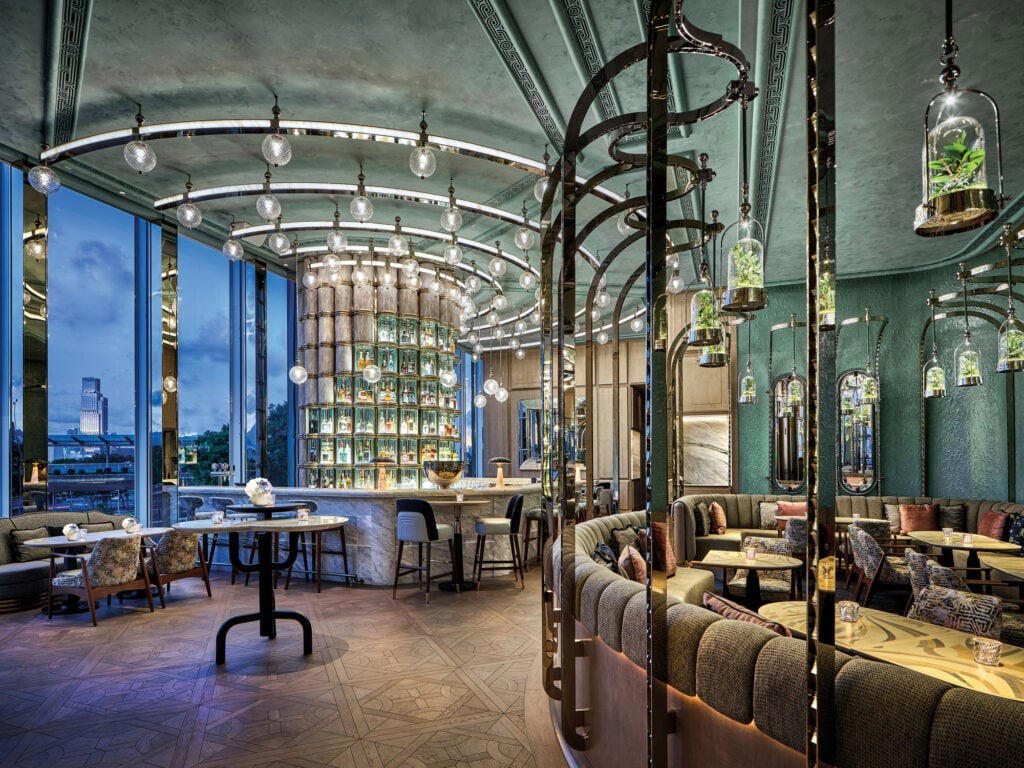
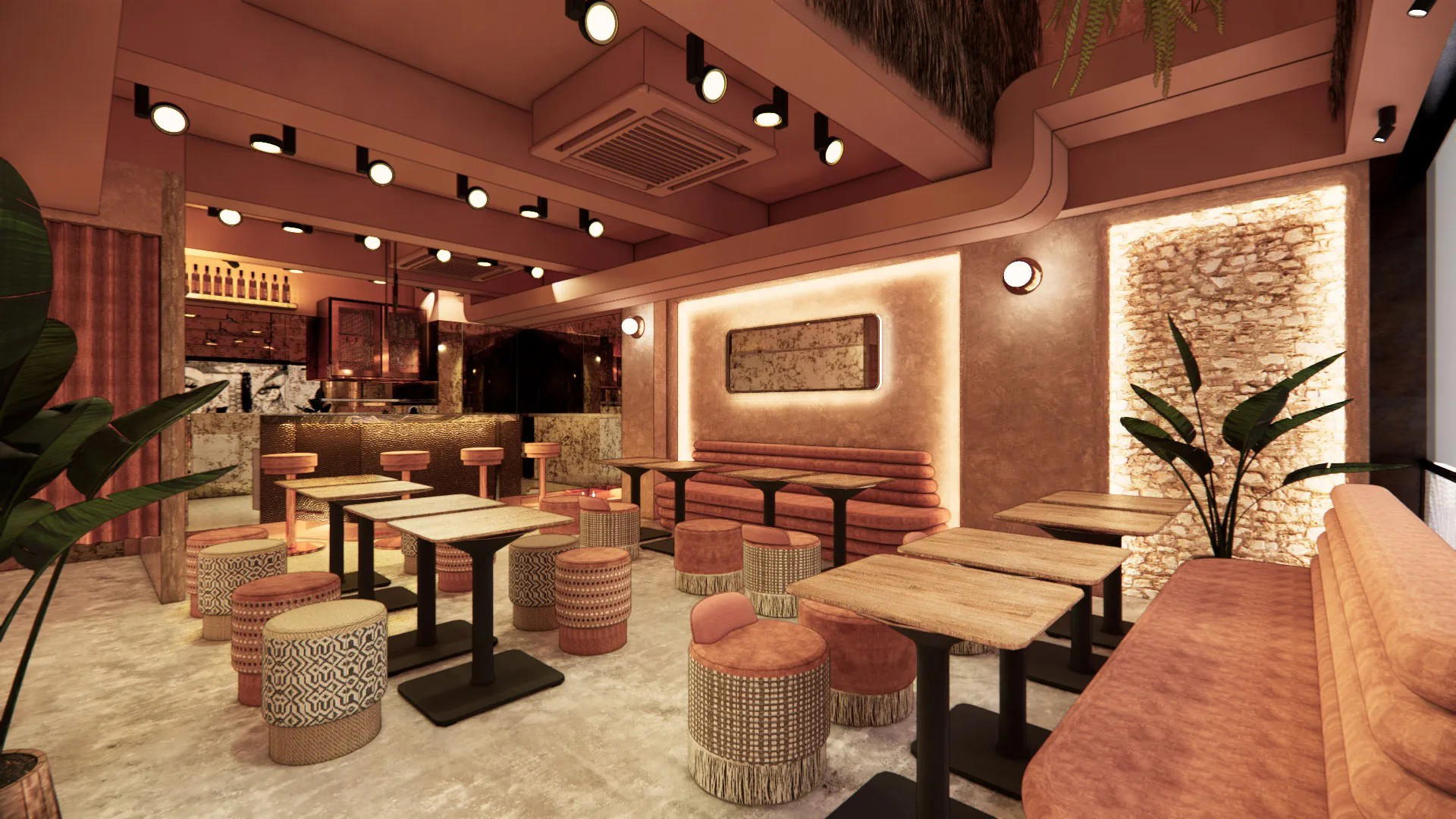
Warm, restrained, and Zen-like, with a minimalist interior, golden tones, and expansive windows that make the city feel close while still creating a cozy refuge.