Café Beurre
Café Beurre occupies a quiet corner of Amsterdam's Westerpark neighbourhood, bringing a focused, butter-forward approach to the kind of casual French-bistro format that the city has increasingly made its own. The address on Van Limburg Stirumstraat places it well outside the tourist circuits, giving it a neighbourhood regulars feel that few central-Amsterdam rooms manage. For those willing to cross the canal, it rewards the effort.
Pearl is the En Primeur Club membership app — saves, bookings, and concierge access live there. Same editors, same standards.
- Address
- Van Limburg Stirumstraat 115, 1051 BA Amsterdam, Netherlands
- Phone
- +31208460510
- Website
- cafebeurreamsterdam.nl
- Directions
- Get directions
 Saves & bookings on Pearl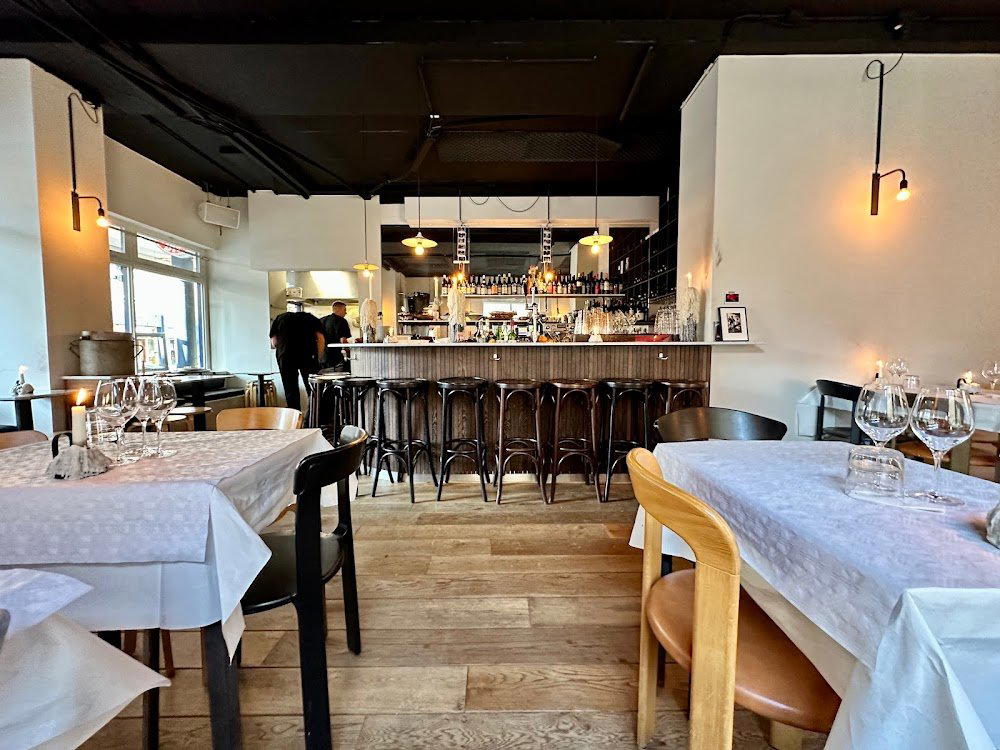
A Neighbourhood Room That Earns Its Detour
The stretch of Van Limburg Stirumstraat that runs through Amsterdam's Westerpark district has none of the self-conscious cool of the Pijp, nor the polished canal-house grandeur of the Grachtengordel. What it has instead is the particular texture of a working neighbourhood that hasn't yet been smoothed by tourism: independent food shops, a tram line, residents who walk rather than pose. Café Beurre arrives in this context as a bistro-register space where the name itself (French for butter, the foundational fat of classic European cookery) signals what kind of kitchen this is likely to be.
The city's premium tier has become increasingly consolidated around a handful of highly decorated addresses. Ciel Bleu, Flore, Spectrum, and Vinkeles dominate the €€€€ tier with Michelin credentials and tasting-menu formats that demand significant commitment in both time and budget. Below that, a middle layer of €€€ addresses, places like Bistro de la Mer, has been building a compelling argument for neighbourhood dining as a serious proposition. Café Beurre operates somewhere in this territory, and the address alone puts it in a different conversation from the canal-facing, tourist-adjacent rooms.
What Butter Signals in a Kitchen
French bistro cooking's relationship with butter is not incidental, it is structural. From the beurre blanc that finishes a fish, to the foaming butter in which a calf's liver is basted, to the laminated dough that produces a proper croissant, butter is the material through which classical French technique most directly expresses itself. A restaurant that names itself after the ingredient is making a statement about culinary allegiance, one that places it in conversation with a long tradition of French cooking rather than the more fashionable Nordic or farm-to-table idioms that have dominated Amsterdam's restaurant openings in recent years.
The Dutch capital has a complicated relationship with French cooking. On one hand, the Netherlands produced some of the 20th century's most influential French-trained chefs; on the other, the contemporary scene has pushed hard toward local identity, foraging, Dutch-grown produce, greenhouse cultivation. The contrast is visible across the city. De Kas built its entire identity around greenhouse-grown ingredients; Bolenius made Modern Dutch its formal category. Against that backdrop, a café that invokes France through its name represents a deliberate counter-position, one that reads less as retrograde and more as quietly confident.
The Sensory Register of a Bistro Room
The bistro format has a specific sensory grammar that distinguishes it from both the casual café and the formal restaurant. Surfaces are harder, tile, zinc, bare wood, so sound travels differently, conversations overlap, the room feels alive in a way that carpeted dining rooms do not. Light tends to come low and warm, from pendant fittings or candles rather than overhead floods. The smell of a working kitchen is closer to the surface: butter browning, stock reducing, the specific sharpness of a wine-based sauce hitting a hot pan.
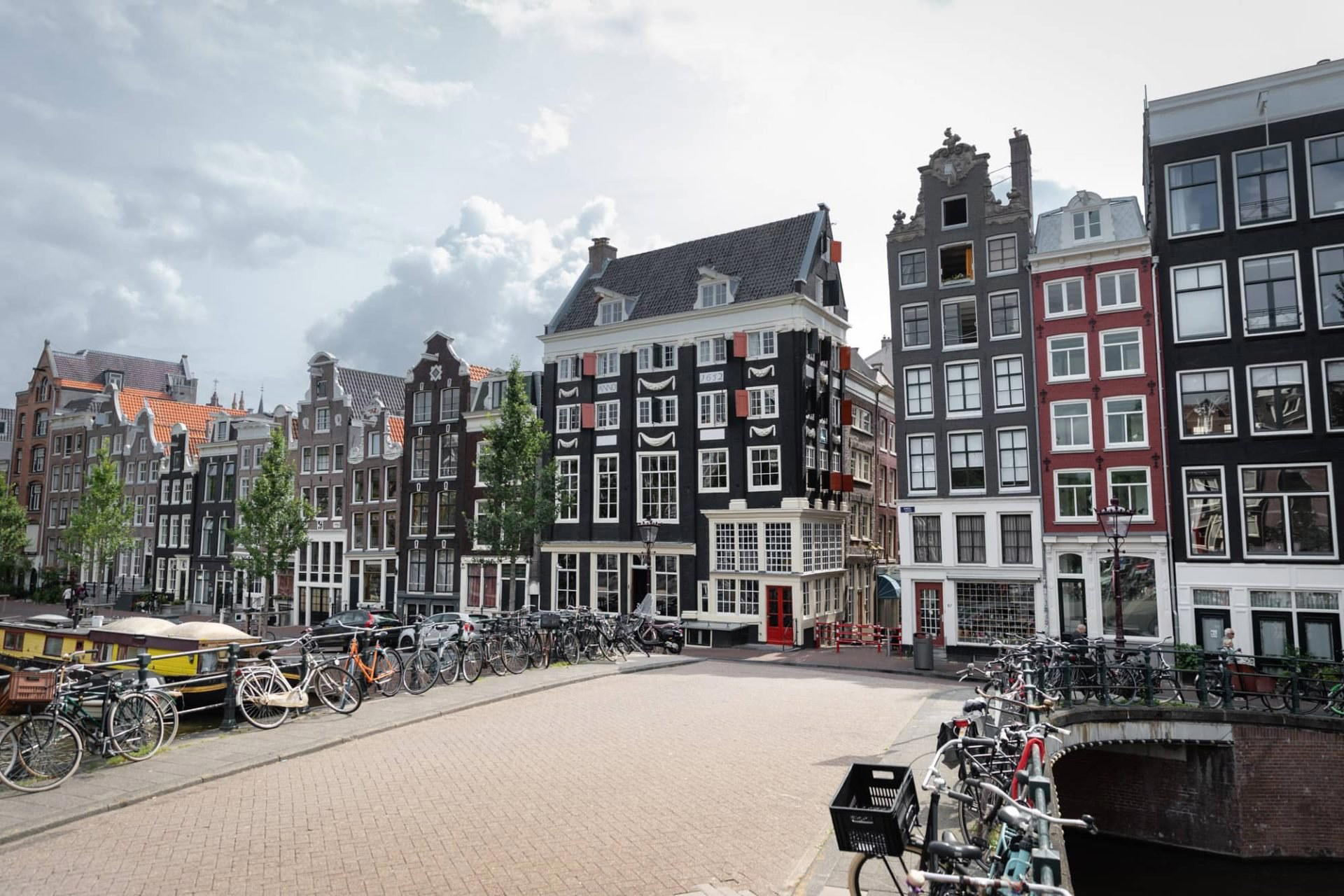
Van Limburg Stirumstraat 115 sits in a part of Amsterdam where buildings date largely from the late 19th and early 20th centuries, the same period of urban expansion that gave the city its characteristic brick facades and tall, narrow windows. A ground-floor bistro in this kind of building tends to have a particular quality of light in the afternoon, when the street's northern-European sun angles through the front windows and catches dust motes above the bar. Whether Café Beurre deploys this architecture to that effect is something the room itself will confirm or deny. What the address guarantees is the urban texture: quiet enough to hear your companion, busy enough to feel like part of something.
How Café Beurre Fits the Wider Dutch Dining Scene
The Netherlands' premium restaurant scene extends well beyond Amsterdam, and understanding where a neighbourhood bistro sits requires some sense of that broader geography. The country's most celebrated destination restaurants, De Librije in Zwolle, Inter Scaldes in Kruiningen, De Nieuwe Winkel in Nijmegen, are not Amsterdam addresses. Neither are De Lindenhof in Giethoorn, Tribeca in Heeze, De Groene Lantaarn in Staphorst, Brut172 in Reijmerstok, De Lindehof in Nuenen, De Bokkedoorns in Overveen, or De Treeswijkhoeve in Waalre. This geographical spread of serious cooking across the Netherlands means that Amsterdam's dining identity is not defined solely by its headline addresses, it is shaped equally by the neighbourhood rooms that sustain daily eating at a serious level.
Internationally, the bistro format has undergone significant rehabilitation in the last decade. Places like Le Bernardin in New York City and community-centred formats like Lazy Bear in San Francisco represent different ends of the fine-dining spectrum, but the renewed interest in casual-serious eating, format stripped back, technique kept, has created space for bistro-register rooms to be taken as seriously as tasting menus. The restaurant's positioning, whether intentional or organic, puts it in the path of that trend.
Know Before You Go
Address: Van Limburg Stirumstraat 115, 1051 BA Amsterdam, Netherlands
Neighbourhood: Westerpark, west of the central canals
Price: About $25 per person
Reservations: Walk-ins are welcome
Hours: Mon: Closed; Tue: 6 PM to 12 AM; Wed: 6 PM to 12 AM; Thu: 6 PM to 12 AM; Fri: 6 PM to 1 AM; Sat: 1 PM to 1 AM; Sun: 1 to 11 PM
Getting there: The Westerpark area is served by tram and is accessible by bicycle from the central city in under 20 minutes
Cuisine and Awards Snapshot
Comparable venues nearby, for context on price, style, and recognition.
| Venue | Cuisine | Price | Notes |
|---|---|---|---|
| Café BeurreThis venue — the venue you are viewing | Modern Vegetarian Bistro | $$ | Not listed |
| Café Brakke | Dutch Brown Café | $$ | Bloemgrachtbuurt |
| Restaurant Envy | Modern European Small Plates | $$ | Felix Meritisbuurt |
| Café Binnenvisser | Modern European Bistro | $$ | Da Costabuurt Noord |
| IJ-kantine | Modern European Brasserie with Seafood | $$ | NDSM terrein |
| Graham's Kitchen | Modern European with British Twist | $$$ | Hemonybuurt |
Continue exploring
More in Amsterdam
Restaurants in Amsterdam
Browse all →
Bars in Amsterdam
Browse all →
Hotels in Amsterdam
Browse all →
Wineries in Amsterdam
Browse all →
At a Glance
- Intimate
- Cozy
- Trendy
- Date Night
- Casual Hangout
- Terrace
- Extensive Wine List
- Local Sourcing
- Street Scene
Current opening hours
- Monday
- Closed
- Tuesday
- 6 PM–12 AM
- Wednesday
- 6 PM–12 AM
- Thursday
- 6 PM–12 AM
- Friday
- 6 PM–1 AM
- Saturday
- 1 PM–1 AM
- Sunday
- 1–11 PM
Hours can change for holidays and private events. Last verified .
Lived-in and cozy with warm lighting, well-suited for couples sharing plates over wine.