Our verdict
On Calle Portales, Logroño's main tapas artery, Cachito Mío Gourmet occupies a space where the city's deep wine-country produce traditions meet a more considered, gourmet register. The address puts it at the centre of La Rioja's most concentrated dining strip, where sourcing from the surrounding agricultural region is less a marketing angle than a structural fact of daily cooking.

Pearl is the En Primeur Club membership app, where members save venues, book tables and use the concierge.
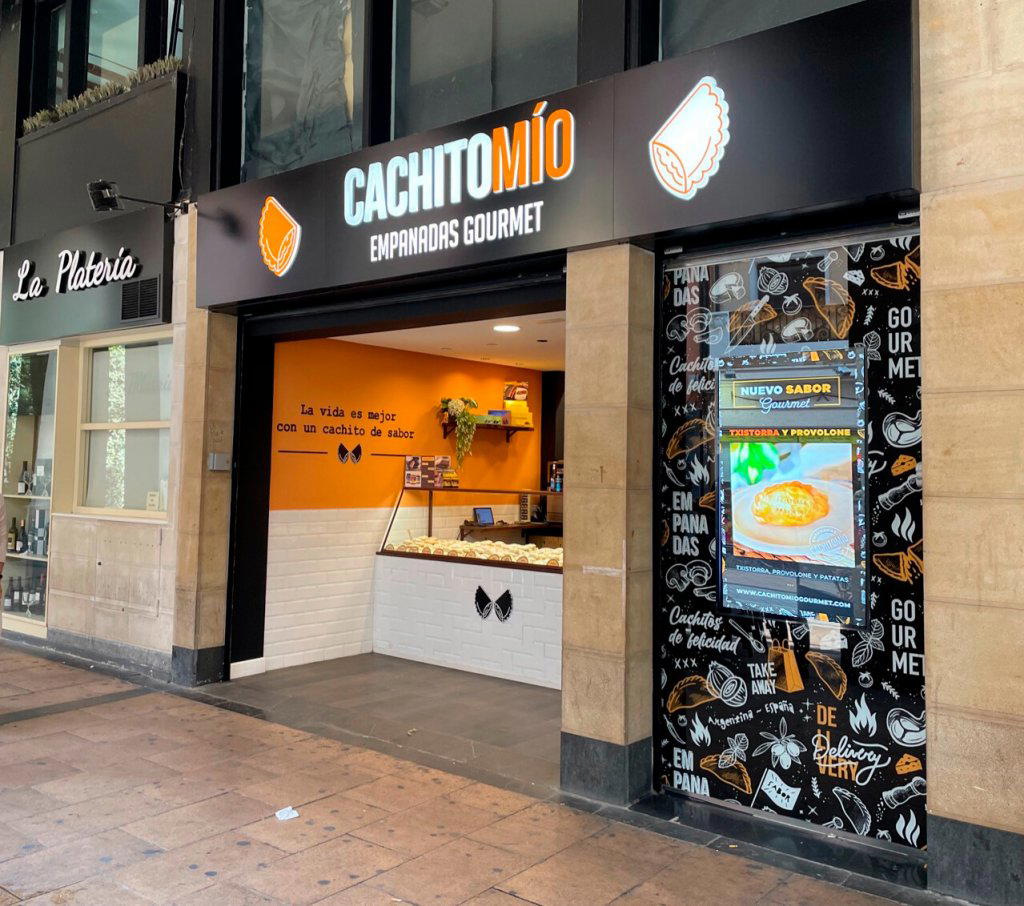
This is the sourcing context in which a venue like Cachito Mío Gourmet needs to be understood.
For reference on what the more formal end of the Spanish spectrum looks like, the Michelin three-star tier in the north includes Arzak in San Sebastián, Azurmendi in Larrabetzu, and Martin Berasategui in Lasarte-Oria, all of which have built their identities on the agricultural specificity of their regions. At the creative end, Mugaritz in Errenteria and El Celler de Can Roca in Girona represent how regional ingredient logic can scale into internationally recognised experimentation. At one end, internationally celebrated creative restaurants, the DiverXOs and Quique Dacostas and Aponientes, have captured global attention with conceptually ambitious tasting menus. Between those poles, a category of gourmet casual has grown in provincial cities, often occupying addresses that look informal from the street but deliver food that reflects considered sourcing, trained technique, and serious wine knowledge. A kitchen here does not need to reach far for quality ingredients, and that geographic luck tends to show in the plate when a cook is paying attention. The gourmet positioning in this context is less about formal ceremony and more about the gap between knowing your producer and not knowing your producer.enprimeurclub.com/restaurants/ricard-camarena-valncia-restaurant">Ricard Camarena in València, where hyper-local Valencian produce drives the creative programme, and Casa Marcial in Arriondas, whose Asturian sourcing is as much the story as the cooking itself. The ambition level differs, but the underlying logic, that regional ingredients handled with skill are the most credible form of Spanish cooking, connects them.
Given the venue's gourmet positioning on a street that runs the full range from casual pintxo to more considered cooking, it is worth arriving with some flexibility around timing. The practical advice for any gourmet address on this strip is to visit early in the evening or on weekdays if possible, when the kitchen has more attention to give and the room is easier to read.enprimeurclub.com/restaurants/nerua-guggenheim-bilbao-bilbao-restaurant">Nerua Guggenheim Bilbao for its rigorous Basque market cooking, Cenador de Amós in Villaverde de Pontones for its Cantabrian counterpart, and further south, Noor in Córdoba or Atrio in Cáceres for Extremaduran and Andalusian sourcing traditions. For a transatlantic frame of reference, the sourcing-led seriousness of Le Bernardin in New York City and the producer-focused ethos of Lazy Bear in San Francisco offer useful parallels in how a restaurant can build identity around ingredient provenance rather than spectacle. And for a Barcelona reference in the same national conversation, Cocina Hermanos Torres demonstrates how Spanish regional sourcing can anchor a formally ambitious project.
Frequently Asked Questions
- Can I bring kids to Cachito Mío Gourmet? In a city where dining culture skews late and the street fills with adults from around 9pm onward, a visit with children is most comfortable between 7pm and 8:30pm, before the room and the street outside reach their peak energy.
- Is Cachito Mío Gourmet formal or casual? The city has no Michelin-starred addresses at the formal end of the spectrum, so the local calibration of what "gourmet" means sits closer to considered-casual than to the white-tablecloth register you would find at, for example, Arzak or Azurmendi.
- What should I order at Cachito Mío Gourmet?
Frequently asked questions
Can I bring kids to CACHITO MÍO GOURMET?
Calle Portales in Logroño is a lively street-level dining district, and the bar and restaurant culture there tends to be relaxed and neighbourhood-facing rather than formally exclusive. Nothing in the venue's positioning signals a adults-only policy, though the gourmet framing suggests a sit-down pace that suits older children better than toddlers.
Is CACHITO MÍO GOURMET formal or casual?
The address on Calle Portales places Cachito Mío Gourmet squarely within Logroño's bar-crawl corridor, a street known for convivial, unpretentious dining rather than white-tablecloth formality. The 'gourmet' descriptor signals attention to sourcing and preparation above everyday bar food, but that sits comfortably alongside the relaxed register typical of La Rioja's neighbourhood restaurants. Neat casual dress fits the setting.
How does Cachito Mío Gourmet fit into the Calle Portales dining scene in Logroño?
Calle Portales is the axis of Logroño's most concentrated restaurant and bar district, where the local txikiteo bar-crawl tradition runs alongside sit-down dining at a higher register. Cachito Mío Gourmet at number 61 occupies the gourmet mid-tier of that street, a category that in La Rioja is defined by produce discipline and alignment with the region's wine culture rather than by celebrity-chef spectacle. It makes a coherent anchor point for an evening that begins or ends with the Portales crawl.
What should I order at CACHITO MÍO GOURMET?
Portales, 61, Logroño is the practical route. Given the venue's gourmet positioning in a wine region where produce sourcing carries real weight, dishes built around La Rioja's seasonal vegetables, local lamb, and regional charcuterie are the category to focus on. Pairing with a Rioja Reserva or Crianza by the glass is consistent with how serious diners approach the area.
Side-by-Side Snapshot
Comparable venues nearby, for context on price, style, and recognition.
| Venue | Cuisine | Price | Awards | Notes |
|---|---|---|---|---|
| CACHITO MÍO GOURMETThis venue (the venue you are viewing) | Authentic Argentinian Empanadas | $1–10 | Not listed | Not listed |
| Moderna Tradición | Cocina riojana moderna | $30–50 | Macarfi 7.6 Food Rating · Guía Repsol 1 Sol | centro histórico |
| Aitor Esnal | Basque-rooted contemporary fine dining with Asian influences | $50–100 | Guía Repsol 1 Sol · Macarfi 8.8 Food Rating | Parte Vieja |
| Arsa | Andalusian–Riojan Modern Spanish | $50–100 | Macarfi 7.2 Food Rating · Guía Repsol 1 Sol | .center of Logroño |
| La Galería | Modern Spanish-Rioja restaurant | $30–50 | Macarfi 6.5 Food Rating · Guía Repsol 1 Sol | Logroño |
| Sabores | Modern Spanish Tasting Menu | $50–100 | Michelin Plate · Macarfi 8 Food Rating | center |
Continue exploring
More in Logroño
Restaurants in Logroño
All restaurants in Logroño →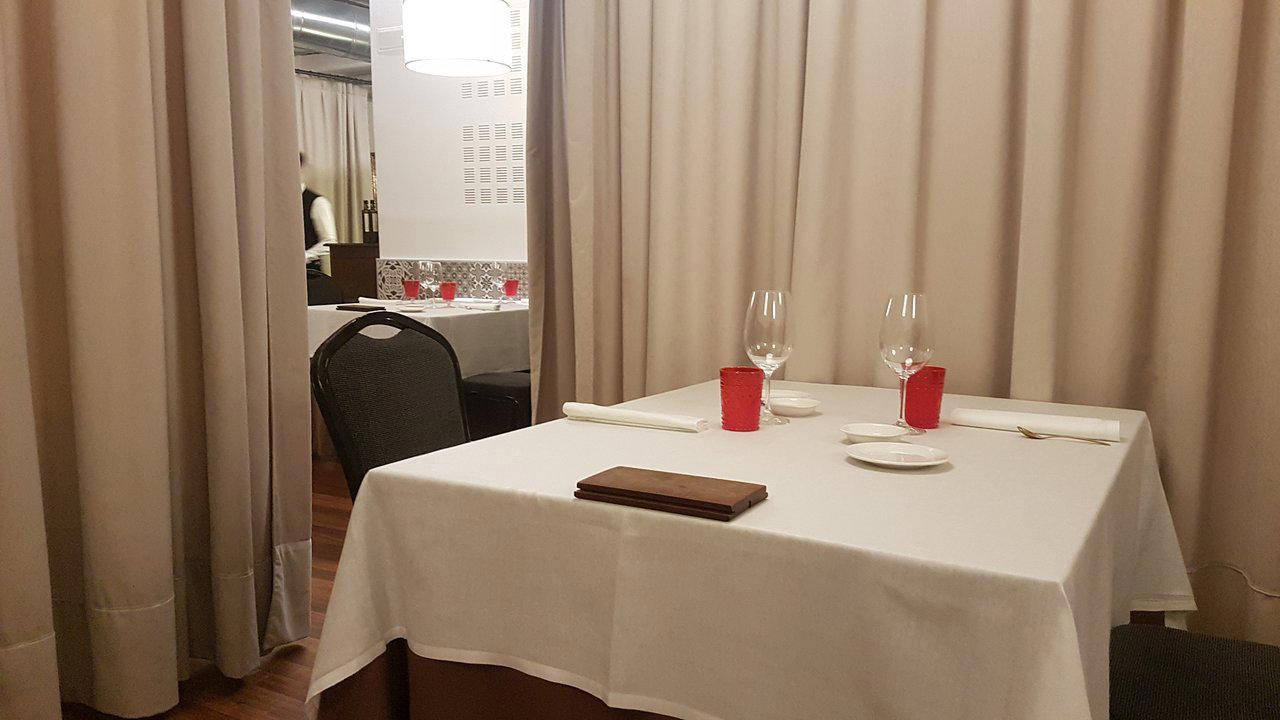
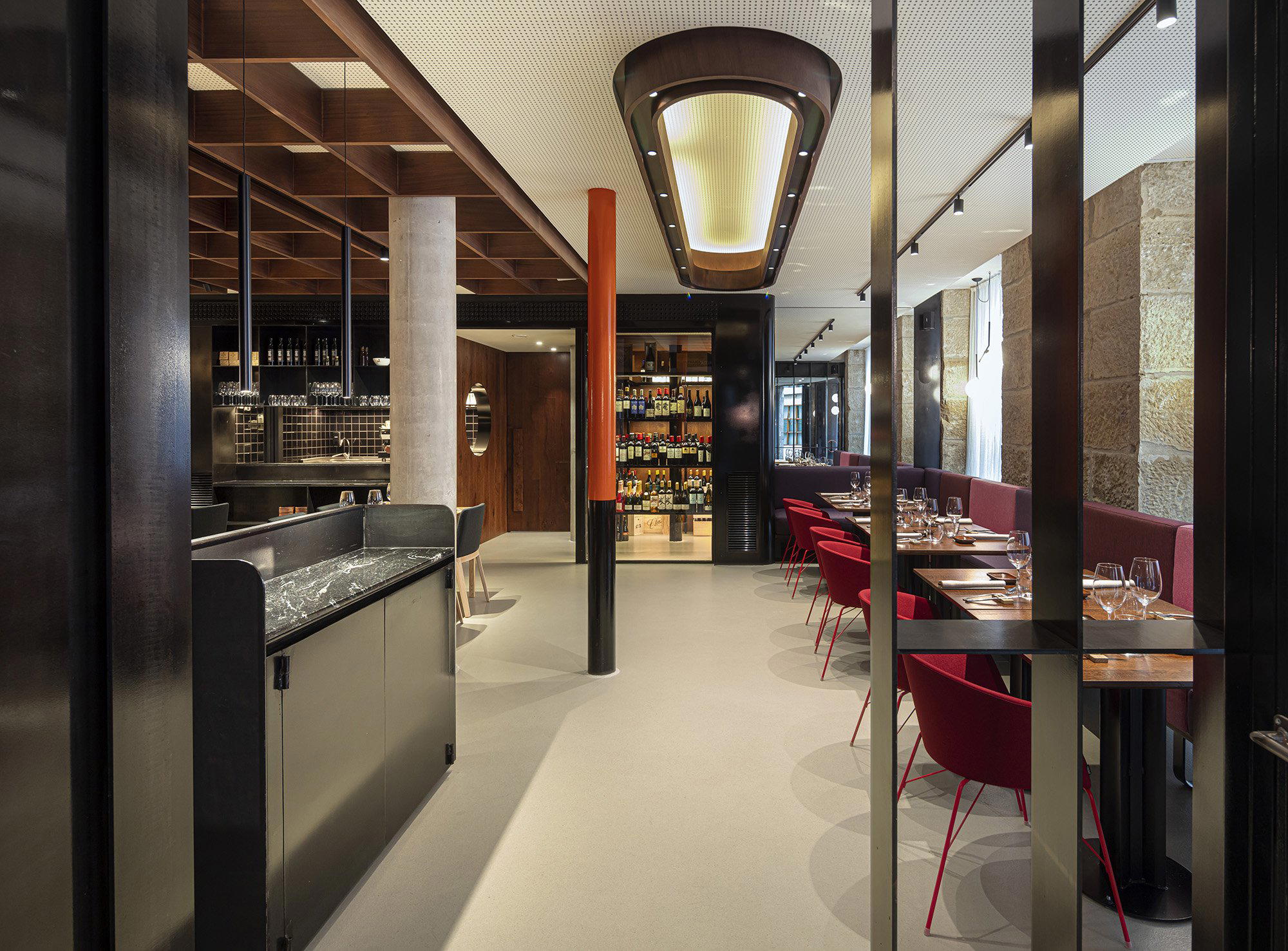
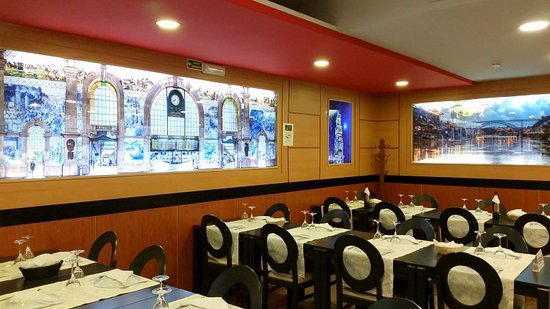
Bars in Logroño
All bars in Logroño →

Details
- Cozy
- Casual Hangout
- Solo
- A La Carte
- Vegetarian Friendly
Current opening hours
- Monday
- 12–4 PM, 6–10:30 PM
- Tuesday
- 12–4 PM, 6–10:30 PM
- Wednesday
- 12–4 PM, 6–10:30 PM
- Thursday
- 12–4 PM, 6–10:30 PM
- Friday
- 12–4 PM, 6–10:30 PM
- Saturday
- 12–4 PM, 6–10:30 PM
- Sunday
- 12–4 PM, 6–10:30 PM
Hours can change for holidays and private events. Hours as of .
Cozy spot with an inviting and fashionably casual atmosphere, well-suited for quiet solo dining.