Our verdict
Cache-Cache sits in Iwanuma, Miyagi — a city better known as a transit point between Sendai and the Tohoku coast than as a dining destination in its own right. The French name and residential address in Dogasaki suggest a neighbourhood-scale operation with local loyalties rather than regional ambitions. For travellers passing through or staying near the city, it represents the kind of place worth seeking out precisely because it operates outside the usual circuits.

Pearl is the En Primeur Club membership app — saves, bookings, and concierge access live there. Same editors, same standards.
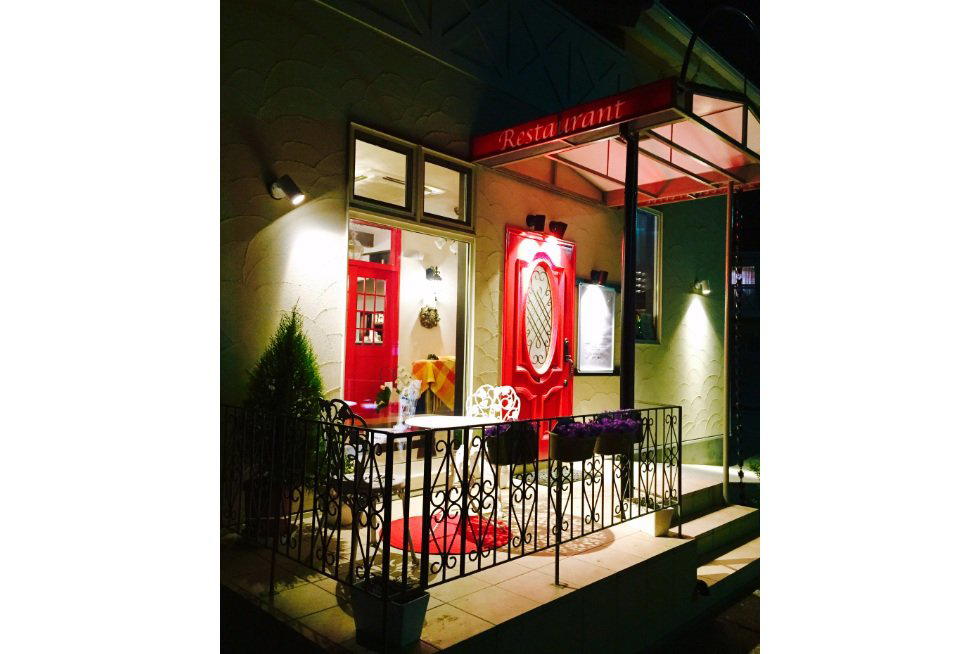
Dining Outside the Circuit: Iwanuma and the Case for Provincial Restaurants
Miyagi Prefecture's dining reputation begins and ends, for most visitors, in Sendai — gyutan counters on Kokubuncho, kaiseki rooms in the hills, ramen shops open past midnight. Iwanuma, twenty minutes south by local train, rarely appears in those conversations. It functions primarily as a logistics hub: the interchange city between Sendai, Tohoku Expressway traffic, and the flat coastal plain that bore the brunt of the 2011 tsunami. That context matters when you find a restaurant like Cache-Cache operating quietly in the Dogasaki district, at an address that reads more like a residential delivery than a dining destination.
Provincial restaurants in Japan operate under a different set of pressures than their urban counterparts. Without the foot traffic of a city dining strip, they build on loyalty and specificity. The French name — cache-cache is the French term for hide-and-seek, points toward a Western-influenced kitchen, and the address at 2 Chome-2-17 Dogasaki places it firmly in the fabric of everyday Iwanuma rather than any tourist corridor. This is a pattern seen across smaller Tohoku cities: the ambitious local restaurant that earns its reputation through consistent relationships with the surrounding community rather than through guidebook placement or award cycles.
Ingredient Sourcing in Tohoku: What the Region Brings to the Table
The case for eating seriously in Miyagi Prefecture rests on ingredients before technique. The coastal waters off Tohoku, specifically Matsushima Bay, Shichigahama, and the rias coastline further north into Iwate, produce oysters, sea urchin, and Pacific saury that supply some of Japan's most recognised kitchens. Harutaka in Tokyo and counters across the Ginza omakase tier source Pacific seafood from exactly this supply chain. Sendai beef, from cattle raised in the Miyagi interior, has a designation that places it in the same conversation as wagyu from better-publicised prefectures. Rice from the Miyagi lowlands, including the Hitomebore and Tsuyahime varieties grown in the flat fields around Iwanuma itself, is among the most consistent short-grain rice produced in Japan.
For a kitchen operating in Iwanuma, that supply geography is an advantage measured in kilometres rather than supply-chain complexity. The distance from Dogasaki to Matsushima Bay is under thirty kilometres. Sendai's Chuo Market, one of the major seafood distribution points for the Tohoku region, sits within easy reach. What urban restaurants achieve through supplier relationships and overnight logistics, a well-run Iwanuma kitchen can approach through proximity. The French-leaning kitchens at HAJIME in Osaka and Gion Sasaki in Kyoto have built reputations partly on the discipline with which they source; a provincial Tohoku restaurant drawing on local waters and local rice operates within a similarly coherent sourcing logic, even if at a different scale of recognition.
It is, rather, an argument about where Iwanuma sits in the ingredient map of northern Honshu, and why a serious restaurant in this city has access to materials that urban kitchens spend considerable effort and money to obtain.
The Neighbourhood Format and What It Signals
Across Japan's smaller cities, the neighbourhood Western-influenced restaurant occupies a specific cultural position. It is rarely a replica of a Tokyo brasserie or a French-trained tasting menu operation. More often it reflects a local interpretation: classic technique applied to regional produce, a format comfortable enough for repeat visits, a kitchen that earns trust through consistency rather than spectacle. affetto akita in Akita and Ajidocoro in Yubari District represent versions of this same pattern: restaurants embedded in communities that do not see heavy tourism, earning local authority through sustained quality.
Cache-Cache's Dogasaki address reinforces that reading. Dogasaki is a residential neighbourhood without particular commercial concentration. A restaurant choosing to operate there is not angling for passing trade. It is building toward a regular clientele, the kind of place where the same families return for anniversary dinners, where local professionals treat it as a reliable option for a meal that exceeds convenience. This operating model has a distinct durability in Japanese provincial cities, where community reputation sustains businesses through economic cycles that would shutter a trend-dependent urban room.
For context on how Western-influenced techniques translate into Japan's regional dining scene, the work at akordu in Nara and Goh in Fukuoka shows how French and European frameworks can be adapted with regional specificity in non-metropolitan settings. Cache-Cache, operating in Miyagi's southern reach, appears to occupy a comparable niche at a smaller scale.
Iwanuma does not appear in the national restaurant rankings that drive reservation demand for places like Le Bernardin in New York City or generate the kind of destination dining that brings travellers to Lazy Bear in San Francisco. aki nagao in Sapporo, Amaki in Aichi, and anchoa in Kanagawa each represent the broader pattern of regionally grounded restaurants that do not compete for national visibility but serve a defined audience with genuine seriousness.
Other regional comparisons worth noting: Abon in Ashiya, Aji Arai in Oita, Akakichi in Imabari, Amegen in Saga, and Arakawa in Hyogo all operate outside major metropolitan centres and earn their standing through local trust rather than critical circuits. Cache-Cache belongs to this broader category of place.
Planning a Visit
Iwanuma is accessible from Sendai by JR Tohoku Main Line in under twenty minutes, and from the Shinkansen network via Sendai Station. Travellers using Sendai as a base for exploring the Matsushima coast or the Tohoku interior will find Iwanuma a plausible addition to a day itinerary. Cache-Cache's address in Dogasaki is a short taxi or cycle ride from Iwanuma Station. Given the absence of confirmed booking information in the public record, contacting the restaurant directly or checking current reservation availability through local dining platforms before visiting is advisable. Our full Iwanuma restaurants guide covers the broader dining picture in the city for anyone planning more than a single stop.
Frequently asked questions
Does Cache-Cache work for a family meal?
Cache-Cache sits in a residential area of Iwanuma at 2 Chome-2-17 Dogasaki, which places it firmly in neighbourhood restaurant territory rather than the formal dining circuit. That format tends to suit families better than destination-style kaiseki or omakase counters, where pacing and silence are part of the proposition.
Is Cache-Cache better for a quiet night or a lively one?
Neighbourhood Western-influenced restaurants in smaller Japanese cities like Iwanuma typically run on the quieter side — regulars rather than reservation rushes, and a pace set by the kitchen rather than the crowd. Cache-Cache's Dogasaki address puts it away from Sendai's Kokubuncho bar strip, which shapes the atmosphere by default. Expect a measured evening rather than a late-night one.
Is Cache-Cache worth the trip from Sendai specifically for Tohoku regional ingredients?
Iwanuma is reachable from Sendai by JR Tohoku Main Line in under twenty minutes, which makes Cache-Cache a low-commitment detour rather than a dedicated journey. Miyagi Prefecture's coastal and agricultural produce — including Matsushima Bay seafood — gives provincial kitchens in this corridor access to ingredients that larger city restaurants import at a premium. For those already using the Shinkansen corridor through Sendai, Iwanuma adds little travel time and a meaningfully different dining register.
What do regulars order at Cache-Cache?
What the region reliably offers is strong coastal produce from Matsushima Bay and agricultural ingredients from the Tohoku interior — both of which tend to anchor the menus of serious provincial kitchens in this part of Japan.
What's the address for Cache-Cache?
Cache-Cache is located at î2 Chome-2-17 Dogasaki, Iwanuma, Miyagi 989-2451, Japan, Iwanuma.
Side-by-Side Snapshot
Comparable venues nearby, for context on price, style, and recognition.
| Venue | Cuisine | Price | Notes |
|---|---|---|---|
| Cache-CacheThis venue — the venue you are viewing | Casual French | $50–100 | Not listed |
| Les Alchimistes | Avant-Garde French Fine Dining | Not listed | Shirokanedai |
| Au Gamin de Tokio | French Bistro | Not listed | Ebisu |
| ビストロ ダイア | Neo French Bistro | Not listed | Shinei |
| The Barn by Odin | French Bistro with Hokkaido Ingredients | $100–150 | Hirafu |
| Otona | French-Italian Bistro | $50–100 | Kinshicho |
Continue exploring
More in Iwanuma
Restaurants in Iwanuma
All restaurants in Iwanuma →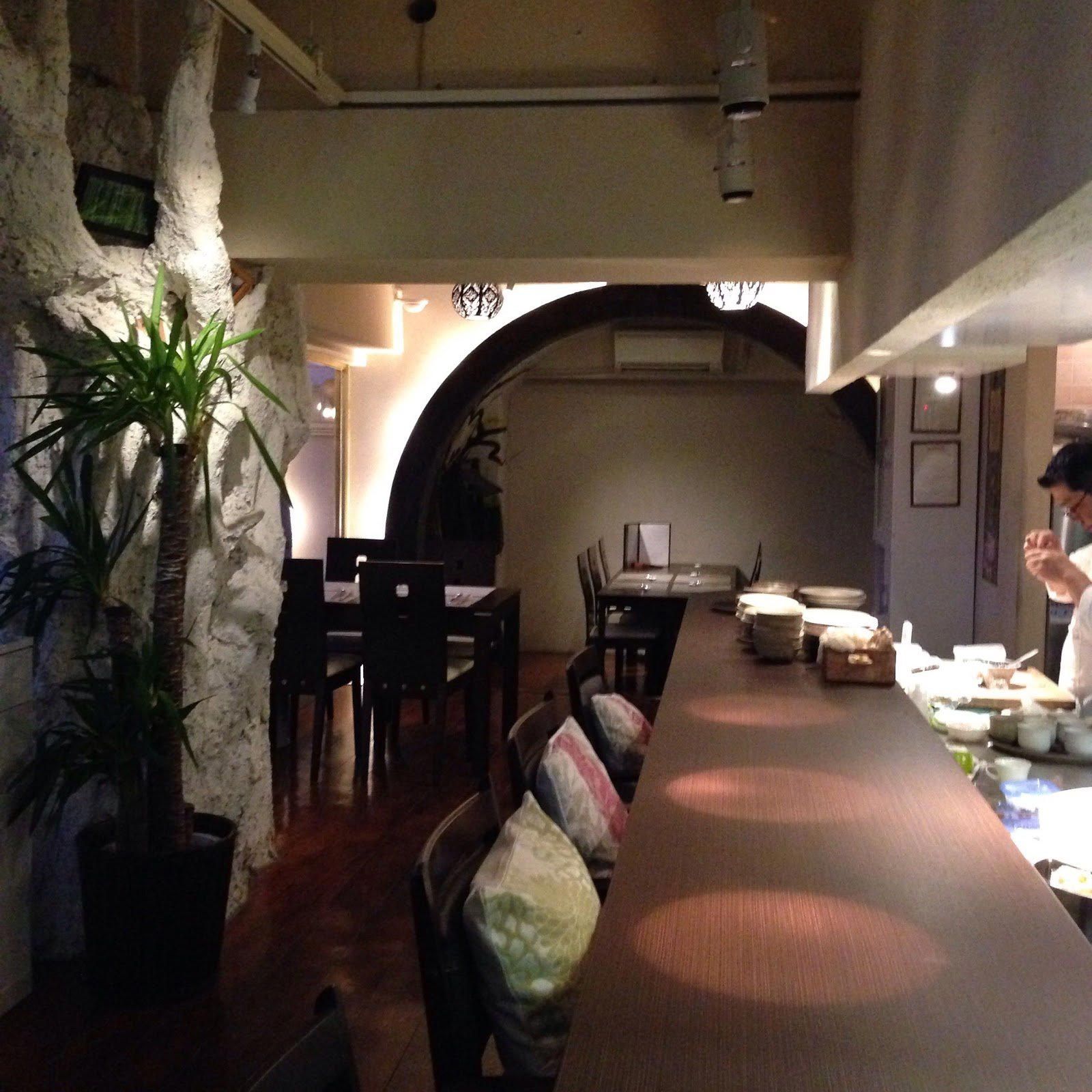
Hotels in Iwanuma
Browse all →
Wineries in Iwanuma
Browse all →
Details
- Elegant
- Cozy
- Sophisticated
- Date Night
- Special Occasion
- Local Sourcing
- A La Carte
- Set Menu
Current opening hours
- Monday
- 11:30 AM–2:30 PM
- Tuesday
- Closed
- Wednesday
- Closed
- Thursday
- 11:30 AM–2:30 PM, 6–9 PM
- Friday
- 11:30 AM–2:30 PM, 6–9 PM
- Saturday
- 11:30 AM–2:30 PM, 6–9 PM
- Sunday
- 11:30 AM–2:30 PM, 6–9 PM
Hours can change for holidays and private events. Last verified .
Warm and sophisticated with inviting decor and spacious seating.