Cacaoté operates from Steenovenstraat in Meulebeke, a small West Flemish town that sits well outside Belgium's usual fine-dining circuit. The name signals an ingredient-led focus rooted in cacao, placing it in a niche tier of Belgian specialty producers and destination addresses that reward deliberate travel rather than convenience.
Pearl is the En Primeur Club membership app — saves, bookings, and concierge access live there. Same editors, same standards.
- Address
- Steenovenstraat 83, 8760 Tielt, Belgium
- Phone
- +3251813427
- Website
- cacaote.be
- Directions
- Get directions
 Saves & bookings on Pearl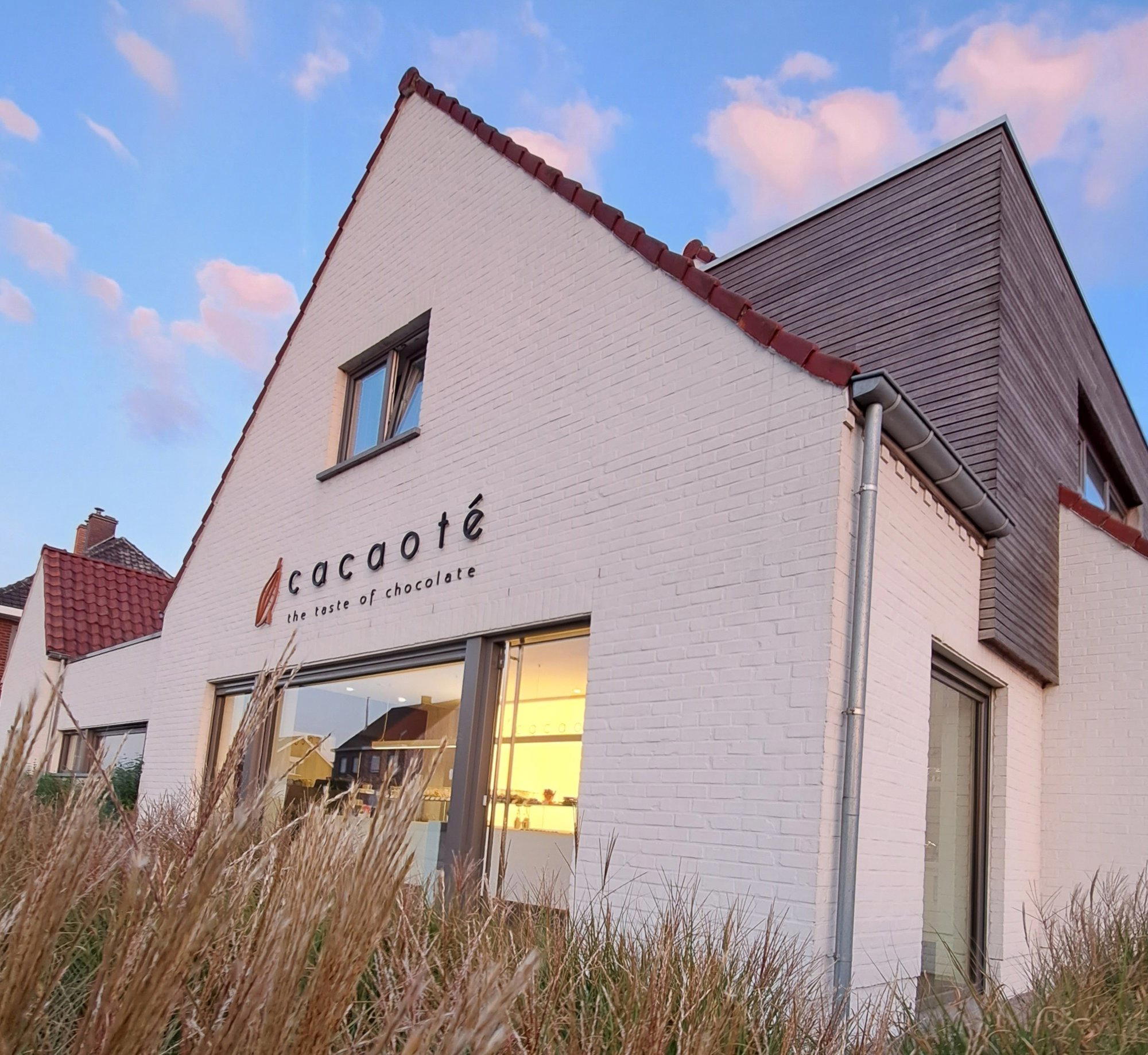
A West Flemish Address Worth the Detour
Belgium's serious dining addresses tend to cluster in predictable corridors: Ghent, Antwerp, the Roeselare-Kortrijk axis, the outskirts of Brussels. Tielt, Belgium, is a quiet agricultural town in the West Flemish interior where the flat landscape offers little visual drama and the roads between towns carry more farm traffic than food tourists. That geographic remove is precisely the point. Addresses like Cacaoté, on Steenovenstraat in what the postal system classifies as the Tielt district, exist in a different register from the dense urban dining scenes further west and north. They ask something of the visitor, a deliberate decision, a drive, an orientation toward the specific rather than the convenient.
Cacao as a Serious Ingredient, Not a Flavour Note
The name Cacaoté foregrounds cacao directly, and that framing matters. In Belgian culinary culture, chocolate occupies an unusual dual position: it is simultaneously a point of national pride with deep craft traditions and a category so commercialised at the tourist end that serious producers often resist association with the generic image. The fine chocolate and cacao-focused operations that do command attention in Belgium tend to position through sourcing specificity, named origin beans, single-estate relationships, fermentation transparency, rather than through volume or mass retail.
This sourcing-led approach mirrors a pattern visible across the wider Belgian fine-dining ecosystem. At Boury in Roeselare, ingredient provenance is a structuring principle of the menu. At Vrijmoed in Gent, the creative framework is built around what regional producers can supply at a given moment. The underlying logic in both cases is that a dish's interest is inseparable from where its components come from. A cacao-focused address in the Flemish interior operates on the same principle, with the added layer that cacao itself is an ingredient requiring international sourcing chains, which means the sourcing story extends beyond Belgium's borders into the producing regions of West Africa, Latin America, or Southeast Asia where the beans originate.
That supply chain complexity, when handled with transparency, is what separates a serious cacao address from a confectionery shop that happens to use Belgian couverture. The distinction matters to visitors deciding how much of a detour to make and what to expect when they arrive.
Where Cacaoté Sits in the West Flemish Specialty Tier
West Flanders has produced a disproportionate share of Belgium's serious dining addresses relative to its population. Hof van Cleve in Kruishoutem and De Jonkman in Sint-Kruis anchor the region's reputation at the Michelin-starred level. La Durée in Izegem represents the French-Belgian creative strand. These are restaurant addresses. A cacao-focused operation like Cacaoté occupies a different category within the same specialty food culture: it is closer to a producer-retailer or artisan workshop than to a tasting-menu restaurant, though the line between those formats has blurred considerably in Belgium over the past decade as more makers have added hospitality dimensions to their production spaces.
This format split, between destination restaurants and destination producers, is worth keeping in mind for trip planning. The experience of visiting Cacaoté is unlikely to replicate sitting at a counter at Willem Hiele in Oudenburg or working through a long menu at Zilte in Antwerp. It belongs to a separate but equally deliberate category of food travel, one organised around a specific ingredient rather than a chef's seasonal output.
Belgium has several reference points for this kind of address. Bozar Restaurant in Brussels sits at the intersection of cultural institution and serious kitchen. La Paix in Anderlecht operates as a butcher-restaurant hybrid. The logic in each case is that the sourcing or production process is as much the subject as the finished dish. Cacaoté fits that broader pattern, with cacao at the centre rather than wine, livestock, or seasonal produce.
Planning a Visit to Meulebeke
Meulebeke is roughly equidistant between Ghent and Bruges, accessible by car in under an hour from either city. The town has no significant tourist infrastructure, so a visit to Cacaoté works well as a planned stop on a wider West Flemish itinerary rather than a standalone trip from Brussels or Antwerp. Those coming from further afield might pair it with addresses in Roeselare or Tielt before continuing toward the coast. The address on Steenovenstraat places it at the edge of the residential fabric of a small Flemish market town, which is consistent with the kind of low-profile location that specialist producers in Belgium tend to occupy. Confirm hours and availability before travel.
Ralf Berendsen in Neerharen, Cuchara in Lommel, and Castor in Beveren offer useful reference points for how to structure a day around a single specialty address in a smaller Belgian town. Lazy Bear in San Francisco and Le Bernardin in New York City demonstrate at the restaurant end how destination-specific food travel organises itself around a clear proposition. Cacaoté's proposition is narrower and more ingredient-specific, but the underlying logic of deliberate travel toward expertise applies.
d'Eugénie à Emilie in Baudour, Le Chalet de la Forêt in Uccle, and La Table de Maxime in Our, each of which represents a different strand of serious Belgian cooking and rounds out a picture of what the country's culinary geography looks like beyond its capital.
In Context: Similar Options
Comparable venues nearby, for context on price, style, and recognition.
| Venue | Cuisine | Price | Notes |
|---|---|---|---|
| CacaotéThis venue — the venue you are viewing | Belgian Chocolatier | $$$ | Not listed |
| Babette | Tapas and Cocktails | $$$ | Sint-Martens-Latem |
| Van Nueten Chocolates | Artistic Belgian Chocolatier | $$$ | Knokke |
| Chocolate Line, The | Innovative Belgian Chocolatier | $$$ | Historic Center |
| Depla Chocolatier | Belgian Chocolatier | $$ | Historic Centre |
| Klei | Modern Belgian Fine Dining | $$$ | Grote Markt |
Continue exploring
More in Meulebeke
Restaurants in Meulebeke
Browse all →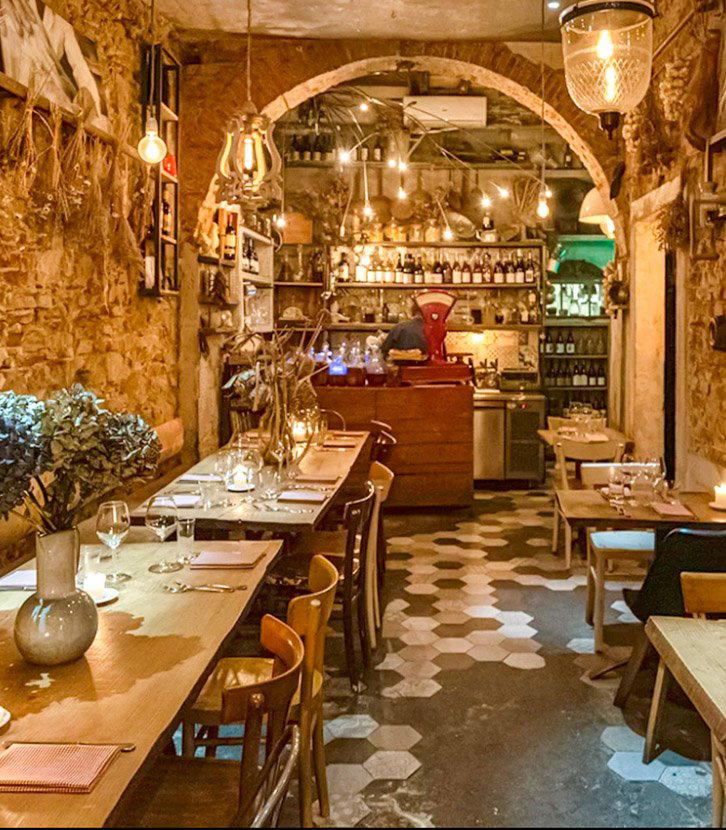
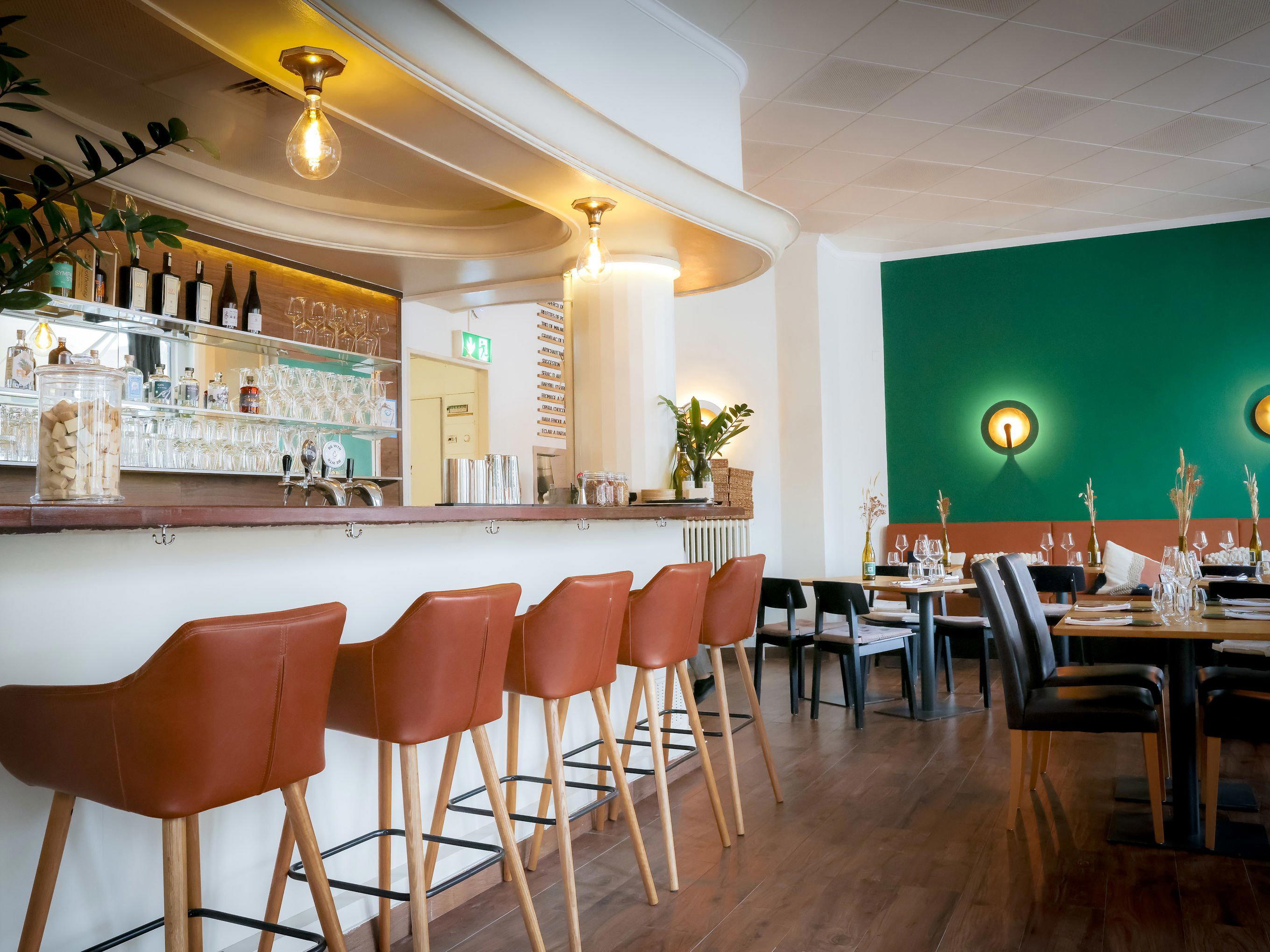
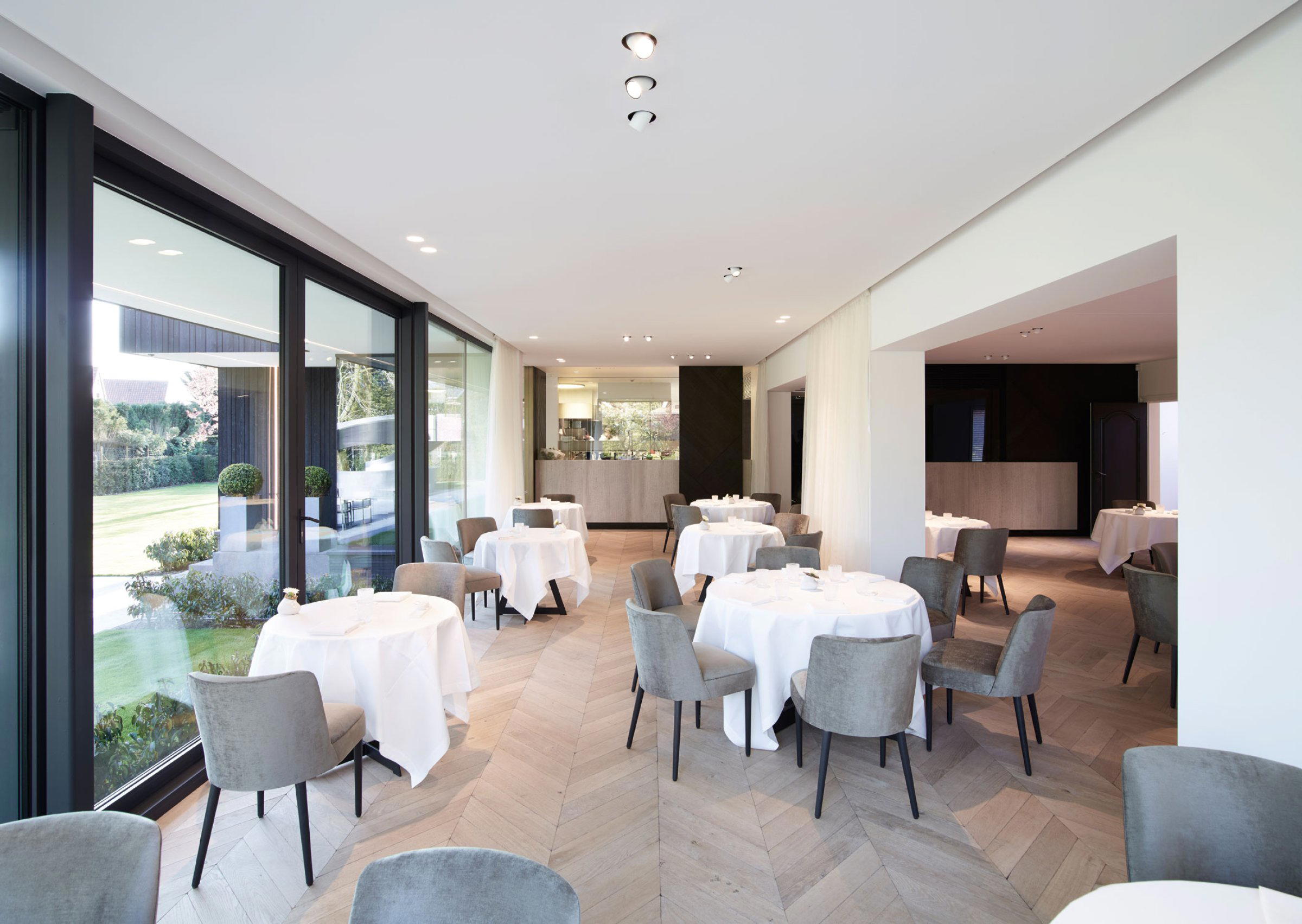

Bars in Meulebeke
Browse all →
At a Glance
- Elegant
- Cozy
- Casual Hangout
- Standalone
Current opening hours
- Monday
- Closed
- Tuesday
- Closed
- Wednesday
- 9:30 AM–12:30 PM, 2–6:30 PM
- Thursday
- 9:30 AM–12:30 PM, 2–6:30 PM
- Friday
- 9:30 AM–12:30 PM, 2–6:30 PM
- Saturday
- 9:30 AM–5 PM
- Sunday
- Closed
Hours can change for holidays and private events. Last verified .
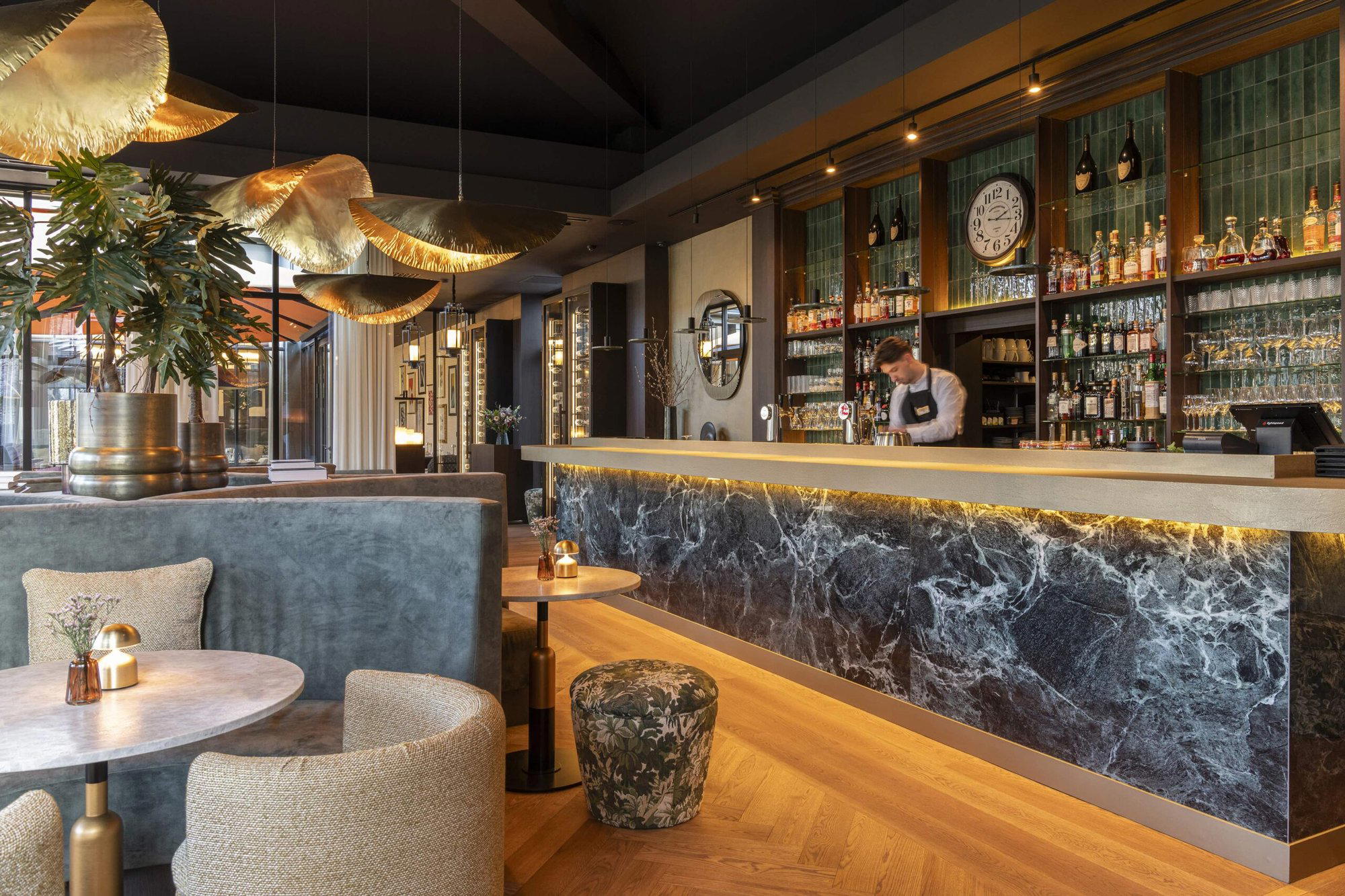
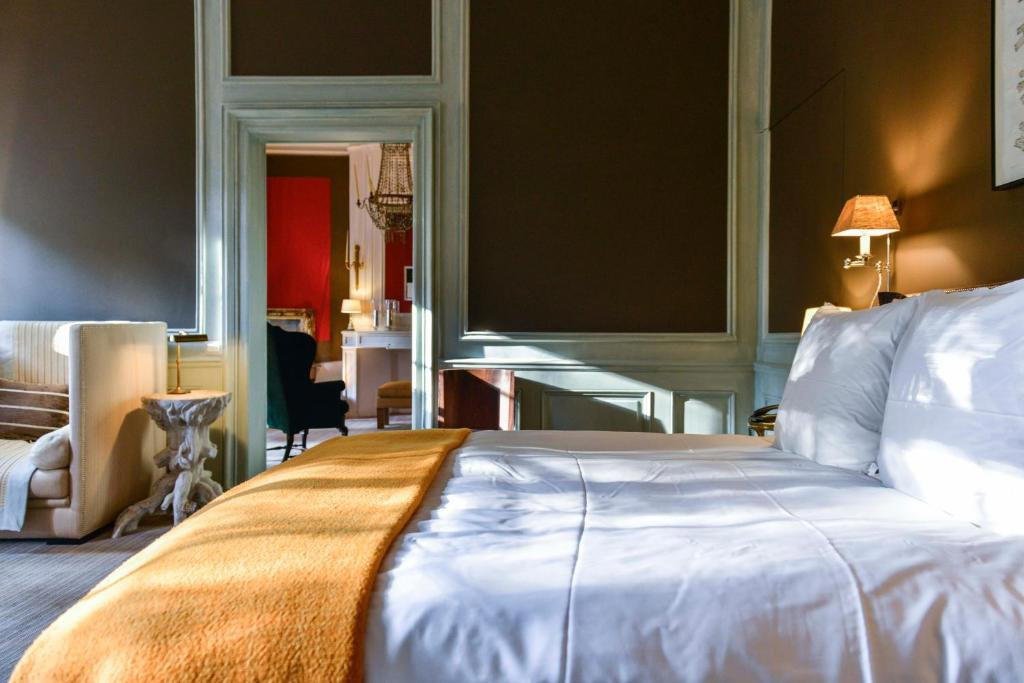
Cozy and elegant atmosphere typical of a premium chocolatier shop.