Depla Chocolatier at Mariastraat 20 in Bruges serves pure truffles, pralines, orangettes, and rice crispy dark chocolate cakes from a counter in a historic building.
Pearl is the En Primeur Club membership app — saves, bookings, and concierge access live there. Same editors, same standards.
- Address
- Mariastraat 20, 8000 Brugge, Belgium
- Phone
- +3250334953
- Website
- poldepla.be
- Directions
- Get directions
 Saves & bookings on Pearl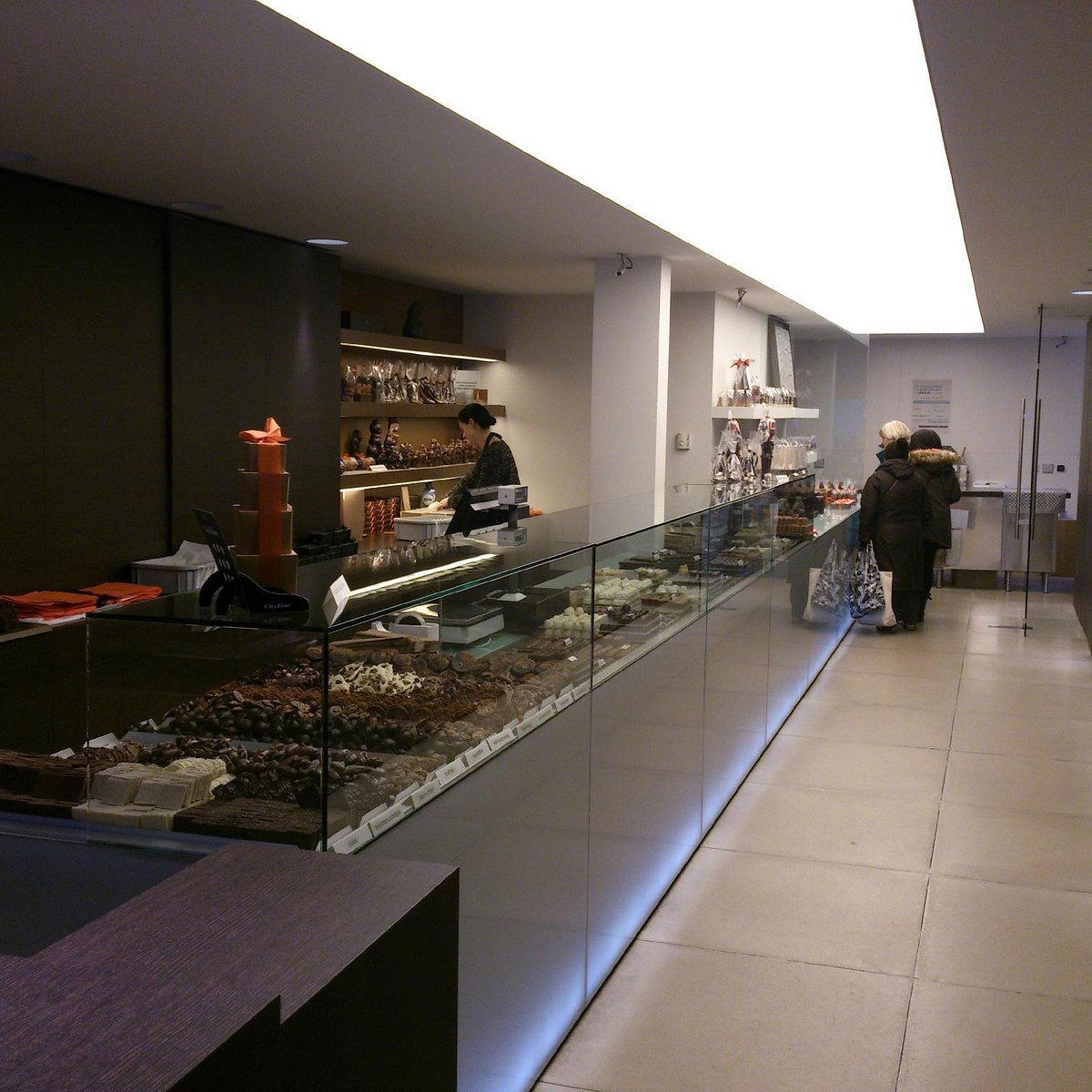
Where Bruges Chocolate Culture Meets Craft Precision
Mariastraat is one of those Bruges streets that functions as a quiet corridor between the canal-fronted spectacle of the Dijver and the more residential southern quarters of the city. The shop fronts here are narrower, and the businesses tend toward the specialist rather than the souvenir. It is into this context that Depla Chocolatier fits: an address on a street that rewards the walker who has moved past the first ring of obvious stops and is looking for something with more considered craft behind it.
Belgian chocolate occupies a specific position in the global confectionery conversation. It is simultaneously a genuine tradition, rooted in nineteenth-century industrial innovation and a particular national pride around couverture quality, and a heavily commodified tourist category in which mediocre product shelters behind attractive packaging and heritage branding. The serious chocolatiers in Bruges operate in deliberate contrast to that second category, using fine couverture, controlled tempering, and filling compositions that reflect classical Belgian technique.
Depla Chocolatier sits at Mariastraat 20 in the 8000 postcode, placing it within comfortable walking distance of the Onze-Lieve-Vrouwekerk and the Gruuthusemuseum quarter, areas that attract visitors with some depth of interest in the city rather than those moving quickly through the central Markt. That positioning matters for understanding the shop's likely customer: someone with time to browse, compare, and make considered choices rather than grab a boxed selection near the Belfry and move on.
The Craft Behind Belgian Chocolate: Technique Over Territory
The intersection of imported method and local product is the defining tension in serious Belgian chocolate today. Belgian chocolatiers have historically sourced cacao from Central Africa, particularly from regions that were part of Belgium's colonial supply chains, but the contemporary fine-chocolate movement has shifted emphasis toward single-origin beans from Ecuador, Madagascar, Peru, and Vietnam, processed using techniques that owe as much to French pastry tradition and specialty coffee culture as to the older Belgian industrial model.
What this means in practice is that a chocolatier operating at a craft level in Bruges in the 2020s is likely working with couverture from suppliers who can trace bean origin with precision, applying temperature and humidity controls during production that were not standard practice a generation ago, and constructing ganache compositions that treat flavour architecture the way a pastry chef would approach a plated dessert. The balance between fat content, water activity, and flavour compounds in a filled chocolate is a technical problem, not a romantic one, and the shops that take it seriously produce pieces that taste categorically different from mass-produced alternatives.
Belgium's broader dining scene provides useful context for understanding where serious chocolate production sits in the country's culinary hierarchy. Restaurants such as Hof van Cleve in Kruishoutem and Boury in Roeselare have established a pattern of applying French classical rigour to Belgian and Flemish ingredients, a methodology that flows directly into the work of the leading chocolatiers. The same principle applies at Zilte in Antwerp and Vrijmoed in Gent, where technique precision and local sourcing coexist as complementary rather than opposing values. Chocolate at the craft level follows the same logic: global technique, applied with discipline, to ingredients selected for quality of origin rather than ease of procurement.
Bruges as a Chocolate City: Reading the Scene
Bruges has more chocolate shops per square kilometre than almost any comparable European city, which makes the differentiation question pressing. The category splits fairly clearly into three tiers. The first is the large-format tourist retailer, selling pre-boxed product in high-footfall locations near the Markt and the Burg, where margin is built on volume and the product is competent but undifferentiated. The second is the mid-range specialist, often family-run, with house-made pralines and some degree of in-store production visible to customers. The third is the craft-focused operator, where the production philosophy, sourcing decisions, and technical execution place the shop in conversation with serious chocolatiers in Brussels, Antwerp, and the broader European fine-chocolate circuit.
Bruges's restaurant scene runs from De Karmeliet and Zet'Joe by Geert Van Hecke at the upper end through Mémoire and Sans Cravate in the creative French register, and more casual options like 't Apertje. A morning or afternoon spent moving between serious food addresses, with a stop at a craft chocolatier, is a coherent way to spend time in the city. The Mariastraat location makes Depla a natural stop within that kind of itinerary, sitting close enough to the museum quarter to integrate with a cultural half-day.
Across Belgium, the fine dining and craft food circuit extends to Bozar Restaurant in Brussels, Willem Hiele in Oudenburg, d'Eugénie à Emilie in Baudour, La Durée in Izegem, Cuchara in Lommel, and Ralf Berendsen in Neerharen, establishing a broader regional context in which craft food production in Belgium operates at a consistently serious level. Internationally, the technical ambition of leading Belgian chocolatiers sits in the same conversation as the kitchen discipline visible at Le Bernardin in New York City or the format precision of Lazy Bear in San Francisco: different categories, same commitment to craft as a non-negotiable baseline.
Planning Your Visit
Depla Chocolatier is located at Mariastraat 20 in central Bruges, a ten-minute walk from the Markt and close to the southern museum cluster. Bruges is most easily reached by train from Brussels, Ghent, or the coast, with Bruges station a fifteen-minute walk or short taxi from the city centre. The city's compact scale means most addresses, including Mariastraat, are accessible on foot from anywhere within the historic centre. Chocolate shops in Bruges generally observe Belgian retail hours, with Monday closures common among independent operators, though specific trading hours for Depla are best confirmed directly before visiting. Spring and early summer, before the peak August tourist season, offer more relaxed browsing conditions in this part of the city. The pre-Christmas period sees strong demand for boxed chocolate gifts across Bruges chocolatiers, making October and November the practical window if quieter selection is preferred.
Peers Worth Knowing
Comparable venues nearby, for context on price, style, and recognition.
| Venue | Cuisine | Price | Notes |
|---|---|---|---|
| Depla ChocolatierThis venue — the venue you are viewing | Belgian Chocolatier | $$ | Not listed |
| Atelier Flori | Vegan Tapas | $$ | city center |
| PUUR chocolat | Artisan Belgian Chocolatier | $ | Historic Center |
| De Gastro | Classic Belgian Bistro | $$ | Historic Center |
| t'Lammetje | Traditional Belgian Seafood & Lamb Bistro | $$ | Heart of Bruges, near Fishmarket |
| De Verloren Hoek | Belgian Fusion Tapas | $$ | St-anna |
Continue exploring
More in Bruges
Restaurants in Bruges
Browse all →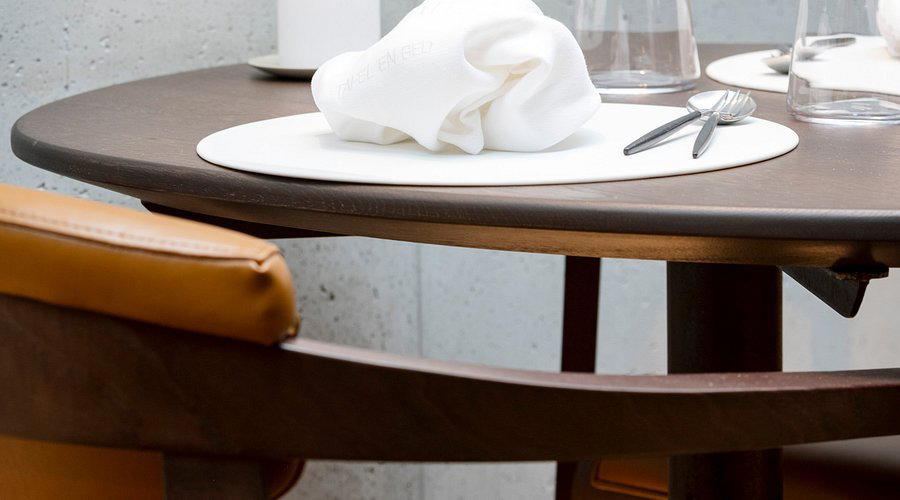
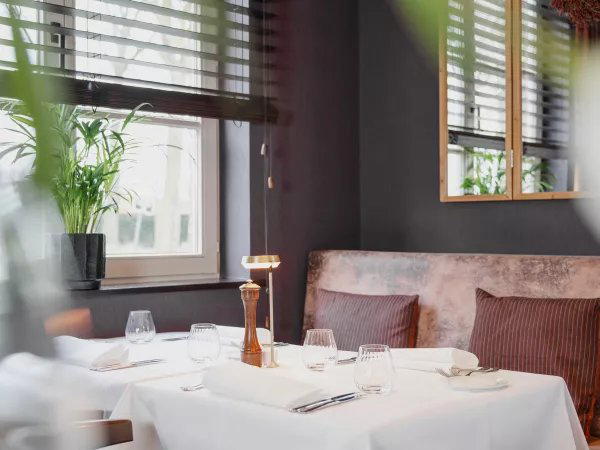
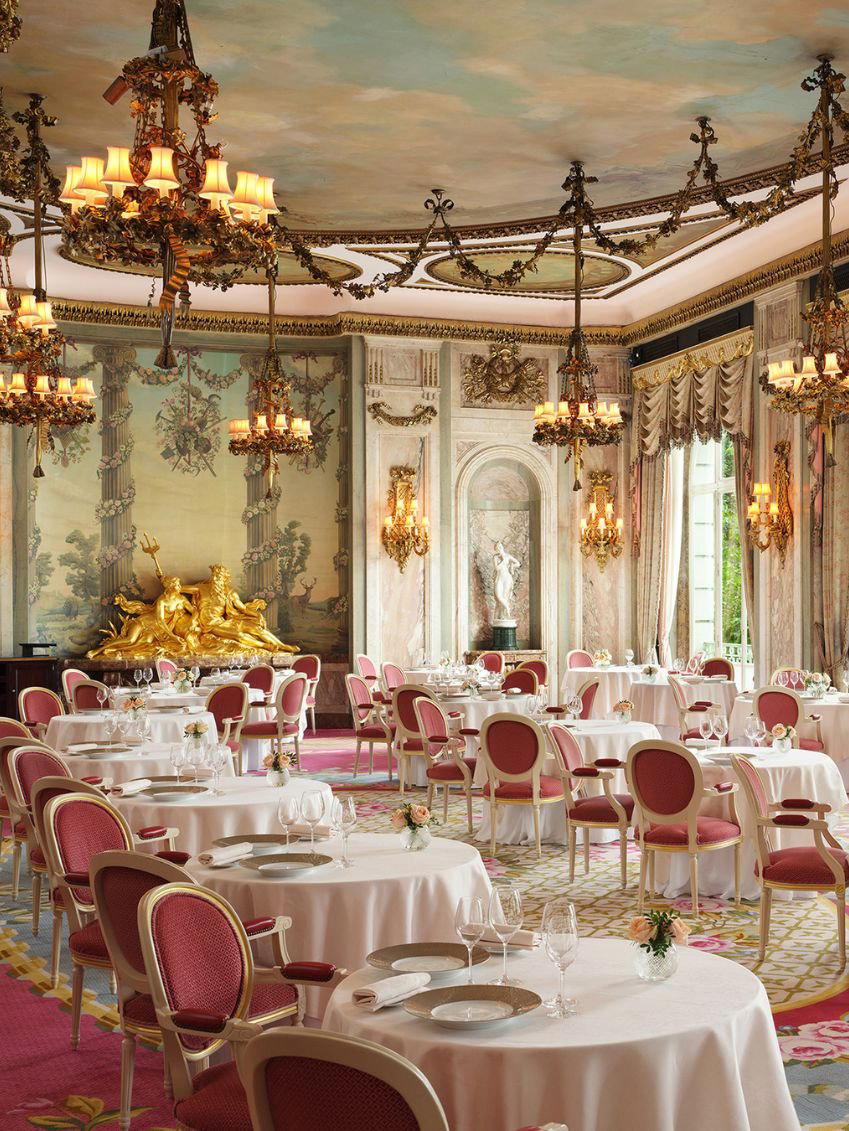
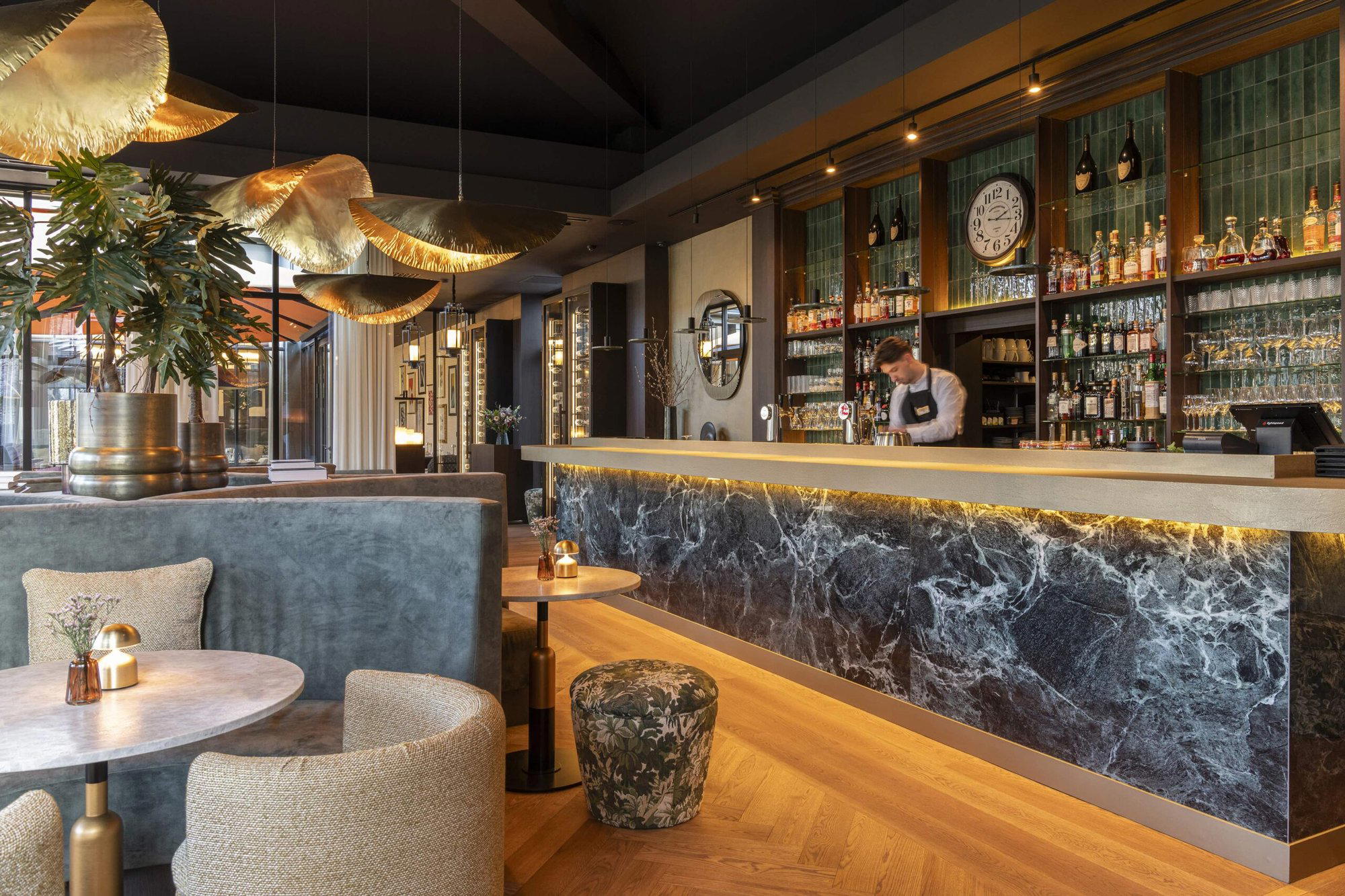
Bars in Bruges
Browse all →
Hotels in Bruges
Browse all →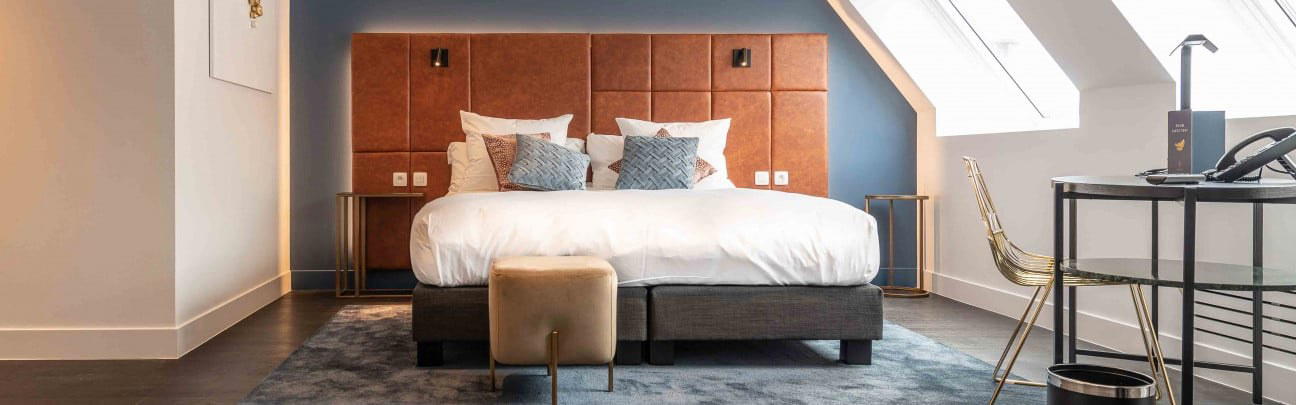
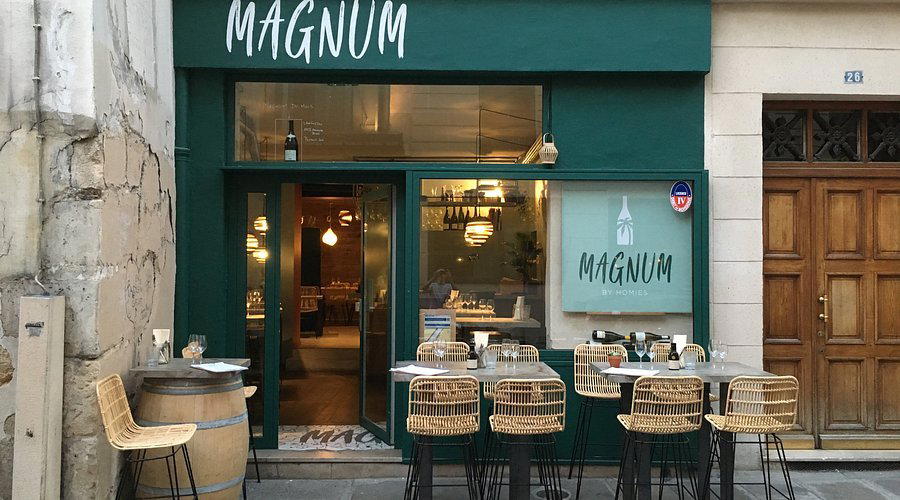
Wineries in Bruges
Browse all →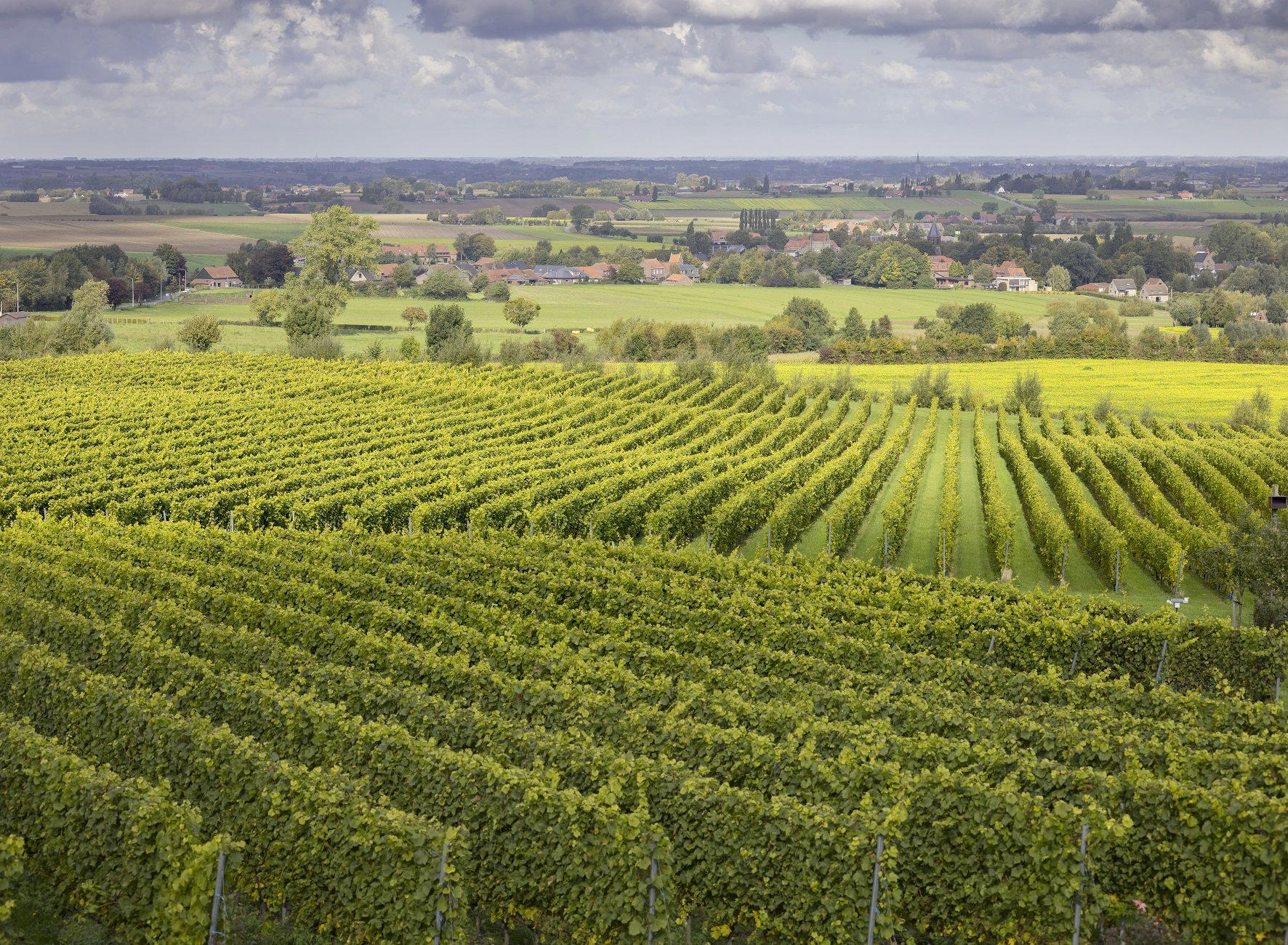
At a Glance
- Sophisticated
- Elegant
- Cozy
- Classic
- Casual Hangout
- Historic Building
Current opening hours
- Monday
- 10 AM–6 PM
- Tuesday
- 10 AM–6 PM
- Wednesday
- 10 AM–6 PM
- Thursday
- 10 AM–6 PM
- Friday
- 10 AM–6 PM
- Saturday
- 10 AM–6 PM
- Sunday
- 10 AM–6 PM
Hours can change for holidays and private events. Last verified .
Dimmed lights creating a sophisticated, neat, and classy atmosphere.