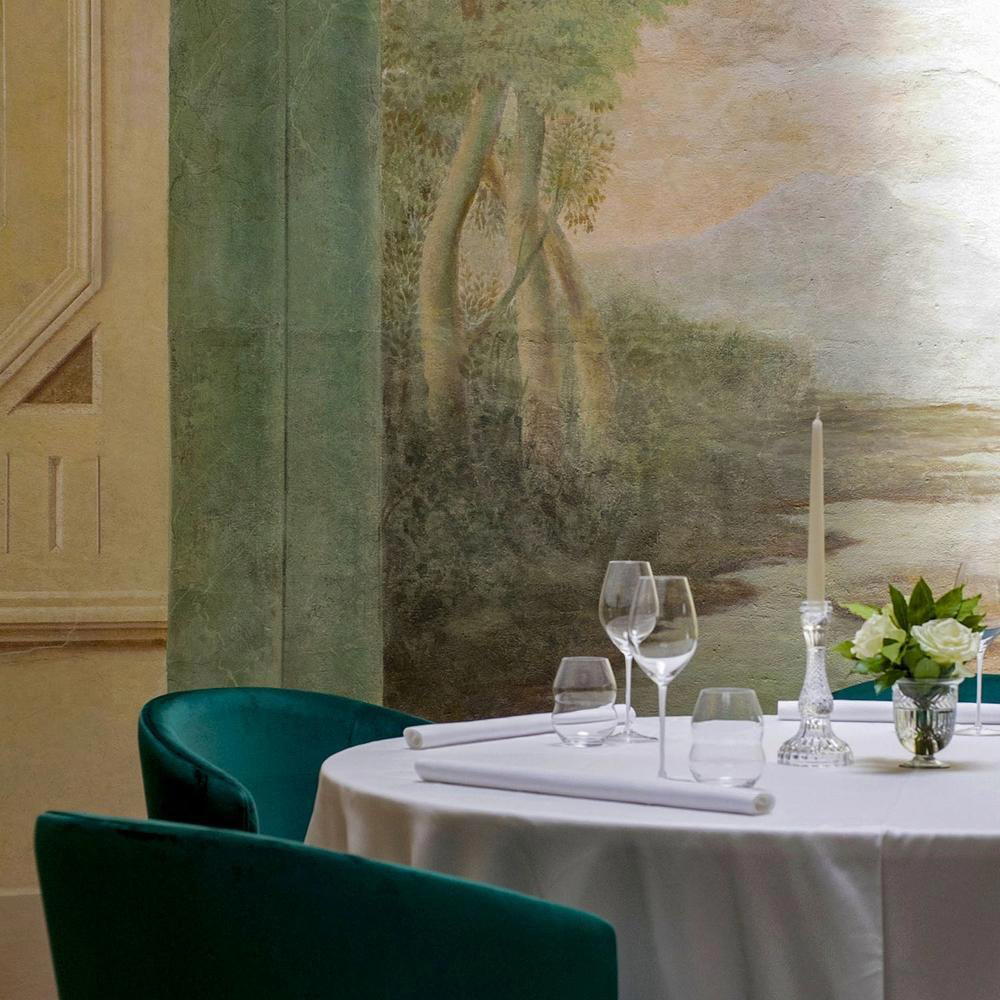
On Ypres's medieval Grote Markt, Klei occupies a setting that frames the meal before a dish arrives. The restaurant sits within the layered dining scene of a city shaped by history and a growing appetite for serious cooking, placing it in a peer group that includes Calinor and Klaver. Booking ahead is the expected approach for dining at this address.
 Discover on Pearl
Pearl is the En Primeur Club membership app — saves, bookings, and concierge access live there. Same editors, same standards.
- Address
- Grote Markt 11, 8900 Ieper, Belgium
- Phone
- +3257364001
- Website
- klei-ieper.be
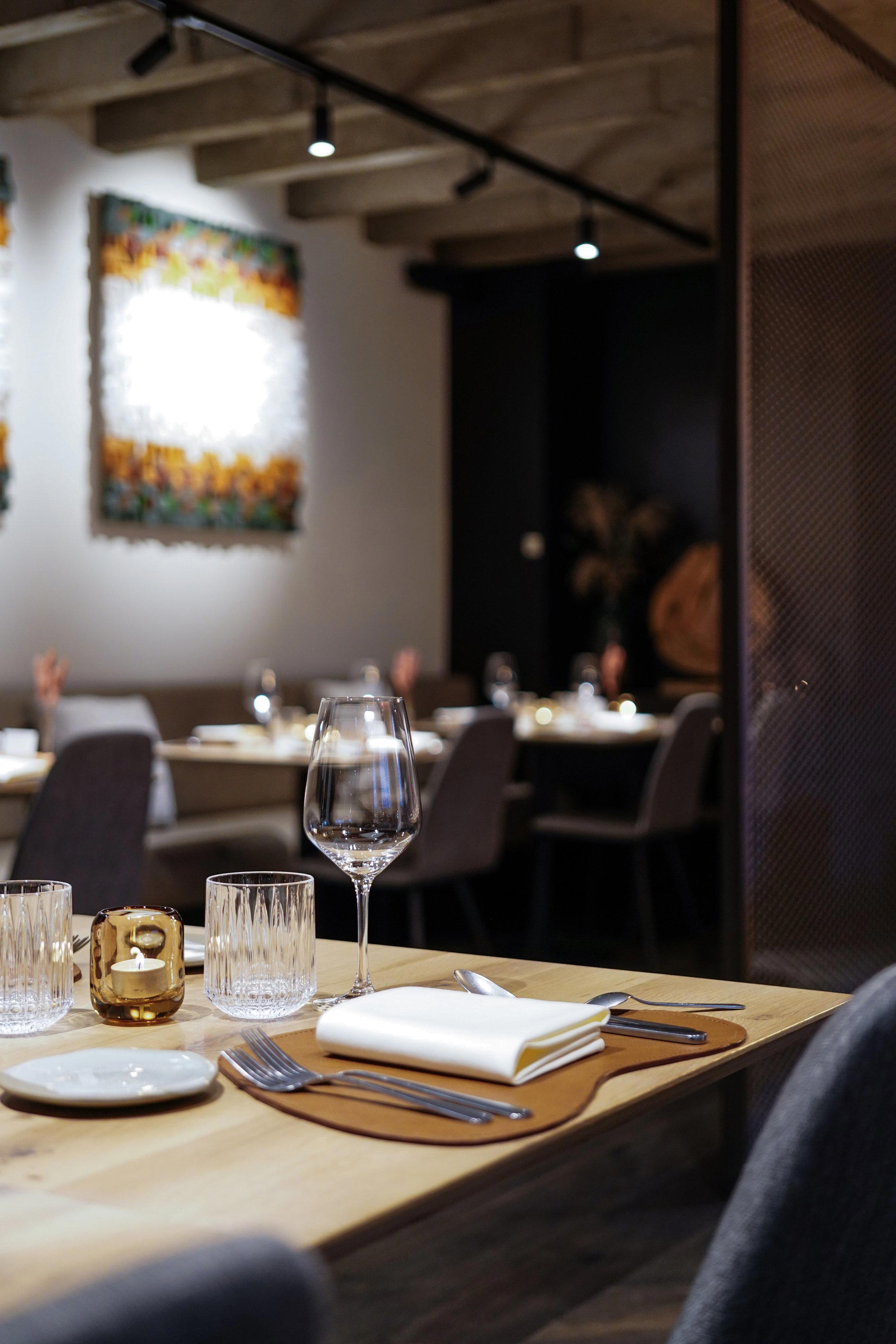
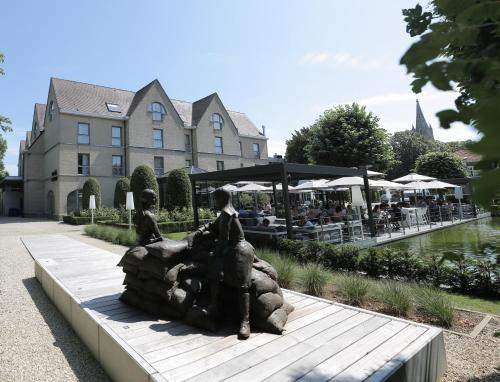
The Grote Markt in Ypres is one of the more deliberately constructed public spaces in Belgium. The Cloth Hall dominates the square's southern edge, rebuilt stone by stone after the First World War flattened the city to rubble, and the restaurants that ring the perimeter inherit that architectural theatre whether they seek it or not. Klei, at number 11, sits inside this frame. Before the menu is opened or a wine list consulted, the dining room carries the weight of its location: a square that has functioned as a civic centre, a market, and, in its post-war reconstruction, a statement about continuity. That context shapes how a meal here feels, even if it rarely gets named at the table.
The Square as Setting
Grand Market dining in European cities tends toward one of two modes: the tourist-facing brasserie that leans on geography rather than cooking, or the more considered address that treats its prominent position as an obligation to perform at a higher standard. Ypres is a small city, drawing visitors primarily through its role in First World War history, and its restaurant scene reflects that dual pull. The dining public is partly international, here for the Menin Gate and the In Flanders Fields Museum, and partly local and regional, sustaining a year-round trade that the tourist wave alone cannot support. Klei's address on the Grote Markt places it at that intersection.
For the broader West Flanders dining scene, the reference points are clear. Boury in Roeselare and Hof van Cleve in Kruishoutem define the upper register of fine dining in the region, both carrying Michelin recognition and operating at price points that position them as destination restaurants rather than neighbourhood fixtures. Ypres operates several tiers below that benchmark by default, given its size and visitor profile, but the presence of addresses like Calinor, Klaver, VEST, and Klei suggests a local dining culture with more internal ambition than most cities of comparable scale would support.
The Ritual of a Flemish Meal
Flemish dining culture, particularly in smaller cities, follows a rhythm that is unhurried by design rather than by accident. The progression from aperitif to amuse, through multiple courses and into cheese or dessert, is not a formal performance in the way a starred Parisian kitchen might frame it, but neither is it casual. There is an expectation of patience at the table, of multiple small decisions across the meal, and of a relationship between diner and kitchen that plays out across time rather than in a single moment of arrival and departure. This is the tradition that any serious restaurant in a Flemish city inherits, and it sets the baseline for how a meal should feel.
The pacing of that kind of dining rewards attention to each stage. An aperitif on the Grote Markt, with the Cloth Hall lit in the early evening, sets a particular tone. The move from that exterior atmosphere into the dining room proper is the first act of the meal, before any food has been served. What follows at a table like Klei's should build on that transition rather than ignore it. The leading Flemish meals use geography and setting as a first course of sorts, letting the arrival do a portion of the narrative work.
Across Belgium, this kind of scene-aware dining has produced some of the country's most interesting addresses. Zilte in Antwerp and Bozar Restaurant in Brussels both operate in architecturally charged spaces, using their settings as active ingredients in the experience. At a smaller scale, Willem Hiele in Oudenburg and Bartholomeus in Heist demonstrate how coastal and rural West Flanders can generate cooking with regional specificity rather than generic European fine dining. The gap between those reference points and what Ypres currently offers its diners is the space Klei occupies.
Positioning Within Ypres
A city with Ypres's visitor profile creates particular pressures on its restaurants. The Menin Gate ceremony draws crowds every evening at eight o'clock, and the surrounding area fills and empties on a schedule tied to that ritual. Restaurants near the Grote Markt face the operational challenge of serving a transient audience without becoming entirely oriented around it. The addresses that maintain local credibility in such contexts tend to do so by holding a standard that gives residents a reason to return beyond the tourist moment.
Within Ypres's immediate comparable set, the competition for that dual audience is real. Calinor and Klaver both operate within the same city and draw from the same pool of local and visiting diners. VEST represents another option in the mix. The distinction between these addresses, for a diner making a reservation decision, often comes down to atmosphere and format rather than cuisine type, What the Grote Markt address gives Klei is an unambiguous sense of place, which is an advantage that requires the cooking to meet it.
For diners travelling from elsewhere in Belgium, Ypres sits in the western corner of West Flanders, roughly an hour from Ghent and accessible by train via Kortrijk. The city is compact enough that the Grote Markt is within easy walking distance of most hotels. Other strong references in the wider region include De Jonkman in Sint-Kruis, Castor in Beveren, and La Durée in Izegem, all of which operate within driving range and speak to the depth of serious cooking across Flanders. For those extending further, L'air du Temps in Liernu, d'Eugénie à Emilie in Baudour, and La Table de Maxime in Our round out a broader Belgian dining itinerary. At the international reference end, the tasting-menu format that defines serious contemporary dining finds its clearest expression in places like Atomix in New York and Le Bernardin in New York, both of which show what a fully committed dining ritual can look like at global scale.
Planning Your Visit
Because Klei sits on the Grote Markt at a prominent address in a city with a concentrated visitor season, contacting the restaurant directly ahead of your intended date is the sensible approach. Ypres sees heavier traffic around commemorative events and summer months, when square-facing tables fill quickly. Arriving with a reservation rather than on the chance of a walk-in table reflects how dining in the city tends to operate at its more serious end. The restaurant is recommended for reservations, and its price point sits around $100 per person.
Cuisine and Awards Snapshot
Comparable venues nearby, for context on price, style, and recognition.
| Venue | Cuisine | Price | Awards | Notes |
|---|---|---|---|---|
| KleiThis venue — the venue you are viewing | Modern Belgian Fine Dining | $$$ | , | |
| Calinor | Artisanal Belgian Chocolates & Pralines | $$$ | , | Ypres |
| VEST | Modern Farm-to-Table | $$$ | , | near Menin Gate |
| Klaver | Modern French | $$$ | , | Vlamertinge |
| Chocolatier M | Artisanal Belgian Pralines | $$$ | , | Knokke-Heist |
| Bernard Schobbens | Artisanal Belgian Chocolatier | $$$ | , | Chaumont Gistoux |


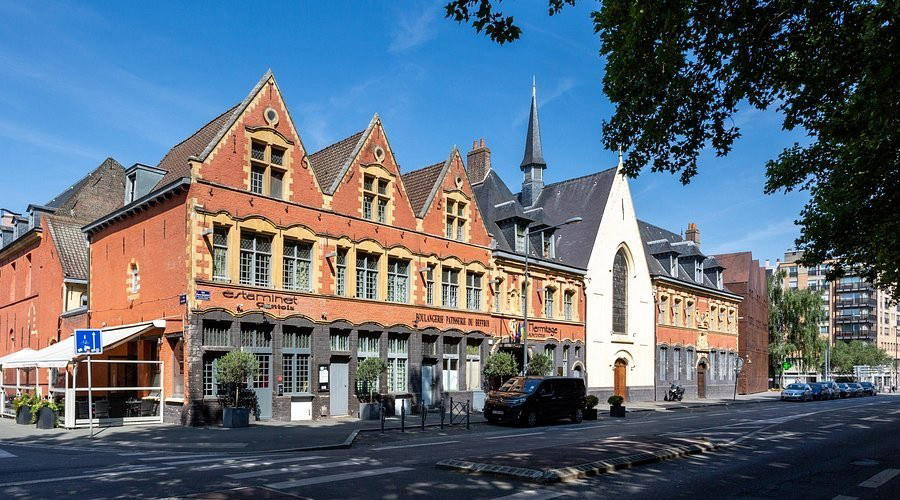
At a Glance
- Cozy
- Elegant
- Intimate
- Sophisticated
- Date Night
- Special Occasion
- Historic Building
- Sommelier Led
- Local Sourcing
- Street Scene
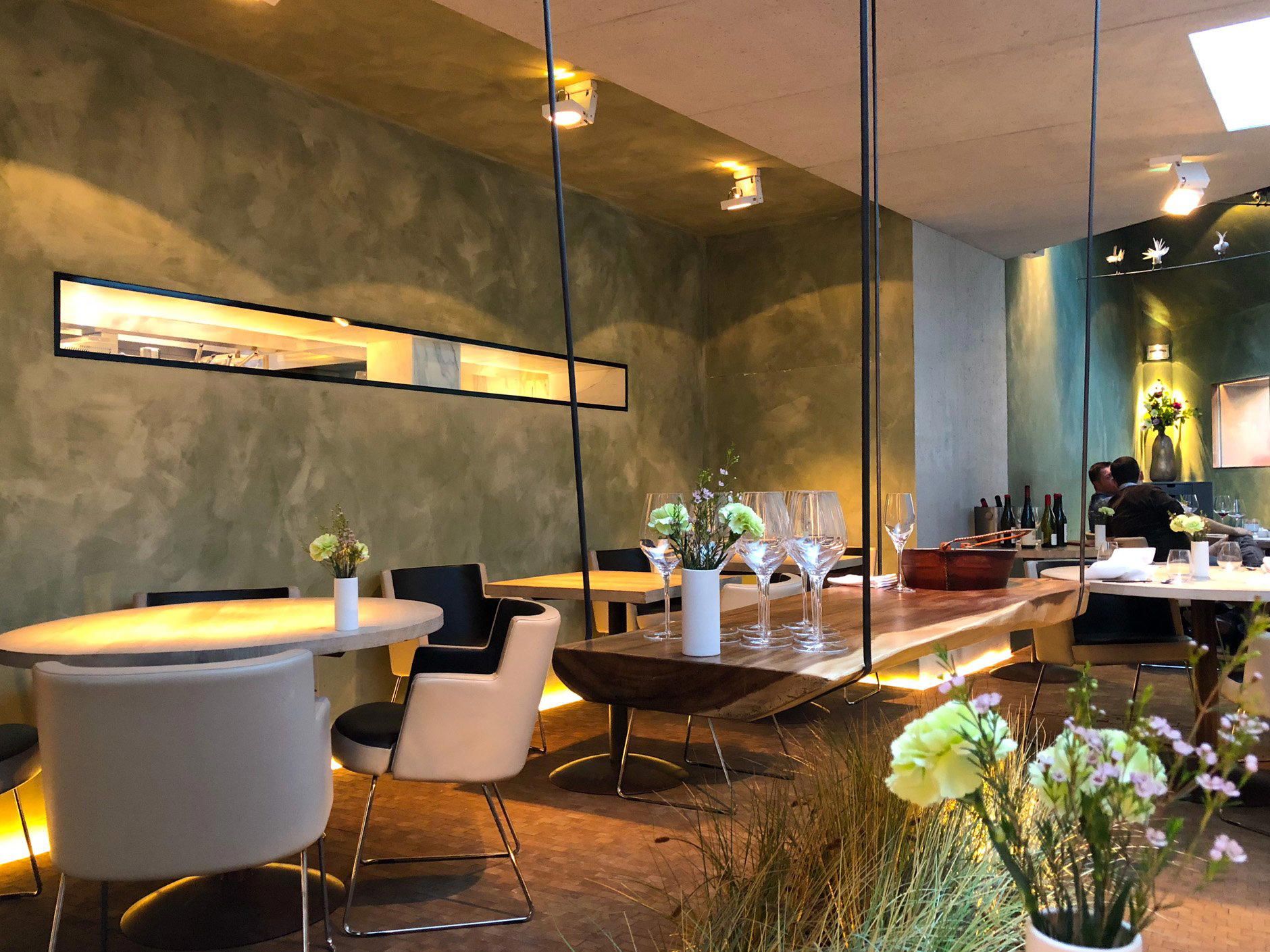
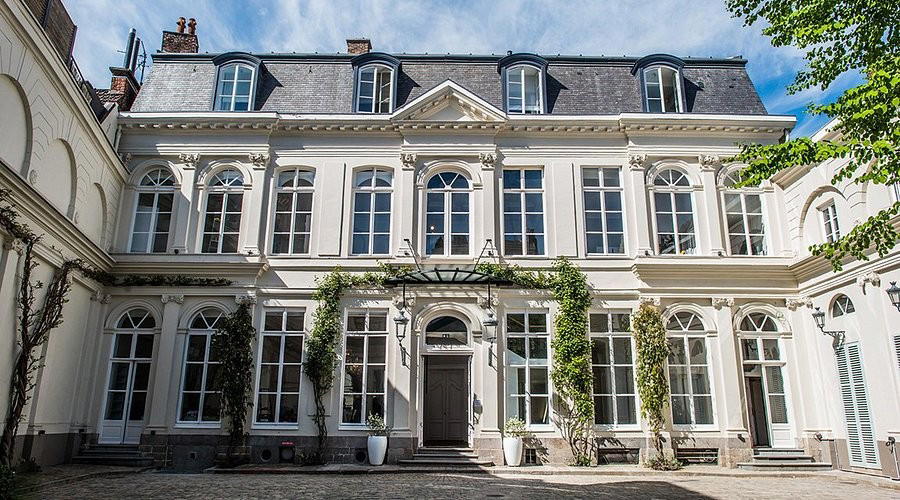
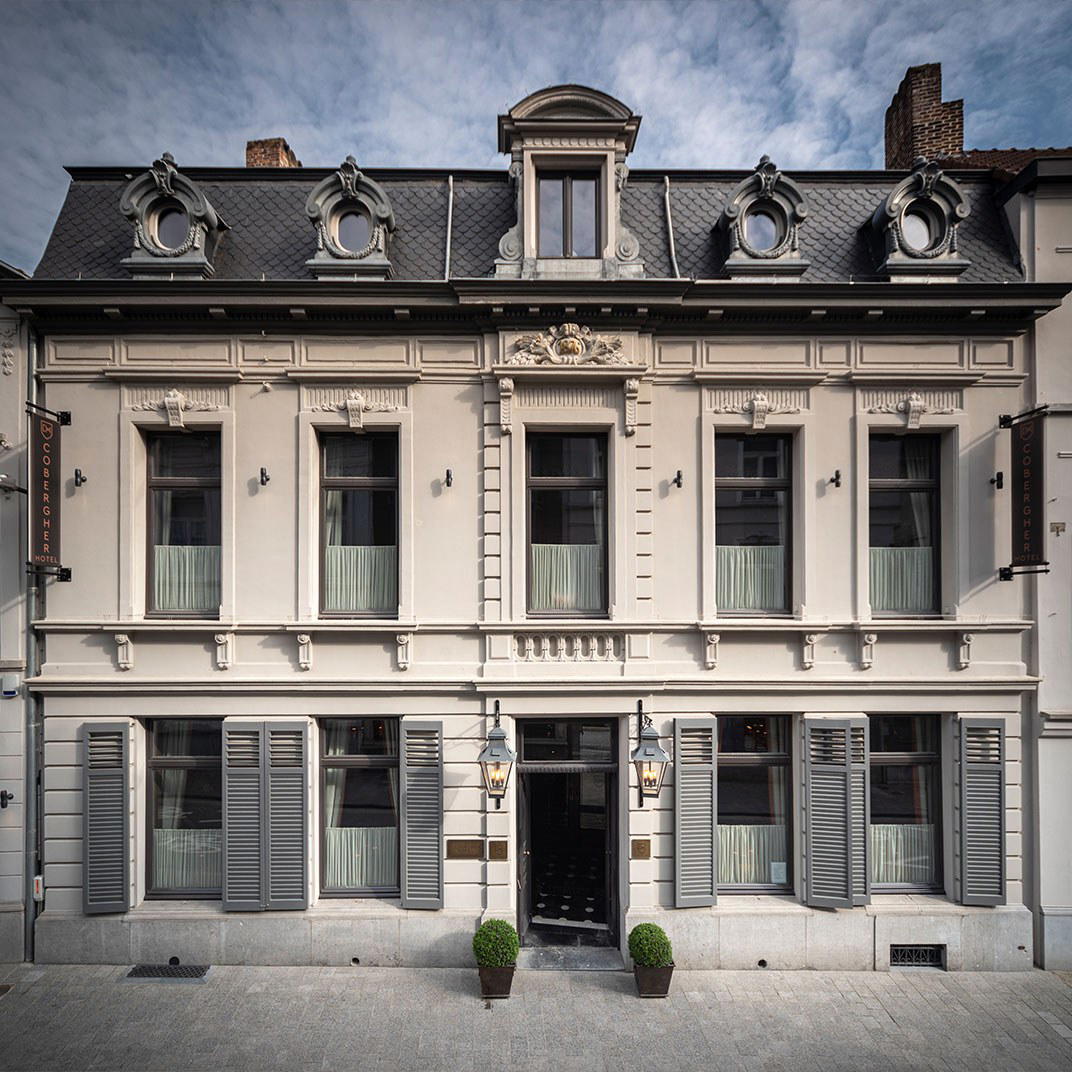
Warm, cozy, and inviting with a mysterious feel in a historic setting.