Babette
Babette sits on Pontstraat in Sint-Martens-Latem, the Leie valley village that has quietly sustained some of East Flanders' most considered dining. The address places it within a compact local scene where sourcing credentials and kitchen discipline tend to matter more than scale or spectacle. For visitors mapping Belgian fine dining beyond the major cities, Sint-Martens-Latem deserves attention on its own terms.
Pearl is the En Primeur Club membership app — saves, bookings, and concierge access live there. Same editors, same standards.
- Address
- Pontstraat 2, 9831 Sint-Martens-Latem, Belgium
- Phone
- +32487886055
- Website
- instagram.com
- Directions
- Get directions
 Saves & bookings on Pearl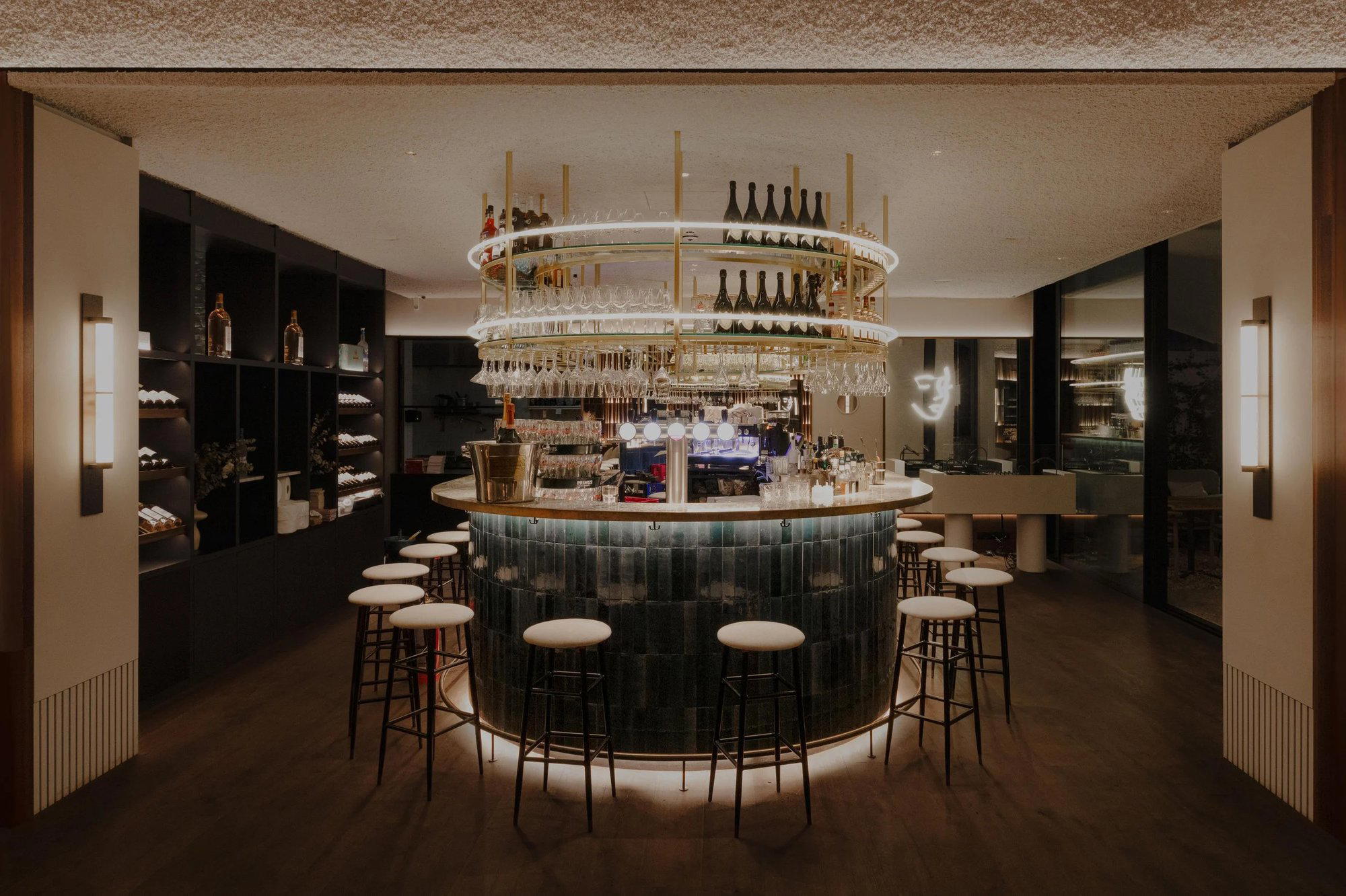
The Village That Earns a Detour
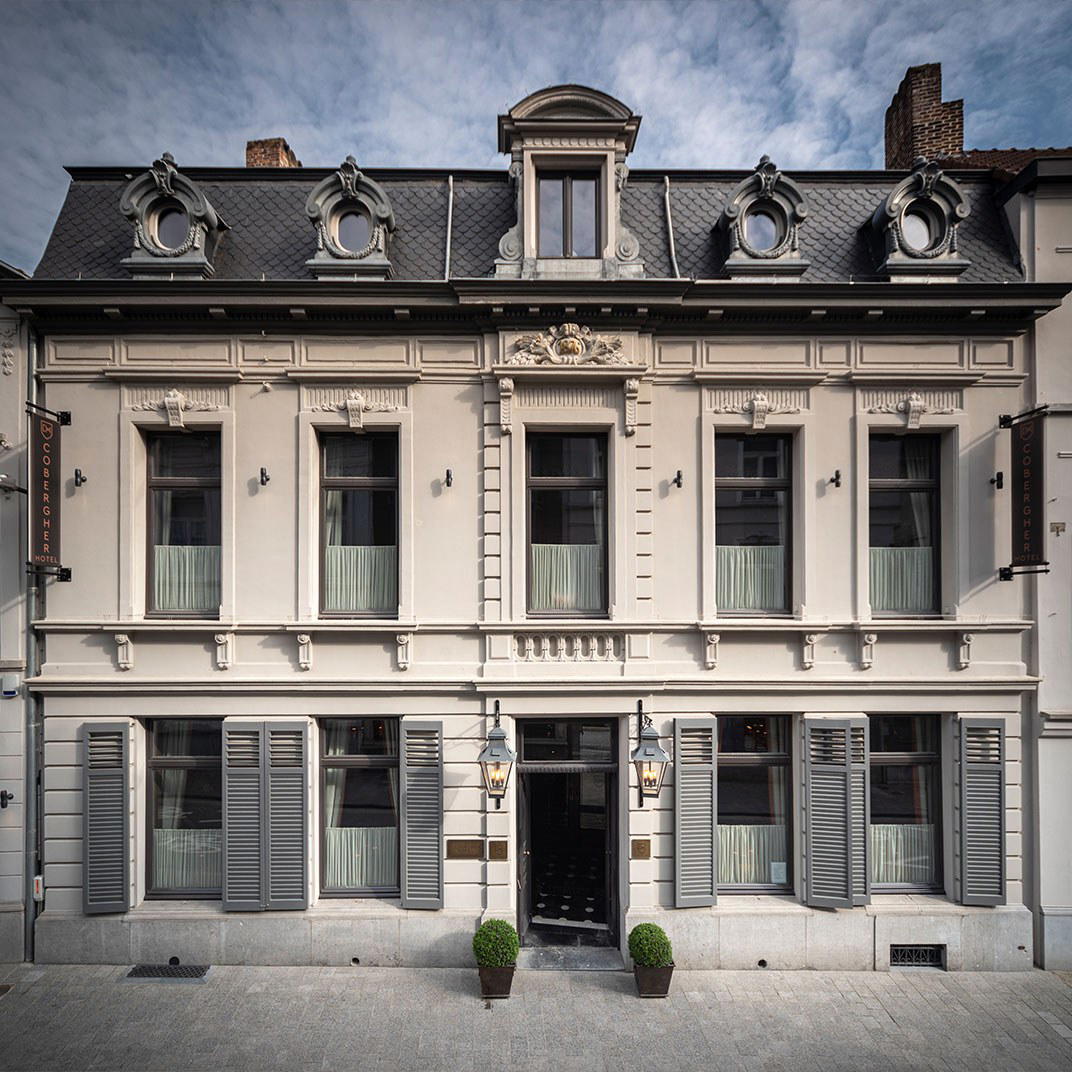
Sint-Martens-Latem sits roughly twelve kilometres southwest of Ghent, where the Leie river bends through a stretch of countryside that has attracted artists, architects, and eventually serious kitchens for well over a century. The village is small enough that its restaurant scene operates almost entirely on local reputation and word of mouth rather than tourist footfall. That filtering mechanism tends to reward kitchens that earn their clientele through consistency rather than marketing, and it gives addresses like Babette, on Pontstraat 2, a character you rarely find in city-centre dining. The building is approachable from the street in the way that Belgian village dining rooms often are: no theatrical entrance, no queuing infrastructure, just the kind of facade that signals a place designed for people who already know where they are going.
Ingredient Sourcing as the Core Argument
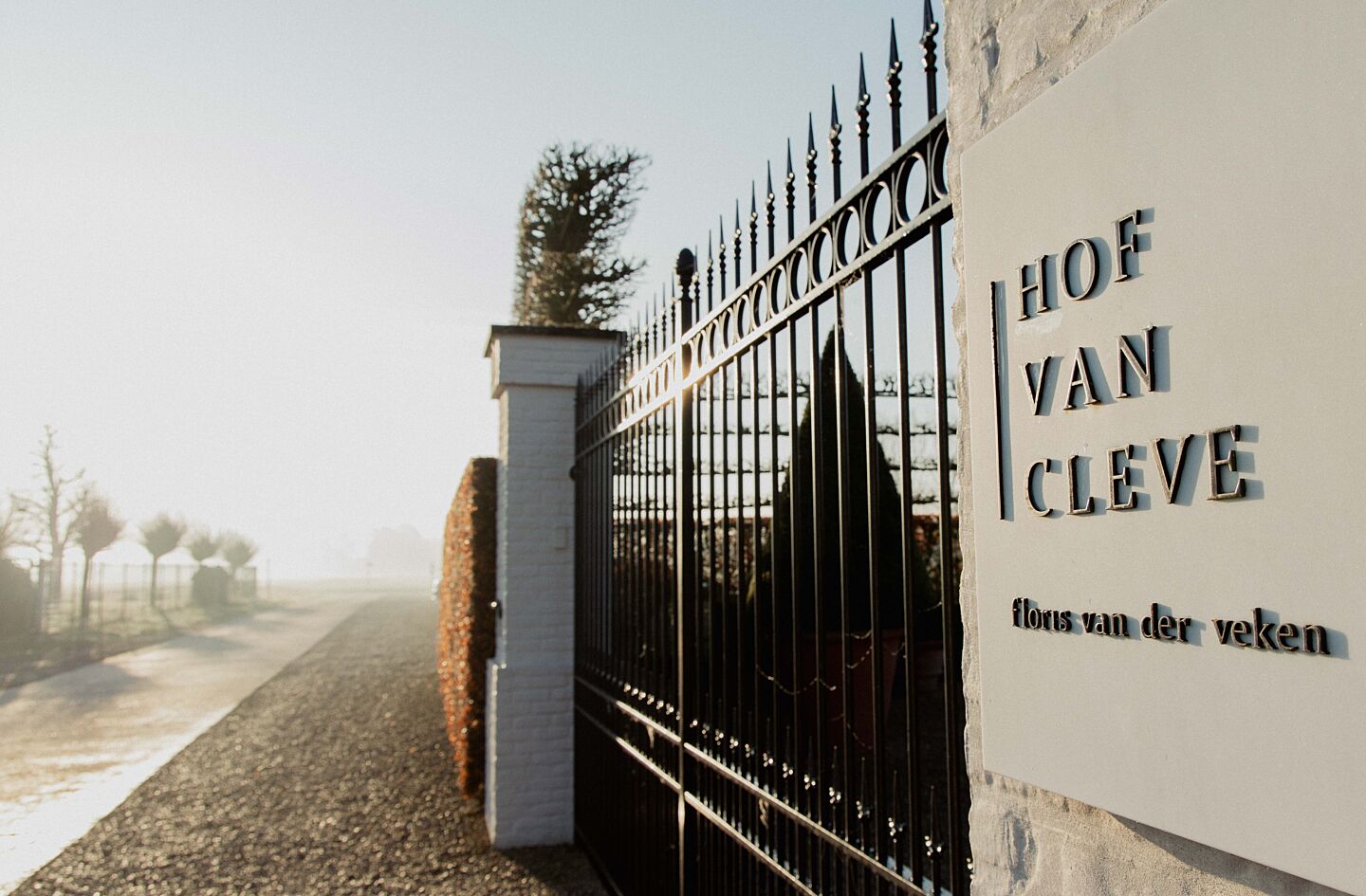
Belgian fine dining at the serious end of the market has increasingly oriented itself around provenance rather than technique as its primary statement. The argument is not that technique does not matter, kitchens at the level of Hof van Cleve in Kruishoutem or Boury in Roeselare demonstrate that technique is non-negotiable, but that sourcing has become the first vocabulary through which a kitchen communicates its position. In a region with direct access to North Sea catch, Flemish meadow-raised beef, Ghent vegetable gardens, and a long tradition of small-scale dairy production, the question a kitchen answers before anything else is: where does this come from, and why does that matter here?
Sint-Martens-Latem's proximity to Ghent's wholesale and artisan food supply networks, combined with its village scale, creates conditions in which sourcing relationships tend to be direct and visible rather than mediated through large distributors. Kitchens in villages of this size often work with suppliers who are, quite literally, a few kilometres away. That geographic compression changes not just the freshness profile of a menu but the kind of menu that makes sense to write: shorter, more seasonal, more dependent on what is available this week rather than what is available year-round from a national catalogue.
This sourcing logic runs through Belgian village dining more broadly. Compare it to the approach at Vrijmoed in Ghent, where plant-forward sourcing has become the explicit editorial stance of the kitchen, or at Willem Hiele in Oudenburg, where the entire identity is built around coastal and agricultural terroir. In each case, the sourcing is not a footnote on the menu but the primary frame through which the cooking is understood.
Where Babette Sits in the Belgian Fine Dining Geography
Belgium's fine dining map outside Brussels and Antwerp runs along a set of village and market-town addresses that have accumulated recognition quietly over time. Zilte in Antwerp and Bozar Restaurant in Brussels represent the urban tier, where footfall and visibility are built in. The village tier operates differently: it requires a reader to make a specific decision to go there, which means the kitchen is always cooking for a self-selected audience that has already decided the detour is worth it.
Sint-Martens-Latem earns its position in that village tier partly through accumulated cultural prestige, the Latem School of painters gave the area an association with considered, unhurried attention to the Flemish countryside that still inflects how the village presents itself, and partly through the simple fact that its kitchens have maintained standards over time. The same pattern holds elsewhere in Flanders: La Durée in Izegem, Ralf Berendsen in Neerharen, and Cuchara in Lommel each occupy a village or secondary-city position that functions as a signal in itself: if you are here, you came for a reason.
For international reference points, the model of serious restaurant dining in a low-key village or neighbourhood setting is not uniquely Belgian. Lazy Bear in San Francisco built its entire identity around the deliberate rejection of formal restaurant geography, while Le Bernardin in New York City demonstrates that sourcing discipline, particularly around fish, can be the structural backbone of a serious kitchen regardless of setting. The underlying principle, that where ingredients come from shapes what a kitchen can honestly claim, travels across formats and geographies.
Within Belgium's southern French-speaking belt, d'Eugénie à Emilie in Baudour and Le Chalet de la Forêt in Uccle occupy an analogous position to Babette's Flemish peers: addresses that require the visitor to commit to the journey, and that reward that commitment with cooking calibrated to a local audience rather than a passing one.
Planning a Visit to Babette
Babette is located at Pontstraat 2 in Sint-Martens-Latem, a short drive from Ghent via the N43 or accessible by regional bus, though a car gives greater flexibility for a village of this size. Babette is open Wednesday and Thursday from 3 PM to 2 AM, Friday and Saturday from 3 PM to 3 AM, and closed Monday, Tuesday, and Sunday. Reservations are recommended.
Comparable Spots, Quickly
Comparable venues nearby, for context on price, style, and recognition.
| Venue | Cuisine | Price | Awards | Notes |
|---|---|---|---|---|
| BabetteThis venue — the venue you are viewing | Tapas and Cocktails | $$$ | Not listed | Not listed |
| A Table | Classic French Bistro | $$$ | Not listed | Sint-Martens-Latem |
| Brasserie Boulevard | Modern French Brasserie | $$$ | Michelin Plate | Sint-Martens-Latem |
| Brasserie Vinois | Belgian-French Brasserie | $$$ | Not listed | Sint-Martens-Latem |
| Chez Jean | Classic French Brasserie | $$ | Not listed | Sint-Martens-Latem |
| L'homard Bizarre | Classic French Seafood | $$$ | Michelin Plate | Sint-Martens-Latem |
Continue exploring
More in Sint-Martens-Latem
Restaurants in Sint-Martens-Latem
Browse all →
Bars in Sint-Martens-Latem
Browse all →

At a Glance
- Cozy
- Elegant
- Sophisticated
- Date Night
- Casual Hangout
- Terrace
- Craft Cocktails
- Garden
Current opening hours
- Monday
- Closed
- Tuesday
- Closed
- Wednesday
- 3 PM–2 AM
- Thursday
- 3 PM–2 AM
- Friday
- 3 PM–3 AM
- Saturday
- 3 PM–3 AM
- Sunday
- Closed
Hours can change for holidays and private events. Last verified .
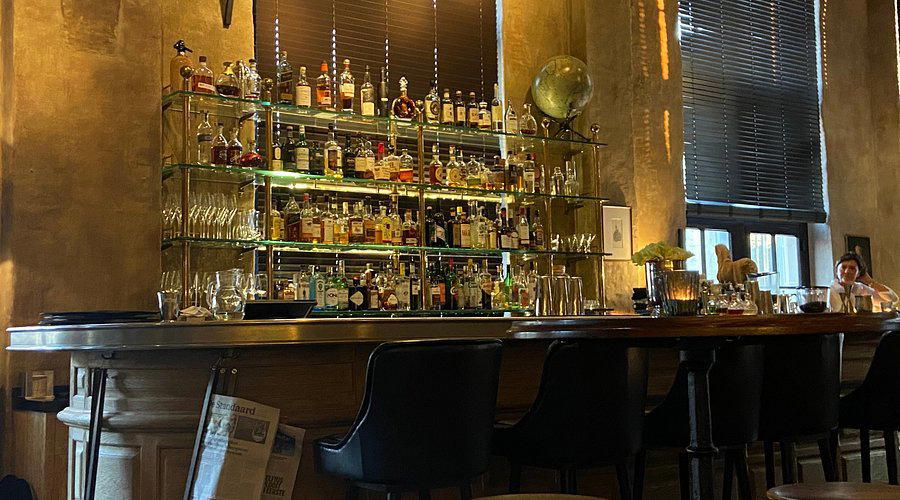
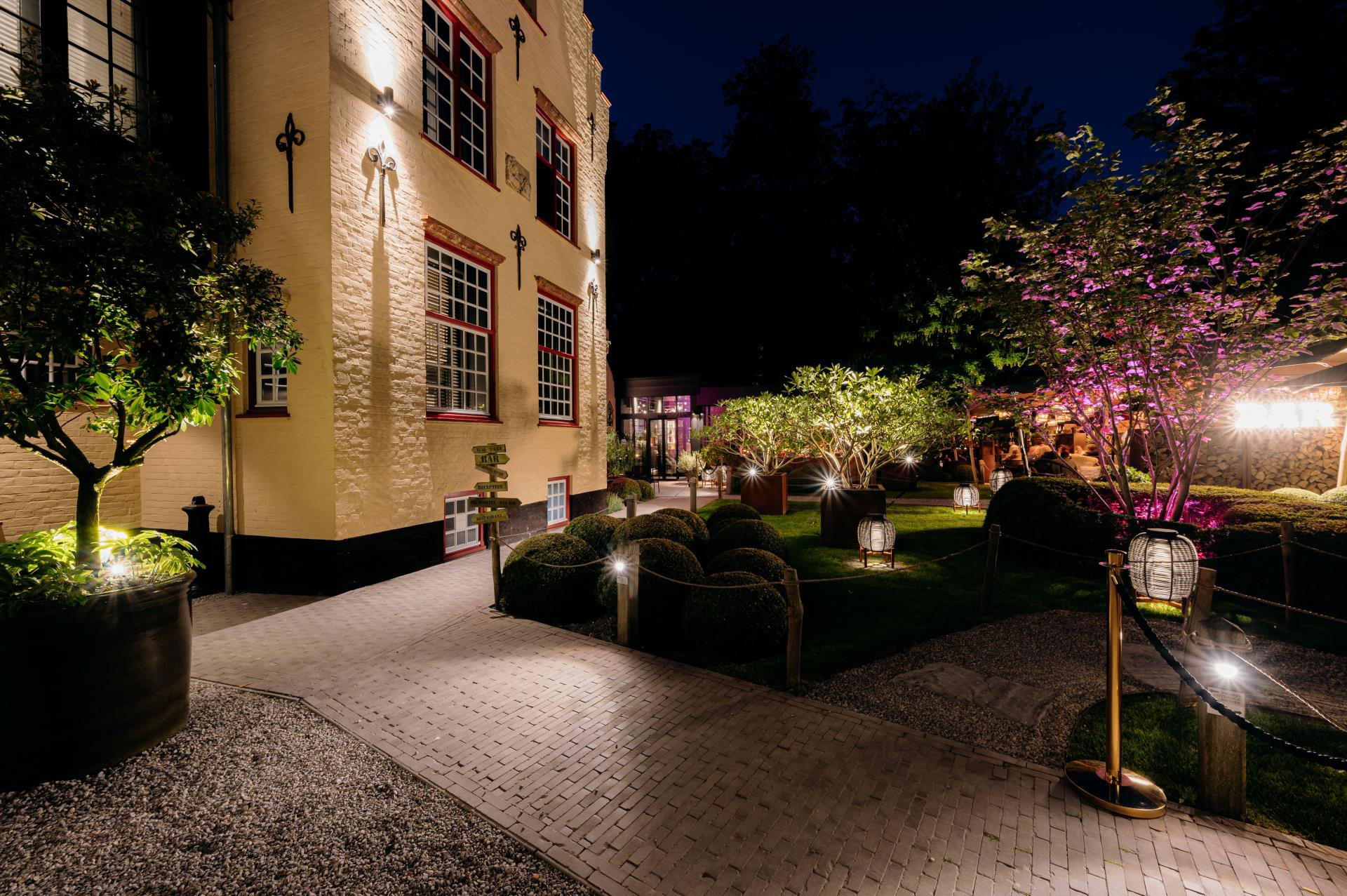
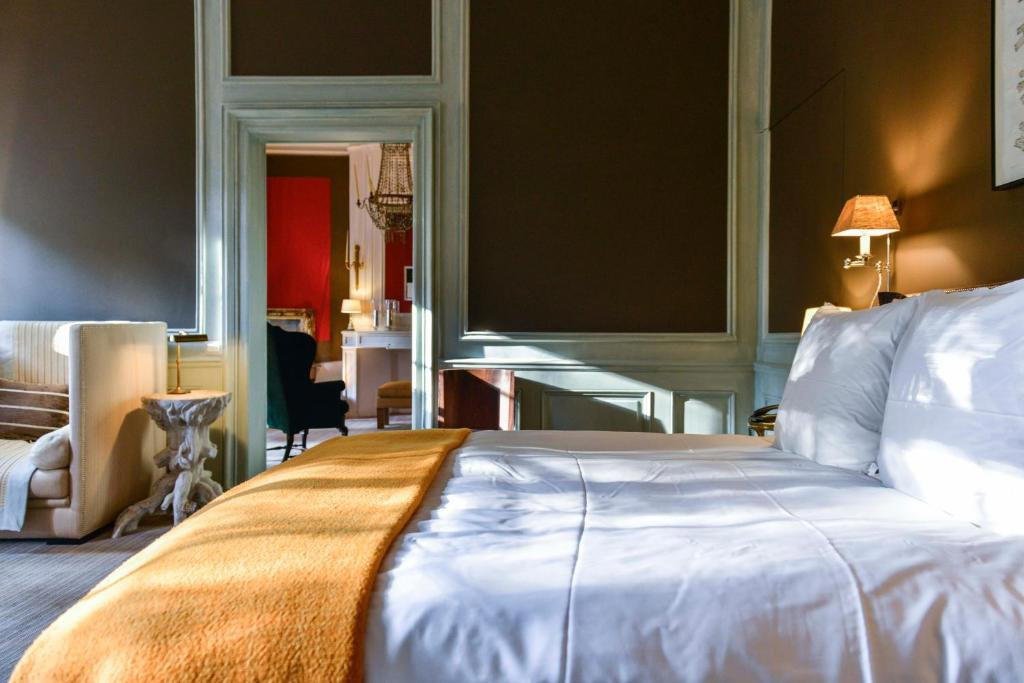
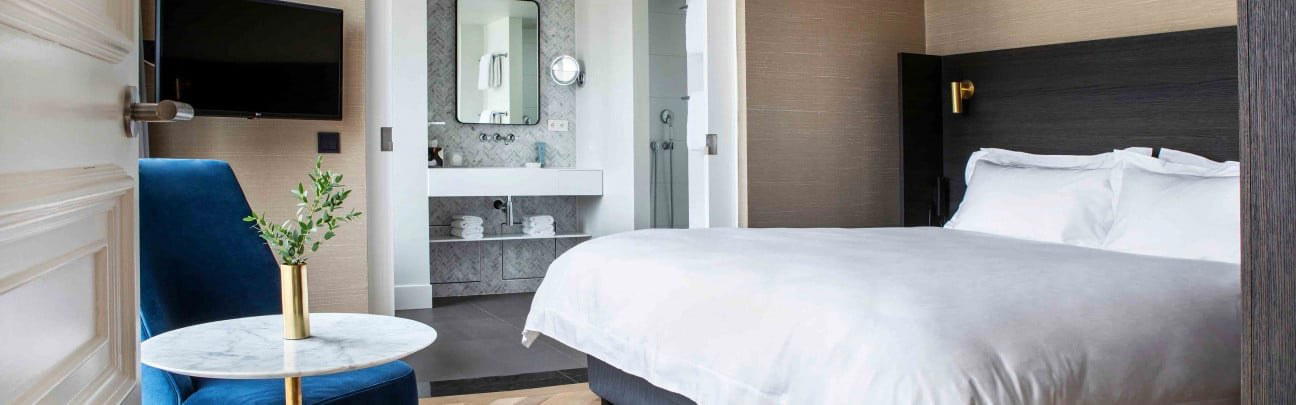
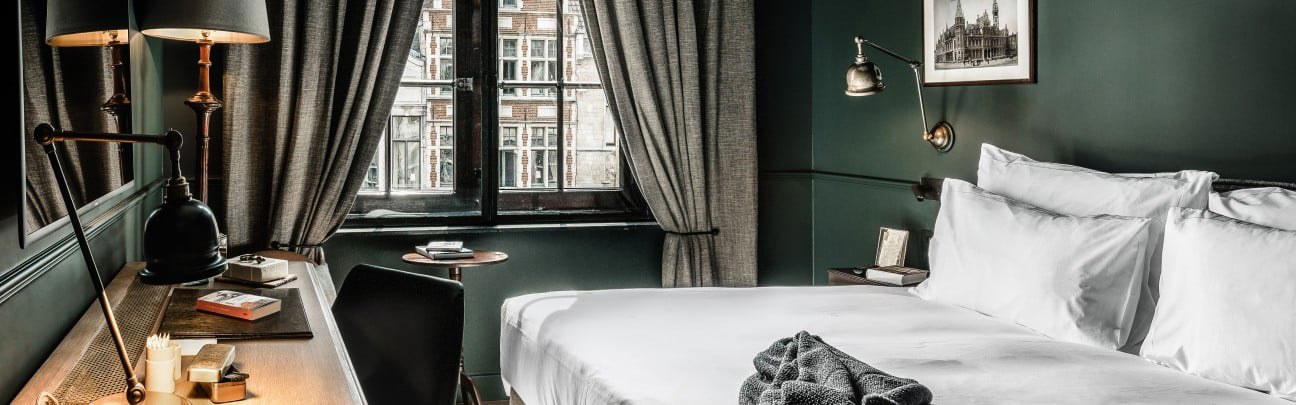
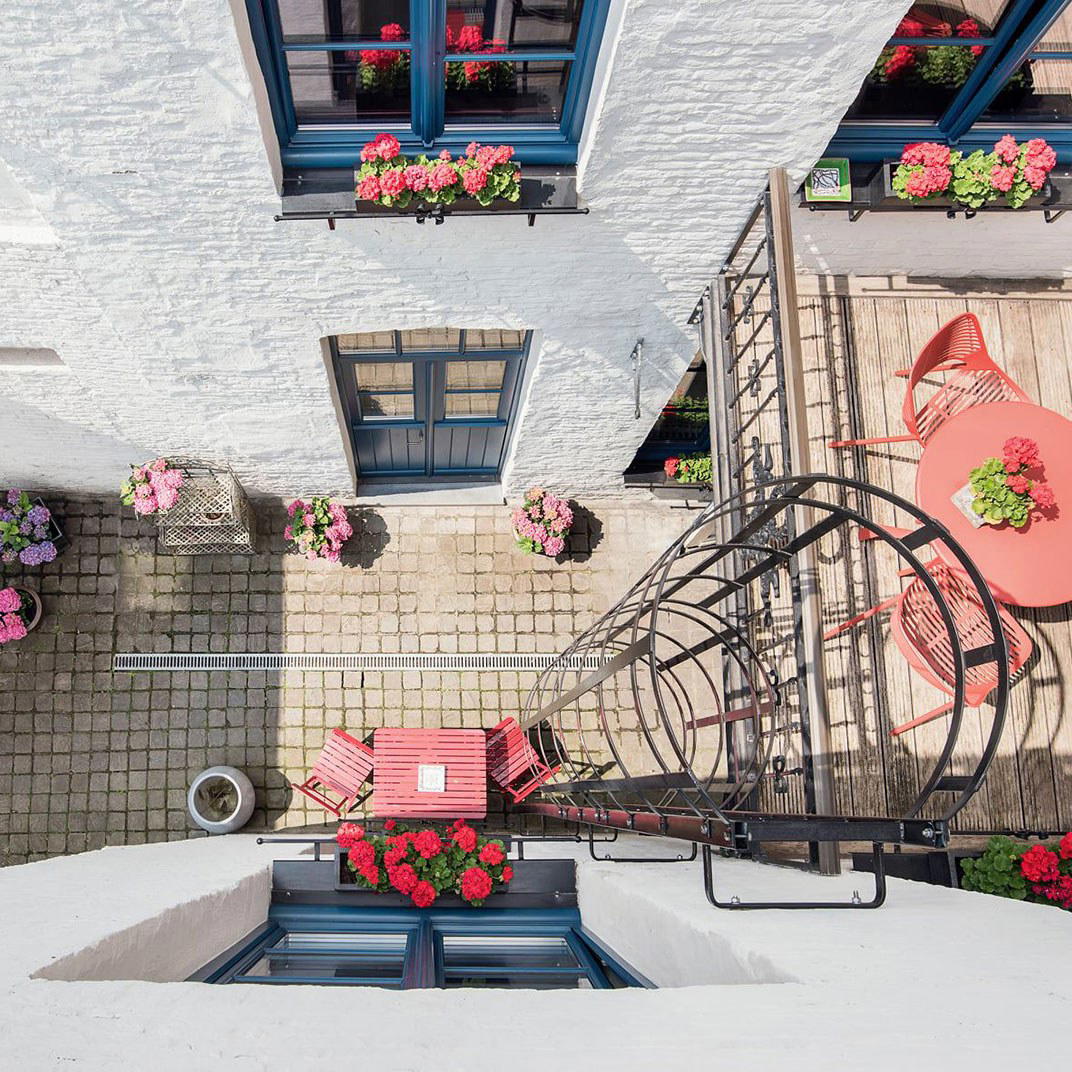
Cosy and sophisticated atmosphere with impressive dome in the lounge area and greenery views.