진옥화할매 원조닭한마리 (陳玉華ハルメ元祖タッカンマリ) (진옥화할매 원조닭한마리)
Seoul's Gwangjang Market district has long anchored the city's working-class food traditions, and 진옥화할매 원조닭한마리 sits at the center of that lineage as one of the original purveyors of dakhanmari, the whole-chicken hot pot that defines the Dongdaemun alley eating culture. The restaurant draws a cross-section of Seoulites and informed visitors who come specifically for the format, not for ambience.
Pearl is the En Primeur Club membership app — saves, bookings, and concierge access live there. Same editors, same standards.
- Address
- 종로구 종로40가길 18, 서울특별시, 서울특별시, 03197
 Saves & bookings on Pearl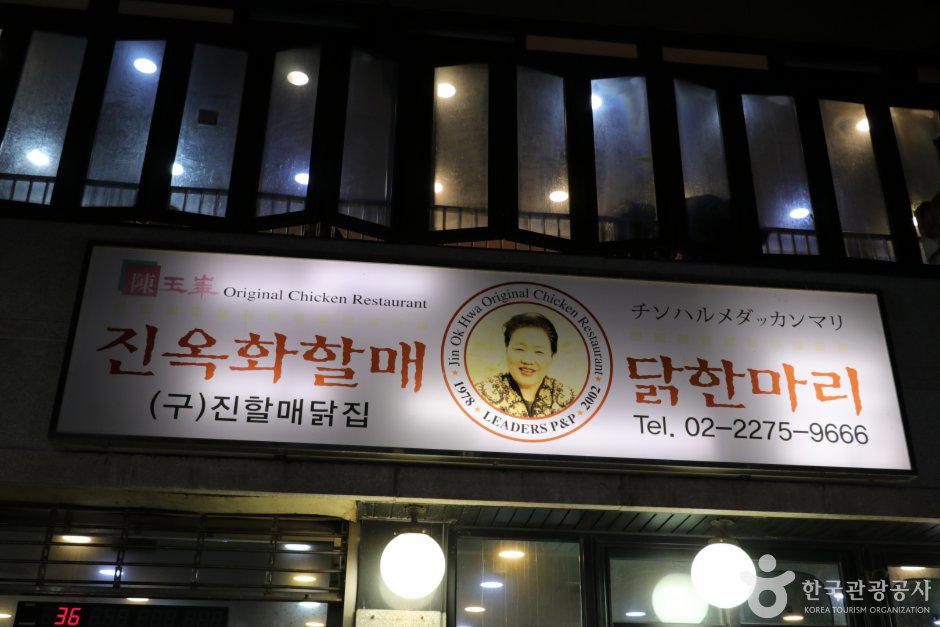
The Alley That Invented a Dish
진옥화할매 원조닭한마리 is a casual, walk-in-friendly restaurant in Jongno, Seoul, serving Traditional Korean Dakhanmari (Whole Chicken Soup) at a price tier of about $25 per person. The dish itself is direct in concept: a whole chicken simmered in a clay pot with tteok (rice cake), potato, and green onion, served with a sharp, garlicky dipping sauce assembled tableside from gochujang, mustard, and vinegar. What the alleys around Jongno 40-ga-gil gave this format was institutional weight. Over decades, the street evolved from a loose cluster of pojangmacha-style stalls into a dedicated dakhanmari district, and 진옥화할매 원조닭한마리 is widely cited as the establishment that anchored the original version of the dish at this address.
The distinction between "wonjo" (원조, meaning original or founder) and subsequent imitators matters in Seoul's food culture. The city has a long tradition of lineage disputes in single-dish restaurants, where the question of who started a format carries commercial and reputational weight. At this address on Jongno 40-ga-gil, that claim is the central organizing fact of the operation.
What Arriving Here Looks Like
The approach sets expectations accurately. This is not a neighbourhood that signals fine dining or design-conscious hospitality. The lanes are narrow, lit by hanging signage and the glow of gas burners visible through open frontages. Seating is dense, shared-table norms apply at peak hours, and the soundtrack is the rolling boil of clay pots and rapid Korean between servers and kitchen. In Seoul's broader dining spectrum, where contemporary Korean restaurants like Mingles and Jungsik represent a different register of the same culinary tradition, this alley occupies the opposite pole: no tasting menus, no reservation architecture, no Michelin commentary. The format here is communal and immediate.
Queues form at peak meal times, particularly lunch service and the early evening hours. Knowing this shapes the logistics of a visit more than almost any other factor. The venue is walk-in friendly, so wait times vary with arrival time. Arriving before noon or after the initial dinner rush, roughly past 7:30 PM on weekdays, tends to reduce wait times, though the alley remains active well into the evening.
The Dish in Detail
Dakhanmari translates literally as "one chicken," and the format at this address follows the district-standard template that has spread across Seoul but originated here. A whole young chicken arrives in a clay pot at a rolling boil, with the guest finishing the cook at a tableside burner. The dipping sauce assembly is participatory: individual portions of gochujang paste, yellow mustard, and seasoned vinegar arrive separately, and the balance is left to the diner. This is a meaningful detail. The sauce is not pre-mixed because different tables, and different diners within a table, calibrate heat and acidity differently. At a venue in this district, that granular control is considered fundamental.
Once the chicken is eaten, the broth is typically finished as kalguksu, hand-cut noodles added to the remaining stock to create a second course from the same pot. This two-stage structure gives the meal a pacing and completeness that makes it more satisfying than its simple component list suggests. It also means the meal benefits from unhurried eating, which is worth factoring into timing alongside the queue dynamics.
Seoul's institutional single-dish restaurants, at this price tier and format, sit in a different competitive frame than the contemporary Korean wave represented by addresses like Kwonsooksoo or Soigné. They are not competing for Michelin recognition or fine-dining visitors. Their peer group is defined by longevity, neighbourhood fidelity, and the authority that comes from being the original version of a specific dish in a specific place.
Planning the Visit
The practical realities here are the editorial substance. The visit requires physical presence and tolerance for queuing. This is not an anomaly; it is standard operating procedure for this category of Seoul dining institution. The address is Jongno 40-ga-gil 18, within walking distance of the Jongno 5-ga metro station on Line 1. The surrounding block contains several dakhanmari competitors, some of which trade on proximity to the original address as a form of implied association. The distinction matters, and the signage at the original address reflects it.
Groups of two to four persons are the practical unit for dakhanmari given the communal pot format and the per-person value. Solo diners can and do visit, but the economics and the portion logic favor small groups. Payment is typically cash-forward at this category of restaurant in Seoul, though this should be confirmed on arrival given the absence of current operational data.
For visitors assembling a broader Seoul itinerary, this address pairs logically with time in the Dongdaemun or Gwangjang Market area, where the density of traditional food formats is higher than in the Gangnam or Itaewon corridors. Those looking for the contemporary end of Seoul's restaurant scene can reference alla prima. Further afield in Korea, comparable traditional-format dining experiences appear at Mori in Busan, 88돼지 in Jeju, and Black Pork BBQ in Seogwipo.
Know Before You Go
- Address: Jongno 40-ga-gil 18, Jongno-gu, Seoul (종로구 종로40가길 18)
- Getting there: Jongno 5-ga Station (Seoul Metro Line 1) is the closest metro access point
- Reservations: Walk-in only; no advance booking system
- Peak hours: Lunch service and early evening (plan for queuing at these times)
- Format: Communal hot pot, tableside finishing, two-stage meal structure (chicken then kalguksu)
- Group size: Two to four persons is the practical format; solo dining is possible but not optimized
- Payment: Confirm cash/card policy on arrival
Cuisine and Recognition
Comparable venues nearby, for context on price, style, and recognition.
| Venue | Cuisine | Price | Notes |
|---|---|---|---|
| 진옥화할매 원조닭한마리 (陳玉華ハルメ元祖タッカンマリ) (진옥화할매 원조닭한마리)This venue — the venue you are viewing | Traditional Korean Dakhanmari (Whole Chicken Soup) | $ | Not listed |
| Jinokhwa Halmae Wonjo Dakhanmari | Traditional Korean Whole Chicken Soup (Dakhanmari) | $ | Jongno-gu, Dongdaemun |
| Wonhalmae Somunnan Wonjo Dakhanmari | Traditional Korean Dakhanmari | $$ | Dongdaemun |
| Wangbijib (왕비집) | Traditional Korean BBQ | $$ | Myeongdong |
| Seoseo Myeongdong Galbi | Standing Korean Galbi BBQ | $$ | Myeongdong |
| Seasons Table buffet | Seasonal Korean Buffet | $$ | 가회동 |
Continue exploring
More in Seoul
Restaurants in Seoul
Browse all →

At a Glance
- Lively
- Well Known
- Rustic
- Energetic
- Group Dining
- Casual Hangout
- Family
- After Work
- Open Kitchen
- Historic Building
- Standalone
- Local Sourcing
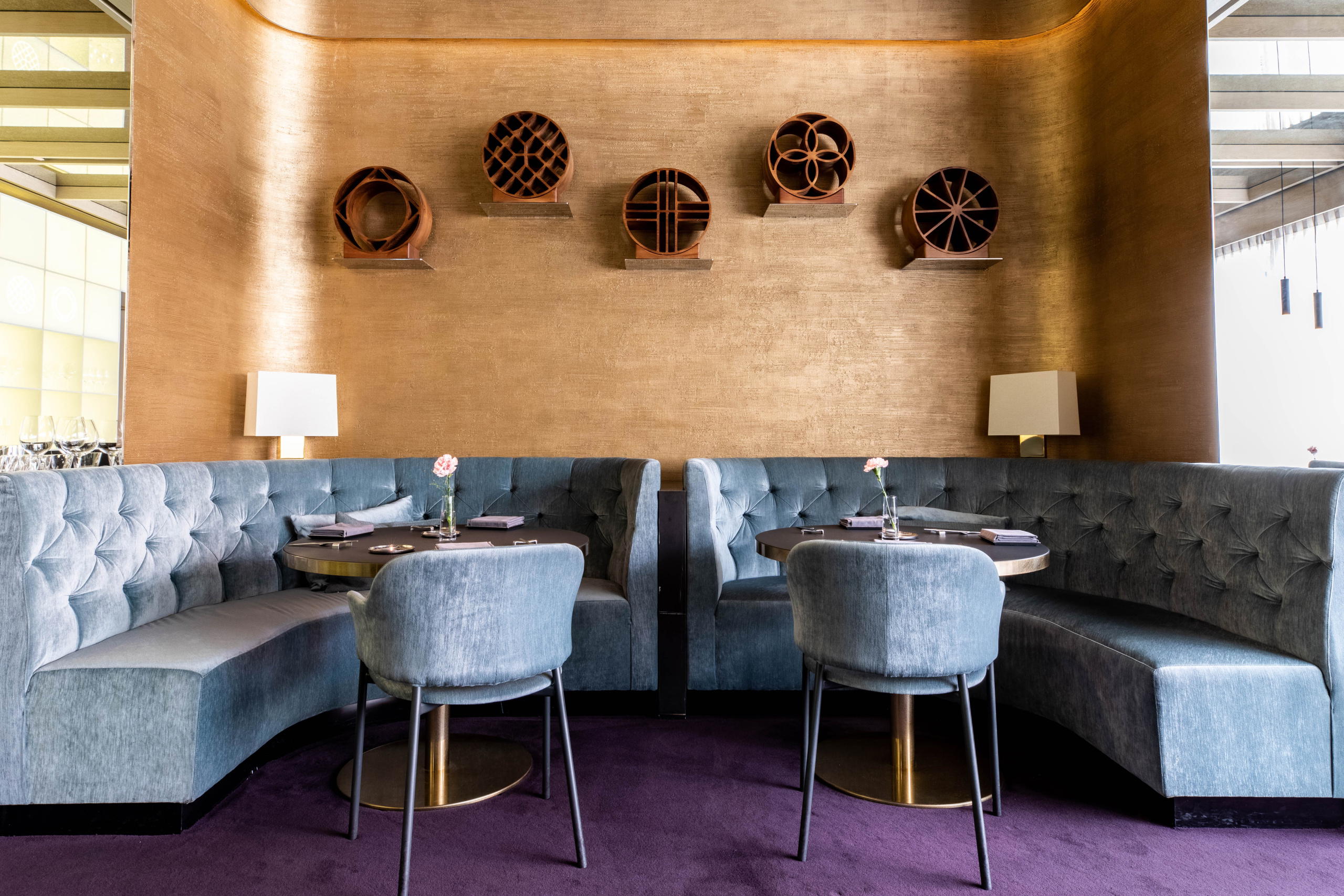
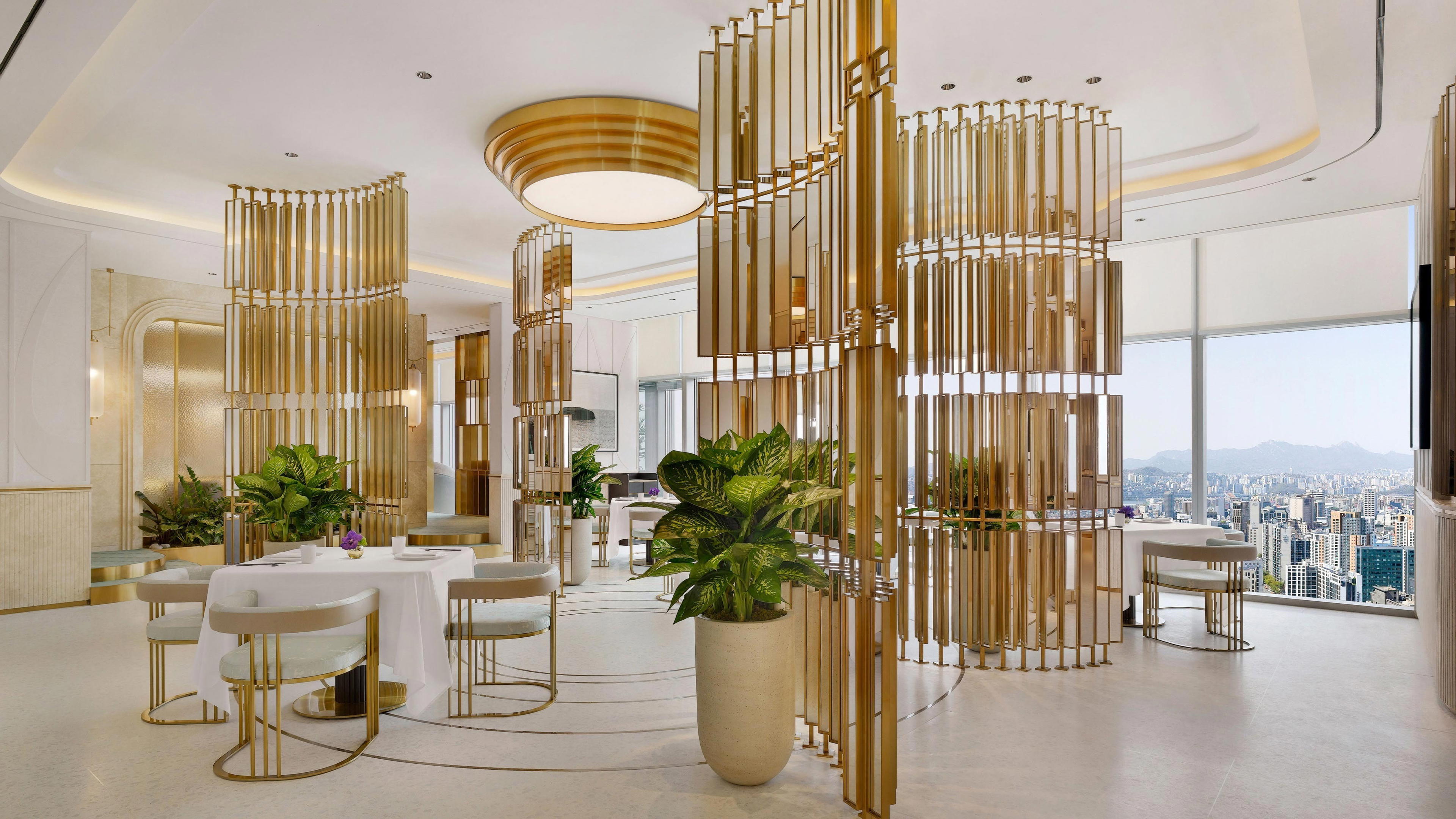
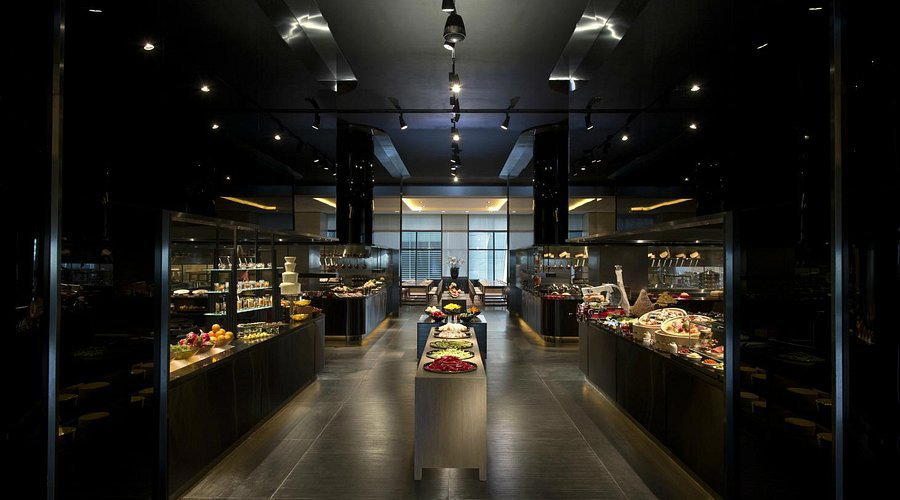
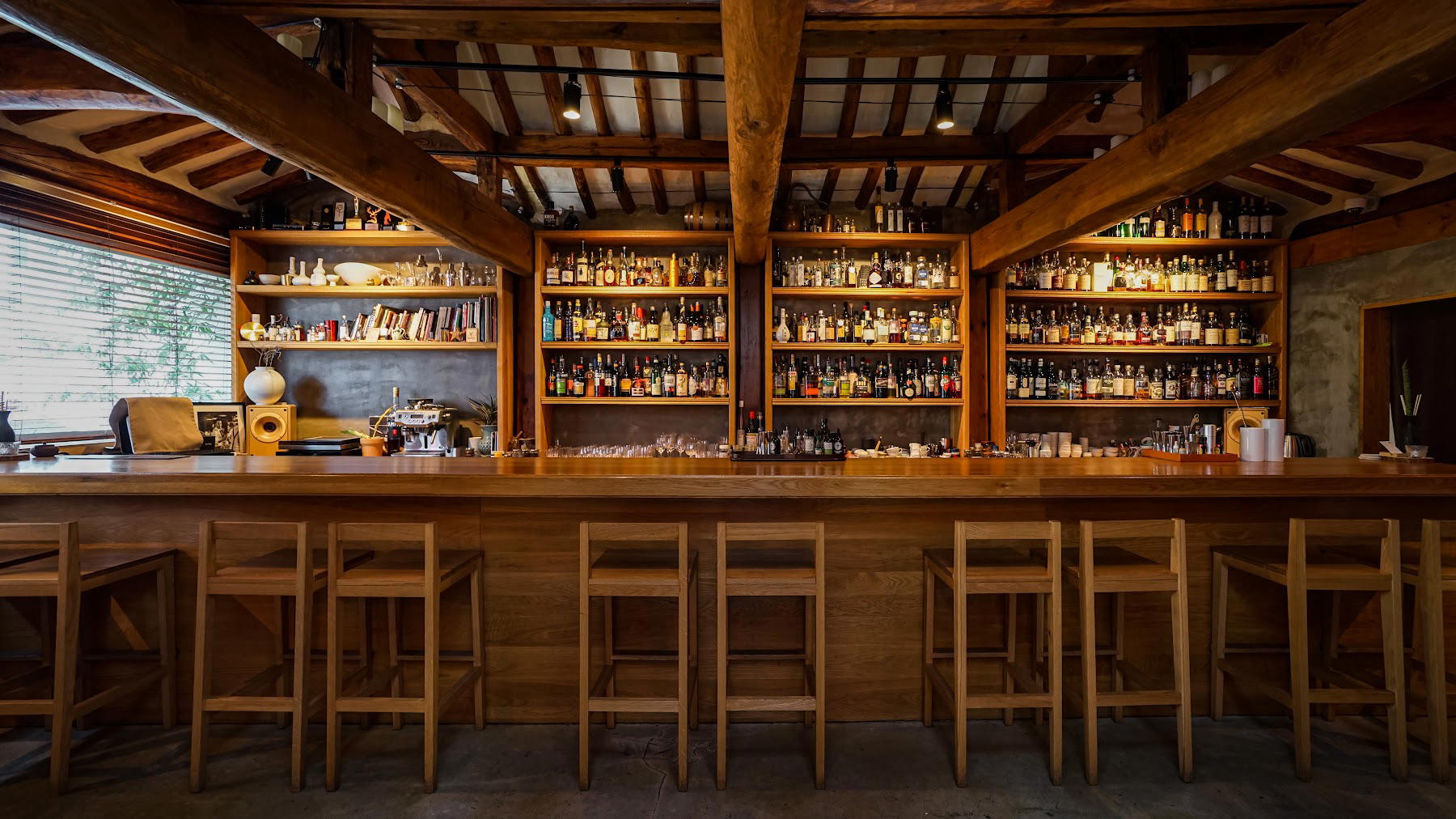
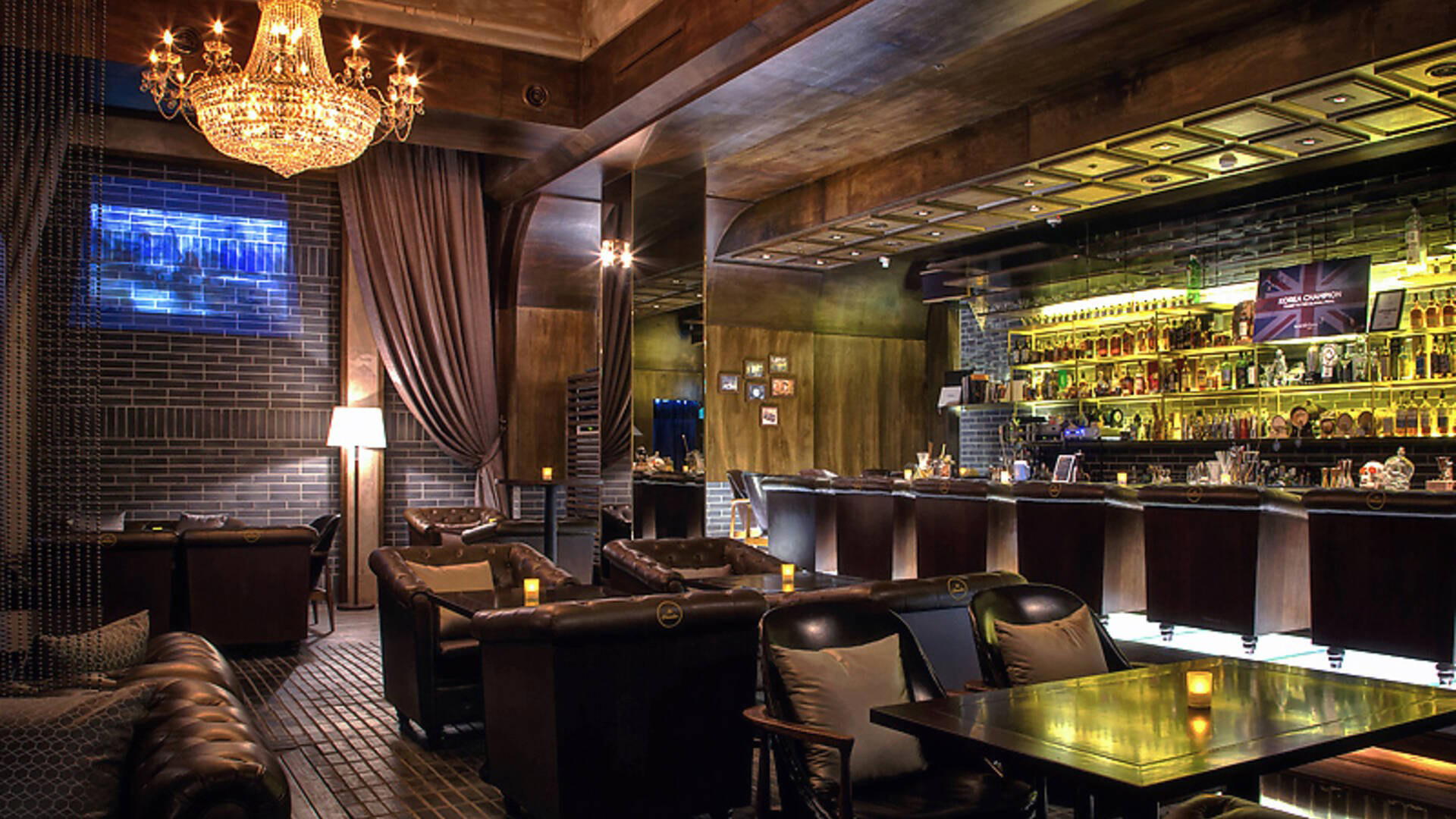
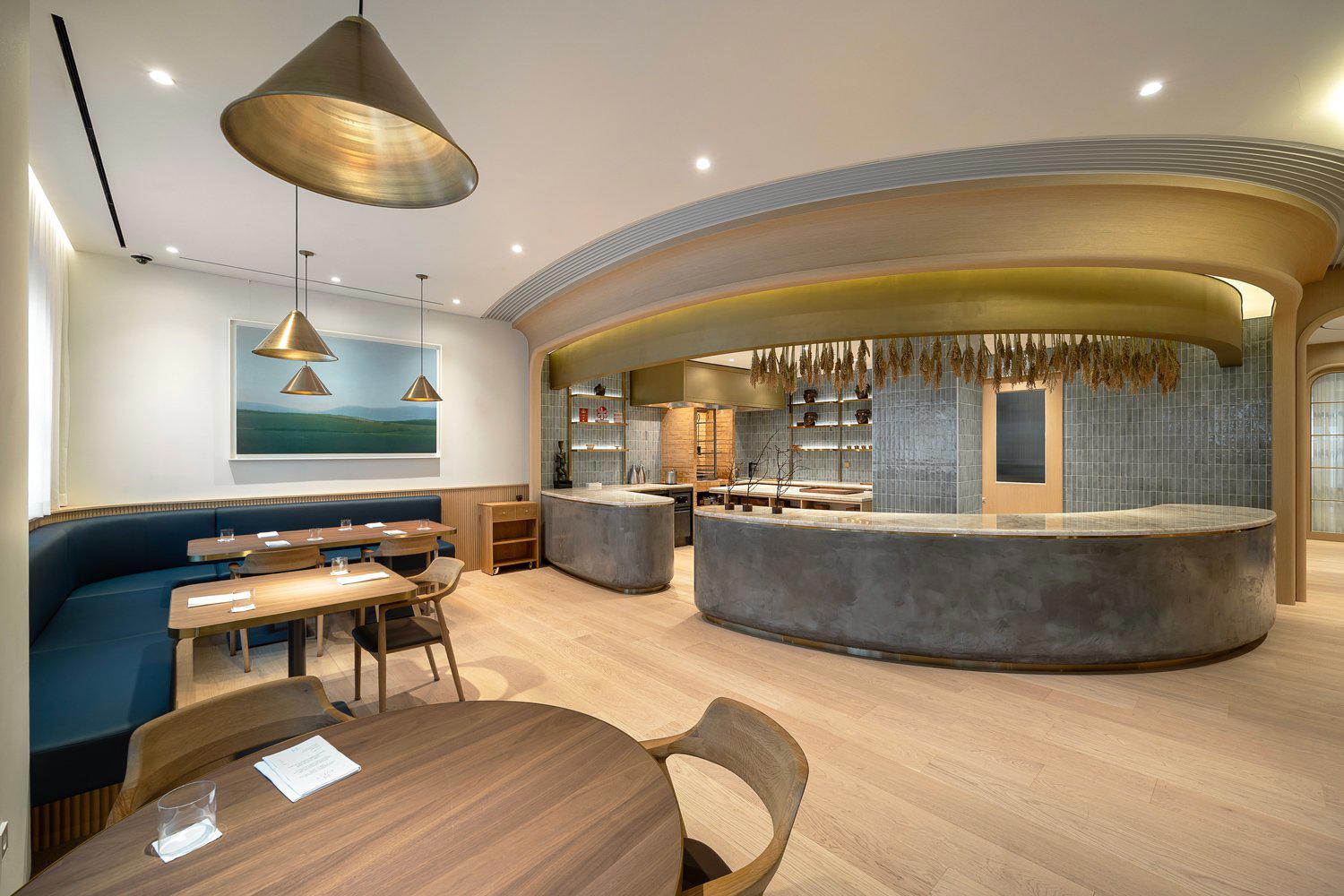
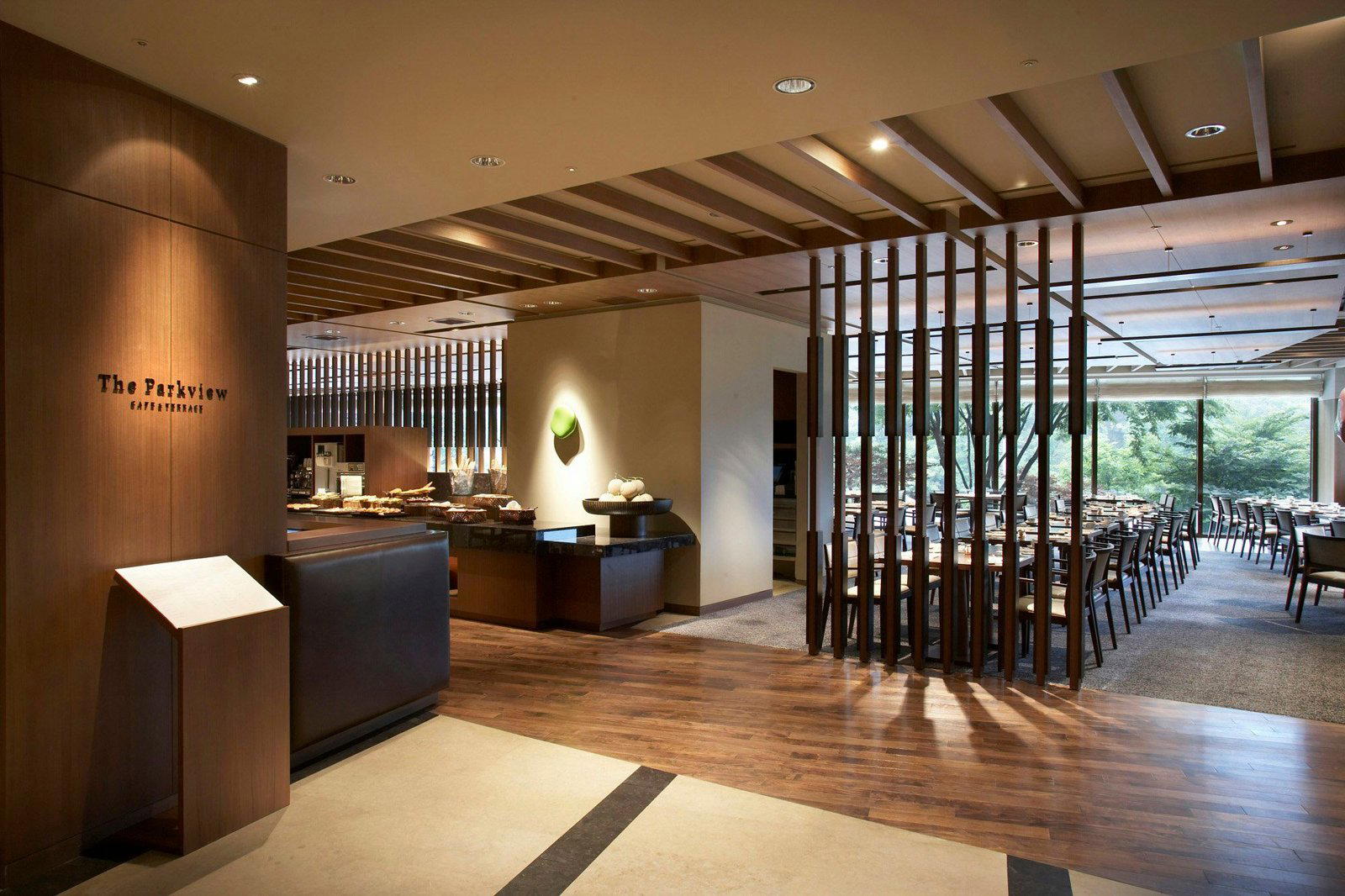
Bustling and energetic with a rustic, no-frills aesthetic; the interior is notably hot due to the boiling broths, with a lively atmosphere packed with diners sharing communal meals in a traditional Korean market setting.