
Kamakura’s curry-and-cafe culture is strongest when it slows the tourist rhythm without leaving the Komachi-dori orbit. OXYMORON komachi Komachi belongs to that lane: a compact, 20-seat room near the city’s shrine-bound pedestrian flow, with Tabelog Curry EAST 100 selections anchoring its reputation beyond casual café traffic.
Pearl is the En Primeur Club membership app — saves, bookings, and concierge access live there. Same editors, same standards.
- Address
- 神奈川県鎌倉市雪ノ下1-5-38 2F
- Phone
- +81467738626
- Website
- oxymoron.jp
 Saves & bookings on Pearl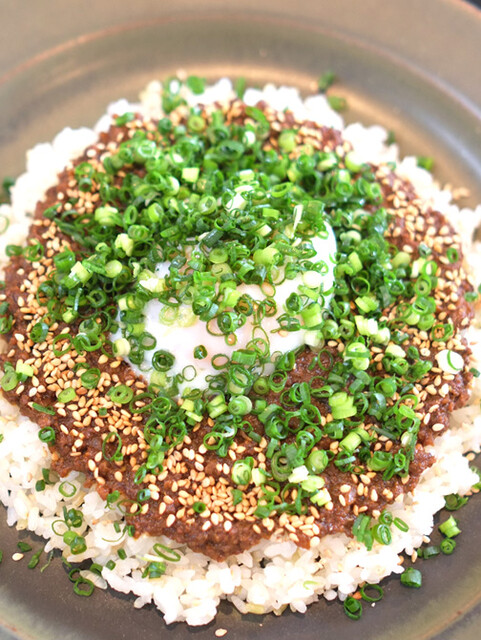
Komachi-dori changes pace by the block: souvenir counters, day-tripper queues, coffee stops, then a quieter upstairs room where curry becomes the reason to pause rather than refuel. In Kamakura, that distinction matters. The city’s daytime dining scene is shaped by temple routes and station-to-shrine movement, so restaurants that hold attention past convenience occupy a different tier. OXYMORON komachi Komachi sits inside that pattern, close enough to the main pedestrian current to catch it, but defined by curry and café discipline rather than pure location.
The setting also explains the format. Kamakura is not Tokyo’s reservation-heavy dining machine; it is a compact coastal temple town where lunch, sweets, coffee, and light meals often carry equal cultural weight. Curry here works because it bridges those needs. It is casual in price language, flexible for groups, and serious enough to earn repeat attention when executed with consistency. The restaurant’s selection for Tabelog Curry EAST 100 in 2024, with earlier selections listed across 2017, 2018, 2019, 2020, and 2023, places it in a regional curry conversation rather than merely a local café round-up.
Curry in Kamakura's café register, not a commuter-station shortcut
Japanese curry has several public faces: cafeteria comfort, specialist counter cooking, spice-led modern curry, and café curry built around a longer sit. Kamakura’s version often leans toward the last two because the city rewards lingering. A curry-and-cafe room can serve travelers between temples, local regulars, and families without performing as a formal restaurant. That is where this address reads clearly. Its listed categories are curry and cafe, a pairing that signals a softer tempo than a single-purpose counter, while the Tabelog Curry EAST 100 recognition gives the format a sharper edge.
That balance separates it from the cheaper snack-and-sweets circuit around Komachi-dori. Comparison venues in Kamakura such as Coquelicot Crepe Ten, Kamakura Chacha, Caraway, and arbre noir YAKUMI occupy nearby low-price territory, but the meaningful comparison is not only cost. It is intent. Some addresses solve a quick craving; others turn a simple category into the day’s anchor meal. OXYMORON komachi Komachi falls into the latter camp, with curry carrying the identity and the café format making it usable within a sightseeing day.
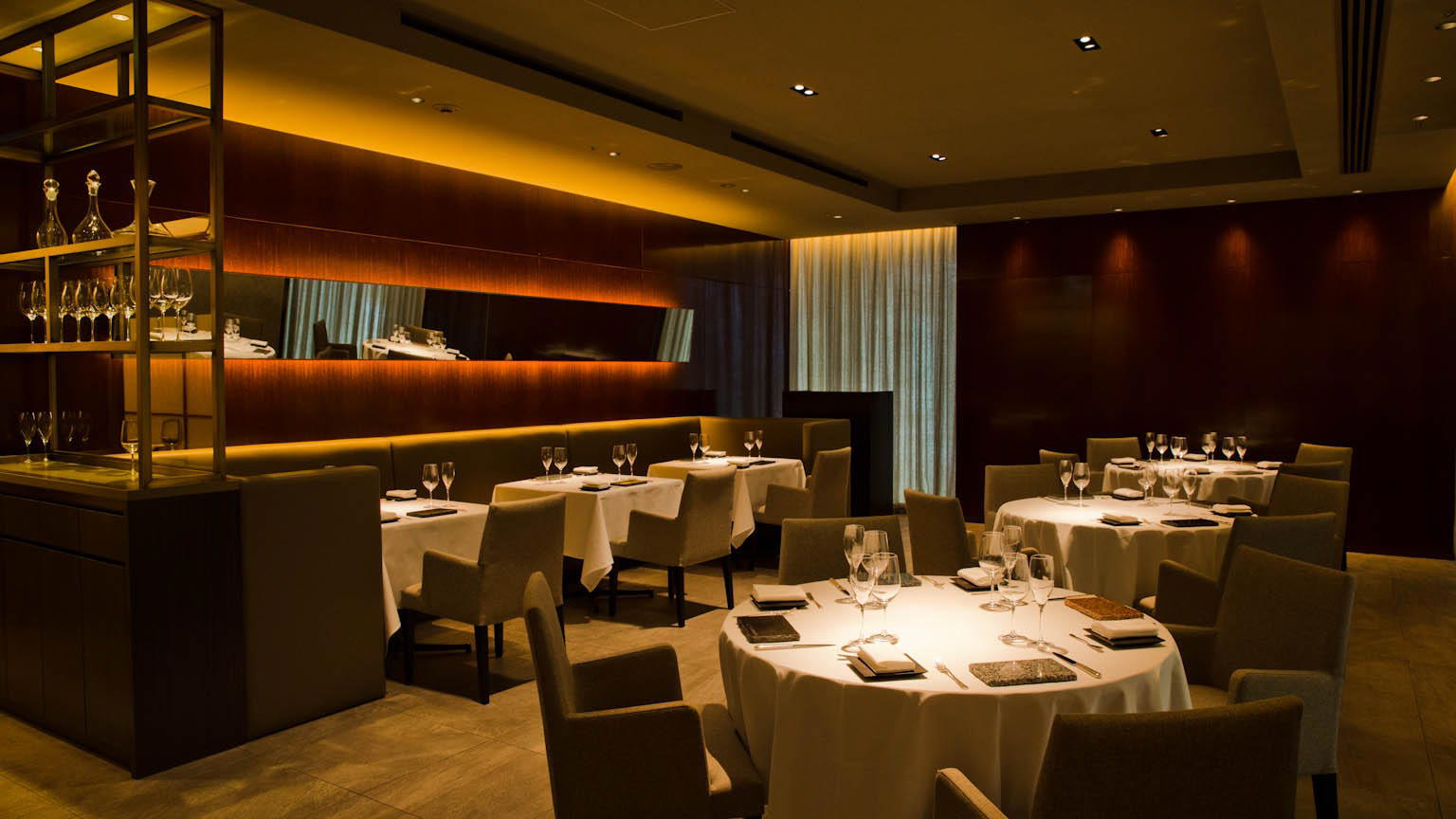
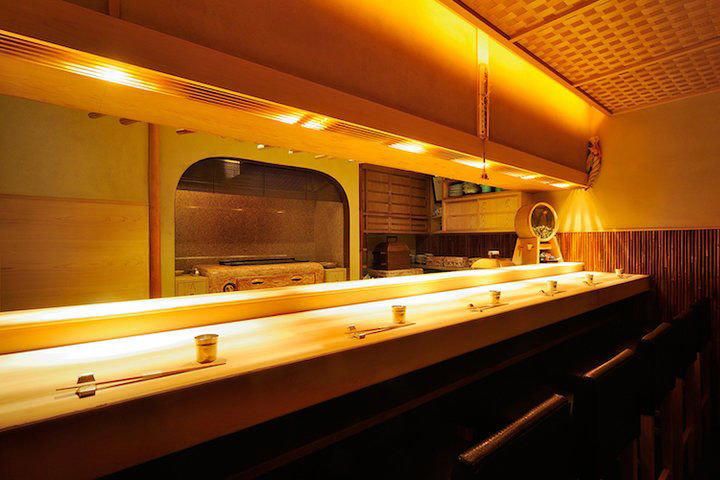
The room’s scale reinforces that reading. Twenty seats is small enough to feel selective in a high-footfall district, but not so ceremonial that the meal becomes the day’s main logistical project. Counter seating and table seating also matter in Kamakura, where solo travelers, pairs, and family groups often share the same lunch window. The non-smoking policy and children-welcome listing make the restaurant more broadly useful than many compact specialist rooms, especially in a city where midday plans can shift with weather, shrine crowds, and train timing.
Why the Tabelog Curry EAST signal matters here
Tabelog’s Hyakumeiten lists are not Michelin-style star systems; they function more like category maps for Japan’s obsessive dining subcultures. For curry, that distinction is useful. The field is crowded with inexpensive specialists, neighborhood institutions, spice-driven independents, and café hybrids, so selection carries weight because it narrows a huge category into a recognized regional set. The 2024 Curry EAST selection gives this Kamakura address external validation in a category where price alone tells the reader almost nothing.
The continuity of recognition is the stronger signal. Listings across multiple years suggest that the appeal has not depended on a single media moment. In a tourist city, consistency matters more than novelty. Kamakura receives a steady stream of first-time visitors, but durable restaurants also need locals and repeat day-trippers; otherwise, they become location-dependent. A curry café with repeated category recognition and a score listed at 3.67 sits in a more durable band than a place sustained only by foot traffic.
There is also a useful restraint in what the format does not claim. This is not a chef-biography restaurant, and no public chef identity is needed to understand its place in the city. The case rests on category, location, scale, and recognition. That makes it especially Kamakura: less concerned with theatrical dining language, more effective as part of a day that might also include coffee, bread, sweets, or a walk toward Tsurugaoka Hachimangu.
How to place it within a Kamakura day
For a neighborhood-led itinerary, the restaurant works as a Komachi-dori lunch anchor rather than a destination that requires rebuilding the whole day around it. That distinction is useful for travelers choosing between café stops and more structured meals. Nearby editorial context helps: Bergfeld Kamakura honten speaks to the city’s bakery-café side, Cabbage Batake to casual local cooking, Cafe Vivement Dimanche to coffee culture, and CALVA to the pastry-and-bread pull that defines much of Kamakura’s daytime eating.
Readers mapping a broader trip should treat the city by category rather than by a single meal. The full restaurant picture sits in Our full Kamakura restaurants guide, while lodging choices belong in Our full Kamakura hotels guide. Drinking, wineries, and cultural planning are covered separately through Our full Kamakura bars guide, Our full Kamakura wineries guide, and Our full Kamakura experiences guide. That separation suits Kamakura, where the pleasure is rarely one grand reservation; it is the calibration of lunch, coffee, walking distance, and timing.
For readers tracking Japanese casual dining beyond Kamakura, the useful frame is category specificity at modest spend. Curry, café, onigiri, sake bars, and regional specialists often carry more cultural information than formal tasting menus. Compare the curry-specialist pull of [Curry Senmon Ten] Maruyama Kyoju. in Sapporo with compact urban formats such as [ki:] in Kyoto, (Shoku) Vietnam in Kawasaki.cafe in Osaka.know in Kumamoto, and. 鮪と炭火焼き うお炭 秋葉原店 in Tokyo. Outside Japan, Jōdo Saké Bar in Los Angeles and Onigiri Time in Pasadena show how narrow Japanese formats can travel when the premise stays clear.
The editorial read is simple: choose OXYMORON komachi Komachi when curry should be the center of a Kamakura day, not a fallback between temples. Its value is not grandeur; it is a low-key format with repeated curry-category recognition in a neighborhood where many meals compete only on convenience.
The Essentials
Comparable venues by cuisine and price in the same metro.
| Venue | Cuisine | Price | Notes |
|---|---|---|---|
| OXYMORON komachi KomachiThis venue — the venue you are viewing | Not listed | $$ | Not listed |
| Sango Sho Honten | Kamakura, Japanese Curry & Yoshoku | $$ | Not listed |
| Oryori Tomiyama | Not listed | $$ | Kamakura, Traditional Japanese donburi & set meals |
| -Grilled beef Sukiyaki- KAMAKURA TANUKIAN 鎌倉 たぬき庵 | Kamakura, Grilled Wagyu Sukiyaki | $$$ | Not listed |
| Kikuta | Kamakura, Japanese Izakaya | $$ | Not listed |
| Toshimaya Karyo Hatokoji | Not listed | $ | Kamakura, Traditional Japanese sweets cafe (wagashi) |
Recognition history
Dated appearances from independent guides and award organizations, with the underlying list record or original source where available.
Tabelog 100 #25 · No. 25
Tabelog · Tabelog 100 - Curry - EAST - 2024










At a Glance
- Cozy
- Trendy
- Casual Hangout
- Solo
- After Work
- Date Night
- Standalone
- Beer Program
- Street Scene
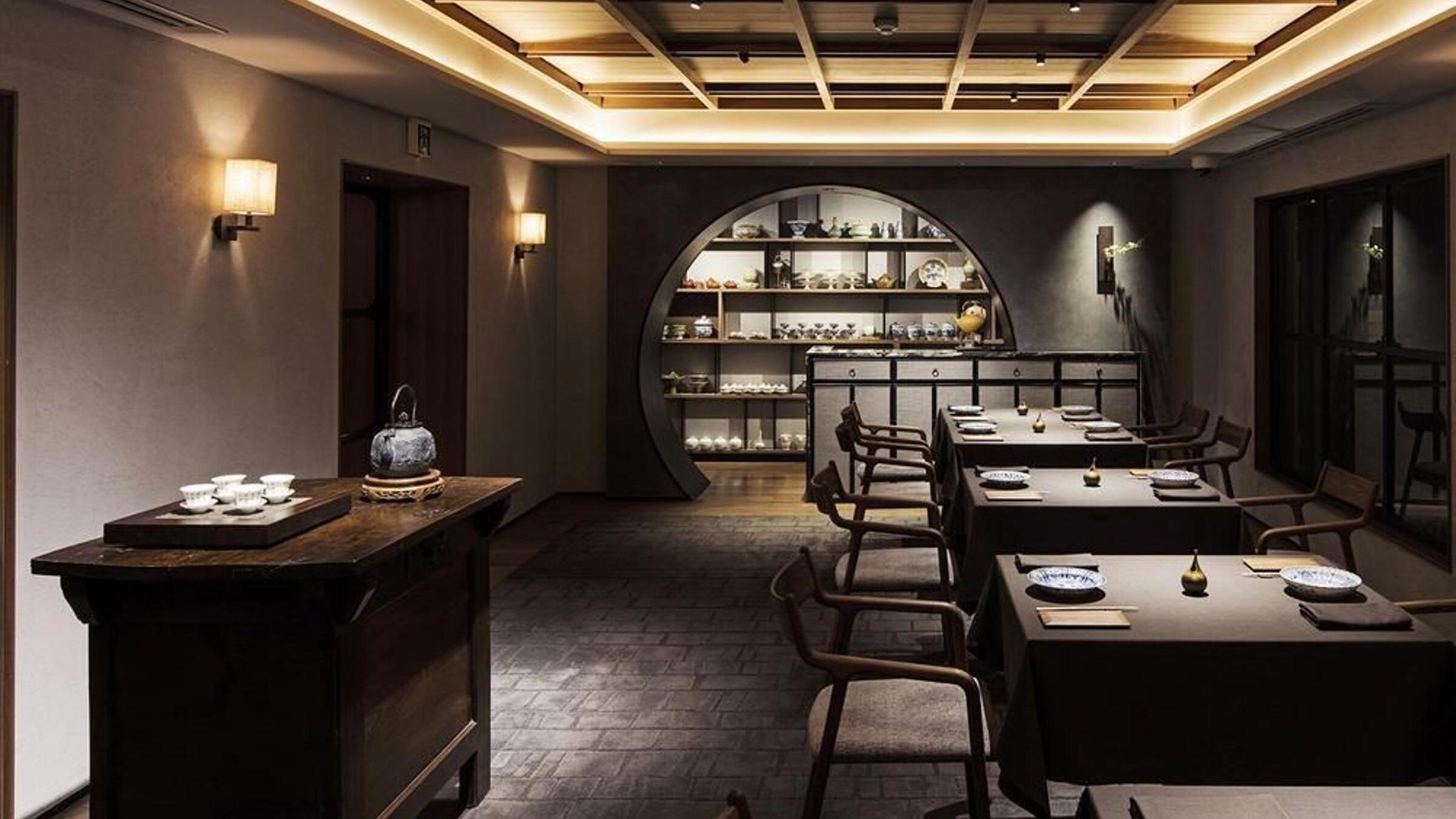
Stylish café atmosphere on busy Komachi-dori with a cozy, relaxed feel; simple modern interior, small 2F dining room, and an unhurried vibe despite being popular and often busy.