Byblos Deli
Byblos Deli on Connecticut Avenue NW sits at the intersection of Washington's Lebanese diaspora tradition and Cleveland Park's neighbourhood rhythm. Regulars return for the kind of cooking that exists outside award circuits and tasting-menu ambitions, direct, consistent, and rooted in a culinary tradition that predates the city's recent fine-dining surge.
Pearl is the En Primeur Club membership app — saves, bookings, and concierge access live there. Same editors, same standards.
- Address
- 3414 Connecticut Ave NW, Washington, DC 20008
- Phone
- +12023646549
- Website
- byblosdc.com
- Directions
- Get directions
 Saves & bookings on Pearl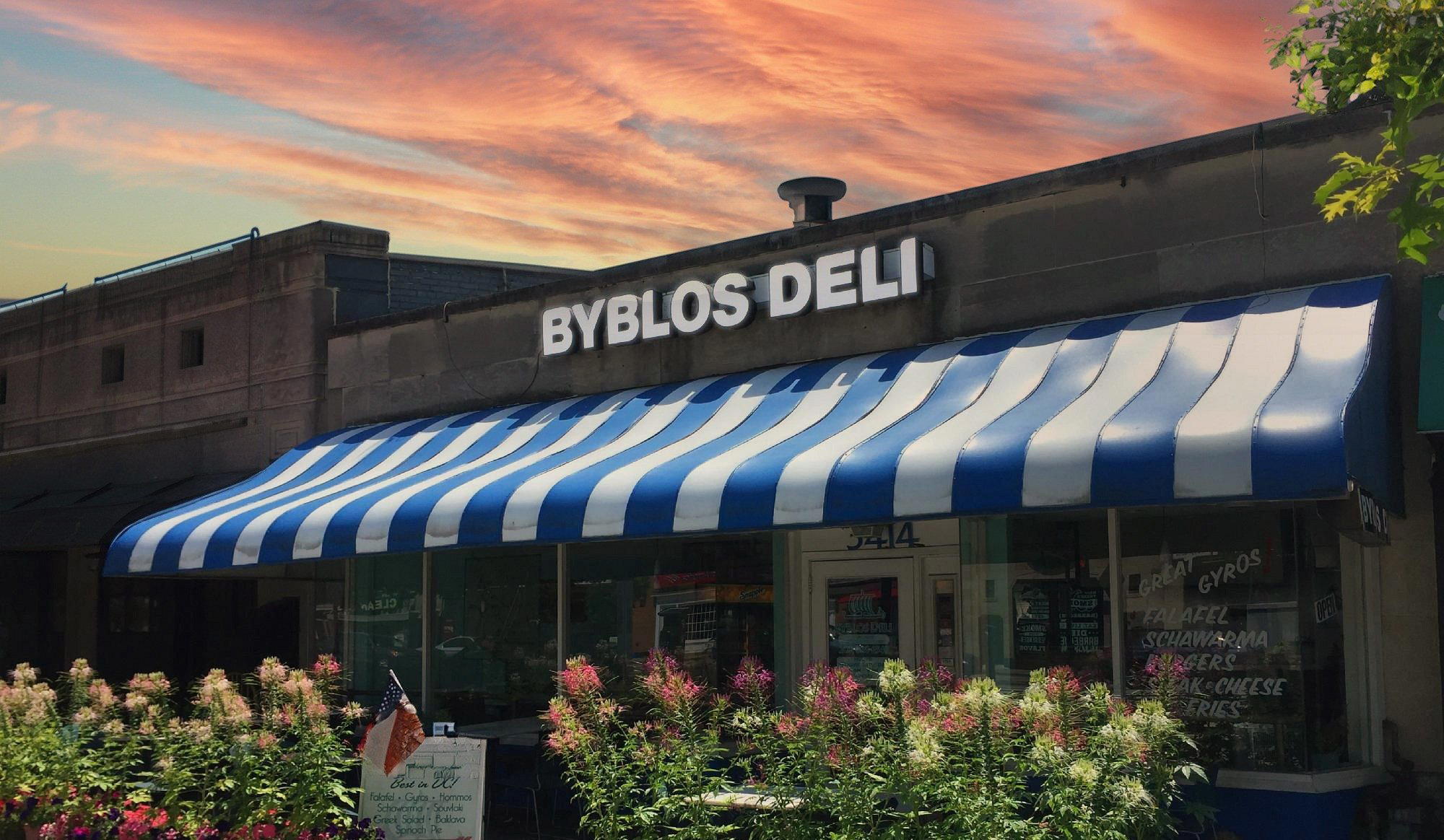
Connecticut Avenue's Lebanese Corner
Cleveland Park has long occupied a particular position in Washington's dining geography: close enough to the institutional corridors of upper Northwest to draw a professional crowd, but residential enough that its restaurants answer to neighbours first and destination diners second. The stretch of Connecticut Avenue NW near the 3400 block runs through that logic clearly. Delis, independent grocers, and long-standing neighbourhood spots have held ground here through multiple waves of restaurant openings elsewhere in the city. Byblos Deli, at 3414 Connecticut Ave NW, belongs to that fabric, a Lebanese-inflected counter-service spot whose clientele has settled into the kind of regulars that any neighbourhood anchor accumulates over time.
Washington's relationship with Middle Eastern food is long and layered. The capital's Lebanese and Arab-American communities established dining and grocery footholds across Northern Virginia and upper Northwest D.C. decades before the recent wave of chef-driven Middle Eastern restaurants arrived. Where venues like Albi represent a newer, fine-dining interpretation of Eastern Mediterranean cooking in Washington, wood-fired, wine-forward, Byblos Deli operates in an older and more functional register: the deli and counter format that kept communities fed before the city's culinary attention turned that direction.
What the Regulars Know
The regulars' relationship with a place like Byblos Deli is different from the relationship a destination diner builds with, say, Jônt or minibar. There is no anticipation arc, no occasion framing, no single visit that defines the experience. Instead, there is accumulation: the Tuesday pick-up order that becomes the Thursday routine, the sandwich or mezze plate ordered the same way each time because the version here has become the default against which all others are measured. That rhythm is what sustains independent neighbourhood delis through economic cycles and the churn of restaurant openings across a city.
In the Cleveland Park and Woodley Park corridor, where the residential density supports sustained local patronage, that kind of loyalty translates into a steady rhythm of preferences, timing habits, and ordering patterns. The Lebanese deli format, with its overlap of grocery, prepared foods, and counter service, is particularly well suited to that dynamic. It serves the person buying a bag of za'atar and the person eating lunch in the same transaction, and the regulars understand both functions without needing either explained.
Washington's broader dining conversation has centred on tasting-menu formats, sustainability credentials, and chef-driven programming. Oyster Oyster and Causa represent the more ambitious end of that moment. The restaurant is structurally outside that conversation, not as a failure of ambition, but as a reflection of a different purpose. The Lebanese counter-service model is not competing with the city's prix-fixe tier any more than a Roman trattoria competes with a Michelin three-star. They answer different questions.
The Lebanese Deli Format in American Cities
Across American cities with established Arab-American communities, Dearborn, Brooklyn, parts of Los Angeles, and Washington's own Virginia suburbs, the Lebanese deli format has followed a recognisable arc. First-generation establishments built around grocery staples and prepared foods, then a gradual expansion into counter-service lunch, and eventually a settled neighbourhood role that resists the pressures that close more ambitious restaurants. The format's durability comes from low ticket prices relative to labour, high repeat-visit frequency, and a product set (hummus, falafel, shawarma, kibbeh, mezze plates) that travels well for takeout and holds up across service windows.
That format also carries a specific culinary tradition worth understanding on its own terms. Lebanese cooking is among the more internally varied of the Eastern Mediterranean traditions, Beirut's urban street food differs from the mountain villages' grain-and-legume cooking, and both differ from the coastal fish preparations of Byblos itself. The deli register in American cities tends to compress that range into a more standardised set of dishes, but the compression is not impoverishment: the standards exist because they are what the tradition does consistently well, and a well-made falafel or a properly balanced fattoush carries as much craft information as a more elaborate plate.
For context on how Washington's broader Middle Eastern dining tradition has evolved, the contrast between counter-service anchors like Byblos Deli and the newer fine-dining Middle Eastern tier, of which Albi is one decorated local example, is instructive. The two formats share a culinary lineage but serve almost entirely different functions in the city's food ecosystem. Visitors building a broader picture of Washington's dining range would do well to consult our full Washington, D.C. restaurants guide, which maps the city across price tiers and neighbourhood contexts.
Placing Byblos Deli in the City's Register
Washington's most acclaimed restaurants operate in a tier that includes nationally recognised tasting-menu destinations. Comparable city-by-city benchmarks include Le Bernardin in New York City, Lazy Bear in San Francisco, The French Laundry in Napa, Smyth in Chicago, Providence in Los Angeles, Blue Hill at Stone Barns in Tarrytown, Addison in San Diego, Single Thread Farm in Healdsburg, Atomix in New York City, Atelier Moessmer Norbert Niederkofler in Brunico, Emeril's in New Orleans, and D.C.'s own The Inn at Little Washington. The restaurant occupies a different tier, and understanding that distinction is part of reading it correctly. Its value proposition is neighbourhood consistency and culinary tradition, not progressive cooking or critical recognition.
For a first-time visitor to Washington focused on the city's award-circuit restaurants, the restaurant is not on the itinerary. For someone living in Cleveland Park or visiting with an interest in how the city's Middle Eastern community has shaped its everyday food culture, the address on Connecticut Avenue is a more useful reference point than most formal guides will provide.
Know Before You Go
| Address | 3414 Connecticut Ave NW, Washington, DC 20008 |
|---|---|
| Neighbourhood | Cleveland Park |
| Format | Deli / counter service |
| Price range | About $10 per person |
| Reservations | Walk-in friendly |
| Hours | Mon-Sat 11 AM-8 PM; Sun 12-4 PM |
| Phone / Website | Not listed in the record |
- Gyros
- Falafel Platter
- Souvlaki
- Chicken Shawarma
- Roasted Half Chicken
- Philly Cheesesteak
Nearby-ish Comparables
Comparable venues nearby, for context on price, style, and recognition.
| Venue | Cuisine | Price | Notes |
|---|---|---|---|
| Byblos DeliThis venue — the venue you are viewing | Mediterranean Greek & Middle Eastern Deli | $ | Not listed |
| Marv’s Dogs | Chicago-Style Hot Dogs | $ | Tenleytown |
| Jam Doung Style | Jamaican Caribbean | $ | Bloomingdale |
| Good Stuff Eatery | Gourmet American Burgers | $ | Eastern Market |
| Malabar | Modern Southern Indian | $$ | Van Ness |
| Clyde's of Georgetown | Classic American Saloon | $$ | West Village Georgetown |
Continue exploring
More in Washington DC
Restaurants in Washington DC
Browse all →
Bars in Washington DC
Browse all →
Hotels in Washington DC
Browse all →
At a Glance
- Casual
- Cozy
- Casual Hangout
- Solo
- Group Dining
- After Work
- Open Kitchen
- Standalone
Current opening hours
- Monday
- 11 AM–8 PM
- Tuesday
- 11 AM–8 PM
- Wednesday
- 11 AM–8 PM
- Thursday
- 11 AM–8 PM
- Friday
- 11 AM–8 PM
- Saturday
- 11 AM–8 PM
- Sunday
- 12–4 PM
Hours can change for holidays and private events. Last verified .
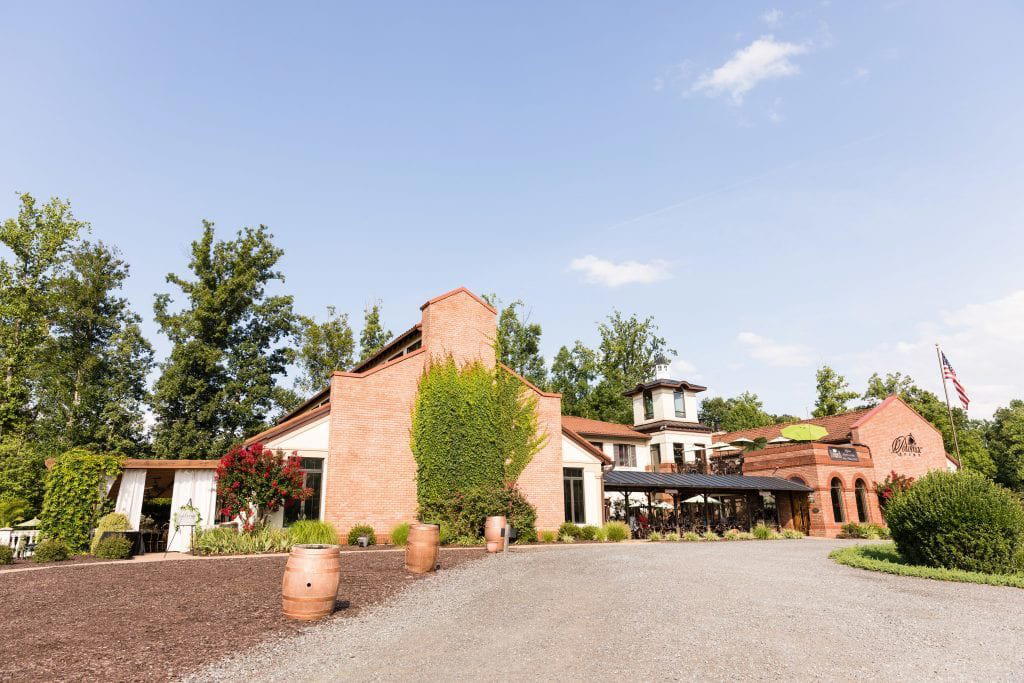
Casual, unpretentious hole-in-the-wall atmosphere with limited indoor and outdoor seating; counter-service format with a focus on food quality over decor; described as appearing slightly rundown but compensated by visible food preparation and welcoming staff.