Le Murge occupies a distinctive address on Innsbruck's Leopoldstraße, at the edge of Wilten Platzl, where the city's urban grain loosens into a more residential register. The name nods to Puglia's karst plateau, signalling a southern Italian orientation in a city more accustomed to Tyrolean and Alpine cooking traditions. For diners exploring Innsbruck's quieter restaurant tier, it represents a specific geographical counterpoint to the mountain-inflected menus dominating the centre.
Pearl is the En Primeur Club membership app — saves, bookings, and concierge access live there. Same editors, same standards.
- Address
- am Wiltener Platzl, Leopoldstraße 27, 6020 Innsbruck, Austria
- Phone
- +4369917060029
- Website
- lemurge.at
- Directions
- Get directions
 Saves & bookings on Pearl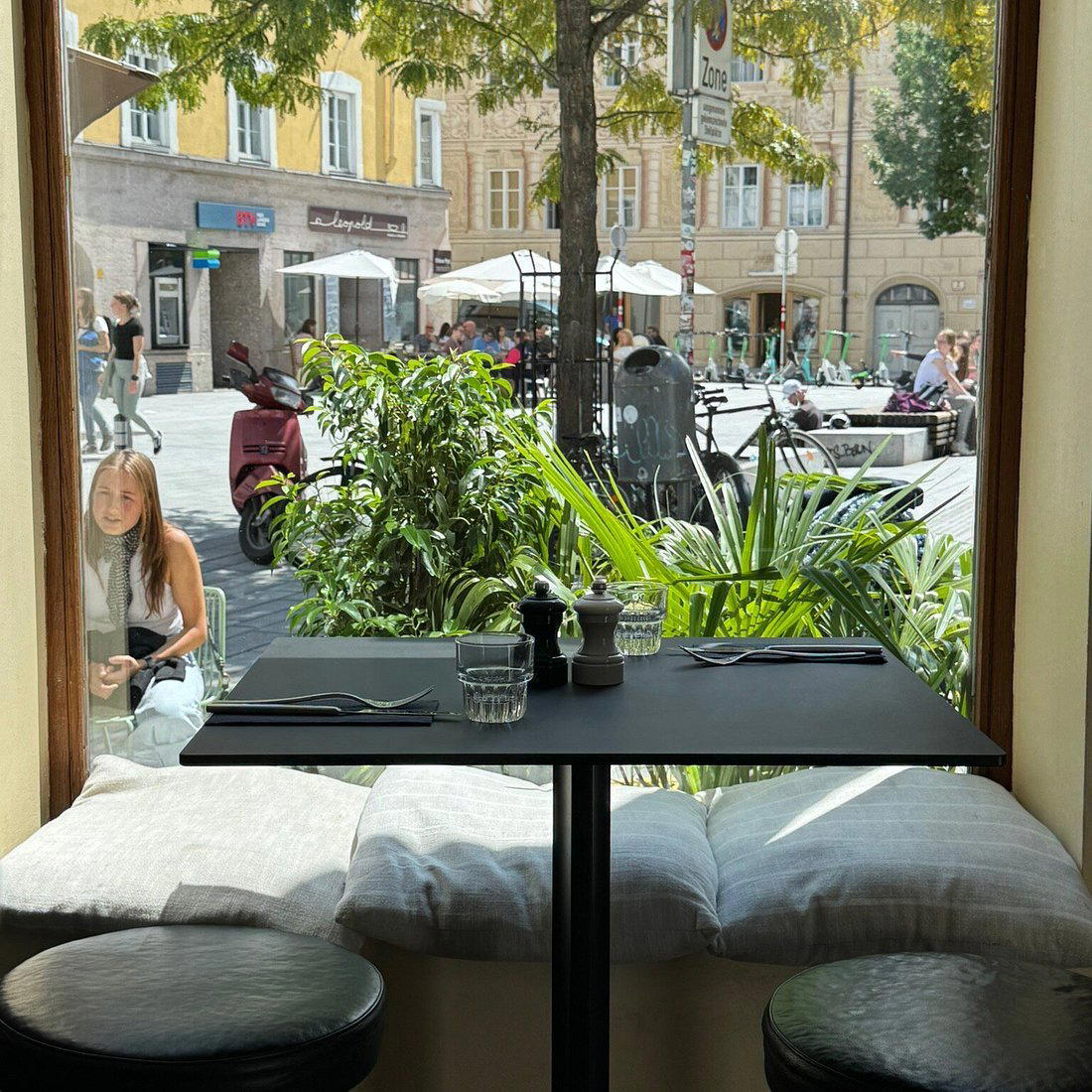
Southern Italy in the Shadow of the Alps
Innsbruck's restaurant scene has always operated under the gravitational pull of its geography. The city sits deep in the Inn valley, ringed by peaks that shape both its tourism economy and its menus: Tyrolean classics, alpine dairy, hearty portions designed for post-ski appetites. Against that backdrop, a restaurant name drawn from the Murge plateau of Puglia reads as a deliberate act of culinary positioning. The karst highlands of southern Italy, dry, wind-scraped, defined by olive groves and limestone rather than snow and pine, carry a sensory identity that sits at a considerable distance from the Nordkette range visible from central Innsbruck. That contrast is the conceptual starting point for understanding what Le Murge proposes to its guests.
Le Murge is a casual Apulian Italian trattoria at Leopoldstraße 27, am Wiltener Platzl, in Innsbruck, Austria. Wilten is one of Innsbruck's older districts, its character shaped by the Wilten Basilica and the slower rhythms of a neighbourhood that predates the tourist infrastructure of the Altstadt. Arriving here on foot from the centre takes under ten minutes, but the atmosphere shifts perceptibly: fewer souvenir windows, more everyday commerce, a streetscape that reads as locally inhabited rather than curated for visitors. Restaurants in this kind of urban pocket tend to draw regulars rather than walk-in trade, which shapes the dining room atmosphere in ways that matter to anyone who finds the performance of central-city tourist restaurants wearing.
Reading the Room: Atmosphere as Argument
In European cities of Innsbruck's scale, roughly 130,000 residents with a substantial seasonal tourist overlay, the Italian restaurant category covers an enormous range. At one end sit the pizza-and-pasta operations that exist in every mid-sized Austrian city, calibrated for speed and broad accessibility. At the other, a smaller cohort of kitchens treat southern Italian regional cooking as a serious editorial subject, differentiating by region, season, and technique rather than by familiarity. The Murge reference in this restaurant's name positions it firmly toward the latter aspiration. The Murge plateau, spanning parts of Apulia and Basilicata, has a culinary identity built around bitter greens, legumes, aged sheep's milk cheeses, and lamb raised on scrubby upland pasture. It is not the Italy of Neapolitan pizza or Roman trattoria nostalgia. It is drier, more austere, and considerably less well-known to Central European diners than the cuisines of the north or the coastal south.
That specificity of reference carries editorial weight regardless of how closely the kitchen ultimately tracks Puglian sources. A restaurant that names itself after a precise geographical region is making an implicit promise about depth of engagement, one that distinguishes it from the generically Italian establishments that form the majority of the category in Austrian cities. Whether that promise is fully redeemed is a question leading answered by visiting, but the framing itself signals intent.
For context on how Austrian kitchens handle regional specificity at the higher end of the market, it is worth considering what venues like Steirereck im Stadtpark in Vienna or Döllerer in Golling an der Salzach have demonstrated: that a commitment to geographic and seasonal precision in sourcing builds a recognisable identity over time. Le Murge's naming logic follows a parallel instinct, applied to an imported rather than domestic regional tradition.
Innsbruck's Dining Tier: Where Le Murge Fits
Innsbruck's serious restaurant options cluster in a few distinct registers. At the high end of creative cooking, venues like Oniriq operate on a contemporary tasting menu model, with pricing and ambition that place them in a comparable set extending beyond the city. In the classic alpine and regional tier, addresses like Arzler Alm hold the loyalty of guests who want cooking rooted in Tyrolean tradition. A range of more accessible neighbourhood options, including Al Fred, B-West, Bistro Gourmand, and Bonsai, fill out the mid-market. The restaurant, in its Wilten location and with its southern Italian regional focus, sits in a different niche from all of these: a destination neighbourhood restaurant oriented around a specific imported culinary tradition rather than alpine identity or broad accessibility.
That positioning has parallels in other Austrian cities where Italian regional cooking has found serious audiences. Ikarus in Salzburg represents one model of how a non-Austrian culinary tradition can anchor a premium Tyrolean-adjacent dining room, though its format differs substantially. Further afield in the alpine region, Gourmetrestaurant Tannenhof in Sankt Anton am Arlberg and Griggeler Stuba in Lech demonstrate how mountain-adjacent fine dining can build on specificity of place. The contrast with the restaurant's Puglian reference point is instructive: it is precisely the distance from alpine tradition that gives the restaurant its conceptual identity in a city where most competitors lean into local geography.
Planning a Visit
The restaurant sits at Leopoldstraße 27, a direct walk from Innsbruck's central tram network. The Wiltener Platzl end of Leopoldstraße is accessible on foot from Innsbruck Hauptbahnhof in approximately fifteen minutes, or from the Altstadt in under ten. Because reservations are essential, and the restaurant is open Mon: 8 AM to 3 PM; Tue to Sat: 8 AM to 10 PM; Sun: closed.
Seasonality matters in Innsbruck dining more than in many cities of comparable size. The city's dual tourism peaks, winter ski season and summer hiking season, shift the composition of any restaurant's audience considerably. A neighbourhood address like Le Murge, removed from the main tourist corridor, may offer a more consistent experience across seasons than central venues that recalibrate their operations for each influx. Autumn, when the peaks clear of both snow and summer visitors and local life reasserts itself in the districts beyond the Altstadt, is a period when restaurants of this type tend to operate at their most characteristic register.
Restaurant 141 by Joachim Jaud in Mieming, Kräuterreich by Vitus Winkler in Sankt Veit im Pongau, Landhaus Bacher in Mautern an der Donau, Obauer in Werfen, or Ois in Neufelden for a sense of how Austria's serious regional kitchens are performing across the country. Le Bernardin in New York City and Atomix in New York City illustrate how unwavering commitment to a specific culinary tradition earns long-term recognition, the same logic that drives a Puglian-named restaurant to hold its ground in an alpine city.
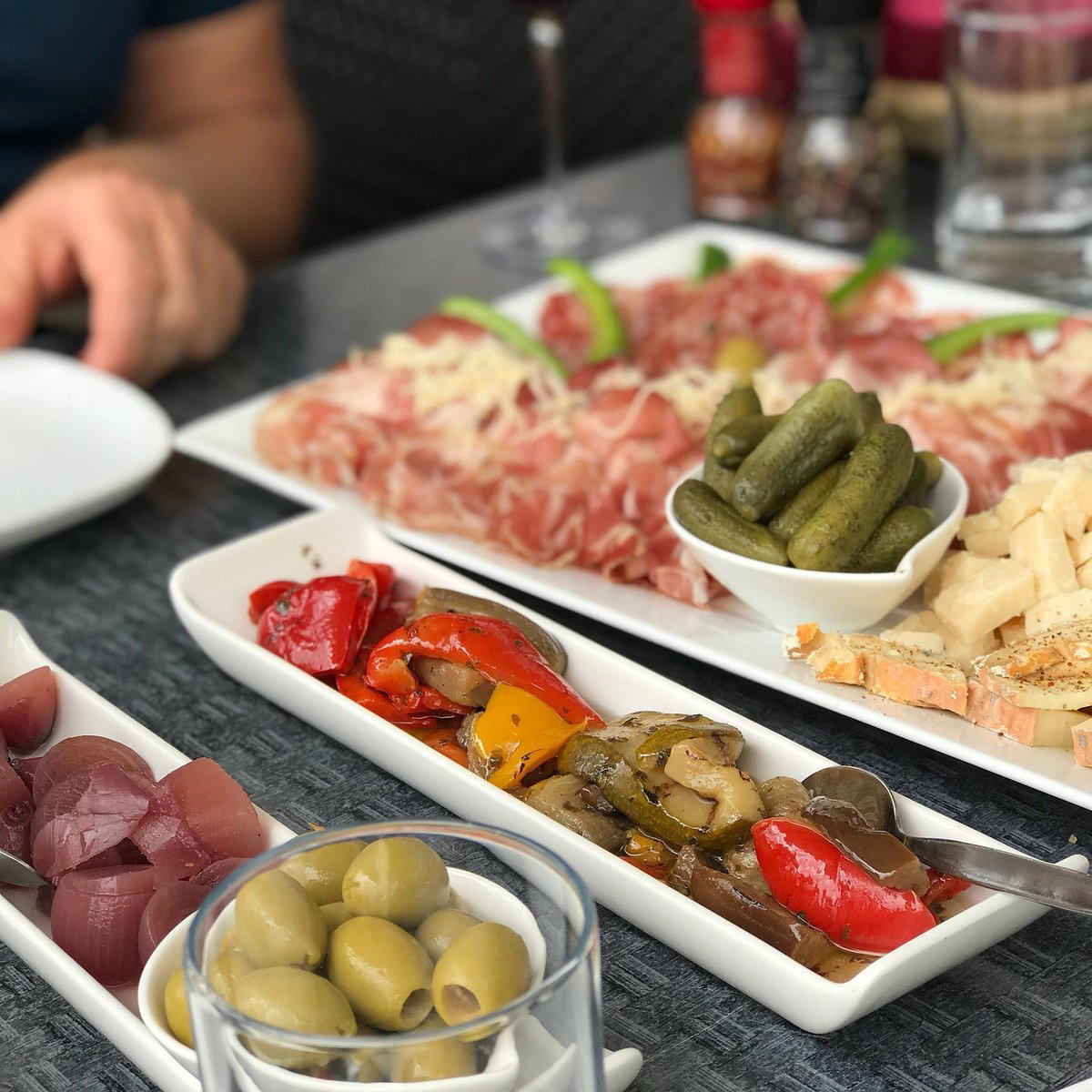
- Antipasti Plate
- Pasta al Dente
- Octopus
- Pasta alla Norma
- Bigoli with Tomato Sauce
- Potato Gnocchi
Peers You’d Cross-Shop
Comparable venues nearby, for context on price, style, and recognition.
| Venue | Cuisine | Price | Notes |
|---|---|---|---|
| Le MurgeThis venue — the venue you are viewing | Authentic Apulian Italian Trattoria | $$ | Not listed |
| Mangiami | Italian Pizza & Pasta | $$ | Innrain |
| Arzler Alm | Traditional Tyrolean Alpine Hut | $$ | Arzl |
| Jedermann's | Austrian | $$ | Innsbruck city center |
| Kostbar | Regional Austrian Cafe | $$ | Mutters |
| Burkia Innsbruck | Traditional Austrian | $$ | Westpark |
Continue exploring
More in Innsbruck
Restaurants in Innsbruck
Browse all →
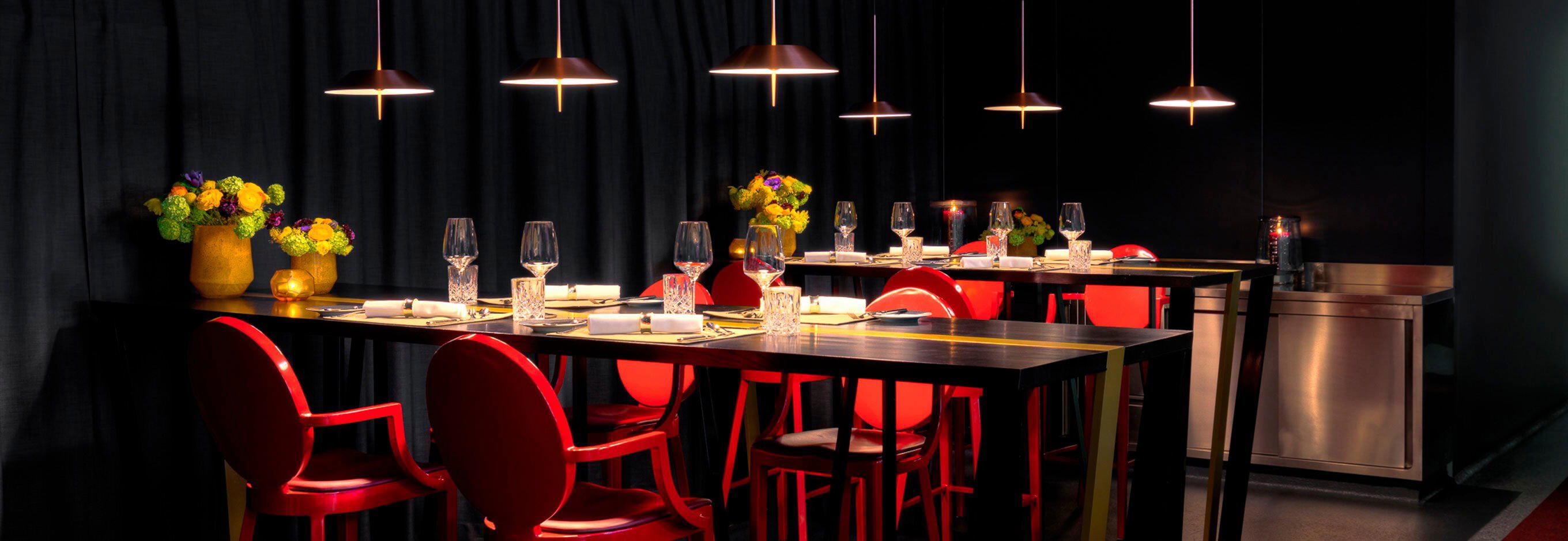
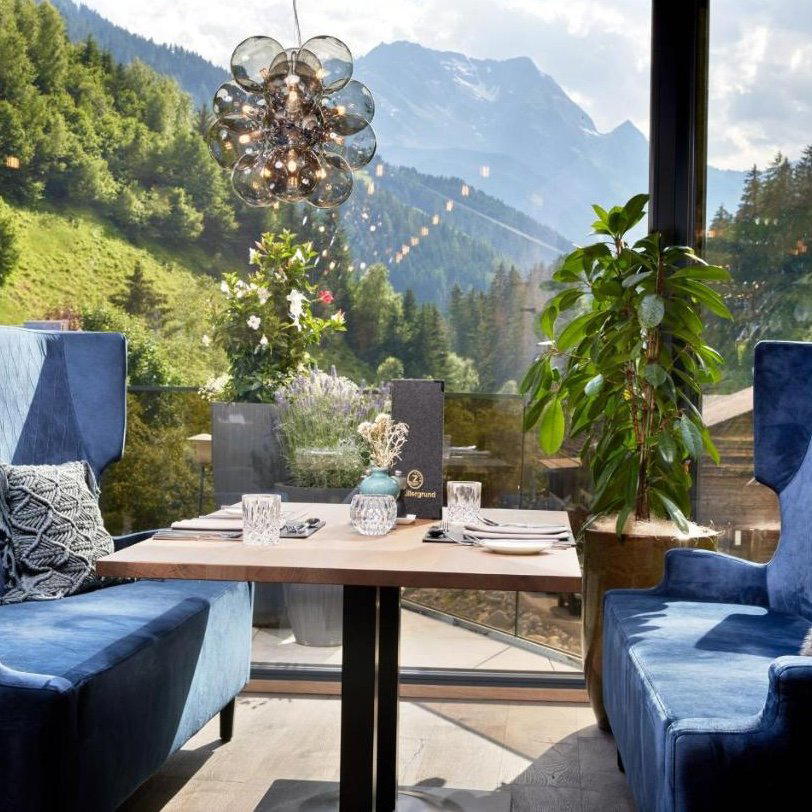
Bars in Innsbruck
Browse all →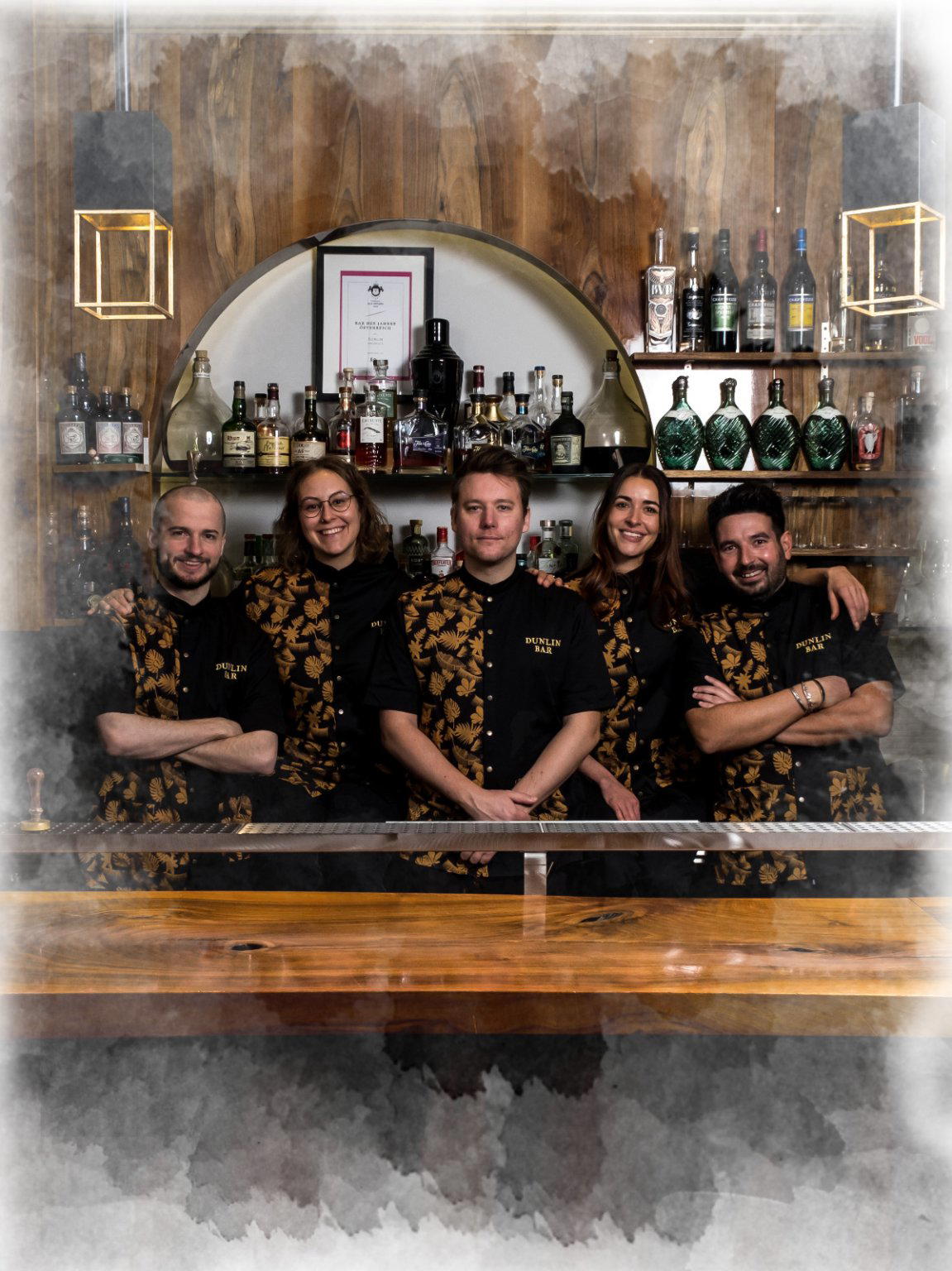
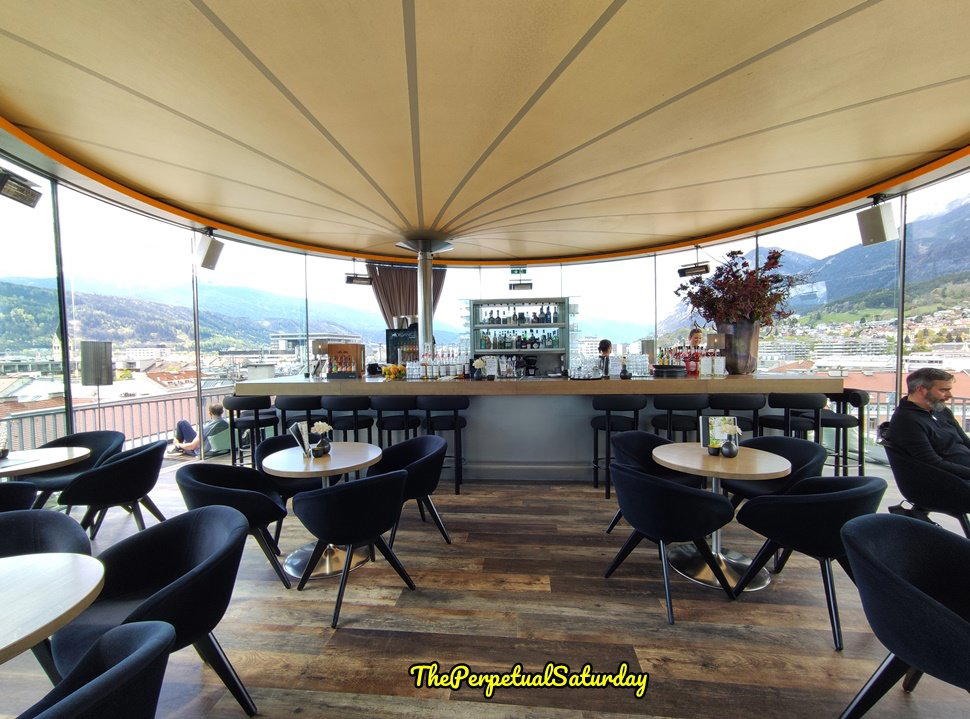

Hotels in Innsbruck
Browse all →

At a Glance
- Cozy
- Intimate
- Rustic
- Trendy
- Date Night
- Group Dining
- Casual Hangout
- Special Occasion
- Standalone
- Open Kitchen
- Local Sourcing
Current opening hours
- Monday
- 8 AM–3 PM
- Tuesday
- 8 AM–10 PM
- Wednesday
- 8 AM–10 PM
- Thursday
- 8 AM–10 PM
- Friday
- 8 AM–10 PM
- Saturday
- 8 AM–10 PM
- Sunday
- Closed
Hours can change for holidays and private events. Last verified .
Warm, family-like atmosphere with relaxed, unpretentious charm; small intimate space that feels like dining in Puglia; described as calm and humorous by staff.