
A Michelin Bib Gourmand recipient for 2024 and 2025, Burapa on Sukhumvit Soi 11 makes a clear case for Thai cooking at the mid-market tier: focused, ingredient-honest, and priced well below the city's tasting-menu circuit. Chef Ack Wongwich Sripinyo runs a kitchen where the food earns its recognition without the ceremony of a fine-dining room.
Pearl is the En Primeur Club membership app — saves, bookings, and concierge access live there. Same editors, same standards.
- Address
- 26 Soi Sukhumvit 11, Khlong Toei Nuea, Watthana, Bangkok 10110, Thailand
- Phone
- +66 2 012 1423
- Website
- m.facebook.com
- Directions
- Get directions
 Saves & bookings on Pearl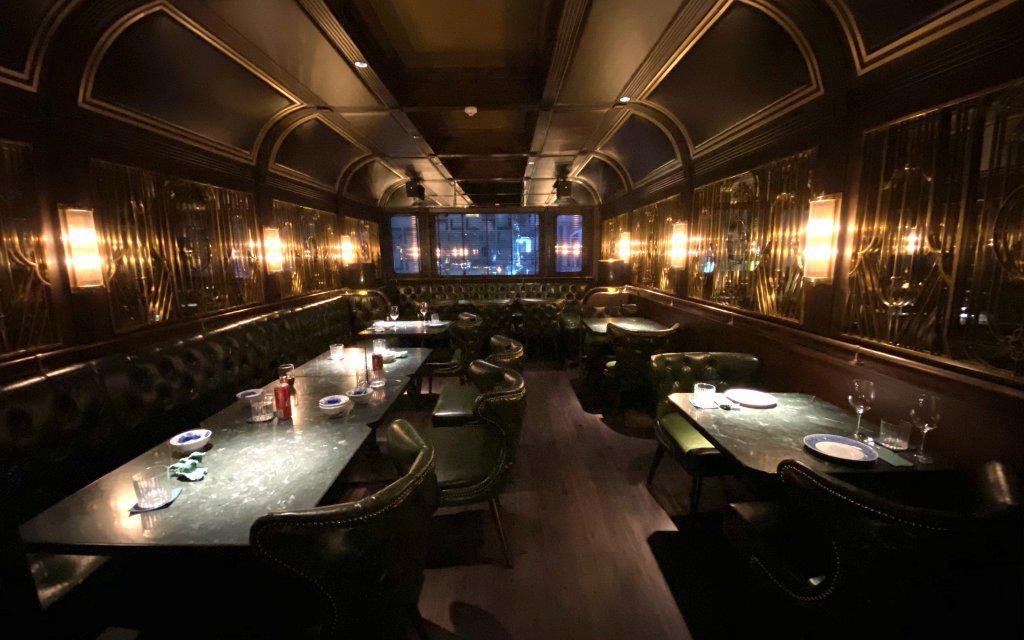
Soi 11 and the Case for Honest Thai
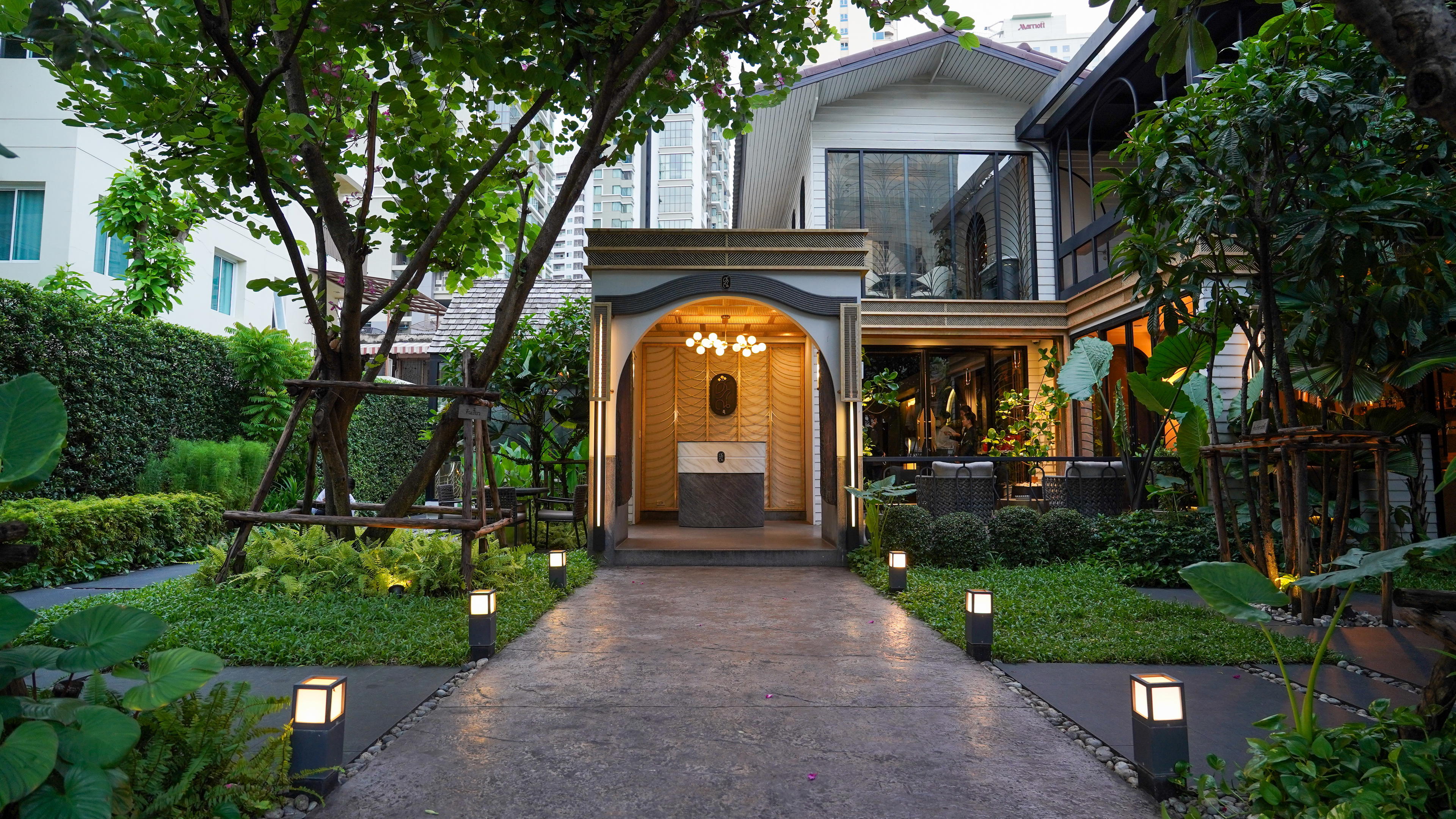
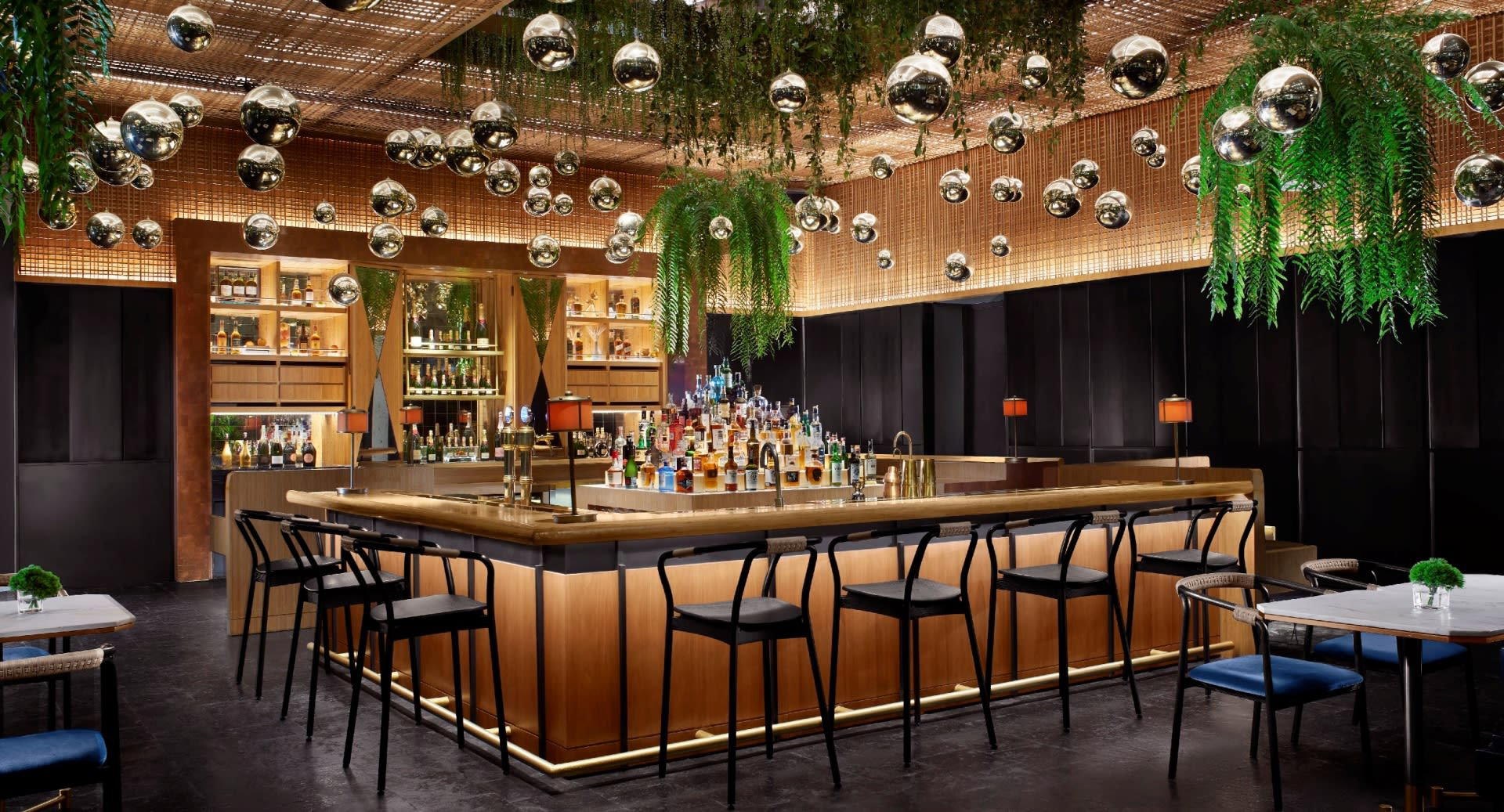
Sukhumvit Soi 11 moves at a different register than the hotel dining rooms a few blocks away. The street carries the practical energy of a neighbourhood that eats seriously without necessarily dressing for it. Burapa sits inside that context: a mid-priced Thai restaurant at 26 Soi Sukhumvit 11, Khlong Toei Nuea, Watthana, where the room's atmosphere is shaped more by the kitchen's output than by any designed sense of occasion. Bangkok has spent the last decade producing tasting menus and architectural interiors at the ฿฿฿฿ tier, from multi-starred rooms like Nahm to the Southern Thai precision of Sorn, but the Bib Gourmand category asks a different question: where does good cooking sit at a price that doesn't require a special occasion to justify?
Burapa answers that question with two consecutive Michelin Bib Gourmand recognitions, 2024 and 2025, which in Michelin's own framework signals not just quality but value. The restaurant is also rated 4.5 on Google from 469 reviews, reinforcing its strong local reputation. The Bib Gourmand classification is explicitly reserved for restaurants offering meals of good quality at a price point below the fine-dining bracket. Holding it across two consecutive guides means the kitchen has maintained consistency rather than delivering a single strong year.
Where Burapa Sits in Bangkok's Thai Dining Spectrum
Bangkok's Thai restaurant scene now spans an unusually wide range. At one end sit the multi-starred rooms, Samrub Samrub Thai, Aksorn, Chim by Siam Wisdom, and Saneh Jaan, where the cooking is framed through the language of heritage, research, and premium ingredients, and priced accordingly at ฿฿฿฿. At the other end sits the vast informal street-food tier. The Bib Gourmand segment occupies the middle ground, where formal cooking technique and a proper dining room coexist with prices that remain accessible. Burapa's ฿฿ price range places it squarely in that middle band, competing not against the tasting-menu circuit but against the broader category of mid-tier Thai restaurants that serve the city's everyday dining needs.
That competitive positioning matters for how the kitchen approaches its sourcing and cooking. Mid-tier restaurants do not have the same procurement budgets as fine-dining rooms, which makes ingredient decisions more consequential. The question of what to use, where it comes from, and how to extract maximum value from it sits closer to the surface at the ฿฿ tier than at rooms where a premium ingredient is simply part of the price structure. This reality, common across mid-market Thai kitchens, tends to produce cooking that is more closely aligned with seasonal availability and less dependent on flown-in or luxury ingredients.
Thai Cooking, Local Sourcing, and the Mid-Market Kitchen
The broader conversation about sustainability and ethical sourcing in Thai cooking has largely been led by the fine-dining tier. PRU in Phuket has built an explicit farm-to-table framework into its identity. AKKEE in Pak Kret works within a specific regional Thai tradition that is itself a form of culinary preservation. At the mid-market level, the relationship with local sourcing is less often framed as a philosophy and more often an economic and practical default: Thai produce, bought from local suppliers, used fully. That is not a lesser form of sustainability; in many respects it is a more durable one, because it is not contingent on marketing positioning or premium pricing that allows for specialty procurement.
Bangkok's mid-tier Thai kitchens have also historically been the place where traditional technique survives outside the museum-like framing of high-end heritage restaurants. Fermented pastes, slow-cooked curry bases, and the calibration of sweet, sour, salty, and spicy across a full meal rather than a single dish are maintained at this tier because the clientele expects them and the economics don't support shortcuts. This is the segment that keeps the culinary knowledge alive in practical rather than archival form.
Chef Ack Wongwich Sripinyo operates in this tradition. The kitchen at Burapa draws on Thai cooking in its working, functional form rather than through the interpretive lens of fine dining. That distinction is visible in the price point and confirmed by the Bib Gourmand designation, which does not reward conceptual ambition so much as it recognises cooking that is well-executed, coherent, and genuinely accessible. Comparable Bib Gourmand recognition in Thailand extends to a range of regional and traditional kitchens, from Aeeen in Chiang Mai to Angeum in Phra Nakhon Si Ayutthaya, suggesting that the guide is tracking a wider pattern of quality at accessible prices across Thai cuisine rather than simply elevating a handful of headline names.
Thai Cuisine Beyond Bangkok
Bangkok's Thai restaurant culture has spread considerably further than its city limits. Boo Raan in Knokke and Kin Khao in San Francisco both represent the export of Thai cooking into international fine-dining markets, where the cuisine is often re-encountered by visitors before they experience it in Thailand itself. That context shapes expectations: international diners arriving in Bangkok may bring reference points formed elsewhere. What Burapa offers is the less mediated version, Thai food on its own terms and at a price point that reflects the actual cost of cooking it well here rather than the premium attached to novelty in overseas markets.
For visitors also exploring Thailand's regions, Agave in Ubon Ratchathani and The Spa in Lamai Beach are worth noting in the broader picture.
Planning a Visit
Burapa is located at 26 Soi Sukhumvit 11, Khlong Toei Nuea, Watthana, Bangkok 10110, accessible from the BTS Nana station, which sits at the Sukhumvit end of Soi 11 and keeps the walk short. The ฿฿ price range means a full meal here is priced well below the fine-dining rooms on and around Sukhumvit, making it a practical choice for multiple visits rather than a single occasion. Burapa is closed on Monday and serves Tuesday through Sunday from 12 to 3 PM and 5 to 11 PM. Reservations are essential.
Recognition Snapshot
Comparable venues nearby, for context on price, style, and recognition.
| Venue | Cuisine | Price | Awards | Notes |
|---|---|---|---|---|
| BurapaThis venue — the venue you are viewing | Eastern Thai Cuisine | $$$ | Bib Gourmand | Not listed |
| Grok | Modern Ratchaburi Thai | $$$ | Michelin Plate | Makkasan |
| Praya Dining | Royal Thai Cuisine | $$$ | Michelin Plate | Chana Songkhram |
| Khao (Vadhana) | Modern Royal Thai | $$$ | Michelin Plate | Khlong Tan Nuea |
| Supanniga Eating Room (Phra Nakhon) | Homestyle Thai | $$$ | Michelin Plate | Sanam Luang |
| Aheesah Roddee | Thai Muslim Indonesian-Inspired | $$ | Michelin Plate | Talat Yot |
Recognition history
Dated appearances from independent guides and award organizations, with the underlying list record or original source where available.
Michelin Bib Gourmand
Michelin
Michelin Bib Gourmand
Michelin
At a Glance
- Trendy
- Cozy
- Elegant
- Date Night
- Special Occasion
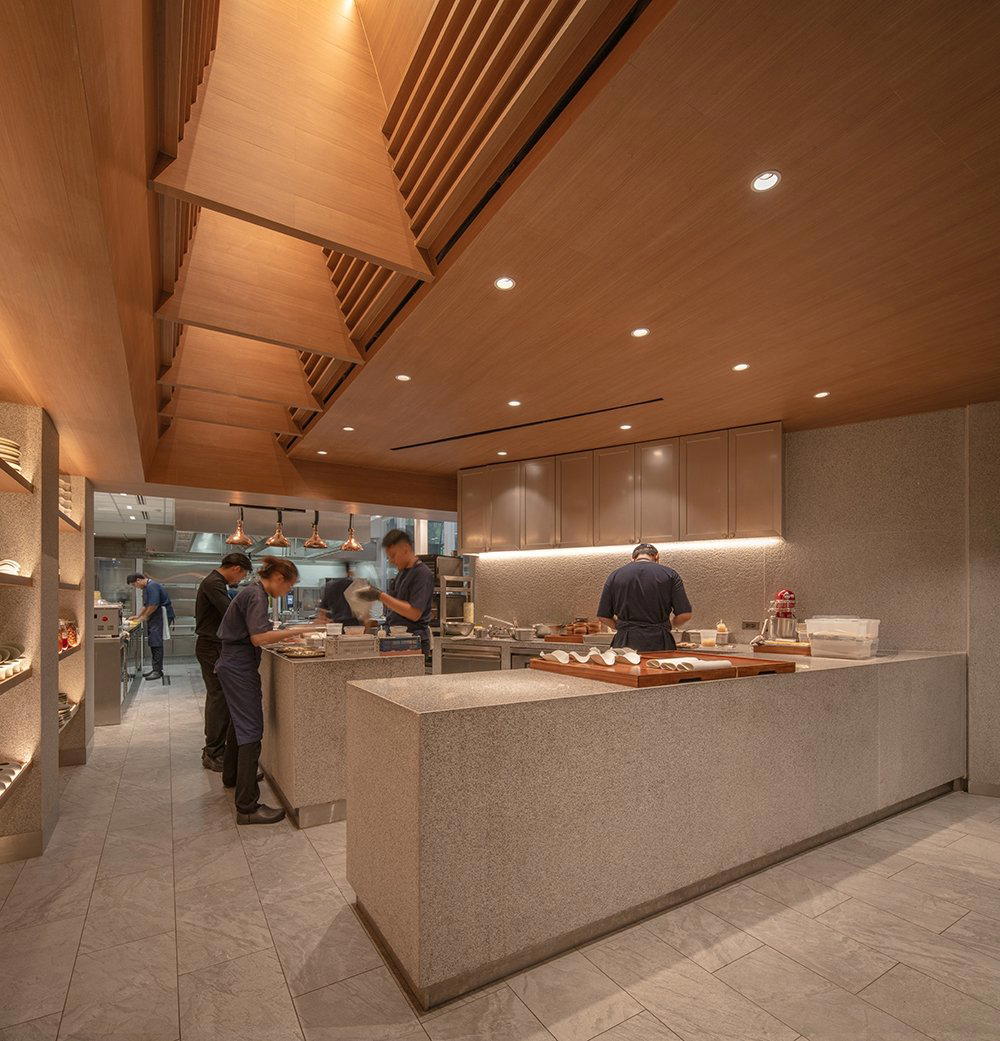
- Open Kitchen
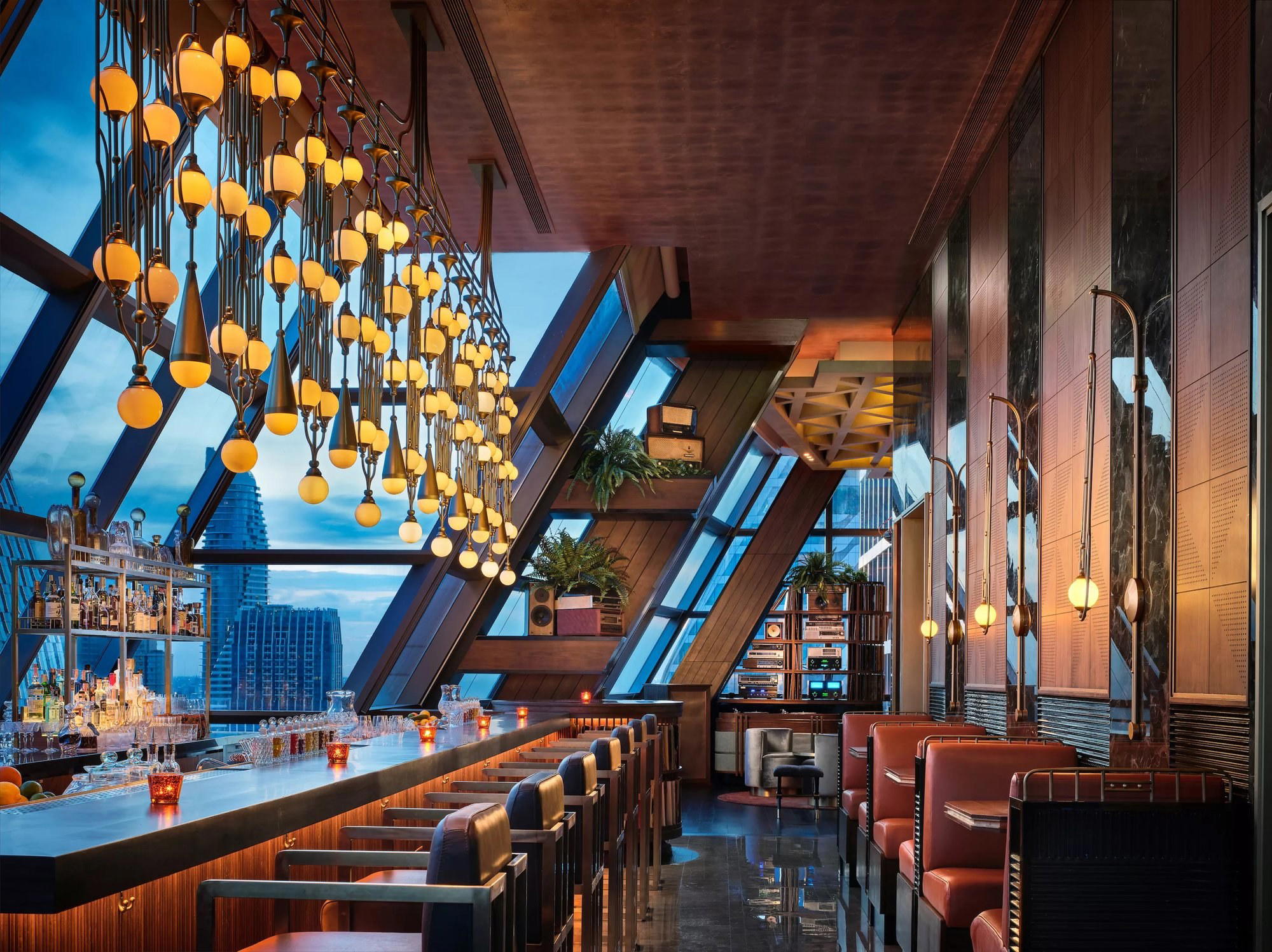
- Craft Cocktails
- Local Sourcing
Current opening hours
- Monday
- Closed
- Tuesday
- 12–3 PM, 5–11 PM
- Wednesday
- 12–3 PM, 5–11 PM
- Thursday
- 12–3 PM, 5–11 PM
- Friday
- 12–3 PM, 5–11 PM
- Saturday
- 12–3 PM, 5–11 PM
- Sunday
- 12–3 PM, 5–11 PM
Hours can change for holidays and private events. Last verified .
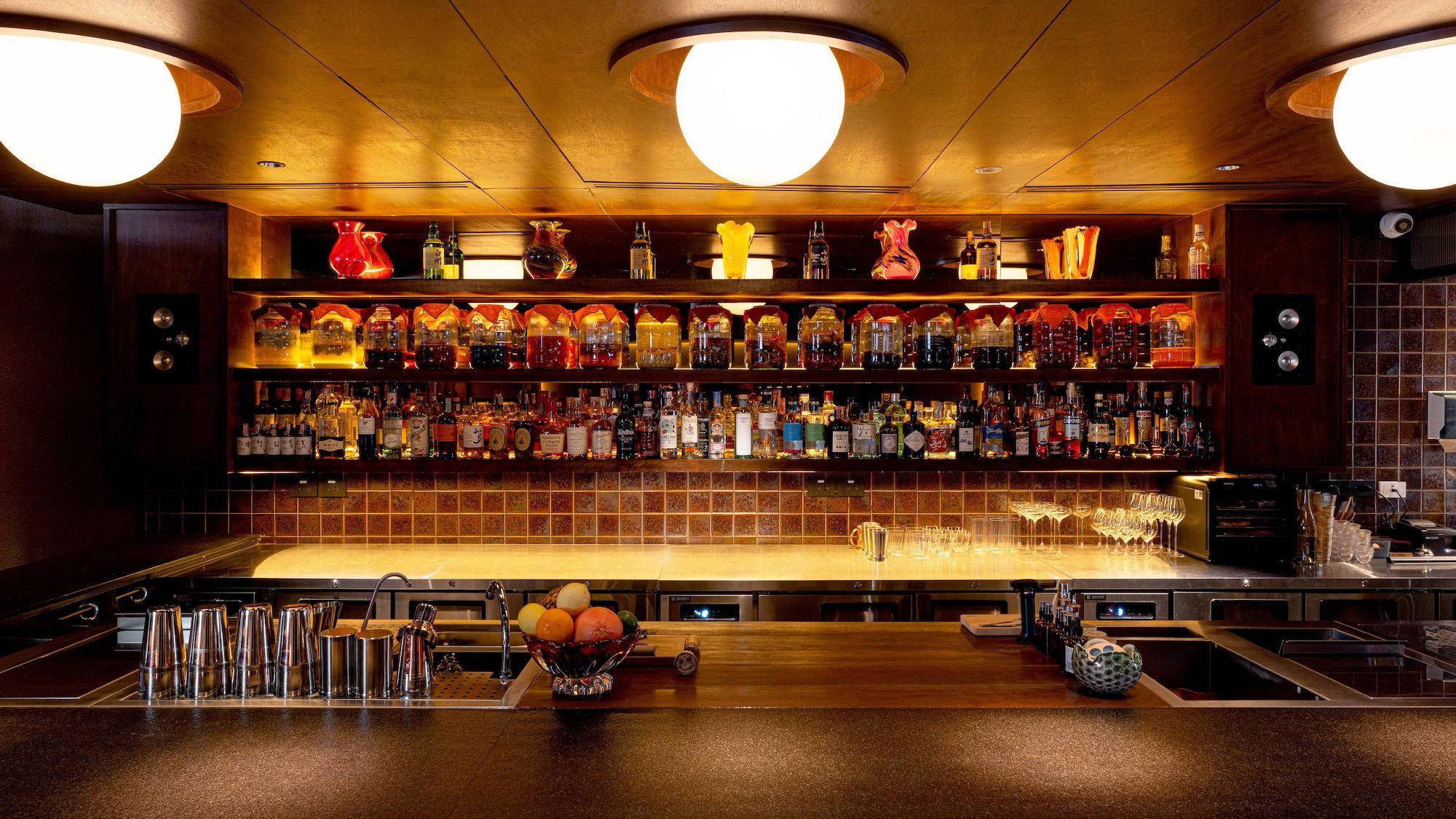
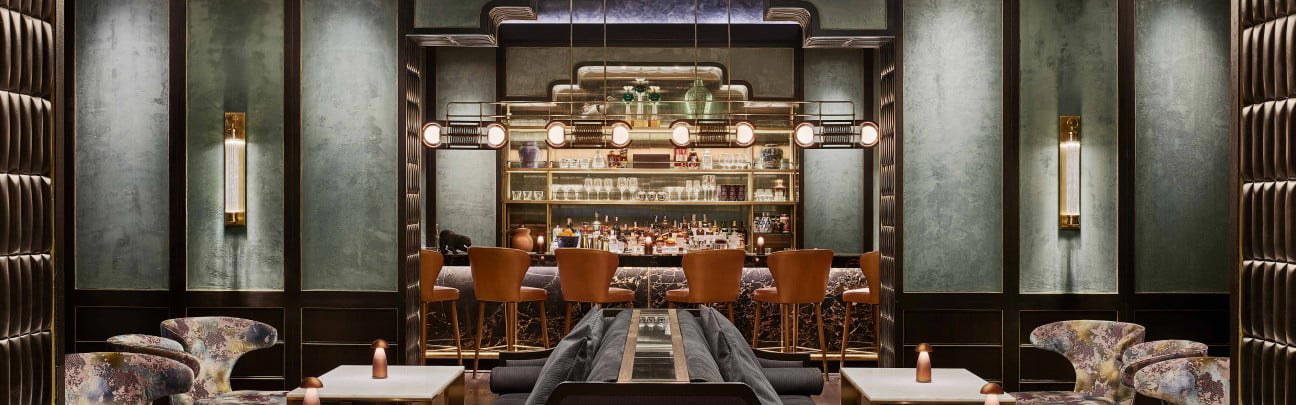
Cozy retro train carriage interior with wood paneling, attentive service, and a serene yet exciting atmosphere.