Buon Gusto d'Italia
Buon Gusto d'Italia serves Authentic Italian Pizza & Pasta on Scheldestraat 85, with terrace seating, a conversational level, and casual service that fits lunch, dinner, or brunch.
Pearl is the En Primeur Club membership app — saves, bookings, and concierge access live there. Same editors, same standards.
- Address
- Scheldestraat 85, 1078 GJ Amsterdam, Netherlands
- Phone
- +31206646502
- Website
- buongustoamsterdam.eatbu.com
- Directions
- Get directions
 Saves & bookings on Pearl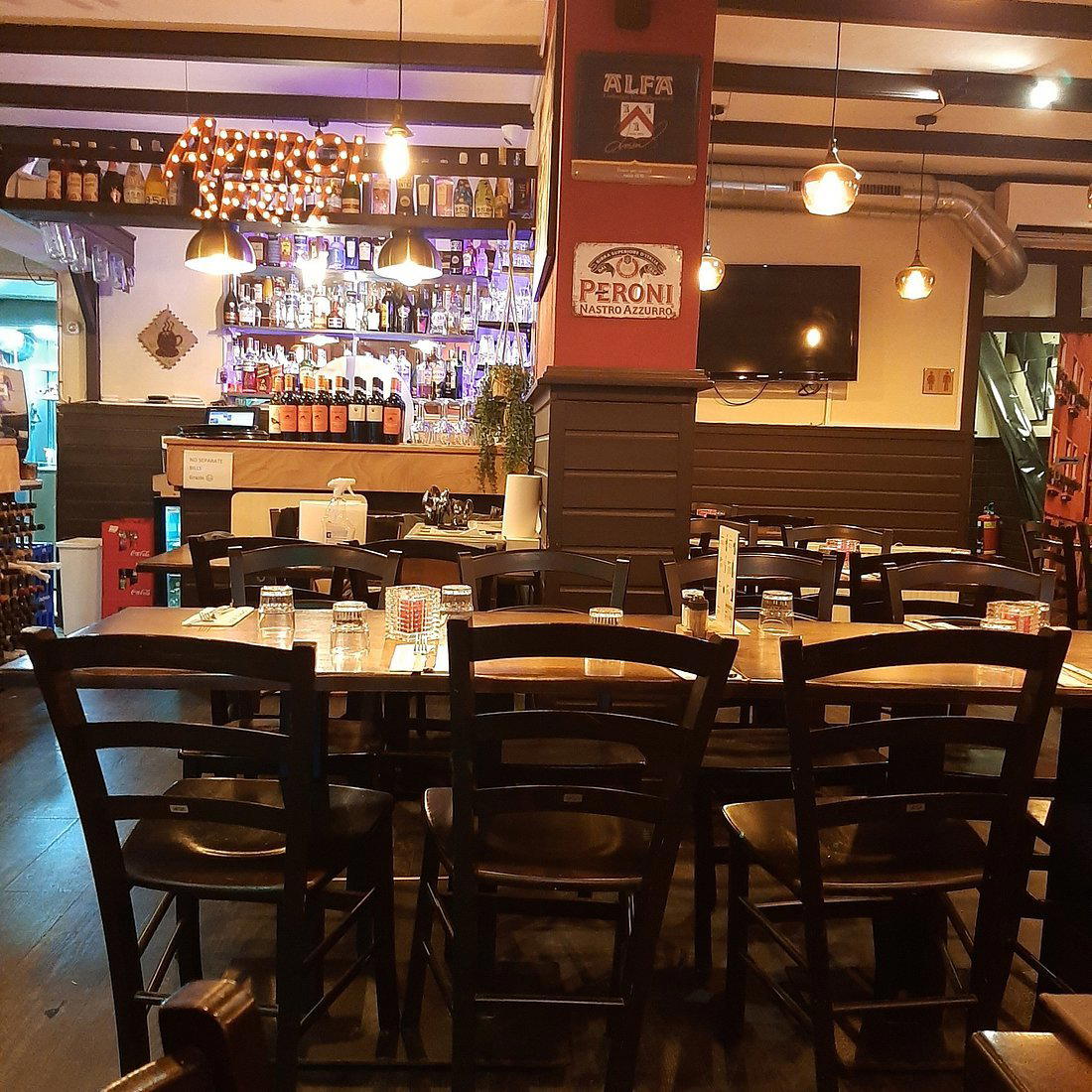
Italian Cooking in the De Pijp Quarter
De Pijp has long operated as one of Amsterdam's more internationally-minded neighbourhoods, where the Albert Cuypmarkt draws a cross-section of the city every morning and the dining streets around it reflect that density of influence. Italian cooking in this context competes not just with other Italian restaurants but with a wide range of cuisines at similar price points. Within that mix, Buon Gusto d'Italia occupies a position on Scheldestraat, a quieter residential street that sits just south of the main De Pijp grid, away from the tourist-facing blocks closer to the museum quarter. Buon Gusto d'Italia is a casual Italian restaurant in Amsterdam's De Pijp quarter, serving Authentic Italian Pizza & Pasta at about $25 per person.
The address matters here. Scheldestraat draws a local, repeat-visitor clientele rather than walk-in tourists, and Italian restaurants that sustain themselves on such streets typically do so through consistent execution rather than novelty. In Amsterdam, the gap between Italian restaurants oriented toward quick covers and those that take regional Italian cooking seriously has narrowed over the past decade, with a number of mid-tier operators raising their standards on pasta and sourcing. Where Buon Gusto d'Italia sits in that spectrum is part of what shapes the experience before you even look at the menu.
Reading the Menu as a Document
Italian restaurant menus in the Netherlands tell you a great deal about ambition and culinary positioning. Particularly telling signals are in the pasta and secondi sections. A menu that leans on crowd-familiar formats, carbonara, four-cheese risotto, tiramisu, suggests a kitchen calibrated for broad appeal. A menu that breaks into regional specificity, particular shapes from particular traditions, proteins handled beyond simple pan-searing, signals something more considered. At the mid-range level in Amsterdam, the better Italian operators have moved toward the latter, partly in response to a more travelled, more ingredient-aware dining public.
The structural architecture of an Italian menu also reveals whether a kitchen understands the logic of the meal sequence: antipasti as a genuine first act, not a token gesture; primi given their own weight rather than treated as a starter to a meat course; secondi matched to seasonal logic rather than sourced from a fixed supplier year-round. These distinctions matter because they determine how a table moves through a meal, and whether the cooking at each stage earns its place in the sequence. Italian cooking done with this kind of menu literacy tends to produce a dining rhythm that is difficult to replicate with a more assembled approach.
Amsterdam's Italian restaurant scene has sharpened, and the pressure on operators in residential neighbourhoods like De Pijp is to deliver cooking that rewards repeat visits over the more celebrated venues nearby. The Dutch dining public, exposed through travel and a strong food-media culture, has a relatively high baseline expectation even at casual price points.
Amsterdam's Broader Fine Dining Frame
To understand where Italian neighbourhood cooking sits in Amsterdam, it helps to map the city's wider dining structure. At the leading end, the Michelin-starred tier is well-represented. Ciel Bleu and Spectrum operate at the highest creative register, while Vinkeles and Flore anchor the creative €€€€ tier with distinct identities. Bistro de la Mer represents the classic cuisine bracket at €€€. These venues compete in a different category than Italian neighbourhood restaurants, but they shape diner expectations across the city. When a table at Ciel Bleu costs what it does, diners arriving at mid-range Italian operators bring calibrated expectations about what value looks like at lower price points.
The Netherlands more broadly produces serious cooking outside the capital. De Librije in Zwolle and Inter Scaldes in Kruiningen have built national reputations. Newer names like De Nieuwe Winkel in Nijmegen and Brut172 in Reijmerstok have attracted significant attention. Regionally, De Lindenhof in Giethoorn, Tribeca in Heeze, De Groene Lantaarn in Staphorst, De Lindehof in Nuenen, De Bokkedoorns in Overveen, and De Treeswijkhoeve in Waalre represent the depth of culinary investment across the country. This national context means that Dutch diners are not easily impressed by effort alone; execution is the currency that earns loyalty.
For international reference points, the gap between neighbourhood Italian in Amsterdam and a tightly-run American dining operation like Lazy Bear in San Francisco or a long-standing institution like Le Bernardin in New York City is less about ambition than about category. The comparison is useful precisely because it clarifies what a De Pijp Italian restaurant should be judged against: its comparable set in the neighbourhood and city, not global fine dining.
The De Pijp Dining Dynamic
Scheldestraat sits in the southern extension of De Pijp, where the density of cafes and restaurants thins slightly and the clientele skews toward residents rather than visitors. This positioning has practical implications for what an Italian restaurant can and should offer. The format that works on these streets is typically one that handles a full table without theatrical pacing, offers a wine list that supports the food without demanding expertise, and keeps the experience at a register that invites return visits across seasons rather than a single occasion dinner.
De Pijp as a neighbourhood has a long association with immigrant food culture, shaped partly by its historical demographics and partly by the market culture that has made it a reference point for urban food shopping in Amsterdam. Italian cooking fits naturally into that frame. The question is always whether the kitchen honours the cooking traditions it draws from or simplifies them for speed and volume.
Know Before You Go
- Address: Scheldestraat 85, 1078 GJ Amsterdam, Netherlands
- Neighbourhood: De Pijp, southern section
- Cuisine focus: Italian
- Booking: Reservation recommended
- Price: about $25 per person; Hours: Mon-Sun 12-10 PM; Awards: none listed
Cost and Credentials
Comparable venues nearby, for context on price, style, and recognition.
| Venue | Cuisine | Price | Notes |
|---|---|---|---|
| Buon Gusto d'ItaliaThis venue — the venue you are viewing | Not listed | $$ | Not listed |
| Casa Italiana | Not listed | $$ | Leidsebuurt Noordoost, Authentic Italian Pizza and Pasta |
| La Maschera | Anjeliersbuurt Noord, Authentic Italian | $$ | Not listed |
| Pianeta Terra | Not listed | $$ | Leidsegracht Zuid, Modern Italian Tasting Menu |
| Scarpetta - Pasta Takeaway & Delivery | Not listed | $ | Haarlemerbuurt, Fresh Italian Pasta Takeaway |
| Bord'eau | Not listed | Not listed | BG-terrein e.o., Dining |
Continue exploring
More in Amsterdam
Restaurants in Amsterdam
Browse all →
Bars in Amsterdam
Browse all →
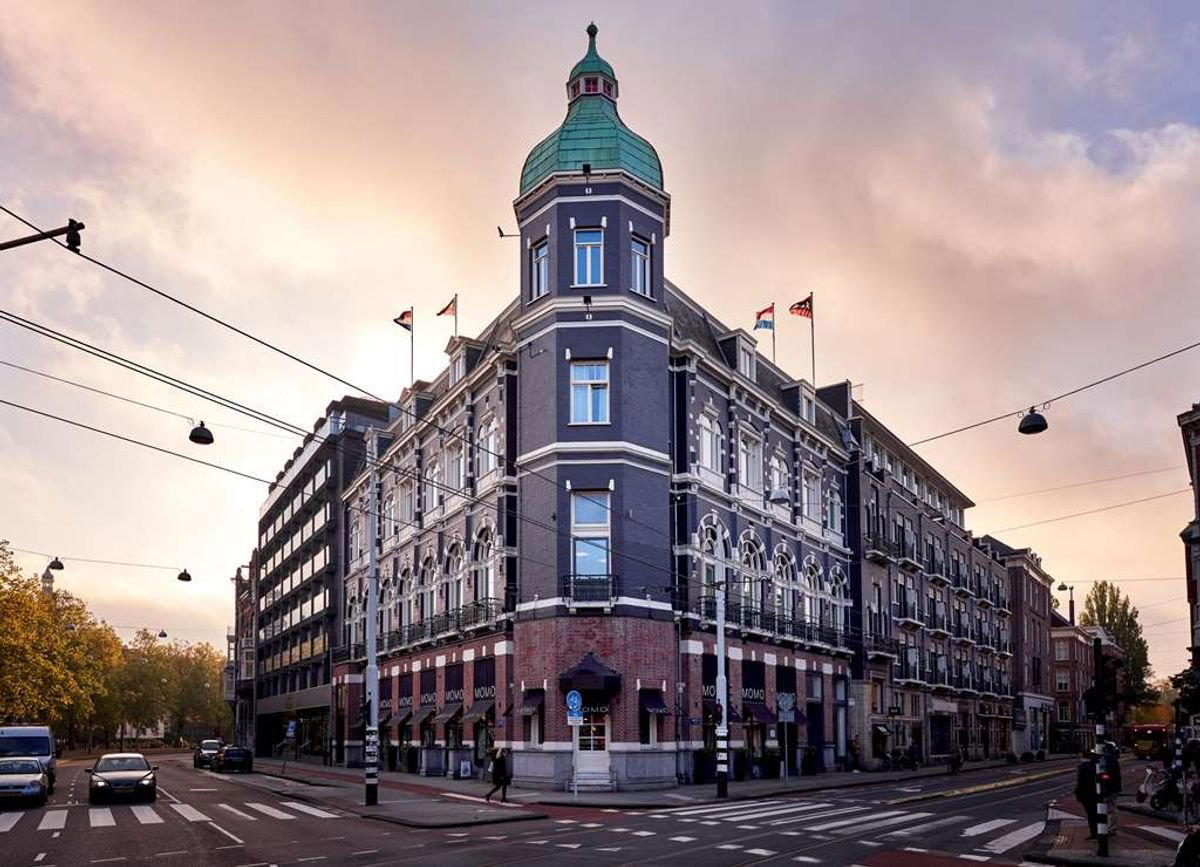
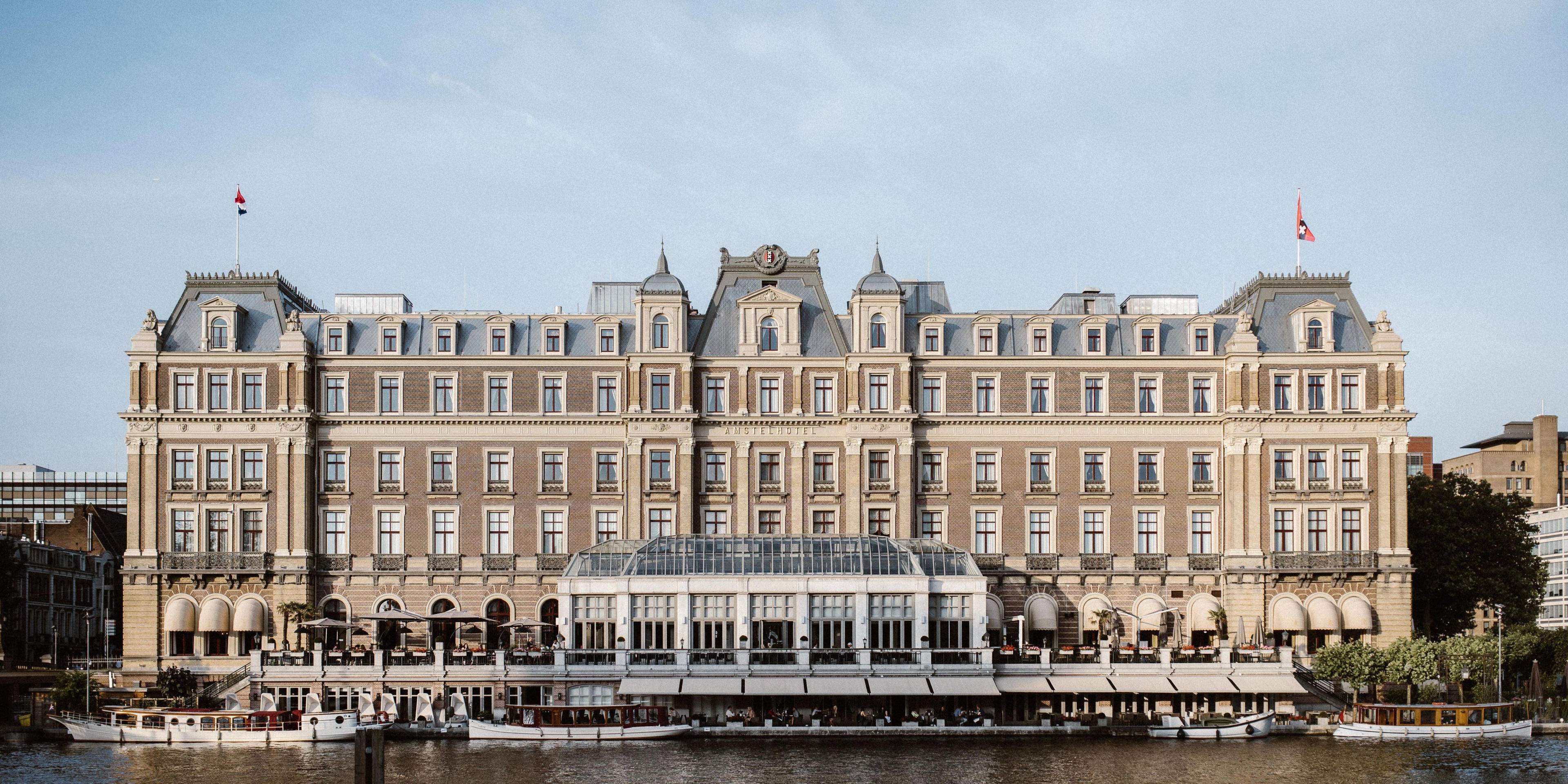
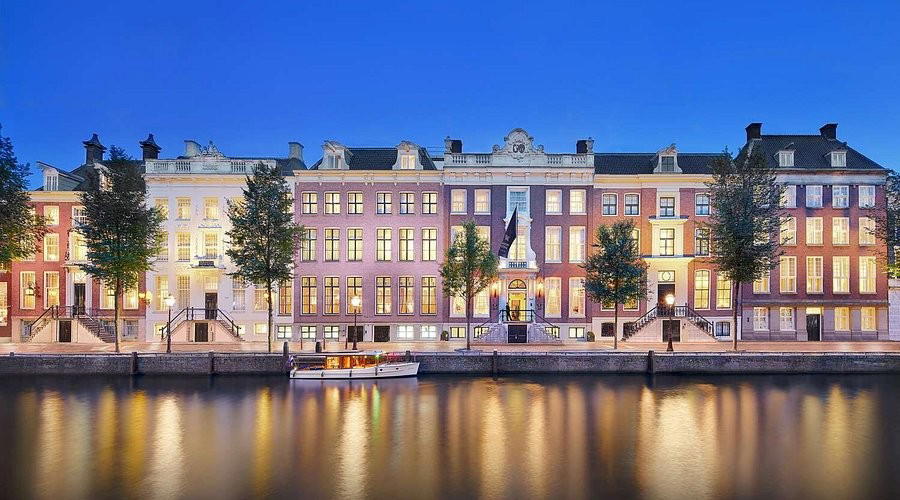
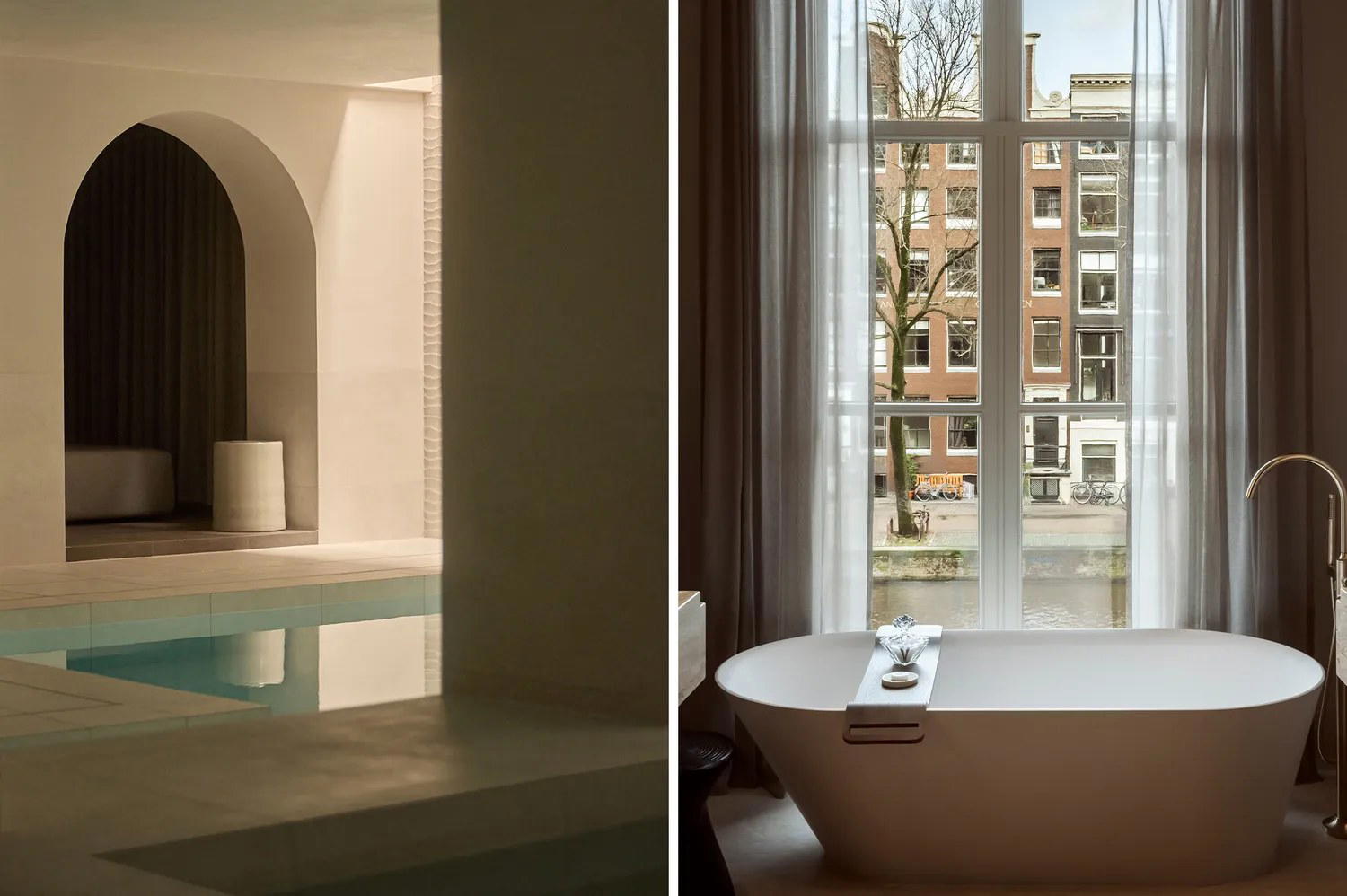
Hotels in Amsterdam
Browse all →
Wineries in Amsterdam
Browse all →
At a Glance
- Cozy
- Classic
- Family
- Casual Hangout
- Terrace
Current opening hours
- Monday
- 12–10 PM
- Tuesday
- 12–10 PM
- Wednesday
- 12–10 PM
- Thursday
- 12–10 PM
- Friday
- 12–10 PM
- Saturday
- 12–10 PM
- Sunday
- 12–10 PM
Hours can change for holidays and private events. Last verified .
Warm and cozy with friendly service, featuring a heated terrace for outdoor dining.