Casa Italiana
Casa Italiana sits on Korte Leidsedwarsstraat in Amsterdam's Leidseplein quarter, placing it within easy reach of the canal belt's evening dining circuit. The restaurant draws on Italian culinary tradition in a city where that tradition competes against a strong Dutch-Nordic creative wave.
Pearl is the En Primeur Club membership app — saves, bookings, and concierge access live there. Same editors, same standards.
- Address
- Korte Leidsedwarsstraat 109, 1017 PX Amsterdam, Netherlands
- Phone
- +31202218863
- Website
- casa-italiana.amsterdam
- Directions
- Get directions
 Saves & bookings on Pearl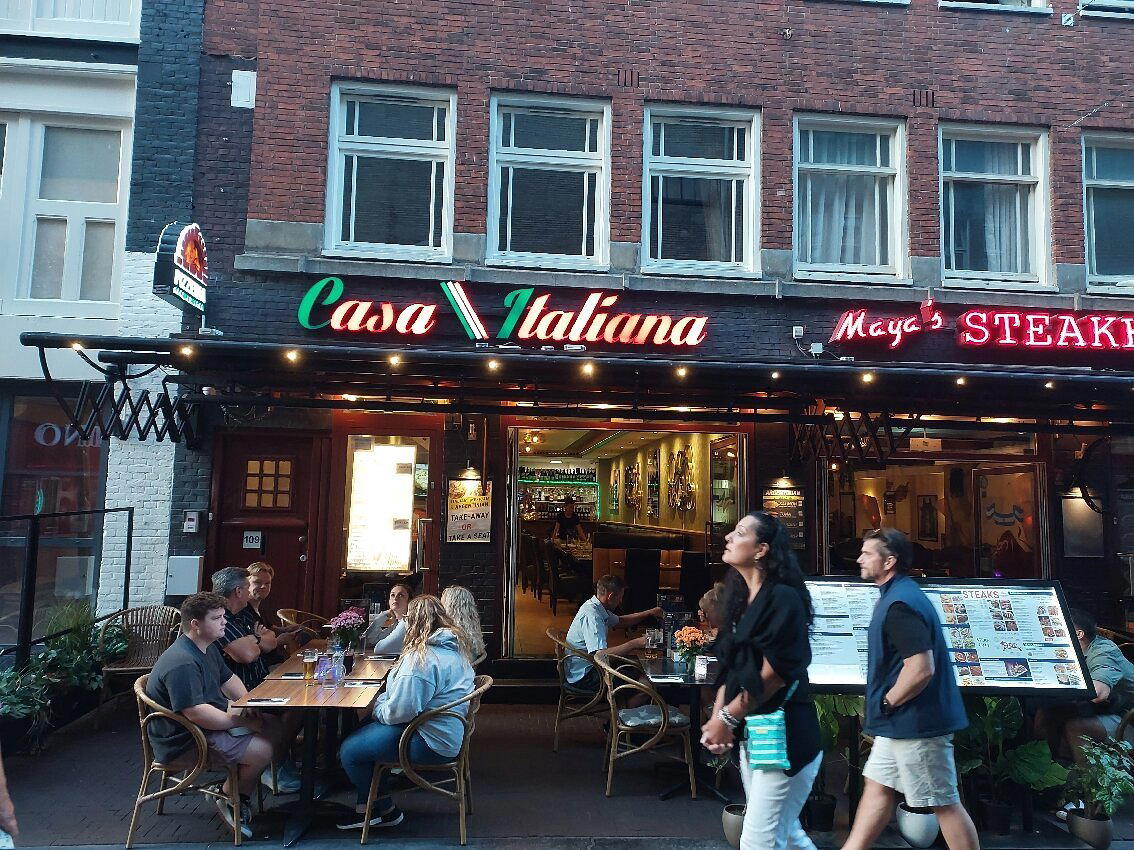
Italian Cooking on Amsterdam's Leidseplein Circuit
The streets fanning out from Leidseplein operate as one of Amsterdam's most compressed dining corridors. Within a few hundred metres, a visitor can move from brown-café bitterballen to Korean-inflected small plates to the kind of red-sauce Italian that has anchored European city dining since the 1970s. Korte Leidsedwarsstraat, where Casa Italiana sits at number 109, sits inside that corridor, a short street with high pedestrian throughput and a mix of formats that ranges from tourist-facing to genuinely local. Italian restaurants in this zone face a clear positioning question: whether to occupy the accessible, broadly familiar end of the spectrum or to push toward the regional specificity and ingredient discipline that defines Italy's more serious dining tradition.
That question matters more in Amsterdam than in many northern European capitals, because the city's dining scene has shifted substantially over the past decade. The Michelin footprint now includes addresses like Ciel Bleu, Flore, Spectrum, and Vinkeles, all working in creative or contemporary registers that place a premium on Dutch provenance and technical precision. Italian cooking, to hold serious ground in that context, tends to succeed through either rigorous regionality, a commitment to one specific tradition, whether Emilian, Ligurian, or Sicilian, or through a kitchen discipline that treats pasta-making, curing, and fermentation as craft rather than convenience. Casa Italiana is an authentic Italian pizza and pasta restaurant at Korte Leidsedwarsstraat 109 in Amsterdam, with a casual dress code, reservations recommended, and an average price of about $30 per person.
The Leidseplein Quarter as a Dining Context
Amsterdam's restaurant geography rewards some unpacking. The canal belt's southern reaches, from Leidseplein toward the Rijksmuseum and Vondelpark, attract a mix of international visitors and local professionals who use the area for pre-theatre dinners and weekend evenings. The demand profile here differs from the Jordan, where smaller, chef-driven formats attract repeat local trade, or from the eastern harbour, where newer openings have clustered around a younger, food-literate crowd. Leidseplein's dining mix tends toward mid-range formats with broader menus and comfortable service cadences, not the eight-seat omakase logic that governs Amsterdam's upper-tier counters, but not casual canteen dining either.
Italian restaurants specifically have a particular role in this district. They provide a familiar structural logic, antipasti moving to primi, secondi arriving with appropriate interval, digestivi offered at the close, that suits groups dining at different paces and appetites. That sequencing is worth taking seriously as a framework. In Italy's own restaurant culture, the progression from raw or cured starters through egg-enriched pasta to protein-led main courses and finally to cheese or dolci represents a considered physiological arc, not mere convention. Northern Italian cooking in particular, with its butter-based sauces and stuffed-pasta tradition, builds richness incrementally in a way that rewards patience. How a kitchen handles those intervals, whether pasta arrives al dente with appropriate resting time, whether the transition from primi to secondi lands with the right weight, is as much an operational test as a culinary one.
Italian Dining Tradition in a Northern European Register
Italy exports its culinary logic widely, but northern European versions of Italian dining have historically filtered it through local availability and northern palate expectations. Amsterdam is no exception. Produce supply chains matter: the tomatoes, olive oils, and aged cheeses that define southern Italian cooking at source are imported commodities here, and a kitchen's commitment to sourcing quality versions of those ingredients, rather than substituting local approximations, is a meaningful differentiator. The broader Dutch restaurant scene, which has produced serious talent at addresses like De Librije in Zwolle and Inter Scaldes in Kruiningen, as well as innovative vegetable-led cooking at De Nieuwe Winkel in Nijmegen, has shown that ingredient discipline is not geographically restricted. Italian kitchens operating in the Netherlands face the same supply logic and the same accountability.
Wine is the other axis. Italian regional wine programs, when done with any seriousness, provide a parallel narrative to the food: Nebbiolo from Piedmont against a braised secondi, Vermentino from Sardinia with seafood-based antipasti, the structured acidity of a Campanian Greco against a cream-enriched pasta. Restaurants in the Leidseplein bracket often work from broader, more accessible wine lists rather than deeply regional Italian selections, but the gap between those two approaches is visible to any wine-literate guest.
For a broader view of Amsterdam's mid-range Italian and classic bistro options, Bistro de la Mer operates in the classic cuisine register nearby. Further afield across the Netherlands, addresses like De Lindenhof in Giethoorn, Tribeca in Heeze, De Groene Lantaarn in Staphorst, Brut172 in Reijmerstok, De Lindehof in Nuenen, De Bokkedoorns in Overveen, and De Treeswijkhoeve in Waalre illustrate how the country's serious dining talent distributes well outside the capital. Internationally, format comparisons are instructive: the multi-course narrative logic of Lazy Bear in San Francisco or the precision sequencing at Le Bernardin in New York City demonstrate what tasting progression can mean at its most deliberate, even if the genre and price tier differ from a neighbourhood Italian in Amsterdam.
Know Before You Go
- Address: Korte Leidsedwarsstraat 109, 1017 PX Amsterdam, Netherlands
- Phone: not confirmed
- Website: not confirmed
- Hours: not confirmed, verify directly before visiting
- Price range: not confirmed
- Dress code: Not specified
Budget Reality Check
Comparable venues nearby, for context on price, style, and recognition.
| Venue | Cuisine | Price | Notes |
|---|---|---|---|
| Casa ItalianaThis venue — the venue you are viewing | Not listed | $$ | Not listed |
| A Tavola | Kadijken, Traditional Italian | $$ | Not listed |
| Gió Cucina Italiana | Not listed | $$ | Nieuwendijk Noord, Authentic Italian Cucina |
| 湖南常德牛肉粉 | Not listed | $$ | 市中心/达姆广场, Hunan Changde Beef Noodle Soup |
| Restaurant Olivar | Kop Zeedijk, Andalusian Spanish Tapas | $$ | Not listed |
| Pendergast | Not listed | $$ | Westergasfabriek, American BBQ Smokehouse |
Continue exploring
More in Amsterdam
Restaurants in Amsterdam
Browse all →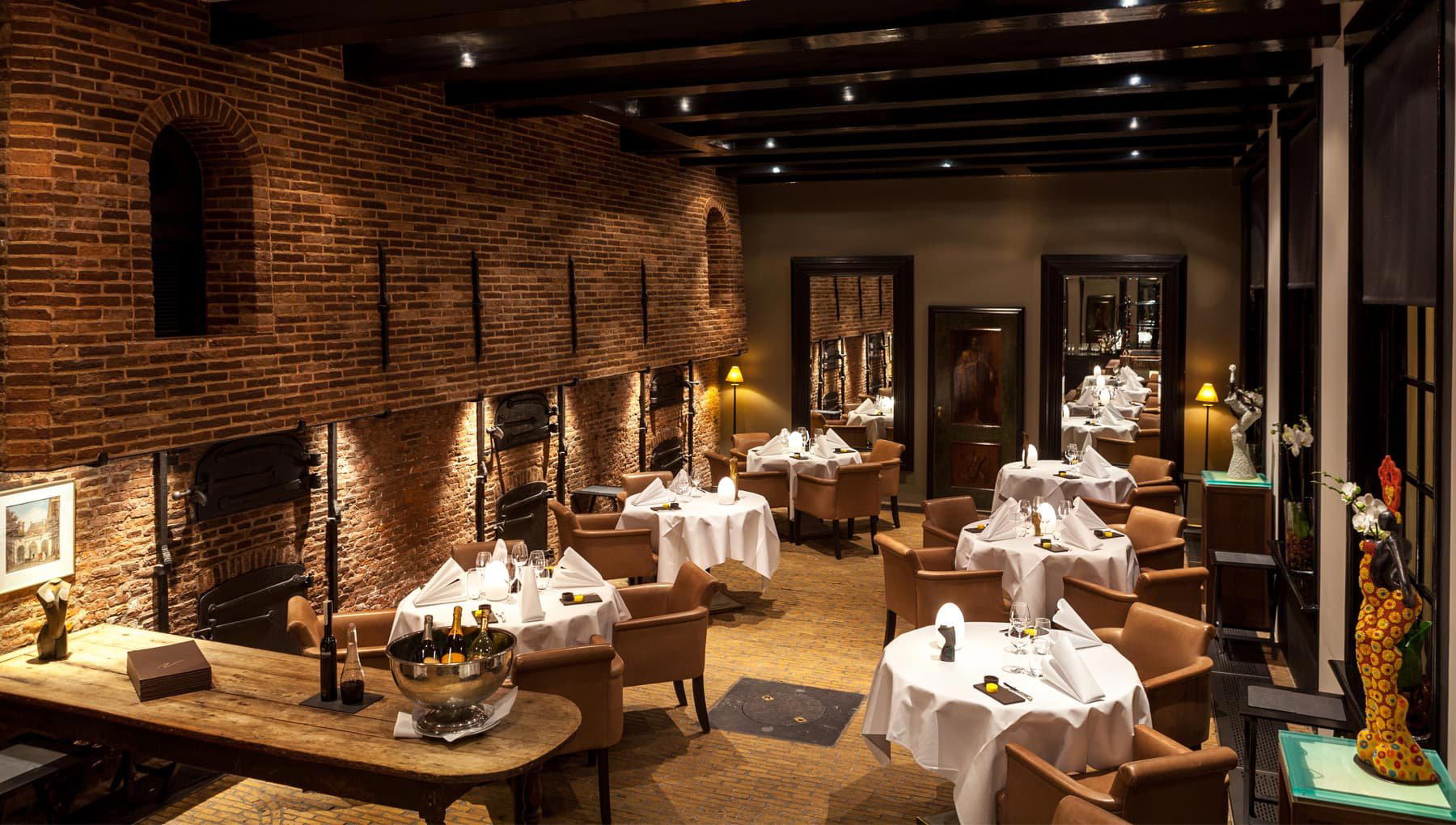
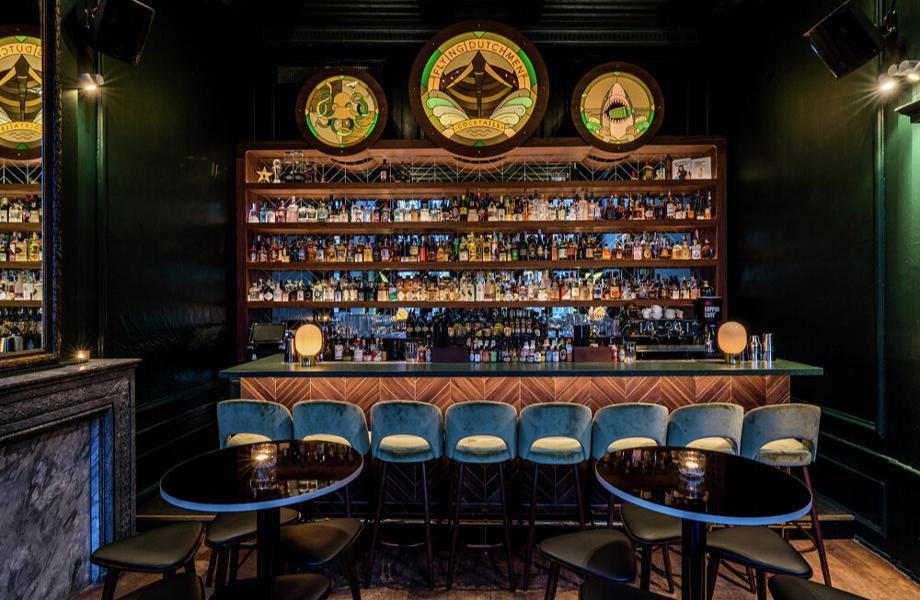
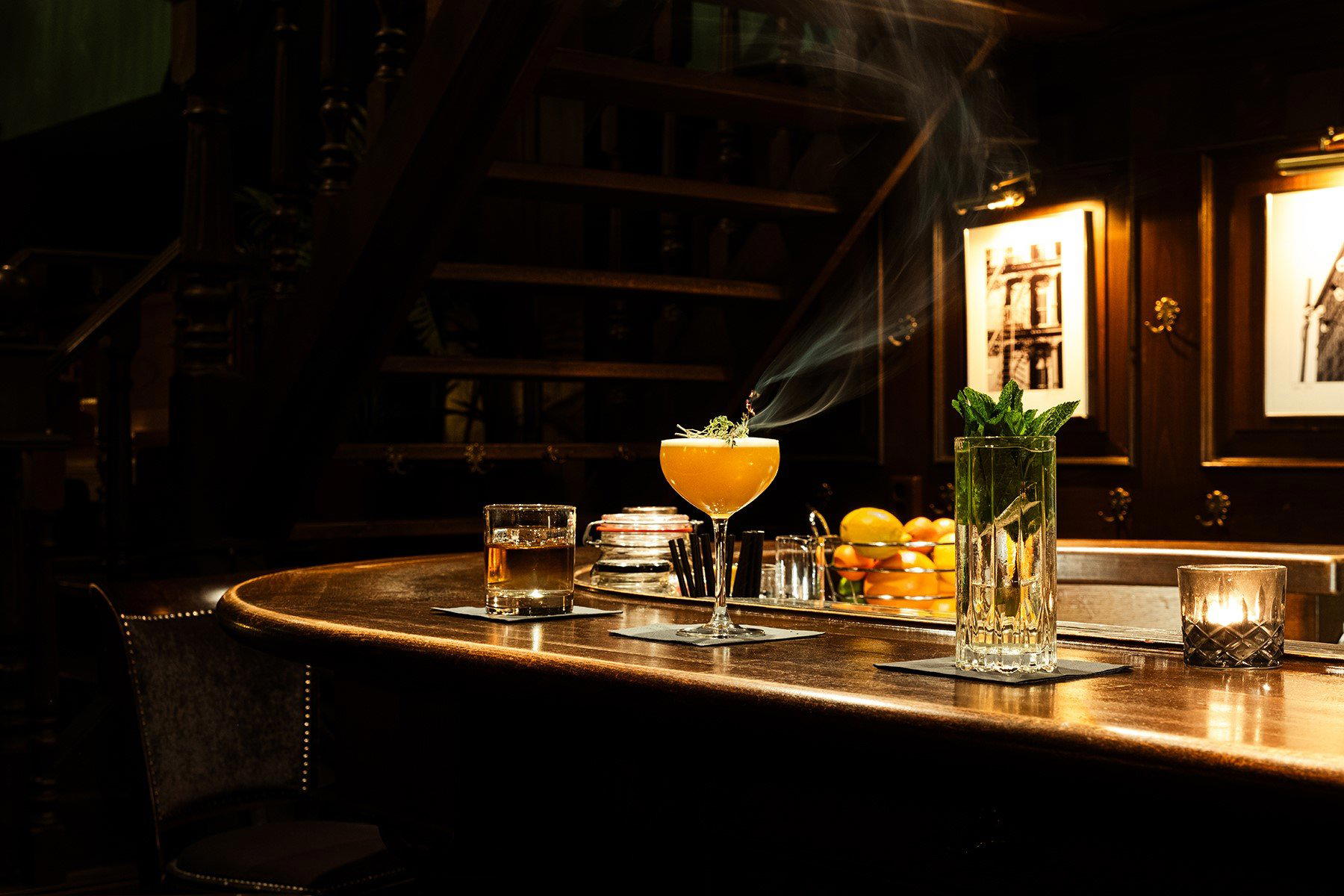
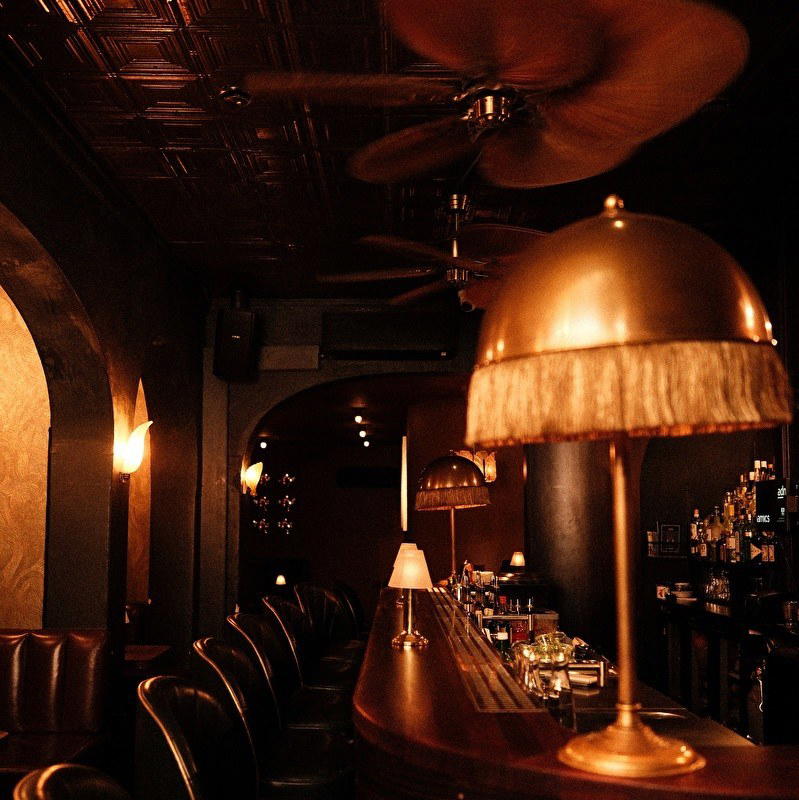
Bars in Amsterdam
Browse all →
Hotels in Amsterdam
Browse all →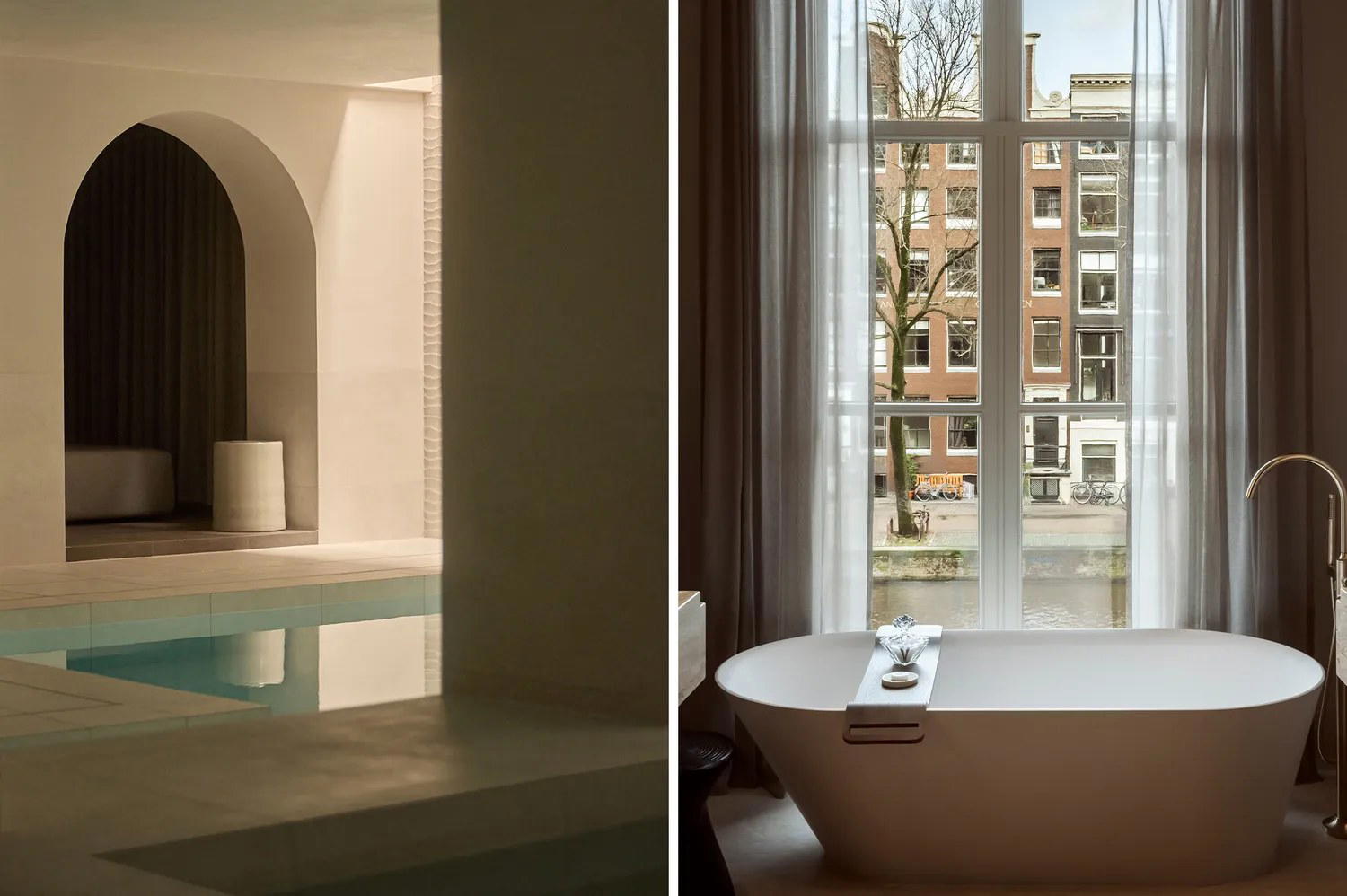
Wineries in Amsterdam
Browse all →
At a Glance
- Cozy
- Lively
- Date Night
- Family
- Group Dining
- Standalone
- Extensive Wine List
Current opening hours
- Monday
- 12 PM–12 AM
- Tuesday
- 12 PM–12 AM
- Wednesday
- 12 PM–12 AM
- Thursday
- 12 PM–12 AM
- Friday
- 12 PM–1 AM
- Saturday
- 12 PM–1 AM
- Sunday
- 12 PM–12 AM
Hours can change for holidays and private events. Last verified .
Warm and welcoming with a cozy Italian atmosphere suitable for romantic dinners, families, or groups.