A traditional Austrian Gasthaus in Jochberg's alpine village of Bärenbichlweg, Gasthaus Bärenbichl represents the kind of rooted, community-facing hospitality that the Kitzbühel Alps have long cultivated alongside their more visible ski-resort dining. For visitors looking beyond the resort corridor, it sits within a small cluster of local establishments that serve the village on its own terms.
Pearl is the En Primeur Club membership app — saves, bookings, and concierge access live there. Same editors, same standards.
- Address
- Bärenbichlweg 35, 6373 Jochberg, Austria
- Phone
- +434353555347
- Website
- baerenbichl.at
- Directions
- Get directions
 Saves & bookings on Pearl
Where Alpine Hospitality Meets Village Routine
Gasthaus Bärenbichl is a restaurant in Jochberg, Austria, with. The Gasthaus format is one of Austria's most durable dining institutions. Not a restaurant in the contemporary sense, not a hotel dining room, and certainly not a tasting-menu destination, the Gasthaus occupies a specific civic function in alpine communities: it is where the village convenes. In the Kitzbühel Alps, where the ski resort economy has reshaped much of the local hospitality offer toward visiting wealth, the surviving Gasthäuser represent something the resort hotels cannot replicate: a space with a prior life and a local constituency.
Gasthaus Bärenbichl sits on Bärenbichlweg in Jochberg, the quieter neighbour to Kitzbühel proper. Jochberg itself is positioned on the road connecting Kitzbühel to the Thurn Pass, which means it has historically functioned as a working village rather than a resort node. That geography shapes what you find here. The dining options in Jochberg are not competing for the same après-ski traffic that drives pricing and format decisions further north in Kitzbühel town. The Gasthäuser here, including Gasthaus Bärenbichl alongside Bruggeralm, Gasthof Alte Wacht, Jodlbühel, and Restaurant Steinberg, answer to a different logic.
The Tradition Behind the Format
Austrian Gasthaus cooking draws from a culinary grammar developed over centuries in alpine environments where preservation, seasonal availability, and communal eating shaped what ended up on the table. Schnitzel, Tafelspitz, Gulasch, Zwiebelrostbraten, dumplings in their regional variants, these are dishes that carry the logic of the alpine pantry. Flour, dairy, cured meats, root vegetables, and late-season greens form the foundation, not as a nostalgic choice but as an inherited one. The Gasthaus kitchen does not present this tradition as heritage tourism; it serves it as the ongoing default.
This is what separates the Gasthaus tier from the higher-end alpine dining now found across Tyrol. At Gourmetrestaurant Tannenhof in Sankt Anton am Arlberg or Stüva in Ischgl, the alpine culinary tradition has been refined through contemporary technique and positioned for the international resort market. The Gasthaus operates on the opposite premise: the food is already right, and the room confirms it. There is no reinterpretation, no tasting progression, no wine pairing architecture. The format is direct.
This same principle, that a regional cooking tradition needs no justification beyond itself, runs through Austria's most regarded restaurants at a different price point. Steirereck im Stadtpark in Vienna and Döllerer in Golling an der Salzach both root their menus in deep Austrian culinary logic, even as the execution and format occupy a different register. The Gasthaus and the fine-dining room share a common source text, even if what they do with it diverges considerably.
Jochberg's Position in the Kitzbühel Alps
Jochberg is not on most visitors' primary itinerary for the Kitzbühel region, which is precisely what makes it worth understanding on its own terms. The village sits at roughly 1,000 metres, with the Hahnenkamm ski area accessible from Kitzbühel to the north and the Thurn Pass connecting south toward the Salzburg region. The Kitzbüheler Horn and the surrounding peaks define the visual context in every direction.
For visitors based in Kitzbühel who want a meal that reflects how the valley actually lives outside peak season or resort hours, Jochberg offers a more reliable reading than the town centre. The Gasthäuser here are not performing alpine authenticity for tourists, they are operating as functional community establishments that happen to be in a mountain village of considerable natural character. That distinction matters when choosing where to eat.
Across Austria more broadly, the village Gasthaus has faced the same pressures that have reshaped rural hospitality across central Europe: younger generations moving toward cities, rising costs, the difficulty of maintaining a kitchen for a shrinking local population. The ones that persist tend to do so because the community still uses them, not because a hotel group or investor has decided to preserve the format as a concept. In that context, a functioning Gasthaus in a village like Jochberg represents something worth seeking out on its own terms. Comparable establishments in other Austrian regions, Landhaus Bacher in Mautern an der Donau, Obauer in Werfen, or Ois in Neufelden, each occupy different positions on the spectrum between community kitchen and destination dining, but all share this quality of genuine local embeddedness.
How It Compares in Context
Austria's Gasthaus tradition sits in an interesting position relative to international equivalents. The community-anchored inn with a seasonally driven, regionally specific menu has parallels in many cultures, from the French auberge to the Japanese ryokan kaiseki model, though the functional logic in each case reflects different culinary histories. What Austrian Gasthaus cooking shares with formats like the communal dinner model of Lazy Bear in San Francisco, despite the obvious differences in price, ambition, and format, is the premise that eating together around a shared regional tradition is worth protecting as a practice. The execution and the price point diverge completely; the underlying argument about food and community does not.
The Gasthaus also holds a different relationship to ingredient sourcing than the fine-dining tier. At this level, the pantry is defined by what is locally available and economically viable, not by what can be sourced globally at premium. That constraint produces a menu that changes with the season not as a marketing decision but as a practical one, and that reads differently to the visitor who understands it.
For those building a broader picture of alpine dining in the Tyrol and Salzburg regions, Schwarzer Adler in Hall in Tirol, Restaurant 141 by Joachim Jaud in Mieming, Kräuterreich by Vitus Winkler in Sankt Veit im Pongau, and Taubenkobel in Schützen am Gebirge offer points of reference at the more ambitious end of regional Austrian dining, with Le Bernardin in New York City providing a useful international frame for understanding how a singular culinary tradition can anchor a sustained and demanding format.
Planning a Visit
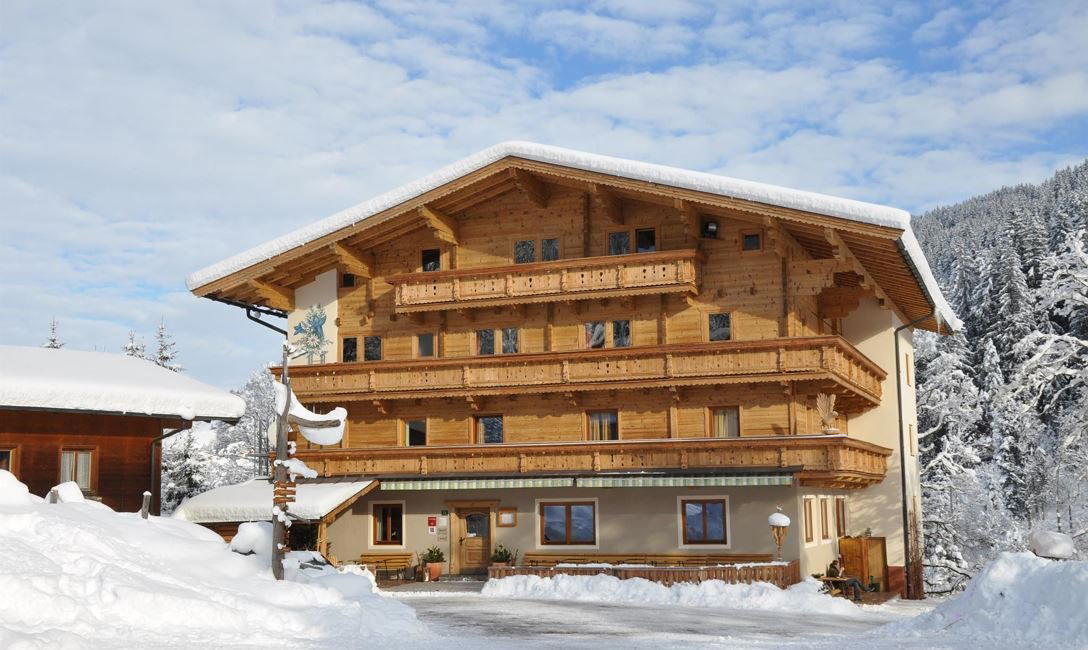
Gasthaus Bärenbichl is located at Bärenbichlweg 35 in Jochberg, reachable by car from Kitzbühel in under fifteen minutes via the B161 south. Jochberg itself is a compact village, and Bärenbichlweg is a residential address rather than a town-centre location, which reflects the Gasthaus's orientation toward the local community. Visitors should confirm current hours and availability directly, as Gasthäuser at this level typically operate on schedules that reflect local demand rather than tourist footfall.
- Käseknödel
- Moosbeernocken
- Schnitzel
- Goulash
- Fried mountain cheese with berry compote
- Raspberry and cranberry pancakes
Price and Recognition
Comparable venues nearby, for context on price, style, and recognition.
| Venue | Cuisine | Price | Notes |
|---|---|---|---|
| Gasthaus BärenbichlThis venue — the venue you are viewing | Not listed | $$$ | Not listed |
| Jodlbühel | Not listed | $$ | Jochberg, Traditional Tyrolean Inn Cuisine |
| Gasthof Alte Wacht | Jochberg, Traditional Tyrolean Cuisine | $$ | Not listed |
| Bruggeralm | Jochberg, Tyrolean Alpine Hut | $$ | Not listed |
| Restaurant Steinberg | Jochberg, Modern Tyrolean | $$$ | Not listed |
| Dorfstadl | Kaprun, Traditional Austrian | $$$ | Not listed |


At a Glance
- Rustic
- Cozy
- Classic
- Intimate
- Scenic
- Special Occasion
- Group Dining
- Celebration
- Panoramic View
- Historic Building
- Standalone
- Local Sourcing
- Mountain
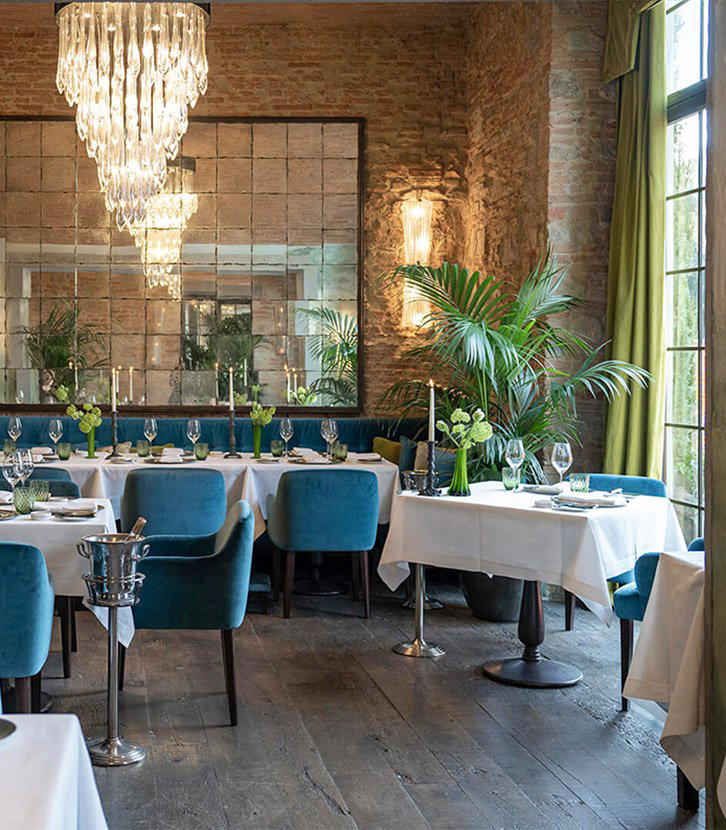
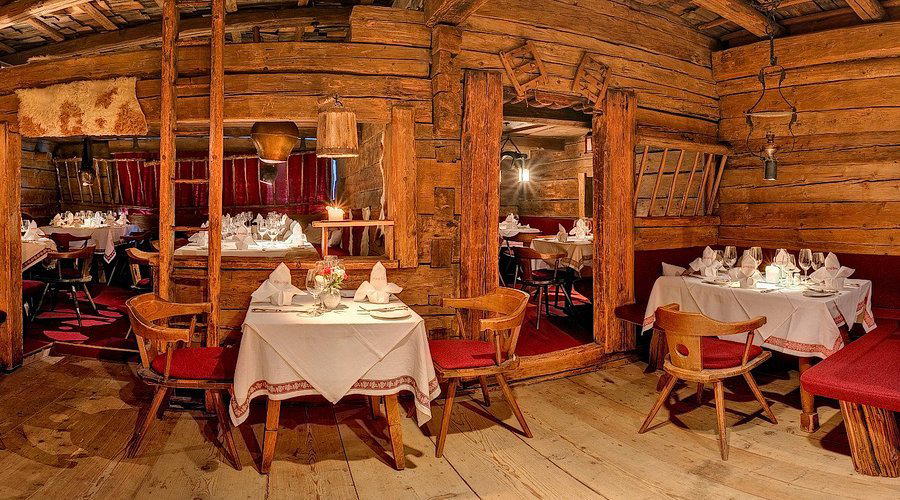
Rustic rooms with tiled stove and traditional Tyrolean decor (Herrgottswinkel), cozy mountain restaurant atmosphere far from everyday life with unagitated service.