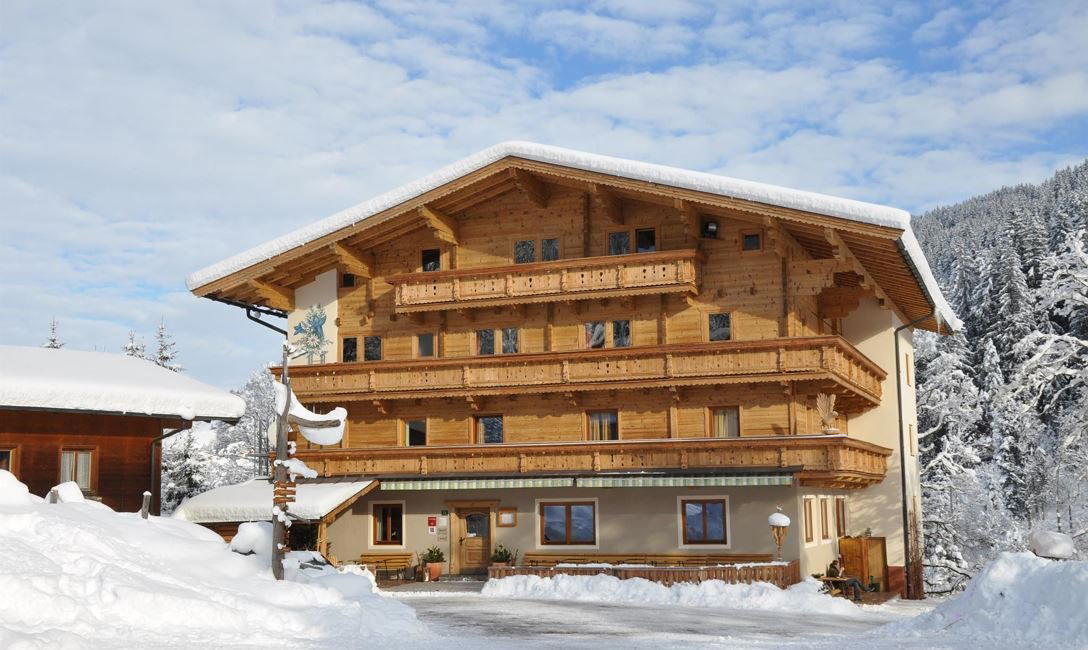
Restaurant Steinberg sits along Kitzbüheler Strasse in Jochberg, the quieter village south of Kitzbühel that has developed its own small cluster of serious dining addresses. Set in the Tirolean Alpine tradition of combining hospitality with locally rooted cooking, Steinberg positions itself within a village scene where the alternatives range from rustic Gasthof fare to mountain-hut cooking.
Pearl is the En Primeur Club membership app — saves, bookings, and concierge access live there. Same editors, same standards.
- Address
- Kitzbüheler Str. 48, 6373 Jochberg, Austria
- Phone
- +43535550100
- Website
- kempinski.com
- Directions
- Get directions
 Saves & bookings on Pearl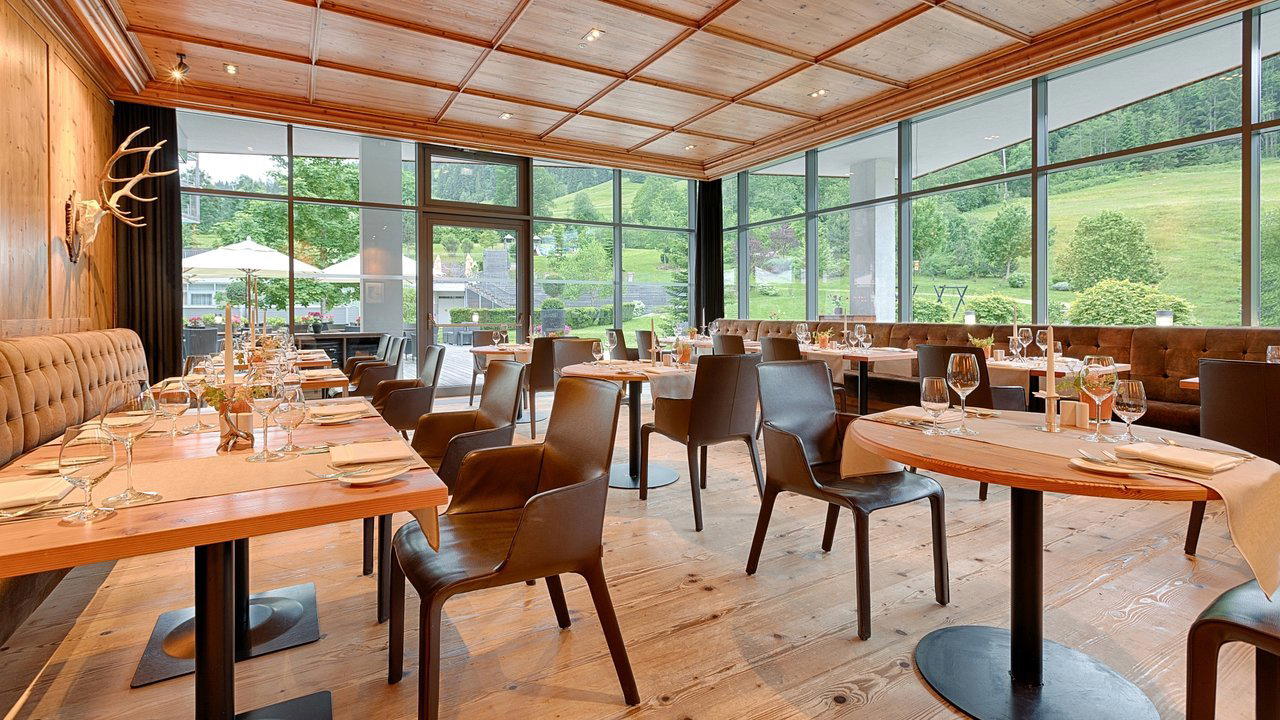
Jochberg at the Table: What the Village Offers
The road south from Kitzbühel toward the Thurn Pass runs through Jochberg, a village whose dining culture operates at a different register than its famous neighbour. Kitzbühel draws the international ski crowd and the hotel restaurants that serve them; Jochberg, by contrast, has accumulated a small but coherent cluster of addresses where the cooking tends to answer to local habit rather than resort expectation. Restaurant Steinberg, at Kitzbüheler Str. 48, sits inside that pattern: a village address in a corridor where the competition ranges from the mountain-hut directness of Bruggeralm to the more traditional Gasthof registers of Gasthaus Bärenbichl and Gasthof Alte Wacht, and the neighbouring Jodlbühel.
Understanding what Steinberg offers requires understanding the village's position. Jochberg is not a destination that attracts visitors primarily for its restaurants; it attracts visitors through skiing, hiking, and proximity to the Kitzbühel area, and the restaurants here function within that context. That places them in a different competitive frame than, say, the destination-driven rooms in Lech or the culinary tourism circuit anchored by Salzburg.
The Tirolean Dining Tradition and Where Steinberg Fits
Austrian Alpine cooking operates along a well-established axis. At one end: the farmhouse traditions of Tirol, where Tafelspitz, Tiroler Gröstl, Käsespätzle, and cured meats define the register. At the other end: the technically ambitious, produce-forward modern Austrian cooking that has earned international recognition at restaurants like Steirereck im Stadtpark in Vienna or Obauer in Werfen. The more interesting question for any restaurant in a village like Jochberg is where along that axis it chooses to position itself.
The Alpine village restaurant in Austria has its own particular cultural logic. It is expected to provide warmth and shelter, to connect the guest to place through ingredients and preparation, and to handle a clientele that ranges from local regulars to seasonal visitors who may be eating their first Austrian meal. The tension between serving that dual audience well and maintaining a coherent culinary identity is something that restaurants across the Tirolean region handle with varying success. Properties like Gourmetrestaurant Tannenhof in Sankt Anton am Arlberg and Griggeler Stuba in Lech have resolved this tension by moving firmly toward the ambitious end of the spectrum; Steinberg's village address suggests a different answer to the same question.
Cultural Roots: What Tirolean Cooking Means in Practice
Tirol's cooking identity is among the more geographically specific in the German-speaking world. The reliance on dairy products from Alpine pastures, the preservation traditions born of long winters, and the influence of trade routes connecting northern Europe to northern Italy have all left their marks on what ends up on the plate. Polenta and pasta sit alongside dumplings and rye bread; cured speck appears on the same table as Brettljause platters of aged cheese and pickled vegetables. This is not fusion in any calculated sense; it is the natural output of a territory that has always sat at a crossroads.
In the broader Austrian fine dining scene, chefs have increasingly used these traditions as a foundation rather than a constraint. The approach at Döllerer in Golling an der Salzach demonstrates how Alpine cooking vocabulary can be extended through technical ambition without losing its regional legibility. Kräuterreich by Vitus Winkler in Sankt Veit im Pongau takes the herb and forage traditions of the region as its primary subject. And restaurants like Ois in Neufelden and Landhaus Bacher in Mautern an der Donau have built their reputations by anchoring contemporary cooking firmly in Austrian produce and preparation logic. For international comparison, the discipline of place-rooted tasting menus at venues like Ikarus in Salzburg or the rigour visible at New York's Le Bernardin and Atomix illustrates what commitment to a clear culinary identity looks like at different points on the global spectrum.
Where a Jochberg address like Steinberg sits relative to these reference points is the practical question for any visitor making a decision about where to eat in the village. The address on Kitzbüheler Strasse places it on the main route through the village, accessible rather than tucked away, which typically signals a broader intended audience than a destination-only dining room would suggest.
Eating in Jochberg: A Practical Orientation
The Jochberg dining scene rewards a degree of research before arrival. Because the village operates largely within the seasonal rhythms of the surrounding ski and hiking calendar, opening hours and availability shift significantly between winter and summer. Visitors who arrive expecting the year-round restaurant culture of a city will find that timing matters more here than in an urban setting. Restaurants across the Kitzbühel corridor, including those in Jochberg, tend to fill quickly during peak ski weeks and the high summer hiking months, particularly on weekends when day visitors arrive from Kitzbühel itself.
For visitors who want to understand the full range of what the area offers, the village's other addresses provide useful context. Schwarzer Adler in Hall in Tirol and Restaurant 141 by Joachim Jaud in Mieming represent how other Tirolean village-adjacent addresses have developed distinct identities within the regional dining pattern. Jochberg has not yet reached that level of external recognition as a dining destination, but the concentration of addresses along Kitzbüheler Strasse gives it more depth than a casual visitor might expect.
Planning Your Visit to Restaurant Steinberg
Restaurant Steinberg is located at Kitzbüheler Str. 48 in Jochberg, Austria. The restaurant is recommended for reservations, and its regular hours are Mon to Sun, 7 to 11 AM and 6 to 9 PM.
Cost Snapshot
Comparable venues nearby, for context on price, style, and recognition.
| Venue | Cuisine | Price | Notes |
|---|---|---|---|
| Restaurant SteinbergThis venue — the venue you are viewing | Jochberg, Modern Tyrolean | $$$ | Not listed |
| Gasthaus Bärenbichl | Not listed | $$$ | Jochberg, Traditional Tyrolean Regional Cuisine |
| Jodlbühel | Not listed | $$ | Jochberg, Traditional Tyrolean Inn Cuisine |
| Gasthof Alte Wacht | Jochberg, Traditional Tyrolean Cuisine | $$ | Not listed |
| Bruggeralm | Jochberg, Tyrolean Alpine Hut | $$ | Not listed |
| Wiegalm | Sonnberg, Austrian Mountain Hut | $$$ | Not listed |


At a Glance
- Cozy
- Elegant
- Classic
- Special Occasion
- Family
- Group Dining
- Hotel Restaurant
- Private Dining
- Local Sourcing
- Mountain
Current opening hours
- Monday
- 7–11 AM, 6–9 PM
- Tuesday
- 7–11 AM, 6–9 PM
- Wednesday
- 7–11 AM, 6–9 PM
- Thursday
- 7–11 AM, 6–9 PM
- Friday
- 7–11 AM, 6–9 PM
- Saturday
- 7–11 AM, 6–9 PM
- Sunday
- 7–11 AM, 6–9 PM
Hours can change for holidays and private events. Last verified .
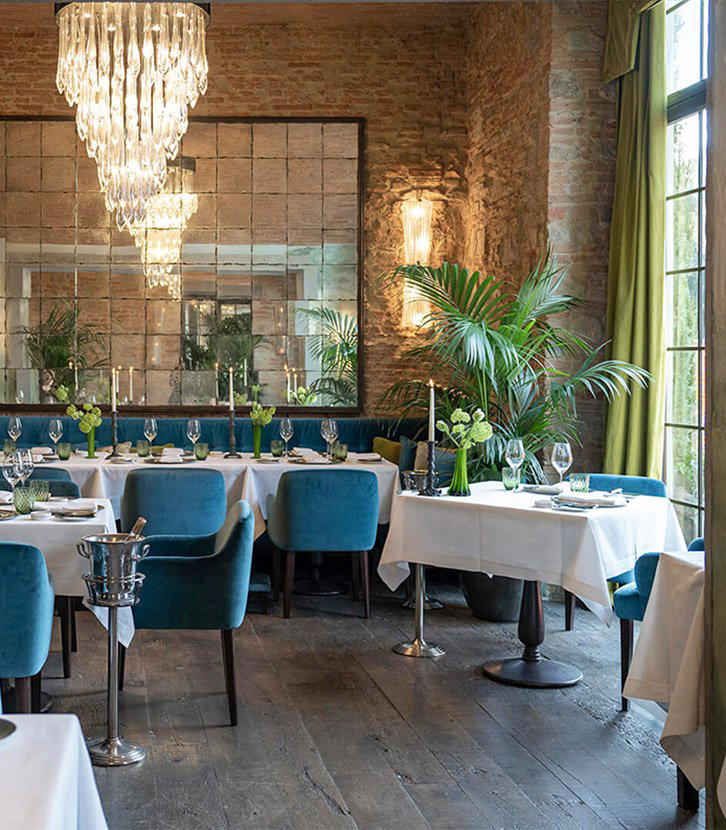
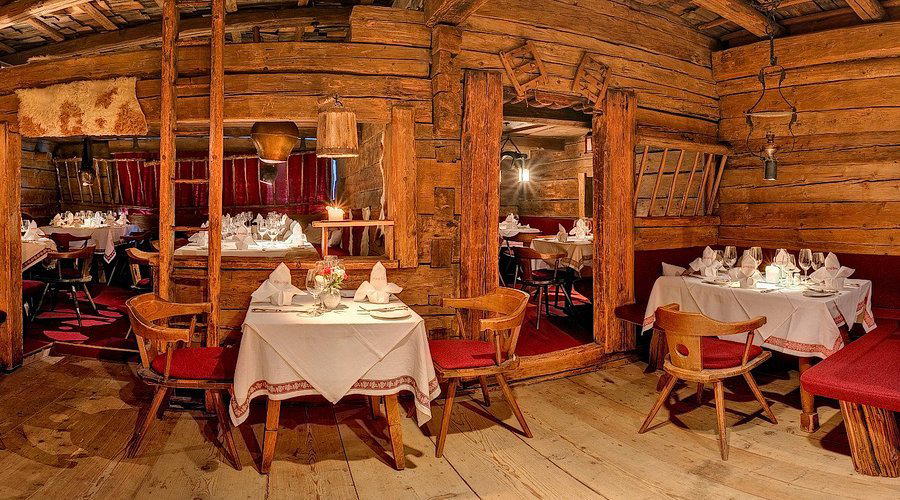
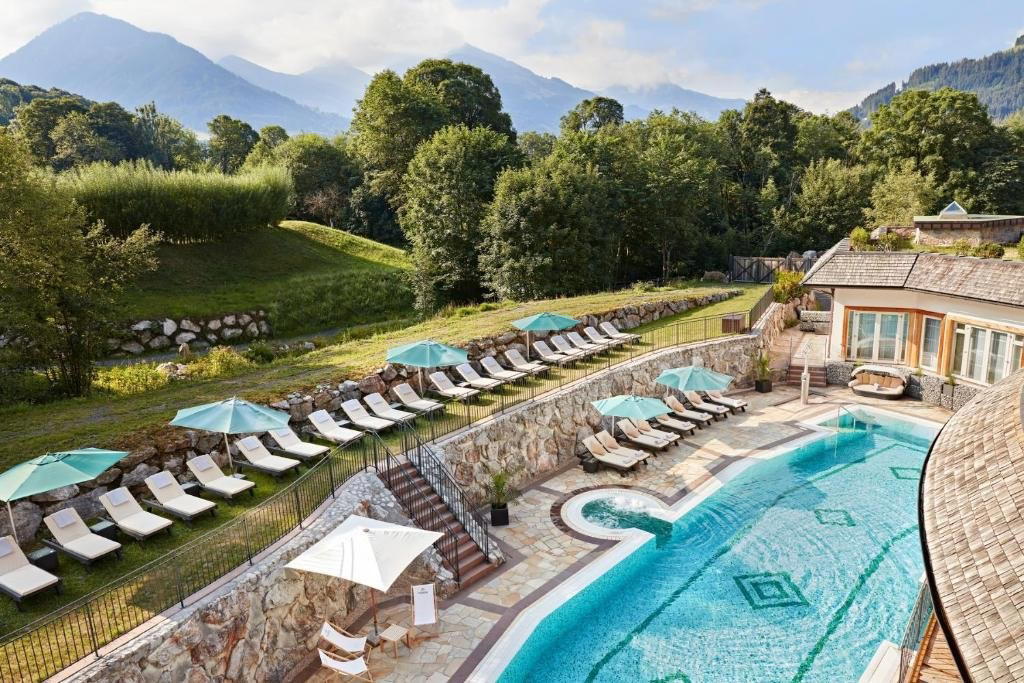
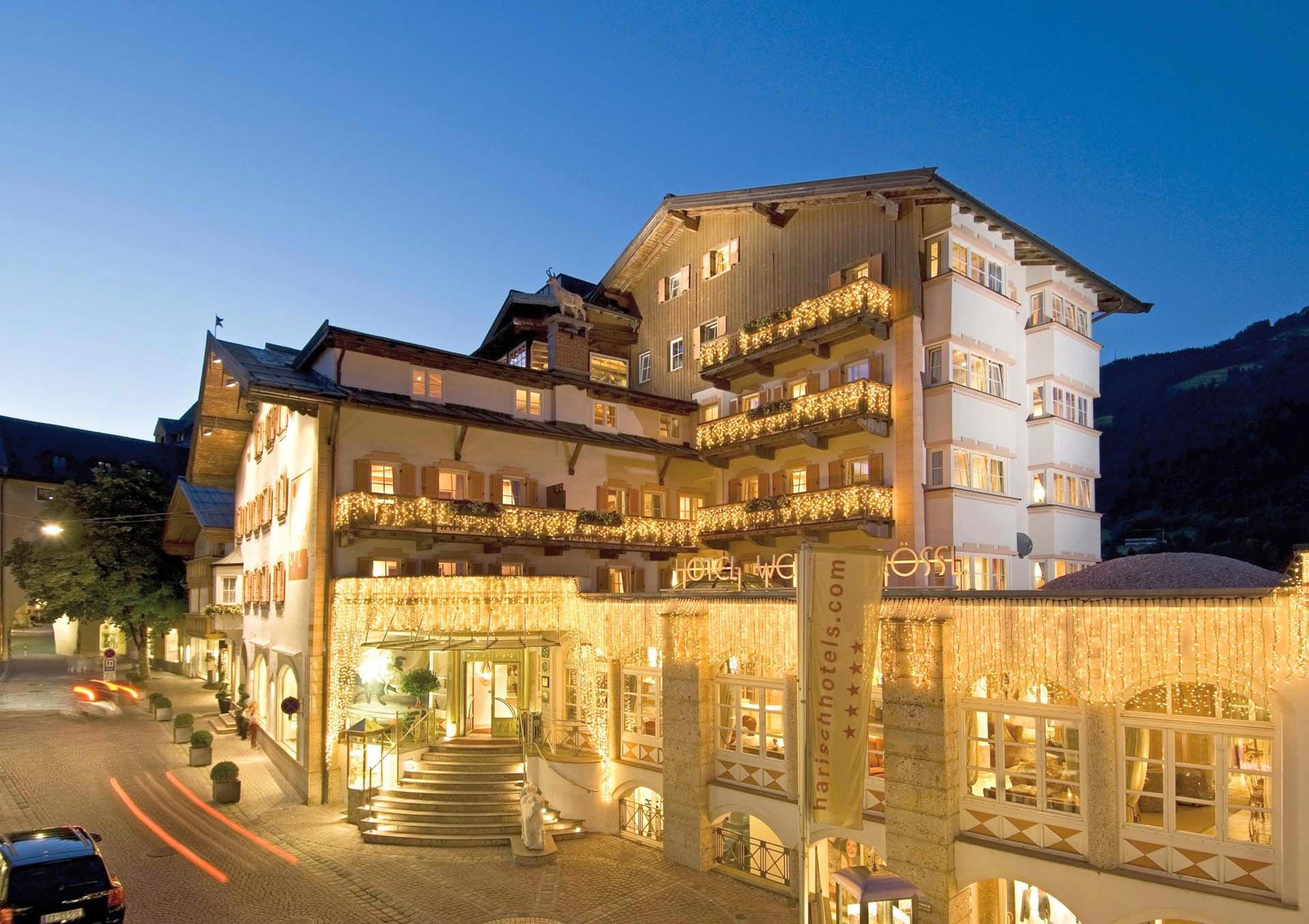
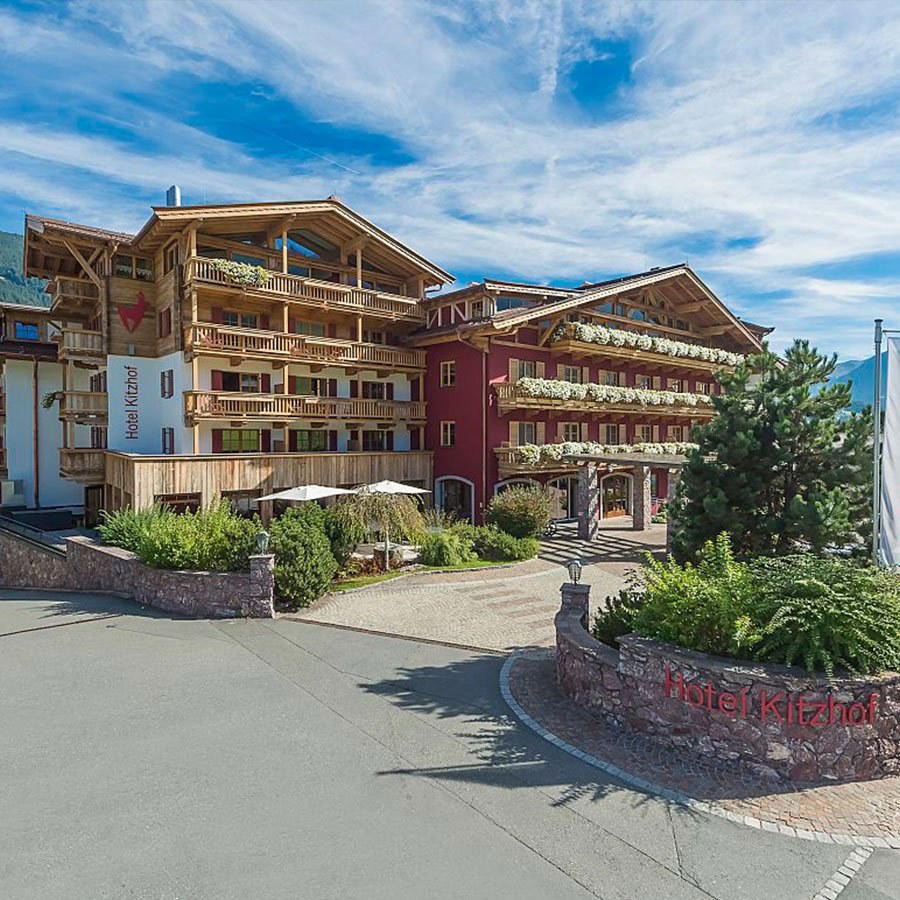
Cozy atmosphere with classic wooden interior, warm lighting, and mountain views, suitable for relaxed family dinners or special occasions.