Our verdict
Tucked into Pfarrgasse in Linz's old town, Die Huberei occupies a category that Linz's dining scene handles quietly but seriously: the kind of address where the wine list does as much work as the kitchen. It sits in a mid-to-upper tier of the city's restaurant offer, where considered curation matters more than headline names.

Pearl is the En Primeur Club membership app, where members save venues, book tables and use the concierge.

A Street Where the Wine Speaks First
Pfarrgasse runs through one of the older residential pockets of Linz, a city that Austria's dining conversation tends to pass over in favour of Vienna and Salzburg. That oversight is, in part, what makes addresses like Die Huberei worth attention. The building at number 18 gives little away from the outside, which is characteristic of how serious wine-led restaurants in this part of Upper Austria tend to present themselves. Restraint outside, depth inside.
Linz's restaurant tier has been consolidating over the past decade. At the leading end, you have modern cuisine operations like Rossbarth, pushing a four-symbol price point and a kitchen-forward identity. A tier below, addresses like Verdi cover international formats at a slightly more accessible price. Die Huberei at Pfarrgasse 18 enters this picture as a venue whose defining characteristic appears to be its relationship with wine, the kind of place where the cellar is a considered argument, not a list assembled to fill a laminated page.
The Wine Tradition This Sits Inside
Austria has a wine culture that still doesn't receive the international column inches it merits. The Wachau, Kamptal, and Kremstal produce Grüner Veltliner and Riesling at a quality tier that competes credibly with Alsace and the Rhine, and they do it with a regional specificity that rewards the engaged drinker. Further south, Burgenland's Blaufränkisch has been producing serious red wine for longer than most international markets have noticed. Upper Austria, where Linz sits, is less a wine-producing region than a wine-consuming one, which means that restaurants here can draw from the full depth of the Austrian offer without the provincial obligation to champion a local appellation above all else.
That freedom matters for a restaurant that takes its wine list seriously. The leading Austrian wine programs, you see this in houses like Landhaus Bacher in Mautern an der Donau and Obauer in Werfen, combine deep domestic coverage with enough international range to give a well-travelled guest a point of reference. The architecture of a wine list in this tradition tends to be organised around producer relationships rather than appellation charts: you sense the buyer's preferences, the long-standing orders, the allocations held over years.
How Wine Lists Work at This Level
At restaurants where wine curation is the editorial centre of the offer, and Die Huberei has the character of one, the list functions as a form of positioning. A cellar with meaningful vertical depth on Austrian producers like Knoll, Alzinger, or Pittnauer signals a different kind of commitment than a list stocked with safe international names. The former requires relationships, patience, and storage decisions made years in advance. Austria's allocation system for top-tier producers is not formally structured the way Burgundy grand cru allocation works, but the practical reality is similar: the quantities are small, the demand is concentrated among a handful of serious buyers, and the restaurants that hold stock have usually been in those relationships for a long time.
This contextual point matters when assessing where Die Huberei sits relative to its Linz peers. Wine list depth is a proxy for operational seriousness. It requires capital tied up in storage, a buyer with genuine knowledge, and a kitchen capable of producing food that justifies the cellar. For comparison: internationally, restaurants like Le Bernardin in New York or Lazy Bear in San Francisco have built reputations where food and wine function as a single integrated argument. In the Austrian regional context, the equivalent conversation is happening at addresses like Steirereck im Stadtpark in Vienna and, at a more focused regional scale, Döllerer in Golling an der Salzach.
The Wider Linz Context
Linz has been building a more coherent restaurant identity over the past several years, though it remains a city where a guest arriving with Vienna-calibre expectations should recalibrate. The creative tier, represented by addresses like Be Right Back, tends toward informal formats. The Thai and Asian offer has deepened, with Aroy Thai among the more considered options. For a formal evening anchored by a serious wine conversation, the city's field narrows considerably.
Cultural infrastructure helps: the Brucknerhaus on the Danube embankment gives the city an evening anchor that draws a specific kind of guest, and Bruckner's im Brucknerhaus has positioned itself within that orbit. Die Huberei at Pfarrgasse 18 occupies a different corner of the map, old-town adjacent, quieter in its presentation, and more dependent on the repeat guest who comes for the cellar rather than the scene.
For the broader Austrian fine dining picture across the western half of the country, Schwarzer Adler in Hall in Tirol, Restaurant 141 by Joachim Jaud in Mieming, Gourmetrestaurant Tannenhof in Sankt Anton am Arlberg, Stüva in Ischgl, Kräuterreich by Vitus Winkler in Sankt Veit im Pongau, and Ois in Neufelden represent the range of formats and ambitions operating across the region.
Planning a Visit
Die Huberei is at Pfarrgasse 18, 4020 Linz, within walking distance of the old town centre and accessible from the main rail station in under fifteen minutes on foot or a short tram connection. Given the wine-led character of the address, arriving without a reservation is a risk not worth taking, particularly on weekends when the old town draws the highest footfall. For a full picture of Linz's current restaurant offer across price points and cuisine formats, see our full Linz restaurants guide.
Frequently asked questions
How do I find Die Huberei?
Die Huberei is located at Pfarrgasse 18, 4020 Linz, Austria, Linz.
Is Die Huberei a good choice for exploring Austrian wine in Linz?
Linz sits at a reasonable distance from the Wachau and Kremstal, Austria's two most internationally discussed wine regions, making the city a logical base for visitors focused on the country's Grüner Veltliner and Riesling output. Die Huberei on Pfarrgasse 18 has the profile of an address where that regional wine tradition informs the list directly. For a city that Austria's dining conversation tends to overlook, it represents one of the more wine-serious options available.
What should I eat at Die Huberei?
What the address on Pfarrgasse 18 signals, given Linz's emerging restaurant identity, is a kitchen likely built around the kind of Austrian seasonal produce that pairs with serious wine curation. check the venue's official channels before visiting to confirm what the kitchen is running.
How hard is it to get a table at Die Huberei?
For a wine-focused address in a city like Linz, where the pool of serious wine restaurants is narrower than in Vienna, demand can outpace visibility, meaning tables may be harder to secure than the venue's profile suggests. Arriving with a reservation is the safer approach.
What's the defining dish or idea at Die Huberei?
The character of Die Huberei, as the address and context suggest, places wine curation at the editorial centre of the offer rather than treating it as a support act to the kitchen. In that model, the list itself, likely drawing on Austria's Wachau, Kamptal, and Kremstal producers, functions as the primary argument for visiting. The food is best understood in relation to that wine programme rather than independently.
Comparison Snapshot
Comparable venues nearby, for context on price, style, and recognition.
| Venue | Cuisine | Price | Notes |
|---|---|---|---|
| Die HubereiThis venue (the venue you are viewing) | Modern Austrian Wirtshaus | $20–30 | Not listed |
| Jack the Ripperl | Austrian BBQ Ribs | $20–30 | Landstraße |
| Pöstlingberg Schlössl | Austrian Fine Dining | $50–100 | Pöstlingberg |
| Die* Obelisk | Modern Austrian Sausage Stand | $1–10 | JKU Campus |
| Be right back | Asian Street Food | $20–30 | Old Town |
| Ichi go ichi e | Japanese Ramen Bar | $10–20 | Linzerie |
Continue exploring
More in Linz
Restaurants in Linz
All restaurants in Linz →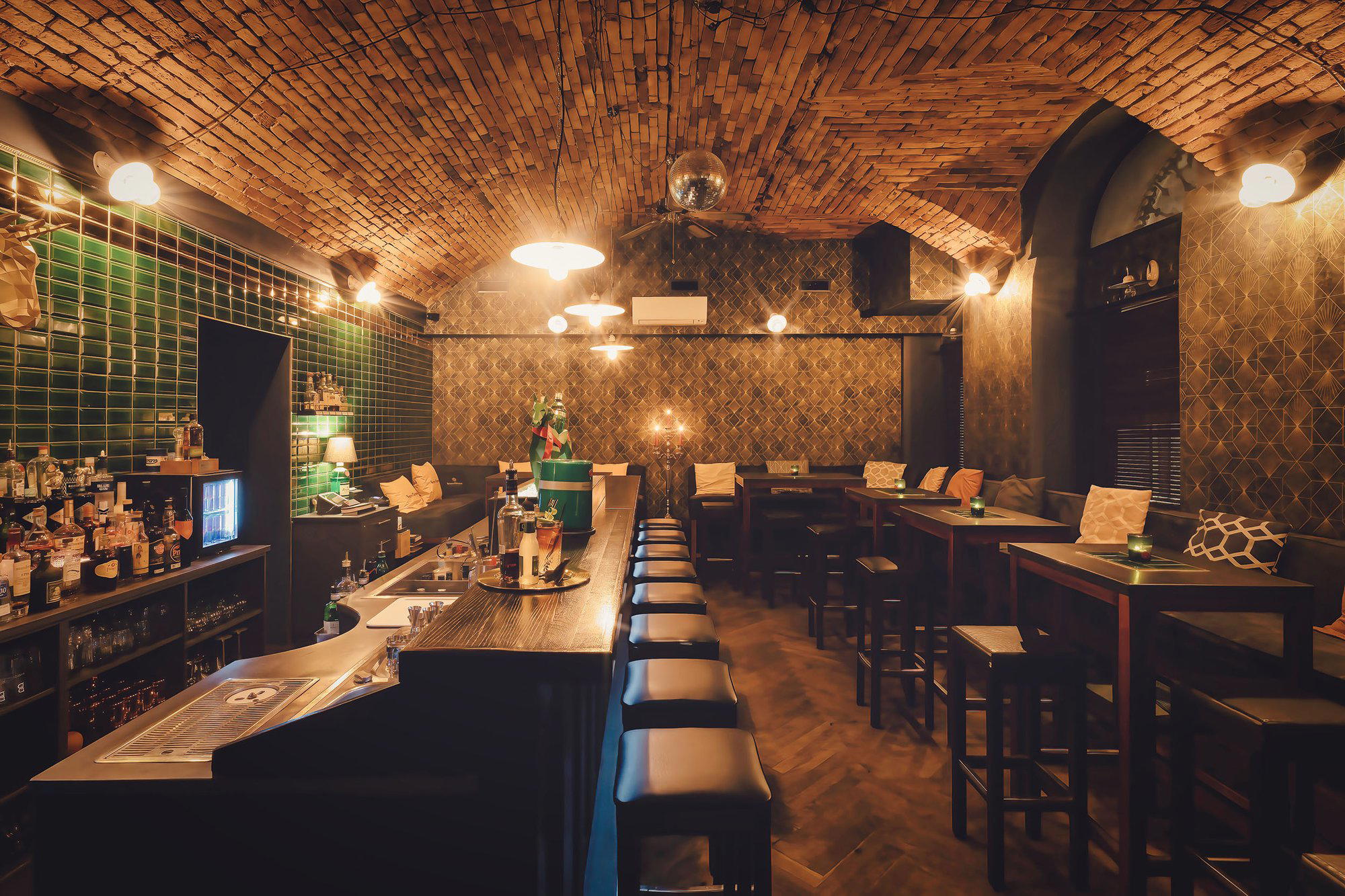
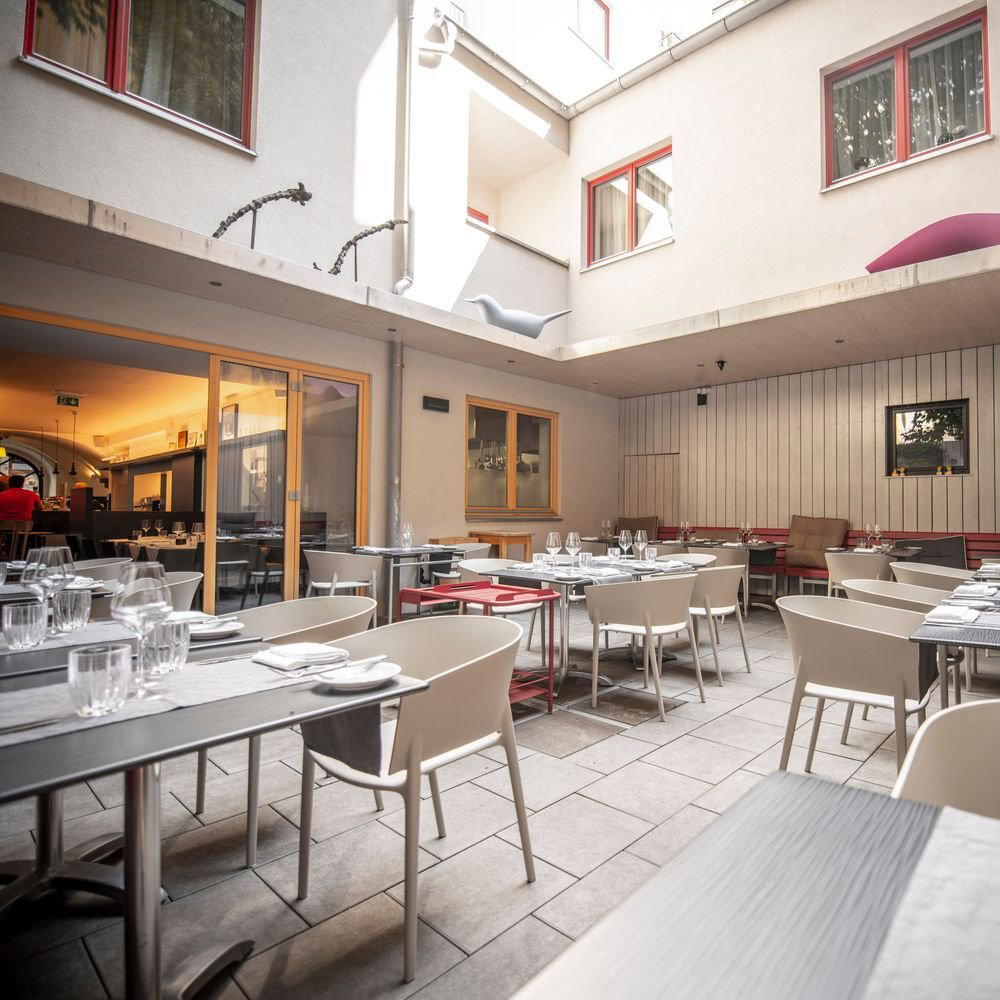
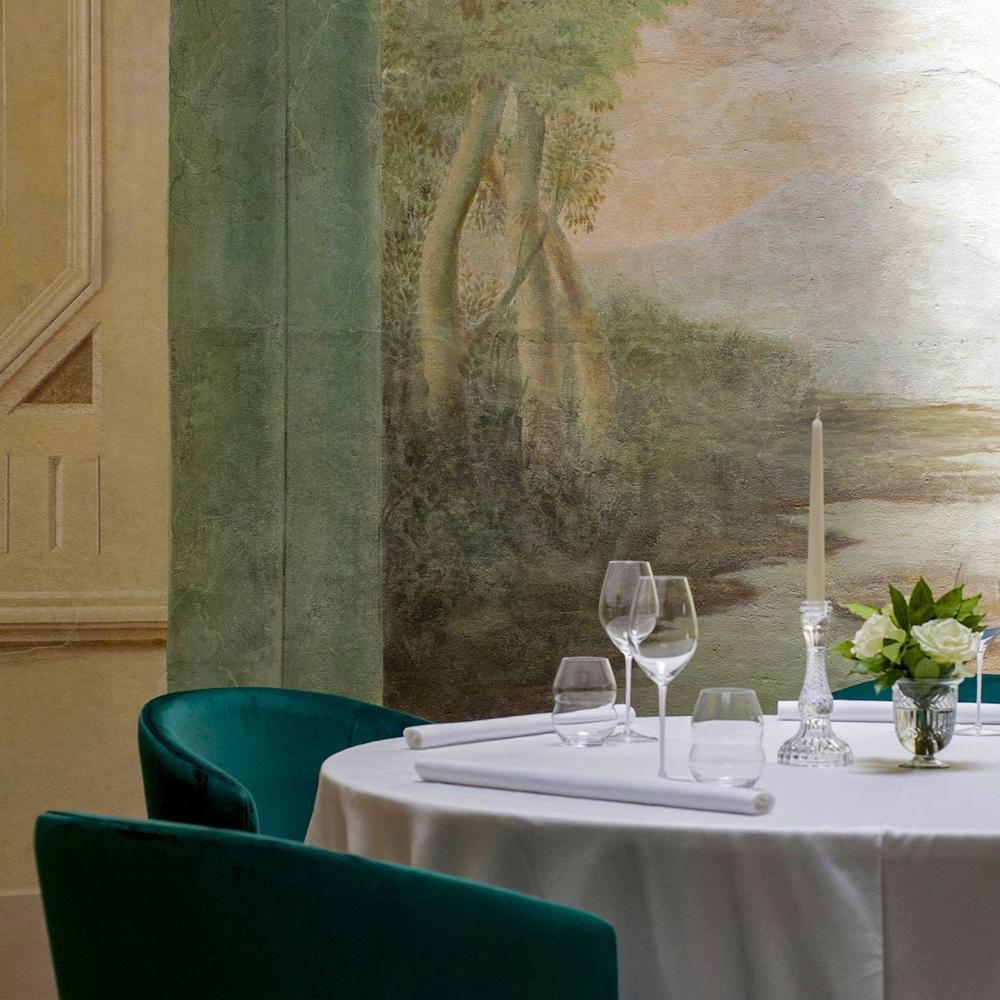
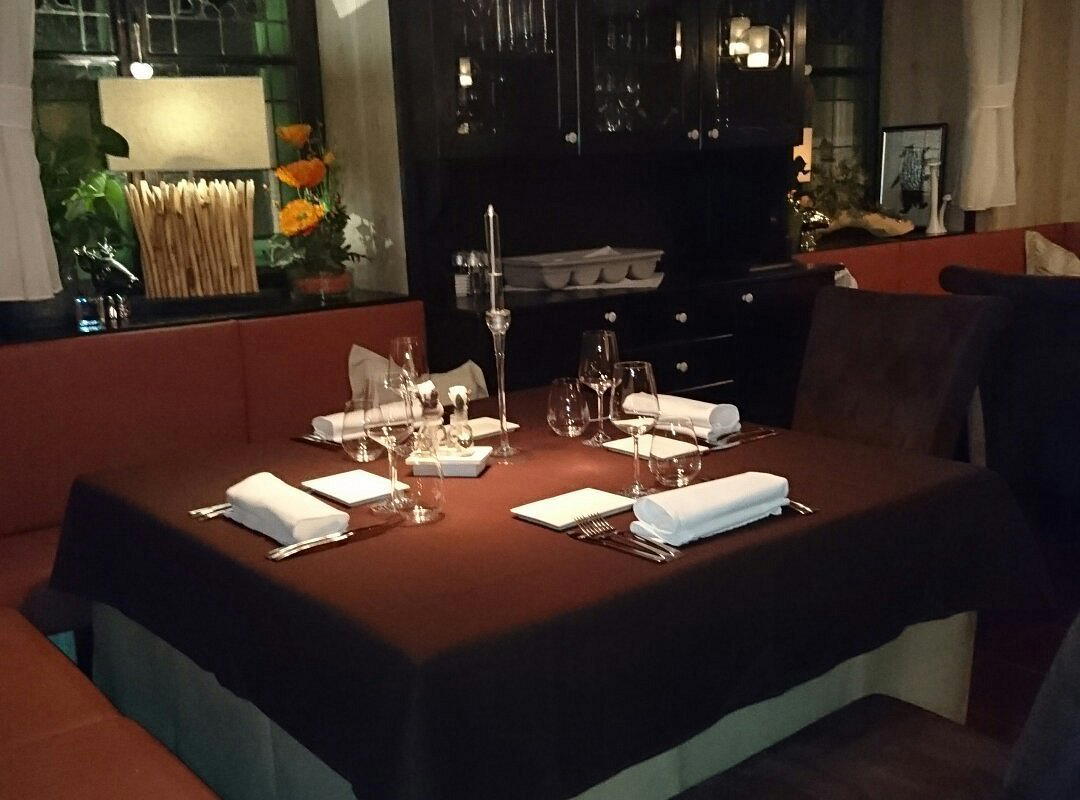
Hotels in Linz
All hotels in Linz →

Details
- Rustic
- Cozy
- Casual Hangout
- Family
- Historic Building
- Local Sourcing
- A La Carte
Current opening hours
- Monday
- Closed
- Tuesday
- 11 AM–2 PM, 5:30–10 PM
- Wednesday
- 11 AM–2 PM, 5:30–10 PM
- Thursday
- 11 AM–2 PM, 5:30–10 PM
- Friday
- 11 AM–2 PM, 5:30–10 PM
- Saturday
- 11 AM–2 PM, 5:30–10 PM
- Sunday
- Closed
Hours can change for holidays and private events. Hours as of .
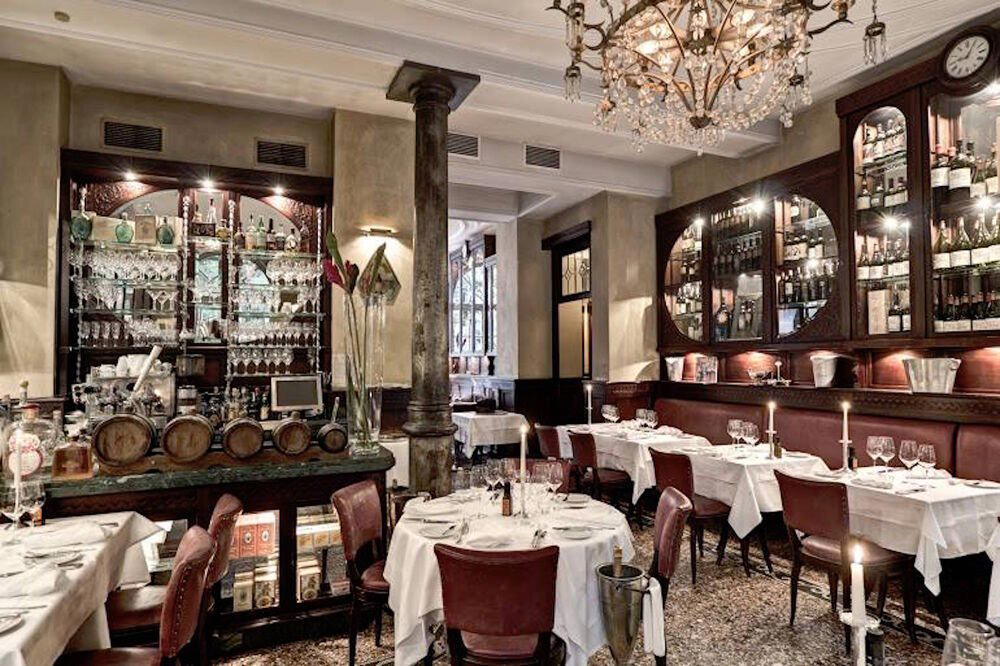
Gemütlich-rustikales Wohlfühlambiente with a charming, home-like feel in the historic Altstadt.