Sammerhof Distillery

Sammerhof Distillery sits at Kampesberg 37 in Kirchham bei Vorchdorf, a rural address in the Austrian Salzkammergut that already signals its distance from mainstream production. Recognised with a Pearl 2 Star Prestige award in 2025, the distillery operates in the tradition of Austrian Hausbrand craft, where local raw materials and small-batch discipline define the output. For serious spirits travellers, it represents the quieter, land-rooted tier of Austrian distilling.
Pearl is the En Primeur Club membership app — saves, bookings, and concierge access live there. Same editors, same standards.
- Address
- Kampesberg 37, 4656 Kirchham bei Vorchdorf
- Phone
- +43 7619 80538
- Website
- sammerhof.at
 Saves & bookings on Pearl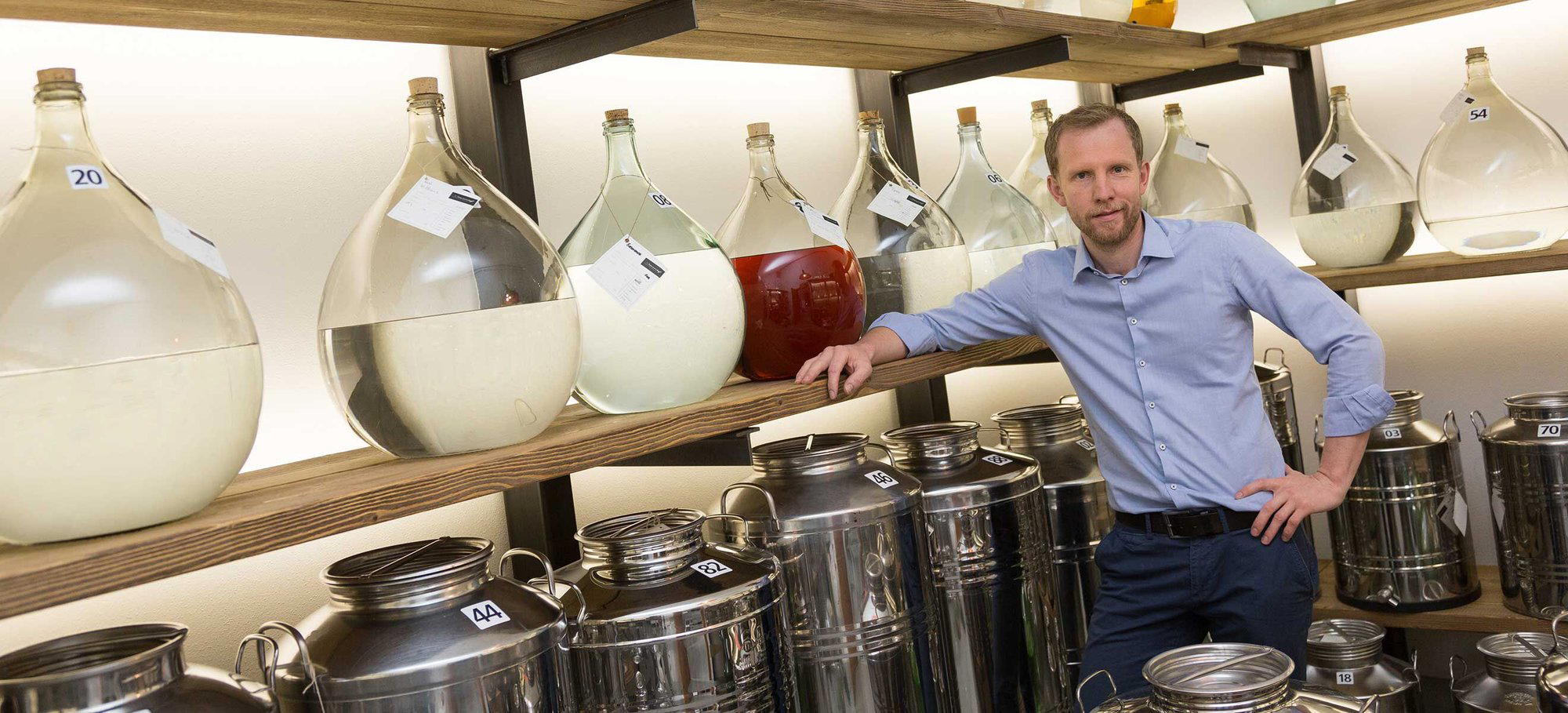
Where the Salzkammergut Speaks Through the Still
The road to Kampesberg 37 is the kind that GPS systems handle badly and paper maps handle worse. Kirchham bei Vorchdorf sits at Kampesberg 37 in Upper Austria, in the foothills south of the Traunsee where the terrain shifts from the tidy lakeside tourism of Altmünster into something older and less curated. Orchards press against hillsides. The air carries the particular damp weight of a landscape that receives serious rainfall and holds it. Before a single drop of spirit is distilled here, the land has already done most of the editorial work.
This is the context in which Sammerhof Distillery operates, and context is everything when assessing what Austrian craft distilling actually means. Unlike the country's wine regions, which have spent decades building internationally legible narratives around Grüner Veltliner in the Wachau or Blaufränkisch in Burgenland, Austrian distilling remains largely domestic in its reputation. The producers who operate well here tend to do so quietly, drawing on Hausbrand traditions that stretch back through generations of farm-based production, where the still was an extension of the orchard and the cellar rather than a separate commercial enterprise. Sammerhof sits within that tradition, though its 2025 Pearl 2 Star Prestige recognition marks it as operating at the more deliberate, quality-focused end of that spectrum.
Terroir Before Technique
Austrian craft distilling is shaped by raw material more directly than almost any comparable European tradition. In Cognac or Armagnac, grape variety and appellation rules create a common baseline. In Scotch, barley and water dominate the conversation. In Upper Austria's farm distilleries, what grows nearby, what ripens in a given season, and what the producer can source within their immediate geography sets the production parameters before technique enters the picture. Williams pears, plums, apricots, and wild mountain fruits carry different aromatic profiles depending on whether they come from valley-floor orchards or higher-altitude plantings, and a distiller working with locally sourced fruit will find that the same variety tastes markedly different between a warm summer and a cooler, wetter one.
The Salzkammergut's climate is not gentle. It is one of the wetter corners of Austria, and that moisture drives vigorous fruit growth with higher acid retention. Spirits produced from this fruit tend to carry a structural brightness that distinguishes them from the rounder, more confected profiles associated with warmer growing zones. Where a Styrian pear spirit might lean toward cream and caramel, a fruit distillate from the foothills above the Traunsee is more likely to arrive with sharper aromatic definition and a longer, drier finish. That character is not manufactured. It is an expression of where the fruit grew, which is precisely what terroir-driven distilling claims to be about.
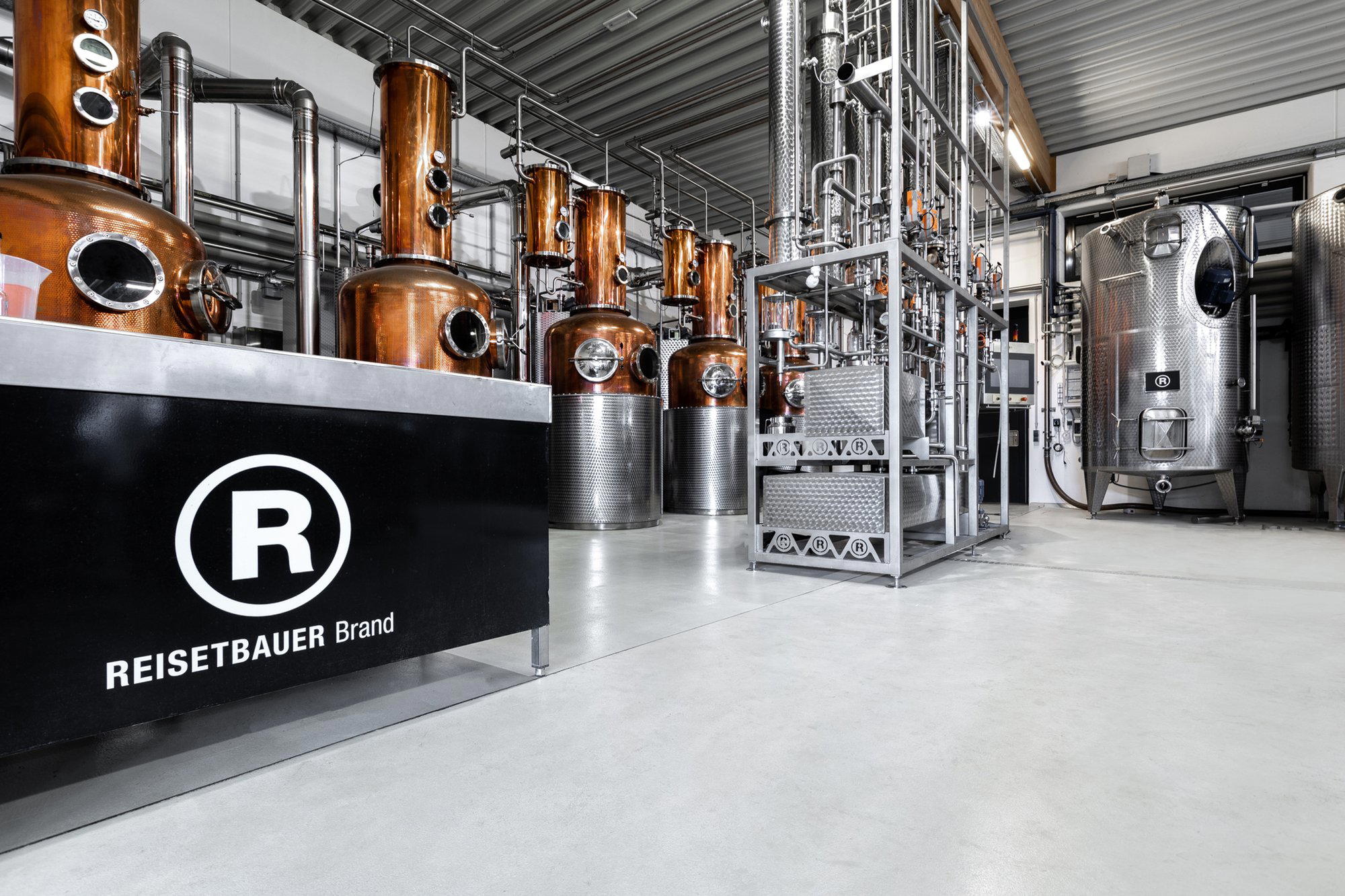
Sammerhof's Pearl 2 Star Prestige recognition in 2025 places it in a tier where that level of raw material specificity is expected rather than incidental. The Pearl system rewards consistency and complexity, not volume, which means a small distillery working with regional fruit and traditional copper pot still methods can place alongside much larger operations if the liquid itself justifies the recognition. That Sammerhof has achieved this from a rural Upper Austrian address, without apparent international distribution infrastructure, is itself a useful data point about where the quality ceiling for this category sits.
How Sammerhof Fits the Austrian Distilling Spectrum
Austria's distilling scene does not have the unified institutional voice that its wine world has developed. The Vinea Wachau has protocols, the DAC system governs appellations, and producers like Weingut Emmerich Knoll in Dürnstein or Weingut Bründlmayer in Langenlois operate within frameworks that communicate quality to international buyers with relative efficiency. Austrian distillers have no equivalent system, which means the category relies more heavily on independent recognition, word of mouth among serious spirits buyers, and the judgment of award bodies like the one that confers Pearl status.
Within Upper Austria specifically, there are a handful of distilleries working at serious quality levels alongside a much larger number producing primarily for local consumption with varying standards. The gap between the two tiers is wide. A producer like A. Batch Distillery in Bergheim operates closer to an urban craft model, while operations such as 1310 Spirit of the Country Distillery in Sierning represent different production philosophies within the same regional category. Sammerhof's rural address and Pearl 2 Star positioning suggest it belongs to the farm distillery tradition rather than the urban craft category, prioritising material fidelity over modern production aesthetics.
For comparison, Weingut Scheiblhofer in Andau extends into distilling from an established wine estate in Burgenland, demonstrating how producers across Austria are treating distilling as a natural extension of agricultural seriousness rather than a separate commercial pivot. Abfindungsbrennerei Franz in Leithaprodersdorf represents the Abfindungsbrenner model, where licensed small-scale production is tied directly to agricultural output, one of the most traditional forms of Austrian farm distilling. Sammerhof appears to operate with a similar grounding in place and raw material, though
Planning a Visit
Sammerhof Distillery is located at Kampesberg 37, 4656 Kirchham bei Vorchdorf, in Upper Austria.
The 2025 Pearl 2 Star Prestige award has raised the profile of the operation, so planning well ahead is advisable for anyone hoping to visit.
Side-by-Side Snapshot
Comparable venues nearby, for context on price, style, and recognition.
| Venue | Cuisine | Price | Notes |
|---|---|---|---|
| Sammerhof DistilleryThis venue — the venue you are viewing | blood_orange | , | |
| Condelli Distillery | Winery | , | Linz |
| Strassbauer Distillery | Winery | , | Vienna |
| Kräuterdestillerie Steiner | Winery | , | Achenkirch |
| Private Distillery Weisz | Winery | , | Gols |
| Baumann Obstbrand Distillery | Winery | , | Stanz bei Landeck |
Continue exploring
More in Altmünster
Wineries in Altmünster
Browse all →

Restaurants in Altmünster
Browse all →
At a Glance
- Wine Education
- Estate Grounds
Craft distillery atmosphere focused on fruit brandies.