Our verdict
Linz's Thai dining scene is a narrow field, and Aroy Thai at Peter-Behrens-Platz 3 occupies a recognisable address in it. For a city whose restaurant conversation typically centres on Austrian regional cooking and modern European formats, a Thai kitchen that draws a returning local crowd represents a distinct counterpoint, one worth understanding on its own terms.

Pearl is the En Primeur Club membership app, where members save venues, book tables and use the concierge.
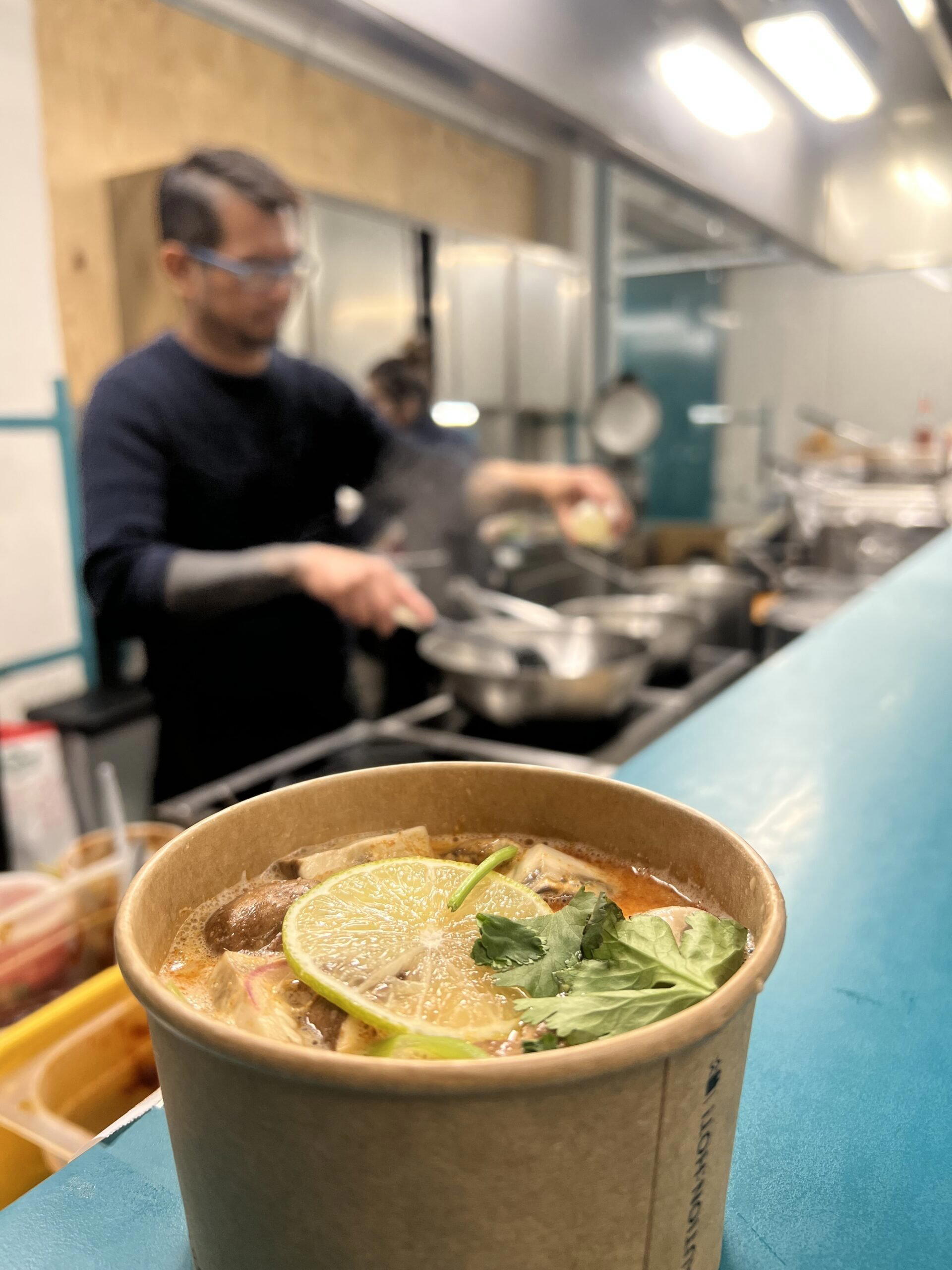
Thai Cooking in an Austrian Industrial City
Linz is not a city that leans naturally toward Southeast Asian cuisine. Its restaurant identity is shaped by the Danube, by Upper Austrian tradition, and increasingly by a wave of modern European kitchens, places like Rossbarth, operating at the €€€€ tier with modern cuisine credentials, or Verdi, holding the international mid-range. Against that backdrop, Thai cooking occupies a specific and underserved position. The cuisine depends on a supply logic that is categorically different from what Central European kitchens require: galangal rather than horseradish, fish sauce rather than wine reductions, fresh lemongrass rather than dried herbs. Getting those ingredients right, in a landlocked Austrian city, is where the sourcing question becomes the whole story.
Aroy Thai sits at Peter-Behrens-Platz 3 in Linz, an address that carries some cultural weight, given the plaza's association with the city's modernist industrial heritage. The surrounding area is not a traditional dining district, which means the kitchen earns its footfall on the strength of the food rather than the neighbourhood draw. That positioning, away from the obvious tourist or gallery circuits, tends to attract a more committed, repeat-visit crowd.
The Sourcing Logic Behind Thai Cuisine in Central Europe
Authentic Thai cooking rests on a narrow set of aromatics and condiments that do not travel well as substitutes. Kaffir lime leaves, Thai basil, fresh bird's eye chillies, shrimp paste of the right grade, these are not interchangeable with European alternatives. The better Thai kitchens operating outside Thailand have two options: source directly from specialist importers with reliable cold-chain logistics, or grow what they can locally and import the rest. Either path requires deliberate infrastructure that a kitchen either builds or does not.
In Austria, the specialist import network for Southeast Asian ingredients has improved substantially over the past decade, with Vienna-based distributors supplying restaurants across the country. For a Linz kitchen, that typically means weekly or twice-weekly resupply from regional wholesalers connected to Asian ingredient importers. The discipline of that supply chain is what separates Thai cooking that tastes correct, where the balance of sour, salty, sweet, and heat is architecturally sound, from versions that flatten the cuisine into something generically Asian. Across Austria, the standard of Thai sourcing has been uneven: the recognised fine-dining kitchens in the country, from Steirereck im Stadtpark in Vienna to Döllerer in Golling an der Salzach, have demonstrated what serious ingredient sourcing looks like in an Alpine context, even if those are not Thai kitchens. The benchmark they set for ingredient integrity applies across categories.
The Setting: Peter-Behrens-Platz
The plaza at Peter-Behrens-Platz carries the low-slung functionalism of early twentieth-century industrial design, and the surrounding streets reflect Linz's identity as a city that built itself on steel and manufacturing before pivoting toward culture and education. Dining in this part of the city feels less curated than in the Altstadt or along the riverfront, which has its own atmosphere: fewer weekend visitors, more neighbourhood regulars, a lower ambient noise floor. For Thai cooking specifically, that kind of local-regular dynamic tends to produce better kitchens over time, menus shaped by repeat guests who notice when something changes, rather than tourists who have no reference point.
Linz's dining scene as a whole has grown in ambition over the past five years. Alongside the polish of Bruckner's im Brucknerhaus and the casual confidence of Be right back and Burgerista, the city now supports a range of formats and price points that would have seemed unlikely a decade ago. Thai cuisine sits within that expansion, serving a segment of the dining population that wants something categorically different from Central European cooking on a given evening.
Where Aroy Thai Sits in the Linz Dining Picture
Thai restaurants in smaller Austrian cities generally operate in the €€ to €€€ range, positioned below the top-tier modern European kitchens, venues comparable in ambition to Schwarzer Adler in Hall in Tirol or Landhaus Bacher in Mautern an der Donau, but occupying their own lane where direct cuisine comparison does not apply. The competitive question for a Thai kitchen in Linz is not how it measures against Ois in Neufelden or Gourmetrestaurant Tannenhof in Sankt Anton am Arlberg; it is whether the cooking is honest to the cuisine's source traditions, and whether the kitchen has the supply discipline to make that possible.
That is a different standard than the one applied to, say, Restaurant 141 by Joachim Jaud in Mieming or Kräuterreich by Vitus Winkler in Sankt Veit im Pongau, both of which operate within a fine-dining framework where tasting menus and regional produce are the primary vocabulary. Thai cuisine in Austria asks a different question of its practitioners: can you reproduce the flavour logic of a cuisine built around tropical produce, using supply chains that were not designed for it? The leading Thai kitchens in European cities, a category that includes well-regarded rooms in London, Amsterdam, and Paris, have answered that question by building direct supplier relationships and accepting higher ingredient costs.
For a broader sense of where Aroy Thai fits within Linz's full dining offer, the EP Club Linz restaurants guide maps the city's range across cuisine types and price points. The international comparison tier, kitchens like Le Bernardin in New York City or Lazy Bear in San Francisco, operates at a scale and recognition level that sits well above what any neighbourhood Thai kitchen would claim. What connects them, at the level of principle, is the primacy of ingredient sourcing: at Le Bernardin, that means fish provenance and handling; at a Thai kitchen in Linz, it means aromatics and condiments that carry the cuisine's essential character. The discipline is different in scale; the logic is the same.
Aroy Thai is located at Peter-Behrens-Platz 3, 4020 Linz.
Frequently asked questions
Is Aroy Thai good for families?
Thai cuisine's structure, dishes sized for sharing and a range spanning mild to spiced, generally suits mixed-age groups. Aroy Thai's location at Peter-Behrens-Platz 3 puts it away from Linz's busier central corridors, which tends to mean a quieter room than downtown alternatives.
What is the atmosphere like at Aroy Thai?
Peter-Behrens-Platz carries the low-slung character of early twentieth-century industrial planning, and the address places Aroy Thai outside Linz's primary dining corridors. That positioning typically produces a neighbourhood-oriented room rather than a destination-dining atmosphere. Expect a local clientele rather than a tourist crowd.
Why does a Thai restaurant operate in Linz rather than a larger Austrian city?
Linz has grown as a cultural and residential city alongside its industrial identity, and demand for international cuisine has followed that shift. A Thai kitchen at Peter-Behrens-Platz 3 serves a local population that has fewer Southeast Asian options than Vienna or Graz, which means Aroy Thai occupies a less crowded segment of the Linz dining market. That scarcity can work in a kitchen's favour when the sourcing is handled carefully, since the aromatics that define Thai cooking, kaffir lime leaf, Thai basil, lemongrass, do not survive substitution.
What dish is Aroy Thai famous for?
Thai cuisine's reference points, pad thai, green and red curries, larb, and tom kha, appear across kitchens at this tier, but which preparations define Aroy Thai specifically requires a visit or direct contact with the restaurant.
Where do I go for Aroy Thai?
Aroy Thai is located at Peter-Behrens-Platz 3, 4020 Linz, Austria, Linz.
Do they take walk-ins at Aroy Thai?
Thai restaurants operating at the neighbourhood mid-range level in Austrian cities like Linz typically accept walk-ins outside peak Friday and Saturday evening service. Calling ahead or checking directly at Peter-Behrens-Platz 3 remains the most reliable approach.
What do critics highlight about Aroy Thai?
In Linz, where the Asian restaurant field is narrower than in Vienna or Graz, a Thai kitchen occupies a more prominent position in its category simply by operating consistently. Formal recognition, if it exists, is not yet part of the public record.
Comparable Spots, Quickly
| Venue | Cuisine | Price | Awards | Notes |
|---|---|---|---|---|
| Aroy ThaiThis venue (the venue you are viewing) | Authentic Thai Street Food | $10–20 | Not listed | Not listed |
| Rossbarth | Modern Austrian Fine Dining | Not listed | 1 Michelin Star · Falstaff Restaurant - 95 Falstaff Points | Modern Cuisine |
| Verdi | Modern Austrian Fine Dining | $100–150 | Michelin Plate · Falstaff Restaurant - 93 Falstaff Points | International |
| Göttfried | Regional Austrian with Mediterranean Twist | Not listed | Michelin Plate | Not listed |
| muto | Modern Regional Austrian | $50–100 | Michelin Plate | Not listed |
| Kliemstein Vino Vitis | Modern Austrian Fine Dining with Wine Focus | $100–150 | 1 Michelin Star | Not listed |
Continue exploring
More in Linz
Restaurants in Linz
All restaurants in Linz →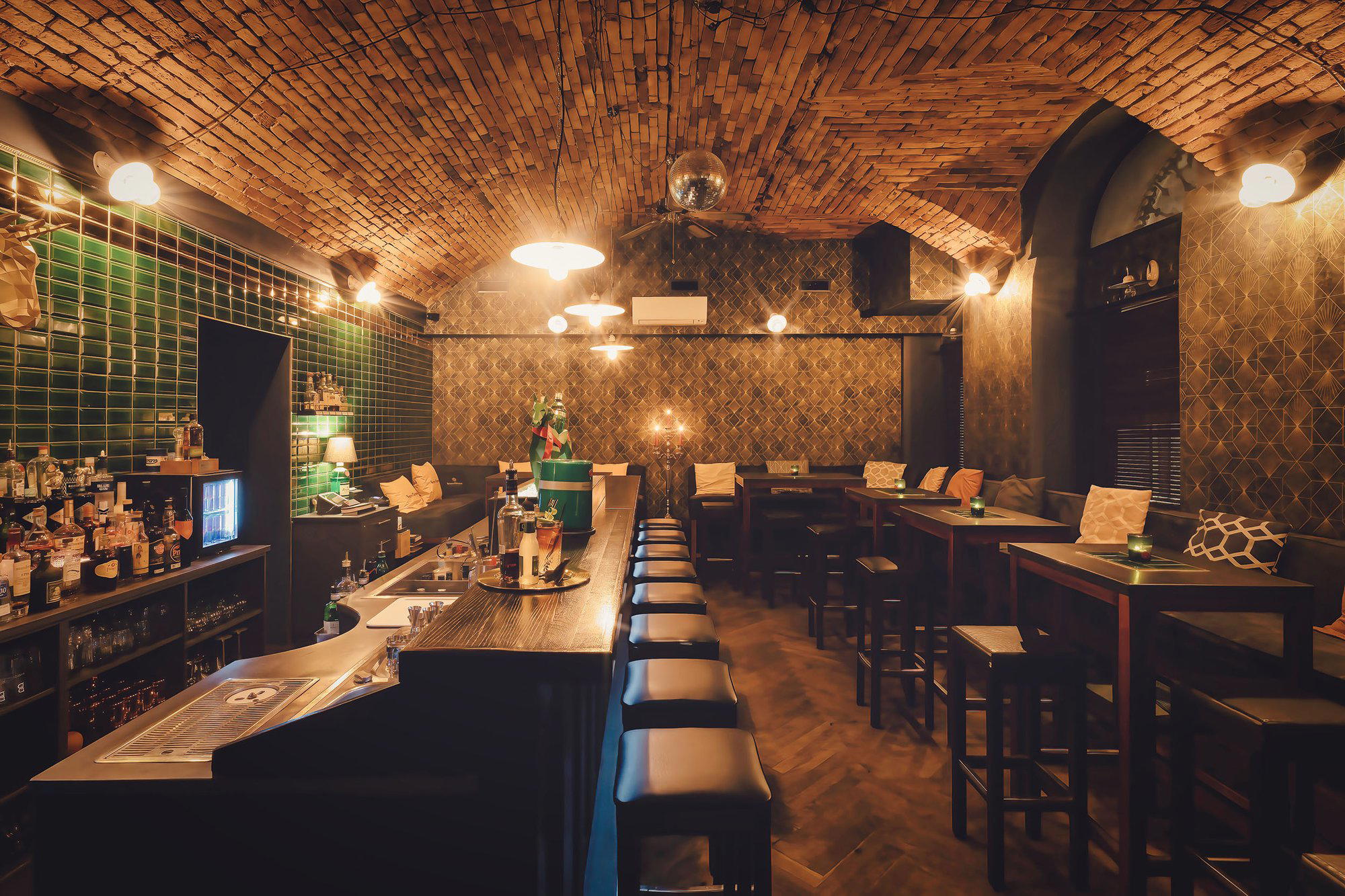
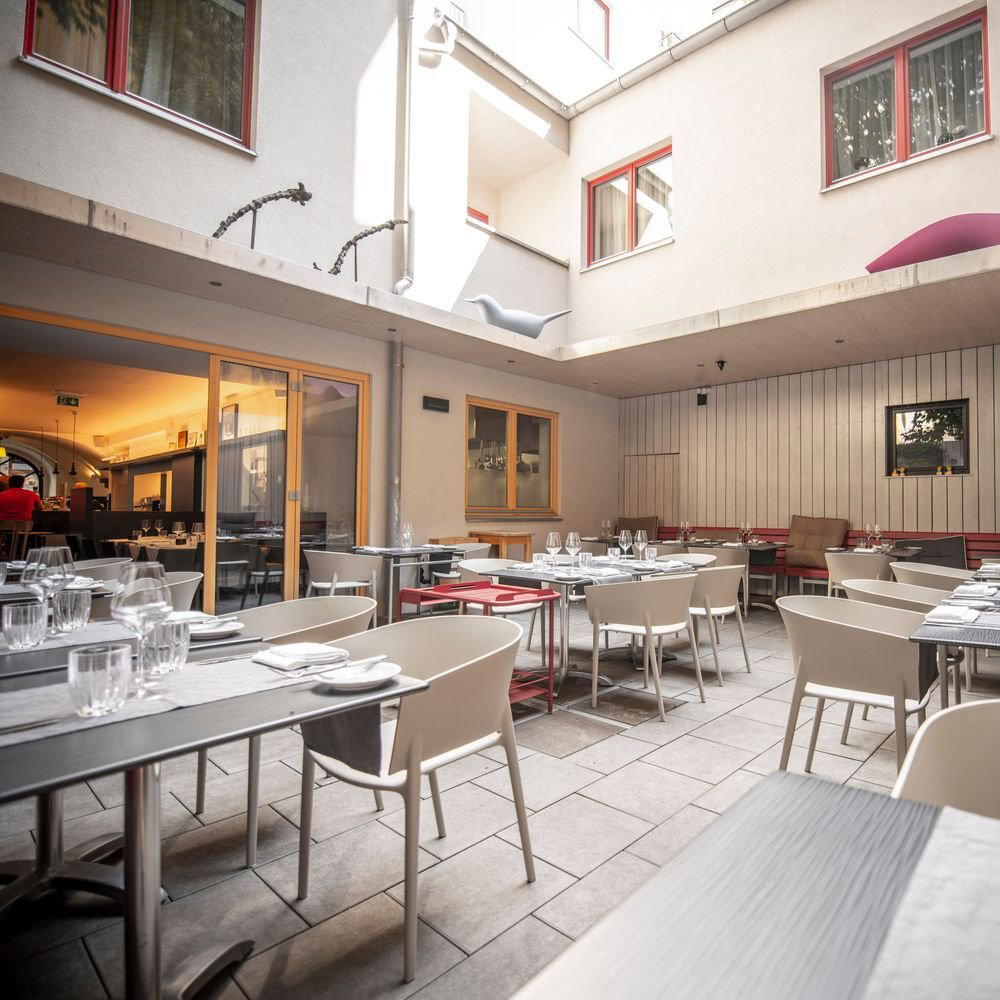
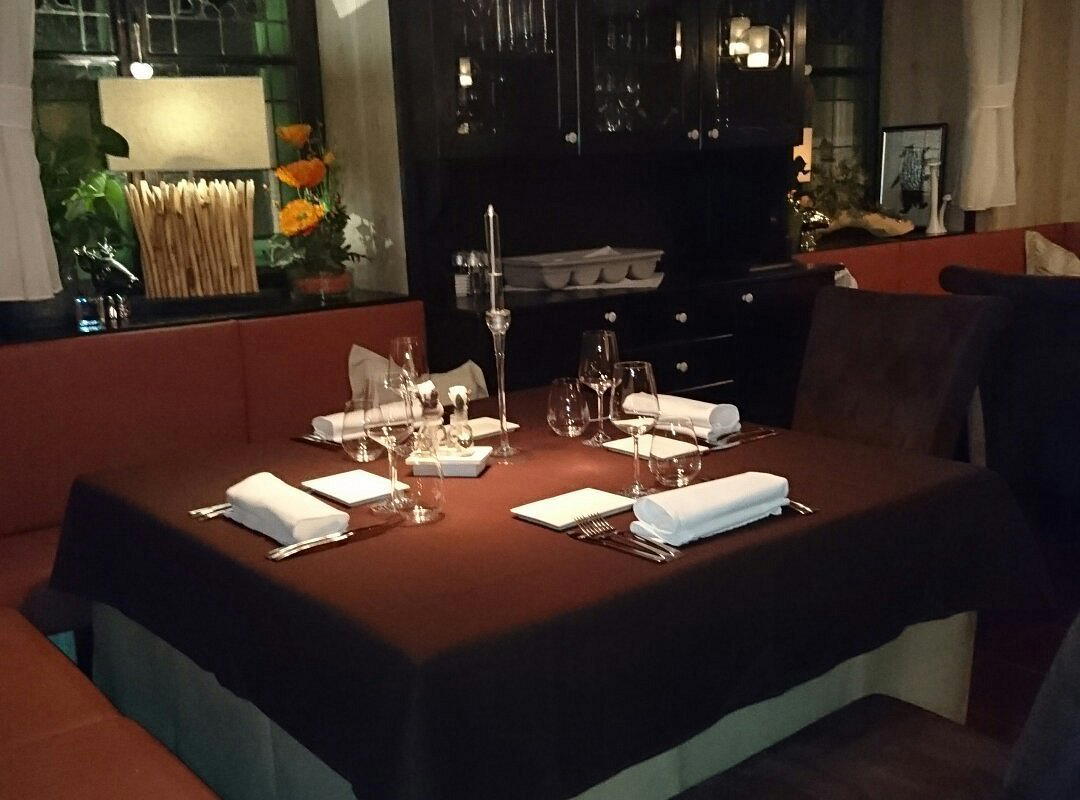
Hotels in Linz
All hotels in Linz →

Details
- Casual
- Casual Hangout
- A La Carte
- Vegan Options
Current opening hours
- Monday
- 11 AM–6 PM
- Tuesday
- 11 AM–6 PM
- Wednesday
- 11 AM–6 PM
- Thursday
- 11 AM–6 PM
- Friday
- 11 AM–6 PM
- Saturday
- Closed
- Sunday
- Closed
Hours can change for holidays and private events. Hours as of .
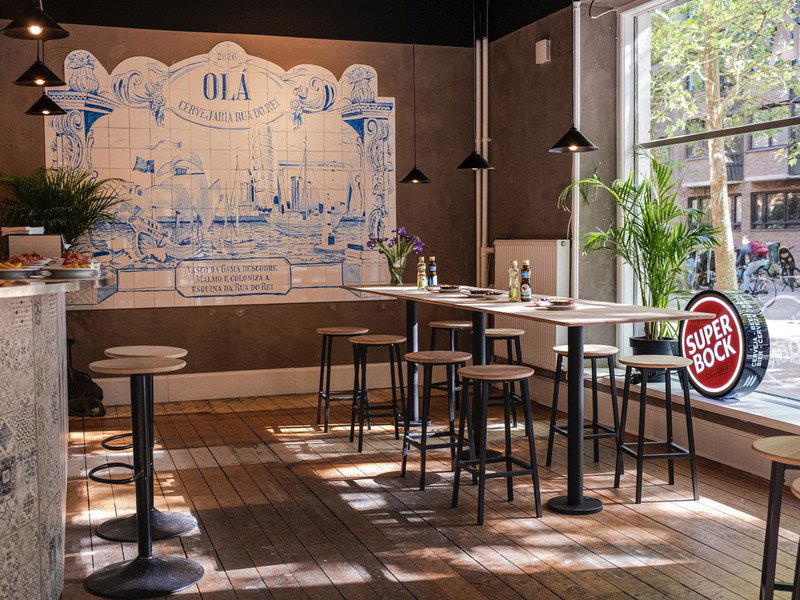
Basic decor with a casual, unpretentious atmosphere focused on fresh food.