On Linz's main commercial artery, Landstraße, Burgerista represents the sharper end of Austria's fast-casual burger scene: a format built around structured customisation and consistent execution rather than novelty. In a city where fine dining anchors like Rossbarth operate at the opposite price extreme, Burgerista holds its own lane with a menu architecture designed for decisiveness and repeat visits.
Pearl is the En Primeur Club membership app — saves, bookings, and concierge access live there. Same editors, same standards.
- Address
- Landstraße 59-61, 4020 Linz, Austria
- Phone
- +434350666610
- Website
- burgerista.com
- Directions
- Get directions
 Saves & bookings on Pearl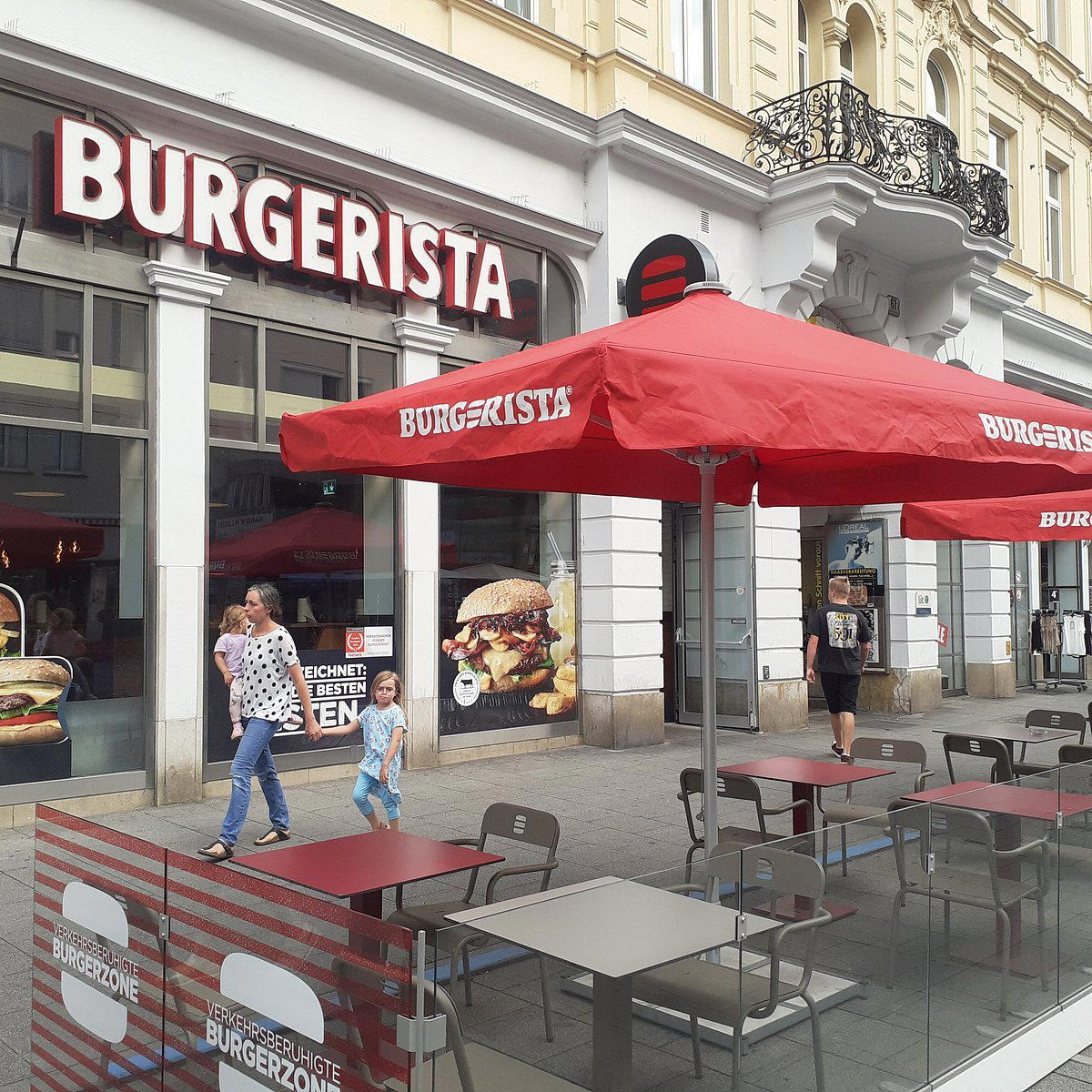
Where Landstraße Meets Fast-Casual Discipline
Austria's provincial cities have been slower than Vienna to absorb the better-burger wave that reshaped urban fast-casual dining across Europe through the 2010s. Linz, though, has caught up with more nuance than most. On Landstraße 59-61, the city's primary pedestrian shopping corridor, Burgerista occupies a position that says something deliberate about market positioning: it sits on the street where footfall is highest, but the format it operates is not the kind that coasts on location alone. The better-burger category rewards menu clarity and execution consistency above atmosphere or novelty, and Burgerista's presence on this stretch of Linz reflects that logic.
Landstraße itself runs through the commercial heart of the city, making it one of the more legible addresses in Linz for visitors who haven't yet built a mental map of the place. That accessibility matters in a category where the decision to enter is often made in motion, on foot, mid-afternoon. The physical environment here is urban and commercial rather than destination-dining, which aligns with how the fast-casual segment operates: you arrive with appetite and a decision to make, not a reservation and a plan to linger.
Menu Architecture as the Central Argument
The better-burger format, as it matured across European markets, divided into two broad schools. One school built identity through a flagship item: one or two signature combinations, executed at high consistency, around which the entire menu orbits. The other school placed the architecture of choice at the centre, offering a modular system where the customer assembles the outcome. The latter rewards return visits because the experience changes depending on the choices made; the former rewards brand loyalty because the single item becomes the benchmark.
Burgerista's format belongs to the structured-choice school. The menu is organised to guide rather than overwhelm, which is a harder discipline to execute than it appears. In fast-casual contexts, menus that balloon beyond a manageable decision set produce friction and slower throughput. The tighter the architecture, the faster and more confident the customer experience, and confidence at the point of order is a direct driver of satisfaction. This is the kind of operational logic that separates the category's more durable operators from those that inflate menus to signal range and then quietly contract them.
For visitors placing Burgerista within Linz's broader dining context, the reference points are instructive. Rossbarth, at the fine-dining end of the city's restaurant spectrum, represents the kind of tasting-menu commitment that requires planning, time, and a different budget entirely. Verdi and Bruckner's im Brucknerhaus occupy the mid-range international and event-dining tiers. Be Right Back and Aroy Thai work the casual and ethnic-casual segments. Burgerista sits in a distinct fast-casual slot that none of these venues compete for directly, which is a commercially sound position in a city that has not historically over-indexed on casual dining variety.
The Austrian Fast-Casual Context
Austria's fast-casual segment is worth contextualising separately from the broader German-speaking European market. Vienna anchors the country's restaurant culture at every price point, and the gap between what Vienna absorbs and what reaches Graz, Salzburg, or Linz has historically been significant. The better-burger format reached Vienna's Mariahilfer Strasse and inner districts several years before it established reliable footholds in Upper Austria's capital. Linz, as Austria's third-largest city and an industrial hub that has spent the better part of two decades repositioning around culture and knowledge industries, has become a more receptive market for format-led casual dining than it was a decade ago.
That repositioning matters for understanding who is eating at venues like Burgerista. The city's Ars Electronica and its university sector pull a younger, more internationally mobile demographic than Linz's industrial past would have suggested. That audience is familiar with better-burger formats from time spent in Berlin, Amsterdam, or London, and it evaluates them by standards shaped in those markets. Meeting that standard in a smaller Austrian city is not automatic; it requires sourcing discipline and consistency that some regional operators underestimate.
Austria's fine-dining circuit, anchored by names like Steirereck im Stadtpark in Vienna and regional destination restaurants such as Döllerer, Landhaus Bacher, and Obauer, operates at a remove from Burgerista's tier. But the cultural expectation of quality that Austrian diners carry even into casual formats is not entirely separate. Ois in Neufelden and Schwarzer Adler in Tirol demonstrate how regional Austrian operators maintain quality signals across different formats. The implication for fast-casual is that ingredient provenance, even when not foregrounded in marketing, affects how Austrian customers read value.
Planning a Visit
Landstraße is Linz's most direct arrival point from the main train station, a walk of under ten minutes along a direct pedestrian axis. The address at 59-61 places it in the denser retail section of the street rather than the quieter edges, which means peak lunch hours will be busier than a mid-morning or mid-afternoon visit. As with most fast-casual operators in the better-burger category, walk-in is the standard mode of entry: no reservation infrastructure, no dress expectation, no dress code, and a format built for throughput rather than extended stays. For visitors building a Linz itinerary, Burgerista works as a quick meal between other commitments.
For a broader map of where Linz's dining scene is moving, the city's range spans casual to fine dining, including venues working across the creative, regional, and international registers that define Upper Austria's current restaurant moment. Those planning a wider Austrian trip will also find reference points in Restaurant 141 by Joachim Jaud, Gourmetrestaurant Tannenhof, Stüva in Ischgl, and Kräuterreich by Vitus Winkler for the kind of destination-dining contrast that clarifies why the casual tier matters as a distinct category.
Reputation First
Comparable venues nearby, for context on price, style, and recognition.
| Venue | Cuisine | Price | Notes |
|---|---|---|---|
| BurgeristaThis venue — the venue you are viewing | Fresh Burger Grill | $$ | Not listed |
| Burgerliebe | Halal Smash Burgers | $$ | Landstraße |
| Linza Döner | Turkish Döner Kebab | $ | Urfahr |
| Hostaria Bigoli Al Mercato | Veneto Osteria | $$ | city center |
| my Indigo Lentia | Global Fusion Bowls & Hot Pots | $$ | LentiaCity |
| Mondigo | Italian-Mediterranean Pizza | $$ | 4020 Linz |



At a Glance
- Modern
- Casual
- Lively
- Casual Hangout
- After Work
- Group Dining
- Open Kitchen
- Zero Proof
- Local Sourcing
- Farm To Table
Current opening hours
- Monday
- 10:30 AM–9 PM
- Tuesday
- 10:30 AM–9 PM
- Wednesday
- 10:30 AM–9 PM
- Thursday
- 10:30 AM–9 PM
- Friday
- 10:30 AM–10 PM
- Saturday
- 10:30 AM–10 PM
- Sunday
- 12–9 PM
Hours can change for holidays and private events. Last verified .
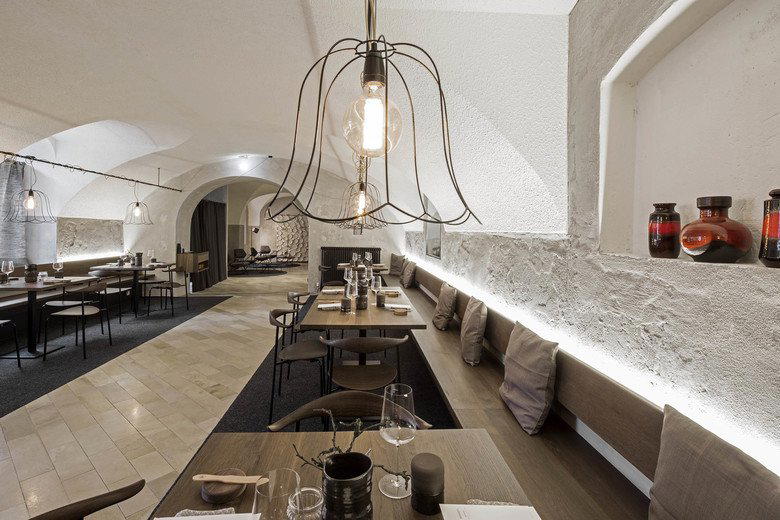
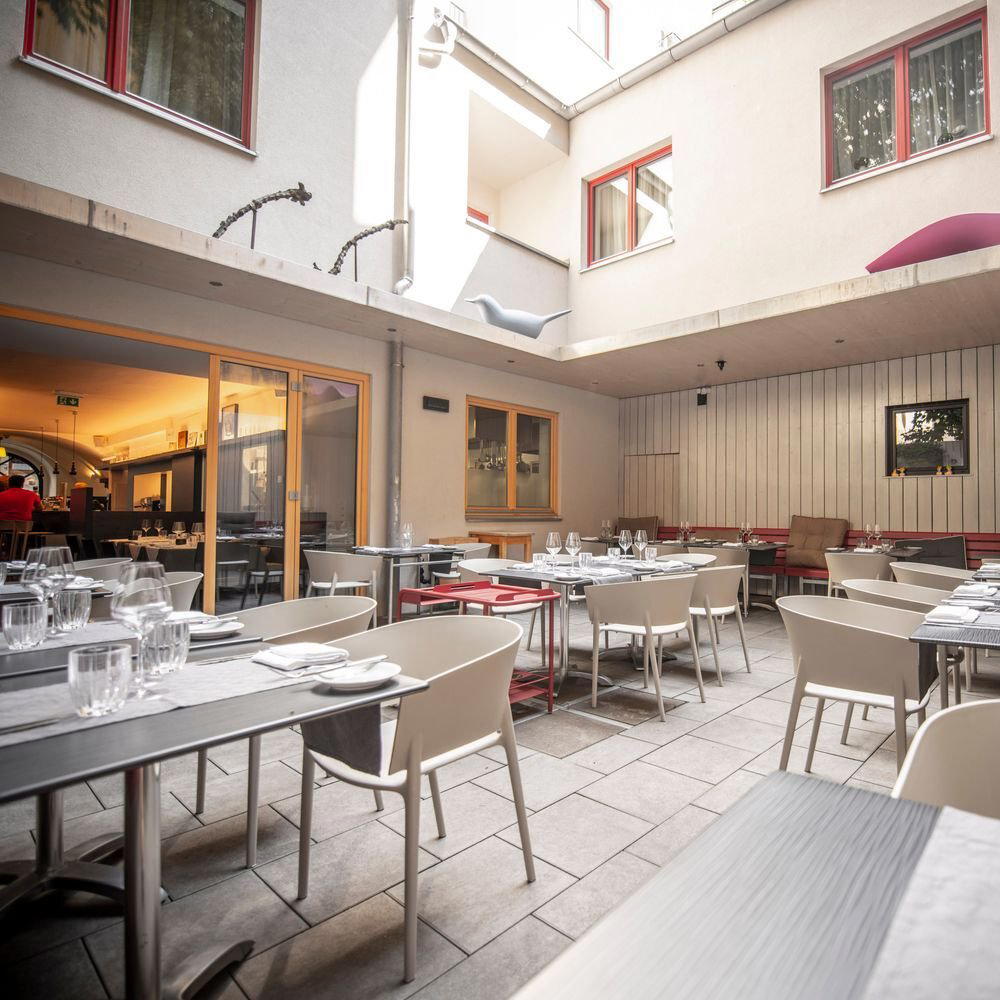
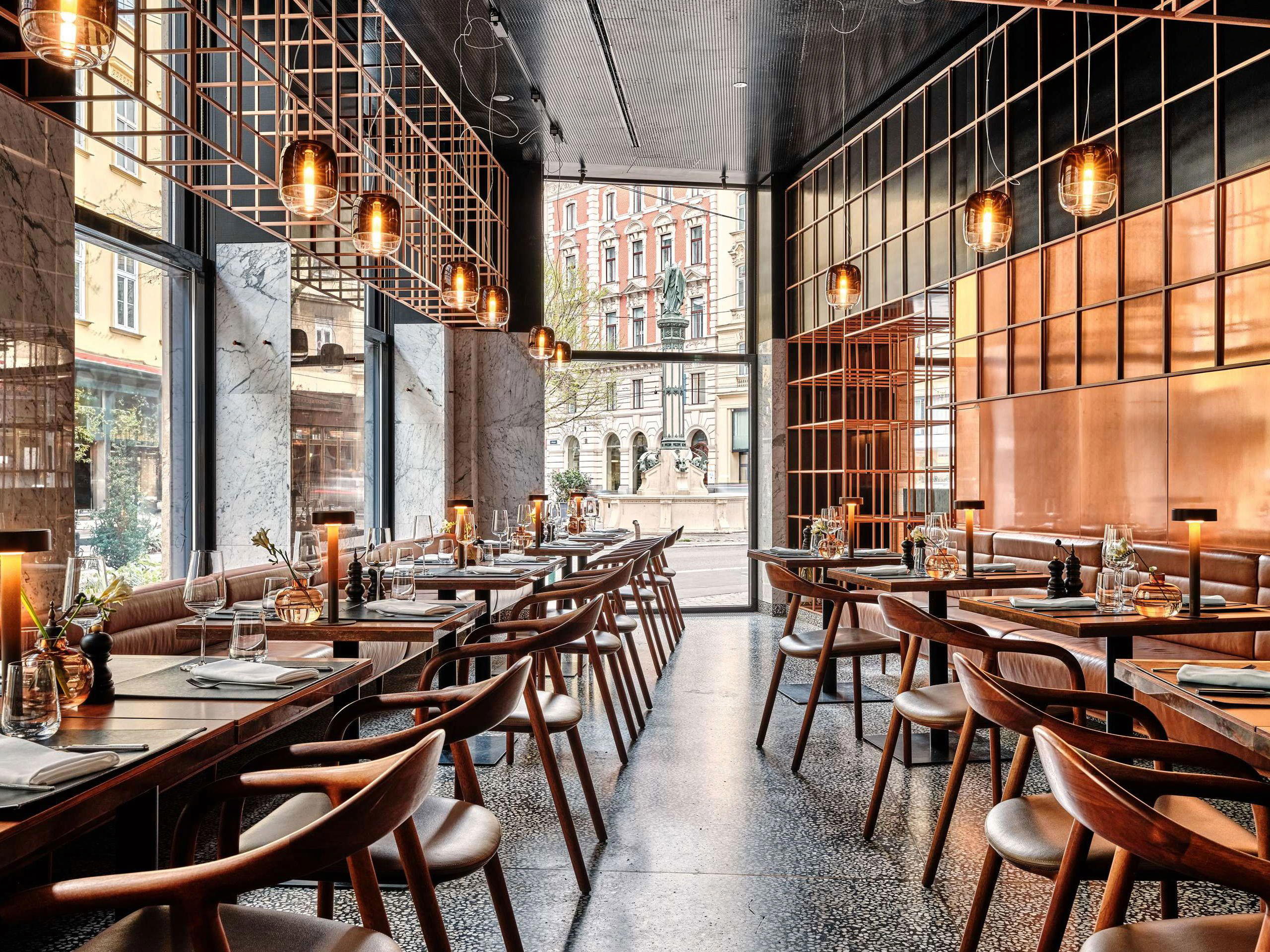
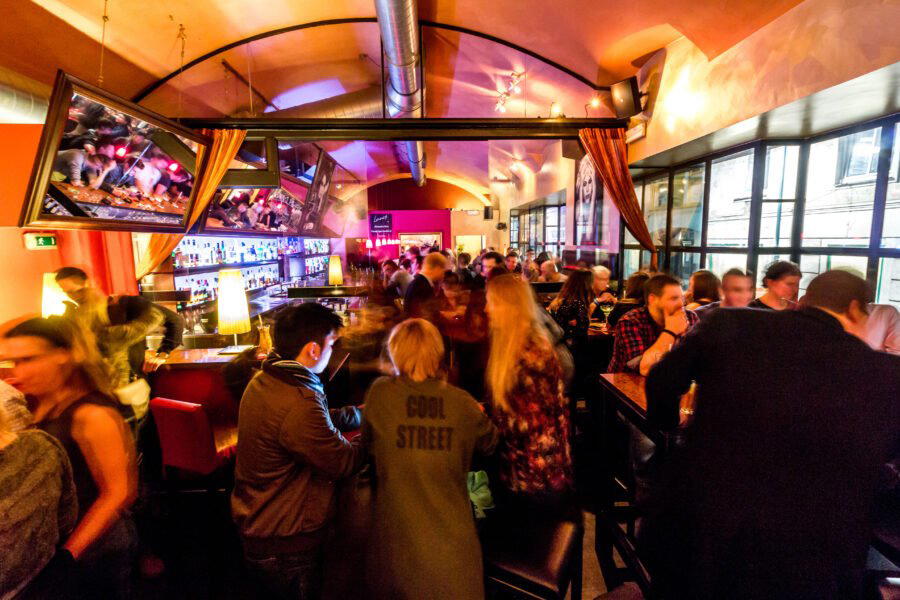
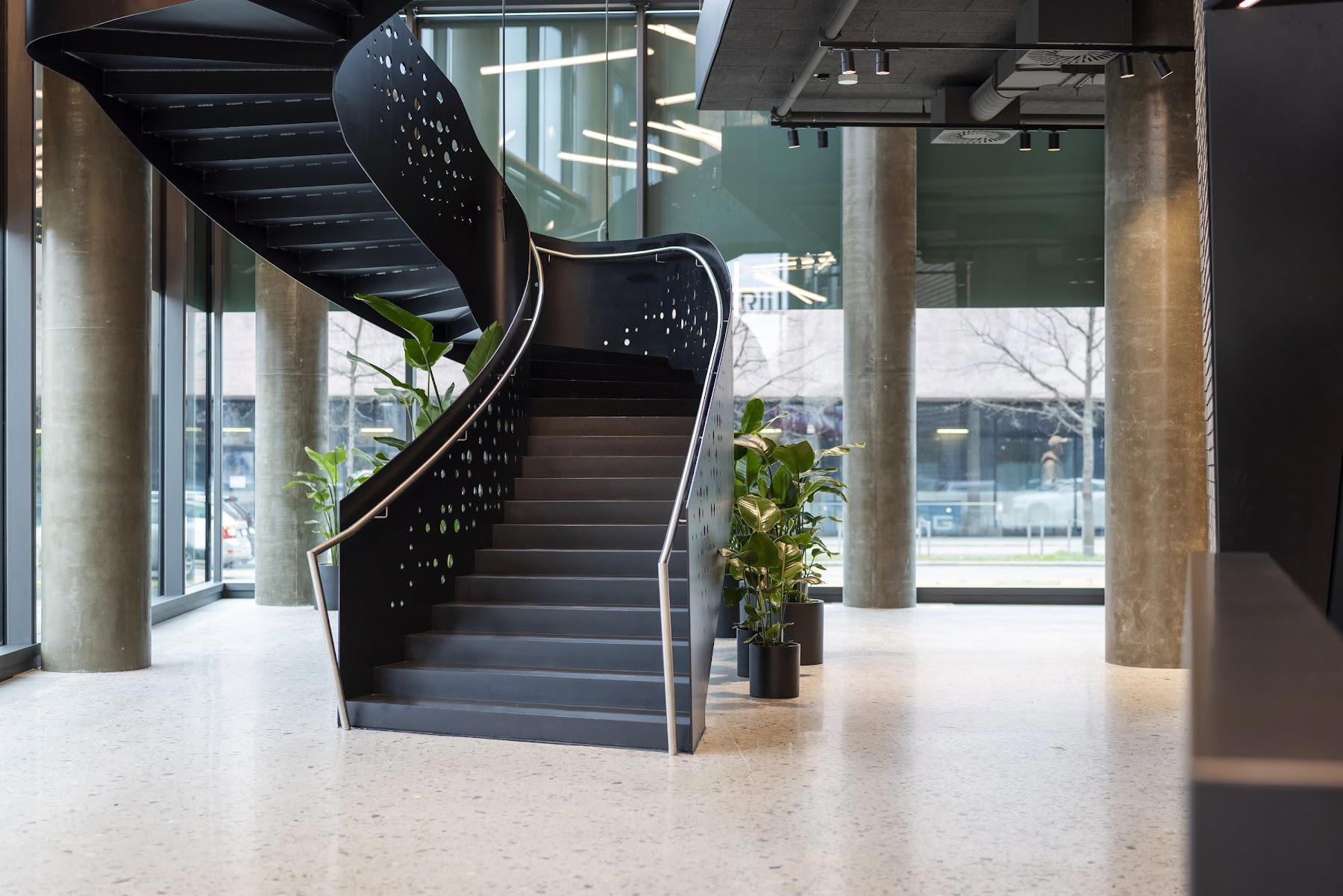
Bright, casual fast-casual environment with an open kitchen concept allowing diners to watch burger preparation; clean, comfortable seating with a modern, unpretentious atmosphere.