
Michelin Plate
Our verdict
A Michelin Plate holder in two consecutive years, Rosso di Acqua e Sole brings Italian cooking to a residential stretch of Linz at a €€€ price point that sits between the city's casual trattorias and its handful of formally awarded rooms. It holds a consistent position in Linz's mid-to-upper Italian dining tier.

Pearl is the En Primeur Club membership app, where members save venues, book tables and use the concierge.
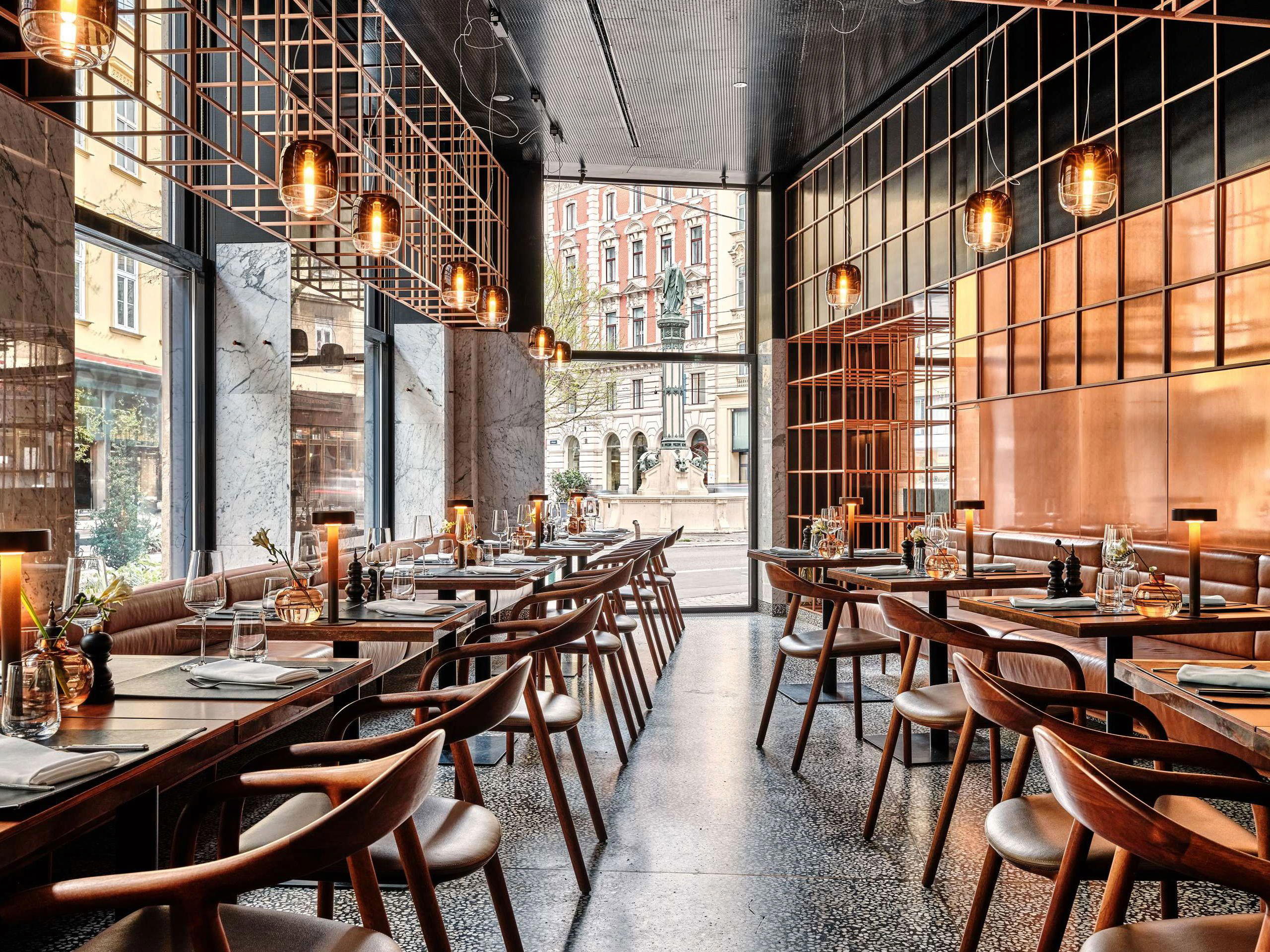
Italian in Linz: Where the City's Appetite for the Peninsula Lands
Austria's relationship with Italian cooking is older and more layered than most northern European countries can claim. The Habsburg trade routes that once ran south through the Alps seeded a genuine appetite for Italian ingredients and technique that persists today, particularly in cities like Linz where the dining scene has matured without the self-consciousness of Vienna's restaurant culture. Linz eaters tend to reward consistency over novelty, and the Italian restaurants that endure here do so by committing to a register and holding it across seasons.
Rosso di Acqua e Sole sits on Weingartshofstraße, a quieter residential address in the 4020 postal district rather than the tourist-worn inner city. In a dining culture that frequently conflates location with quality, that address is itself a signal: the restaurant draws on local loyalty rather than foot traffic, which tends to produce a more considered room and a more attentive service cadence.
The Aperitivo Hour and What It Reveals About the Kitchen
Italian dining in central Europe has an uneven relationship with aperitivo culture. The restaurants that take it seriously tend to treat it as a preview of the kitchen's priorities: the quality of cured meats, the freshness of preserved vegetables, the precision applied even to things that aren't the main event.
Arriving early at a restaurant in this register, before the dining room fills, gives you the clearest read on what the kitchen values. At the €€€ price tier, those opening gestures should demonstrate ingredient sourcing rather than just portion generosity. Italian cooking at this level is fundamentally about the quality of raw material: the sweetness of a San Marzano reduction, the texture of properly aged Parmigiano, the balance of acid in a house-made condiment. Small plates and pre-dinner drinks are where those commitments either show or don't.
For visitors arriving from the direction of Vienna's more formally structured Italian rooms, or comparing against Austrian peers like Steirereck im Stadtpark in Vienna or Ikarus in Salzburg, Rosso di Acqua e Sole operates in a different register, warmer, less ceremonial, with the kind of familiarity that Italian dining rooms at their most functional tend to generate over years of repeat trade.
Recognition and Peer Context in Linz's €€€ Tier
The Michelin Plate, awarded in both 2024 and 2025, marks the kitchen as one producing cooking worth a dedicated journey, without the full star's implication of exceptional technique or singular creative vision. That's a useful position in Linz's current dining market. The city has a handful of rooms operating at the €€€€ tier, Rossbarth and Kliemstein Vino Vitis anchor that upper bracket with modern and classic cuisine respectively, while the city's more casual tables, including Göttfried at the €€ level, serve a different function entirely.
Rosso di Acqua e Sole's €€€ placement aligns it with Verdi and Essig's in the mid-to-upper tier. Within that cohort, Italian cuisine occupies a specific niche: it carries expectations around pasta precision, sourcing transparency, and a wine list that reads as genuinely considered rather than formulaic.
For Italian cooking at a comparable level in very different international contexts, the contrast is instructive: 8½ Otto e Mezzo Bombana in Hong Kong and cenci in Kyoto represent how Italian technique travels when transplanted into completely different culinary ecosystems. What Linz offers is something different again: Italian cooking that has absorbed central European rhythms and ingredient availability without losing its Mediterranean orientation.
Seasonal Timing and the Austrian Dining Calendar
Linz's dining scene has a pronounced seasonal character that Italian restaurants here absorb by default. Autumn brings the white truffle and mushroom obsession that runs across the whole Austrian restaurant calendar; winter tightens menus around richer, more structural preparations; spring, arguably the most rewarding period to visit any Italian room in Austria, allows for lighter techniques and the first domestic produce of the year. An Italian kitchen at the €€€ tier should be reading those seasonal shifts and responding to them in the menu, rather than running a static list year-round.
Planning a visit in spring or early autumn generally produces the most coherent seasonal alignment in a kitchen of this type. Reservations at Michelin-recognised Italian rooms in mid-sized Austrian cities tend to book out on weekends, particularly in the autumn season when the local appetite for longer, more elaborate meals peaks.
Placing the Visit in a Broader Linz Evening
The residential address on Weingartshofstraße means the pre-dinner geography looks different than it would for a venue in the old city. Aperitivo culture in this context is less about a bar crawl and more about arriving ready to commit to the meal: a drink taken elsewhere in the neighbourhood before the booking, then the restaurant's own opening gestures as the transition into dinner proper.
For visitors building a multi-day itinerary around Linz's dining options, the full picture of what the city offers across different price points and cuisines is covered in our full Linz restaurants guide. For context on where to stay, our full Linz hotels guide covers the current accommodation picture; our full Linz bars guide maps the pre- and post-dinner drinking options. Those looking to extend the Austrian culinary trail beyond Linz will find regional reference points at Döllerer in Golling an der Salzach, Gourmetrestaurant Tannenhof in Sankt Anton am Arlberg, Griggeler Stuba in Lech, and Kräuterreich by Vitus Winkler in Sankt Veit im Pongau. Wine-focused visits to the region can be mapped through our full Linz wineries guide, and non-dining activities through our full Linz experiences guide.
Frequently asked questions
Is Rosso di Acqua e Sole award-winning?
Rosso di Acqua e Sole has received recognition including: Michelin Plate (2025); Michelin Plate (2024).
What dish is Rosso di Acqua e Sole famous for?
The kitchen does not publish a signature dish, and the Michelin Plate recognition awarded in both 2024 and 2025 points to consistent overall cooking rather than a single standout plate. Italian restaurants in Linz's €€€ tier tend to rotate their menus around seasonal Austrian produce, autumn fungi, winter game, spring asparagus, layered against Italian technique. Contacting the venue directly is the most reliable way to know what the current menu is built around.
What price level is Rosso di Acqua e Sole?
Pricing at Rosso di Acqua e Sole is listed as €€€.
How far ahead should I plan for Rosso di Acqua e Sole?
No booking window is formally published, but a Michelin Plate restaurant at the €€€ price point in Linz, recognised in consecutive years, warrants at least one to two weeks' advance notice on weekends. Midweek tables at this tier typically have more flexibility. The residential setting on Weingartshofstraße, away from the old city's tourist flow, means demand is driven largely by local regulars and informed visitors rather than passing foot traffic, which can cut both ways on availability.
City Peers
| Venue | Cuisine | Price | Awards | Notes |
|---|---|---|---|---|
| Rosso di Acqua e SoleThis venue (the venue you are viewing) | Modern Italian Seafood | $50–100 | Michelin Plate | Not listed |
| Rossbarth | Modern Austrian Fine Dining | Not listed | 1 Michelin Star · Falstaff Restaurant - 95 Falstaff Points | Modern Cuisine |
| Verdi | Modern Austrian Fine Dining | $100–150 | Michelin Plate · Falstaff Restaurant - 93 Falstaff Points | International |
| Göttfried | Regional Austrian with Mediterranean Twist | Not listed | Michelin Plate | Regional Cuisine |
| Essig's | Modern Austrian | $50–100 | Michelin Plate | Contemporary |
| Kliemstein Vino Vitis | Modern Austrian Fine Dining with Wine Focus | $100–150 | 1 Michelin Star | Classic Cuisine |
Recognition history
Dated appearances from independent guides and award organizations, with the underlying list record or original source where available.
Michelin Plate
Michelin
Full recognition history (3 entries)
Michelin Plate
Michelin
Michelin Plate
Michelin
Continue exploring
More in Linz
Restaurants in Linz
All restaurants in Linz →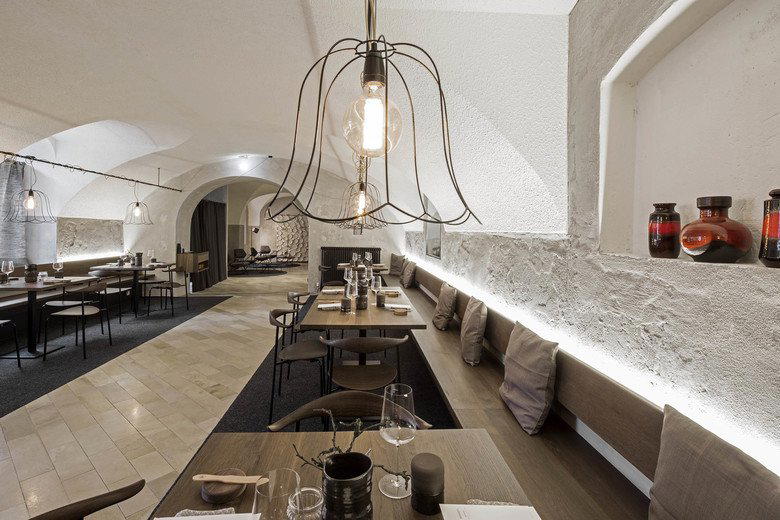
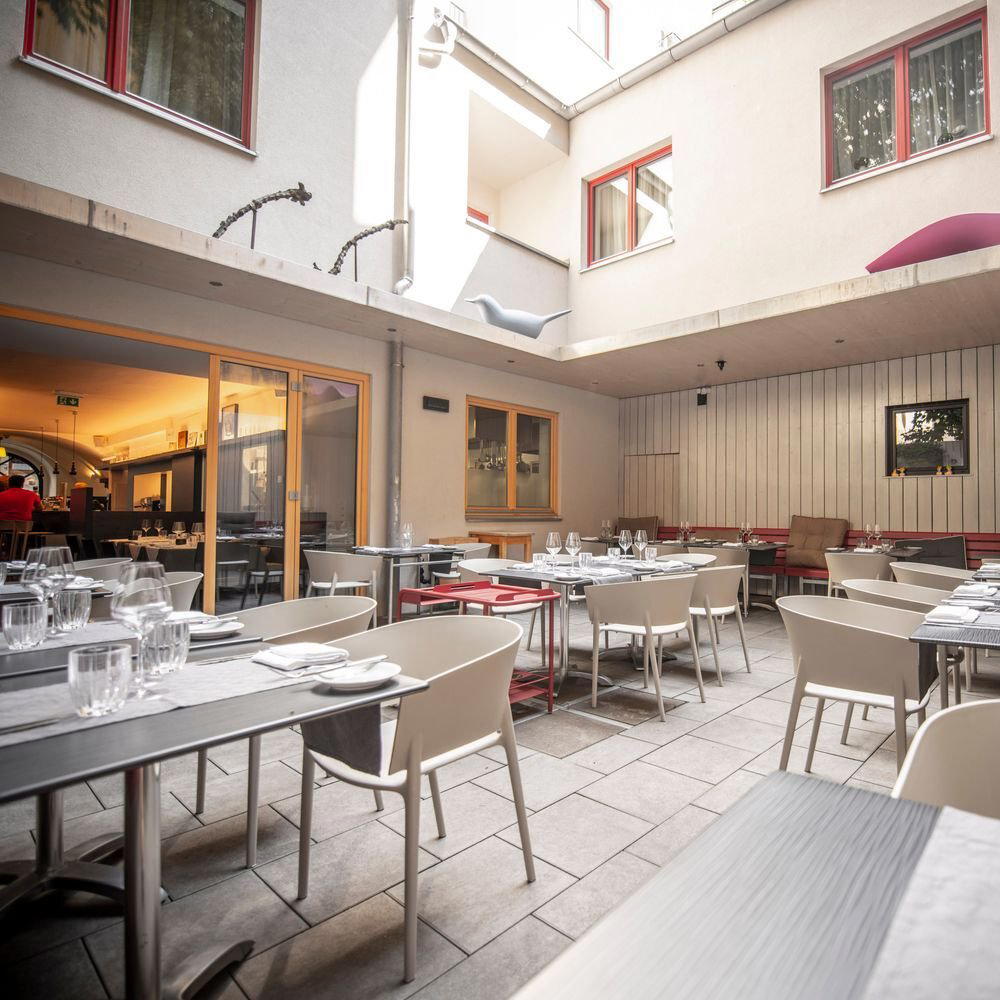
Hotels in Linz
All hotels in Linz →

Details
- Modern
- Elegant
- Cozy
- Sophisticated
- Date Night
- Business Dinner
- Special Occasion
- Open Kitchen
- Extensive Wine List
- A La Carte
- Wine
- Vegetarian Friendly
- Vegan Options
- Gluten Free Options
Current opening hours
- Monday
- 11:30 AM–3 PM, 5:30–11 PM
- Tuesday
- 11:30 AM–3 PM, 5:30–11 PM
- Wednesday
- 11:30 AM–3 PM, 5:30–11 PM
- Thursday
- 11:30 AM–3 PM, 5:30–11 PM
- Friday
- 11:30 AM–3 PM, 5:30–11 PM
- Saturday
- Closed
- Sunday
- Closed
Hours can change for holidays and private events. Hours as of .
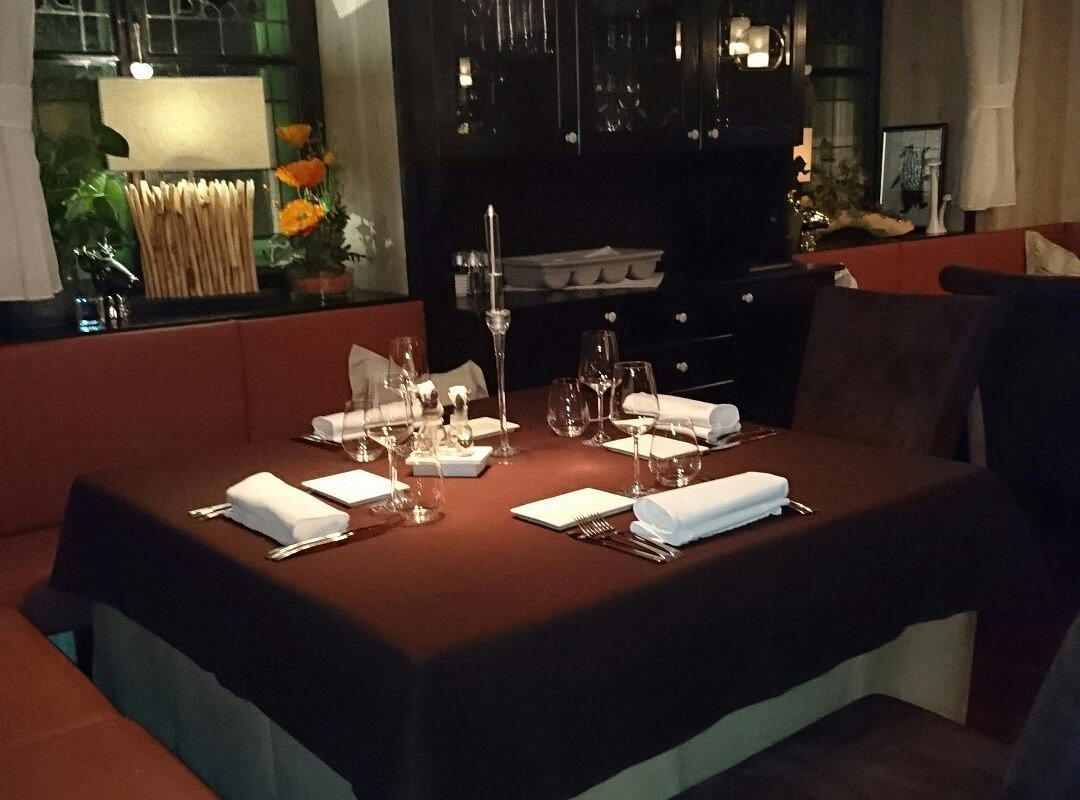
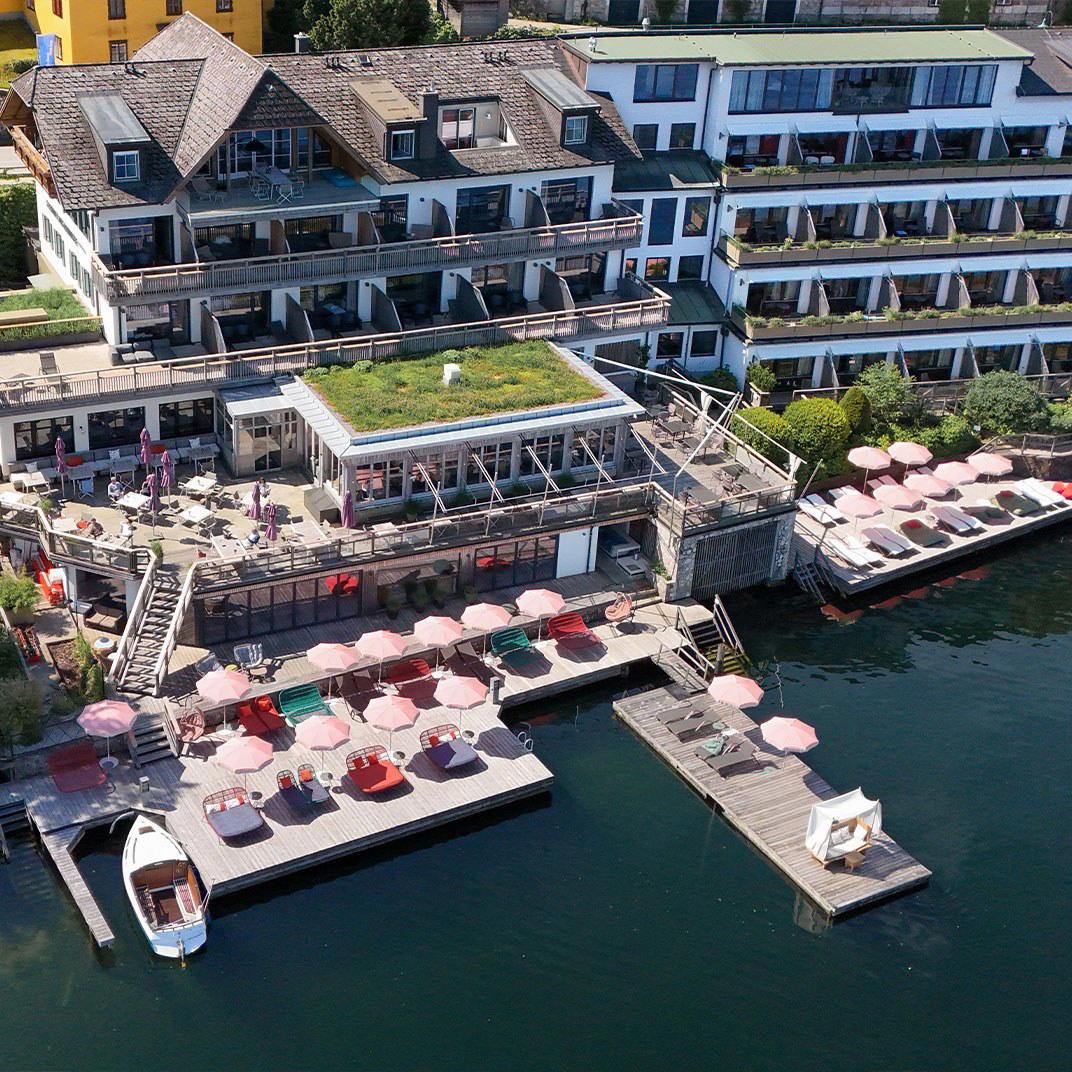
Modern, attractively decorated with a cozy, relaxed atmosphere and living room flair.