Die* Obelisk occupies a residential address on Aubrunnerweg in Linz's northern quarter, positioning itself among the city's more considered dining options rather than its central tourist corridor. The asterisk in the name signals an intentional punctuation of expectation, this is a venue worth seeking out for anyone tracing Upper Austria's evolving fine dining scene alongside better-documented peers like Rossbarth and Kliemstein.
Pearl is the En Primeur Club membership app — saves, bookings, and concierge access live there. Same editors, same standards.
- Address
- Aubrunnerweg 4s, 4040 Linz, Austria
- Phone
- +436764005523
- Website
- die-obelisk.at
- Directions
- Get directions
 Saves & bookings on Pearl
Linz After Hours: How the City's Northern Dining Quarter Behaves at Dusk
Linz occupies an unusual position in Austria's culinary hierarchy. The city receives a fraction of the international dining attention directed at Vienna or Salzburg, yet its restaurant scene has matured steadily over the past decade, producing a tier of addresses that measure themselves against the country's stronger regional comparators. On Aubrunnerweg, in the residential northern fringe of the city, Die* Obelisk sits at a remove from the central pedestrian bustle that defines where most visitors eat. That distance is partly the point. Restaurants in this part of Linz tend to draw a local, repeat clientele rather than passing tourism traffic, which shapes everything from the rhythm of service to the expectations on the plate.
Upper Austria's fine dining tier is smaller than Vienna's but has real depth if you know where to look. The region produced Ois in Neufelden, a serious kitchen operating far outside the urban core, and sits within a broader Austrian fine dining circuit that includes Landhaus Bacher in Mautern an der Donau and Obauer in Werfen. Within Linz itself, Die* Obelisk occupies territory alongside Rossbarth at the upper end of the city's modern cuisine bracket, distinct from the international positioning of Verdi and the more casual creative registers of Be Right Back and Aroy Thai.
The Lunch-to-Dinner Shift at an Address Like This
One of the more instructive patterns in Austrian regional dining is how dramatically a single restaurant's character can change between a midday sitting and an evening service. In Vienna, the effect is visible at places like Steirereck im Stadtpark, where the park-facing lunch crowd and the formal evening service occupy what feel like different restaurants sharing a postcode. At a smaller city level, the divide is often sharper: evening bookings at Linz's upper-tier addresses attract a different demographic, a slower pace, and frequently a longer menu format than the same room at noon.
For a venue on a residential street in Linz's northern quarter, the lunch service tends to anchor in the neighbourhood itself, office proximity, local regulars, the kind of midday sitting where the room feels proprietary rather than performative. By evening, the guest mix at addresses of this type typically broadens: tables arrive from across the city, occasionally from further afield, and the kitchen extends what it does. The asterisk in the name Die* Obelisk is not accidental punctuation. It marks a distinction, a signal that the venue is aware of its own positioning and is making a point about it. Whether that point is most legibly made at lunch or dinner is, in part, what a first visit is designed to clarify.
Across Austria's mid-size cities, this lunch-versus-dinner dynamic increasingly determines where a restaurant sits in the local hierarchy. Venues that can hold a full room at both services, with distinct enough offers to justify each, tend to develop the kind of long-term local loyalty that sustains a kitchen through economic cycles. Places like Schwarzer Adler in Hall in Tirol and Gourmetrestaurant Tannenhof in Sankt Anton am Arlberg have each built loyal repeat audiences through precisely this kind of dual-service coherence. It is a more demanding model than evening-only, but it produces restaurants with a different kind of staying power.
Placing Die* Obelisk in the Austrian Fine Dining Circuit
Austria's serious restaurant scene has developed a recognisable regional structure over the past fifteen years. The country's Michelin-awarded addresses span Vienna through to rural Vorarlberg and Tyrol, with kitchens like Döllerer in Golling an der Salzach, Stüva in Ischgl, Kräuterreich by Vitus Winkler in Sankt Veit im Pongau, and Restaurant 141 by Joachim Jaud in Mieming each occupying specific positions within that circuit. Upper Austria sits at the eastern edge of this network, closer to Vienna in character than to the alpine kitchens of the west, and its dining culture reflects that: less game-and-cream-sauce tradition, more openness to urban culinary references.
Within that geography, Die* Obelisk's address on Aubrunnerweg places it in Linz's Urfahr district, north of the Danube, in a part of the city that has always had a slightly different grain from the Altstadt. Restaurants that establish themselves here operate with a different cost structure and a more local customer base than those in the tourist-facing centre, which often produces sharper kitchen focus. The comparison set within Linz includes Kliemstein Vino Vitis at the classic cuisine end of the spectrum, Rossbarth in modern cuisine, and Verdi for international positioning. For broader context on how these addresses relate to each other, the full Linz restaurants guide maps the city's dining spread in more detail.
Internationally, the kind of address Die* Obelisk represents, a destination-worthy room operating outside the visible urban core, with a name that signals deliberate positioning, has parallels in how places like Lazy Bear in San Francisco or Le Bernardin in New York City have built identities grounded in a specific vision rather than in neighbourhood foot traffic. The contexts are different in scale, but the instinct, to define the room on your own terms, away from what the high street demands, is the same.
What to Know Before You Go
Die* Obelisk's address at Aubrunnerweg 4s in Linz's Urfahr quarter means it is not walkable from the main train station without intention. Public transit connects to the northern bank, but arriving by car or taxi is the more practical approach for an evening sitting. For lunch, the residential surroundings make for a quieter arrival than city-centre alternatives like Bruckner's im Brucknerhaus Linz, which pulls a cultural-venue crowd alongside its dining clientele. Reservations are advisable for any restaurant of this positioning in Linz, where the upper-tier pool is small enough that a fully booked room at short notice is a realistic scenario, particularly on weekend evenings. The Urfahr district has a local character that rewards arriving early enough to take a short walk before a dinner sitting, the Danube bank is nearby, and the neighbourhood's low-rise residential texture contrasts sharply with the Altstadt on the opposite bank.
Frequently Asked Questions
What dish is Die* Obelisk famous for?
Specific menu details for Die* Obelisk are not publicly documented in a way that allows confident attribution of signature dishes.
Should I book Die* Obelisk in advance?
For any Linz restaurant operating in the upper-tier bracket, advance booking is a practical necessity rather than a preference. The city's fine dining pool is limited, and demand at weekend evening services can fill a small room several weeks ahead. Booking as early as your travel dates allow is the direct approach, particularly if you are visiting during the cultural calendar around Ars Electronica or the Bruckner Festival.
What is the standout thing about Die* Obelisk?
The address itself carries editorial weight: a restaurant on a residential street in Urfahr, north of the Danube, with a name that uses punctuation as a signal, is making a deliberate statement about where it sits in Linz's dining order. That self-awareness, combined with the venue's position away from the tourist-facing centre, places it in a specific niche within the city's upper-tier options, one worth investigating alongside Rossbarth and Kliemstein Vino Vitis for anyone mapping the full range of what Linz currently offers.
Is Die* Obelisk a good choice for a special occasion dinner in Linz?
For occasions that call for a considered restaurant rather than a central venue with obvious tourist appeal, Die* Obelisk's positioning in the Urfahr quarter makes it a strong candidate within Linz's upper dining tier. The deliberate remove from the Altstadt, combined with a name that signals culinary intent, suits a guest who prefers a room defined by its kitchen rather than its postcode.
Where It Fits
Comparable venues nearby, for context on price, style, and recognition.
| Venue | Cuisine | Price | Notes |
|---|---|---|---|
| Die* ObeliskThis venue — the venue you are viewing | Modern Austrian Sausage Stand | $ | Not listed |
| zum schwarzen schiff | Austrian Tavern Cuisine | $$ | Urfahr |
| Leberkas-Pepi | Traditional Austrian Leberkäse | $ | Landstraße |
| Die Huberei | Modern Austrian Wirtshaus | $$ | Altstadt |
| my Indigo Lentia | Global Fusion Bowls & Hot Pots | $$ | LentiaCity |
| Burgerliebe | Halal Smash Burgers | $$ | Landstraße |
Continue exploring
More in Linz
Restaurants in Linz
Browse all →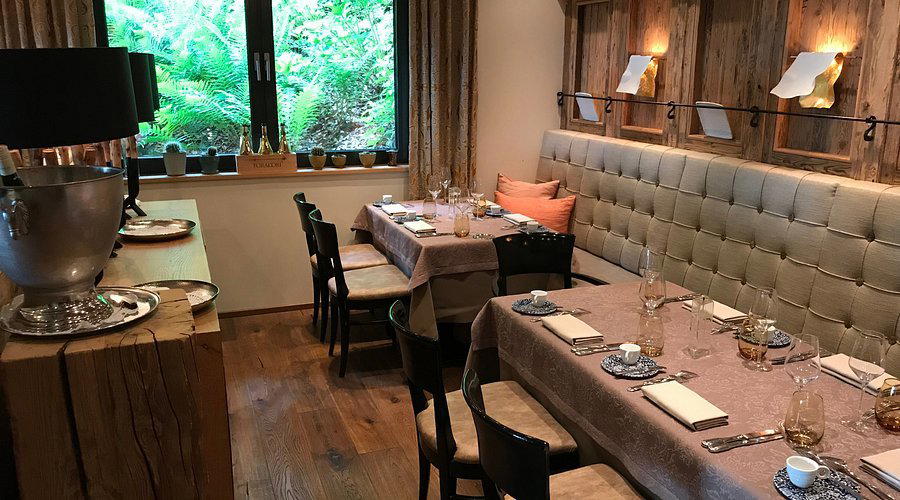
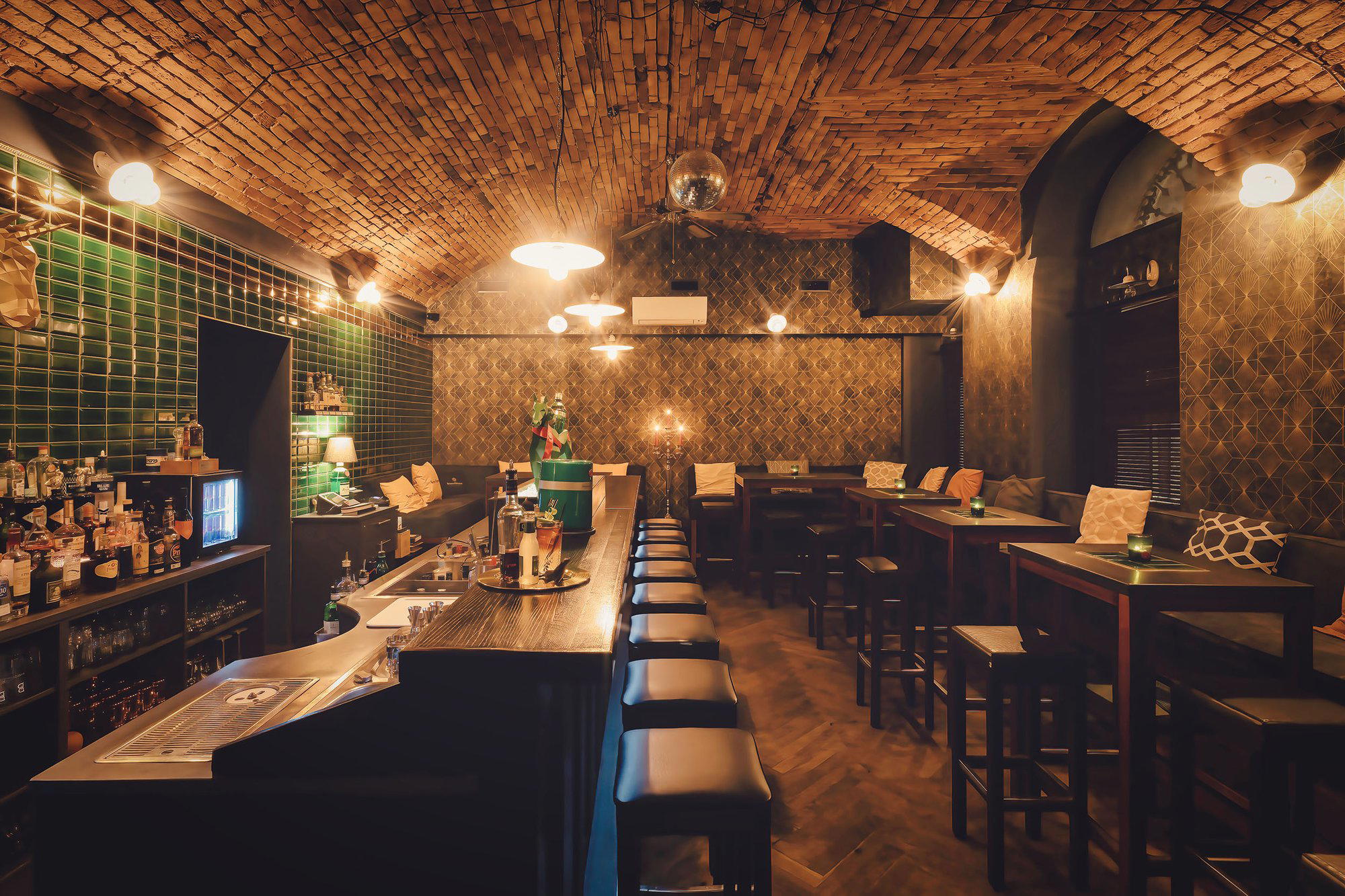
Bars in Linz
Browse all →

Hotels in Linz
Browse all →

At a Glance
- Modern
- Trendy
- Casual Hangout
- Standalone
- Local Sourcing
Current opening hours
- Monday
- 8 AM–8 PM
- Tuesday
- 8 AM–8 PM
- Wednesday
- 8 AM–8 PM
- Thursday
- 8 AM–8 PM
- Friday
- 8 AM–8 PM
- Saturday
- Closed
- Sunday
- Closed
Hours can change for holidays and private events. Last verified .
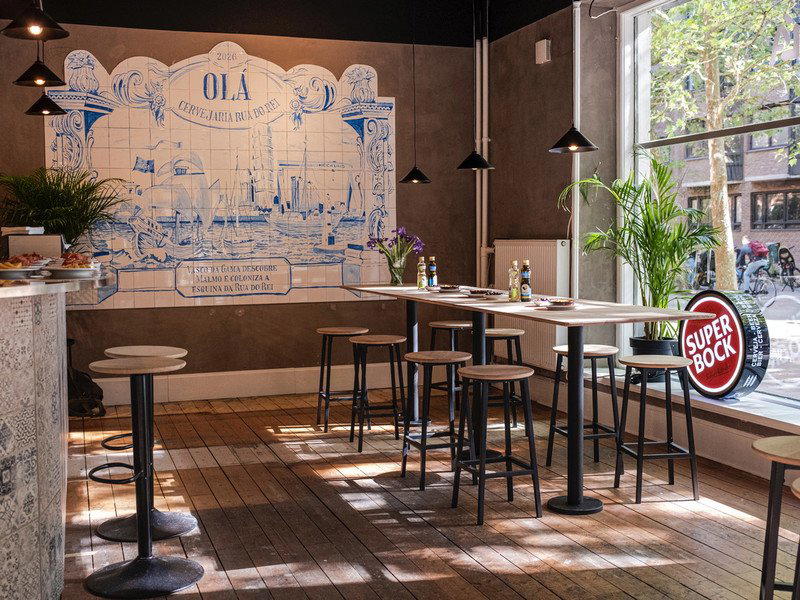
Casual and modern street food atmosphere at a university campus sausage stand.