
Kliemstein Vino Vitis holds consecutive Michelin Plate recognition for 2024 and 2025, placing it among the more consistent addresses on the Linz dining circuit. Located on the upper Danube embankment at Ob. Donaulände 15, it operates in the classic cuisine register at €€€€ pricing, appealing to diners who want structured, unhurried dining with a serious wine dimension built into the name itself.
Pearl is the En Primeur Club membership app — saves, bookings, and concierge access live there. Same editors, same standards.
- Address
- Ob. Donaulände 15, 4020 Linz, Austria
- Phone
- +43 732 997079
- Website
- kliemstein-linz.at
- Directions
- Get directions
 Saves & bookings on Pearl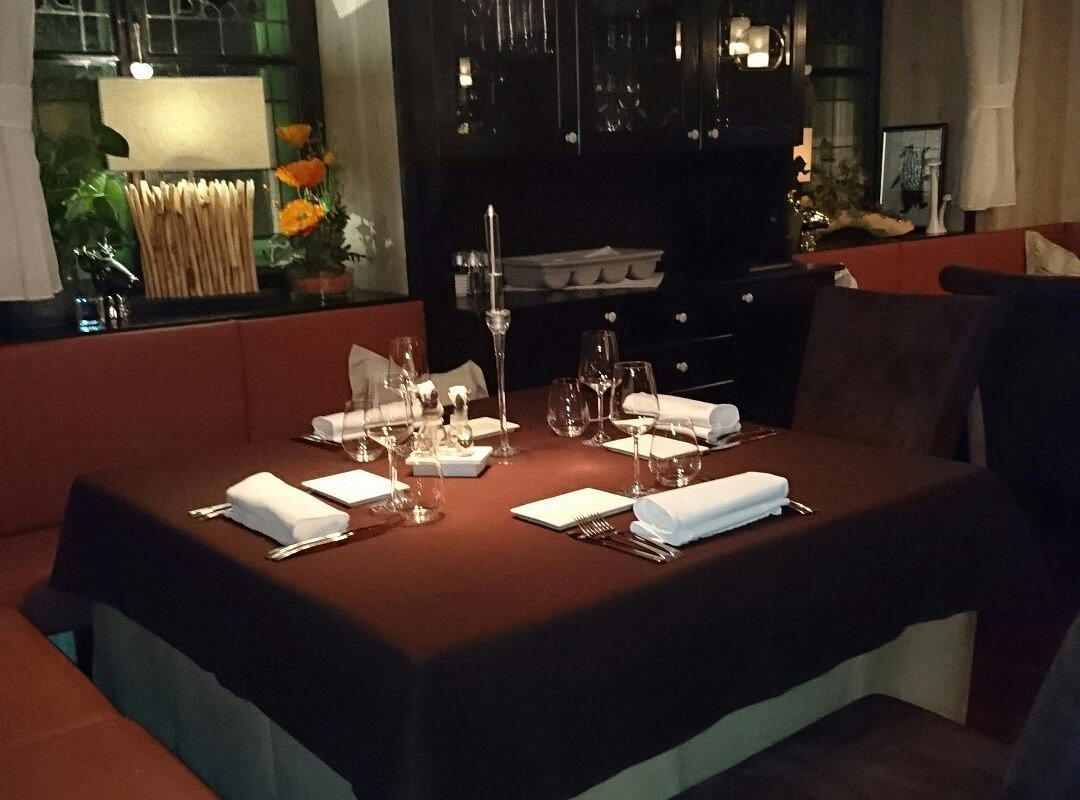
The Embankment Setting and What It Signals
Linz positions most of its serious dining either within the old town's compact grid or along the Danube's upper embankment. Ob. Donaulände 15 places Kliemstein Vino Vitis in a stretch of the city where the river is a constant presence rather than a backdrop glimpsed between buildings. That orientation shapes the approach to a meal here before a single dish arrives: the transition from street to dining room carries a deliberate decompression, a shift in pace that classic cuisine at this price tier depends on to work properly.
Classic cuisine in the Austrian context is not a synonym for heavy or archaic. It describes a commitment to established technique and proportion, where the meal progresses through a logic that has been refined over generations rather than reconstructed season by season for novelty. That tradition sits closer to the French-influenced bourgeois table than to the alpine regional cooking you find at addresses like Göttfried (Regional Cuisine), and it asks something different of the diner: patience, attention, and a willingness to follow the kitchen's pacing rather than impose your own.
Where Kliemstein Sits in the Linz Dining Tier
Linz carries less international dining recognition than Vienna or Salzburg, but its upper tier is more coherent than casual observers tend to assume. The city's Michelin-recognised addresses span a meaningful range: Rossbarth (Modern Cuisine) holds a full Michelin Star at €€€€, and Verdi (International) holds a Star at the €€€ tier. Kliemstein Vino Vitis holds Michelin Plate recognition in both 2024 and 2025.
At €€€€ pricing, it sits at the summit of the Linz price range regardless of star level, which places it in direct conversation with Rossbarth rather than with mid-tier contemporaries like Essig's (Contemporary) or the more accessible muto (Creative). The Plate recognition held across two consecutive years signals consistency, which in Michelin's framework is a distinct category of achievement from a single year's standout performance.
For context across Austria's broader fine dining circuit, the classic cuisine register also appears in the programming of venues like Steirereck im Stadtpark in Vienna and informs the approach at Döllerer in Golling an der Salzach.
The Dining Ritual: Pacing, Wine, and the Name's Promise
The venue's name carries an explicit wine commitment: Vino Vitis signals that the wine program is integral to the meal. In classic cuisine settings, that integration typically means the food's architecture is designed to accommodate a progression of glasses, with courses paced to allow the wine to develop across the meal. Diners who treat the wine list as an optional afterthought are, functionally, attending a different event than the one the kitchen has prepared.
The dining ritual at this tier in Linz rewards a particular approach: arrive with time to spare, accept the kitchen's sequencing, and pay the same attention to what is poured as to what is plated. Classic cuisine's etiquette is formal by contemporary standards. Courses arrive in sequence; the table does not steer timing. That formality is not a relic but a functional condition, because the food depends on precise temperature and plating windows that improvised pacing would compromise.
This approach places Kliemstein Vino Vitis in a different experiential register from the more flexible formats at Ikarus in Salzburg or the alpine-rooted structure at Gourmetrestaurant Tannenhof in Sankt Anton am Arlberg, and closer in spirit to the classic-rooted formality you find at Maison Rostang in Paris or the measured pace of KOMU, Classic Cuisine in Munich.
The Classic Cuisine Tradition in an Austrian City Context
Austria's classic cuisine tradition draws from both French codification and a distinct Central European sensibility that surfaces in the use of freshwater fish, game, and preservation techniques. In Linz specifically, the Danube geography reinforces that tendency: the river has historically shaped what is available and what is seasonal in this part of Upper Austria. Classic cuisine here is not a transplanted Parisian format but a local interpretation of shared European techniques applied to Upper Austrian raw material.
Comparable expressions of this tradition, at different scales, include Kräuterreich by Vitus Winkler in Sankt Veit im Pongau and Griggeler Stuba in Lech, both of which anchor classical cooking to specific Austrian landscape and ingredient logic. The common thread is that classic cuisine in Austria is not pastiche; it is a living practice that adjusts to seasonality while maintaining structural discipline.
Planning a Visit
The restaurant sits at Ob. Donaulände 15, on the upper Danube embankment in the 4020 postal district of Linz. The €€€€ pricing reflects a full-service, multi-course format, and anyone planning an evening here should budget time generously: a meal structured around wine pacing is not a ninety-minute commitment. Reservations are essential. For broader orientation across the city's dining options, our full Linz restaurants guide maps the complete range from classic to creative. For accommodation, our full Linz hotels guide covers options within reach of the embankment. If you want to extend the evening across the city's bar program or explore local producers, our full Linz bars guide, our full Linz wineries guide, and our full Linz experiences guide provide the necessary coverage.
Cuisine and Awards Snapshot
Comparable venues nearby, for context on price, style, and recognition.
| Venue | Cuisine | Price | Awards | Notes |
|---|---|---|---|---|
| Kliemstein Vino VitisThis venue — the venue you are viewing | Modern Austrian Fine Dining with Wine Focus | $$$ | Michelin Plate | Not listed |
| Verdi-Einkehr | Modern Austrian Fine Dining | $$$$ | Michelin Plate | Pöstlingberg |
| Göttfried | Regional Austrian with Mediterranean Twist | $$$ | Bib Gourmand | Altstadt |
| Rosso di Acqua e Sole | Modern Italian Seafood | $$$$ | Michelin Plate | Volksgartenviertel |
| Pöstlingberg Schlössl | Austrian Fine Dining | $$$ | Not listed | Pöstlingberg |
| Lentos Restaurant | Modern Austrian with river views | $$ | Not listed | Donaulände |
Recognition history
Dated appearances from independent guides and award organizations, with the underlying list record or original source where available.
Michelin 1 Star
Michelin
Michelin Plate
Michelin
Michelin Plate
Michelin
Continue exploring
More in Linz
Restaurants in Linz
Browse all →
Bars in Linz
Browse all →

Hotels in Linz
Browse all →

At a Glance
- Intimate
- Elegant
- Sophisticated
- Cozy
- Date Night
- Special Occasion
- Business Dinner
- Wine Cellar
- Historic Building
- Extensive Wine List
- Sommelier Led
Current opening hours
- Monday
- Closed
- Tuesday
- Closed
- Wednesday
- 4–11 PM
- Thursday
- 4–11 PM
- Friday
- 4–11 PM
- Saturday
- 4–11 PM
- Sunday
- Closed
Hours can change for holidays and private events. Last verified .
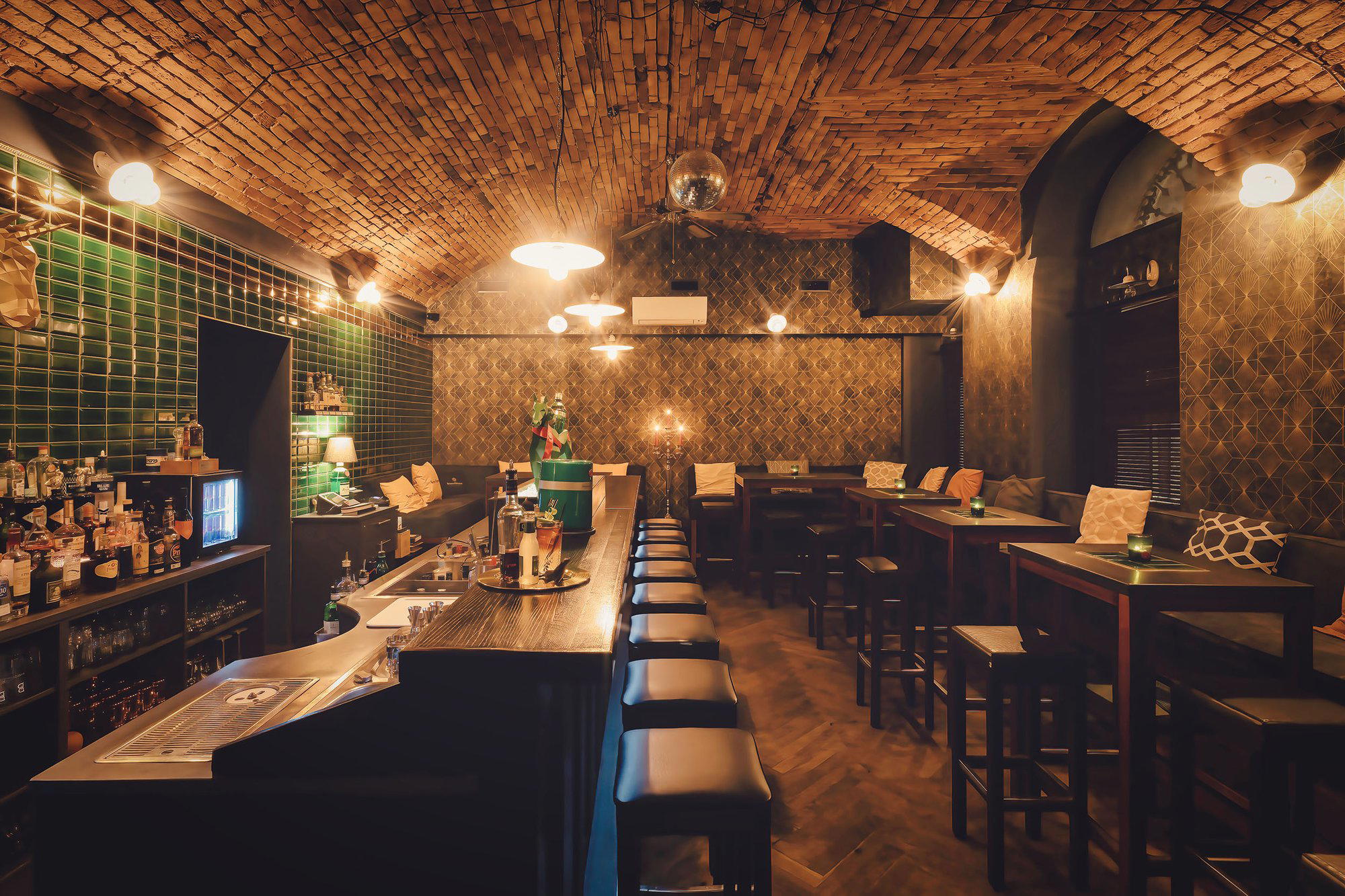
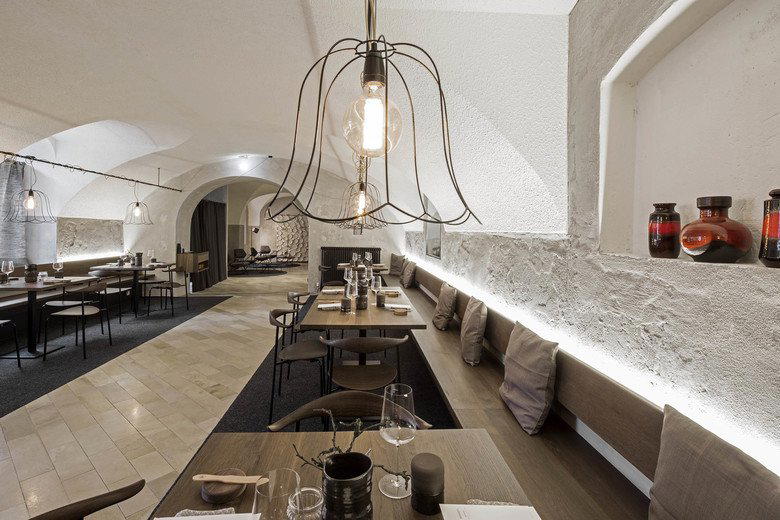
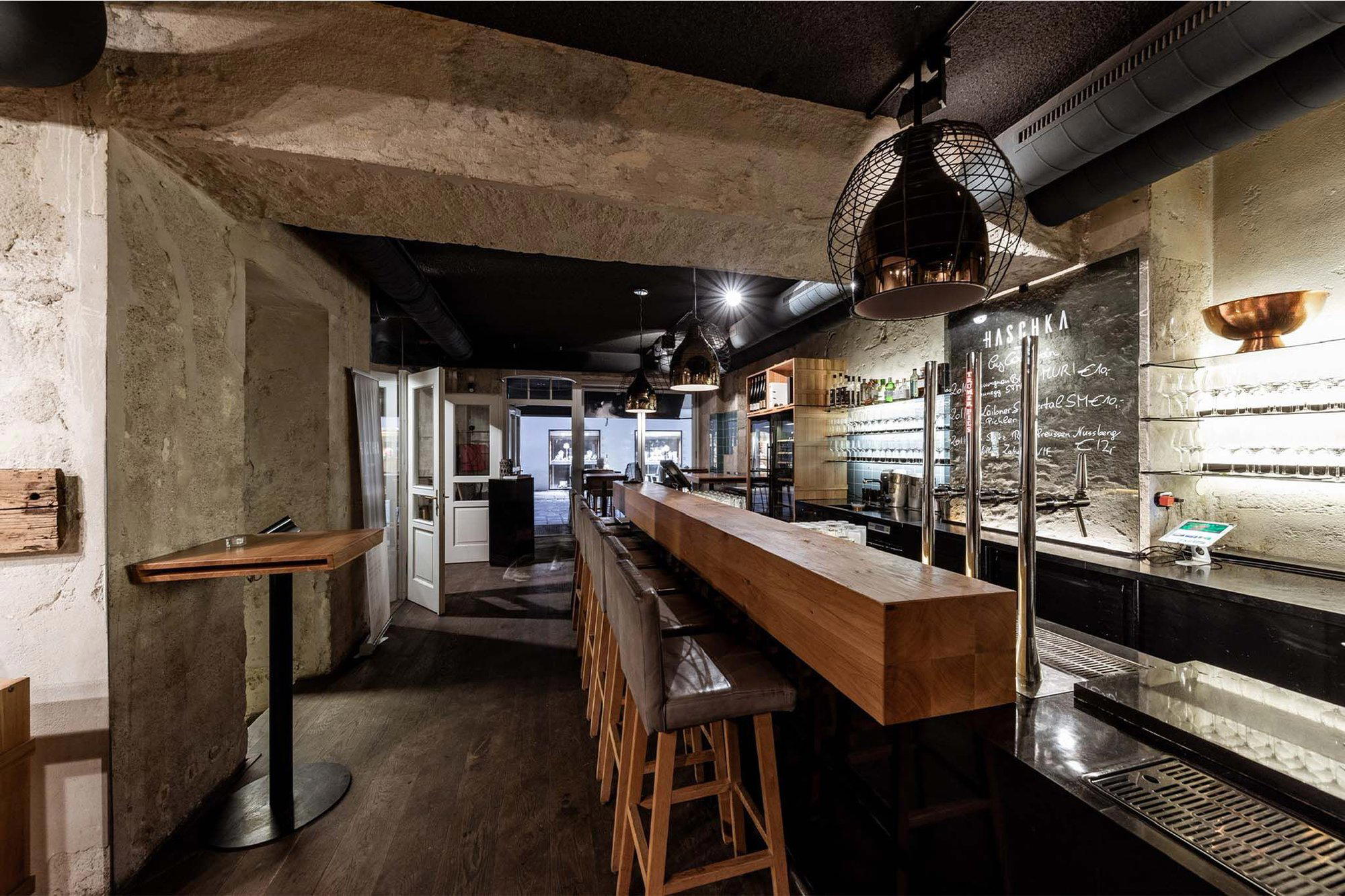
Beautifully lit historic vaulted ceilings create a sophisticated yet intimate atmosphere.