BrewDog on Carrer de Casanova sits inside the Eixample grid, where Barcelona's craft beer scene has quietly matured alongside the city's broader appetite for imported food and drink cultures. The Scottish chain's Barcelona outpost positions itself within a neighbourhood more accustomed to vermouth and cava, making it an instructive case study in how global brewing formats adapt to Spanish drinking habits.
Pearl is the En Primeur Club membership app — saves, bookings, and concierge access live there. Same editors, same standards.
- Address
- Carrer de Casanova, 69, Eixample, 08011 Barcelona, Spain
- Phone
- +34934885979
- Website
- drink.brewdog.com
- Directions
- Get directions
 Saves & bookings on Pearl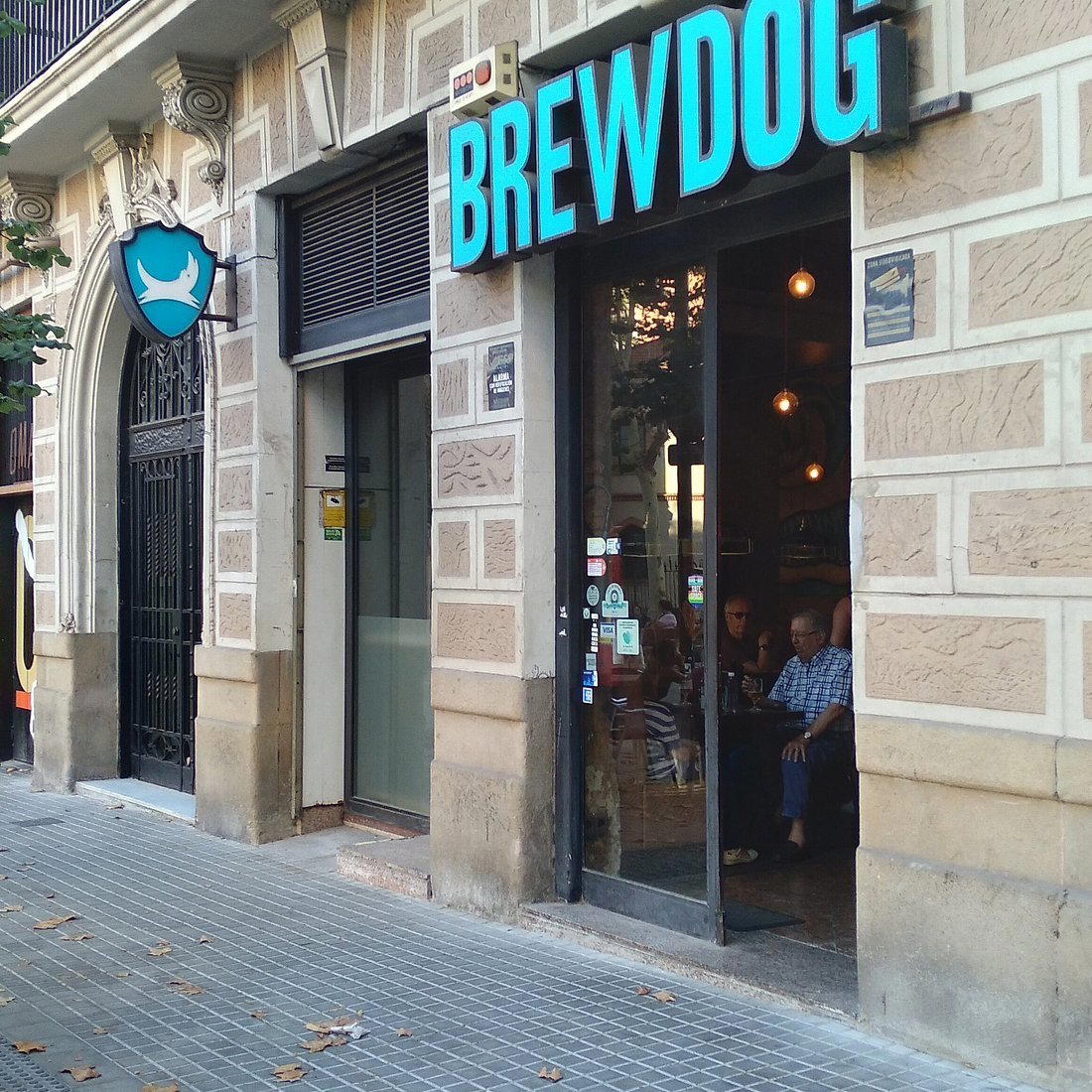
Where Scottish Craft Brewing Meets a Vermouth District
The Eixample is not where you expect to find a Scottish brewery chain making a serious argument for its place in the city's drinking culture. This is a neighbourhood defined by the Cerdà grid, by rooftop terraces serving house cava, and by corner bars where vermouth arrives at noon without ceremony. BrewDog's outpost on Carrer de Casanova, 69 occupies that context directly, a global brewing format inserting itself into one of Europe's most confident local drinking traditions.
That tension is worth sitting with before you order. Barcelona's craft beer moment has been quieter and slower than Madrid's or the Basque Country's, partly because Catalan drinking culture already had strong regional identity markers, the cava of the Penedès, the craft vermouth revival, the growing natural wine presence across the Eixample and Gràcia. Into that established framework, international craft chains have had to offer something the local scene doesn't already provide, or risk becoming a venue primarily for tourists and expats.
The Global Technique Question
BrewDog's broader identity as a brand sits at an interesting editorial position in the craft beer world. Founded in Scotland in 2007, the company scaled rapidly on the back of aggressive hop-forward recipes, crowdfunding rounds that built genuine consumer loyalty, and a house style that leaned into American craft brewing techniques, dry hopping, double IPAs, session ales engineered for flavour intensity rather than easy drinkability. That technical profile is the imported method here; what changes city to city is how it lands against local palate expectations.
In Barcelona, where beer culture has historically skewed lighter, local lagers from Estrella Damm still define the baseline for most neighbourhood bars, a high-IBU IPA programme represents a genuine shift in what a beer bar is expected to deliver. The global-technique-meets-local-context question that runs through much of Barcelona's most interesting dining and drinking also applies here: does the format translate, or does it simply transplant?
The result, in those cases, is something that reads as unmistakably local even when the methodology is international. A craft beer bar operating in the same city faces a structurally different challenge, beer ingredients don't have the same regional specificity as produce, but the cultural negotiation is comparable.
BrewDog in the Eixample: What the Address Signals
Carrer de Casanova runs through the left side of the Eixample, an area that has absorbed a significant amount of neighbourhood bar and restaurant activity over the past decade. The street sits within walking distance of the Universitat metro hub, meaning foot traffic here skews toward residents and people moving across the city rather than tourists anchored to Las Ramblas or the Gothic Quarter. That positioning matters for a craft beer venue: the audience is more likely to have existing opinions about what they want from a bar, which raises the bar for format execution.
Barcelona's craft beer bars have generally sorted into two tiers: the local independents, often with rotating taps from Catalan and Spanish microbreweries, and the international chain outposts, which offer consistency of product and brand familiarity. BrewDog sits clearly in the second category. That is not a criticism, brand consistency across a global footprint is itself a form of quality signal for a certain kind of traveller or resident, but it does define the comparable set.
Spain's broader craft beer growth has been documented across major cities: The same dynamic is visible in Madrid, where DiverXO has shown how a globally-informed format can eventually achieve local canonical status, a trajectory that takes years and demands genuine product depth.
Reading BrewDog Against Spain's Wider Drinking Map
To understand what BrewDog is attempting in Barcelona, it helps to place the city within Spain's broader geography of food and drink innovation. The country's most technically ambitious kitchens are spread well beyond Barcelona: El Celler de Can Roca in Girona, Arzak in San Sebastián, Mugaritz in Errenteria, Azurmendi in Larrabetzu, and Aponiente in El Puerto de Santa María each anchor their respective regions as destinations for serious eaters. Barcelona holds its own in that company, with Lasarte, ABaC, and Enigma representing the city's appetite for technically demanding formats.
What these venues share, and what BrewDog does not attempt to share, is the grounding of imported technique in local raw materials. Quique Dacosta in Dénia, Ricard Camarena in València, and Martin Berasategui in Lasarte-Oria are all operating within the same editorial framework: French or international training applied to Spanish and regional products. BrewDog, by contrast, imports both the technique and the product. That is a coherent commercial position, but it means the venue's interest for a Barcelona-focused drinker is different in kind from what those kitchens offer.
For travellers who already know Atrio in Cáceres or have crossed into France to drink at European craft institutions, BrewDog reads as a reliable international benchmark rather than a local discovery. For travellers newer to Spain's drinking culture, the brand's consistency makes it a low-risk entry point into hop-forward beer in a city where that style isn't yet deeply embedded in the neighbourhood fabric. Neither reading is wrong, they just serve different trip profiles.
Know Before You Go
| Address | Carrer de Casanova, 69, Eixample, 08011 Barcelona, Spain |
|---|---|
| Neighbourhood | Eixample (left side, near Universitat) |
| Format | International craft beer bar chain (Scottish-founded, 2007) |
| Leading For | Hop-forward ales and IPAs in a neighbourhood dominated by lager and vermouth |
| Price Range | About US$25 per person |
- Punk IPA
- Dead Pony Pale Ale
- 5 AM Red Ale
- Catalan-style burger
- smoked pastrami sandwich
- smoked brisket sandwich
Category Peers
Comparable venues nearby, for context on price, style, and recognition.
| Venue | Cuisine | Price | Notes |
|---|---|---|---|
| BrewDogThis venue — the venue you are viewing | Scottish Craft Beer Gastropub | $$ | Not listed |
| Atipical | Creative Mediterranean neighborhood gastronomy with natural wine | $$ | Poblenou |
| OMA Bistró | International Brunch Cafe | $$ | l'Antiga Esquerra de l'Eixample |
| Elaichi Indian Restaurant | Traditional Indian | $$ | Sant Antoni |
| Restaurante Seventeen | Mediterranean and Catalan Fusion | $$ | la Dreta de l'Eixample |
| Al Bistró | Authentic Spanish & Mediterranean Bistro | $$ | Sant Antoni |
Continue exploring
More in Barcelona
Restaurants in Barcelona
Browse all →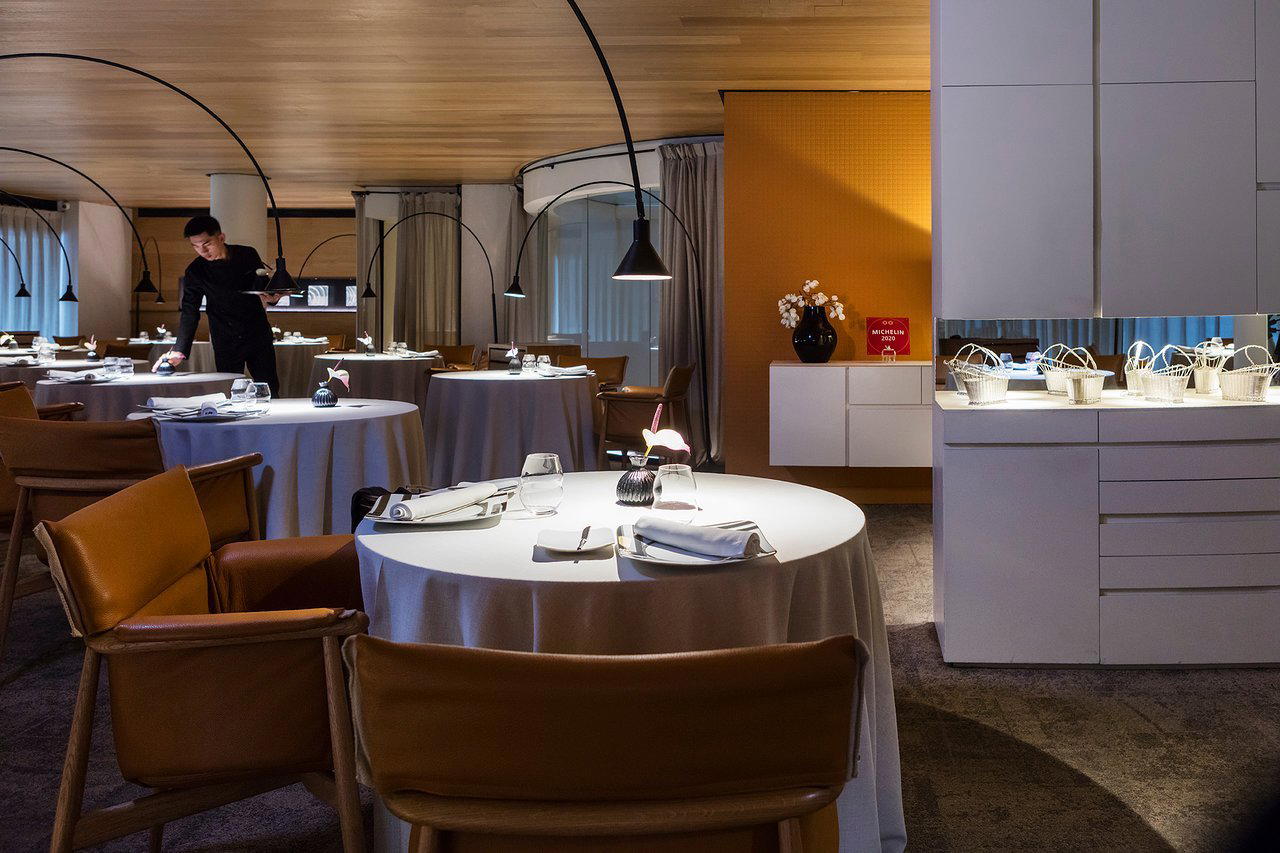
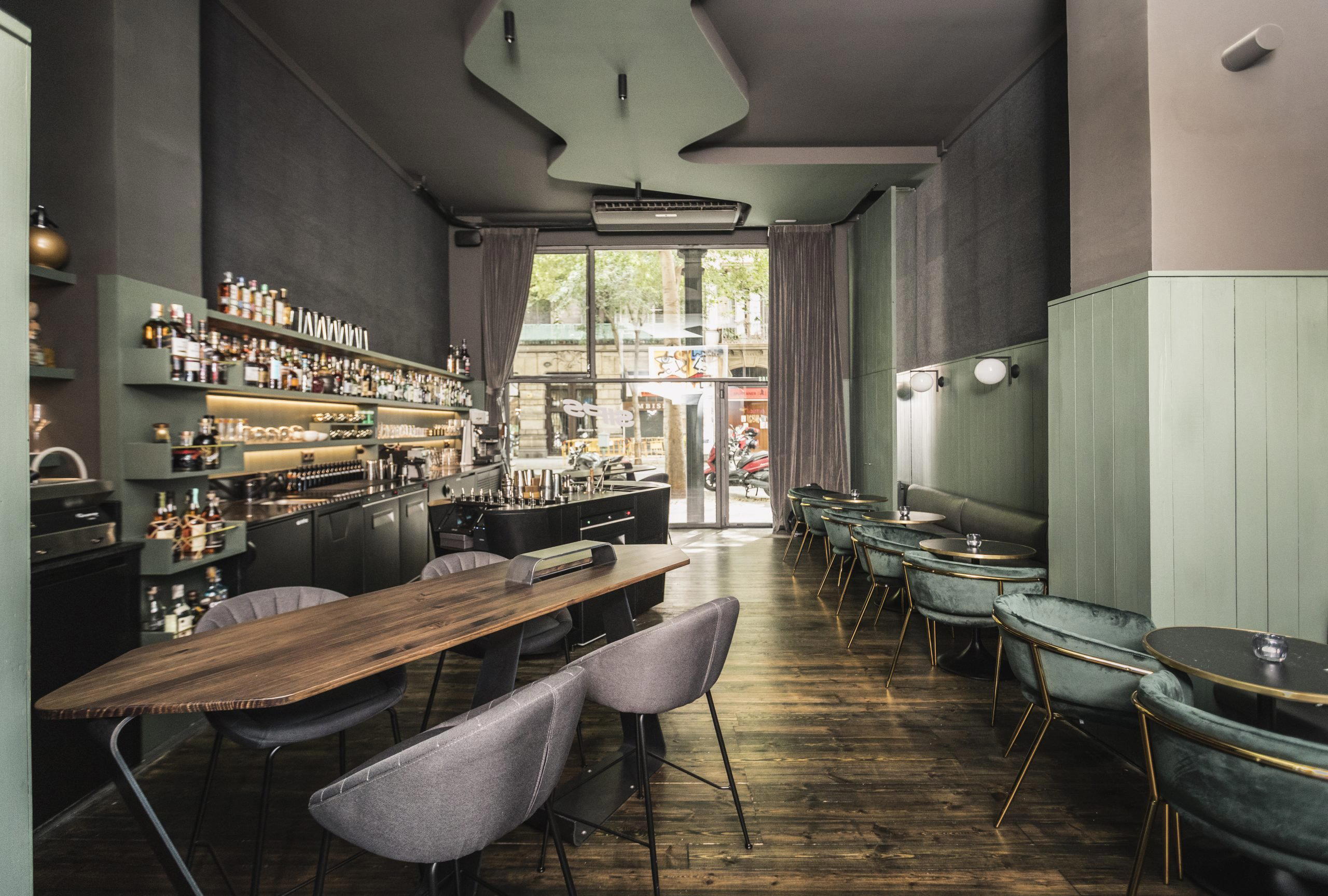
Bars in Barcelona
Browse all →
Hotels in Barcelona
Browse all →

At a Glance
- Lively
- Energetic
- Modern
- Trendy
- Casual Hangout
- Group Dining
- After Work
- Late Night
- Live Music
- Terrace
- Open Kitchen
- Historic Building
- Beer Program
- Extensive Wine List
- Street Scene