Brasserie 1640
Brasserie 1640 occupies a quiet address at Zonnenberg 8 in Zoetermeer, placing it within a Dutch city that sits between The Hague and Delft yet develops its own restaurant scene independent of either. The brasserie format, with its roots in European bourgeois dining, positions this venue in a tier that values sustained craft over seasonal spectacle. Visitors looking for a grounded, considered meal in the South Holland corridor will find the address worth the detour.
Pearl is the En Primeur Club membership app — saves, bookings, and concierge access live there. Same editors, same standards.
- Address
- Zonnenberg 8, 2716 PG Zoetermeer, Netherlands
- Phone
- +31887120110
- Website
- brasserie1640.nl
- Directions
- Get directions
 Saves & bookings on Pearl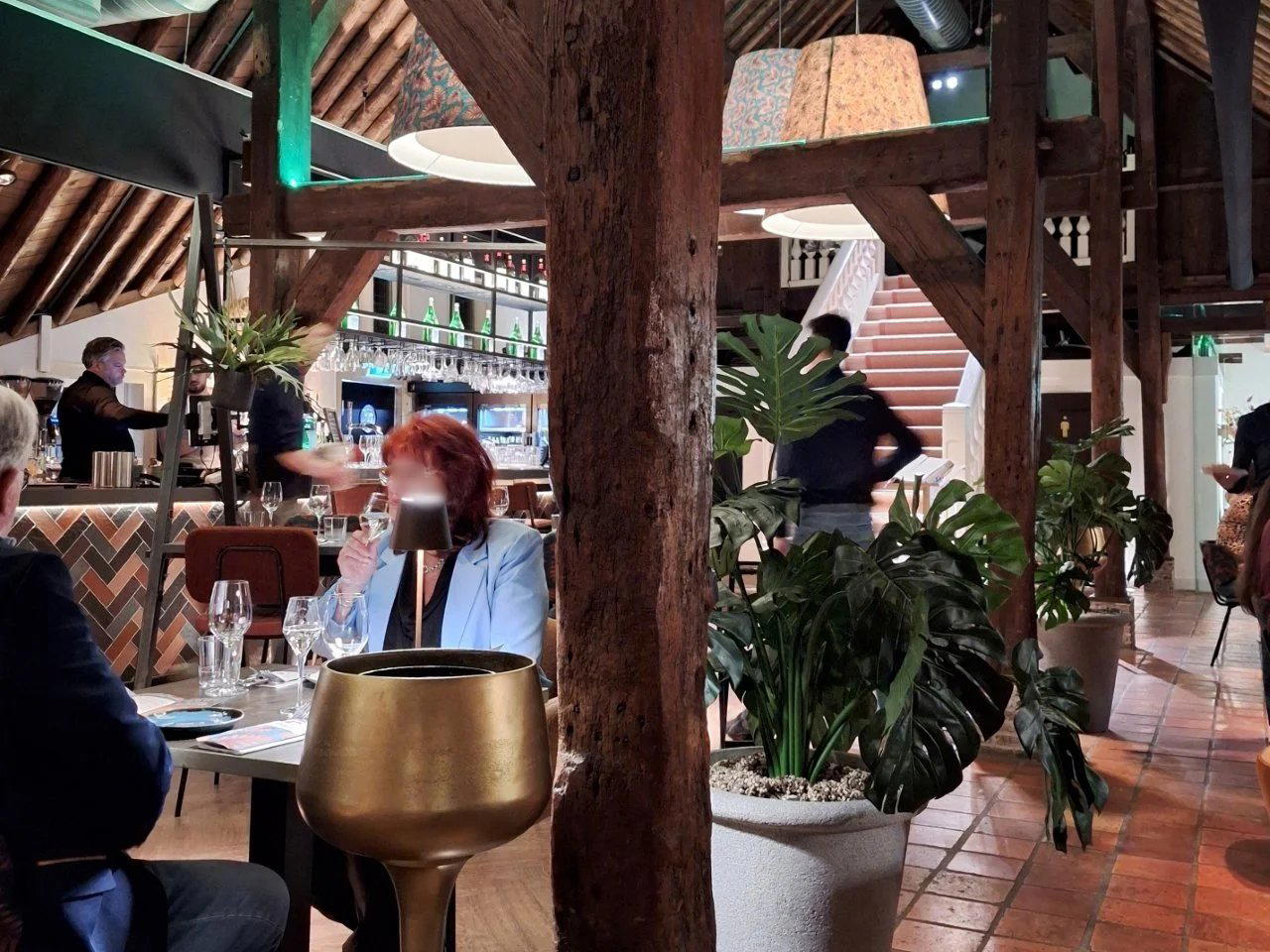
Brasserie Dining in Zoetermeer: What the Format Actually Means
The brasserie, as a format, carries a specific set of expectations that have shifted considerably over the past two decades. Originally a European institution built around long hours, broad menus, and the kind of cooking that prioritised accessibility over ambition, the category has since fractured. Some brasseries have leaned harder into tradition, anchoring their kitchens to regional suppliers and seasonal Dutch produce. Others have adopted the label as shorthand for a relaxed dining room that happens to serve serious food. Brasserie 1640 in Zoetermeer sits on Zonnenberg 8, and the address itself tells part of the story: this is not a restaurant positioning itself against Amsterdam's canal-side competition or Rotterdam's post-industrial dining surge. It operates in a city that has grown its own hospitality identity, and that positioning matters when you consider what the brasserie format can do when freed from metropolitan pressure.
Zoetermeer is often framed as a satellite of The Hague, but its dining scene has developed a character worth examining on its own terms. The city draws a resident population that eats out regularly and with specific expectations, which tends to produce a more demanding local audience than a tourist-heavy city might generate. Restaurants here are not sustained by passing footfall; they earn repeat custom or they close. That dynamic has historically pushed kitchens toward consistency and sourcing transparency over the kind of headline-chasing that marks opening months in larger Dutch cities. For a broader picture of where Brasserie 1640 sits in the local context, the full Zoetermeer restaurants guide maps the current options across price tiers and format types.
Sourcing Logic in the Dutch Brasserie Tradition
The Dutch kitchen has undergone a significant reassessment over the past fifteen years. What was once characterised internationally as plain and protein-heavy has been reframed through a generation of chefs who trained in France, Scandinavia, and beyond, then returned to apply technical rigour to local ingredients. The results are visible across the country's dining tier: restaurants like De Nieuwe Winkel in Nijmegen have built their reputation on organic sourcing philosophies that treat Dutch agricultural landscapes as serious culinary raw material. At the other end of the spectrum, institutions like De Librije in Zwolle demonstrate how classical European technique maps onto Dutch produce at the highest level.
A brasserie operating in this environment inherits certain expectations even if it operates at a different price point. Guests arriving from the South Holland corridor have access to some of the most consistently supplied produce in Europe: North Sea fish landed at Scheveningen, dairy from polderland farms, greenhouse vegetables from the Westland area, and a network of small growers who supply restaurants across the Den Haag-Delft-Zoetermeer triangle. The ingredient argument for this region is genuinely strong. How a kitchen in the brasserie tier chooses to work with that supply chain, whether it sources direct, works through regional wholesalers, or prioritises seasonal rotation, shapes the character of the menu more than any single technique.
For comparison, Hofstede Meerzigt, also in Zoetermeer and positioned around a farm-to-table model, represents one clear answer to that sourcing question. The fact that two restaurants within the same city have staked out positions on the sourcing question tells you something about how seriously that conversation is being taken at the local level, not just in the Michelin-cited kitchens of Amsterdam or the destination restaurants of rural Zeeland, like Inter Scaldes in Kruiningen.
The Room, the Register, and What to Expect
Brasseries succeed or fail on atmosphere as much as food, and the atmospheric contract they offer is distinct from that of a tasting-menu restaurant. You are not committing to three hours of sequential courses and coordinated service theatre. The format implies a certain freedom of pace, the ability to eat a single course or linger through several, to arrive without a reservation or to book a table for a group without the social weight of a prix-fixe occasion. That flexibility is the brasserie's core appeal, and it explains why the format has survived across multiple shifts in dining culture when more rigid formats have struggled.
Zoetermeer's position as a predominantly residential city shapes the atmosphere of its restaurants in ways worth noting. The room at a brasserie here is likely to contain a mix of regular locals, business lunches, and family groups rather than the food-destination travellers who dominate tables in Amsterdam or at rural properties like De Lindenhof in Giethoorn or De Groene Lantaarn in Staphorst. That mix tends to produce a dining room that feels genuinely inhabited rather than performative, which is its own kind of appeal for guests who find the self-consciousness of destination dining tiring.
Where Brasserie 1640 Sits in the Broader Dutch Dining Picture
The Dutch restaurant scene in 2024 and beyond is genuinely two-tiered in a way that masks a complicated middle. At the leading, Michelin-starred kitchens in Amsterdam, like Ciel Bleu, sit alongside regional destination restaurants such as Tribeca in Heeze, De Bokkedoorns in Overveen, and FG in Rotterdam. At the everyday end, the market is as competitive as anywhere in Western Europe. Between those two tiers, the brasserie occupies a position that requires genuine craft to sustain, because it cannot rely on the prestige economy of the fine-dining tier or the volume economy of casual dining.
Internationally, the analogy holds: restaurants like Le Bernardin in New York City or Lazy Bear in San Francisco operate with clear identities in their respective market tiers. A brasserie in Zoetermeer is not playing in the same league, but it is subject to the same fundamental pressure: clarity of identity, consistency of execution, and a sourcing story that gives guests a reason to return. Regional venues that have built strong middle-market identities, such as Brut172 in Reijmerstok, De Treeswijkhoeve in Waalre, Aan de Poel in Amstelveen, and 't Nonnetje in Harderwijk, demonstrate that strong regional restaurants do not require a metropolitan address to build a following. De Lindehof in Nuenen is another example of a restaurant that has carved out a clear position in a non-capital city through consistent quality and a defined culinary register.
Planning Your Visit
Brasserie 1640 is located at Zonnenberg 8, 2716 PG Zoetermeer. Zoetermeer is connected to The Hague by a direct tram line (RandstadRail), making the city accessible from The Hague Centraal in under thirty minutes without requiring a car. The address sits within a district that is navigable on foot or by bicycle from the station. For those travelling from Amsterdam or Rotterdam, both cities are under an hour by intercity train to Den Haag, with an onward tram connection. Current operating hours, reservation policy, and menu details are best confirmed directly with the venue, as specific details were not available at the time of publication.
Side-by-Side Snapshot
| Venue | Cuisine | Price | Awards |
|---|---|---|---|
| Brasserie 1640This venue — the venue you are viewing | This venue | Not listed | Not listed |
| De Librije | Modern Cuisine | €€€€ | Michelin 3 Star |
| De Nieuwe Winkel | Organic | €€€€ | Michelin 2 Star |
| De Lindenhof | Creative | €€€€ | Michelin 2 Star |
| De Lindehof | Contemporary Dutch, Creative | €€€€ | Michelin 2 Star |
| Fred | Creative French | €€€€ | Michelin 2 Star |
Continue exploring
More in Zoetermeer
Restaurants in Zoetermeer
Browse all →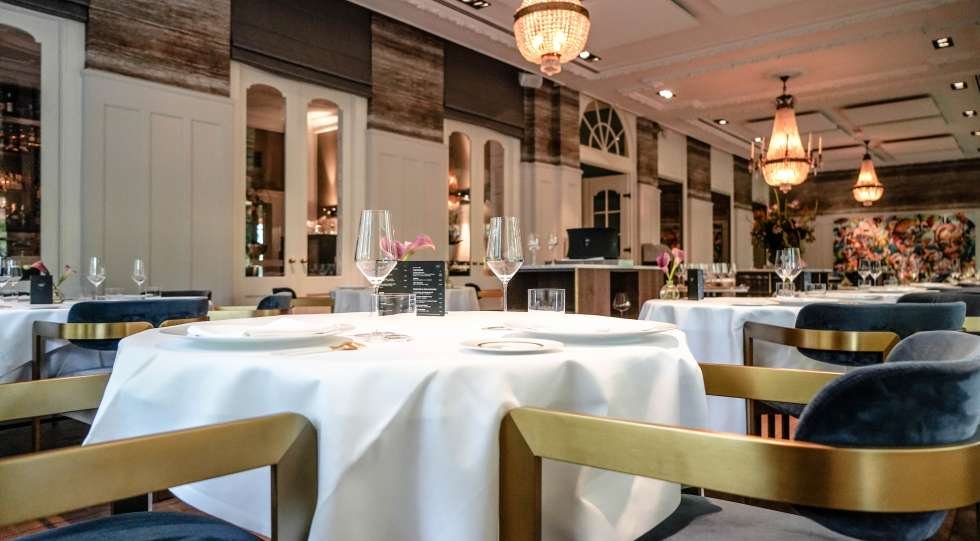
Bars in Zoetermeer
Browse all →
Hotels in Zoetermeer
Browse all →
Wineries in Zoetermeer
Browse all →
At a Glance
- Cozy
- Rustic
- Classic
- Casual Hangout
- Group Dining
- Family
- Terrace
- Standalone
- Local Sourcing
- Farm To Table
Current opening hours
- Monday
- Closed
- Tuesday
- Closed
- Wednesday
- 5 PM–12 AM
- Thursday
- 5 PM–12 AM
- Friday
- 5 PM–12 AM
- Saturday
- 5 PM–12 AM
- Sunday
- 5 PM–12 AM
Hours can change for holidays and private events. Last verified .
Warm and welcoming atmosphere in a beautifully converted barn space with gezellig (cozy) interior design and friendly service.
Know Before You Go
- Getting there
- Zonnenberg 8, 2716 PG Zoetermeer, Netherlands