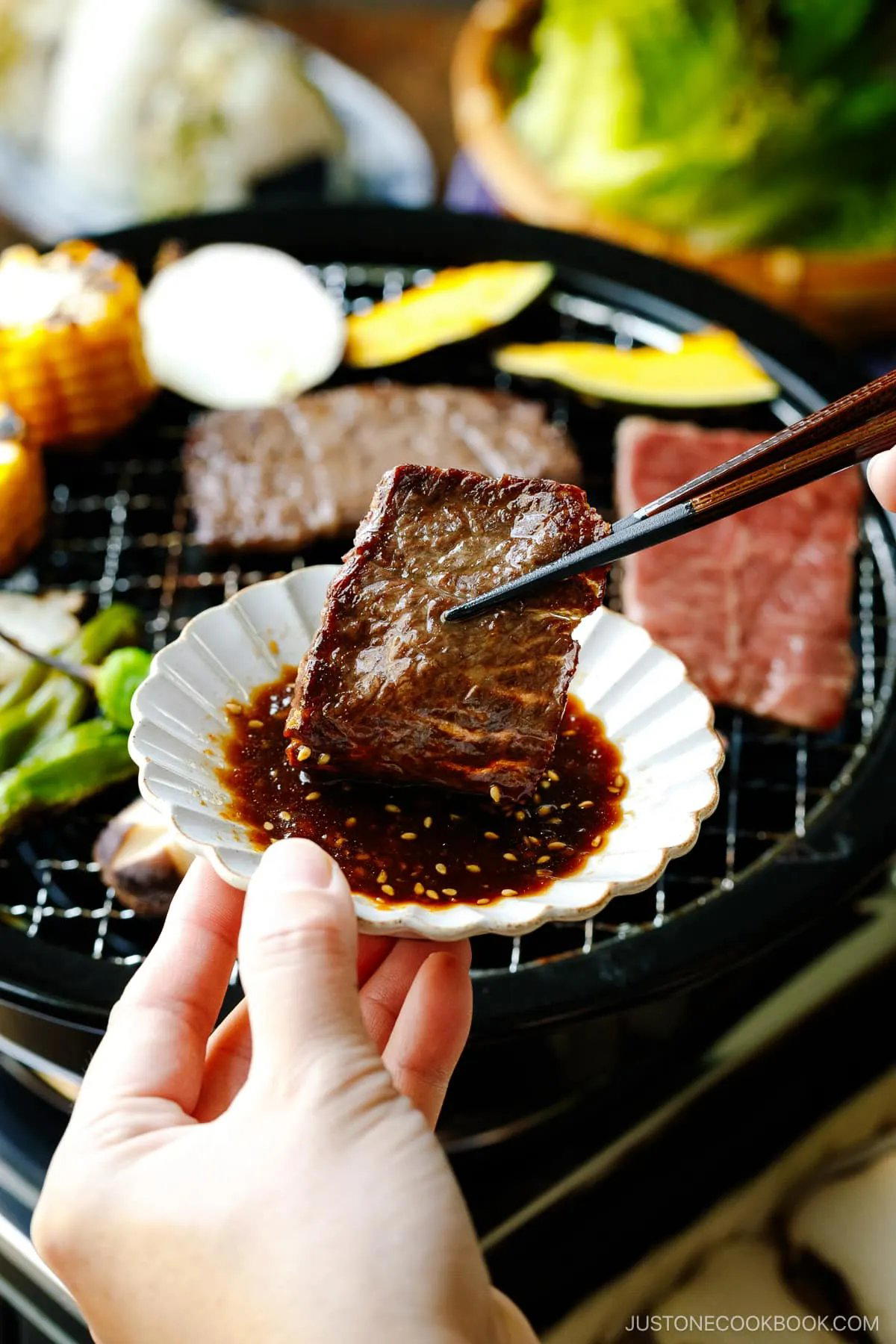
BORNGA serves Korean BBQ with Woosamgyeop, Yangnyeom Galbi, and Kkot Sal, plus a beer program for leisurely, conversational dinners.
Pearl is the En Primeur Club membership app — saves, bookings, and concierge access live there. Same editors, same standards.
- Address
- Jl. Lempongsari No.117A, Jongkang, Sariharjo, Kec. Ngaglik, Kabupaten Sleman, Daerah Istimewa Yogyakarta 55581, Indonesia
- Phone
- +622742831440
- Website
- linktr.ee
- Directions
- Get directions
 Saves & bookings on Pearl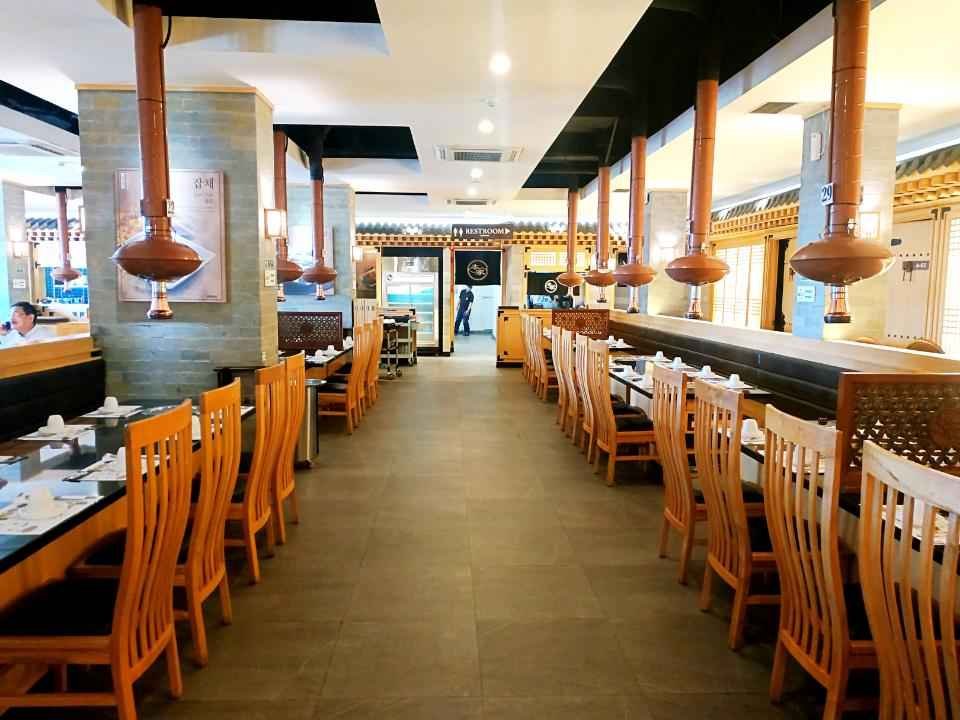
Korean Grilling in Sleman's Northern Suburbs
Along Jalan Lempongsari, a corridor that runs through the residential stretch of Ngaglik in Kabupaten Sleman, the Korean barbecue format has taken hold in a way that reflects a broader shift in how Yogyakarta's dining public engages with foreign cuisines. BORNGA sits on this strip at No. 117A, part of a generation of Korean grill restaurants that have moved beyond mall food courts and into standalone neighbourhood settings, where the format can breathe and the sourcing conversation becomes more relevant. In Sleman's northern suburbs, where local warung culture and international dining coexist without much friction, a Korean barbecue address at street level carries a different weight than the same concept inside a shopping centre.
The Sourcing Logic Behind Korean Barbecue
Korean barbecue as a category lives or dies on protein quality. The format is deliberately transparent: the meat arrives raw, the cooking happens at the table, and there is nowhere for sourcing deficiencies to hide. This is precisely why the ingredient sourcing question matters more at a grill restaurant than at most other formats. At Korean barbecue counters that have earned sustained followings across Southeast Asia, the distinguishing factor is almost always the provenance and cut selection of the meat rather than the complexity of the kitchen's work. Diners in Sleman who have eaten Korean barbecue in Jakarta or Bali will recognise this dynamic immediately.
Indonesia's Korean barbecue scene has matured considerably over the past decade. What began as a format primarily serving Korean expatriate communities in Jakarta and Surabaya has spread into second-tier cities with enough sophistication that local operators now face a more educated customer base. That customer base asks questions about marination methods, the origin of beef cuts, and whether the banchan (the small side dishes served alongside the main grill) are made in-house or supplied pre-made. These are not trivial concerns. The banchan spread, which typically includes fermented kimchi, seasoned spinach, and various pickled vegetables, functions as an immediate signal of kitchen seriousness. Restaurants that prepare their own banchan daily, using properly fermented ingredients rather than commercial substitutes, occupy a noticeably different tier from those that do not.
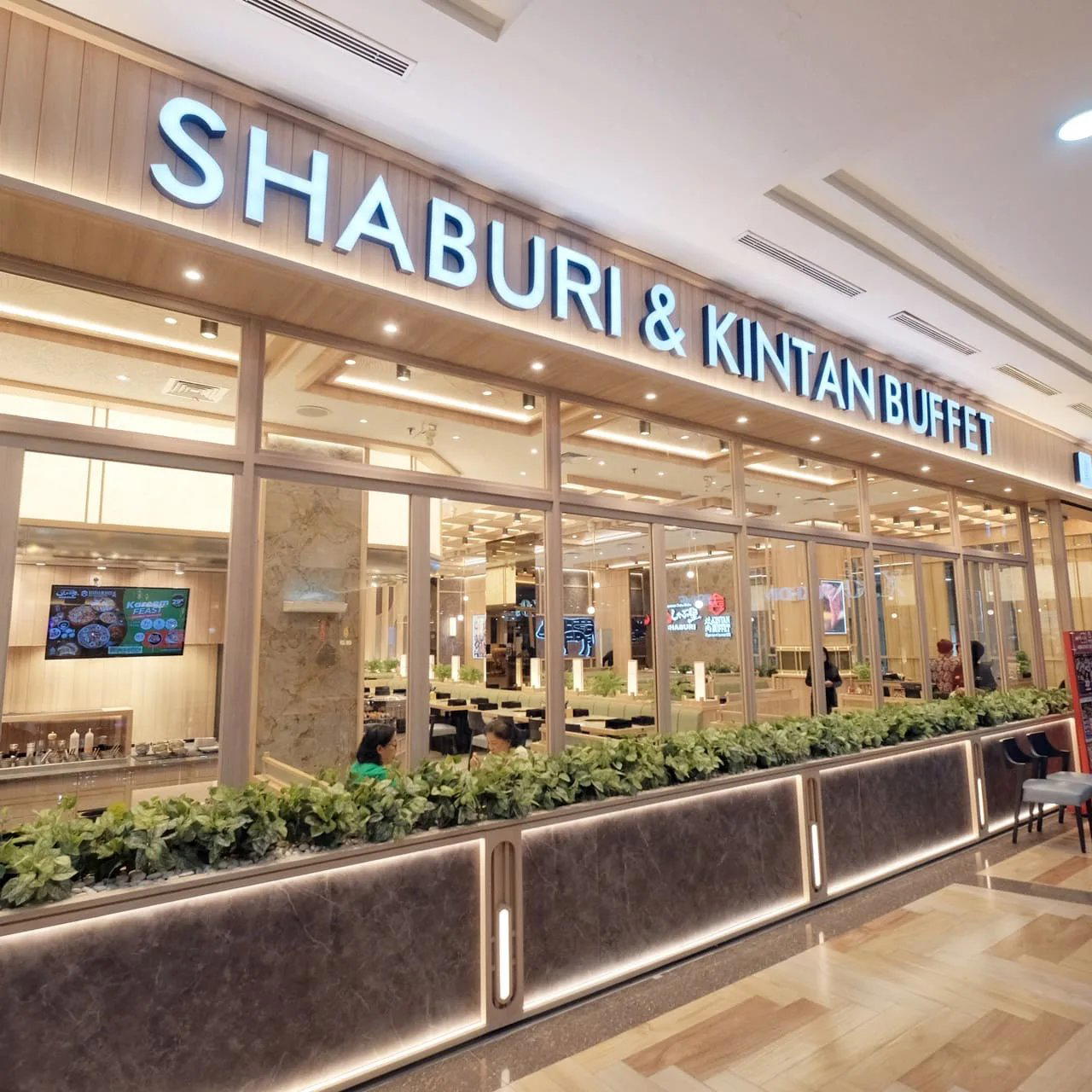
For comparable Korean-influenced grill and hotpot concepts in Sleman, KOUN Grill & Shabu-Shabu by sop aja and Shaburi & Kintan Buffet Ambarrukmo Plaza Yogyakarta operate in the same broad category, though the latter runs a buffet format that changes the ingredient-sourcing calculus entirely. The Duck King Plaza Ambarrukmo Jogja represents the Chinese-Indonesian end of the same premium protein-forward dining spectrum, while Mie Ayam & Bakso Idola Pak Tikno anchors the neighbourhood's more casual end. The spread within Sleman's dining options is wider than most visitors expect.
What the Table-Grill Format Demands
The table grill format places a specific set of demands on a restaurant that few other formats replicate. Ventilation is an infrastructural commitment, not an afterthought. Proper smoke extraction determines whether diners leave the meal smelling of charcoal or not, and it is one of the clearest indicators of investment in the physical space. Charcoal versus gas is a secondary but meaningful distinction: charcoal grilling adds a smokiness that affects flavour in ways that are not cosmetic, and restaurants that maintain charcoal service at table level are absorbing a real operational cost to do so.
The pacing of a Korean barbecue meal also differs from most Indonesian dining norms. The meal extends over successive rounds of grilling, and service staff who understand how to manage the fire, replace the grill grates, and time meat delivery to the table are doing skilled work. In the better Korean barbecue houses across the region, from Jakarta's established Koreatown operations to Bali addresses like Sarong Bali and ingredient-led dining rooms such as Locavore NXT in Ubud, attention to the mechanics of service is as important as the food itself. The same principle applies at street-level grill addresses in Sleman.
Placing BORNGA in Sleman's Dining Context
Sleman as a dining district is often overshadowed by the cultural weight of central Yogyakarta, but the kabupaten (regency) has developed its own restaurant density, particularly in the Ngaglik and Sariharjo areas. The northern corridor of Jalan Lempongsari has seen consistent restaurant openings over the past several years, pulled in part by the area's proximity to universities and middle-class residential zones. This demographic mix tends to support casual-to-mid-range dining with higher-than-average frequency of visits, which explains why a format like Korean barbecue, which rewards repeat diners who learn what to order, can sustain itself outside the mall environment.
For travellers based in central Yogyakarta who are building an itinerary that extends north into Sleman, the Jalan Lempongsari stretch is worth including as a counterpoint to the kraton-adjacent dining that dominates most tourist circuits.
Indonesia's broader dining sophistication, represented at the premium end by addresses like August in Jakarta, Kahyangan in Gondangdia, and ingredient-focused operations such as Cafe Organic Canggu and Moksa in Bali, has raised the baseline expectation that even mid-range diners bring to questions of sourcing and preparation. Korean barbecue benefits from this shift because the format's transparency makes sourcing claims immediately testable. You cook the meat yourself, and you know within minutes whether the cut was worth ordering again.
Coastal protein-forward concepts like Rumari in Jimbaran, Jungle Fish Bali in Gianyar, and Cuca Restaurant in Badung demonstrate how seriously Bali's dining culture takes ingredient transparency. Regional Indonesian formats such as CARANO Masakan Padang in Bekasi and high-production Western fine dining like Le Bernardin in New York City or Lazy Bear in San Francisco sit at opposite ends of the spectrum, but all share the assumption that provenance matters. Korean barbecue in Sleman sits somewhere in the middle of that continuum, with the format's structural transparency acting as its own accountability mechanism. The Legian in Seminyak represents the resort-hotel end of the same Indonesian premium dining market, a useful reminder of how wide the category stretches.
Planning a Visit
BORNGA is located at Jl. Lempongsari No. 117A, Jongkang, Sariharjo, Kec. Ngaglik, Kabupaten Sleman, Daerah Istimewa Yogyakarta 55581. The address sits in the northern reaches of the greater Yogyakarta metropolitan area, roughly accessible by ride-hailing apps from central Yogyakarta. The restaurant is open daily from 11 AM to 10 PM, and reservations are recommended.
Comparable Venues
Comparable venues nearby, for context on price, style, and recognition.
| Venue | Cuisine | Price | Notes |
|---|---|---|---|
| BORNGAThis venue — the venue you are viewing | Korean BBQ | $$$ | Not listed |
| The Duck King Plaza Ambarrukmo Jogja | Chinese Duck Specialist | $$ | Sleman |
| KOUN Grill & Shabu-Shabu by sop aja | Japanese Grill & Shabu-Shabu | $$ | Sleman |
| Shaburi & Kintan Buffet Ambarrukmo Plaza Yogyakarta | Japanese Shabu-Shabu & Yakiniku Buffet | $$ | Depok |
| Mie Ayam & Bakso Idola Pak Tikno | Indonesian Mie Ayam & Bakso | $ | Sleman |
| Panorama Restaurant | Modern Indonesian Fine Dining | $$$ | Sangalangi |
Continue exploring
More in Sleman
Restaurants in Sleman
Browse all →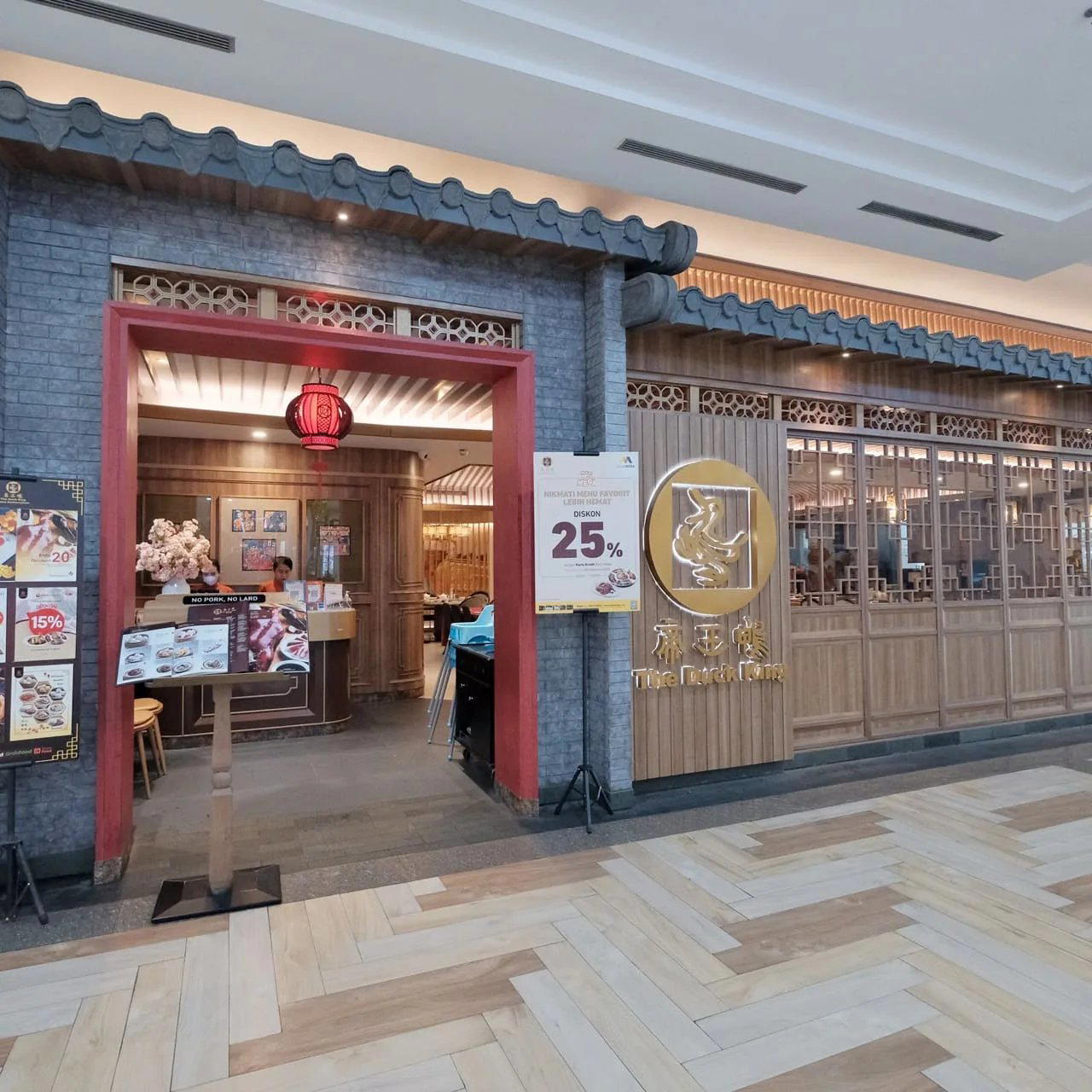
At a Glance
- Modern
- Cozy
- Lively
- Family
- Group Dining
- Date Night
- Celebration
- Open Kitchen
- Beer Program
Current opening hours
- Monday
- 11 AM–10 PM
- Tuesday
- 11 AM–10 PM
- Wednesday
- 11 AM–10 PM
- Thursday
- 11 AM–10 PM
- Friday
- 11 AM–10 PM
- Saturday
- 11 AM–10 PM
- Sunday
- 11 AM–10 PM
Hours can change for holidays and private events. Last verified .
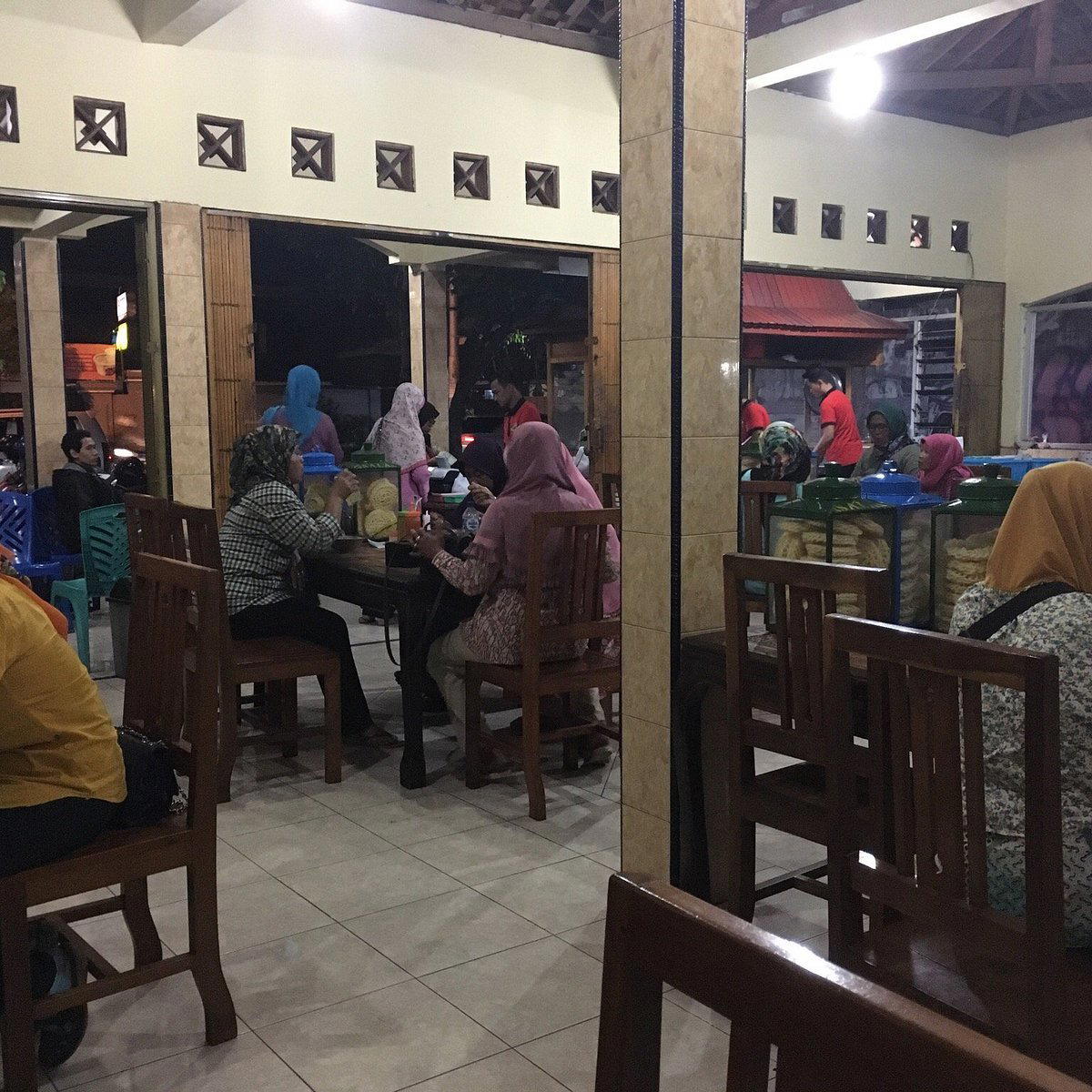
Warm, inviting, and modern with comfortable seating suitable for family gatherings and romantic dining.