

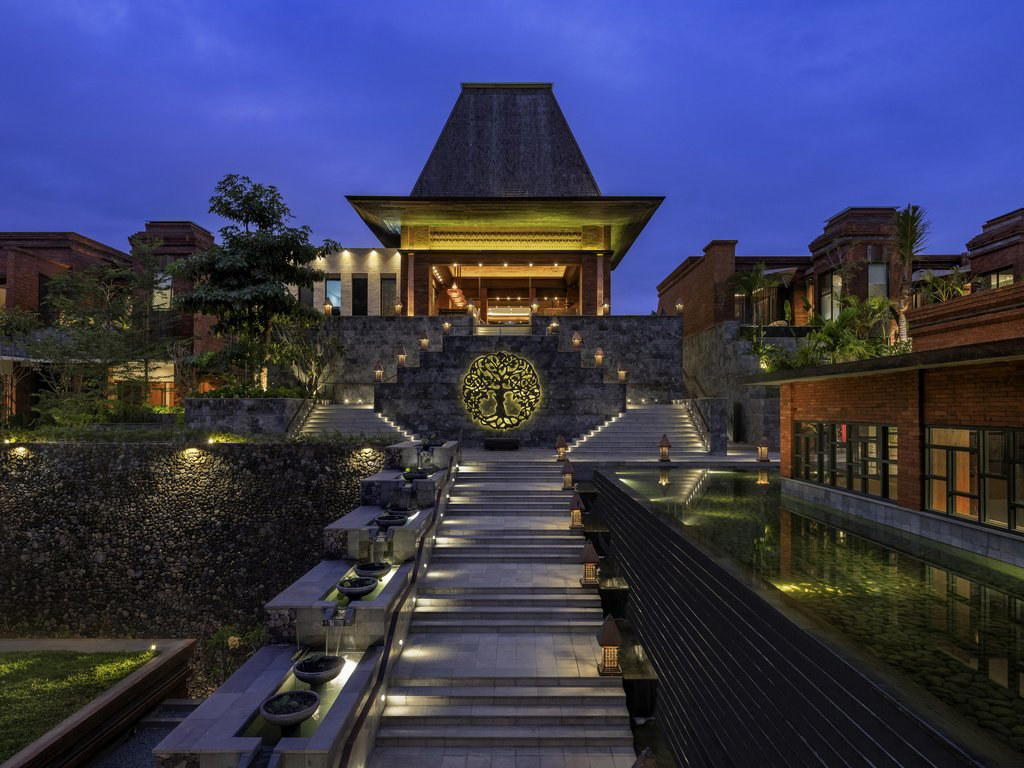
Carrying a 2025 Michelin Selected distinction, Hotel Le Temple Borobudur sits within reach of the ninth-century Buddhist monument in Magelang, Central Java. The property occupies a position between the area's larger resort operators and more intimate boutique options, with a name and address that signal deliberate proximity to one of Southeast Asia's most significant archaeological sites.
Pearl is the En Primeur Club membership app — saves, bookings, and concierge access live there. Same editors, same standards.
- Address
- Sawah, Borobudur, Magelang Regency, Central Java 56553, Indonesia
- Phone
- +62 889-8096-3622
- Website
- hotelletemple.com
- Directions
- Get directions
 Saves & bookings on Pearl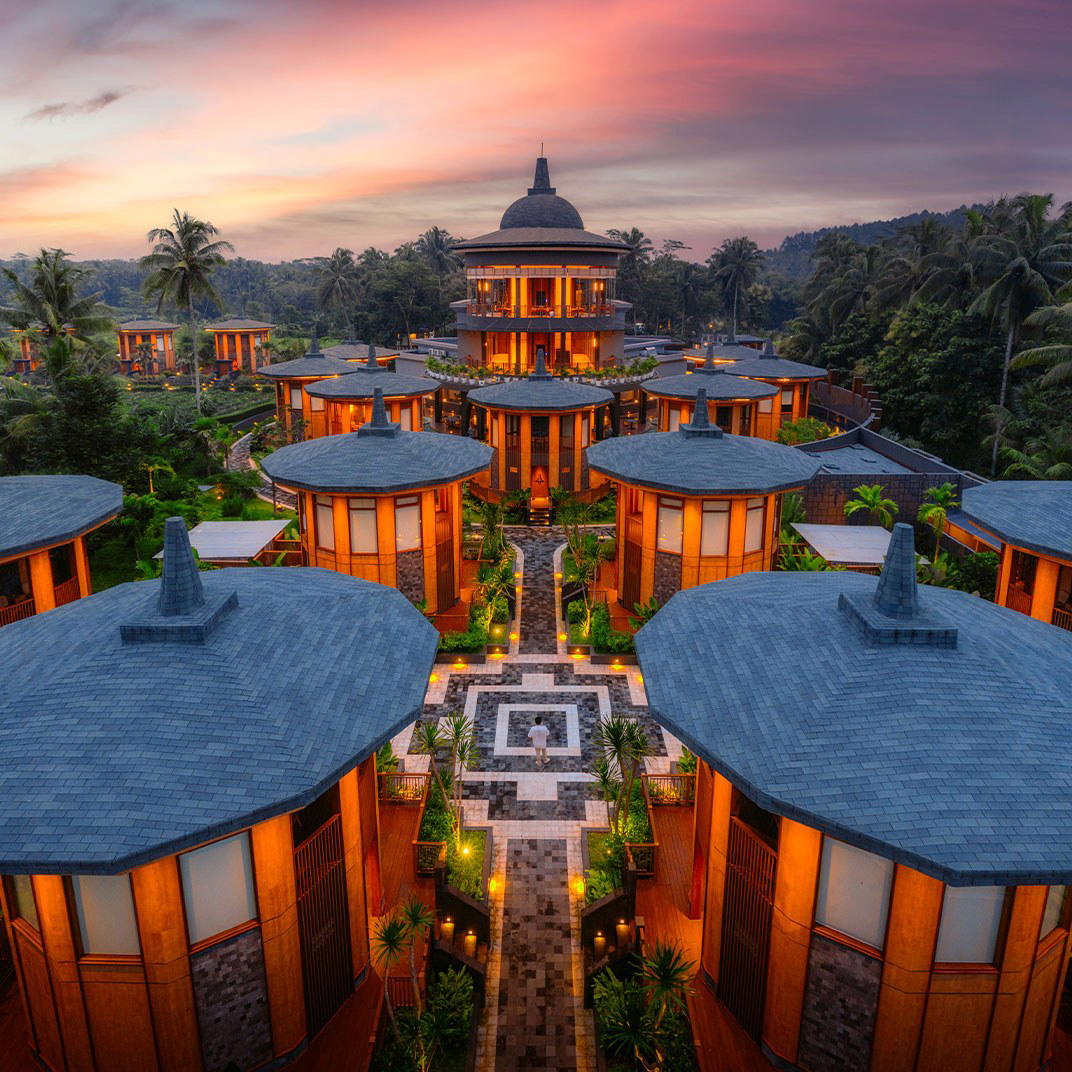
Arriving at the Edge of the Ancient World
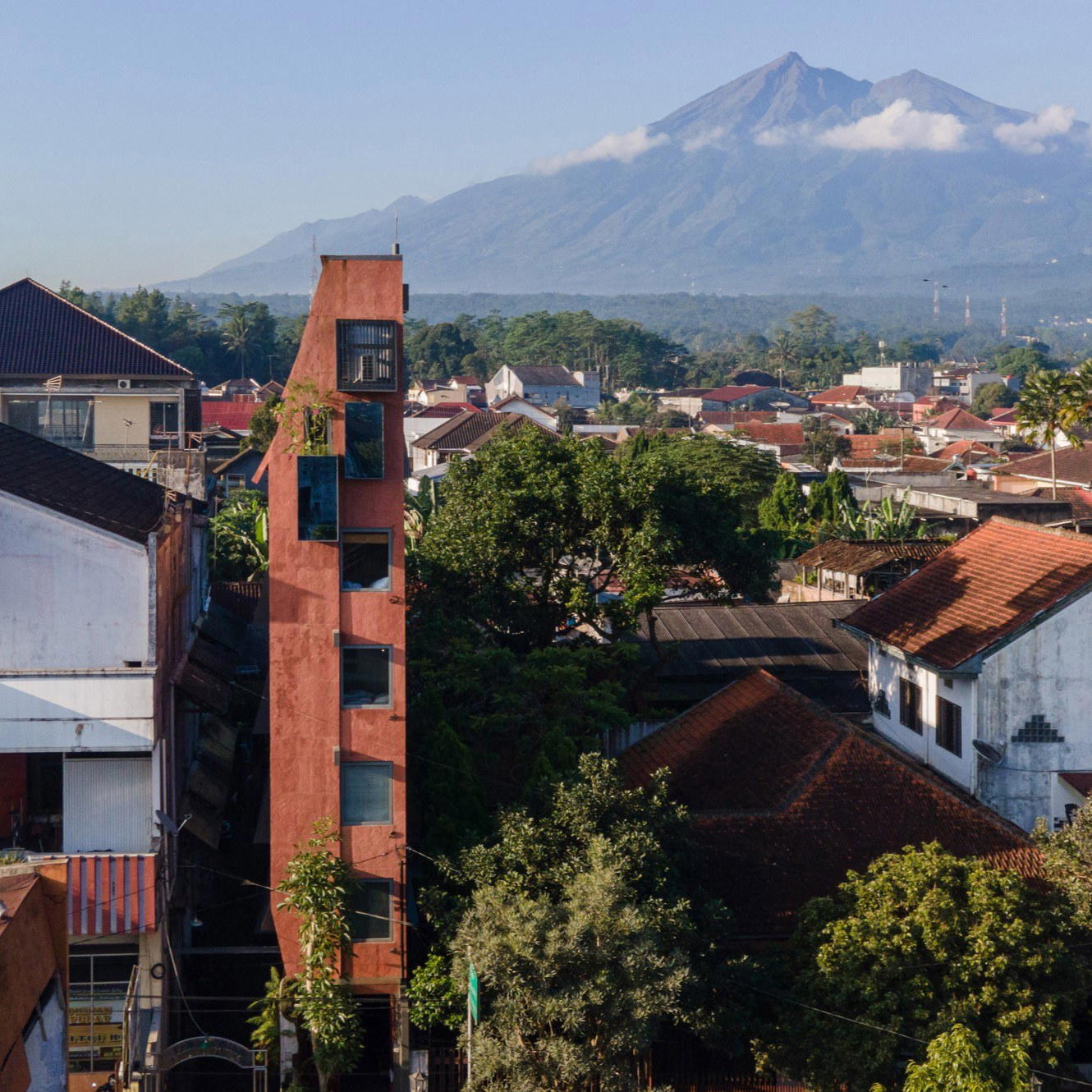
The road to Borobudur from Yogyakarta takes roughly an hour through Central Java's agricultural lowlands, past rice terraces and banana groves that have framed this corridor since the temple itself was constructed in the ninth century. By the time the stone spires come into view above the tree line, the character of the area has already shifted from transit to destination.
That physical proximity is the first signal of the hotel's positioning. Accommodations around Borobudur split broadly into two categories: large-footprint resort complexes that use the monument as a backdrop, and smaller properties that attempt a more integrated relationship with the surrounding landscape and village life. Le Temple reads as the latter. Its name is not incidental. A direct reference to the temple complex that defines this stretch of Magelang, the branding commits the property to a single, focused purpose: place guests in deliberate relationship with what they came to see.
Service as Orientation
At properties where the external spectacle is this dominant, the guest experience tends to live or die on whether the staff can translate geography into meaning. The monument itself is managed by the Indonesian government and open to general tourism; what a hotel nearby can offer is context, timing intelligence, and a level of personalised guidance that turns a visit to a UNESCO World Heritage site into something more considered than a group tour.
The editorial angle at Le Temple, implied by its scale, points toward the kind of anticipatory service model common to smaller properties with a specialist focus. In Central Java's heritage accommodation tier, that means staff who understand the difference between sunrise access and midday crowds at Borobudur, who can calibrate itineraries around temple opening patterns, and who position the property as a base for the broader Kedu Plain, which holds not only Borobudur but the Hindu temples of Prambanan and the volcanic landscape further east.
The 2025 Michelin Selected distinction places Le Temple in a recognised comparable set, alongside properties that Michelin's hotel inspectors have assessed on criteria including comfort, quality of welcome, and consistency of experience. In Magelang, inclusion signals a standard of care that independent travellers and small-group visitors can use as a reference point.
The Competitive Set Around the Monument
Borobudur's immediate accommodation market is anchored at the high end by Amanjiwo, the Aman property whose design architecture directly references the stupa forms of the monument and whose pricing and exclusivity place it in a different category from most regional operators. Below that tier, properties like Plataran Borobudur Resort and Spa and Villa Borobudur Resort compete for travellers who want considered design and genuine proximity without Aman-level rates.
Le Temple sits within this mid-tier, where the differentiating factors are less about facility scale and more about how closely the property's identity tracks the heritage asset it stands beside. A hotel that names itself after the temple, earns Michelin recognition, and operates at the village level in Sawah is making a specific argument about what kind of stay it offers. The argument is: fewer intermediary layers between the guest and the place.
For context on how this positioning plays out across Indonesia's broader travel market, the country's most discussed properties in 2024 and 2025 have tended toward either the Bali-centric resort model, represented by properties like Mandapa, a Ritz-Carlton Reserve in Ubud, COMO Uma Canggu in Canggu, and Jumeirah Bali, or the archipelago-edge experiences offered by properties such as Nihi Sumba in Sumba and Innit Lombok in Ekas. Magelang represents a different register entirely: heritage tourism grounded in one of the world's most significant archaeological monuments, in a city that receives far less international accommodation investment than its cultural weight would suggest.
Other Indonesian properties with their own specialist positioning include Plataran Komodo Resort & Spa in Labuan Bajo, REVĪVŌ Wellness Resort Nusa Dua Bali in Badung, Kampung Sampireun Resort & Spa in Garut, Desa Potato Head in Denpasar, and RIMBA by AYANA Bali in Jimbaran Bay, each anchored to a specific landscape or concept rather than competing on sheer scale. Le Temple's Michelin recognition places it in this intentional tier.
Planning Your Stay
Borobudur is at its least crowded in the early morning hours, particularly on weekdays, when the light is also most photographically compelling.
Cuisine and Recognition
Comparable venues nearby, for context on price, style, and recognition.
| Venue | Cuisine | Price | Awards | Notes |
|---|---|---|---|---|
| Hotel Le Temple BorobudurThis venue — the venue you are viewing | Traditional temple-inspired resort with luxurious villas | $$$ | 5-Star | Not listed |
| Plataran Borobudur Resort and Spa | Javanese-inspired luxury villas blending traditional Indonesian architecture with modern comfort | $$$$ | 5-Star | Tanjungan Village |
| Villa Borobudur Resort | Traditional Javanese joglo pavilions with modern comforts | $$$$ | 5-Star | Borobudur |
| Amanjiwo | Limestone resort echoing Borobudur temple architecture, cascading down hillside into rice paddies. | $$$$ | Michelin 3 Key | Borobudur |
| Seven Secrets by Hanging Gardens | contemporary tropical fusion with indoor-outdoor living | $$$$ | 5-Star | Malaka Pemenang |
| Regent Bali Canggu | Modern luxury resort blending traditional Balinese inspirations with contemporary architecture. | $$$$ | 5-Star | Canggu |
Recognition history
Dated appearances from independent guides and award organizations, with the underlying list record or original source where available.
Tablet Hotels Best New Hotel Designs (Asia)
Tablet Hotels · Tablet Hotels Design Awards 2026: Best New Hotel Designs (Asia)
Michelin Selected
Michelin
Continue exploring
More in Magelang
Hotels in Magelang
Browse all →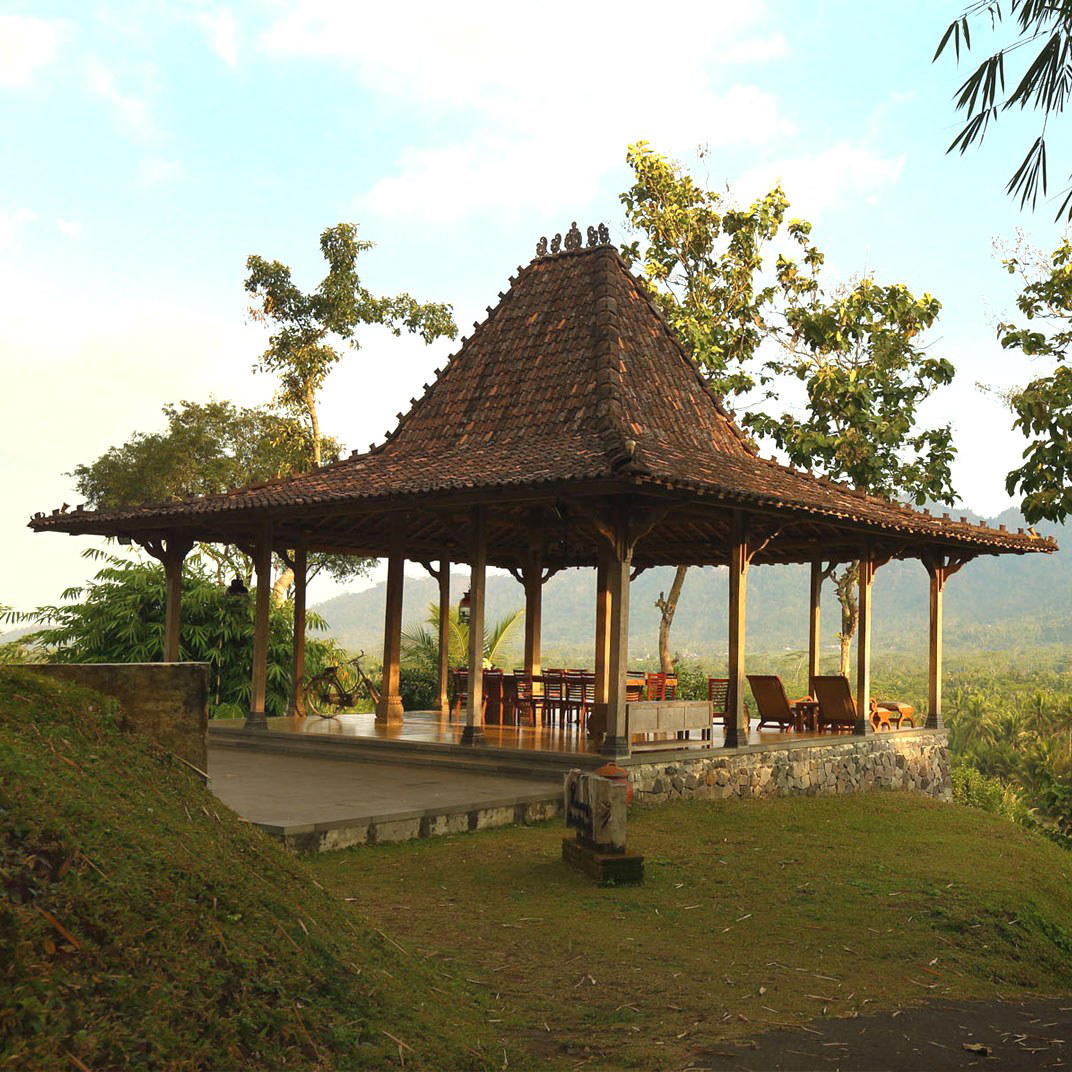
At a Glance
- Quiet
- Elegant
- Scenic
- Intimate
- Sophisticated
- Romantic Getaway
- Honeymoon
- Wellness Retreat
- Weekend Escape
- Infinity Pool
- Private Villa
- Panoramic View
- Historic Building
- Wi Fi
- Pool
- Spa
- Fitness Center
- Room Service
- Concierge
- Restaurant
- Kids Club
- Mountain
- Garden
- Wi Fi
- Pool
- Spa
- Fitness Center
- Room Service
- Concierge
- Restaurant
- Kids Club
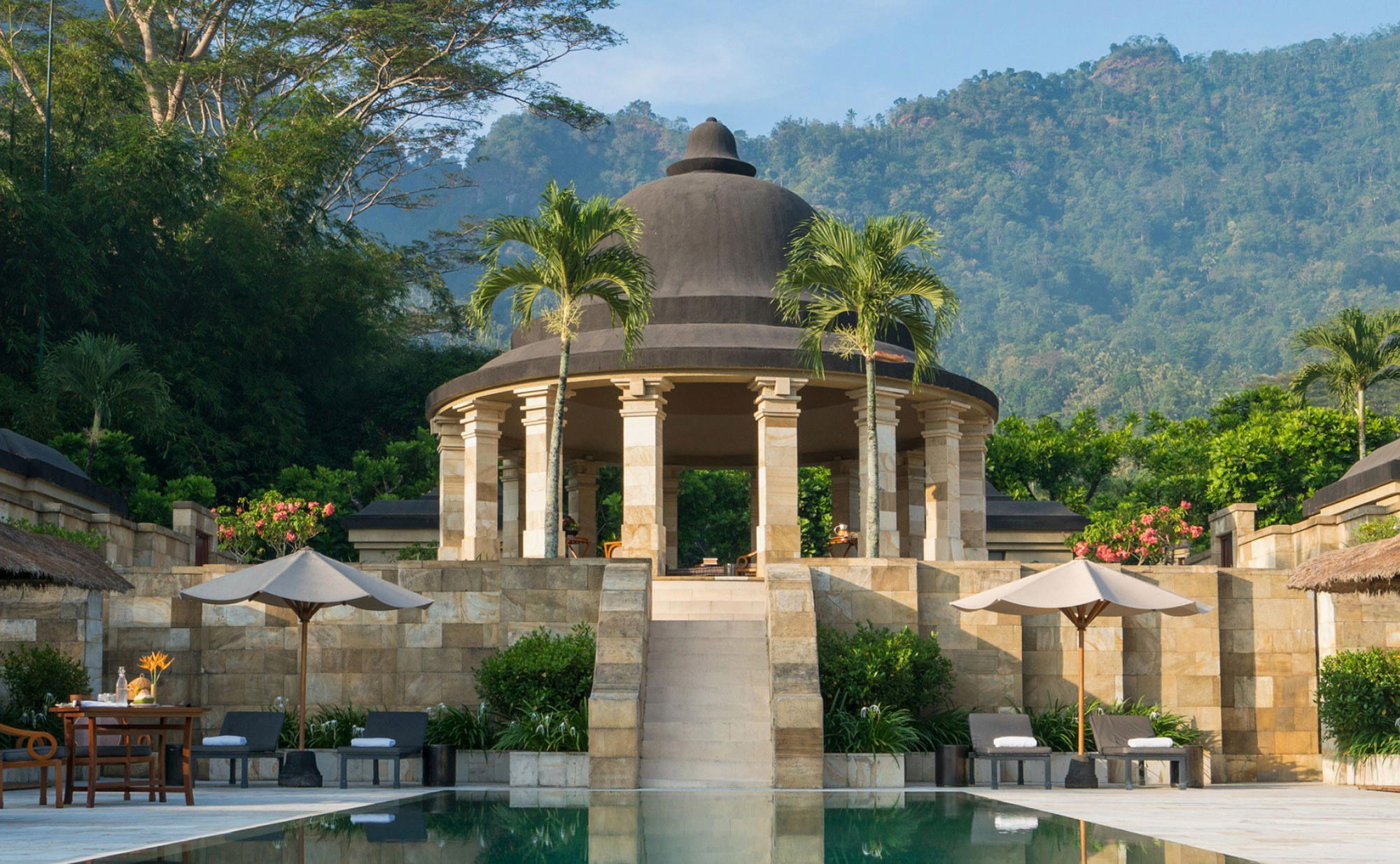
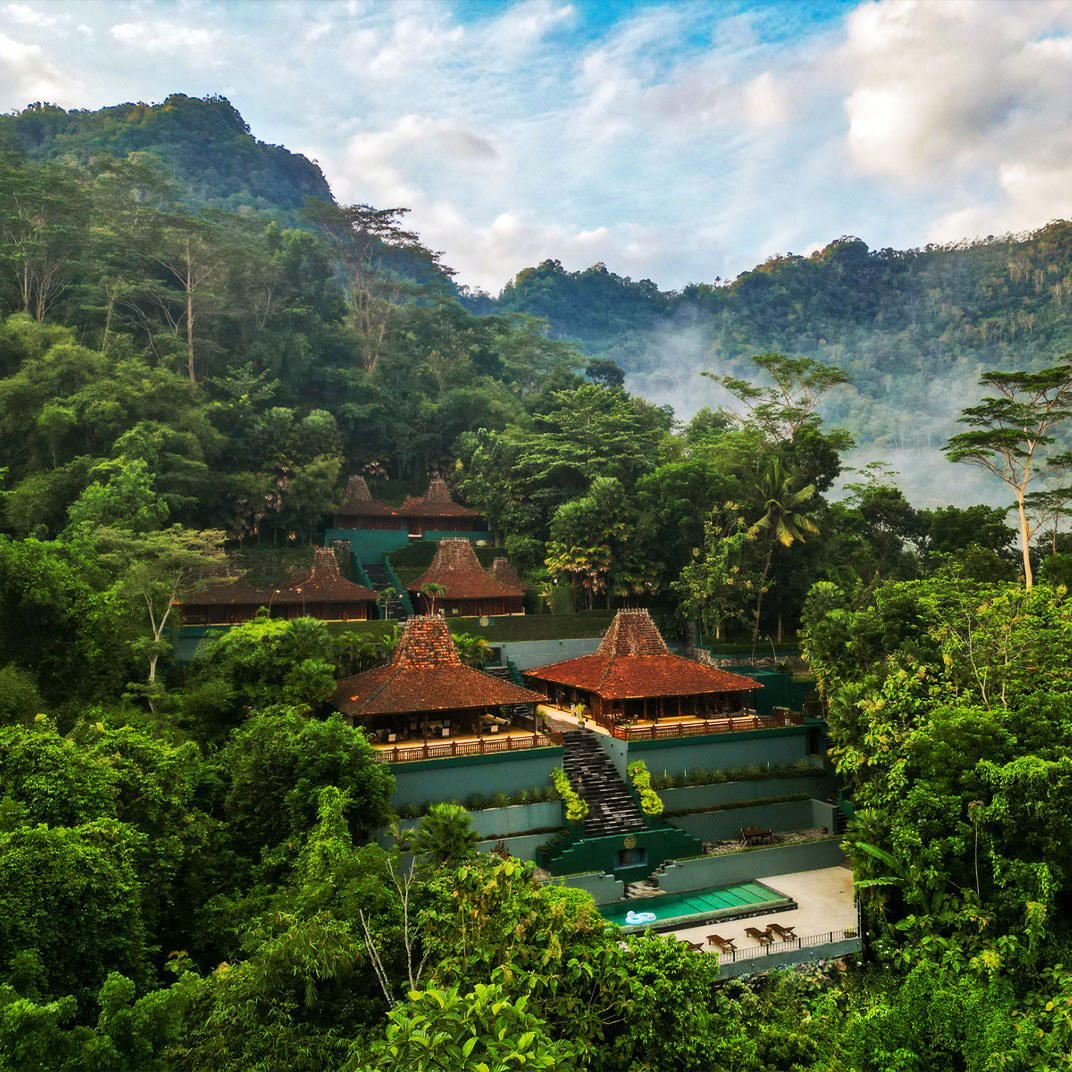
Secluded and elegant atmosphere with traditional temple-inspired design, serene lighting, and tranquil surroundings amid hills and rice fields.