Ta'Ala Restaurant occupies a residential address in Laweyan, one of Surakarta's oldest batik-trading districts, placing it within a neighbourhood where craft and provenance have shaped commerce for centuries. The restaurant sits at a point where Central Javanese culinary tradition and a sourcing-conscious approach to ingredients converge, relevant for travellers who want to read a city through its food rather than its tourist circuit.
Pearl is the En Primeur Club membership app — saves, bookings, and concierge access live there. Same editors, same standards.
- Address
- Jl. Madubronto I No.9, Sondakan, Kec. Laweyan, Kota Surakarta, Jawa Tengah 57147, Indonesia
- Phone
- +6285729957509
- Website
- linktr.ee
- Directions
- Get directions
 Saves & bookings on Pearl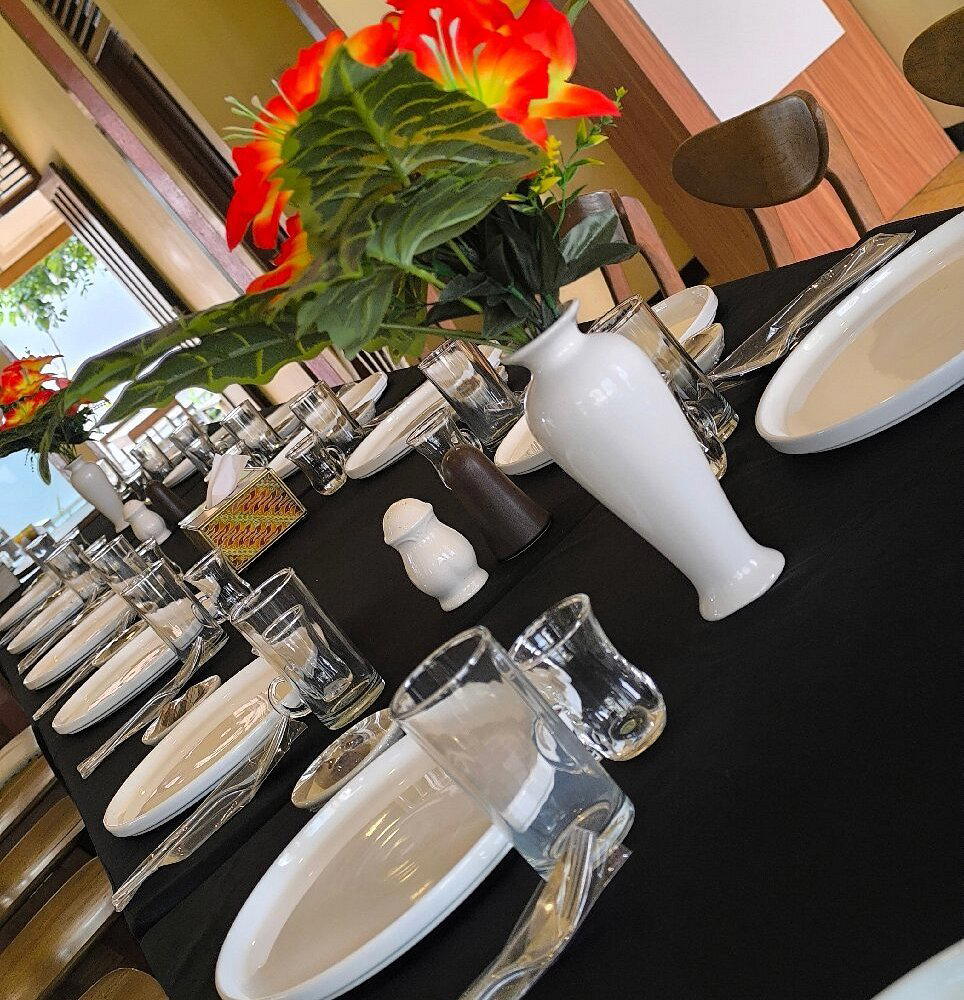
Laweyan's Culinary Address: Where Surakarta's Oldest Quarter Meets the Table
Surakarta, known locally as Solo, occupies a different register from Bali's self-conscious restaurant scene or Jakarta's high-rise dining towers. The city moves on its own tempo: kraton ceremony, batik workshops, street-side wedang ronde on cool evenings. In Laweyan, the southwestern district that built its wealth on textile trade from the fifteenth century onward, that tempo is slower still. Streets like Jl. Madubronto sit within a residential fabric where shophouses and family compounds share walls, and where the neighbourhood's identity as a centre of craft production still defines the social texture. Ta'Ala Restaurant is a casual, walk-in-friendly restaurant serving authentic Pakistani and Middle Eastern food at Jl. Madubronto I No.9, Sondakan, a sub-district of Laweyan. That placement is itself a signal worth reading carefully.
For travellers building a picture of Surakarta's restaurant scene, Ta'Ala's address in Laweyan puts it in a part of the city that doesn't default to tourism infrastructure. The district's culinary identity has historically run through family kitchens and market stalls rather than formal dining rooms, which makes any sit-down restaurant here a deliberate intervention in a neighbourhood that wasn't shaped around that format.
The Sourcing Question in Central Javanese Cooking
Central Java's culinary tradition is built on a specific agricultural and trade geography. The Solo plain, fertile, volcanic-soil lowlands fed by the Bengawan Solo river system, has supplied rice, tempeh, tofu, and aromatic vegetables to the region's tables for generations. Where Balinese cooking, as practised at places like Locavore NXT in Ubud, has developed a self-conscious sourcing vocabulary around local provenance, Central Javanese cooking has often been sourcing-conscious by structural default: markets operate daily, supply chains are short, and seasonal availability shapes menus more reliably than any written policy could.
In this context, a restaurant in Laweyan draws on one of Indonesia's most coherent regional larders. The aromatics, galangal, lemongrass, candlenut, kencur, grow within the region. The tempeh culture in Solo is among the more embedded in Java, with producers who have operated the same fermentation processes across multiple generations. Javanese sweet soy sauce, kecap manis, is produced locally at a scale and quality that the rest of Indonesia imports. For a restaurant in this district, the sourcing infrastructure is already present; the editorial question is what a kitchen does with that access.
What the address and district placement do confirm is that the restaurant operates within a neighbourhood whose food culture runs deep and whose supply relationships are built on proximity rather than logistics. That matters for how the cooking is likely to be constituted, even before a dish arrives at the table.
Solo's Position in Indonesia's Broader Dining Circuit
Indonesia's fine-dining conversation concentrates on Bali and Jakarta. Bali carries the international recognition: August in Jakarta and Locavore's various formats represent the benchmark for sourcing-led cooking with documented critical attention. Jakarta's density generates its own competitive pressure, visible in operations like Kita in Kecamatan Menteng and the hotpot circuits anchored by Hai Di Lao in Central Jakarta. Solo doesn't compete in that conversation and doesn't try to.
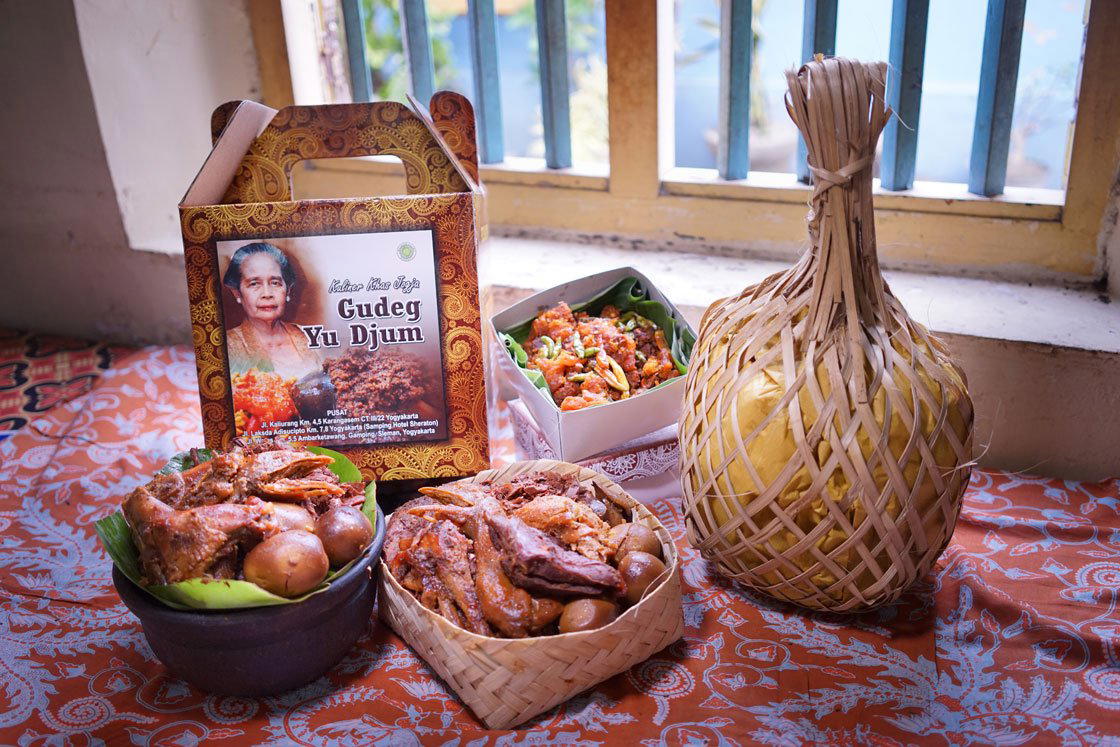
What Solo offers instead is depth in a different register: a royal court culinary tradition (the Kasunanan and Mangkunegaran palaces both maintained distinct kitchen cultures), a night market circuit that operates until the early hours, and a Javanese cooking vocabulary that prioritises balance, sweet, savoury, and umami in proportions that differ meaningfully from the spicier profiles of Padang or the seafood-dominant plates of coastal Sulawesi. The gudeg tradition documented at venues like Gudeg Yu Djum in Yogyakarta, the slow-braised young jackfruit preparation, has its own Solo variants, and the city's soto Ayam Solo (a clear-brothed chicken soup distinct from the coconut-milk versions found elsewhere) represents a calibration of flavour that takes technique seriously even in its most casual forms.
A restaurant operating in this environment has a different kind of comparable set than venues in Bali or Jakarta. The comparison isn't with Michelin-tracked operations or internationally curated tasting menus. It's with the warungs, the pasar malam stalls, and the family-run establishments that have held Solo's culinary identity for decades. Whether Ta'Ala positions itself against that tradition or within it is a question that a visit would settle more conclusively than any database entry.
Laweyan as Neighbourhood: What the District Tells You Before You Arrive
Laweyan's designation as a Heritage Village by Indonesian authorities reflects the district's unusual degree of physical continuity: batik workshop compounds with their characteristic high walls and interior courtyards survive in numbers that make the neighbourhood visually distinct from the rest of Solo. The same walls that once protected dye vats and stored finished cloth now enclose family homes and, occasionally, restaurants and guesthouses that have converted the spatial logic of the compound for new uses.
Arriving in Laweyan on Jl. Madubronto, the atmosphere is residential and unhurried. The address at No. 9 sits within this fabric. For visitors accustomed to the purpose-built dining precincts of Seminyak or the food halls of South Jakarta, the neighbourhood requires a different mode of attention, slower, more lateral. That recalibration is part of what a meal in this district offers, independent of any single restaurant's menu.
For wider Indonesian context, the sourcing-conscious cooking visible at Kunyit in Bandung and the regional specificity on display at venues across the archipelago, from Bikini Restaurant in Badung to Jungle Fish in Gianyar, reflects a broader Indonesian dining moment in which provenance and regional identity are increasingly the terms on which restaurants make their case. Solo, with its intact supply chains and court culinary history, has the raw material to participate in that conversation. Ta'Ala's address in Laweyan places it inside a district with those credentials already built in.
Planning Your Visit
Ta'Ala Restaurant is located at Jl. Madubronto I No.9, Sondakan, in the Laweyan district of Surakarta. Laweyan sits to the southwest of Solo's city centre and is accessible by ride-share apps (Gojek and Grab both operate reliably across the city) or by becak for shorter distances within the district. Given the residential setting, confirmed opening hours and booking arrangements are leading verified directly on arrival in the city or through local accommodation concierge contacts.
Quick Comparison
Comparable venues nearby, for context on price, style, and recognition.
| Venue | Cuisine | Price | Notes |
|---|---|---|---|
| Ta'Ala RestaurantThis venue — the venue you are viewing | Authentic Pakistani & Middle Eastern | $ | Not listed |
| Kutumba Resto & Cafe | Modern Nusantara | $ | Surakarta City |
| Bakso Babi Alang-alang | Indonesian Pork Meatballs (Bakso Babi) | $ | Makale |
| Mie Ayam & Bakso Idola Pak Tikno | Indonesian Mie Ayam & Bakso | $ | Sleman |
| Kynd Community | Plant-Forward Vegetarian Cafe | $$ | Seminyak |
| Kkado Chicken - Malang | Korean Chicken | $ | Klojen |
Continue exploring
More in Surakarta
Restaurants in Surakarta
Browse all →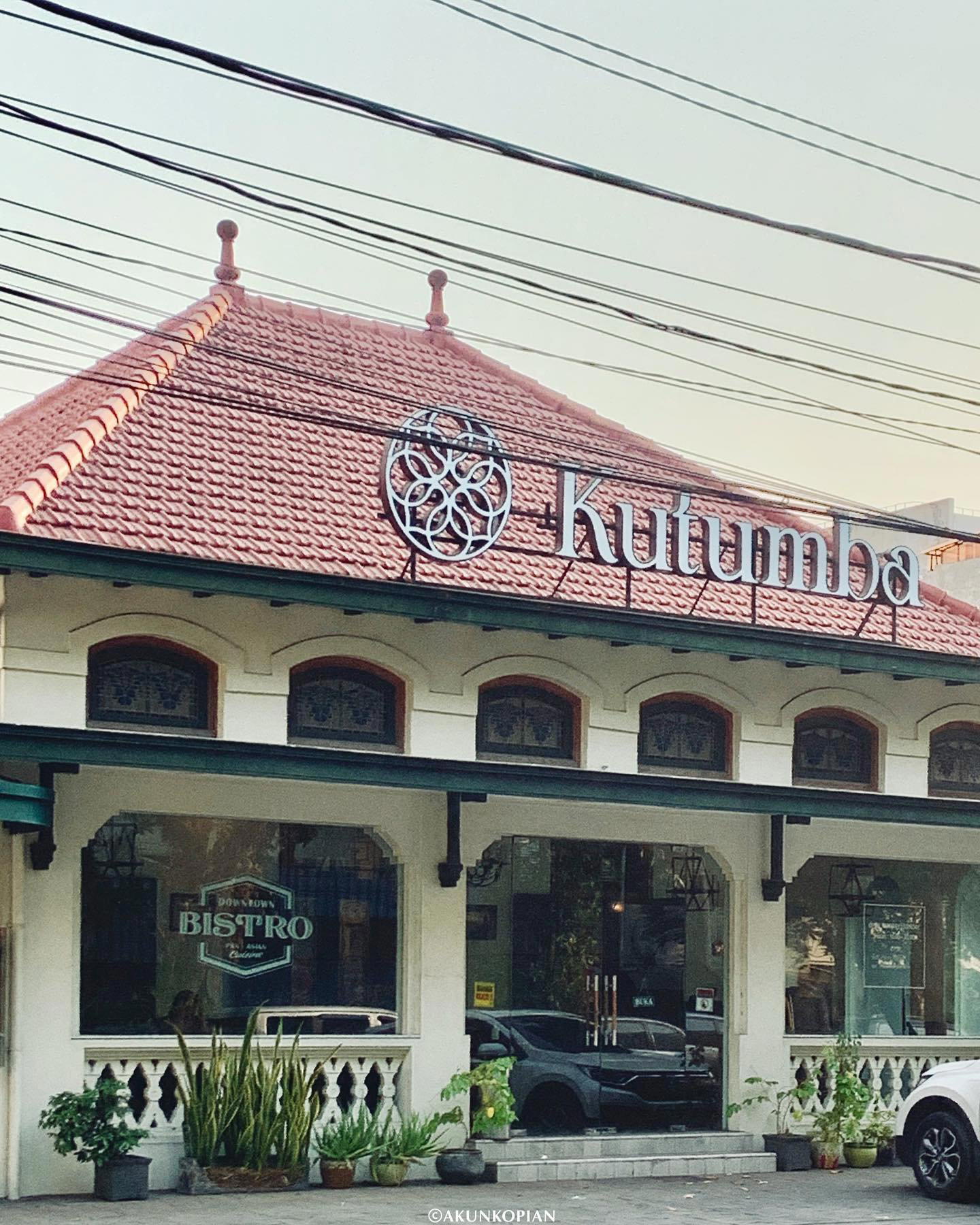

At a Glance
- Cozy
- Casual Hangout
- Family
Current opening hours
- Monday
- 11:30 AM–11 PM
- Tuesday
- Closed
- Wednesday
- 11:30 AM–11 PM
- Thursday
- 11:30 AM–11 PM
- Friday
- 11:30 AM–11 PM
- Saturday
- 11:30 AM–11 PM
- Sunday
- 11:30 AM–11 PM
Hours can change for holidays and private events. Last verified .
Cozy, homey, warm, and welcoming with simple decor.