A roadside mie ayam and bakso stall on the Solo-Yogyakarta corridor in Maguwoharjo, Sleman, Pak Tikno occupies a firmly local tier of Indonesian comfort eating. The combination of chicken noodle and meatball soup represents one of Java's most enduring street-food pairings, served to passing traffic and neighbourhood regulars at accessible prices.
Pearl is the En Primeur Club membership app — saves, bookings, and concierge access live there. Same editors, same standards.
- Address
- Jl. Raya Solo - Yogyakarta, Karangploso, Maguwoharjo, Kec. Depok, Kabupaten Sleman, Daerah Istimewa Yogyakarta 55281, Indonesia
- Phone
- +62 821-3717-6661
- Directions
- Get directions
 Saves & bookings on Pearl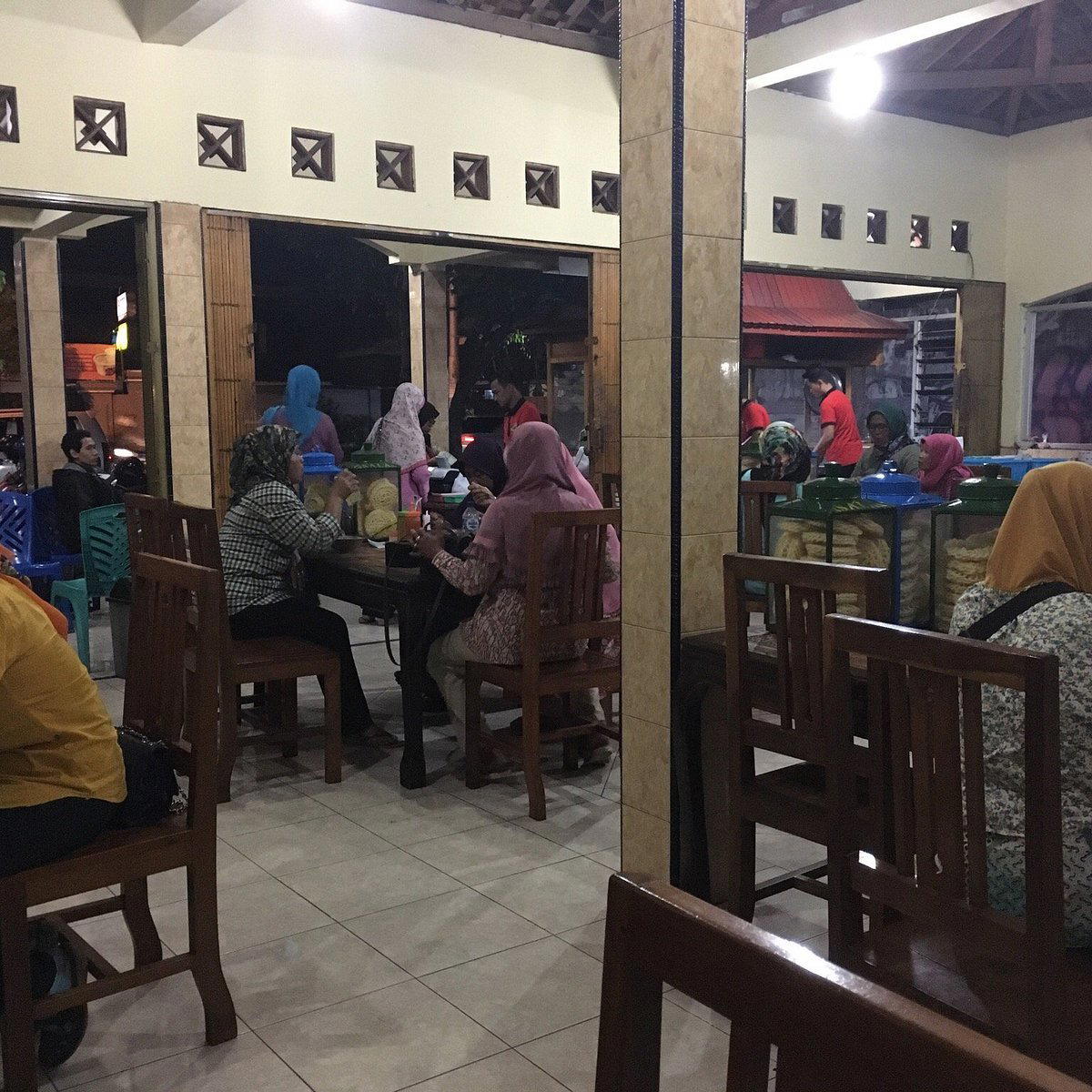
Where the Solo-Yogyakarta Road Meets Javanese Bowl Culture
Along the Jalan Raya Solo-Yogyakarta corridor in Maguwoharjo, the rhythm of eating is set not by reservation systems or tasting menus but by the familiar smell of broth simmering at roadside stalls. This stretch of road connecting two of Java's most culturally significant cities has long functioned as an artery of informal food commerce, and it is within that tradition that Mie Ayam and Bakso Idola Pak Tikno operates. The address places it in Karangploso, within Kecamatan Depok in Kabupaten Sleman, Indonesia.
Like most warung-style operations along the Solo-Yogya road, the setup is direct, street-facing, and built for quick service. Mie ayam and bakso are not dishes that benefit from theatrical presentation or long explanations. They are understood foods, ingrained in Javanese daily life across generations, and the places that serve them are usually the ones that have been doing so longest, quietly accumulating a regulars base that needs no marketing.
Mie Ayam and Bakso: The Cultural Pairing That Defines Everyday Java
To understand Pak Tikno's position in Sleman's food scene, it helps to understand what mie ayam and bakso represent within Indonesian food culture. Mie ayam, or chicken noodle, is a dish with clear Chinese-Indonesian roots: wheat noodles dressed in seasoned chicken fat and soy, topped with braised or poached chicken pieces, occasionally with wontons or mushrooms, and served alongside a light broth. Bakso, the dense, springy meatball typically made from beef or a beef-chicken blend, arrived through similar migration pathways but became so thoroughly absorbed into Indonesian daily eating that it now functions as one of the country's most recognisable comfort foods. The pairing of the two at a single stall is common precisely because they share a broth-based logic and a similar audience: people who want something filling, warm, and familiar without negotiating a long menu.
Across Java, the quality markers for these dishes are specific and technically demanding in ways that are easy to underestimate. The bakso must have the right texture, a firmness that comes from the correct ratio of meat to starch and from proper processing, not from shortcuts. The noodles in a mie ayam must carry the dressing without becoming waterlogged. The broth, served separately or poured over, needs clarity and depth. These are not questions of fine-dining refinement but of craft repetition, the kind built up over years of daily production. Roadside stalls that earn loyal followings in Indonesian cities tend to do so because they have achieved consistency on exactly these points, often within a single dish they have made thousands of times.
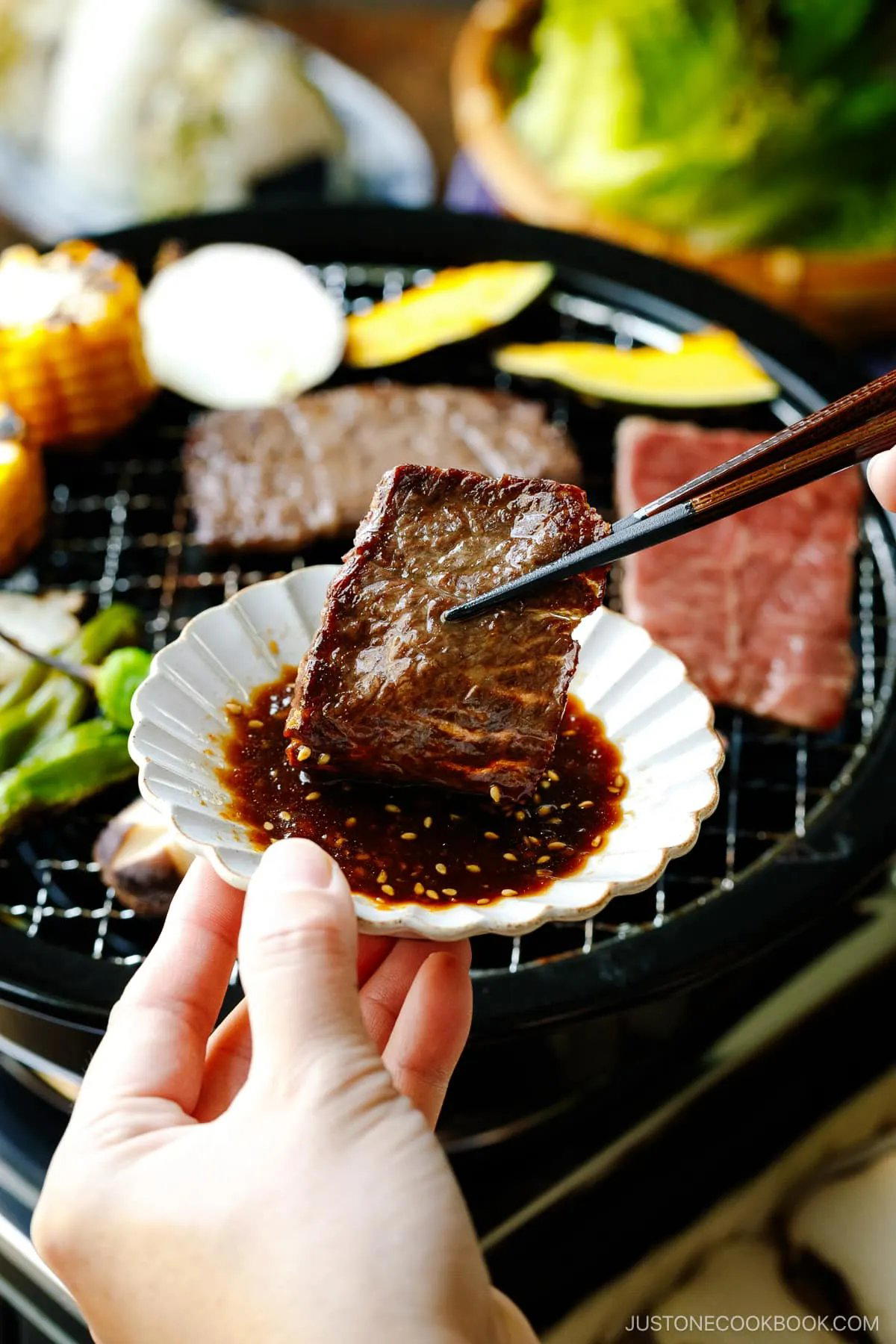
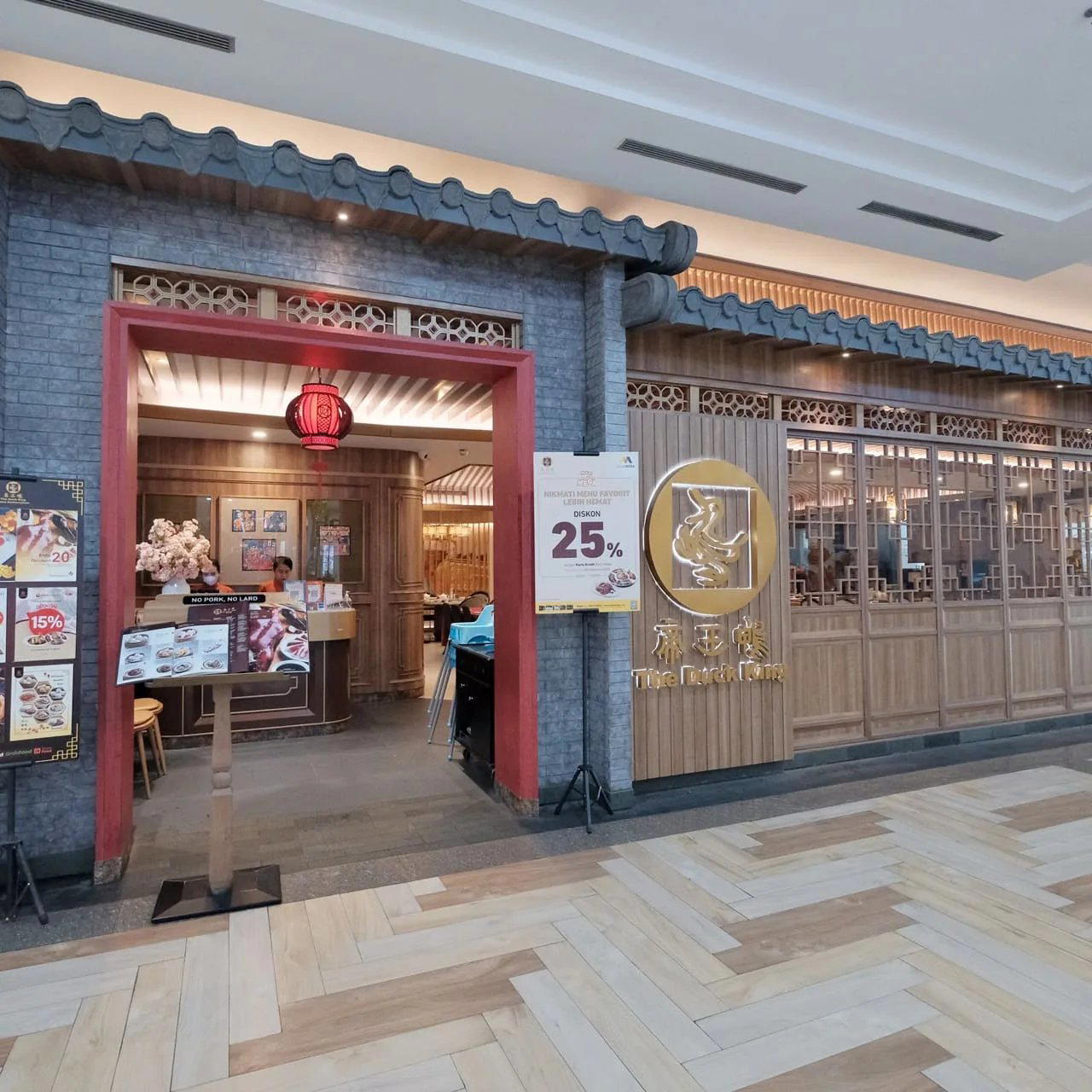
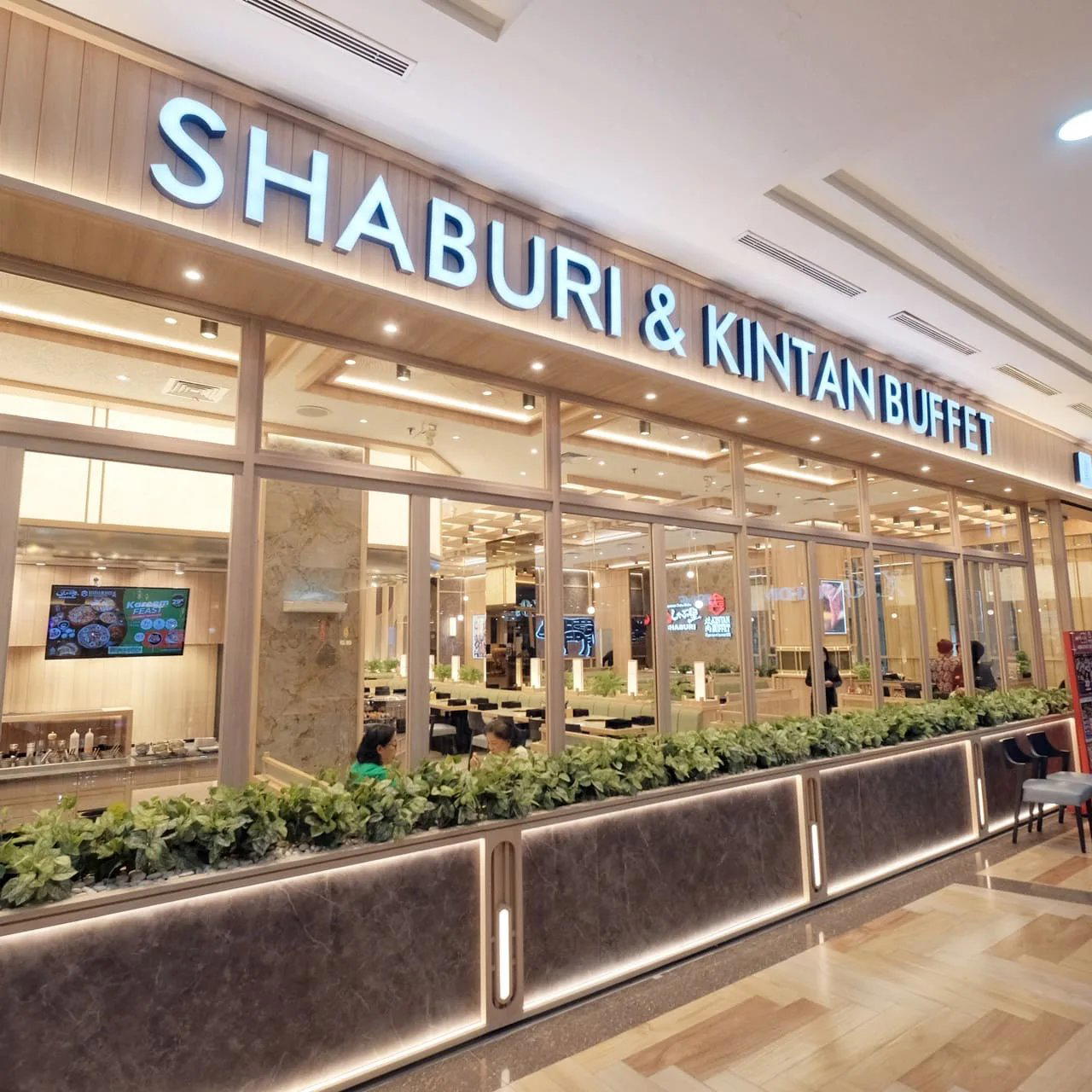
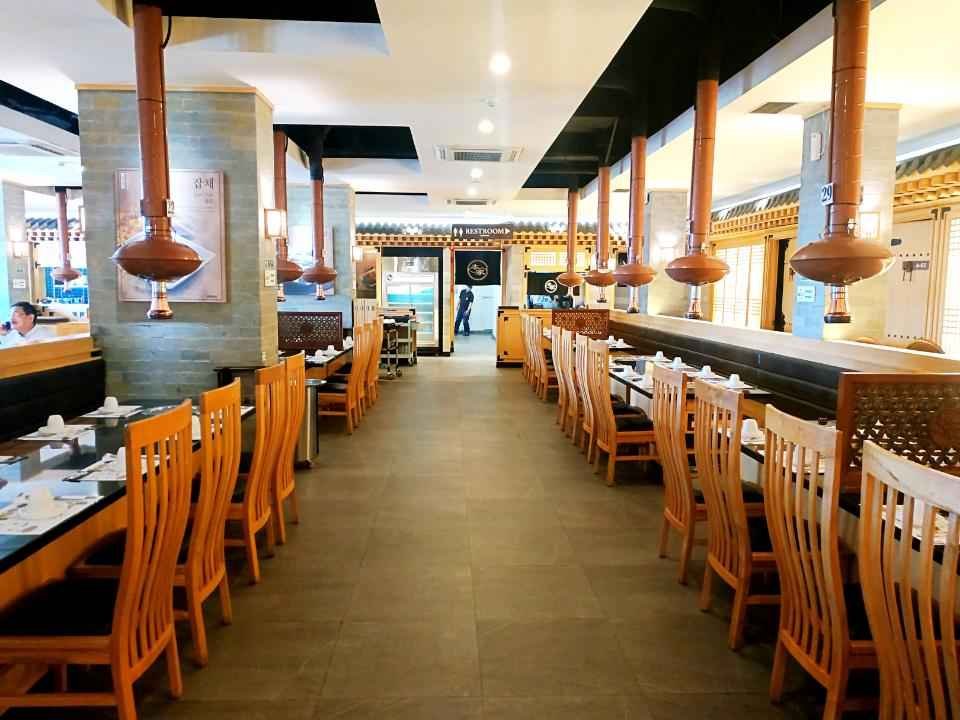
In Sleman's broader dining scene, the range of options has expanded considerably at the higher end, with the district's proximity to Yogyakarta city and to large commercial developments like Ambarrukmo Plaza supporting sit-down restaurants with Korean formats such as BORNGA and KOUN Grill and Shabu-Shabu by sop aja, as well as buffet-style operations like Shaburi and Kintan Buffet Ambarrukmo Plaza Yogyakarta and Chinese dining at The Duck King Plaza Ambarrukmo Jogja. Pak Tikno occupies a completely different register: local, cash-based, and operating outside the mall-anchored dining circuit entirely. That is not a limitation; it is a different function.
The Maguwoharjo Location and What It Signals
Maguwoharjo's position along the Solo-Yogyakarta road makes it a transit zone as much as a residential one. The corridor draws travellers, logistics workers, and commuters moving between the two cities. Roadside food vendors in transit corridors like this one develop a different kind of clientele than neighbourhood warungs embedded in residential kampung: a mixture of regulars who work nearby and one-time or intermittent visitors passing through. Stalls that survive in these locations over time do so by being fast, consistent, and priced within reach of a wide income range. There is no captive audience; every repeat visit is earned.
That context shapes how a place like Pak Tikno should be read by visitors from outside the area. It is not a destination in the sense that Yogyakarta's better-known food stops attract pilgrims, but it occupies the everyday tier of Indonesian food culture. For visitors exploring Sleman beyond its shopping centres and international restaurants, engaging with this category of eating is a more direct encounter with how the city actually feeds itself.
For a wider view of Indonesia's restaurant range, from high-concept formats like August in Jakarta and Locavore NXT in Ubud to casual coastal spots like Bikini Restaurant Bali in Badung and Jungle Fish Bali in Gianyar, the contrast with roadside mie ayam and bakso stalls illustrates the full breadth of the country's dining spectrum. The same archipelago that supports technically ambitious kitchens like Kita in Jakarta and dim sum specialists like Hwang Fu Dimsum in Tangerang also sustains a vast informal food economy where stalls like Pak Tikno hold their ground through consistency and community trust rather than awards or media coverage.
Planning a Visit
Specific hours, pricing, and booking details are not available in public records for this stall, which is consistent with how most roadside mie ayam and bakso operations function across Java: no reservations, no formal hours posted online, and pricing that varies with the current cost of ingredients rather than a fixed menu. The practical approach is to visit during the published hours. The address on Jalan Raya Solo-Yogyakarta in Karangploso, Maguwoharjo, is the clearest navigation reference; the stall is roadside and visible from the main road. Arriving with modest expectations about seating comfort and service formality, and high expectations about the food itself, is the correct calibration for this category of eating.
Elsewhere in Indonesia, Agreya Coffee Bogor and Kunyit Restaurant in Bandung represent different points on the informal-to-formal spectrum, while international reference points like Le Bernardin in New York City and Atomix in New York City sit at a remove that underscores just how much of the world's meaningful eating happens far outside fine-dining frameworks. Hotpot formats at Chongqing Liuyishou in South Jakarta and Hai Di Lao in Central Jakarta, or kebab spots like Istanbul Kebab in Lombok Utara, all occupy the same logic of accessible, repeatable, community-embedded eating that defines this category across the region.
Pricing, Compared
Comparable venues nearby, for context on price, style, and recognition.
| Venue | Cuisine | Price | Notes |
|---|---|---|---|
| Mie Ayam & Bakso Idola Pak TiknoThis venue — the venue you are viewing | Sleman, Indonesian Mie Ayam & Bakso | $ | Not listed |
| The Duck King Plaza Ambarrukmo Jogja | Sleman, Chinese Duck Specialist | $$ | Not listed |
| Shaburi & Kintan Buffet Ambarrukmo Plaza Yogyakarta | Not listed | $$ | Depok, Japanese Shabu-Shabu & Yakiniku Buffet |
| BORNGA | Ngaglik, Korean BBQ | $$$ | Not listed |
| KOUN Grill & Shabu-Shabu by sop aja | Sleman, Japanese Grill & Shabu-Shabu | $$ | Not listed |
| Kutumba Resto & Cafe | Surakarta City, Modern Nusantara | $ | Not listed |
Continue exploring
More in Sleman
Restaurants in Sleman
Browse all →



At a Glance
- Casual Hangout
Current opening hours
- Monday
- 9 AM–8:30 PM
- Tuesday
- 9 AM–8:30 PM
- Wednesday
- 9 AM–8:30 PM
- Thursday
- 9 AM–8:30 PM
- Friday
- 1–8:30 PM
- Saturday
- 9 AM–8:30 PM
- Sunday
- 9 AM–8:30 PM
Hours can change for holidays and private events. Last verified .
Casual street-side eatery with comforting, no-frills atmosphere.