Our verdict
KOUN Grill & Shabu-Shabu by sop aja sits on Jalan Seturan Raya in Sleman's student-dense Caturtunggal district, where the dual format of tabletop grilling and shabu-shabu puts ingredient quality at the center of every meal. The concept reflects a wider shift in Yogyakarta's dining scene toward interactive, protein-forward formats that reward sourcing transparency over kitchen theatrics.

Pearl is the En Primeur Club membership app, where members save venues, book tables and use the concierge.
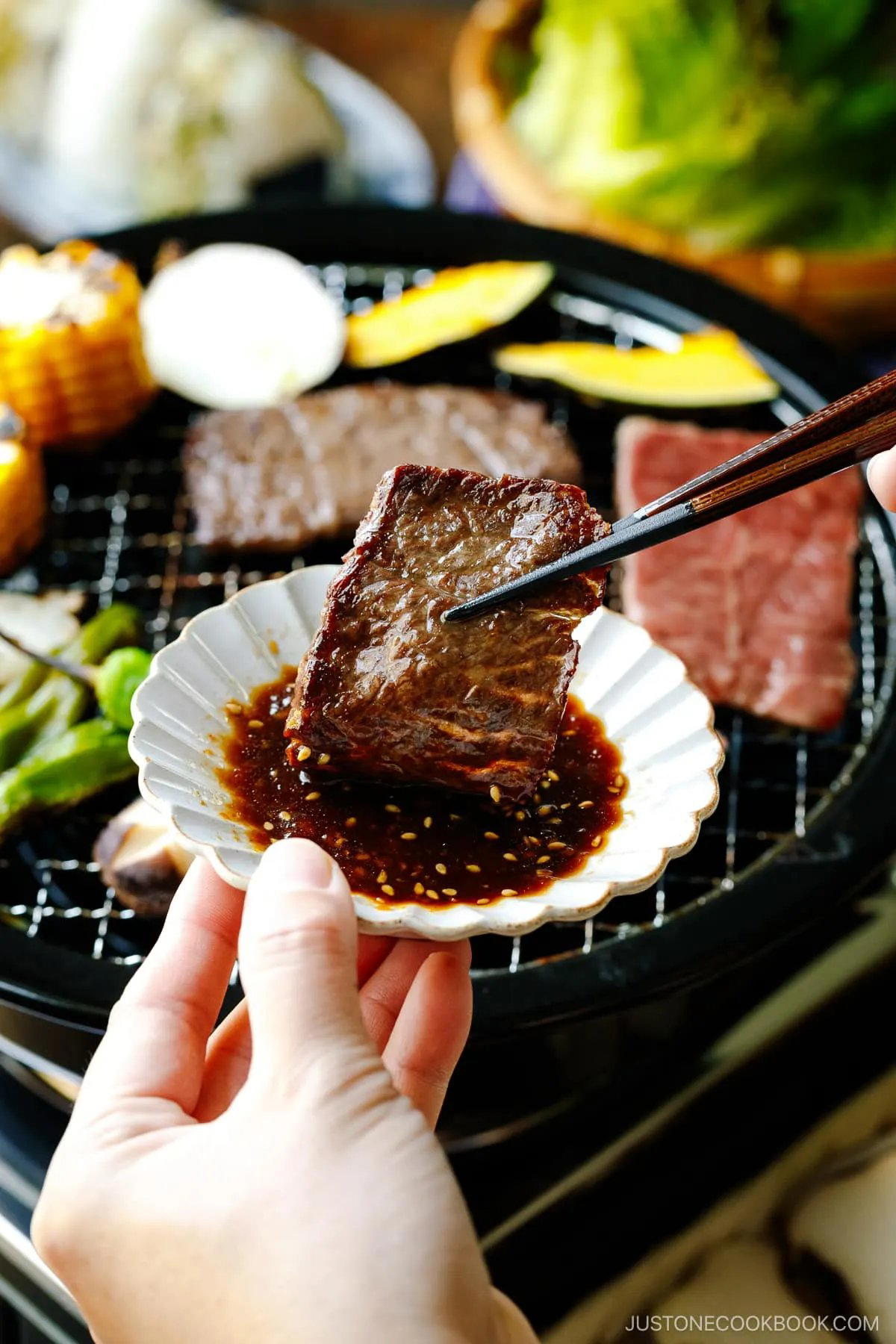
Where Seturan's Dining Strip Meets the Grill-and-Broth Format
Jalan Seturan Raya is one of Sleman's more commercially active corridors, shaped by the concentration of universities and working professionals in the Caturtunggal sub-district. The strip has attracted a consistent wave of casual dining formats over the past decade, and within that context, the grill-and-shabu combination has carved out a distinct tier: more ingredient-dependent than a standard warung, more participatory than a conventional sit-down restaurant. KOUN Grill & Shabu-Shabu by sop aja occupies a unit within the Ruko DTA Square cluster, which places it in the heart of that dining corridor rather than on its periphery.
The dual-format model, combining tabletop charcoal or gas grilling with shabu-shabu (the Japanese hot-pot style in which thin-sliced proteins are briefly submerged in simmering broth), has gained significant traction across Indonesian cities over the past several years. What distinguishes the format from a standard buffet or set-meal restaurant is that the quality of raw ingredients becomes immediately legible to the diner. Fat distribution in beef slices, the freshness of vegetables, the clarity of the broth base: none of these can be masked by a skilled kitchen technique the way they might be in a fully plated dish. The format, in other words, demands sourcing honesty.
The Ingredient Logic Behind Grill-and-Shabu Formats
Across Indonesia's growing hotpot and shabu-shabu segment, operators have split broadly into two camps. The first prioritizes volume and accessibility, relying on heavily marinated proteins and high-sodium broth bases to deliver consistent flavor regardless of base ingredient quality. The second leans into provenance, offering cleaner broths and less-processed proteins that place the sourcing decision at the center of the experience. Venues in this second group tend to attract a more considered diner, one who is comparing fat marbling rather than counting refill opportunities.
This distinction matters when situating KOUN within Sleman's wider dining field. The grill-and-shabu format, when operated with sourcing integrity, functions as something closer to a product showcase than a restaurant meal. The broth in a well-run shabu-shabu service is typically built from bones or aromatics over several hours, and the proteins, whether beef, pork, chicken, or seafood, are sliced against the grain at a thickness calibrated to the cooking time in that specific broth. These are not incidental details; they are the mechanism through which the format delivers or fails to deliver on its promise.
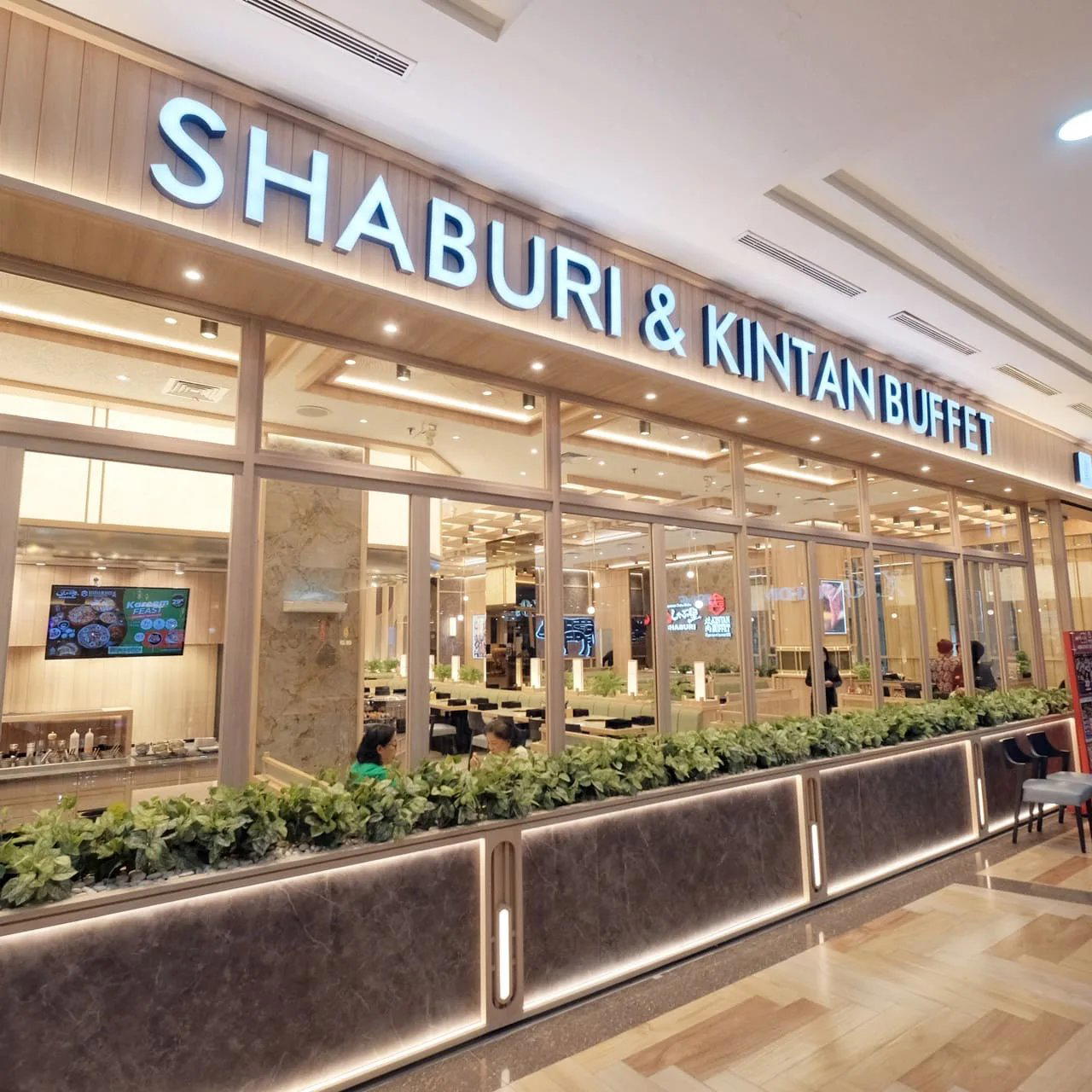
For context on how the broader hotpot segment operates at different price and quality tiers in Indonesia, the Sleman market offers useful comparison points. Shaburi & Kintan Buffet Ambarrukmo Plaza Yogyakarta operates in the all-you-can-eat buffet format nearby, while BORNGA represents the Korean BBQ side of the tabletop-cooking segment. Each positions differently on the sourcing-versus-volume spectrum.
Sleman's Broader Dining Context
Sleman sits administratively distinct from Yogyakarta city proper, but functions as its northern residential and academic extension. The sub-district of Caturtunggal, where KOUN operates, is bordered by several of the region's major university campuses, which has historically produced a dining culture oriented toward value density rather than occasion dining. That has been changing. As the graduate and professional population in Seturan has grown, so has the presence of formats that charge a modest premium for a more specific product.
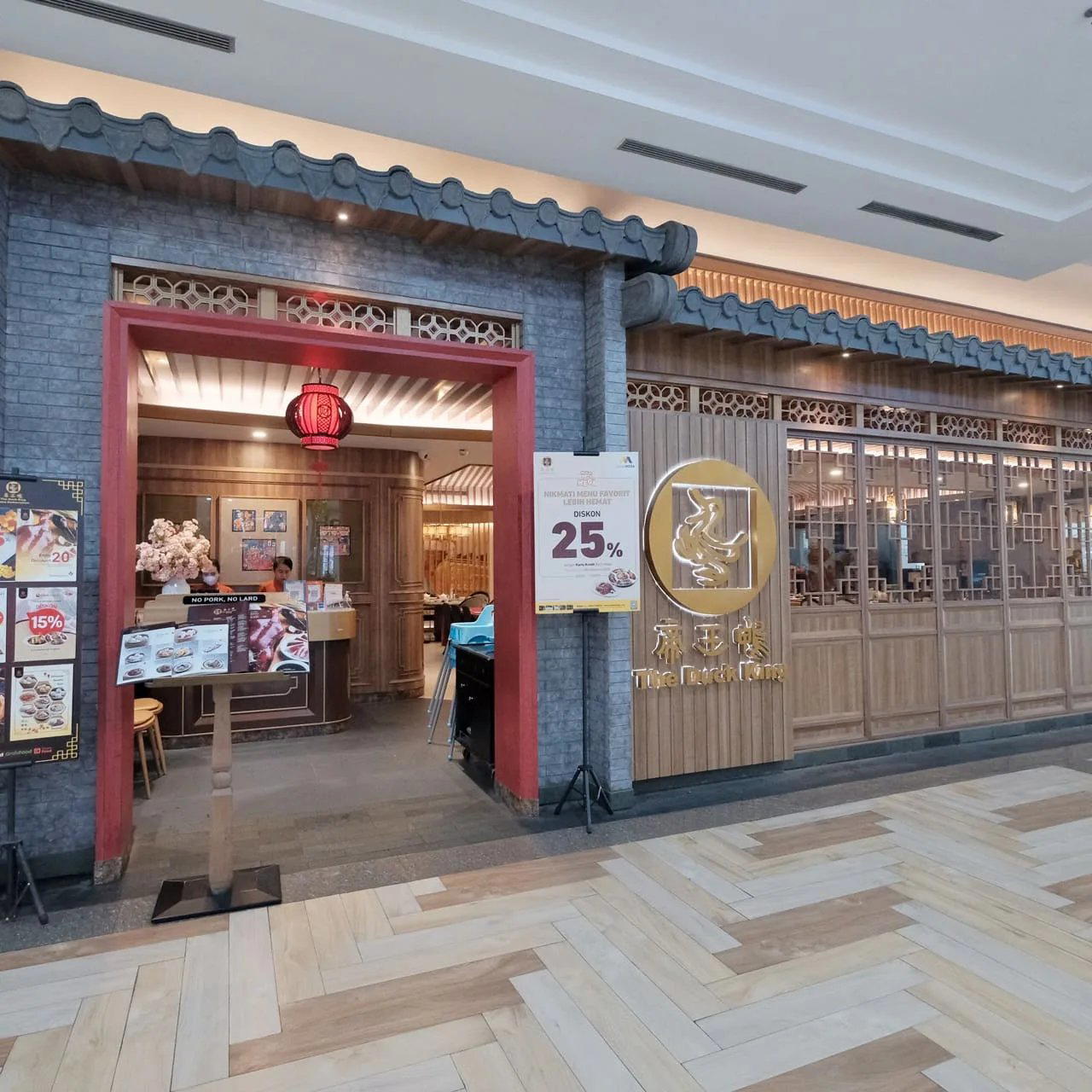
This shift mirrors broader patterns visible in Indonesia's secondary cities, where interactive dining formats (hotpot, yakiniku, and their Indonesian-adapted variants) have moved from novelty to establishment. In Yogyakarta specifically, the dining scene has shown a consistent appetite for concepts that blend Japanese-influenced technique with locally available ingredients, a trend visible across everything from ramen shops to the expanding shabu-shabu segment. The Duck King Plaza Ambarrukmo Jogja and Mie Ayam & Bakso Idola Pak Tikno represent different ends of the same local appetite for identifiable, ingredient-forward formats.
For visitors building a wider picture of Indonesian dining at different scales and ambitions, it is worth looking beyond Sleman. August in Jakarta and Locavore NXT in Ubud represent the country's most ingredient-rigorous end of the spectrum, while Jungle Fish Bali in Gianyar and Bikini Restaurant Bali in Badung show how sourcing transparency operates in leisure-market contexts. The full Sleman restaurants guide maps the local field in more detail.
Where KOUN Sits in the Hotpot Hierarchy
Indonesia's hotpot segment now spans several clearly differentiated tiers. At the leading, Chinese-chain operations like Hai Di Lao in Central Jakarta and Chongqing Liuyishou Hotpot in South Jakarta compete on service theater and broth breadth, with menus built around the Sichuan mala tradition. The shabu-shabu format, by contrast, tends toward Japanese-influenced restraint: fewer broth variables, more focus on protein quality, and a quieter service register.
KOUN's dual model, pairing the grill with shabu-shabu, allows it to serve diners with different preferences within the same booking. This is a commercially sensible approach in a market where group dining is the norm and individual preferences within a table can vary considerably. It also means the kitchen (or sourcing operation) must maintain quality across two different cooking protocols simultaneously, which is a more demanding standard than a single-format restaurant faces.
For comparison against other regional dining formats across the Indonesian archipelago, Kita 喜多 Restaurant And Bar in Kecamatan Menteng and Hwang Fu Dimsum in Tangerang illustrate how Asian-influenced formats are adapting across different Indonesian urban markets. Kunyit Restaurant in Bandung and Agreya Coffee Bogor in Bogor provide further context on how mid-tier dining is developing in Java's secondary cities. Further afield, İstanbul Kebab in Lombok Utara and Le Bernardin in New York City anchor the global range of sourcing-led dining formats, with Atomix in New York City showing how Korean-influenced tasting menus have formalized ingredient provenance into a narrative structure.
Planning a Visit
KOUN Grill & Shabu-Shabu by sop aja is located within the Ruko DTA Square commercial block on Jalan Seturan Raya, in the Kledokan area of Caturtunggal, Kabupaten Sleman. The address is on one of Sleman's main arterial roads, accessible by private vehicle or online ride-hailing services, which remain the practical standard for getting around this part of greater Yogyakarta. The Seturan corridor is busiest in the early evening on weekdays and through lunch and dinner on weekends, given its proximity to university campuses and residential clusters.
Frequently asked questions
Where exactly is KOUN Grill & Shabu-Shabu by sop aja?
KOUN Grill & Shabu-Shabu by sop aja is located at Ruko DTA Square, Jl. Seturan Raya, Kledokan, Caturtunggal, Kec. Depok, Kabupaten Sleman, Daerah Istimewa Yogyakarta 55281, Indonesia, Sleman.
How does grill-and-shabu dining at KOUN differ from standard hotpot restaurants in the Yogyakarta area?
Standard hotpot operations in the Yogyakarta area typically prioritize variety and throughput, centering the experience on a single communal broth pot. KOUN's dual-format structure adds a grill component alongside the shabu-shabu, which changes how proteins are ordered and cooked rather than simply expanding the menu. That split between dry-heat grilling and broth-based shabu technique places KOUN in a different tier from volume-led buffet concepts operating elsewhere in Sleman.
What's the best thing to order at KOUN Grill & Shabu-Shabu by sop aja?
The dual format is the point, so ordering across both components gives the clearest picture of what KOUN does. Proteins cooked over the grill read differently than the same cuts run through shabu-shabu broth, and testing both is how the kitchen's sourcing logic becomes apparent. Focusing only on one side misses the format's rationale entirely.
Do I need a reservation for KOUN Grill & Shabu-Shabu by sop aja?
The venue sits within the Ruko DTA Square commercial block on Jalan Seturan Raya, a corridor that draws consistent foot traffic from the surrounding university and residential population in Caturtunggal. Weekend evenings on this strip tend to fill quickly, so arriving early is the practical approach until booking details become available.
What has KOUN Grill & Shabu-Shabu by sop aja built its reputation on?
KOUN's positioning in the Seturan corridor rests on the combined grill-and-shabu format, a structure that separates it from the straight buffet-style hotpot operations that dominate the mid-market in this part of Sleman. The format has gained consistent traction in Indonesia's broader hotpot segment, where operators choosing protein specificity over volume have carved a distinct niche. For diners in the Caturtunggal area, the dual-component format is the defining reason to make the trip to DTA Square.
How It Stacks Up
Comparable venues nearby, for context on price, style, and recognition.
| Venue | Cuisine | Price | Notes |
|---|---|---|---|
| KOUN Grill & Shabu-Shabu by sop ajaThis venue (the venue you are viewing) | Japanese Grill & Shabu-Shabu | $1–10 | Not listed |
| Shaburi & Kintan Buffet Ambarrukmo Plaza Yogyakarta | Japanese Shabu-Shabu & Yakiniku Buffet | $10–20 | Depok |
| Mie Ayam & Bakso Idola Pak Tikno | Indonesian Mie Ayam & Bakso | $1–10 | Sleman |
| The Duck King Plaza Ambarrukmo Jogja | Chinese Duck Specialist | Not listed | Sleman |
| BORNGA | Korean BBQ | $10–20 | Ngaglik |
| Gindaco | Japanese Takoyaki & Okonomiyaki | $1–10 | Menteng |
Continue exploring
More in Sleman


Details
- Trendy
- Group Dining
- Casual Hangout
- Open Kitchen
- Sake Program
- A La Carte
- Buffet
Current opening hours
- Monday
- 3–10 PM
- Tuesday
- 3–10 PM
- Wednesday
- 3–10 PM
- Thursday
- 3–10 PM
- Friday
- 3 PM–12 AM
- Saturday
- 3 PM–12 AM
- Sunday
- 3–10 PM
Hours can change for holidays and private events. Hours as of .
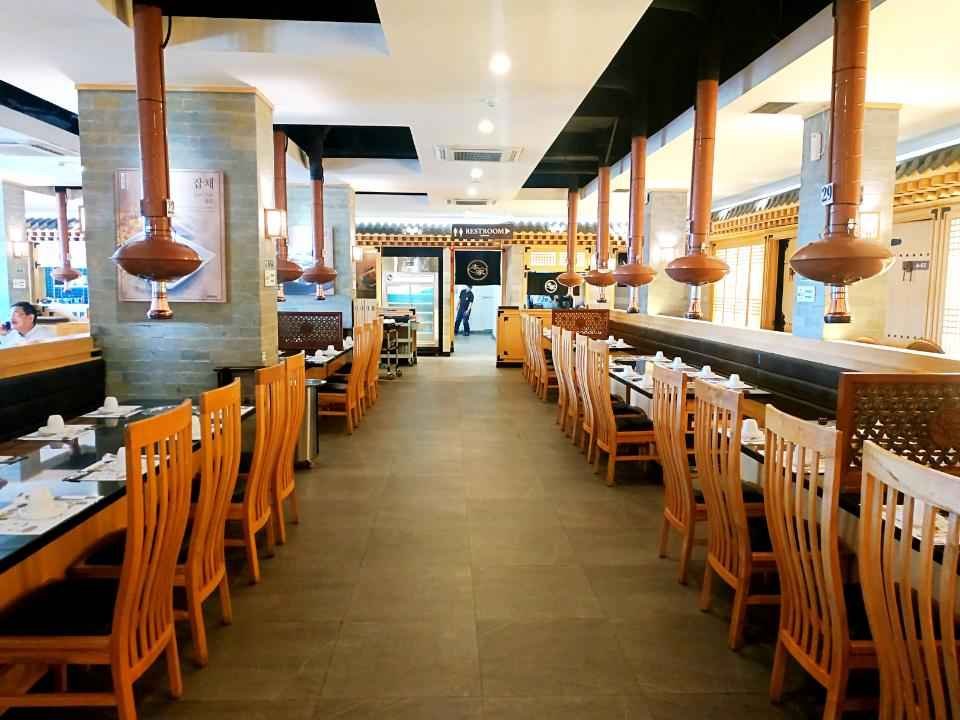
Comfortable grill environment with sizzling BBQ and flavorful hot pots.