Garrya Bianti Yogyakarta

Set in Sleman, on the northern edge of Yogyakarta, Garrya Bianti positions itself within Indonesia's most culturally layered city: a Javanese monarchy still operating inside a modern republic. Twenty-four villas, each with a private terrace and plunge pool, sit within a property defined by dense tropical greenery, wood and wicker construction, and a spa and wellness program that anchors the stay.
Pearl is the En Primeur Club membership app — saves, bookings, and concierge access live there. Same editors, same standards.
- Address
- Jl. Gabugan Raya, Gabugan, Pandowoharjo, Kec. Sleman, Kabupaten Sleman, Daerah Istimewa Yogyakarta 55512
- Phone
- +62 274 2888888
- Website
- garrya.com
- Directions
- Get directions
 Saves & bookings on Pearl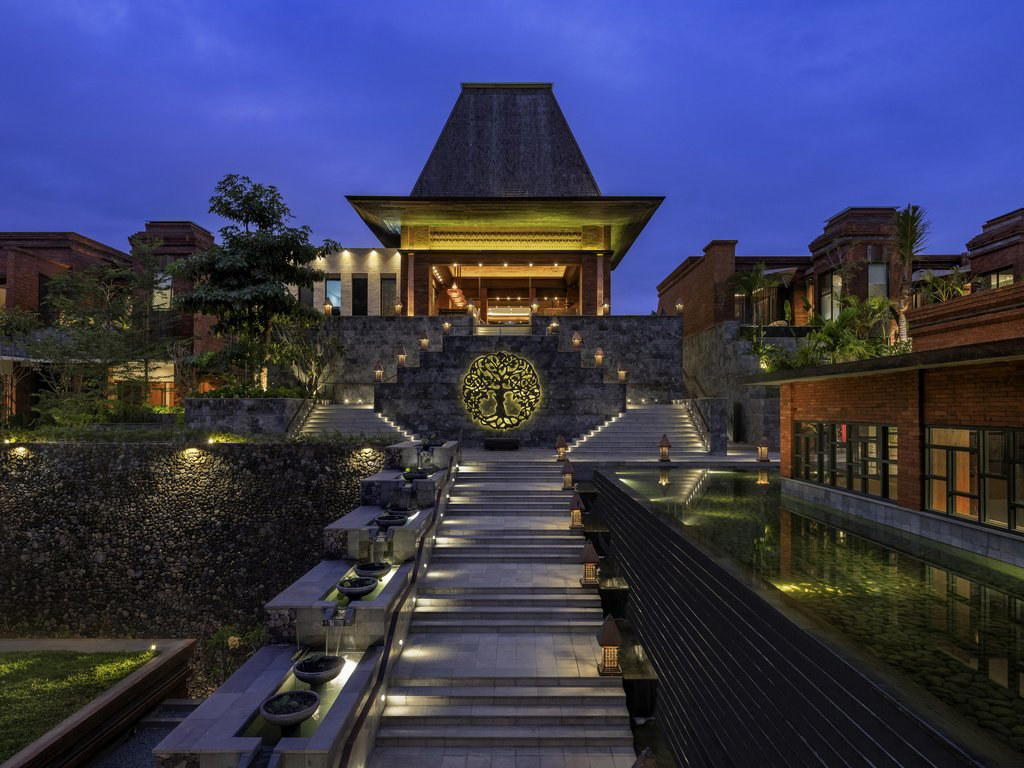
Where Javanese Architecture Meets Contemporary Retreat Design
Yogyakarta occupies a genuinely singular position in the Indonesian archipelago. Unlike every other major city in the republic, it operates as a sultanate, with the Hamengkubuwono dynasty holding constitutional recognition as the region's governors. That political and cultural specificity shapes everything here, from the batik workshops clustered around Kraton Palace to the way local builders approach material and proportion in contemporary construction. When a property commits to expressing that context through its physical design, it earns a different kind of attention than the generic tropical resort.
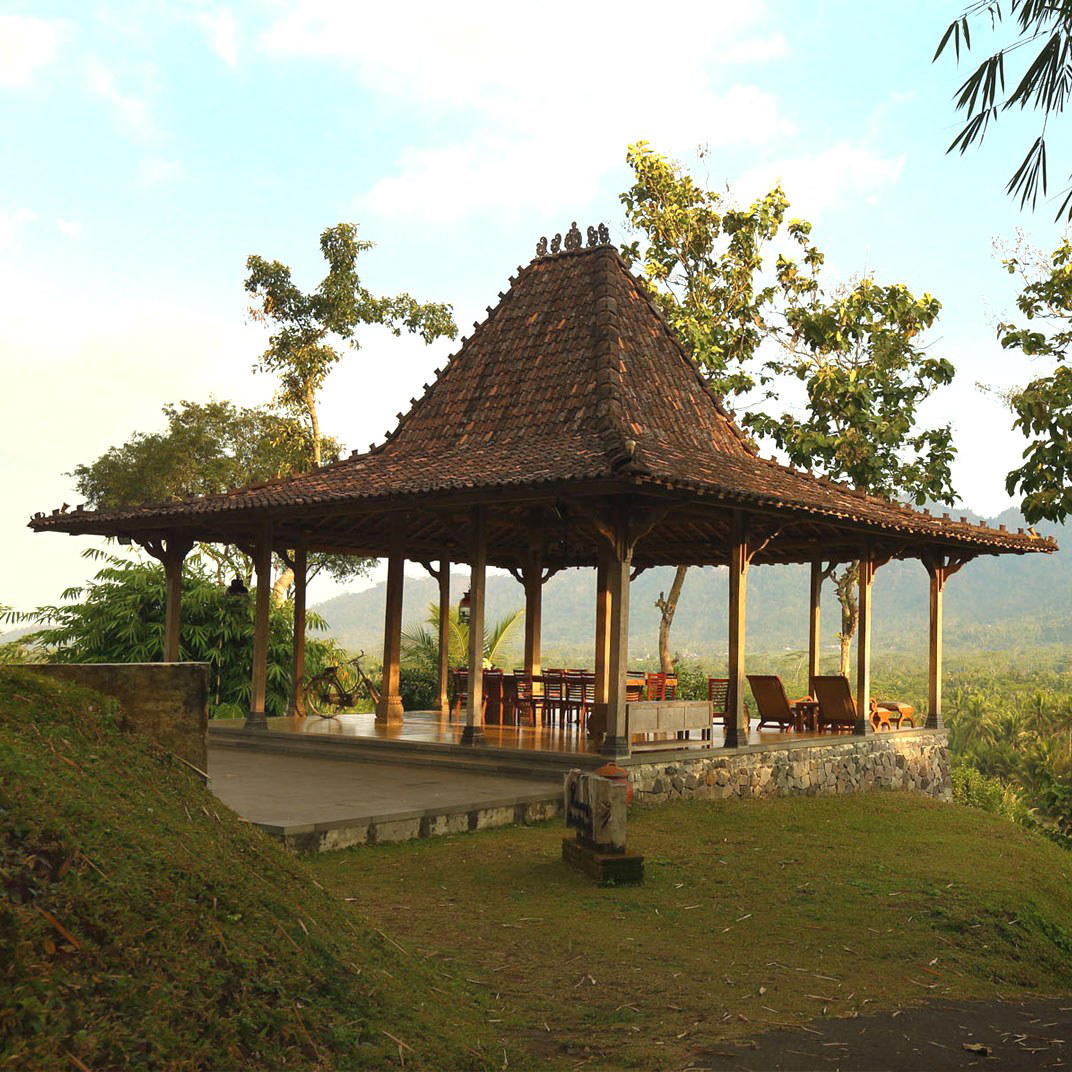
Garrya Bianti, situated in Gabugan on the northern fringe of Sleman Regency, takes that commitment seriously. The property reads less as a hotel that happens to be in Yogyakarta and more as a deliberate translation of Javanese design sensibility into a contemporary wellness format. Wood and wicker appear throughout, not as decorative afterthought but as structural vocabulary: the material choices connect the property to a regional craft tradition that predates modern hospitality by centuries. Against that backdrop, the dense greenery works architecturally, framing sightlines and providing the kind of enclosure that separates a considered retreat from a collection of villas arranged around a pool.
The Physical Language of the Property
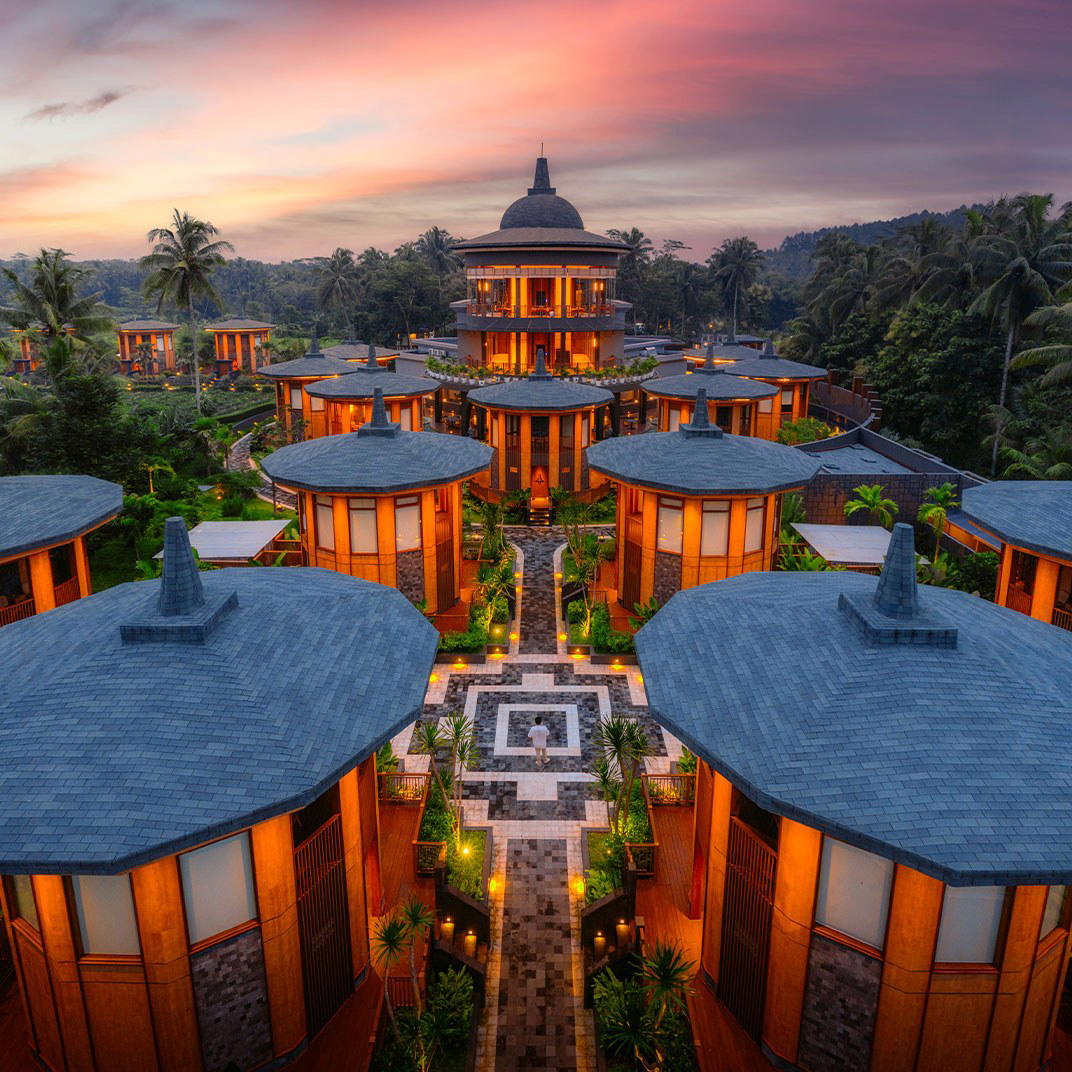
At 24 rooms, Garrya Bianti sits in the smaller-footprint tier of Indonesian luxury hospitality, a cohort that includes properties where the staff-to-guest ratio allows for a different quality of attention than a 200-key resort can sustain. That scale also shapes the spatial experience: the grounds feel curated rather than sprawling, with each functional zone, from the yoga deck to the gym to the spa, positioned within a consistent material and horticultural frame.
Every villa carries a private terrace and plunge pool, which in this market signals a specific positioning. These are not shared amenities or upgrades reserved for premium categories; they are the baseline offer. That consistency matters architecturally because it means the property does not need to tier its guests by experience quality. The same framed views of tropical canopy, the same wicker-and-timber construction logic, the same relationship between interior and exterior space, apply across the inventory.
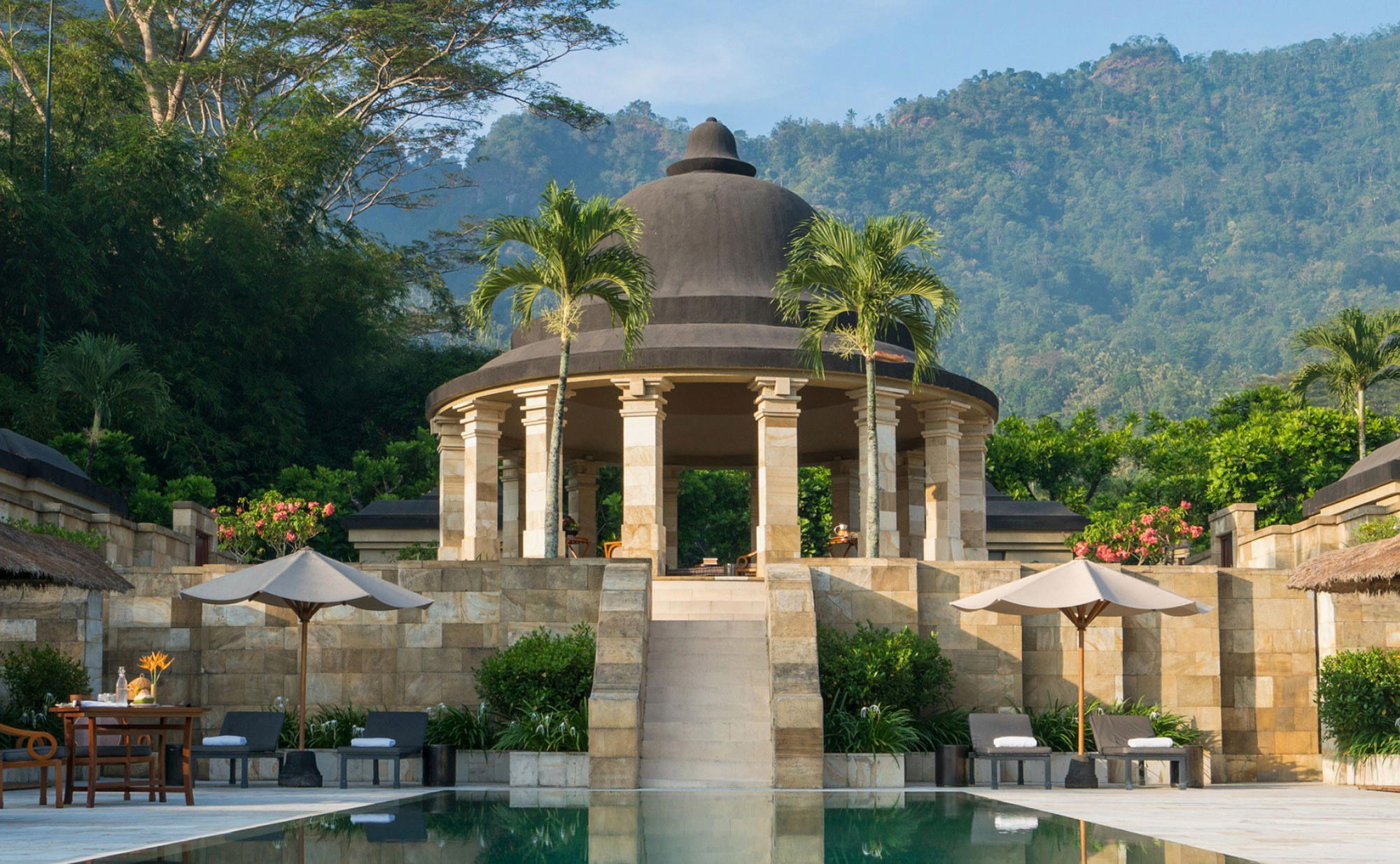
The spa is central to how the property operates, not peripheral. Wellness infrastructure in this tier of Indonesian hospitality has moved well beyond the treatment menu. At Garrya Bianti, the multi-feature spa sits within the same green architecture as the rest of the property, meaning the sensory shift between a yoga session and a treatment and a swim in a private plunge pool is one of scale rather than atmosphere. That continuity is a design decision as much as a programming one.
Yogyakarta's Wider Context
Yogyakarta's position in the Indonesian travel circuit has shifted considerably over the past decade. It was long understood primarily as a staging point for Borobudur and Prambanan, with visitors spending one or two nights before returning to Bali or Jakarta. That pattern persists, but a second category of traveller now extends the stay specifically to engage with the city's cultural depth: the living batik tradition, the active wayang kulit puppet performance circuit, the gamelan schools that still train students in the Kraton's formal tradition, and the contemporary art scene that has grown substantially around the city's universities.
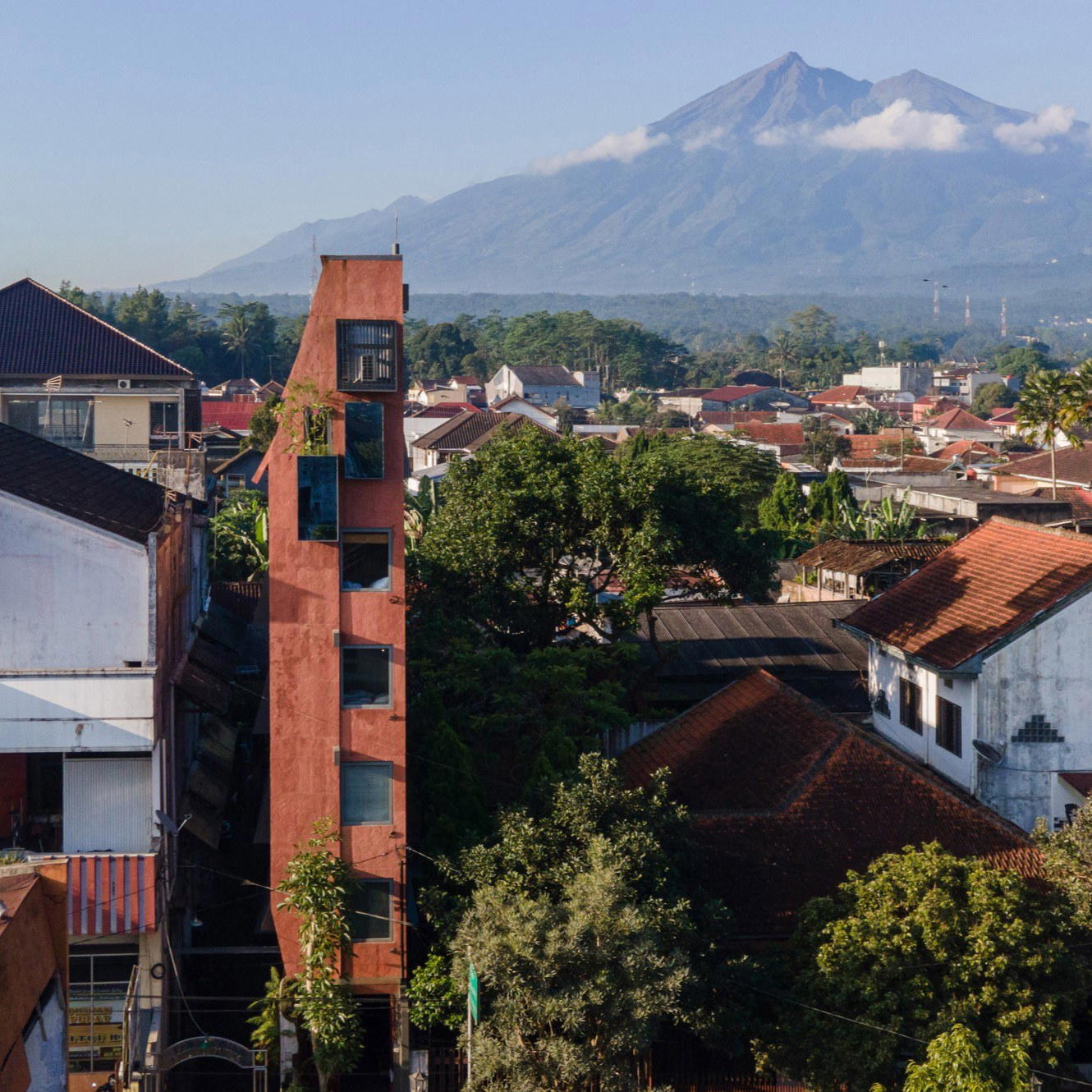
For that second category of traveller, where a property sits within the city matters less than what it provides as a base. Garrya Bianti's location in Sleman, north of the city centre, places it outside the dense cultural precinct around Malioboro and Kraton but within manageable distance for day excursions. The trade-off is direct: more green space, more quiet, more room for the wellness-oriented design program to work without the friction of urban density. Visitors prioritising immersion in the Kraton district should factor in travel time; those using the property primarily as a restorative retreat will find the distance irrelevant.
At approximately $451 per night, Garrya Bianti prices above the city's mid-range hotel stock, which clusters well below the $200 mark, but below the ceiling set by properties like Amanjiwo in Magelang, which targets a different category of spend entirely and positions against the Borobudur experience rather than the city. Within Yogyakarta proper, the competition at this price point is limited, which gives Garrya Bianti a relatively clear lane: design-conscious, wellness-anchored, boutique-scaled, rooted in Javanese material culture.
Positioning Against the Indonesian Boutique Tier
Indonesia's premium boutique segment has fragmented considerably. On one end sits the Aman group, with Amanwana in Moyo Island and Amankila in Manggis representing a category of near-absolute seclusion at price points that remove most travellers from consideration. On the other end, Bali has developed a dense middle tier of design-led villas and small resorts, from Bambu Indah in Banjar Badung to Desa Seni in Tabanan, that compete on architectural identity and cultural programming.
Garrya Bianti operates in the space between those poles. It does not pursue the Aman model of extreme isolation and stripped-back monumentalism, nor does it compete directly with Bali's villa-and-rice-terrace aesthetic. The Javanese context is specific enough to differentiate it: Yogyakarta's design grammar, rooted in the Sultan's court and filtered through centuries of craft production, produces a different visual language than Balinese Hindu architecture. Wood and wicker in this tradition carry different symbolic weight than they do in a Seminyak pool villa. That specificity is what Garrya Bianti's design appears to be drawing on, and it is one credible argument for the property's positioning within Indonesian boutique hospitality.
For comparison, Mandapa, a Ritz-Carlton Reserve in Ubud, and Alila Villas Uluwatu represent the scale and brand-backed version of this category in Bali: architecture-forward, wellness-anchored, but operating within a much larger competitive field and at higher price points. Garrya Bianti's 24-villa scale and Yogyakarta address remove it from that competition almost entirely, placing it instead as one of the more considered options in a city that has historically underperformed its cultural weight as a hospitality destination. Readers exploring the broader Indonesian archipelago can also browse Nihi Sumba, Hotel Komune in Gianyar, or Kampung Sampireun in Garut for a sense of how different islands and regions interpret the boutique-wellness format.
Planning Your Stay
Garrya Bianti draws visitors who are spending at least three nights in Yogyakarta, with enough time to engage with both the property's wellness program and the city's cultural circuit. The dry season running from May through September is one reliable window for Yogyakarta: lower humidity, better visibility for temple visits, and cooler mornings on the yoga deck. The lead time required to secure a villa is worth factoring into planning, particularly around Javanese public holidays and the peak July-August period when both domestic and international travel to Central Java intensifies.
For those building a broader Indonesian itinerary, Yogyakarta connects easily by air to Bali, Jakarta, and Surabaya. Guests arriving from Jakarta can reach the city in under an hour by air; those travelling overland from Bali via Surabaya should allow the better part of a day.
In Context: Similar Options
Comparable venues nearby, for context on price, style, and recognition.
| Venue | Cuisine | Price | Awards | Notes |
|---|---|---|---|---|
| Garrya Bianti YogyakartaThis venue — the venue you are viewing | Secluded modern retreat with Javanese cultural influences | $$$$ | Michelin 1 Key | Not listed |
| Nirjhara | Luxurious eco-resort blending contemporary architecture with authentic Balinese influence. | $$$$ | Michelin 1 Key | Tabanan |
| The St. Regis Jakarta | Luxury urban landmark hotel with Art Deco influences | $$$$ | Michelin 1 Key | Setiabudi |
| Bisma Eight Ubud | Luxury boutique hotel blending contemporary Balinese craftsmanship with natural surroundings. | $$$$ | Michelin 1 Key | Ubud |
| Lost Lindenberg | Contemporary tropical design blending traditional Balinese architecture with modern minimalism, emphasizing natural materials and sustainable construction. | $$$$ | Michelin 1 Key | Pekutatan |
| Samsara Ubud | Contemporary Balinese luxury resort blending traditional architecture with modern amenities in a secluded rainforest setting. | $$$$ | Michelin 1 Key | Payangan |
Recognition history
Dated appearances from independent guides and award organizations, with the underlying list record or original source where available.
Michelin 1 Key
Michelin
Continue exploring
More in Yogyakarta
Hotels in Yogyakarta
Browse all →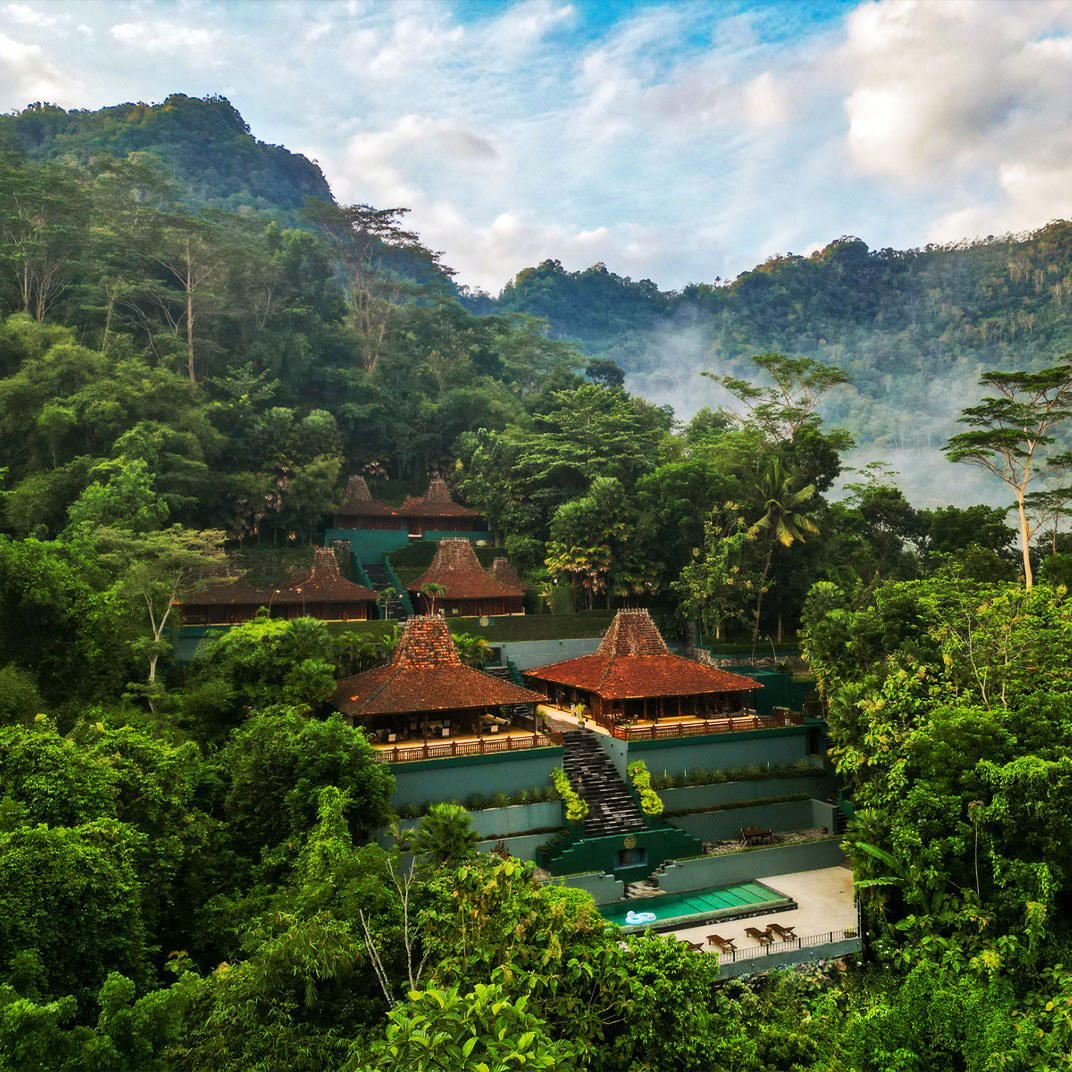
At a Glance
- Quiet
- Elegant
- Modern
- Scenic
- Cozy
- Sophisticated
- Intimate
- Romantic Getaway
- Wellness Retreat
- Anniversary
- Honeymoon
- Weekend Escape
- Private Villa
- Infinity Pool
- Destination Spa
- Garden
- Terrace
- Panoramic View
- Wi Fi
- Pool
- Spa
- Fitness Center
- Room Service
- Concierge
- Garden
- Wi Fi
- Pool
- Spa
- Fitness Center
- Room Service
- Concierge
Serene and relaxing with tumbling greenery, wood and wicker accents, natural light, and tranquil water features creating a peaceful, harmonious atmosphere.