Borik sits in Palit on the island of Rab, where the Adriatic's ingredient traditions shape what ends up on the plate. The restaurant occupies a position typical of Croatia's smaller-island dining scene: close to local producers, removed from the pressures of high-season tourist circuits, and worth tracking down by anyone spending serious time on Rab.
Pearl is the En Primeur Club membership app — saves, bookings, and concierge access live there. Same editors, same standards.
- Address
- Palit 157, 51280, Palit, Croatia
- Phone
- +38551771061
- Website
- borik-rab.hr
 Saves & bookings on Pearl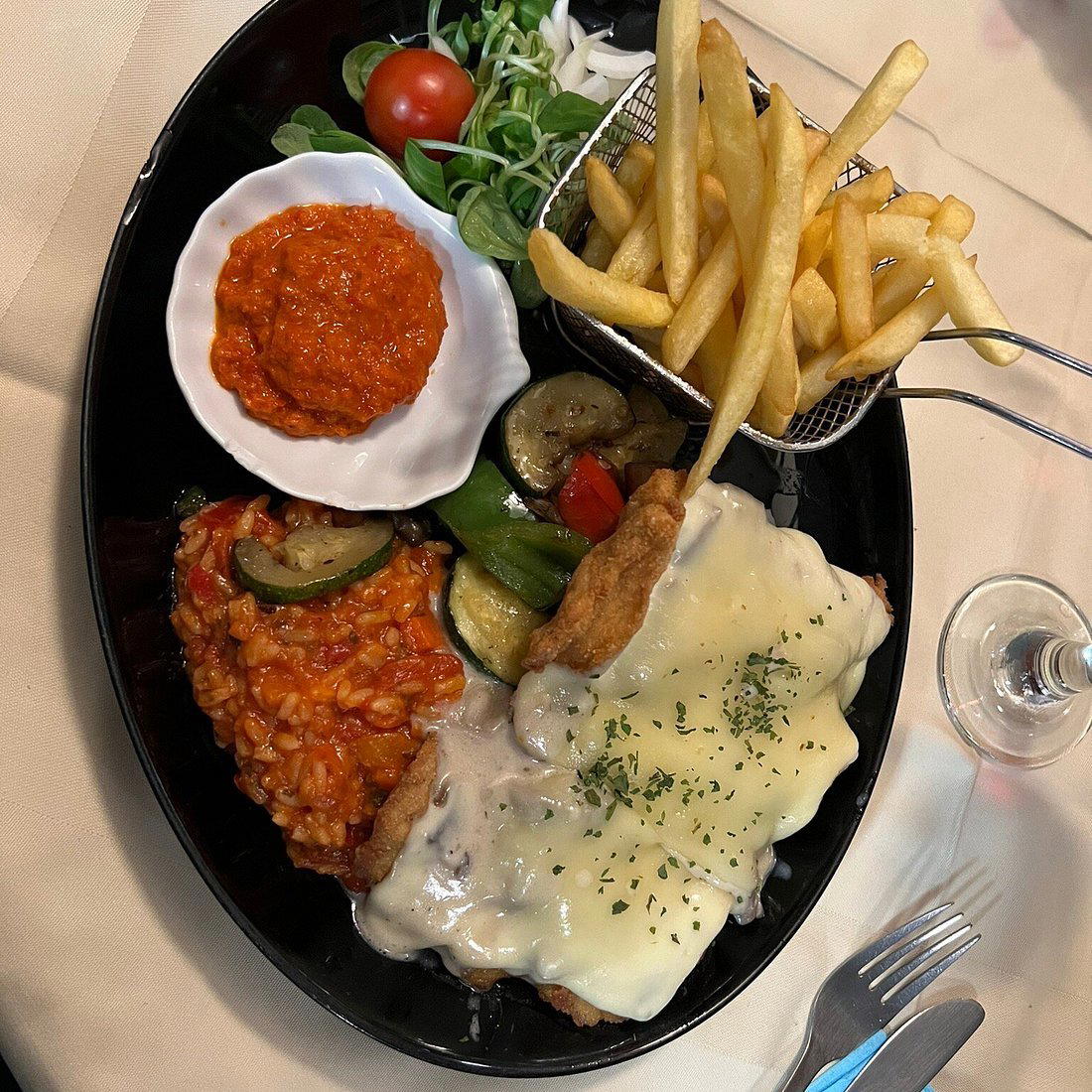
Where the Island's Larder Sets the Terms
Palit is a quiet settlement on the western edge of Rab island, a few kilometres from the old town's medieval towers and loggia. The road into the village passes stone walls, pine groves, and the kind of low-key agricultural land that signals you are eating close to the source. Borik, at Palit 157, is a Croatian Konoba in Palit, Croatia. That distinction matters when you are thinking about where Croatian island cooking is most honest.
Croatia's smaller Adriatic islands have developed a dining register that differs from the polished, internationally benchmarked restaurants you find in Dubrovnik or Split. Places like Restaurant 360 in Dubrovnik or Krug in Split operate with professional brigade structures and wine lists shaped by international palates. The island version tends to be leaner in format and more directly tied to what fishermen landed that morning or what the local butcher has been curing for months. Borik belongs to that second category.
The Ingredient Logic of Rab's Table
Rab has its own culinary identity within Croatia's island chain. The island is known historically for lamb raised on aromatic coastal scrubland, for fresh fish from the Kvarner Gulf, and for a foraging culture around wild herbs and greens that has never been interrupted by industrialisation. These are not romanticised claims: the Kvarner Gulf's waters are recognised across the region for shellfish and fish quality, and Rab's lamb carries a geographic and flavour reputation comparable to the pag lamb that appears on menus across the country.
The editorial argument for tracking down a restaurant in Palit rather than defaulting to the old town's more visible options is precisely this ingredient proximity. When a kitchen is a short distance from the dock, the pens, and the herb-covered hillsides, the cooking tends to reflect that in ways that cannot be replicated in a city-centre restaurant sourcing the same ingredients through a distributor. Croatia's credible fine-dining circuit acknowledges this logic: Boskinac in Novalja on Pag island built its reputation partly on controlling its own agricultural production, and Pelegrini in Sibenik has made the sourcing story central to its Michelin-recognised proposition.
Borik occupies a different position on that spectrum: a village-scale address in a community where the supply chain is short by necessity rather than by deliberate farm-to-table programming. That informality is part of the offer. It places the restaurant closer to the konoba tradition, where the menu is determined by what is available rather than by a fixed seasonal programme.
The Kvarner Gulf as Culinary Region
To understand what Borik represents, it helps to understand the Kvarner Gulf's standing within Adriatic food culture. The Gulf sits between the Istrian peninsula and the Dalmatian coast, sheltered enough to produce calm-water shellfish but open enough to the wider Adriatic to support a varied fish catch. Scampi from the Kvarner are treated as a regional benchmark, appearing on the menus of Croatia's most considered tables. Alfred Keller in Mali Lošinj, on the island directly south of Rab, works within the same Kvarner ingredient tradition.
The Istrian connection is also relevant. Truffle culture, olive oil production, and the wine traditions of Malvazija and Teran are geographically close, and the influence bleeds into the Kvarner islands in the way that strong regional food cultures tend to permeate across borders. EatIstria in Pluj and San Rocco in Brtonigla anchor that Istrian end of the continuum. Rab sits at the transition point, drawing on Kvarner seafood and Dalmatian lamb traditions in roughly equal measure.
How Borik Sits in Croatia's Wider Dining Picture
Croatia's restaurant scene has stratified clearly over the past decade. At the leading end, a small cluster of destination-level addresses, including Nebo by Deni Srdoč in Rijeka, Agli Amici Rovinj, and Korak in Jastrebarsko, operate with Michelin recognition and the kind of tasting-menu architecture that aligns them with European fine dining broadly. The middle tier is where most of the country's interesting cooking actually happens: restaurants with a clear local identity, seasonal menus determined by regional producers, and price points that reflect island economics rather than capital-city ambition.
Borik reads as that middle-tier address. It is not competing with the Michelin-tracked restaurants in Dubrovnik or Rovinj, nor is it a basic tourist taverna. The village address suggests a kitchen that serves the community and informed visitors rather than destination-restaurant pilgrims. That is a legitimate and often more satisfying category to eat within, for the same reason that Humska Konoba in Hum or the Dalmatian island tables like LD Restaurant in Korčula attract loyal followings beyond their immediate geography.
For context on what high-end Croatian coastal cooking looks like at the other end of the scale, addresses like Restaurant Filippi in Curzola and Trg Sv. Stjepana 3 in Lesina offer a useful comparison. And for readers who track ingredient-led cooking internationally, the philosophy of proximity that defines Rab's table connects to a broader conversation that runs from Lazy Bear in San Francisco to Le Bernardin in New York City: the question of how close a kitchen sits to the moment of harvest or catch, and what that distance does to the food.
Planning a Visit to Palit
Palit sits on the western side of Rab island, reachable by ferry from the mainland ports of Jablanac or Stinica, or by car via the Krk bridge and the coastal road south. The village is quiet outside the summer peak, and restaurant schedules on the island tend to follow seasonal demand. Visiting during July and August guarantees the full summer menu and the widest ingredient availability from local fishermen and producers, but shoulder-season visits in May, June, or September often mean quieter service and produce at its most considered. The old town of Rab is close enough for an evening combination visit. For broader context on eating well in this part of Croatia, see our full Palit restaurants guide.
In Context: Similar Options
Comparable venues nearby, for context on price, style, and recognition.
| Venue | Cuisine | Price | Notes |
|---|---|---|---|
| BorikThis venue — the venue you are viewing | Croatian Konoba | $$ | Not listed |
| Bitoraj | Traditional Croatian Game Meat | $$ | Fuzine |
| SOL tapas na hrvatski | Croatian Tapas | $$ | centar |
| Maki | Traditional Croatian Barbecue | $$ | Gospic |
| Restoran Dva potoka | Croatian Zagorje Traditional | $$ | Pluska |
| Hotel Villa Barbat | Seafood & Mediterranean | $$ | Barbat na Rabu |
Continue exploring
More in Palit
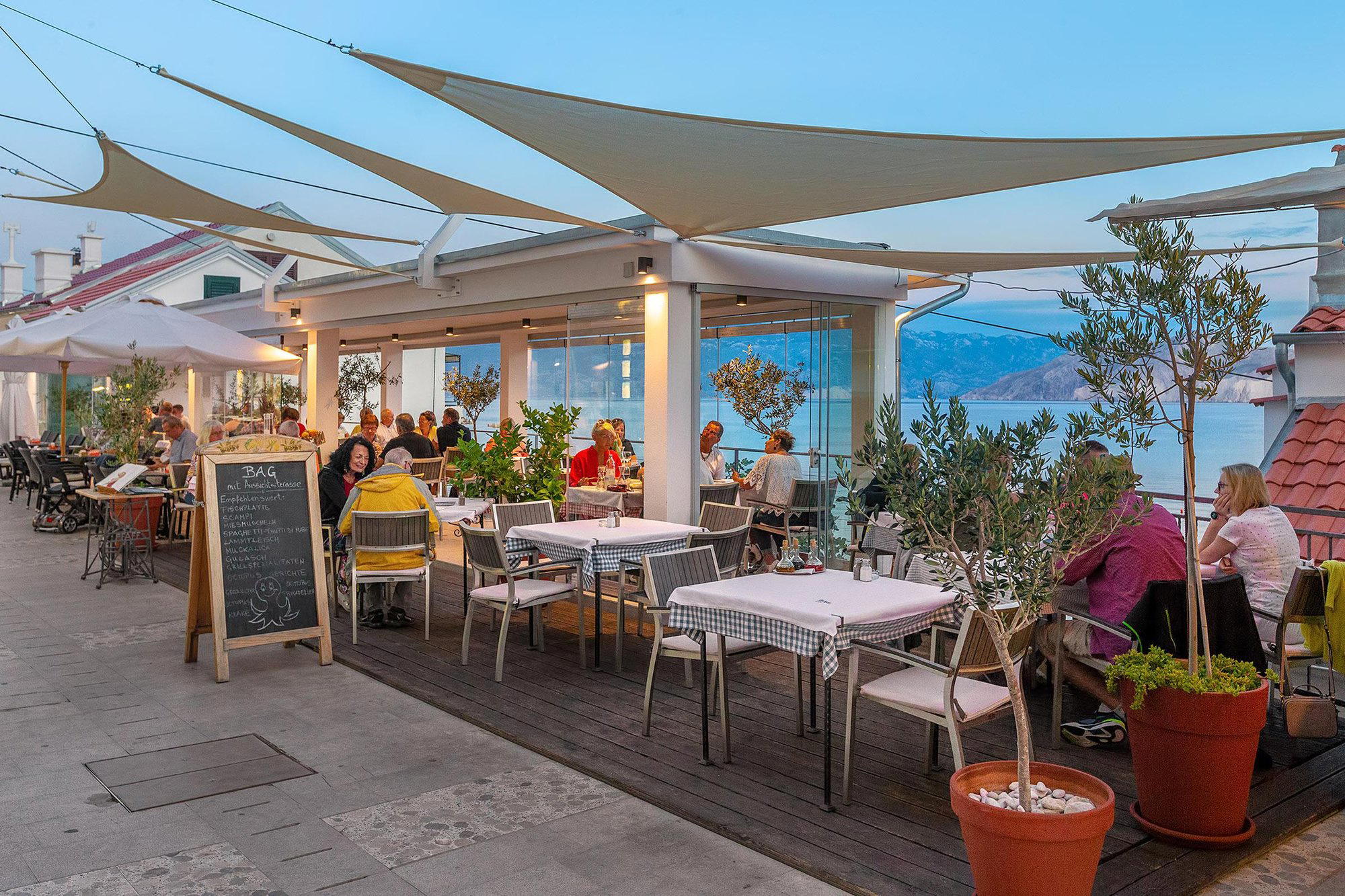
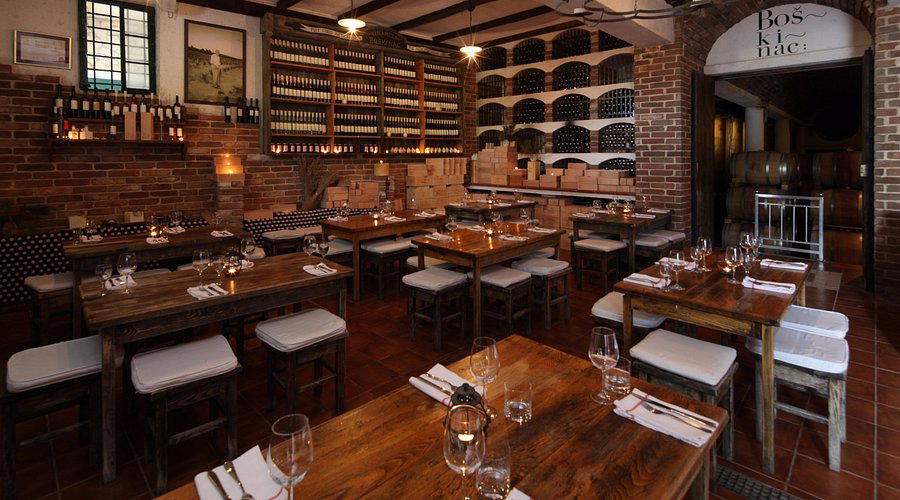
Restaurants in Palit
Browse all →
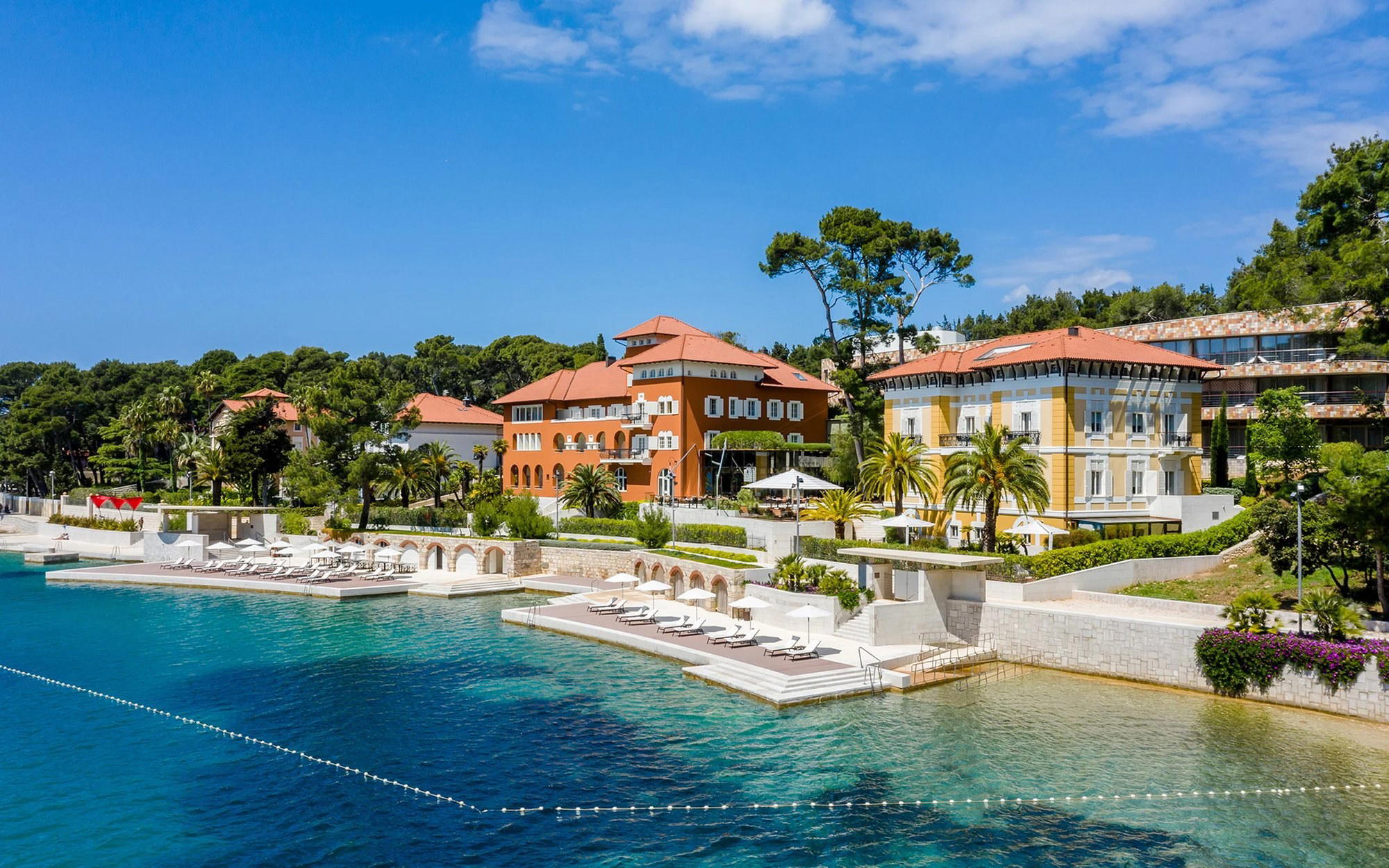
Hotels in Palit
Browse all →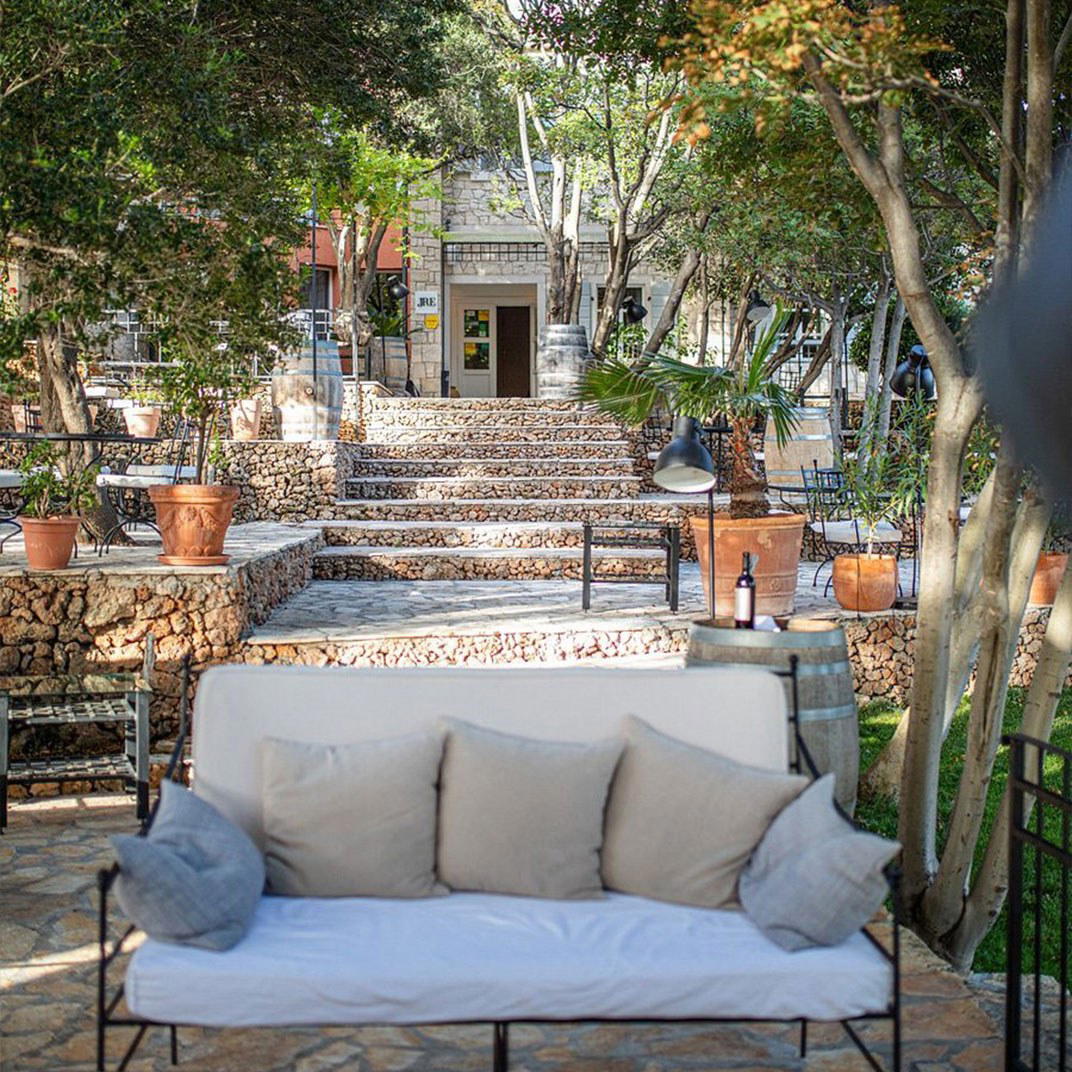
Wineries in Palit
Browse all →
At a Glance
- Rustic
- Cozy
- Family
- Casual Hangout
- Standalone
Current opening hours
- Monday
- 5 PM–12 AM
- Tuesday
- 5 PM–12 AM
- Wednesday
- 5 PM–12 AM
- Thursday
- 5 PM–12 AM
- Friday
- 5 PM–12 AM
- Saturday
- 5 PM–12 AM
- Sunday
- 5 PM–12 AM
Hours can change for holidays and private events. Last verified .
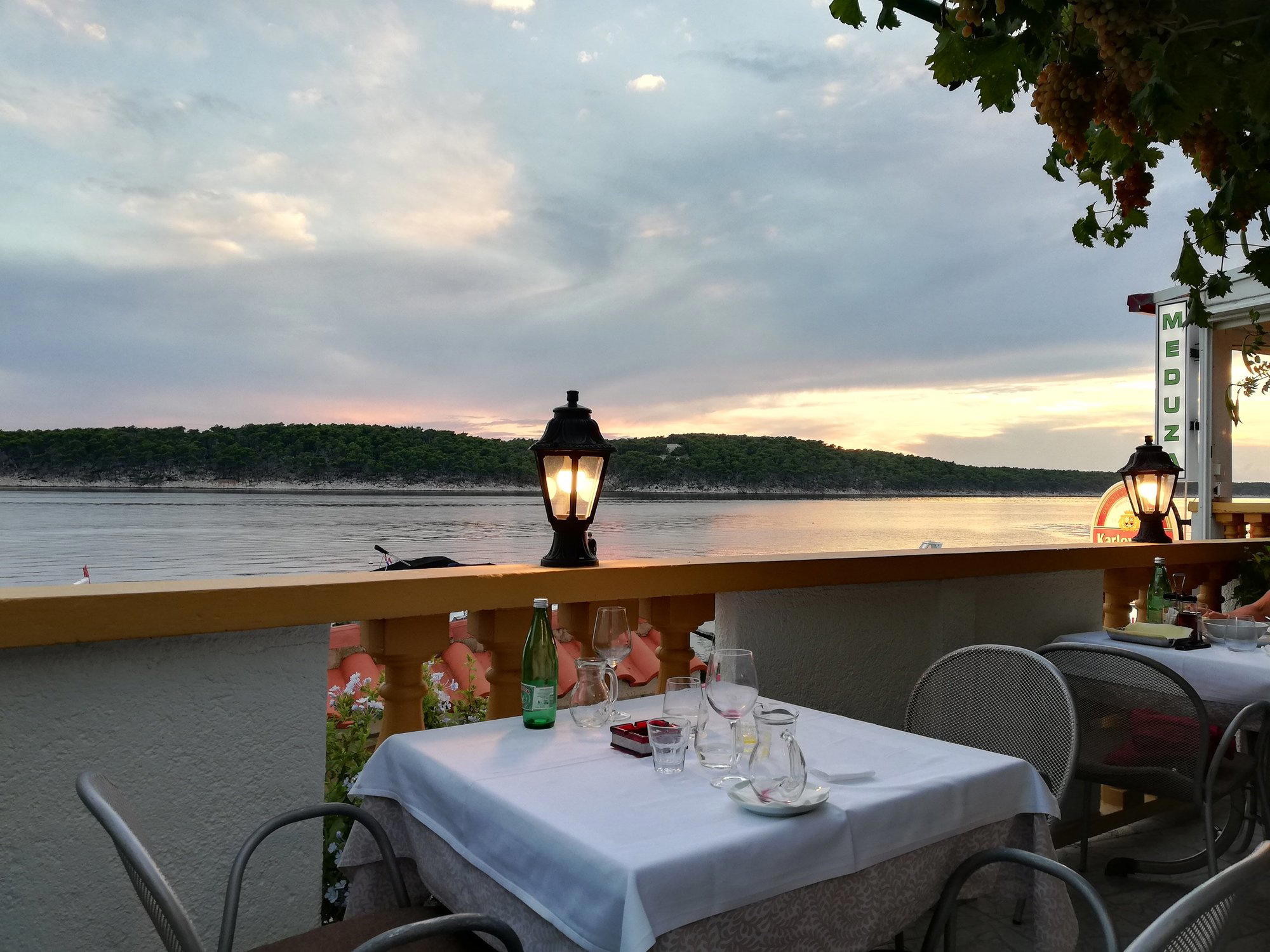
Inviting and charming with a traditional, homey atmosphere.