Our verdict
On the southern tip of Krk island, Bag sits along Baška's main promenade at Zvonimirova 74, drawing on the Adriatic's immediate larder in a town better known for its beach than its dining scene. The address places it squarely within a compact coastal strip where ingredient provenance is dictated by what arrives from local boats and island producers rather than by supply chains reaching inland.

Pearl is the En Primeur Club membership app, where members save venues, book tables and use the concierge.
The menu
What to order
- Grilled seafood platter
- Scampi risotto
- Grilled sea bream
Where the Adriatic Larder Ends and the Plate Begins
Baška occupies the southern end of Krk island, separated from the mainland Velebit coast by a narrow channel and connected to the rest of Croatia by a bridge most visitors treat as an afterthought on the way to the beach. That relative insularity has consequences for what ends up on local menus. Kitchens here do not have the luxury of daily wholesale deliveries from Zagreb or Rijeka in the volume that urban restaurants rely on. What grows on the island, what fishermen pull from the Kvarner Gulf, and what arrives from the short hop across the channel to the Dalmatian hinterland defines the plate almost by necessity. At Bag, on Zvonimirova ulica 74, that geographic constraint becomes the operating logic of the kitchen.
The Kvarner Gulf is one of the Adriatic's more productive stretches, cold enough for firm-fleshed fish and crustaceans that hold their flavour without excessive intervention. The lamb that grazes on Krk's karst interior, feeding on sparse aromatic scrub, produces meat with a mineral edge that distinguishes it from the milder, grain-finished product common elsewhere in Europe. These are not marketing claims constructed after the fact; they are the physical conditions of the island that anyone cooking in Baška inherits automatically. The question for any restaurant in this position is whether it treats that inheritance as a convenience or as a commitment.
The Setting Along the Promenade
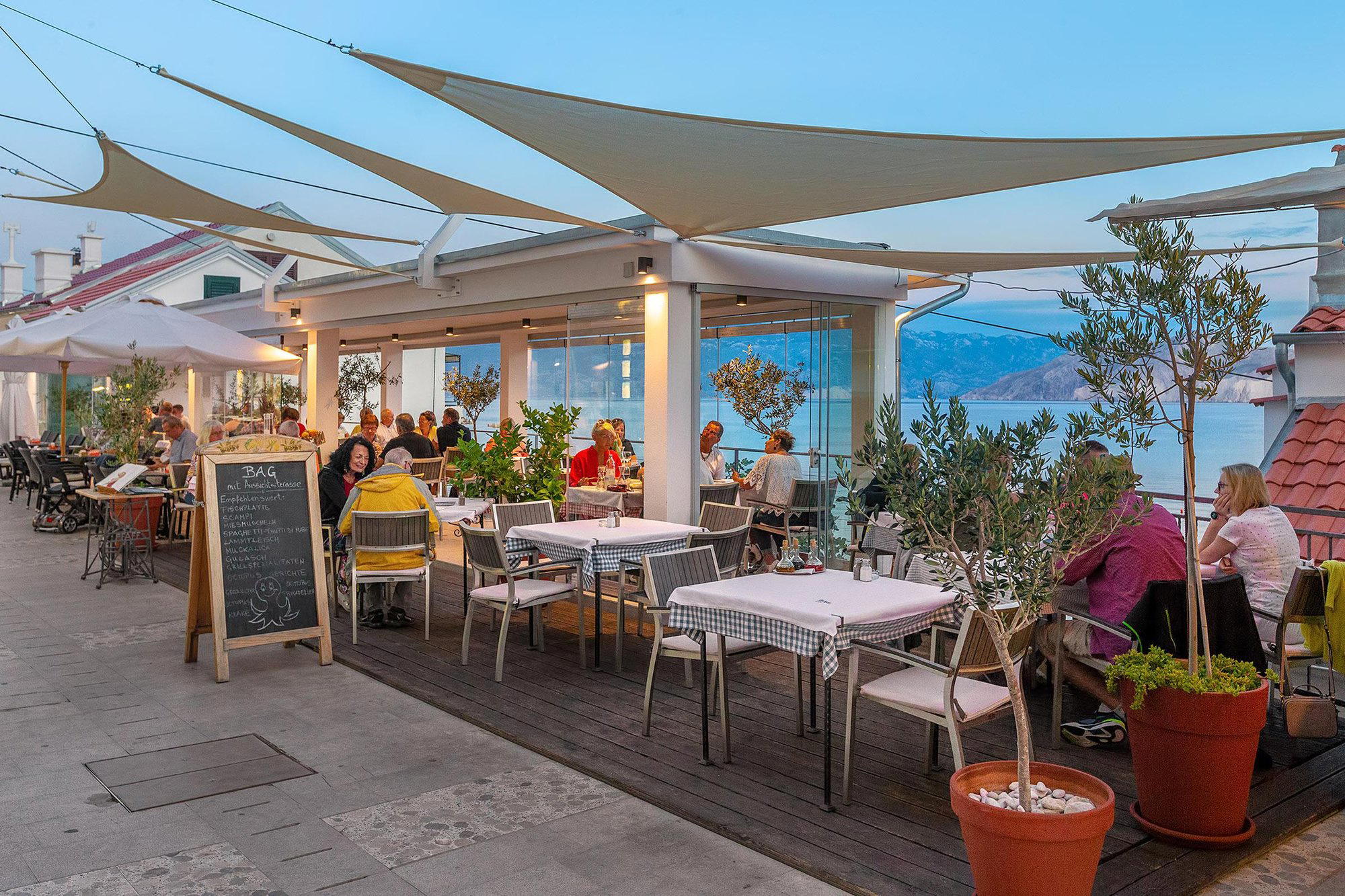
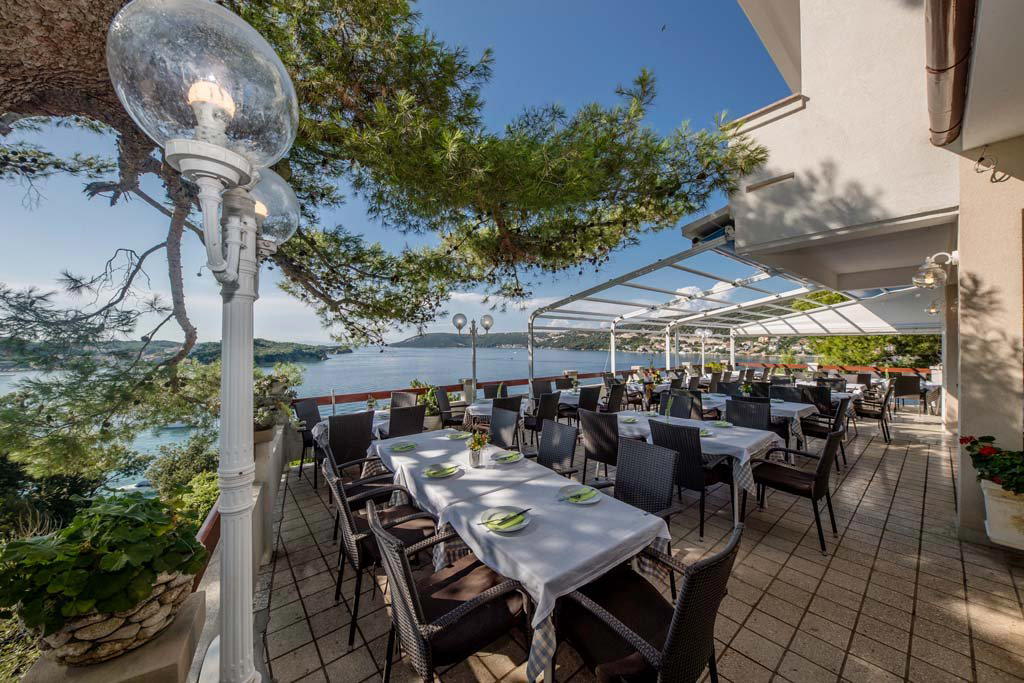
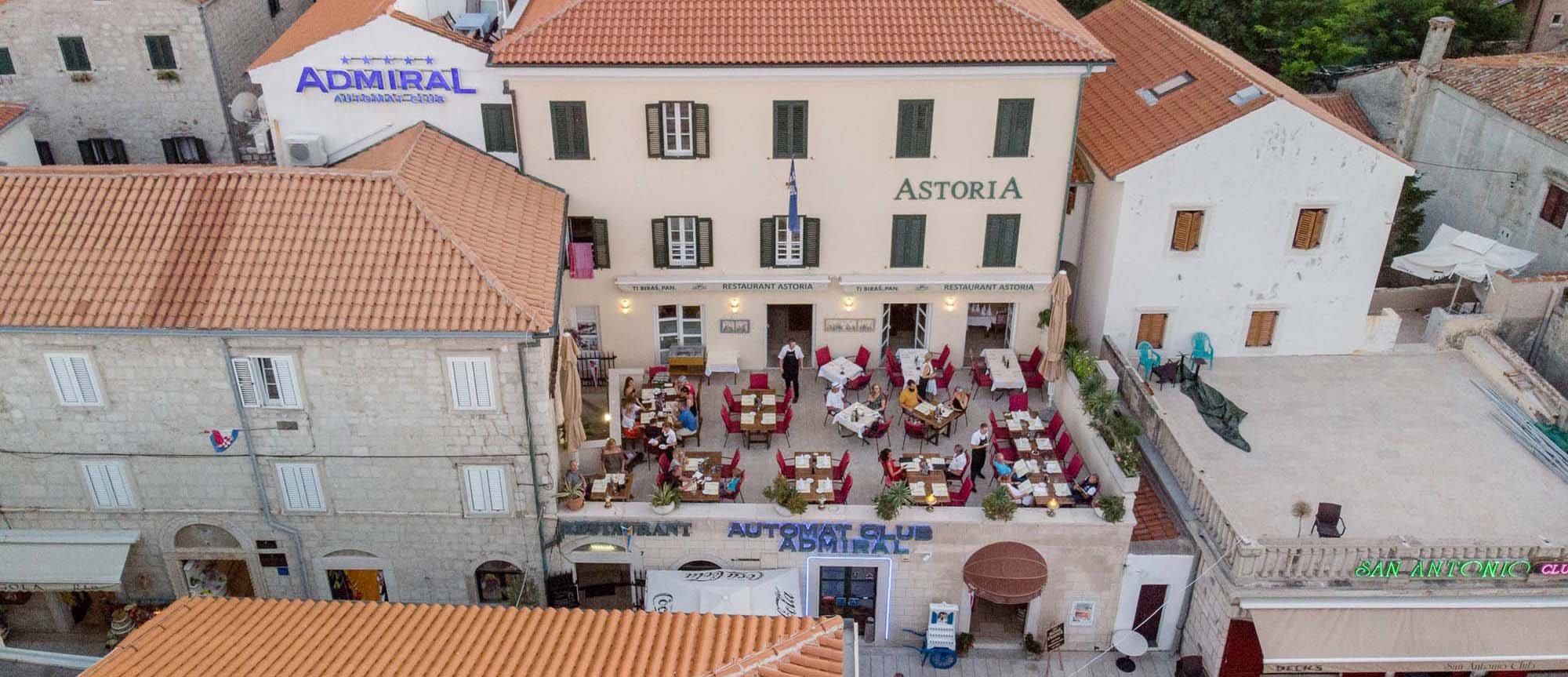
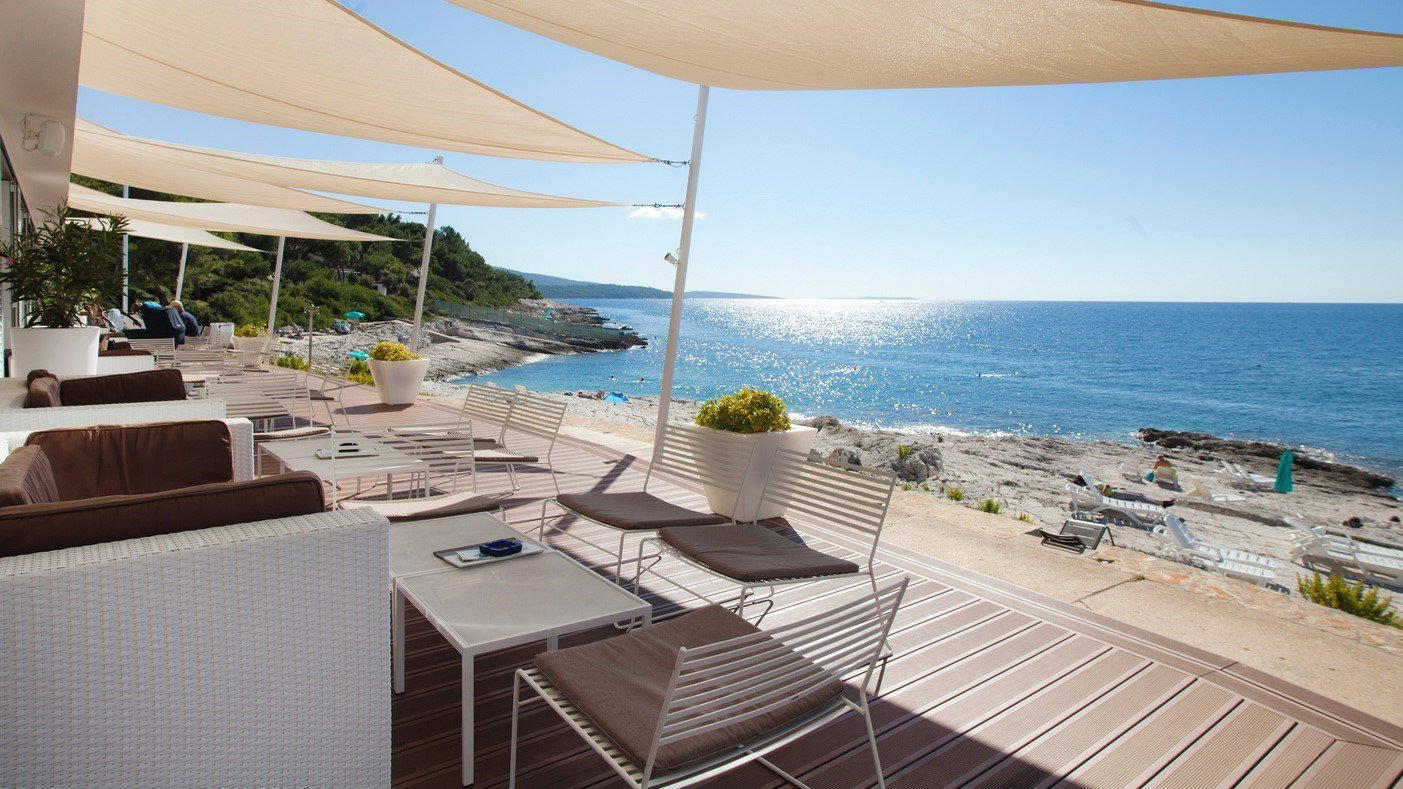
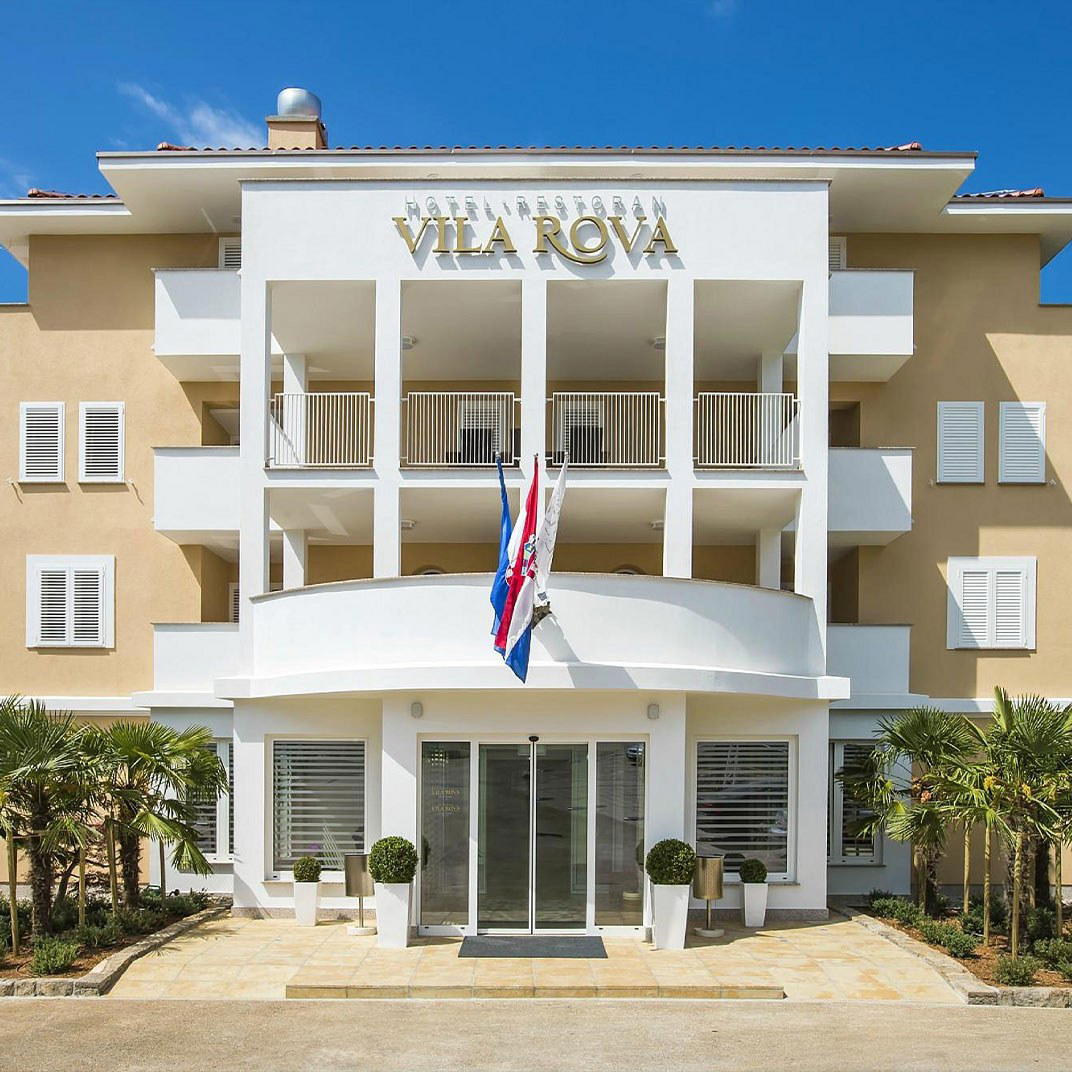
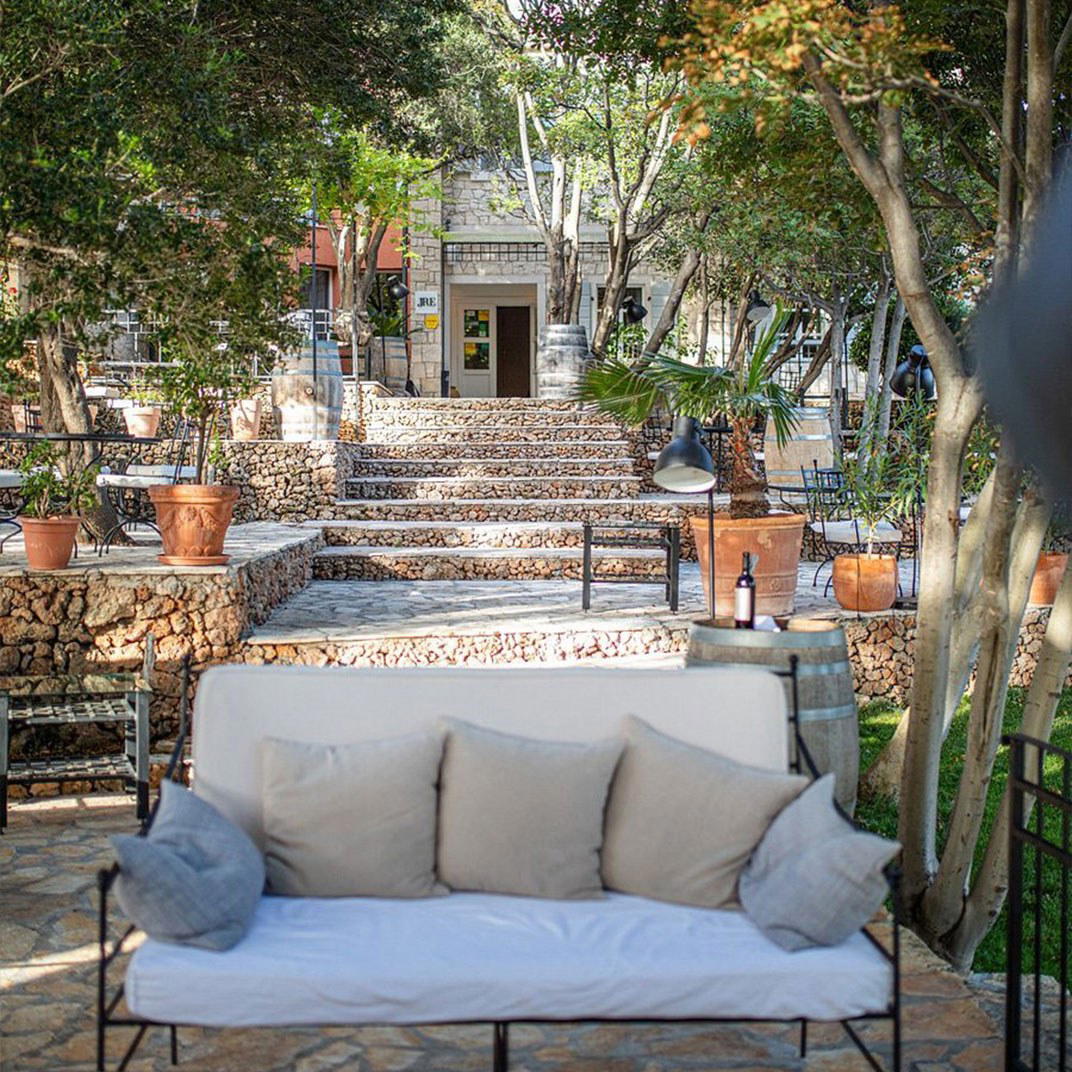
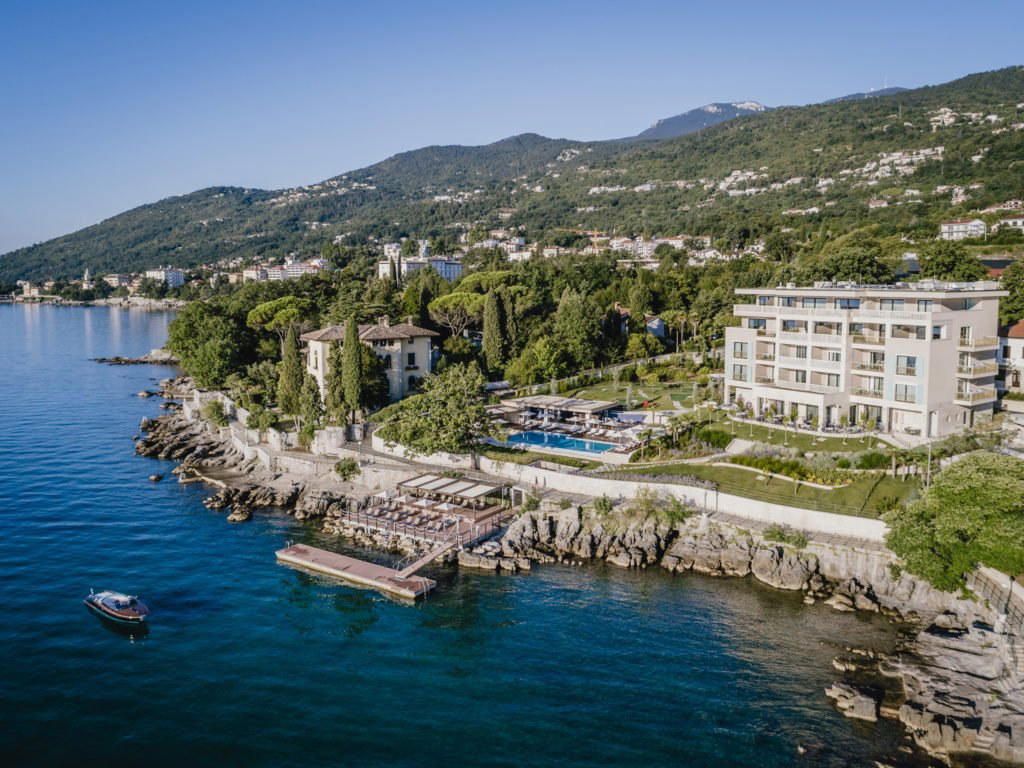
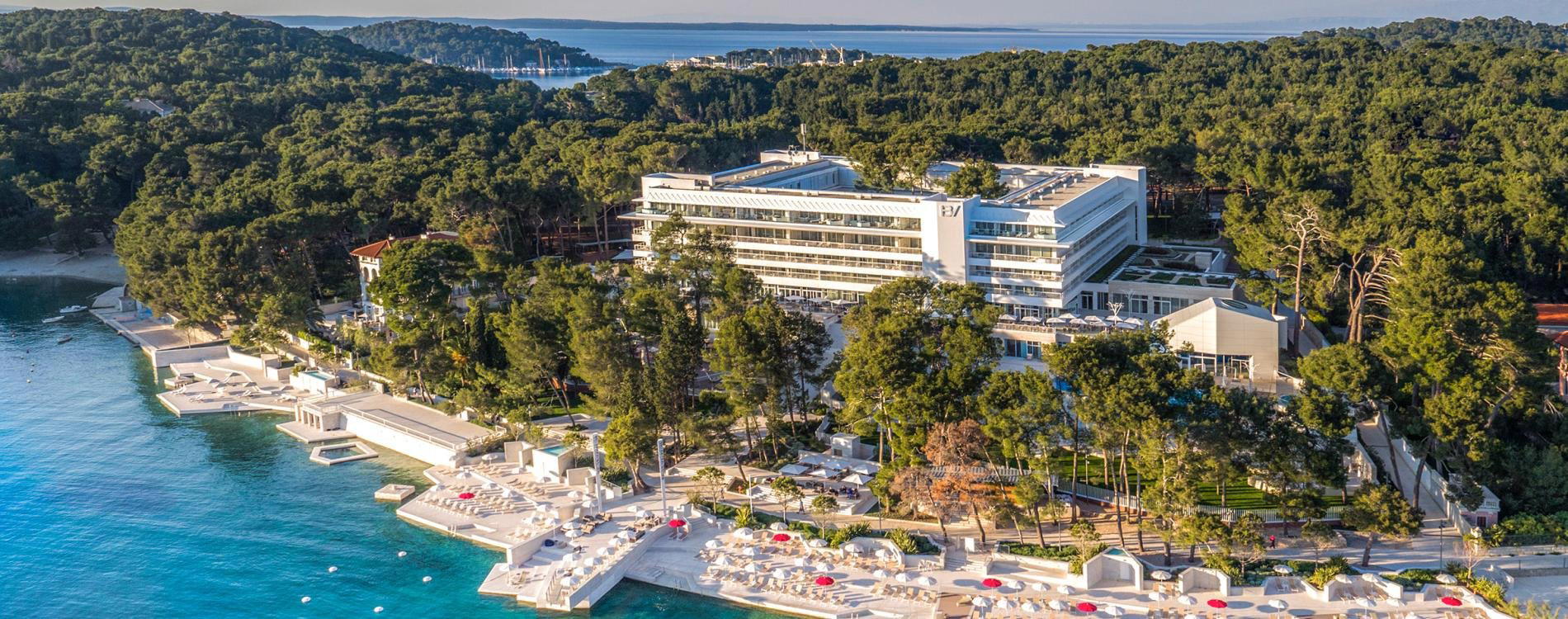
Baška's main promenade runs parallel to a long pebble beach, and the built edge facing the water is a compact strip of restaurants, cafés, and small hotels that fills quickly in July and August and quiets dramatically outside those months. The approach to Bag along Zvonimirova ulica offers the standard Kvarner reading: stone buildings, terrace seating facing the channel, and the particular quality of light that comes off the water in the late afternoon on this stretch of coast. It is not a dramatic or elaborate setting, and that restraint is representative of how Baška positions itself relative to the more tourist-polished towns on the Dalmatian coast further south.
That positioning matters when comparing dining options across the Croatian coast. Venues like Pelegrini in Sibenik and Restaurant 360 in Dubrovnik operate at the higher-investment end of the coastal dining spectrum, with elaborate wine programs and tasting menus priced at the €€€€ tier. Baška sits in a different register entirely, and a restaurant like Bag reflects the town's character rather than working against it. The peer comparison is not Dubrovnik's fine-dining strip; it is closer to the working-harbour restaurants of Kvarner and northern Dalmatia, where the value proposition is freshness and locality rather than format or theatre.
Sourcing in a Closed-Loop Coastal Economy
Krk island's food economy has always operated with a degree of self-sufficiency that mainland Croatian towns cannot replicate. Olive groves and vineyards run across the island's interior and northern slopes, and local olive oil production, while modest in scale, supplies kitchens that know its character. The island's lamb, known in Croatian simply as janjetina, has a provenance that is traceable to specific pastures rather than consolidated supply chains. Restaurants in this part of the Kvarner that treat these inputs as default rather than premium signal something real about their relationship with local producers.
The Adriatic sourcing question is one that Croatian dining broadly has been working through as international attention on the coast has grown. Operations like Agli Amici Rovinj in Rovinj and Boskinac in Novalja have built their identities partly around articulating regional provenance at a level that can be communicated to an international audience. In Baška, the scale is smaller and the audience is more mixed: a combination of Croatian domestic tourists, German and Austrian visitors who have been coming to Krk for decades, and a growing number of travellers who arrive via the island's airport connections. What these groups share is an expectation of Adriatic freshness, and the proximity of Baška's restaurants to the water means that expectation is either met with specific daily product or exposed as a gap.
For context on how ingredient sourcing shapes identity across different Croatian dining formats, Korak in Jastrebarsko demonstrates how inland Croatian kitchens approach provenance through different ingredient categories, while Nebo by Deni Srdoč in Rijeka works the Kvarner's produce at a more technically ambitious register. Alfred Keller in Mali Lošinj, on the island immediately south of Krk, offers a useful point of comparison for understanding what Kvarner island dining looks like when it moves toward a more formal presentation.
Baška in the Context of Croatian Coastal Dining
The broader Croatian dining scene has developed distinct tiers along the coast. At one end, Michelin-tracked restaurants in Dubrovnik, Split, and Istria compete for international recognition, with venues like LD Restaurant in Korčula, Krug in Split, and Dubravkin Put in Zagreb anchoring different segments of that recognition economy. At the other end, the Kvarner island towns, including Baška, operate restaurants that serve a predominantly seasonal population without the infrastructure or volume to support the format investment that Michelin-tracked dining requires.
That is not a criticism. The kaštradina tradition of Dalmatia, the peka slow-cooking method used across the coast, and the grilled fish customs of Kvarner fishing villages represent a body of culinary knowledge that requires no Michelin framing to justify its worth. What matters in a town like Baška is whether a restaurant is buying from the right boats and the right farmers, and cooking what those ingredients actually call for rather than overlaying them with format borrowed from elsewhere.
Istrian comparisons are also instructive: San Rocco in Brtonigla, EatIstria in Pluj, and Humska Konoba in Hum each show how deeply local sourcing can anchor a restaurant's identity even in the absence of formal awards infrastructure. Restaurant Filippi in Curzola offers another coastal data point along the same axis.
For visitors assembling a picture of what eating in Baška actually looks like across multiple options, Francesca represents a comparison point within the town itself, and our full Baska restaurants guide maps the town's dining options against each other.
Planning Your Visit
Baška's season compresses sharply. The town operates at full capacity between late June and late August; before and after those windows, opening hours, kitchen scope, and staffing all contract. Visiting outside peak season is possible and has the advantage of quieter streets and more direct interaction with local producers, but it requires confirmation in advance that any specific restaurant is operating. Bag's address at Zvonimirova ulica 74 places it on the main promenade, walkable from the beach and from the town's ferry and bus connections.
Frequently asked questions
Would Bag be comfortable with kids?
Bag sits at Zvonimirova ul. 74 along Baška's promenade, a walkable, open seafront strip that suits families. The beach-adjacent setting means kids have somewhere to be between courses. As with most promenade restaurants in Baška, the format is relaxed rather than formal.
Is Bag better for a quiet night or a lively one?
Baška's promenade runs parallel to a long pebble beach, so the ambient energy at Bag tracks the season directly. In peak July and August, the strip is busy and sociable. Visit in early June or September and the same address operates at a noticeably quieter pace.
Is Bag open year-round or only during the summer season?
Baška as a town compresses its operating season sharply, running at full capacity from late June through late August. Before and after that window, hours across the promenade strip, including at Bag on Zvonimirova ul. 74, tend to shorten or pause entirely. Confirming current opening periods before travel is advisable outside peak summer months.
What should I eat at Bag?
Krk island's food economy draws from olive groves, vineyards, and a short Adriatic channel separating the island from the Velebit coast, which shapes what appears on plates across Baška.
Where is Bag in Baska?
Bag is located at Zvonimirova ul. 74, 51523, Baška, Croatia, Baska.
Can I walk in to Bag?
Bag is located on Zvonimirova ul. 74 in Baška, a compact promenade town where most restaurants are accessible on foot. Walk-in availability compresses sharply between late June and late August when Baška operates at full seasonal capacity. Outside those peak weeks, securing a table on arrival is considerably easier.
What has Bag built its reputation on?
Bag occupies a position within Baška's promenade dining strip, a coastal setting where proximity to Adriatic sourcing and the island's self-sufficient food economy defines the peer group. Krk island restaurants draw on local olive oil, island-grown produce, and fresh catch from the surrounding channel.
Comparison Snapshot
Comparable venues nearby, for context on price, style, and recognition.
| Venue | Cuisine | Price | Notes |
|---|---|---|---|
| BagThis venue (the venue you are viewing) | Croatian Seafood Mediterranean | $20–30 | Not listed |
| Francesca | Mediterranean Fine Dining | $50–100 | Old Town Baska |
| Hotel & Restoran Degenija | Traditional Croatian Regional Grill | $20–30 | Selište Drežničko, Rakovica |
| Didova kuća | Traditional Croatian Seafood & Grill | $20–30 | Simuni |
| Kali | Traditional Croatian Seafood | Not listed | Medveja |
| Due Fratelli | Mediterranean Seafood | Not listed | Montozi |
Continue exploring
More in Baska
Restaurants in Baska
All restaurants in Baska →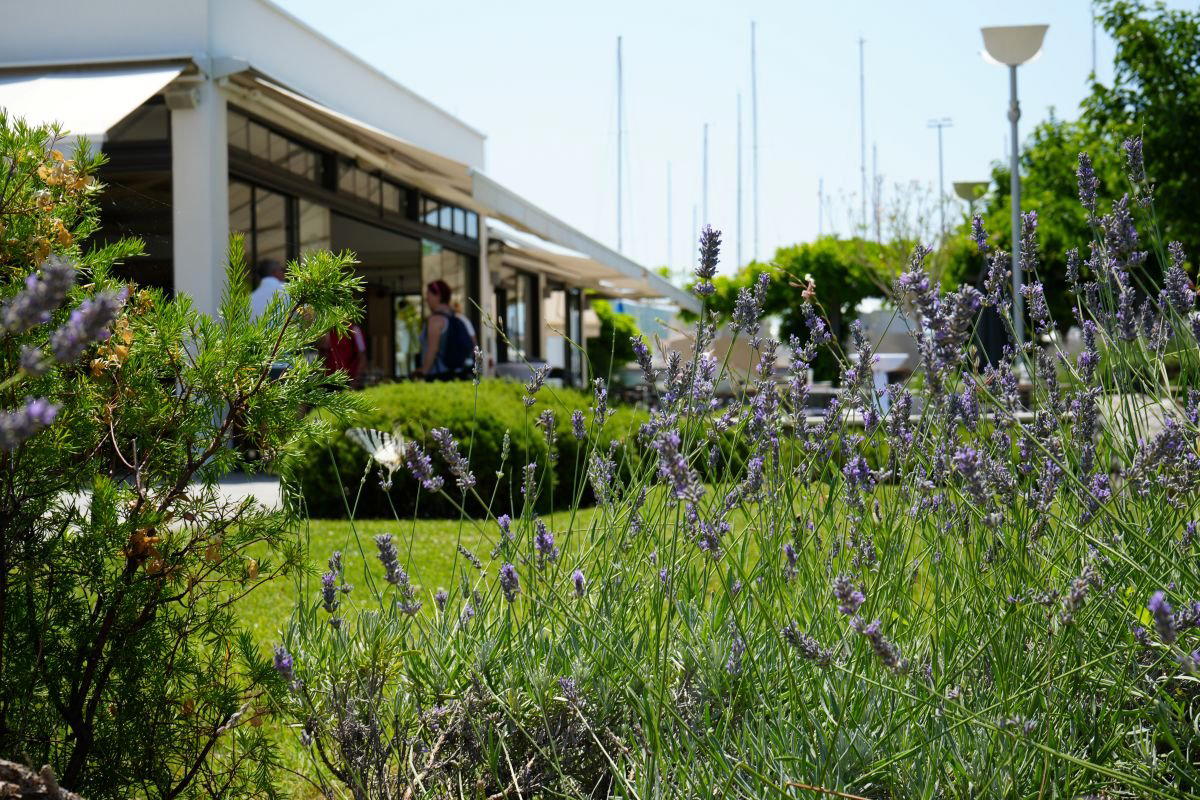

Details
- Scenic
- Cozy
- Casual Hangout
- Family
- Terrace
- Waterfront
- Local Sourcing
- Waterfront
- A La Carte
- Vegetarian Friendly
- Vegan Options
Current opening hours
- Monday
- 8 AM–11:30 PM
- Tuesday
- 8 AM–11:30 PM
- Wednesday
- 8 AM–11:30 PM
- Thursday
- 8 AM–11:30 PM
- Friday
- 8 AM–11:30 PM
- Saturday
- 8 AM–11:30 PM
- Sunday
- 8 AM–11:30 PM
Hours can change for holidays and private events. Hours as of .
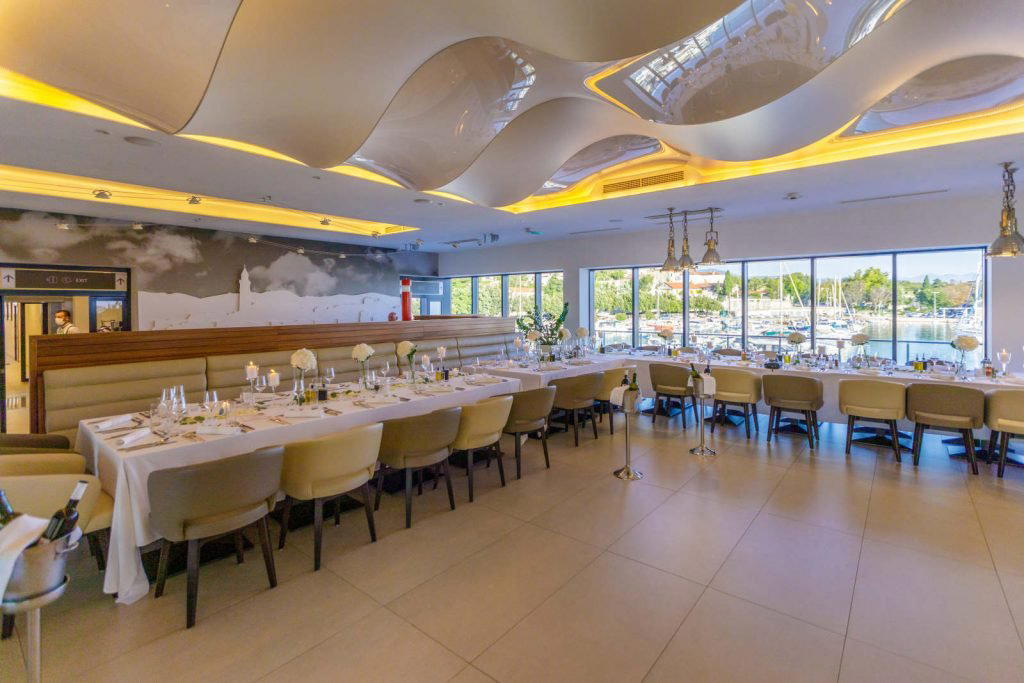
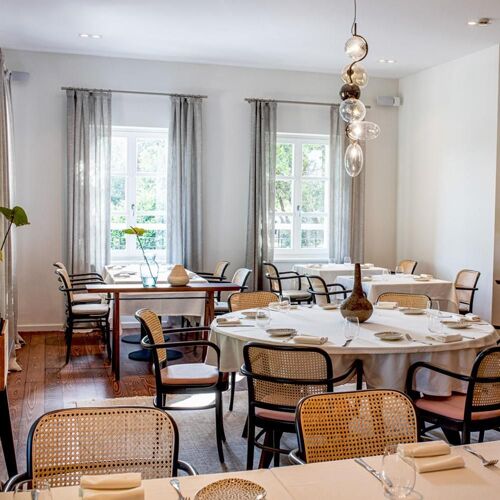
Inviting terrace atmosphere with dramatic bay views, praised for its scenic and pleasant dining experience.