Bitoraj serves traditional Croatian game meat in Fužine, with garden and mountain views, an extensive wine list, and dishes such as wild boar stew.
Pearl is the En Primeur Club membership app — saves, bookings, and concierge access live there. Same editors, same standards.
- Address
- Ul. Sveti Križ 1, 51322, Fužine, Croatia
- Phone
- +38551830005
- Website
- bitoraj.hr
- Directions
- Get directions
 Saves & bookings on Pearl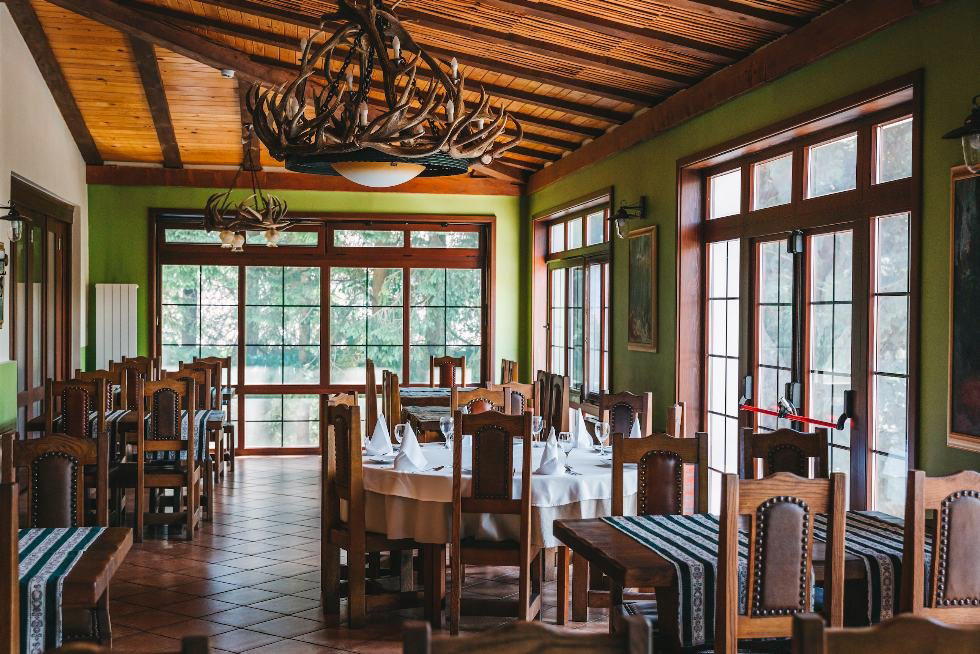
Where the Gorski Kotar Forest Meets the Plate
The road into Fužine drops through dense spruce and fir before opening onto a small lake, and by the time you reach Ul. Sveti Križ the altitude is already doing something to your expectations. This is mountain Croatia, not the Dalmatian coast, and the culinary logic here follows different rules. At Bitoraj, the surrounding Gorski Kotar region is not a backdrop, it is the supply chain. The forests, streams, and highland pastures of this corner of Croatia between Rijeka and Karlovac have historically fed the table, and that relationship between terrain and plate is what makes a meal here read differently from the seafood-forward restaurants dominating the country's tourism conversation.
Gorski Kotar sits at elevations between 700 and 1,500 metres, and the resulting larder is weighted toward game, freshwater fish, mushrooms, and dairy rather than the olive oil and grilled fish that define coastal Croatian cooking. Restaurants in this zone tend to work with what the land reliably produces: venison, wild boar, trout from cold mountain streams, and fungi that appear in quantities coastal kitchens rarely see. Bitoraj sits inside that tradition, occupying a position in Fužine's small but coherent dining scene that leans on highland ingredient logic rather than attempting to import coastal sensibility to an inland address.
The Ingredient Logic of the Croatian Highlands
In the broader context of Croatian dining, the Gorski Kotar region remains genuinely underrepresented in national food coverage. The Michelin-recognised tier in Croatia concentrates heavily on coastal addresses: Pelegrini in Sibenik, Restaurant 360 in Dubrovnik, and Agli Amici Rovinj in Rovinj all anchor themselves in Adriatic and Mediterranean ingredient frameworks. The mountain interior operates largely outside that recognition structure, which means places like Bitoraj function within a different competitive logic, one defined by local reputation and return visitors rather than international award cycles.
That distinction matters when assessing what highland restaurants are actually doing. The sourcing radius for a kitchen in Fužine is, by practical necessity, short. Mushroom foragers work the surrounding forests; local hunters supply game through established regional networks; freshwater fish comes from the Kupa river system and highland lakes rather than the sea. This compressed geography between source and kitchen is, in many fine-dining contexts, treated as a selling point. In Gorski Kotar, it is simply the operational reality, the coastal alternative would require importing ingredients across a mountain range, which no kitchen rooted in this tradition would do when the forest outside provides otherwise.
For comparison, the farm-to-table framing that Korak in Jastrebarsko has applied to the Zagreb hinterland, or the ingredient-sourcing discipline visible at Boskinac in Novalja on Pag island, works from entirely different terrains. Highland Croatian cooking has its own vocabulary, and it is worth spending time in Fužine specifically to read that vocabulary on its own terms rather than through a coastal lens.
Fužine as a Dining Destination
Fužine is a small mountain resort town that draws visitors primarily for lake recreation and hiking in the warmer months, and for the relative quiet of a highland escape in shoulder season. Its restaurant scene is correspondingly compact. Konoba Volta represents the other notable address in town, and the two venues between them frame the dining options available to visitors staying in or passing through Fužine.
The nearest city with a more developed fine-dining infrastructure is Rijeka, roughly 40 kilometres to the west, where Nebo by Deni Srdoč operates at a different tier of ambition and price. For visitors using Fužine as a base to explore the wider region, the restaurant choices in town are part of the appeal rather than a limitation, the highland ingredient story is not available in the same form in Rijeka or Zagreb.
From a practical standpoint, Fužine is accessible by car from Rijeka in under an hour, and the drive itself through the Gorski Kotar mountains is part of the context for the meal. Visitors arriving from Zagreb follow the A1/A6 corridor and can reach the town in roughly two hours. Seasonal timing matters: the town is most active from late spring through early autumn, when the lakes are in use and the forest produces the mushrooms and herbs that highland kitchens rely on most heavily. A visit in October, when autumn fungi are at their peak, aligns most directly with the ingredient logic that defines this regional cooking tradition.
Where Bitoraj Sits in the Regional Picture
Setting Bitoraj against the broader Croatian restaurant scene requires acknowledging the difference between coastal prestige restaurants and highland dining rooted in tradition. Venues like LD Restaurant in Korčula, San Rocco in Brtonigla, or Humska Konoba in Hum all draw on coastal or Istrian ingredient palettes. Dubravkin Put in Zagreb and Krug in Split operate in urban contexts with access to broad supply networks. Bitoraj operates inside none of those frameworks. Its reference points are local and vertical, sourced close, prepared within a recognisable highland Croatian tradition, and served in a town where the surrounding geography sets the agenda.
For readers whose reference points lean toward destination restaurants globally, the relevant comparison is less with Croatia's coastal tier and more with the broader category of place-specific regional restaurants whose value is inseparable from their geography. The equivalent logic applies to EatIstria in Pluj and, at considerably larger scale and different ambition, to places like Lazy Bear in San Francisco, where sourcing specificity and regional identity do the heavy editorial work. Bitoraj is not operating at those international scales, but the underlying reasoning, that a restaurant's value is partly a function of how precisely it expresses its place, applies with equal force to a mountain town in the Croatian interior.
Planning a Visit
Bitoraj is located at Ul. Sveti Križ 1 in Fužine, a central position in a town compact enough that most visitors arrive on foot from nearby accommodation or by car from the lake area. Given the limited size of Fužine's dining scene, booking ahead is advisable, particularly in summer months when the town receives its highest visitor numbers. Visitors combining a meal here with the wider Croatian dining tour should allow at least a full day in the Gorski Kotar region rather than treating Fužine as a drive-through stop.
In Context: Similar Options
Comparable venues nearby, for context on price, style, and recognition.
| Venue | Cuisine | Price | Notes |
|---|---|---|---|
| BitorajThis venue — the venue you are viewing | Traditional Croatian Game Meat | $$ | Not listed |
| Konoba Volta | Traditional Croatian & Gorski Kotar Game Cuisine | $$ | Fuzine |
| Kuća Rabske Torte | Traditional Croatian Rab Cake (Rapska Torta) | $$ | Old Town |
| Karlo | Traditional Croatian | $$ | Plešivica |
| Cacao | Dessert Patisserie with Vegan Options | $$ | City Center |
| Grill Žar | Traditional Balkan Grill | $$ | Dolici |
Continue exploring
More in Fuzine
Restaurants in Fuzine
Browse all →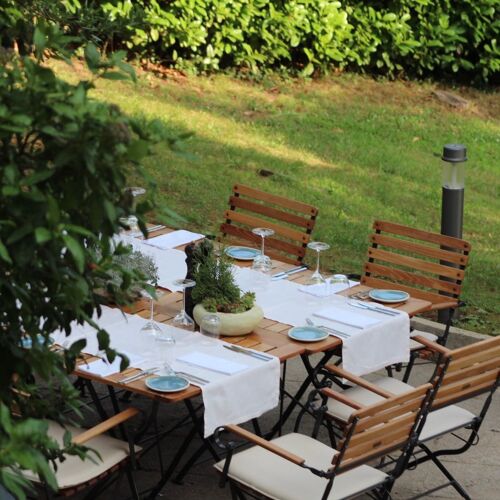
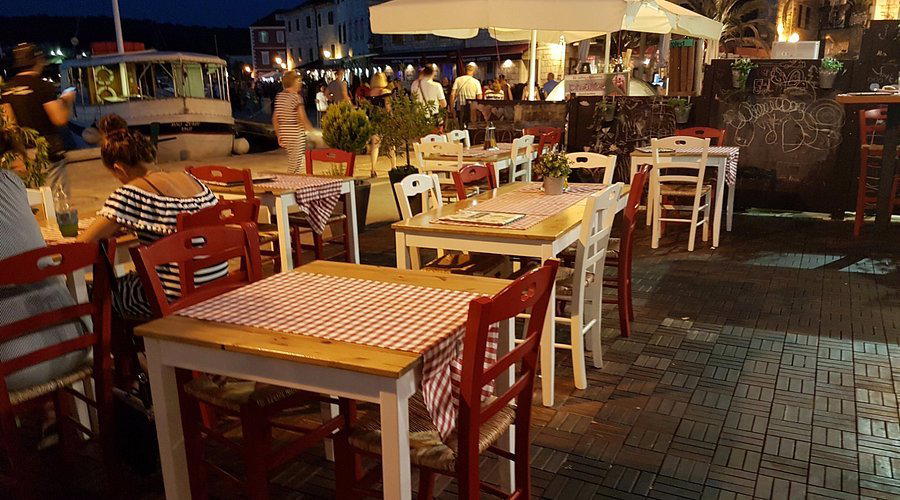
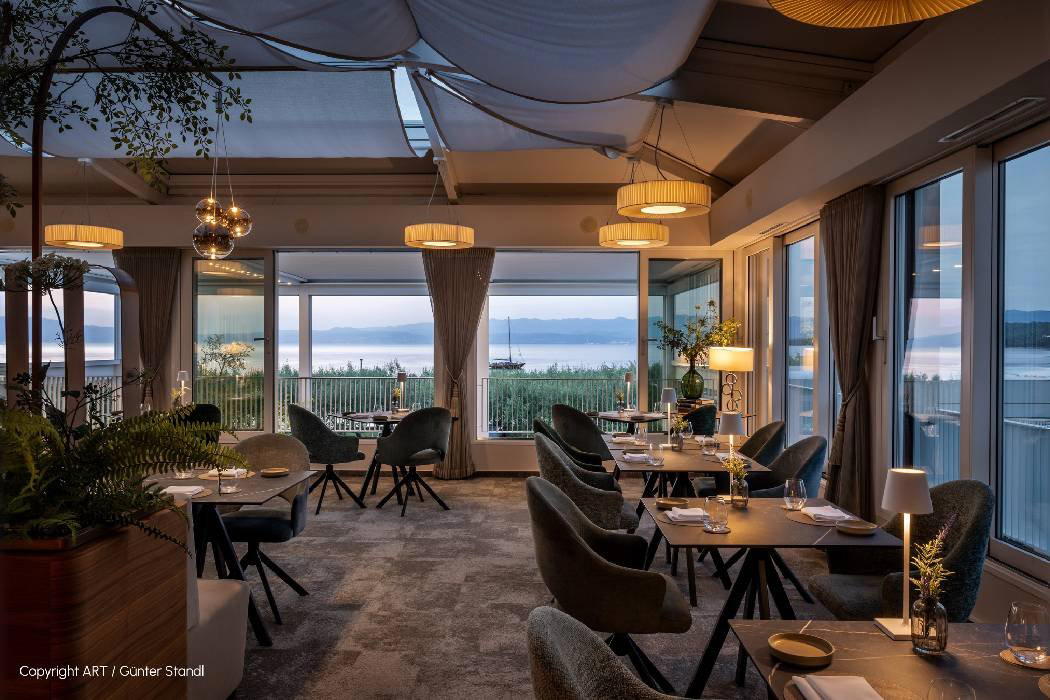
Bars in Fuzine
Browse all →
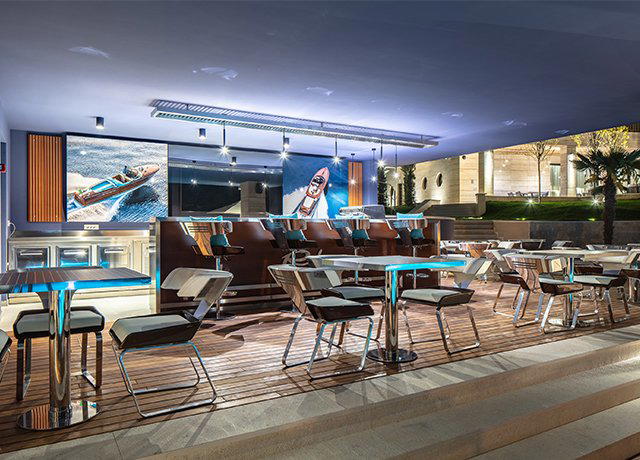
Hotels in Fuzine
Browse all →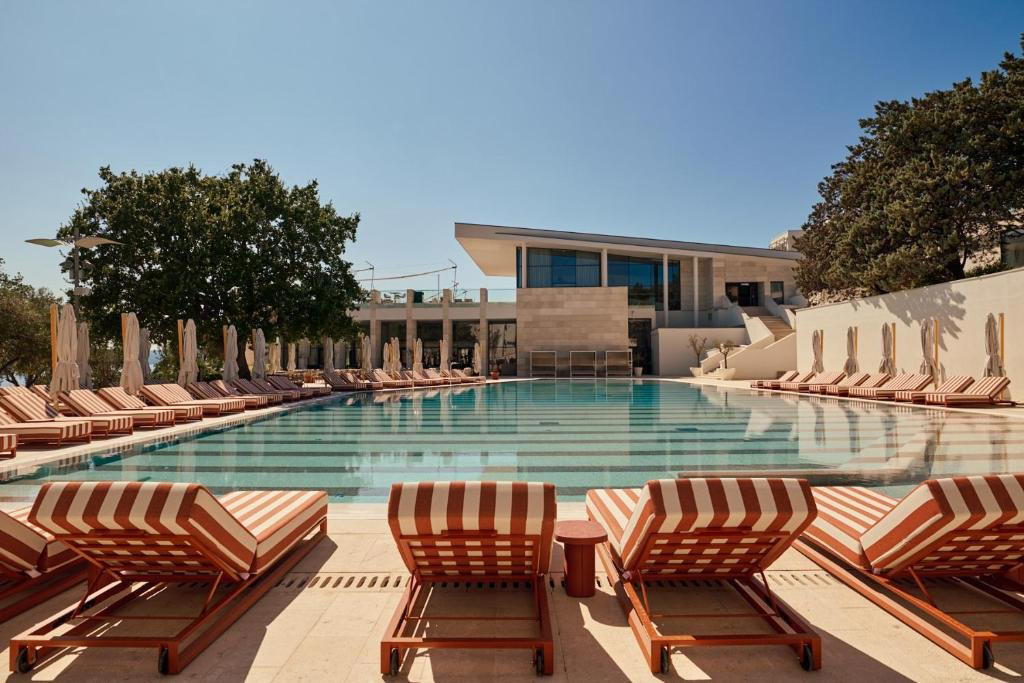
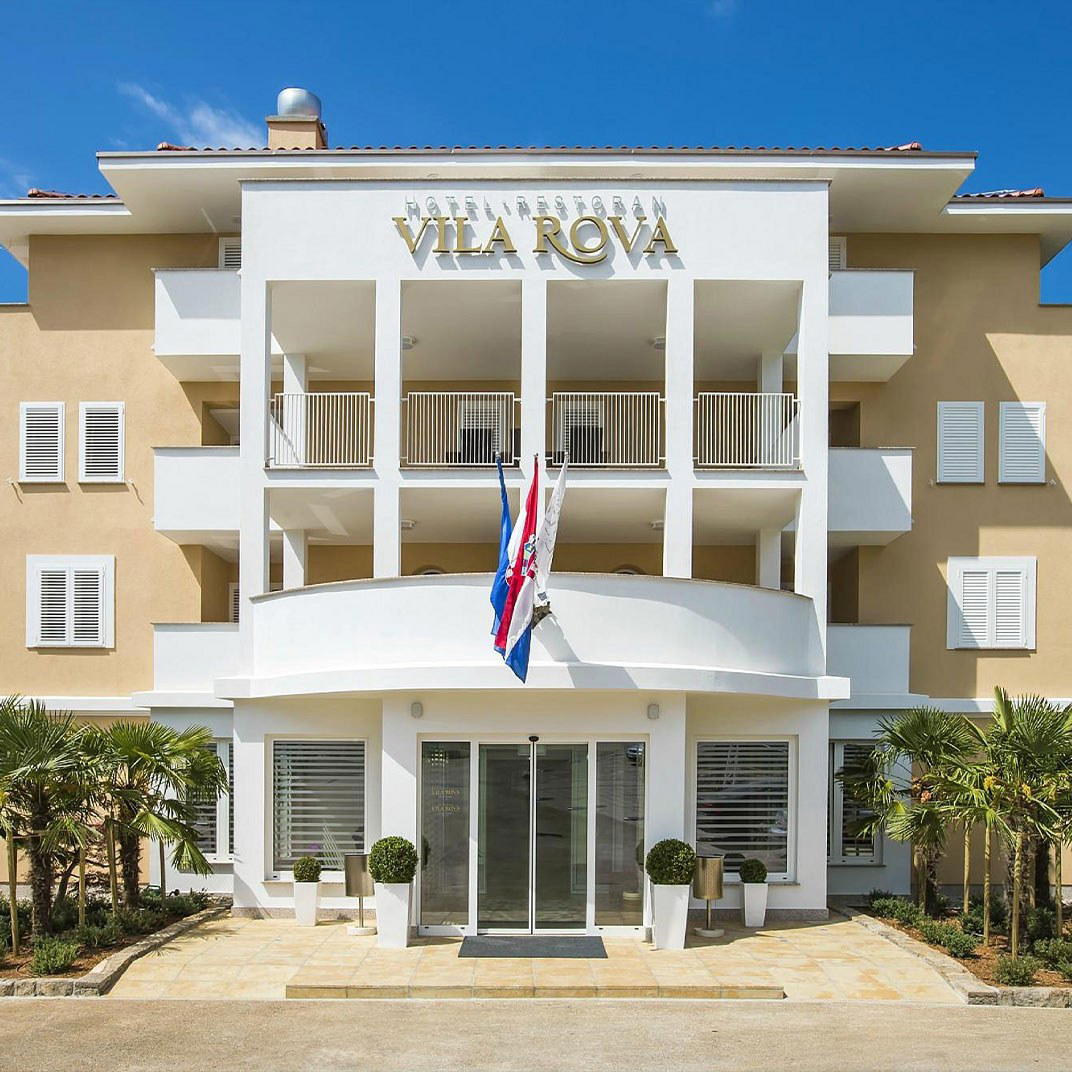
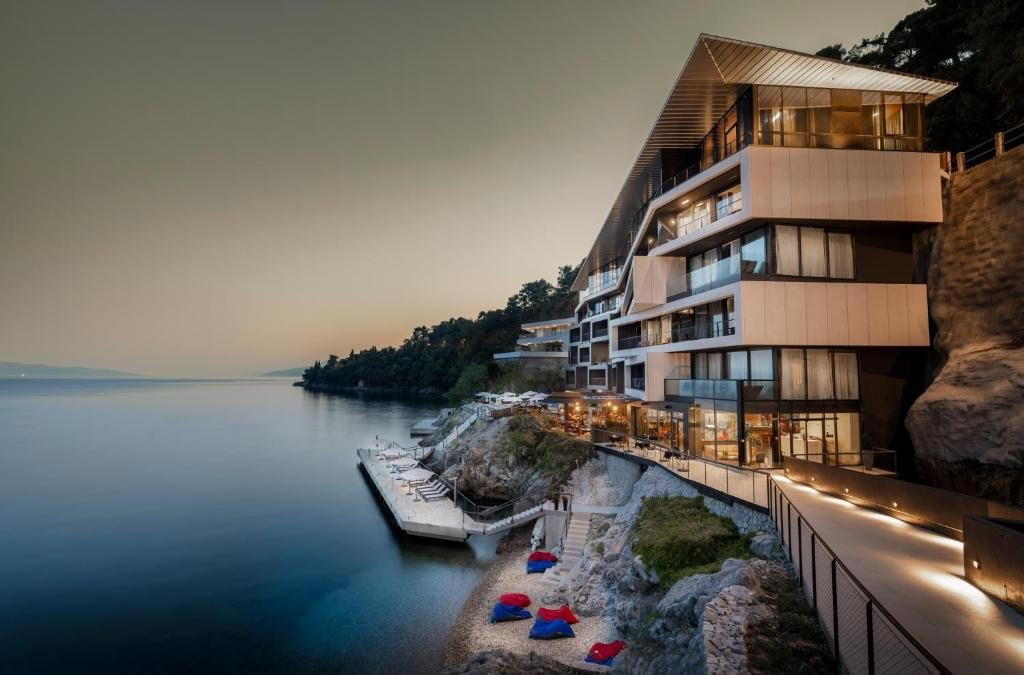
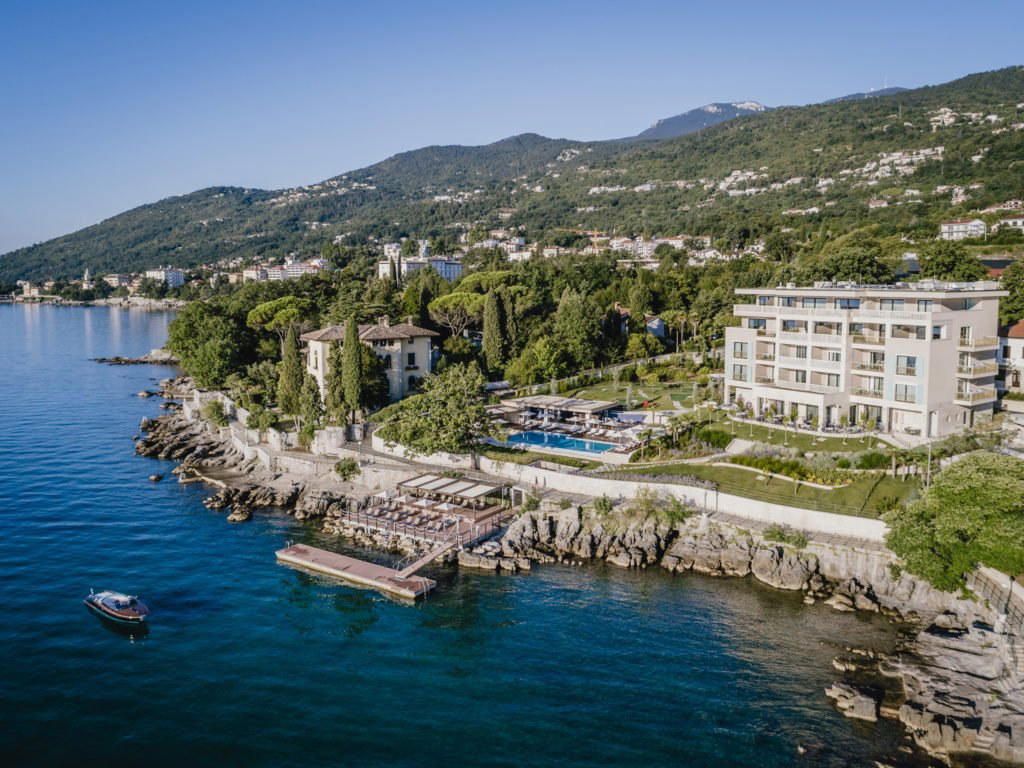
Wineries in Fuzine
Browse all →At a Glance
- Rustic
- Cozy
- Scenic
- Family
- Casual Hangout
- Garden
- Extensive Wine List
- Local Sourcing
- Garden
- Mountain
Cozy and traditional with a rustic, nature-inspired atmosphere.