Barbat
Our verdict
Barbat sits on the quieter southern shore of Rab island, at an address that positions it away from the tourist circuit of Rab town. The Adriatic's fishing tradition shapes what reaches the table here, and the setting, a small Kvarner coast village, places it within a broader pattern of ingredient-led konoba dining that defines Croatia's island interior rather than its resort strip.

Pearl is the En Primeur Club membership app, where members save venues, book tables and use the concierge.
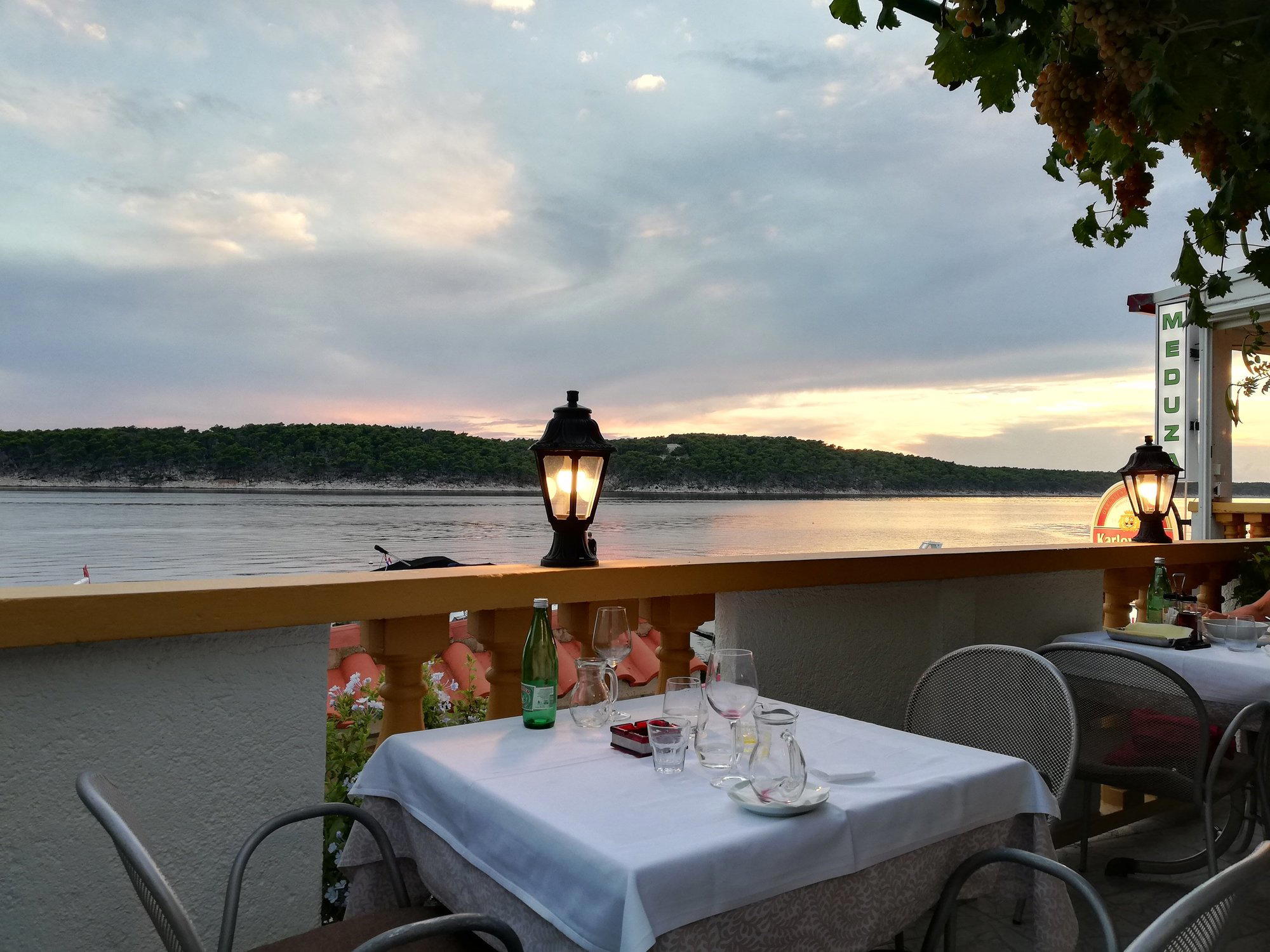
The Southern Shore and What It Produces
Rab island's southern settlement of Barbat na Rabu sits on the Kvarner Gulf, a stretch of Adriatic that has fed local tables for centuries through a combination of inshore fishing, small-scale farming, and the kind of foraging culture that tourism has not yet standardised. The village itself is low-key even by island standards: a scatter of stone houses, working boats, and a shoreline without the concession infrastructure of Rab town, which lies a short drive north. Dining here belongs to a pattern common across Croatia's quieter island settlements, where the supply chain is essentially the water in front of you and the gardens behind. That proximity to source is not a marketing position, it is simply the logistical reality of cooking in a place this size.
This is the context in which Barbat, at address 366 on the village's main route, operates. For the broader pattern of ingredient-focused dining on the eastern Adriatic, it is worth understanding where Barbat na Rabu sits in the Croatian island hierarchy. It is not Hvar or Korčula, where restaurants like LD Restaurant in Korčula have built formal reputations on Mediterranean technique applied to local produce. It is not the polished Dalmatian coast, where Pelegrini in Sibenik operates at the €€€€ tier with a Michelin-recognised programme. Barbat na Rabu is smaller, less visited, and by extension less mediated, the dining experience here is shaped by the village's own rhythm rather than by seasonal tourism expectations.
Kvarner Ingredients and What They Mean at the Table
The Kvarner Gulf carries a reputation among Croatia's fishing communities for the quality of its shellfish and white fish, particularly scampi, the Kvarner scampi, or škamp, has a culinary standing in the region roughly comparable to what Brittany langoustine holds in France. Any serious kitchen on this stretch of coastline works with that material. The waters between Rab, Krk, and the mainland produce fish and shellfish that arrive at the market in Rab town daily when conditions allow, and the pattern of coastal konoba dining in settlements like Barbat na Rabu is built on that supply rather than imported protein. Seasonality here is not a philosophical choice but a practical constraint: winter fishing conditions and the village's small permanent population mean that the offer contracts significantly outside the summer months, roughly June through September.
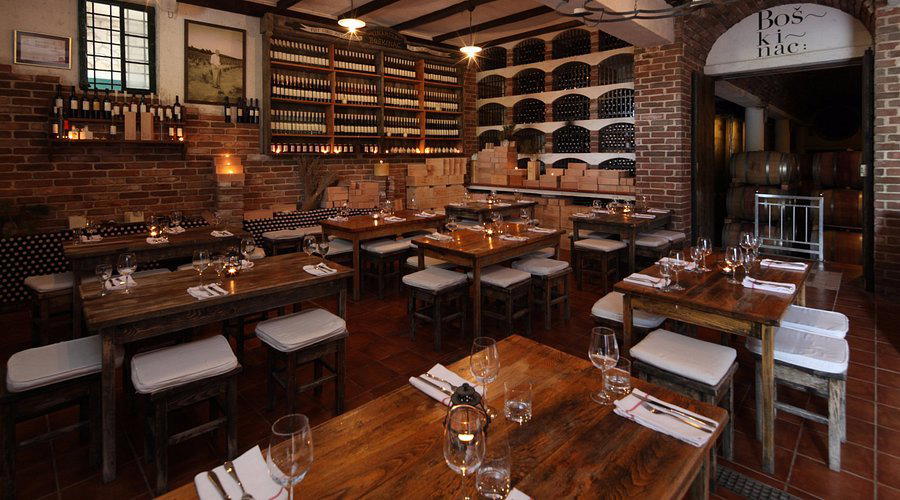
This contrasts with the approach at larger Croatian destinations, where investment in cold-chain logistics and broader supplier networks has allowed year-round ambition. Boskinac in Novalja, on the nearby island of Pag, operates with a wine estate and kitchen garden that extends its ingredient story beyond pure fishing-dependency. Agli Amici Rovinj in Rovinj applies Italian contemporary technique to Istrian sourcing at a price point that reflects both the ingredients and the labour investment. Barbat na Rabu, by contrast, is working at a different scale and for a different audience: the visitor who has specifically sought out the island's quieter south rather than its main town.
The Setting: What You Encounter at Address 366
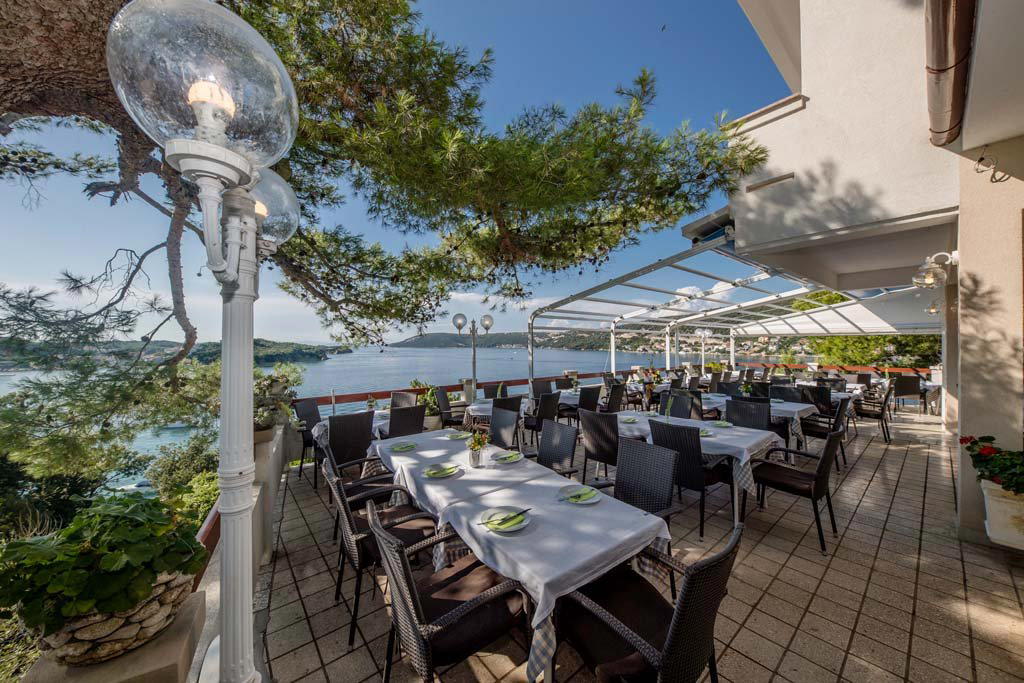
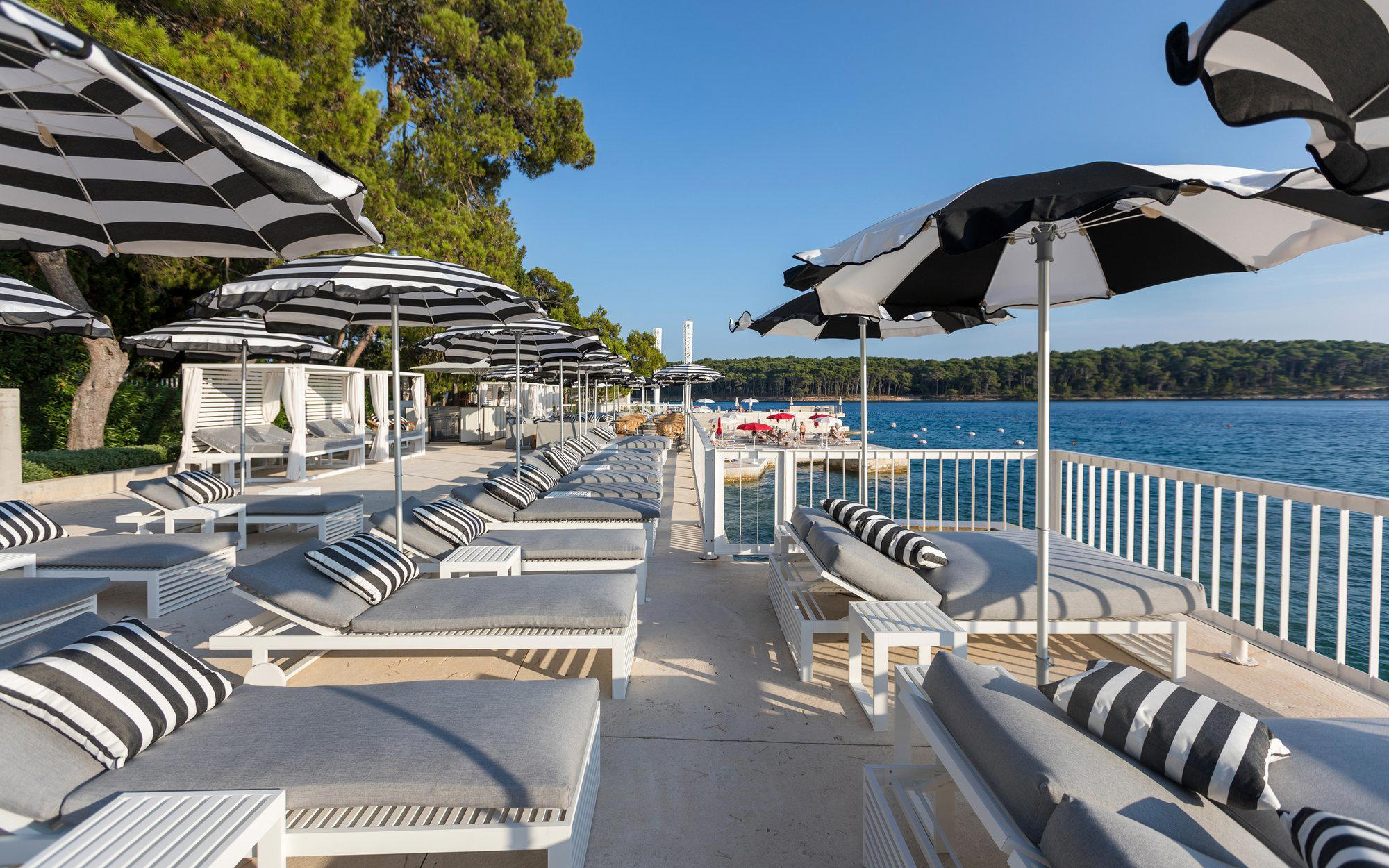
The physical approach to Barbat na Rabu from the north puts you through a range of stone walls, scrub pine, and glimpses of the Velebit channel, the karst geography that defines Kvarner's character. The village is flat against the waterline. Stone construction is the default architectural language, and the light in summer reflects hard off pale limestone and water simultaneously, creating the particular coastal glare that defines Adriatic afternoons. Dining in this environment, whether inside or at outdoor tables with a water orientation, places the meal within a sensory frame that is specific to the northern Dalmatian and Kvarner littoral: salt air, cicadas in peak season, and the low activity of a working village rather than a resort. That setting is part of what the meal is, in the same way that the terrace at Restaurant 360 in Dubrovnik is inseparable from its position on the old city walls.
For those arriving from the mainland, Rab is accessible by ferry from Jablanac, a crossing of roughly fifteen minutes, or from Stinica. The island's road network is compact; Barbat na Rabu is at the southern tip, and the drive from the ferry terminal at Mišnjak takes under ten minutes. This is worth knowing because the logistics of reaching Barbat na Rabu are themselves a filter: visitors here have made a specific choice, which shapes the clientele and, by extension, the kind of meal that makes sense to serve them.
Where Barbat Fits Within Croatian Island Dining
Croatia's island restaurant circuit has become genuinely stratified over the past decade. At the formal end, kitchens trained through European fine dining programmes, including Nebo by Deni Srdoč in Rijeka and Alfred Keller in Mali Lošinj, have brought tasting-menu formats and international reference points to the northern Adriatic. On the mainland, the range extends from the produce-driven rigour of Korak in Jastrebarsko to the urban polish of Dubravkin Put in Zagreb. Barbat na Rabu, by geography and village scale, sits outside those formal comparisons. Beyond Croatia, the reference points shift: the same logic of hyper-local fishing-village sourcing that distinguishes places like Le Bernardin in New York City at the formal extreme, or the communal-table energy of Lazy Bear in San Francisco at the experiential end, shows how broadly the ingredient-sourcing argument can be applied at very different price points and contexts. Barbat occupies a grounded, informal position on that spectrum. For a comprehensive view of what the village offers alongside this address, the full Barbat Na Rabu restaurants guide maps the local options in context. The Istrian and Dalmatian parallels, San Rocco in Brtonigla being one such example of a property that has built a full culinary identity around estate sourcing, show what ambition can look like when the geography permits it. Barbat na Rabu's village scale keeps the proposition more contained, but the underlying logic is the same: what grows or swims nearby is what arrives on the plate.
Planning Your Visit
Frequently asked questions
Does Barbat work for a family meal?
Barbat na Rabu is a small southern settlement on Rab island where the dining culture is community-facing rather than destination-formal, which generally suits mixed-age groups. The address at Barbat 366 puts you in a village context rather than a resort strip, so the pace is relaxed rather than performance-driven.
Is Barbat better for a quiet night or a lively one?
Barbat na Rabu sits outside Rab town's main tourist corridor, which shapes the atmosphere toward the quieter end of Croatia's island dining circuit. The village setting at address 366 draws a local and returning seasonal crowd rather than walk-in tourism traffic. Expect a lower-key evening than you would find along Rab's northern or central resort areas.
What makes dining at Barbat Na Rabu different from eating in Rab town?
Barbat na Rabu occupies Rab island's southern tip, separated from the medieval town's well-trodden restaurant scene by several kilometres of stone-wall terrain and scrub pine. That geographic distance filters out the day-tripper traffic that drives up prices and wait times in Rab town's central streets. Eating in Barbat na Rabu places you closer to the Kvarner Gulf's working fishing communities, which influences what arrives on the plate and at what price point, though specific pricing for Barbat at address 366 has not been confirmed.
What do regulars order at Barbat?
The Kvarner Gulf, which borders Barbat na Rabu's southern shore, carries a documented reputation among Croatia's fishing communities for scampi and locally caught white fish. It is reasonable to expect those Kvarner ingredients to feature on the menu, as they anchor tables across the island's restaurant circuit.
What's the address for Barbat?
Barbat is located at î Barbat 366, 51280, Barbat na Rabu, Croatia î , Barbat Na Rabu.
Can I walk in to Barbat?
No booking contact details, phone or website, are publicly documented for Barbat at this time, which makes advance planning difficult to confirm through official channels. Barbat na Rabu's tourism season concentrates between late June and early September, when demand on the island's smaller restaurants typically rises sharply. Arriving early in the evening or outside peak summer weeks is the practical approach if you intend to walk in.
At-a-Glance Comparison
Comparable venues nearby, for context on price, style, and recognition.
| Venue | Cuisine | Price | Notes |
|---|---|---|---|
| BarbatThis venue (the venue you are viewing) | Seafood and Mediterranean | Not listed | Not listed |
| Hotel Villa Barbat | Seafood & Mediterranean | Not listed | Barbat na Rabu |
| Leut | Mediterranean Seafood | $20–30 | Barbat na Rabu |
| Fra&Kat | Croatian Seafood Mediterranean | $30–50 | Premantura |
| Harbor Cookhouse | Mediterranean Seafood & Steakhouse | $30–50 | Old Harbour |
| Konoba Barba | Traditional Dalmatian Seafood & Grill | $20–30 | Komiza |
Continue exploring
More in Barbat Na Rabu
Restaurants in Barbat Na Rabu
All restaurants in Barbat Na Rabu →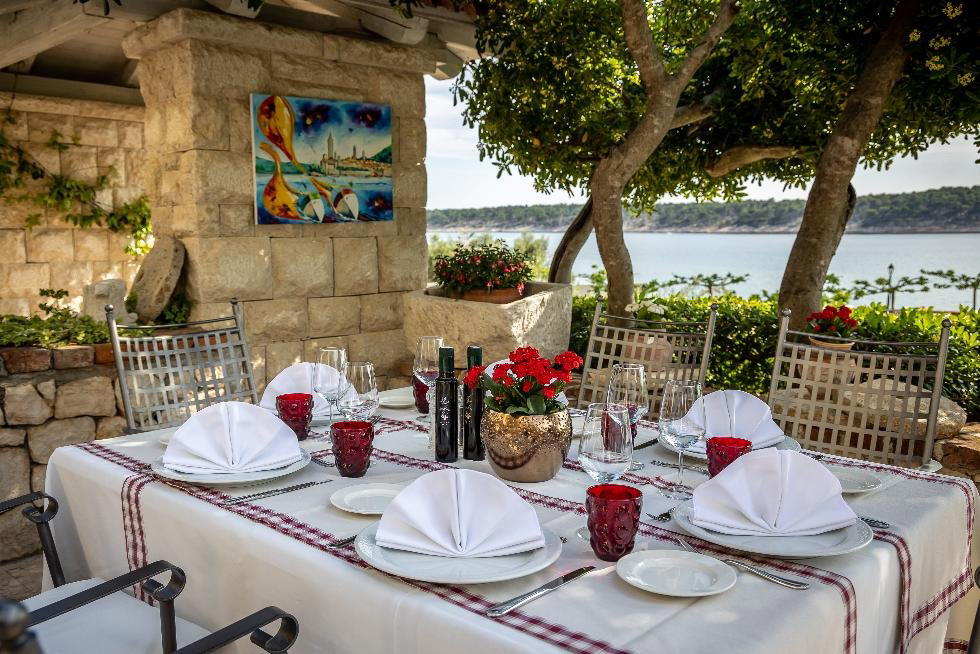
Bars in Barbat Na Rabu
Browse all →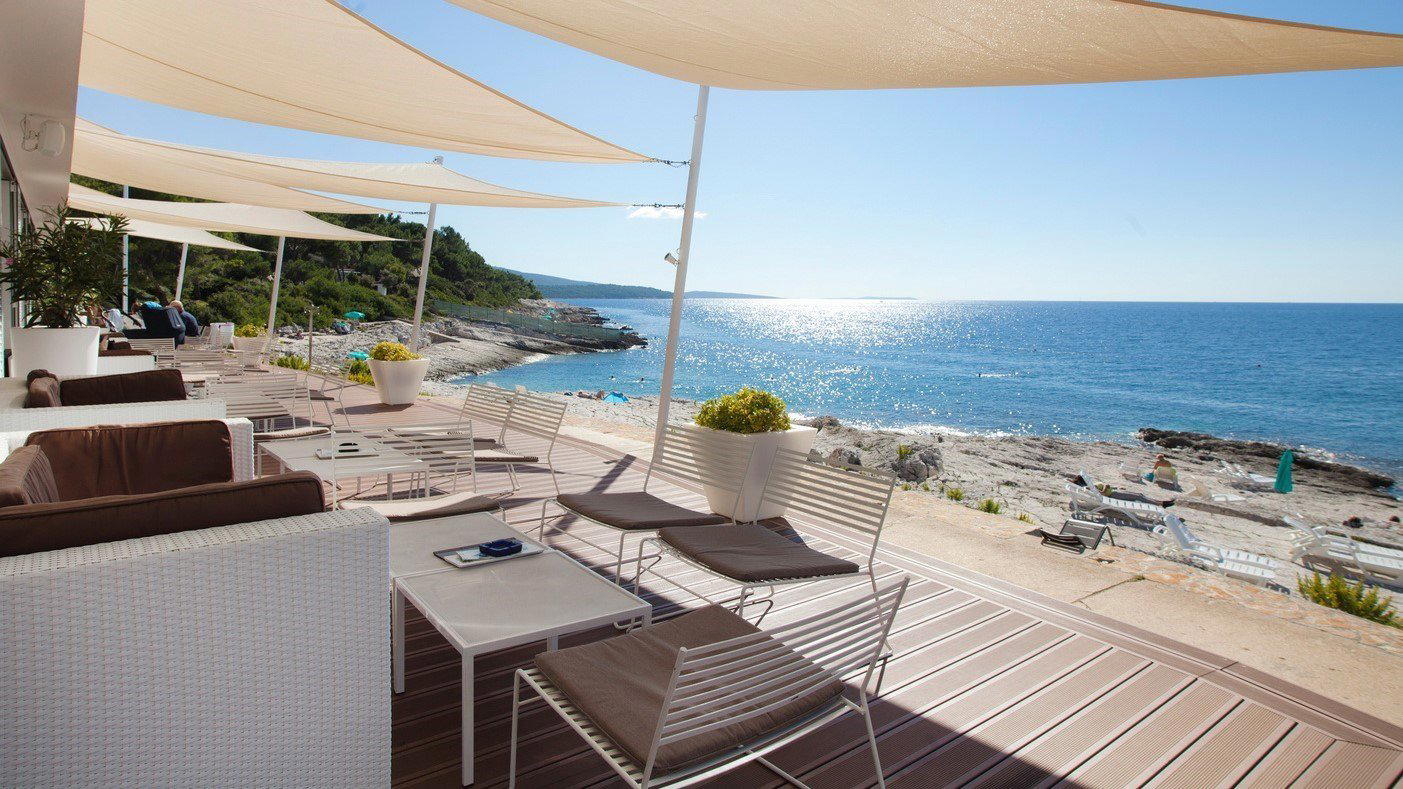
Hotels in Barbat Na Rabu
Browse all →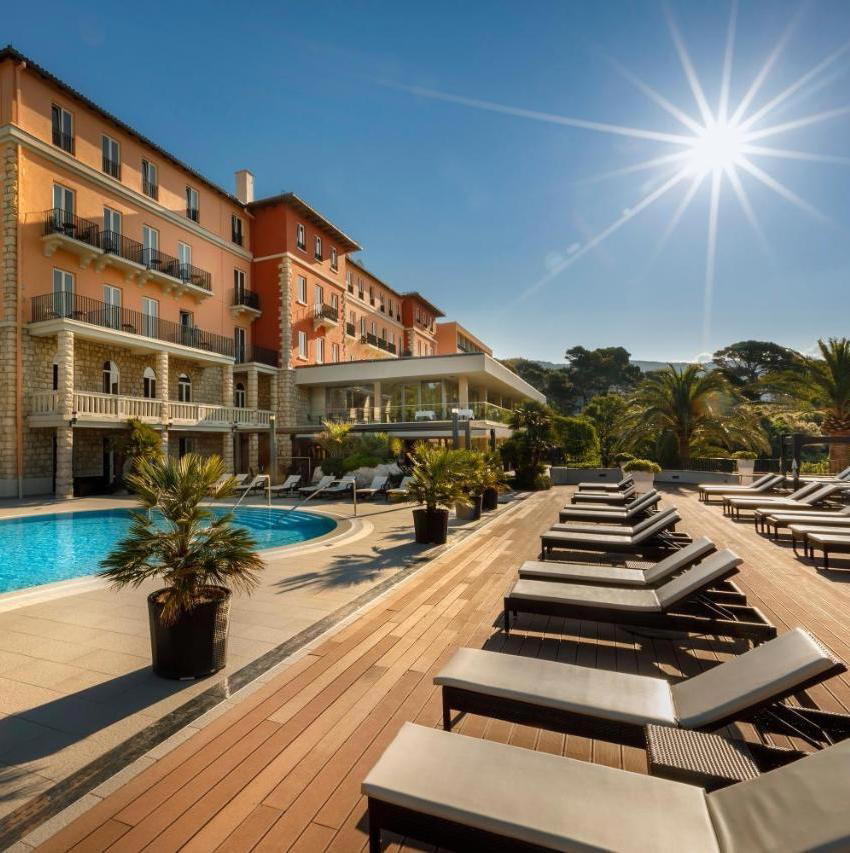
Wineries in Barbat Na Rabu
Browse all →

Details
- Scenic
- Cozy
- Date Night
- Family
- Terrace
- Waterfront
- Waterfront
- A La Carte
- Vegetarian Friendly
Current opening hours
- Monday
- 11 AM–11 PM
- Tuesday
- 11 AM–11 PM
- Wednesday
- 11 AM–11 PM
- Thursday
- 11 AM–11 PM
- Friday
- 11 AM–11 PM
- Saturday
- 11 AM–11 PM
- Sunday
- 11 AM–11 PM
Hours can change for holidays and private events. Hours as of .
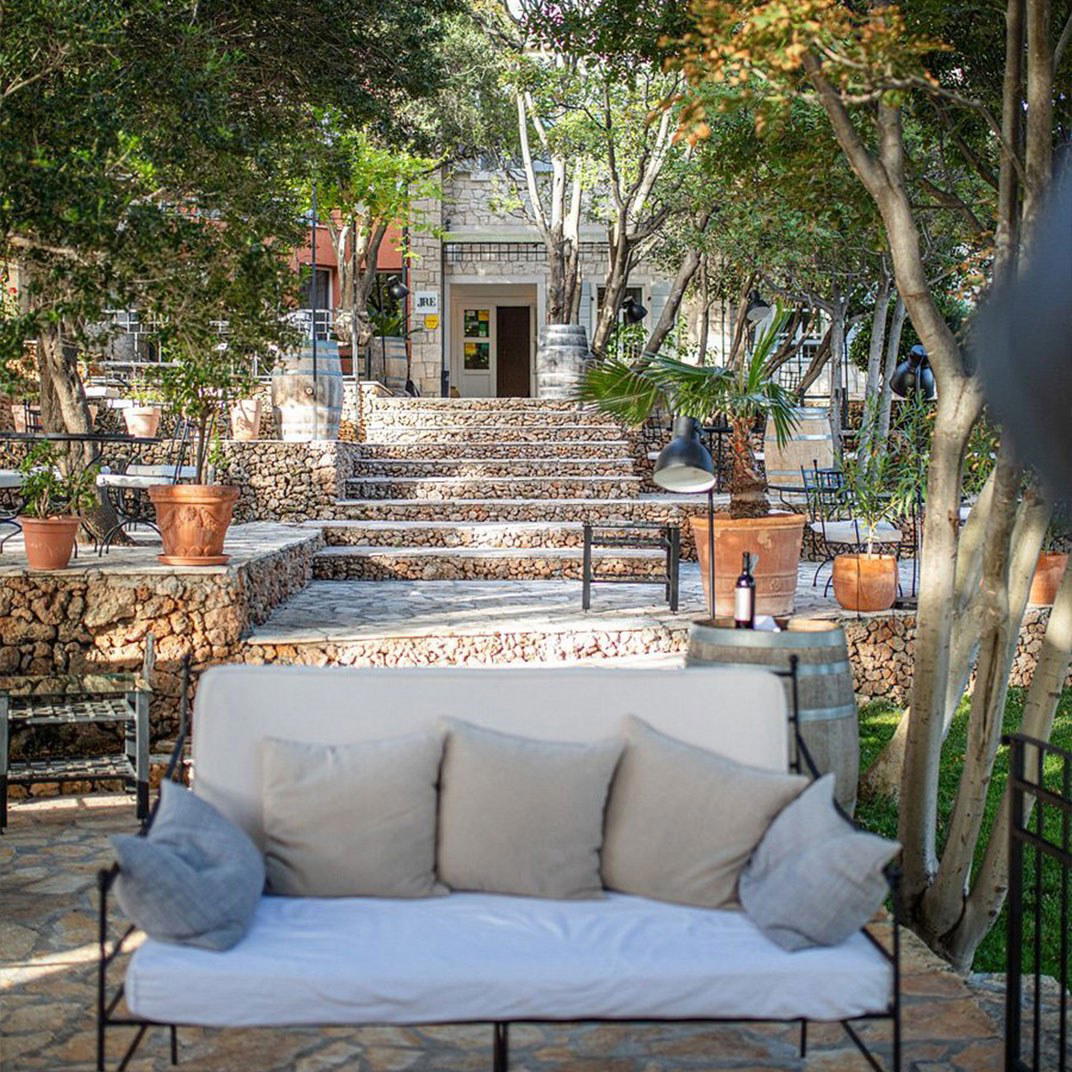
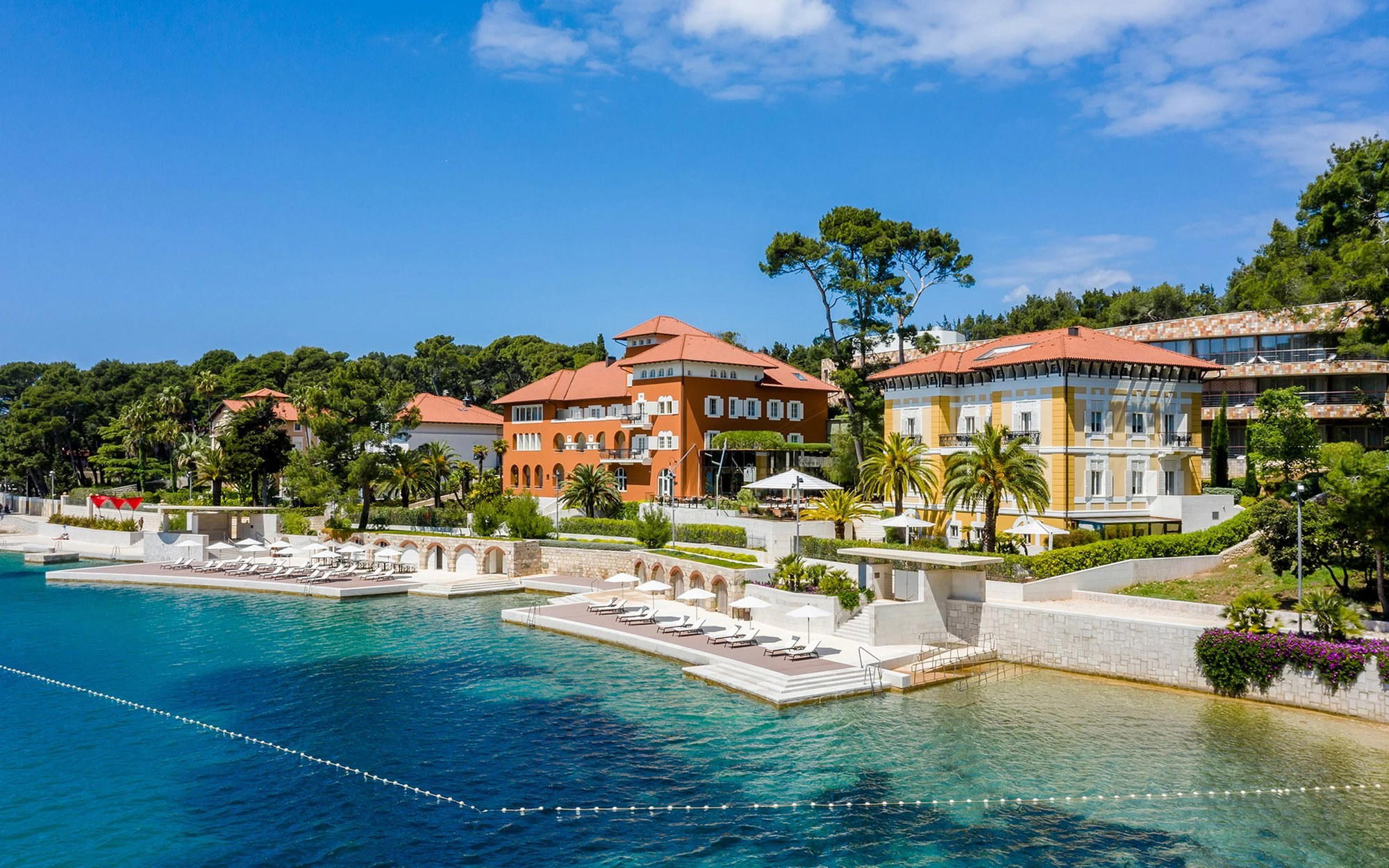
Dreamlike garden setting under palm trees by the sea with beautiful terrace views.