Belveder
Our verdict
Belveder sits in Supetarska Draga on the island of Rab, a quiet Adriatic address that positions it within a broader tradition of Croatian coastal dining where the shortest distance between sea and plate is the point. The Kvarner Gulf supplies the context: cleaner water, colder currents, and a fishing culture that predates tourism. Visiting when the island is less crowded rewards with closer access and a more local pace.

Pearl is the En Primeur Club membership app, where members save venues, book tables and use the concierge.
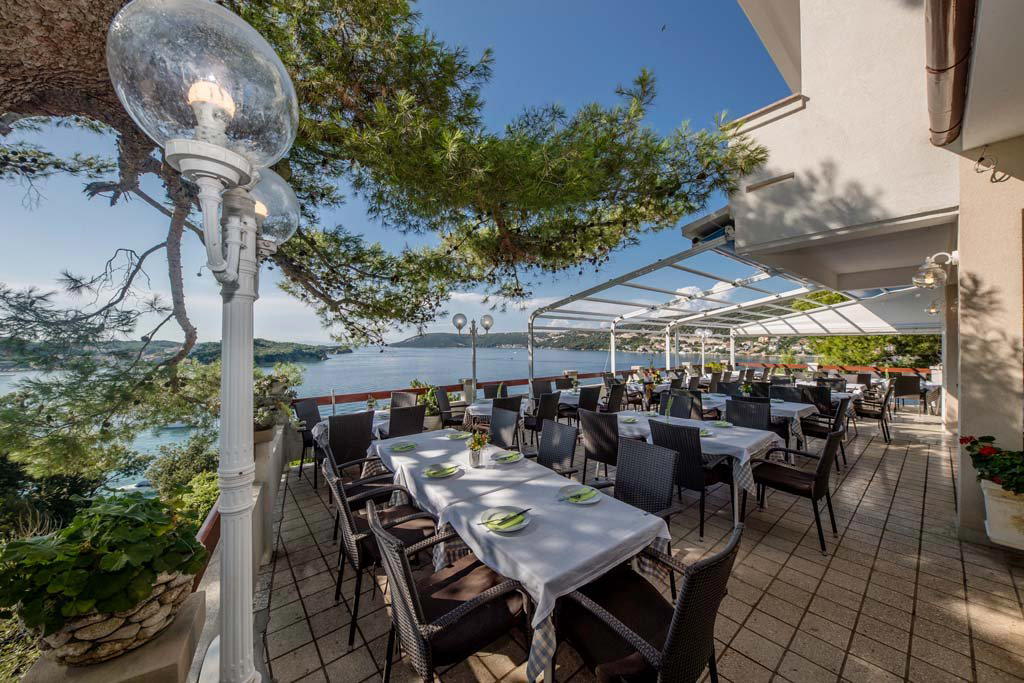
Where the Kvarner Gulf Sets the Table
Supetarska Draga occupies the northwestern finger of Rab island, a bay so sheltered that its surface reads flat on days when the open Adriatic is restless. The village moves at a pace the rest of the Croatian coast largely abandoned when mass tourism arrived. Arriving by the coastal road from Rab town, you pass dry-stone walls, fig trees, and the occasional fishing boat pulled clear of the waterline. Belveder, at address 224 along the Supetarska Draga waterfront, sits within that unhurried register. The physical approach tells you something before a menu arrives: this is a place shaped by what the surrounding water and land provide, not by what can be trucked in.
That reading matters because Kvarner Gulf dining operates inside a logic different from the Dalmatian coast further south. The Gulf sits between the Istrian peninsula and the northern islands, with colder, deeper water feeding scampi, sea bass, and dentex that carry more pronounced flavor than warmer Adriatic equivalents. The scampi di Kvarner in particular have a regional reputation extending well beyond Croatian borders, prized by Italian buyers and referenced on menus from Rijeka to Trieste. Any kitchen working seriously in this bay has access to that raw material. The editorial question for a place like Belveder is whether the cooking gets out of the way and lets it speak, or overwhelms it.
Ingredient Geography as Kitchen Philosophy
The Adriatic coastal kitchen, when it works, is fundamentally an exercise in restraint and sourcing geography. The leading practitioners along this stretch of coast operate closer to the logic of a good French fish restaurant than to any notion of elaborate construction: the fish is the argument, the preparation is the frame. Across Croatia's higher-end dining tier, from Pelegrini in Sibenik to Agli Amici Rovinj in Rovinj, the kitchens that attract sustained attention are those that resolve the tension between ambition and simplicity in favor of the ingredient. Rab island's position in the Kvarner Gulf places any kitchen here in an enviable sourcing position by default.
The island itself contributes beyond the sea. Rab has historically supplied lamb from its rocky inland terrain, olive oil pressed from groves that have been in continuous production for centuries, and carob, once an economic staple, that still appears in local sweets. The agricultural interior is narrow and modest, but what it produces carries the concentration you find in crops grown in thin, limestone-heavy soil with strong sun. A kitchen paying attention to its own geography would draw on all of this: fish from the bay, lamb from the hills, oil pressed locally, herbs gathered from the scrub above the waterline. That combination of maritime and agricultural sourcing, confined to a small island radius, is what gives Rab's food tradition its character and what distinguishes it from the more generically Mediterranean menus found in larger resort towns.
Rab Island in the Croatian Dining Conversation
Croatia's dining scene has developed unevenly across its geography. The major recognition has concentrated in cities and better-connected islands: Restaurant 360 in Dubrovnik, Nebo by Deni Srdoč in Rijeka, Alfred Keller in Mali Lošinj, and LD Restaurant in Korčula represent the tier where formal recognition has followed genuine kitchen ambition. Rab sits slightly outside that circuit, which has a practical effect on the restaurants that operate there: they answer primarily to the island's own population and to a quieter stream of return visitors rather than to the international dining press. That accountability structure tends to produce a different kind of honesty in the cooking.
Supetarska Draga specifically occupies the quieter northern bay rather than Rab town's more trafficked harbor. The village draws people who have been coming to the island for decades rather than those arriving on a one-week Adriatic sweep. For a restaurant at this address, the repeat customer is the primary audience, which rewards consistency over novelty and sourcing quality over presentation spectacle. Compare that dynamic to the pressure-cooker visibility facing something like Boskinac in Novalja or Dubravkin Put in Zagreb, where a different kind of diner expects a different kind of signal. Quieter settings occasionally produce more reliable food, precisely because the kitchen has no reason to perform for an audience that won't return.
For broader reference on what the regional island dining scene looks like at different price points and styles, More in Supetarska Draga provides a useful local comparison, and our full Supetarska Draga restaurants guide maps the village's options in more detail. Further afield, San Rocco in Brtonigla, EatIstria in Pluj, and Humska Konoba in Hum illustrate how the northern Croatian and Istrian tradition handles the same sourcing logic across different terrain. Korak in Jastrebarsko and Krug in Split add further context on how inland and coastal Croatian kitchens diverge. For those mapping high-ambition fish cookery internationally, Le Bernardin in New York City and Lazy Bear in San Francisco represent how different editorial traditions approach the same ingredient-first argument. Restaurant Filippi in Curzola rounds out the Dalmatian island reference set.
Planning a Visit
Supetarska Draga is accessible from Rab town by local road, a drive of roughly ten minutes along the bay. The ferry connection from the mainland runs to Rab town rather than directly to the village, so independent drivers arriving from Jablanac or Stinica should allow time for the crossing plus the short onward drive. Summer months concentrate the island's visitors between July and August; shoulder season visits in June or September offer significantly easier movement around the bay and a less pressured atmosphere in village restaurants. Given the small scale of Supetarska Draga's dining options, booking ahead during peak summer weeks is advisable for any establishment with a fixed number of covers. Belveder's waterfront address at number 224 is the primary locating reference.
Frequently asked questions
Is Belveder good for families?
Supetarska Draga is a low-key bay village on Rab island, and restaurants in this setting typically run without formality or dress codes. The address at Supetarska Draga 224 places it in a residential coastal strip rather than a tourist strip, which means a quieter pace suited to all ages. Croatian coastal village restaurants at this register tend to seat families without fuss.
Is Belveder formal or casual?
Belveder sits in Supetarska Draga, the quieter northwestern bay of Rab island, where the prevailing register is relaxed rather than ceremonial. Think sun-bleached terrace, not white tablecloth.
Where exactly is Belveder on Rab island, and how do I get there?
Belveder is at Supetarska Draga 224, on the northwestern bay of Rab island, roughly ten minutes by road from Rab town. Supetarska Draga is the quieter, less-visited end of the island, which means less passing traffic but also a more local atmosphere than the restaurants clustered around Rab's old town. The mainland ferry to Rab connects to the broader island road network from there.
What do regulars order at Belveder?
Confirmed menu data is not available, but the Kvarner Gulf provides one of Croatia's most distinctive seafood contexts: Kvarner scampi are the regional signature, and grilled sea bass or dentex sourced from local waters are standard anchors of any serious kitchen on Rab island. Peka-style slow-cooked dishes and Dalmatian-inflected vegetable sides round out the coastal template.
Where is Belveder located?
Belveder is located at Supetarska Draga 224, 51280, Supetarska Draga, Croatia, Supetarska Draga.
Do I need a reservation for Belveder?
July and August bring Rab island's highest visitor volume, and well-regarded village restaurants in Supetarska Draga fill faster than their size suggests during peak weeks. Calling ahead is the practical move in summer; shoulder months, May, June, September, carry more flexibility. No phone number is confirmed in available data, so check current contact details before visiting.
A Quick Peer Check
| Venue | Cuisine | Price | Awards | Notes |
|---|---|---|---|---|
| BelvederThis venue (the venue you are viewing) | Traditional Dalmatian Seafood and Meat | $20–30 | Not listed | Not listed |
| Pelegrini | Modern Dalmatian Fine Dining | $100–150 | 1 Michelin Star · La Liste Top Restaurants | Mediterranean, Modern Cuisine |
| Restaurant 360 | Modern Mediterranean with Asian and French Influences | $200–300 | 1 Michelin Star · La Liste Top Restaurants | International, Modern Cuisine |
| Foša | Modern Seafood | $50–100 | Michelin Plate | Croatian, Classic Cuisine |
| Nautika | Traditional Mediterranean Seafood | $100–150 | Michelin Plate · Star Wine List | Modern European, Classic Cuisine |
| Agli Amici Rovinj | Modern Mediterranean Fine Dining | $200–300 | 2 Michelin Stars · La Liste Top Restaurants | Italian Contemporary |
Continue exploring
More in Supetarska Draga
Restaurants in Supetarska Draga
All restaurants in Supetarska Draga →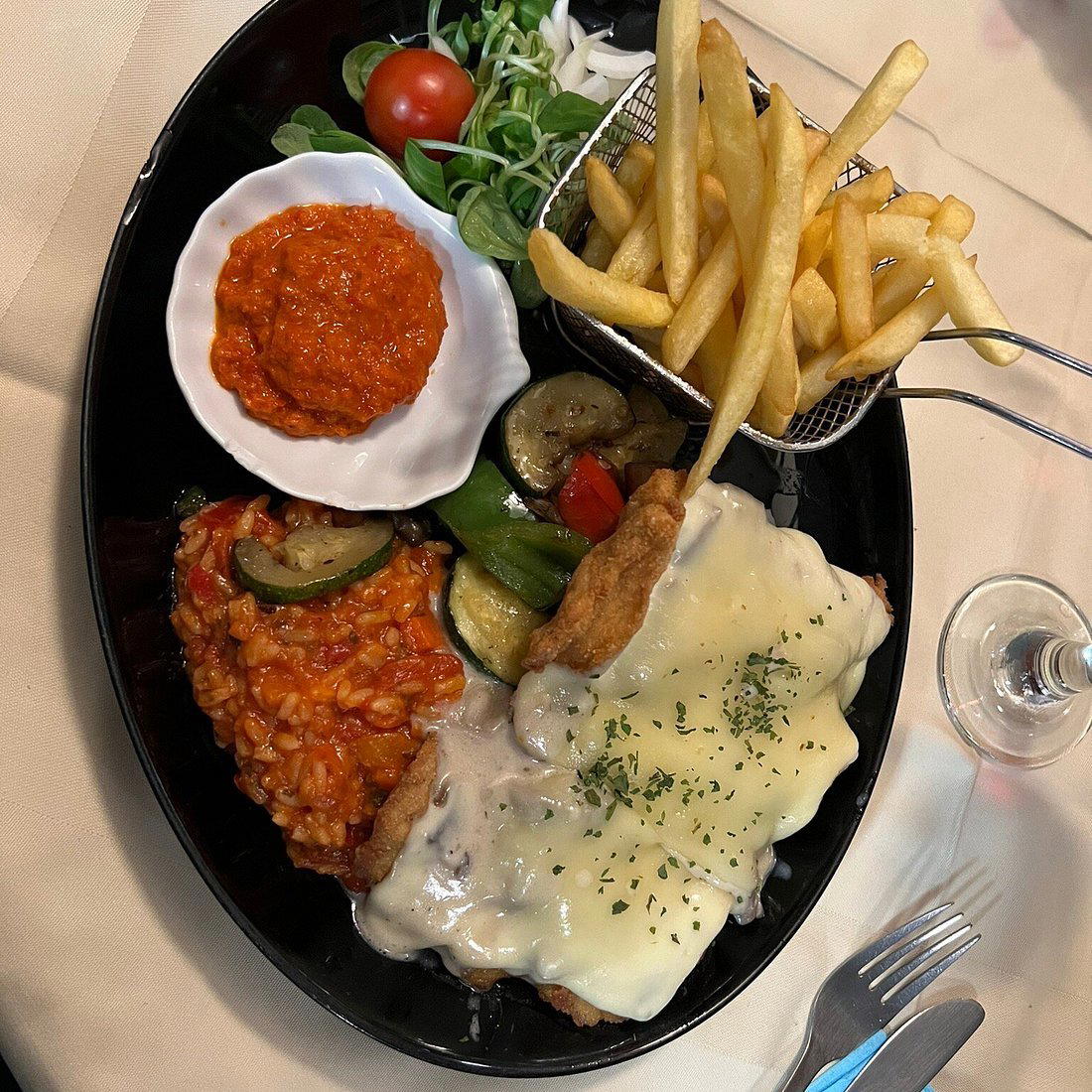
Bars in Supetarska Draga
Browse all →
Hotels in Supetarska Draga
Browse all →
Wineries in Supetarska Draga
Browse all →

Details
- Scenic
- Rustic
- Cozy
- Family
- Casual Hangout
- Terrace
- Waterfront
- Panoramic View
- Extensive Wine List
- Local Sourcing
- Waterfront
- A La Carte
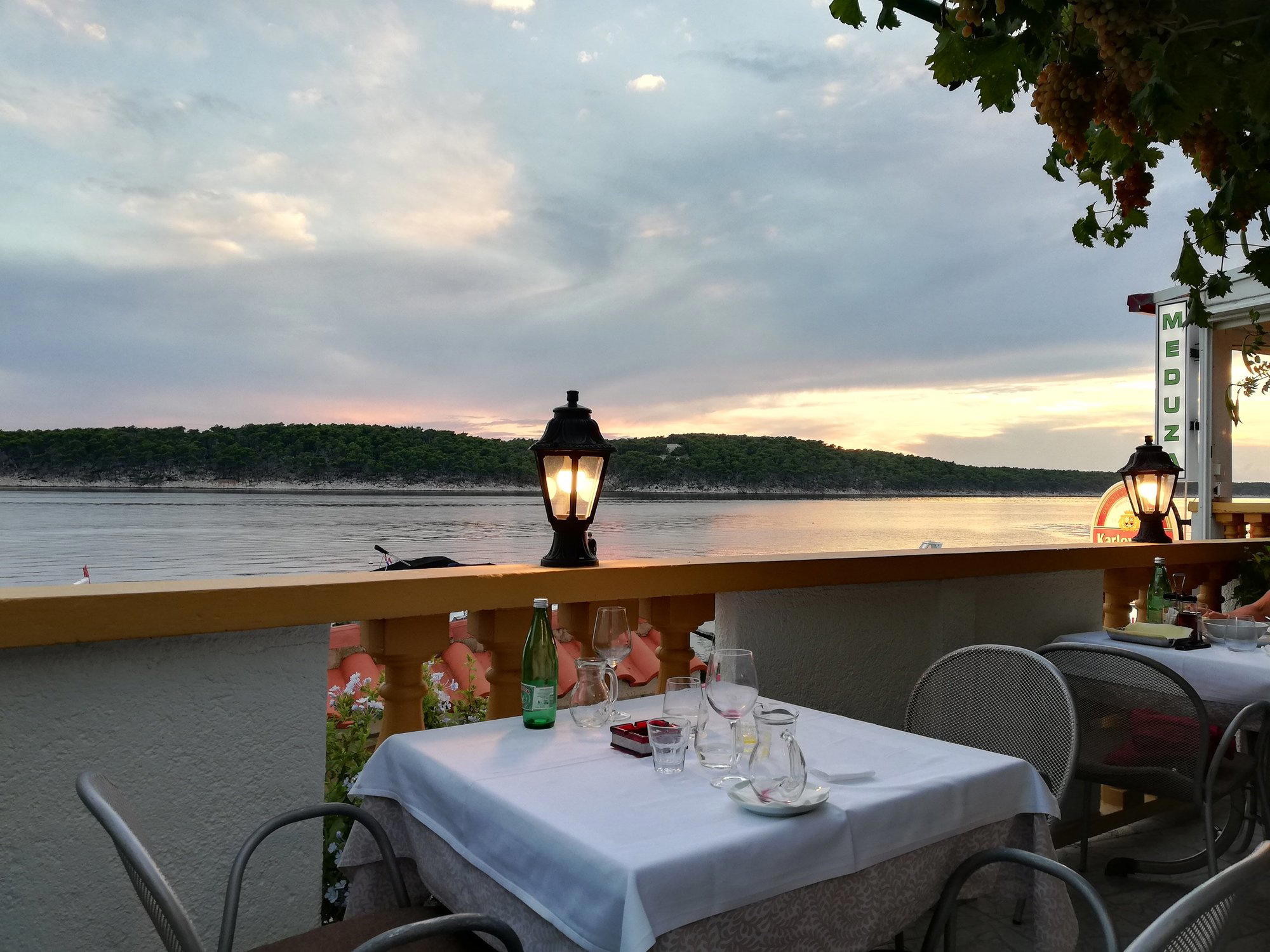
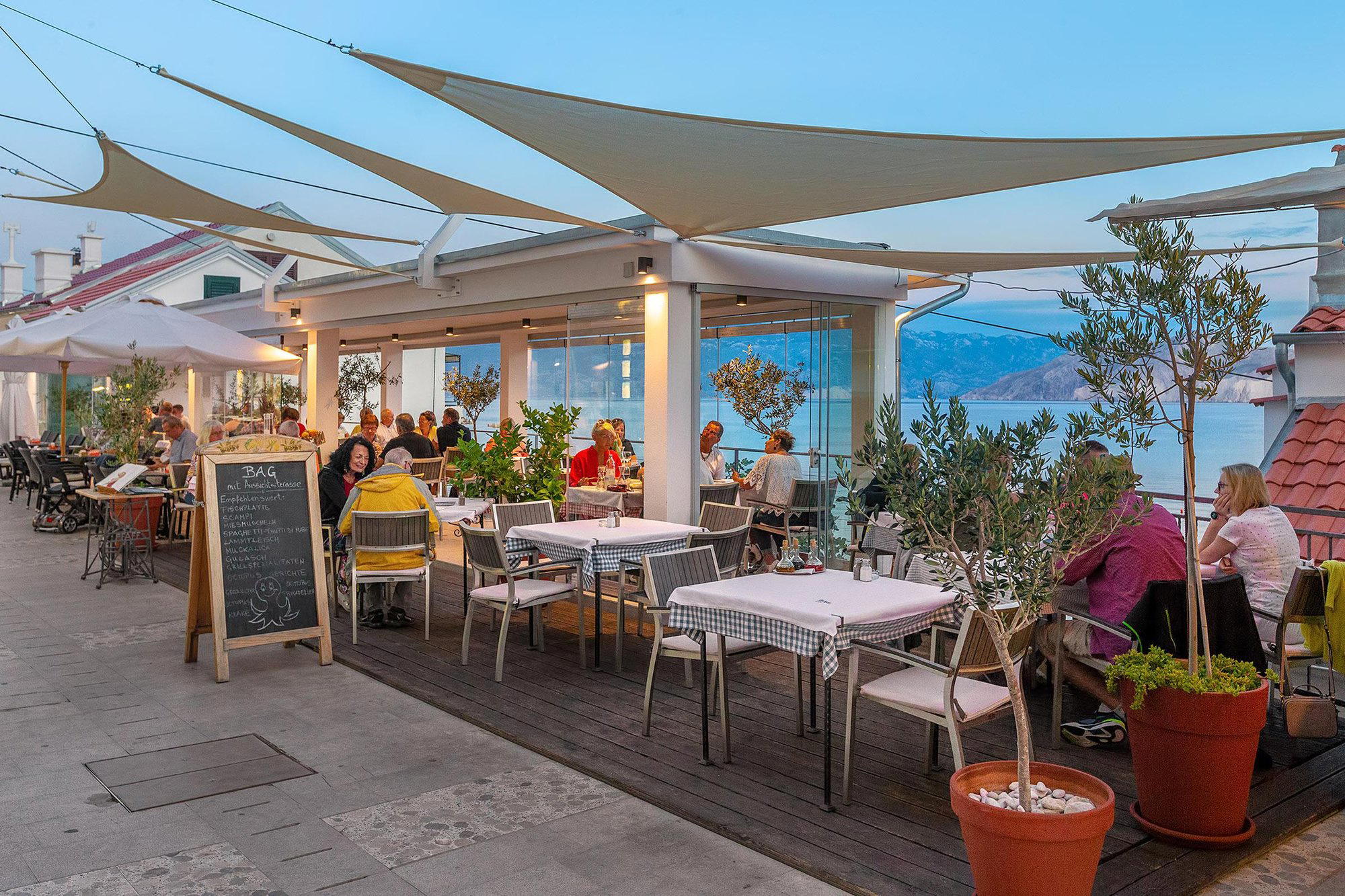
Charming terrace with far-reaching sea views, warm and welcoming family atmosphere