Restoran Dva potoka sits in the quiet village of Luka near Pluska, in a part of Croatia where rural cooking traditions run close to the land. The restaurant operates in a region where ingredient provenance shapes what ends up on the plate, placing it within a broader pattern of countryside dining that resists the polish of coastal tourist circuits. For visitors tracking down honest inland Croatian food, this is the address to know.
Pearl is the En Primeur Club membership app — saves, bookings, and concierge access live there. Same editors, same standards.
- Address
- Ul. Branka Masnjaka 122, 10269, Luka, Croatia
- Phone
- +38513393484
- Website
- restoran-dvapotoka.hr
- Directions
- Get directions
 Saves & bookings on Pearl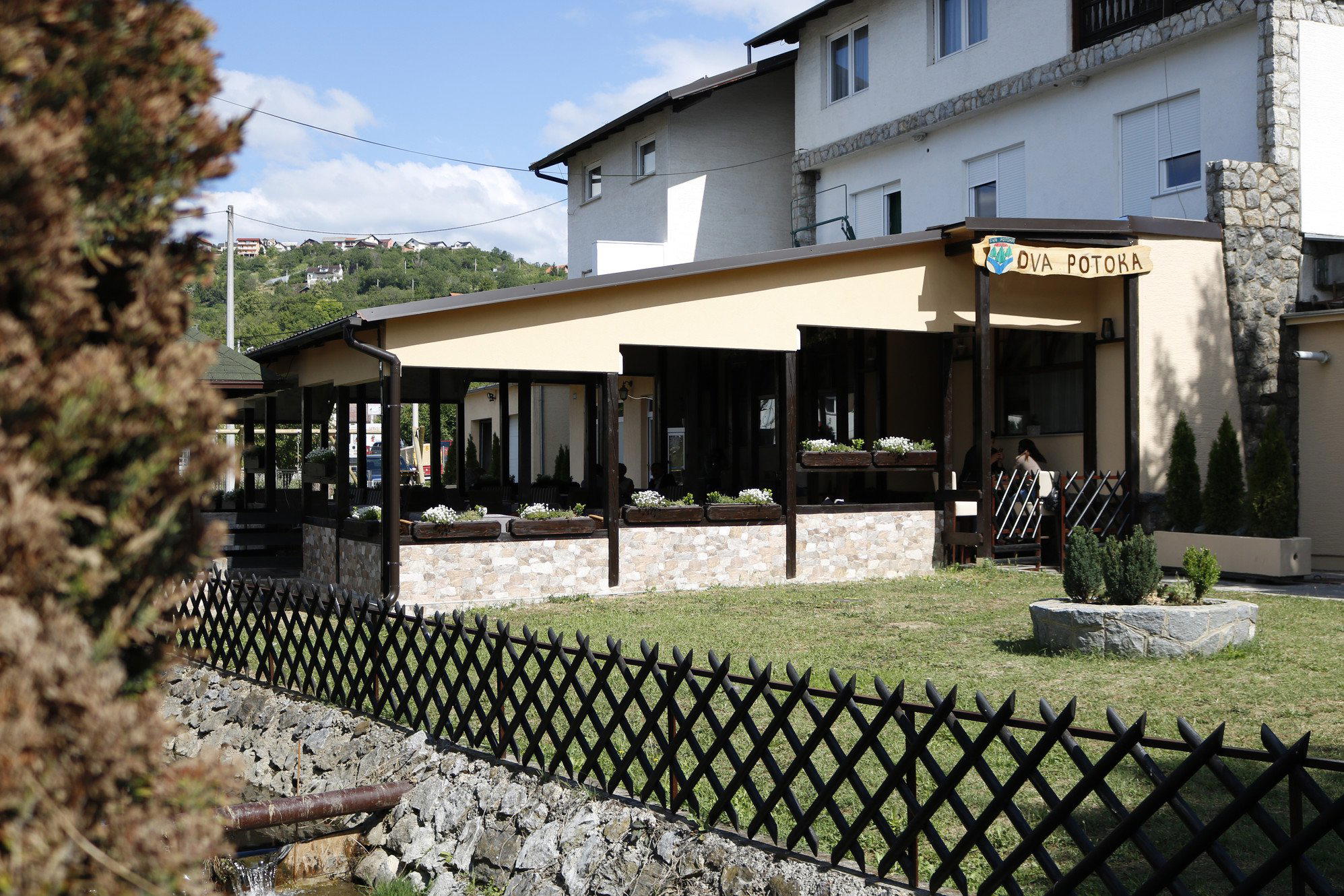
Inland Croatia and the Case for Cooking Close to the Source
Croatia's restaurant conversation concentrates heavily on the coast. Dubrovnik's clifftop dining rooms, the Adriatic catch driving kitchens in Split and Rovinj, the wine-anchored menus of Dalmatia, these dominate coverage and, by extension, bookings. What receives less attention is the inland arc: the villages south and southwest of Zagreb where the cooking logic shifts away from seafood and toward the land itself. Pluska and its surrounding settlements, including the village of Luka where Restoran Dva potoka sits, belong to this quieter geography. The address, Ul. Branka Masnjaka 122, places it firmly in rural Croatian territory, away from the coastal circuits that shape how most visitors understand the country's food. Restoran Dva potoka is a Croatian Zagorje Traditional restaurant in Luka, Croatia, with a casual dress code and recommended reservations.
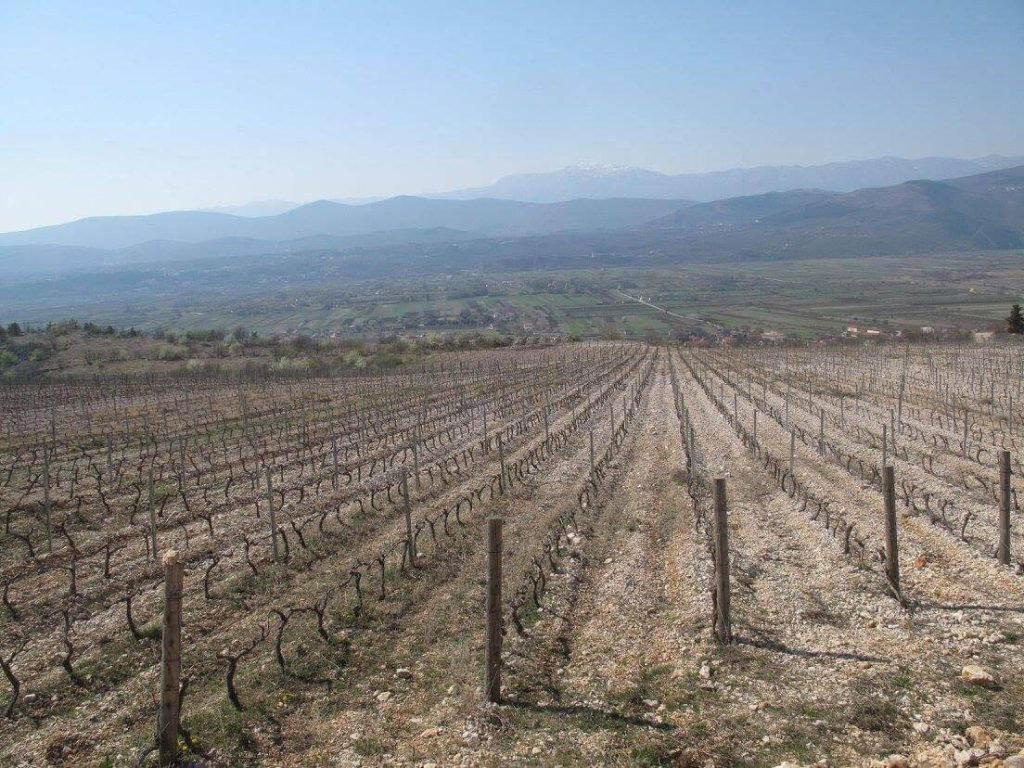
In regions like this, the sourcing argument is not a marketing position, it is a structural reality. Proximity to smallholders, forests, and freshwater systems means the kitchen's ingredient options are determined largely by what the surrounding landscape produces. The name Dva potoka, meaning Two Streams, points directly to this relationship with the local environment. Waters, hills, and seasonal rhythms are the organizing logic of inland Croatian cooking, not the supply chains and import networks that allow coastal venues to maintain year-round consistency across a wider range of ingredients.
The Setting: What Rural Croatian Dining Looks Like Away from the Coast
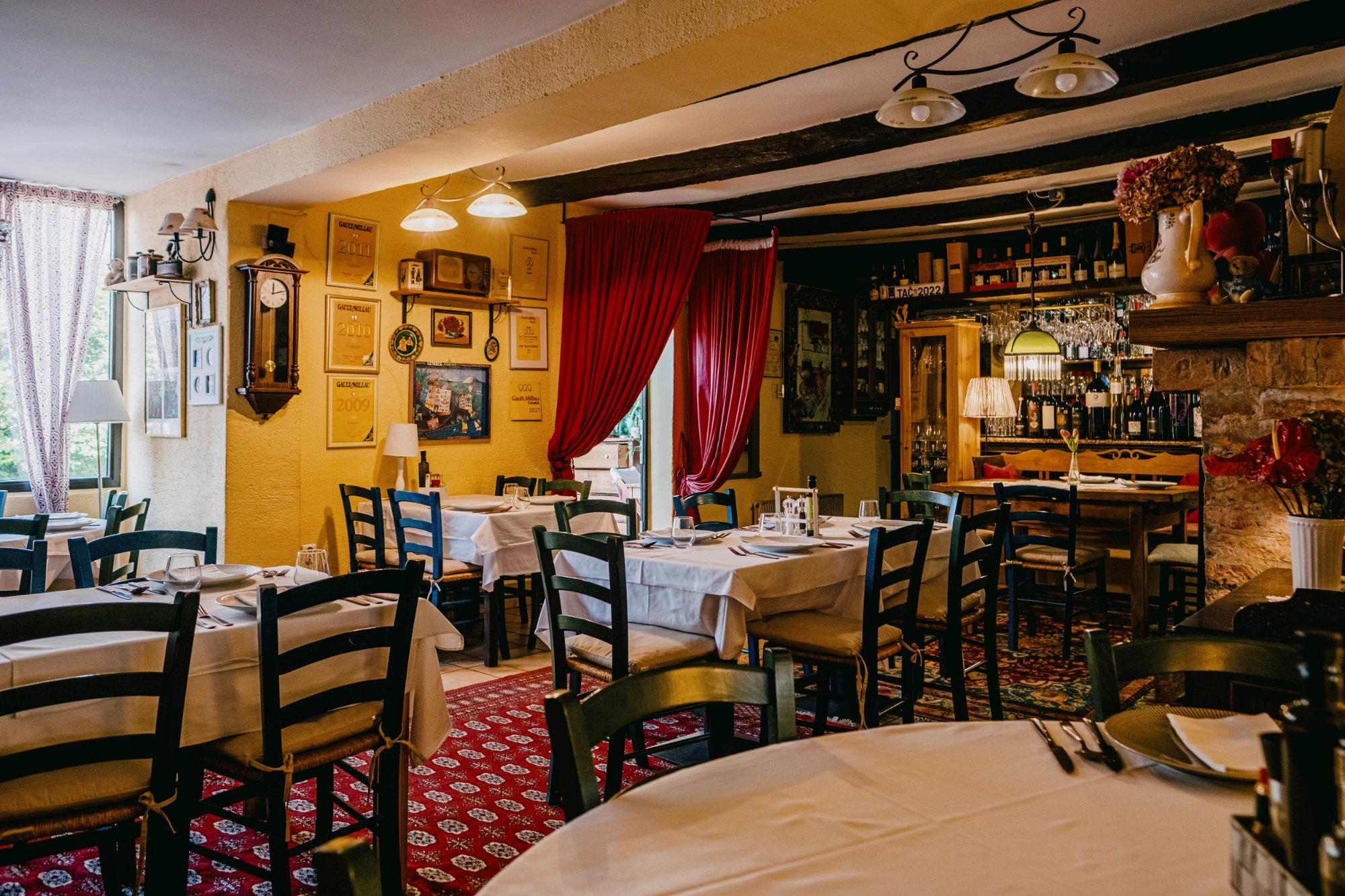
Arriving at a restaurant in a village like Luka carries its own set of expectations, and those expectations differ substantially from walking into one of Zagreb's polished dining rooms or booking a table at a Dalmatian destination like Pelegrini in Sibenik or Restaurant 360 in Dubrovnik. The physical environment here is not designed for spectacle. Rural Croatian konoba and restoran culture tends toward the unshowy: stone walls, wooden furniture, the kind of space that reads as an extension of the village rather than a departure from it. The two streams that give Dva potoka its name suggest a site connected to the local water and woodland, the conditions that define what grows, what is hunted, and what the kitchen can credibly put forward across the seasons.
This contrasts with the approach at high-format coastal venues, where imported produce and global technique expand the kitchen's range. At inland addresses, the menu is more constrained by season and by place, which, for a certain type of diner, is precisely the point. Specificity of origin is a form of editorial honesty that quantity of options cannot replace.
Ingredient Sourcing as the Central Argument
The inland Croatian kitchen draws from a distinct set of sources: freshwater fish from local streams and rivers, game from surrounding forests, cured meats produced by local processors following methods that predate modern food tourism, and seasonal produce tied to the agricultural calendar of the Sisak-Moslavina and Karlovac county regions. These are not artisanal marketing terms, they describe the actual supply geography available to a restaurant operating in a village setting without the purchasing reach of a Zagreb institution or a Michelin-chasing coastal operation.
Freshwater fish is the clearest marker of this sourcing logic. Unlike the Adriatic seafood that anchors menus from Rovinj down to Dubrovnik, inland Croatian cooking has always worked with river catch: trout, carp, and pike prepared by methods that have more in common with Central European traditions than with the Mediterranean framework most visitors associate with Croatian food. A restaurant named for two streams, in a village in this region, is likely to treat freshwater fish as a principal rather than an afterthought. For comparison, venues like Korak in Jastrebarsko and Cantilly Garden Restaurant in Samobor operate in the same inland Zagreb county belt, where the sourcing logic and menu register share more with Dva potoka's context than anything on the Dalmatian coast.
Cured meats and forest ingredients fill out the inland sourcing picture further. Kulen, the paprika-spiced sausage of Slavonia and the Posavina corridor, and various air-dried preparations represent a cured meat tradition that runs through this part of Croatia with more historical weight than the prosciutto culture of the Dalmatian hinterland. Mushrooms, wild herbs, and game point toward the forested terrain surrounding Pluska, a different pantry from the fig trees and olive groves of the islands and the coast.
Where Dva potoka Sits in the Wider Croatian Picture
Croatia has developed a coherent upper tier of serious restaurants over the past decade. Agli Amici Rovinj and Alfred Keller in Mali Losinj represent the Istrian and Kvarner coastal end of that tier. Boskinac in Novalja and LD Restaurant in Korčula occupy the island-anchored segment. On the mainland, Dubravkin Put in Zagreb and Nebo by Deni Srdoč in Rijeka hold the urban-formal end of the spectrum. Restoran Dva potoka does not compete in this tier, its village address, the absence of documented awards, and the rural format all position it differently. The comparable set is more accurately the network of countryside restaurants that operate outside formal recognition systems, serving a local clientele and occasional curious visitors rather than a destination-dining crowd.
This is not a diminishment. Croatia's food culture has always included a substantial layer of informal, place-specific eating that resists the frameworks applied to destination dining. Restaurants like Burin in Crikvenica, Bodulo in Pag, and BioMania Bistro Bol each occupy specific local contexts that the destination-dining lens does not fully capture. Dva potoka fits within this pattern: a village restaurant defined by its setting, its sourcing geography, and its relationship to the local community rather than by format ambition.
For international visitors accustomed to the calibration of venues like Le Bernardin in New York City or Atomix, the shift to a rural Croatian restoran requires a deliberate reset of expectations. The restaurant is open Thursday through Sunday from 12 to 8 PM.
Planning a Visit
Pluska and the village of Luka sit in the Karlovac County region, southwest of Zagreb, accessible by road. The area is not served by public transport links geared toward visitors, so arrival by car is the practical default for anyone coming from Zagreb or from the coast. Given the rural setting and recommended reservations, one reliable approach is to contact the restaurant directly before visiting. Inland Croatian restaurants in village settings often observe hours tied to local demand rather than tourist-season calendars, which can mean reduced service outside peak local dining periods. The price point is moderate, and the setting suggests informality. The restaurant at Cubo in Opatija or Krug in Split offer contrasting points on the Croatian dining spectrum if you are building a wider itinerary.
In Context: Similar Options
Comparable venues nearby, for context on price, style, and recognition.
| Venue | Cuisine | Price | Notes |
|---|---|---|---|
| Restoran Dva potokaThis venue — the venue you are viewing | Croatian Zagorje Traditional | $$ | Not listed |
| RESTORAN Maksimir | Traditional Croatian | $$ | Maksimir |
| Vinogradarska kuća Braje | Traditional Croatian Vineyard Cuisine | $$ | Lokošin Dol |
| Amélie | French-Inspired Pastry Shop & Cafe | $$ | Gornji Grad |
| Kod Pere | Traditional Croatian | $$ | Gornji Grad |
| Curry Bowl | Sri Lankan Street Food | $$ | Tkalčićeva |
Continue exploring
More in Pluska
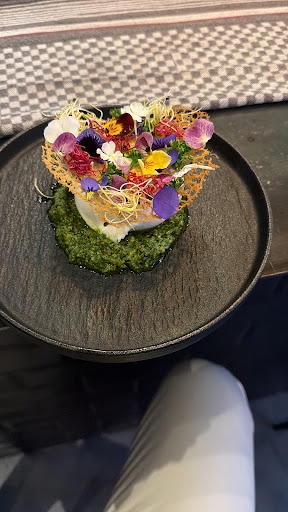
Restaurants in Pluska
Browse all →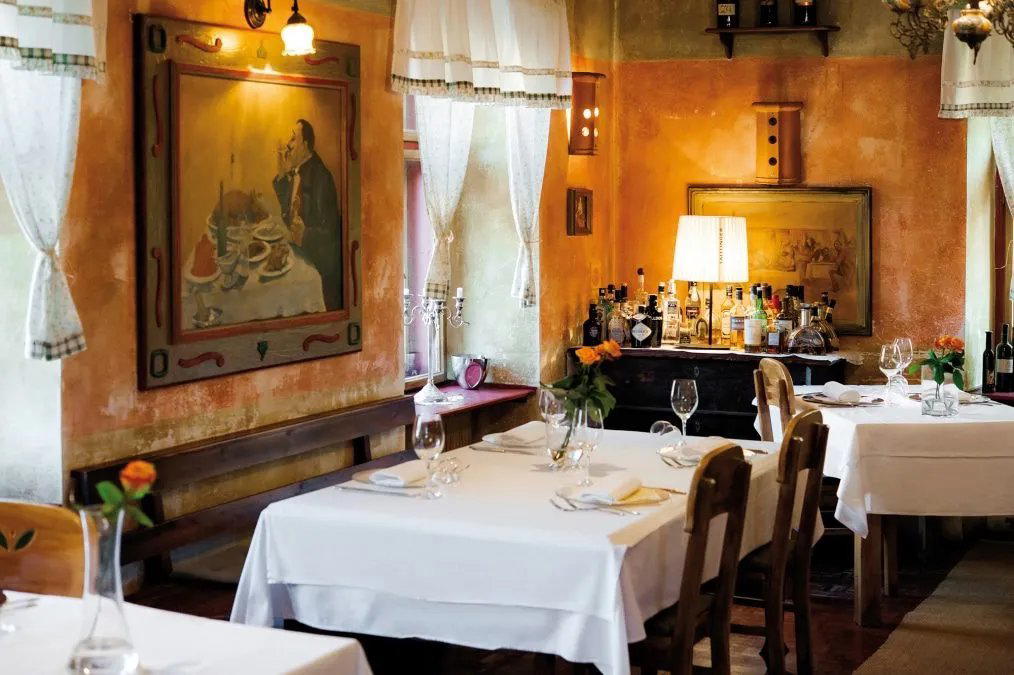
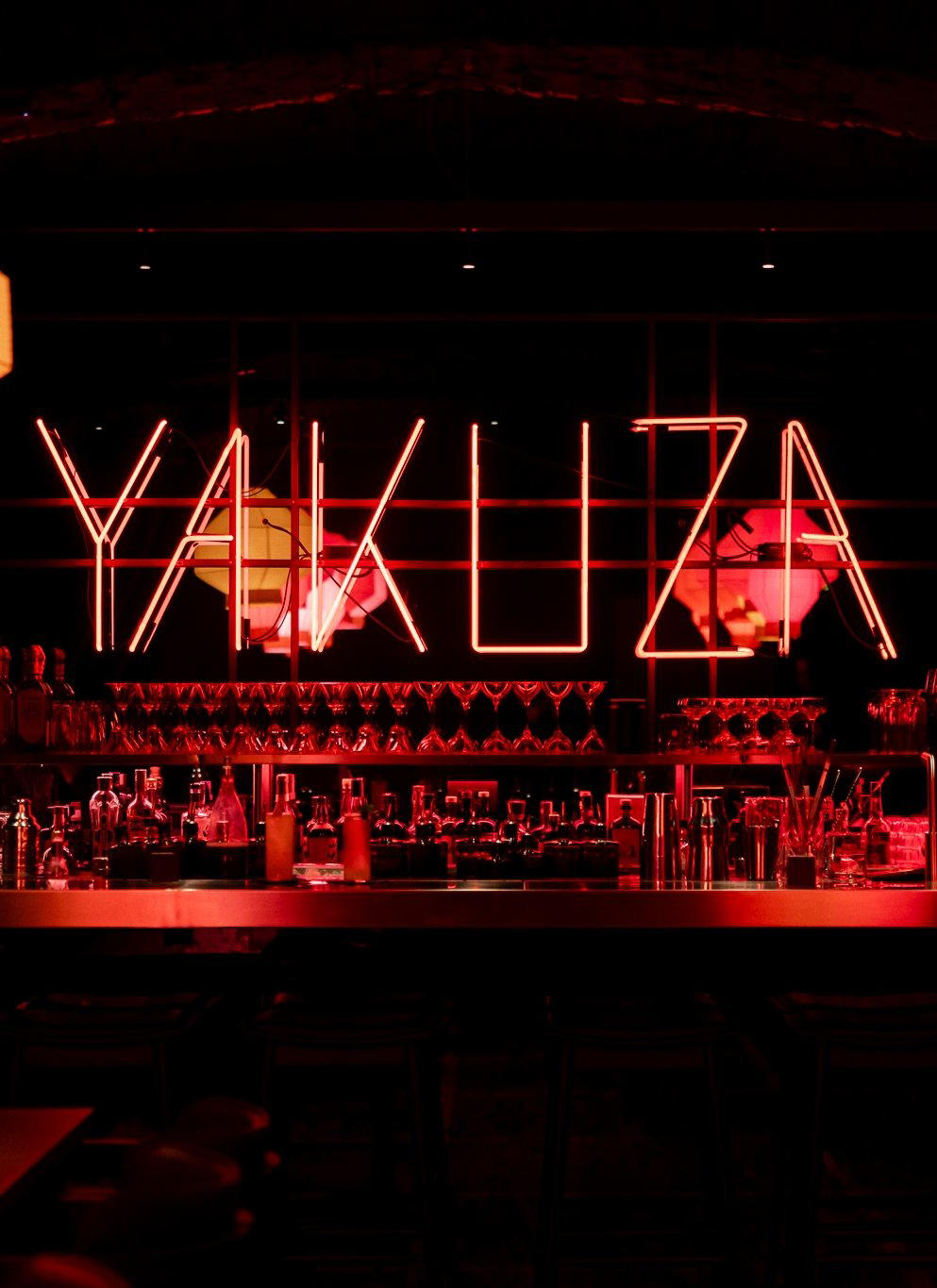
Bars in Pluska
Browse all →

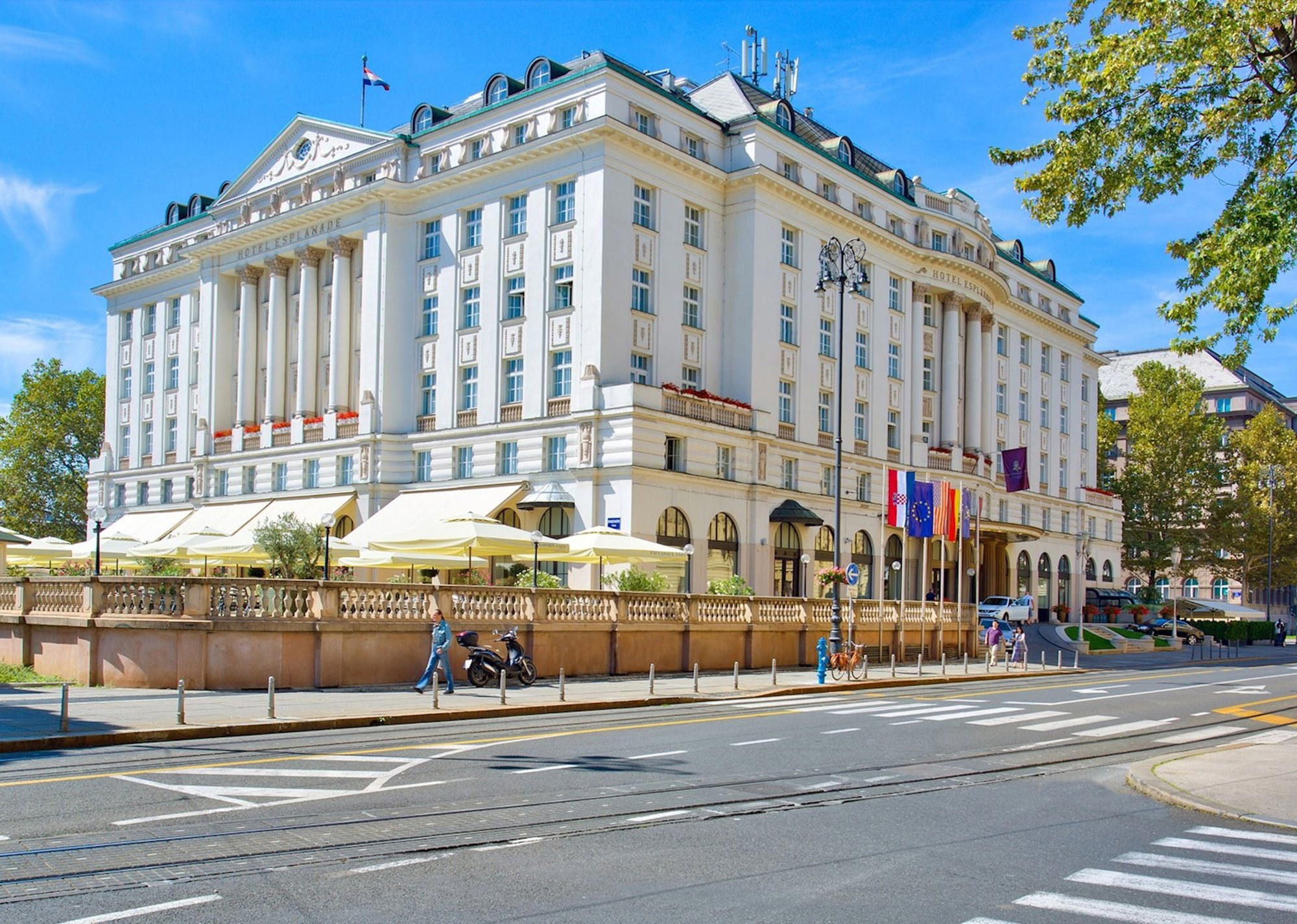
Hotels in Pluska
Browse all →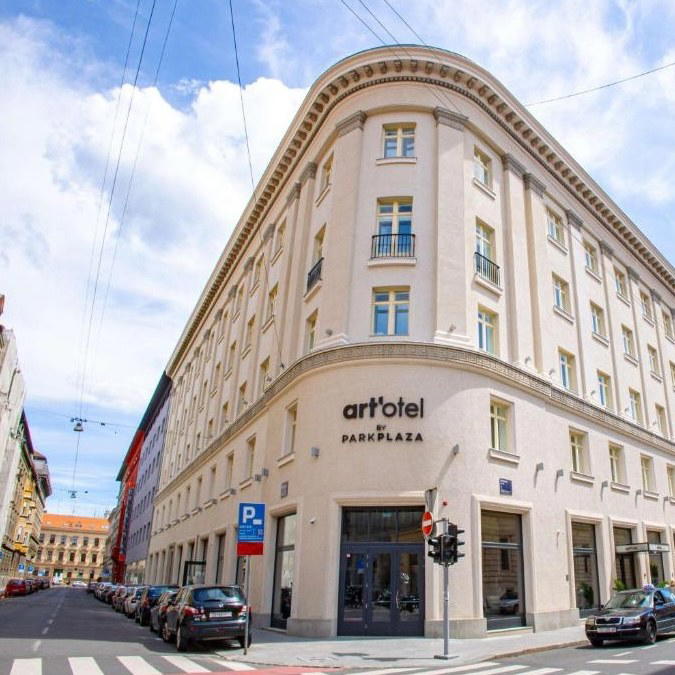


At a Glance
- Rustic
- Cozy
- Family
- Casual Hangout
- Standalone
- Local Sourcing
Current opening hours
- Monday
- Closed
- Tuesday
- Closed
- Wednesday
- Closed
- Thursday
- 12–8 PM
- Friday
- 12–8 PM
- Saturday
- 12–8 PM
- Sunday
- 12–8 PM
Hours can change for holidays and private events. Last verified .
Rustic family-friendly atmosphere with outdoor spaces suitable for relaxation and children's play.