Hotel Villa Barbat
Our verdict
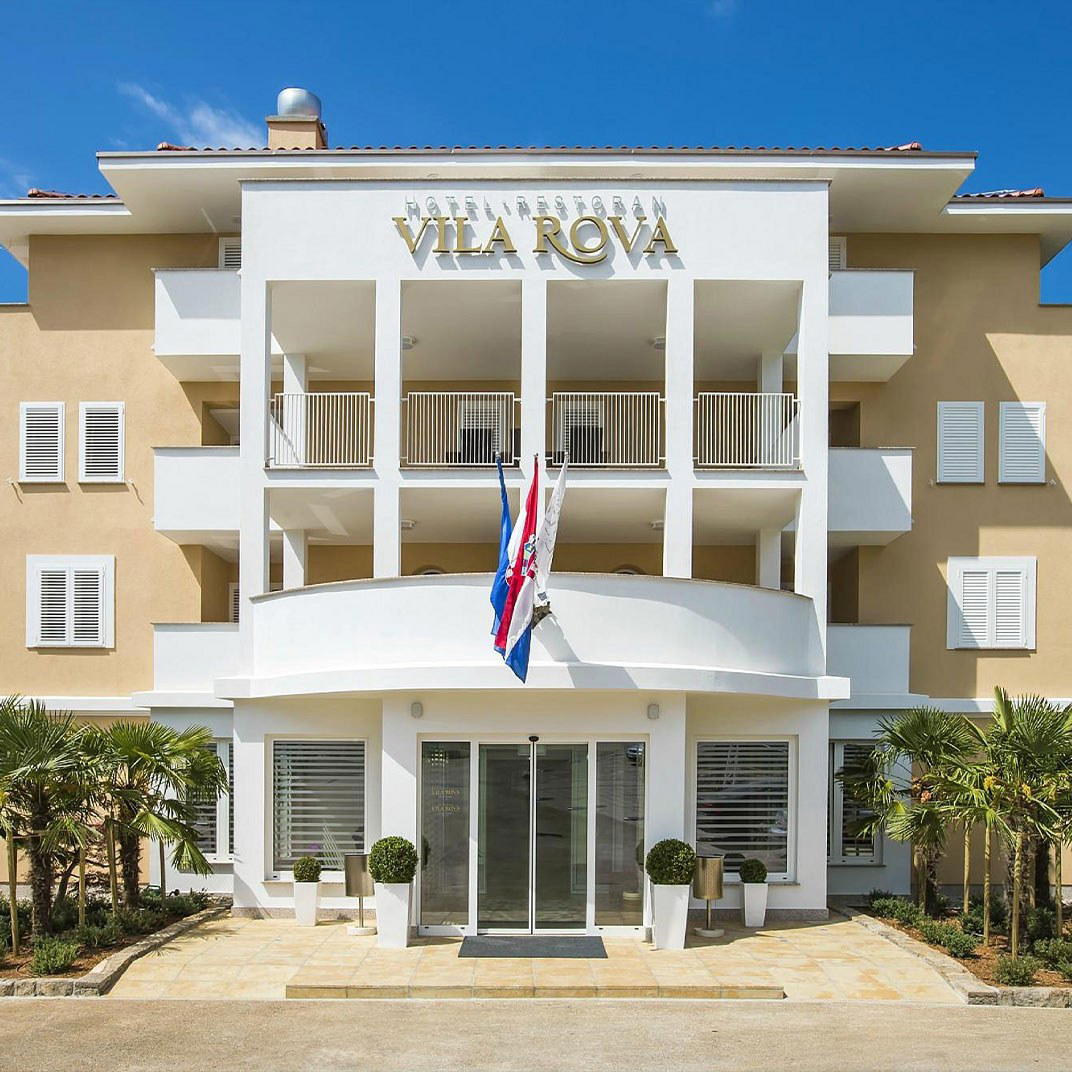
Hotel Villa Barbat serves seafood and Mediterranean dishes at a waterfront hotel restaurant, with local sourcing and a quiet, leisurely dinner pace.

Pearl is the En Primeur Club membership app, where members save venues, book tables and use the concierge.
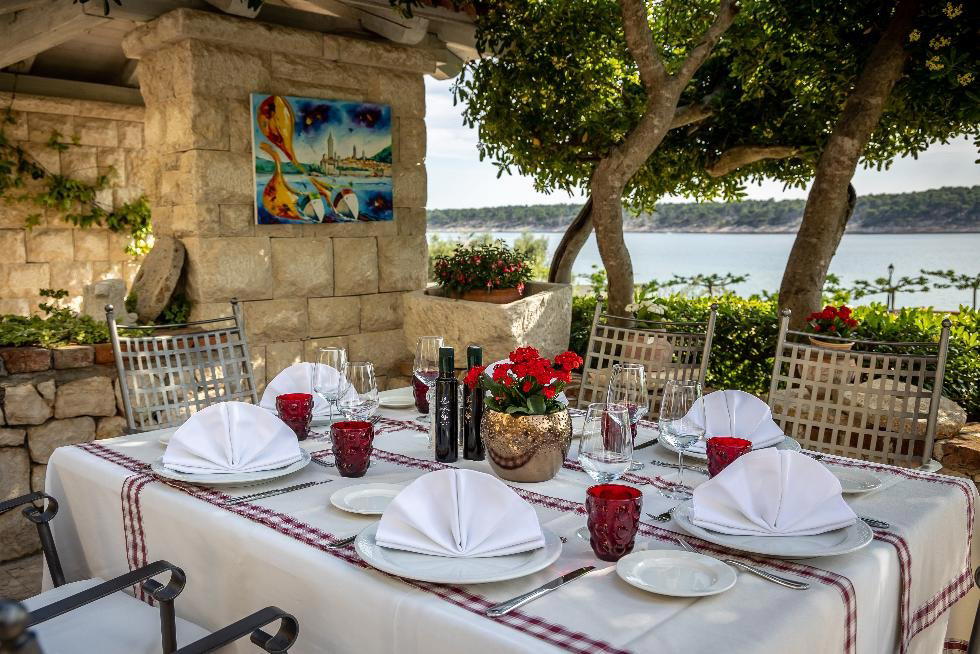
Where the Kvarner Gulf Meets the Table
Rab Island sits in the northern Adriatic at a point where the Velebit mountain range creates one of Croatia's most distinctive microclimates: sheltered, warm, and cut through with mineral-rich winds that shape what grows, swims, and grazes nearby. Barbat na Rabu, the island's southernmost settlement, sits closest to the mainland ferry crossing, which means it is often the first point of arrival and, for travellers moving quickly, the first passed through without pause. Hotel Villa Barbat, addressed at Barbat 366, occupies that arrival zone and draws the logic of the surrounding terrain directly into how a stay here is experienced.
The dining tradition on Rab has long followed the Kvarner template: lamb raised on karst pasture, fish pulled from the Velebit Channel, vegetables grown in the island's interior pockets where red soil and low humidity concentrate flavour. What distinguishes Barbat specifically from the more touristed centre of Rab town is a quieter relationship with those ingredients, one less mediated by a crowd-facing economy and more connected to what the island actually produces. The settlements further south on the island, Barbat included, have historically served the working agricultural and fishing character of Rab rather than its summer resort face.
What the Island Produces and Why It Matters
The sourcing logic of Kvarner cooking starts with geography. Rab lamb, raised on the island's aromatic scrubland, carries a herbal intensity from wild sage, rosemary, and thyme that animals graze as part of their diet. This is not a marketing construct but a documented feature of karst-pastured livestock across the eastern Adriatic, observable in the fat structure and flavour profile of the meat. Comparable conditions produce the Pag lamb that gives Bodulo in Pag its sourcing credibility further south, and the same principle applies here: the pasture is the kitchen's first ingredient.
Velebit Channel running east of Rab is among the colder and more oxygenated stretches of the northern Adriatic, which produces fish of denser texture and cleaner flavour than warmer Dalmatian waters further south. Local catches, primarily bream, sea bass, and various shellfish, reflect that environment directly. Croatian kitchens working with channel-caught fish at their leading share a common discipline with what Pelegrini in Sibenik has demonstrated: restraint in preparation preserves what the water already did. Overworking channel fish into heavy sauces erases the point of sourcing it locally in the first place.
This sourcing context matters because it sets the terms for evaluating what arrives on the plate. Hospitality operations on smaller Adriatic islands increasingly divide between those that import ingredients from the mainland to reduce cost and menu complexity, and those that commit to working with what the surrounding landscape provides. The latter approach requires more from the kitchen but produces a legibility of place that the former cannot replicate. BioMania Bistro Bol in Bol represents a comparable commitment on Brač, where ingredient provenance is treated as an editorial position, not a seasonal footnote.
Barbat na Rabu in the Context of Croatian Island Dining
Croatia's premium dining conversation tends to anchor in Dubrovnik, Split, and the Istrian peninsula. Restaurant 360 in Dubrovnik and Agli Amici Rovinj in Rovinj operate at a formal register with price points and service structures that reflect those cities' international visitor volumes. Kvarner island dining sits in a different register: smaller, quieter, and more dependent on what the specific island provides than on imported prestige ingredients or international technique as performance.
On Rab itself, the dining options are distributed across the island's settlements. In Barbat na Rabu, Barbat and Leut represent the local restaurant options that a visitor staying in the area would reasonably consider. A hotel kitchen operating in this environment competes less with formal destination restaurants and more with the question of whether it can offer something genuinely rooted in local supply versus a generic hotel breakfast and dinner programme. That distinction is worth asking about before booking.
For context on what serious Croatian island hospitality looks like when it commits fully to place, Boskinac in Novalja on Pag Island is the clearest regional reference point. Its wine production and kitchen sourcing are integrated with the island's agricultural identity in a way that sets a benchmark for what island hotel dining can achieve when the property treats its location as an asset rather than a backdrop.
Arriving and Orienting
Barbat na Rabu is reached via the Mišnjak ferry terminal, which connects Rab to Stinica on the mainland. The crossing takes approximately 15 minutes, making it one of the shortest island ferry connections on the Croatian coast and placing Barbat at the functional arrival point for the island. Visitors driving from Zagreb or Rijeka will pass through Barbat before reaching Rab town, which sits approximately 10 kilometres to the north along the island's western coast.
This positioning means the settlement has a different pace from the historic town centre. It is quieter in the shoulder months of May, June, and September, when the island's natural environment is at its most accessible and the channel fishing is at full operation. Peak summer, July and August, brings higher visitor volumes across Rab generally, with accommodation pricing and availability reflecting that compression. For those prioritising the sourcing quality of what they eat over resort amenity, the shoulder season window produces a better alignment between what the island provides and what a kitchen at this address can realistically deliver.
Our full coverage of the area is available in our full Barbat Na Rabu restaurants guide, which maps the settlement's dining options against the broader island context. For those building a Croatian itinerary that extends beyond Rab, comparable island-rooted dining is covered in profiles including LD Restaurant in Korčula, Nebo by Deni Srdoč in Rijeka, Krug in Split, Dubravkin Put in Zagreb, Alfred Keller in Mali Losinj, Burin in Crikvenica, and Korak in Jastrebarsko.
For readers calibrating Croatian dining against international reference points, the sourcing discipline that characterises the leading Adriatic island kitchens has an analogue in how top-tier seafood-focused restaurants elsewhere treat provenance as the primary credential. Le Bernardin in New York City and Atomix in New York City both operate on the principle that ingredient origin structures everything downstream, a standard that applies as clearly to a Kvarner channel bream as to any fish crossing an haute cuisine pass.
Frequently asked questions
Can I bring kids to Hotel Villa Barbat?
Hotel Villa Barbat sits in Barbat Na Rabu, a quiet residential settlement at the southern end of Rab Island, far removed from the bustle of Rab town. That setting naturally suits families looking for a low-key base.
Is Hotel Villa Barbat formal or casual?
Barbat Na Rabu is a small coastal village, and accommodation in this part of Rab Island operates in a distinctly relaxed register. Expect the unpretentious tone typical of northern Adriatic island stays rather than the polished formality of a Dubrovnik or Split property.
Is Hotel Villa Barbat a good base for reaching Rab Island by ferry?
Yes, Barbat Na Rabu is the closest settlement to the Mišnjak ferry terminal, which connects Rab Island to Stinica on the mainland in approximately 15 minutes. Hotel Villa Barbat at Barbat 366 sits in that same southern part of the island, making it a practical first or last stop for travellers using the ferry route. This positions it differently from hotels in Rab town, which require an additional drive north after crossing.
What's the best thing to order at Hotel Villa Barbat?
No specific menu or cuisine type is documented for Hotel Villa Barbat. What the surrounding area does offer is a strong regional pantry: Rab lamb raised on aromatic island scrubland, Kvarner scampi from the bay, and locally caught Adriatic fish. Whether the property serves food or directs guests to nearby restaurants in Barbat Na Rabu is worth confirming before your stay.
Where is Hotel Villa Barbat located?
Hotel Villa Barbat is located at Barbat 366, 51280, Barbat na Rabu, Croatia, Barbat Na Rabu.
How hard is it to get a table at Hotel Villa Barbat?
Barbat Na Rabu is a quieter entry point to Rab Island compared to Rab town itself, which suggests demand patterns differ from the island's busier northern settlements. Reaching out directly to the property at Barbat 366 is the most reliable way to check availability.
What makes Hotel Villa Barbat worth seeking out?
Its position in Barbat Na Rabu places it close to the Mišnjak ferry terminal, the main crossing point connecting Rab to Stinica on the Croatian mainland, a roughly 15-minute journey. For travellers arriving by car or continuing along the coast, that proximity matters. The village itself sits within Rab Island's northern Adriatic microclimate, shaped by the Velebit mountain range, which defines the character of the surrounding landscape and local produce.
A Quick Peer Check
Comparable venues nearby, for context on price, style, and recognition.
| Venue | Cuisine | Price | Notes |
|---|---|---|---|
| Hotel Villa BarbatThis venue (the venue you are viewing) | Seafood & Mediterranean | Not listed | Not listed |
| Barbat | Seafood and Mediterranean | Not listed | Barbat na Rabu |
| Leut | Mediterranean Seafood | $20–30 | Barbat na Rabu |
| Artatore | Croatian Seafood | $30–50 | Artatore |
| Konoba Fiume | Traditional Croatian Seafood | $20–30 | Rijeka market |
| Fabro | Dalmatian Seafood | Not listed | Murter |
Continue exploring
More in Barbat Na Rabu
Restaurants in Barbat Na Rabu
All restaurants in Barbat Na Rabu →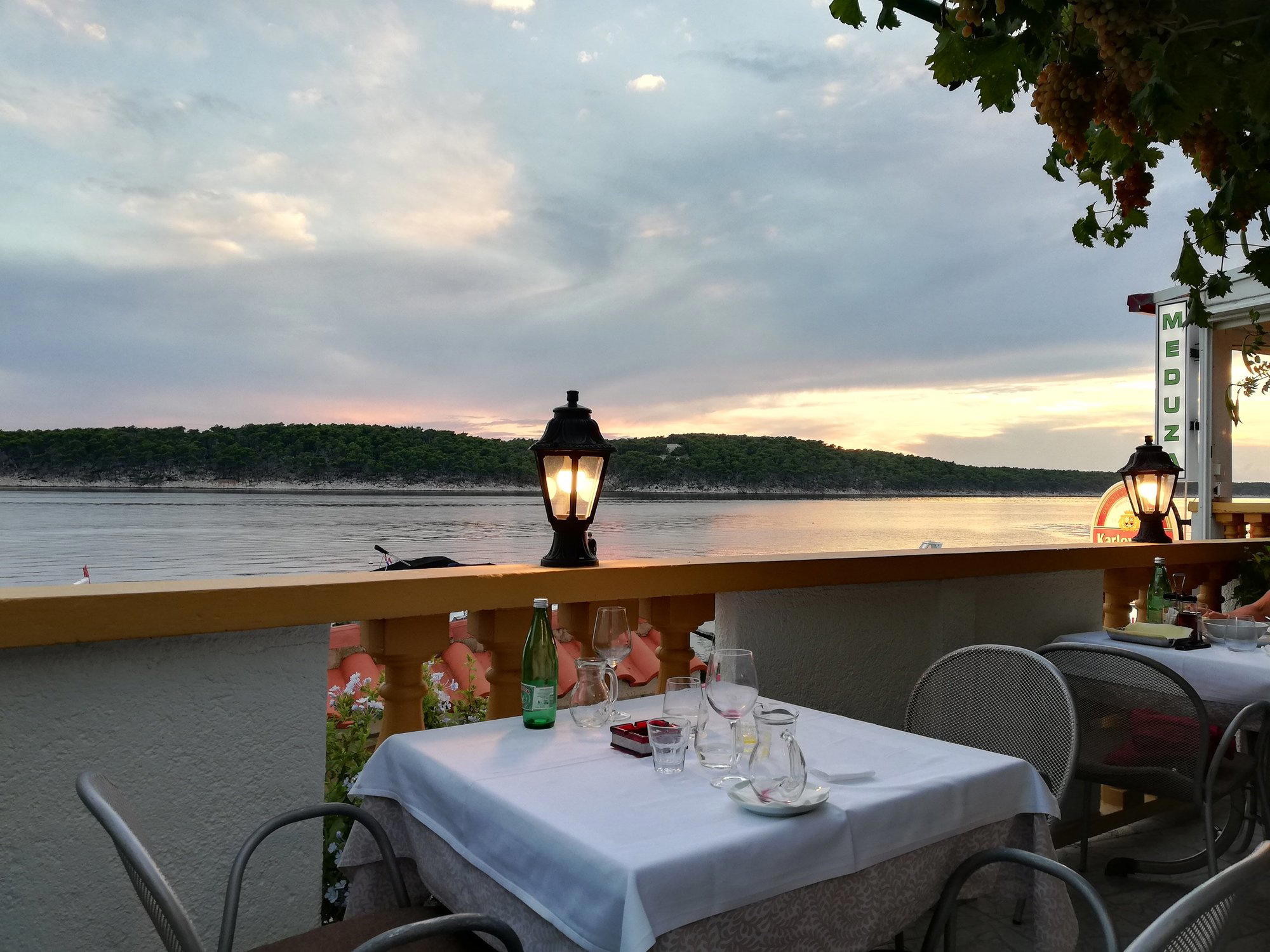
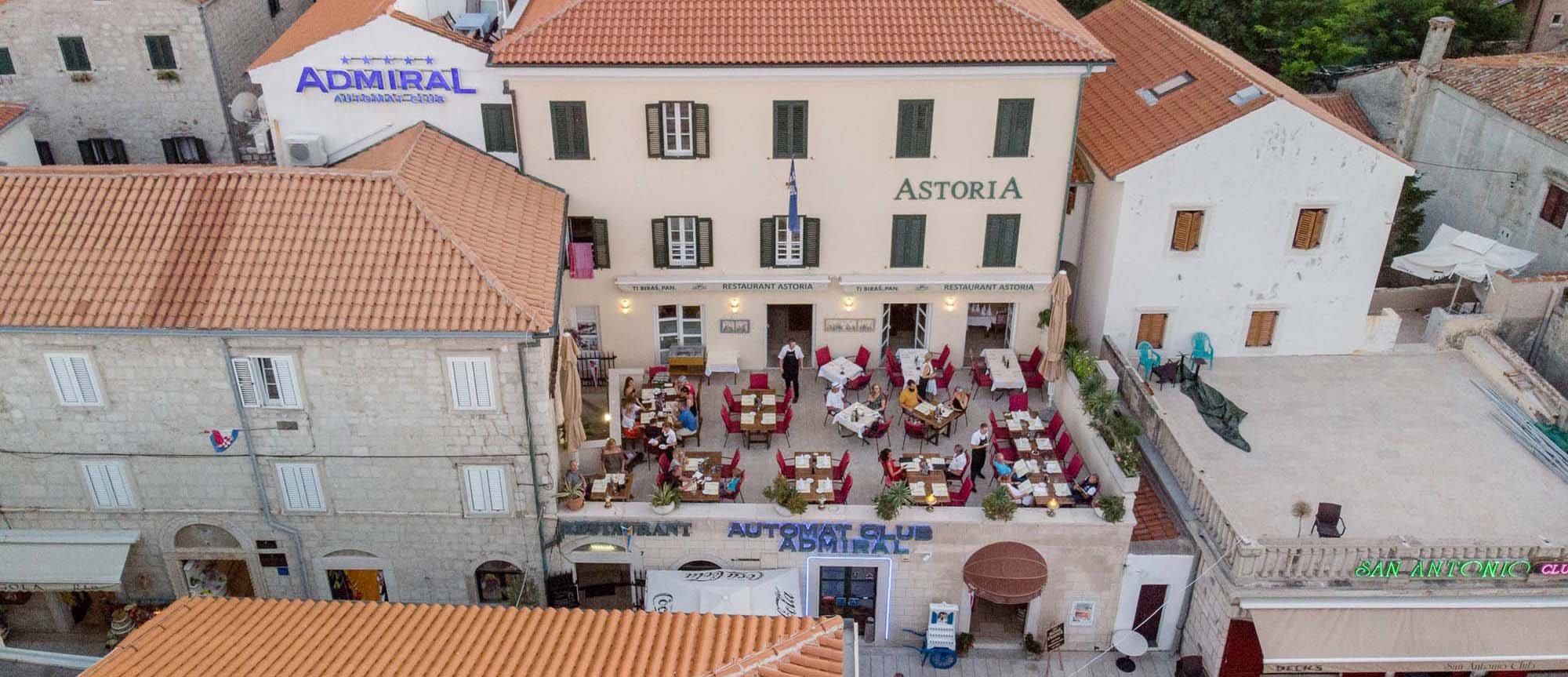
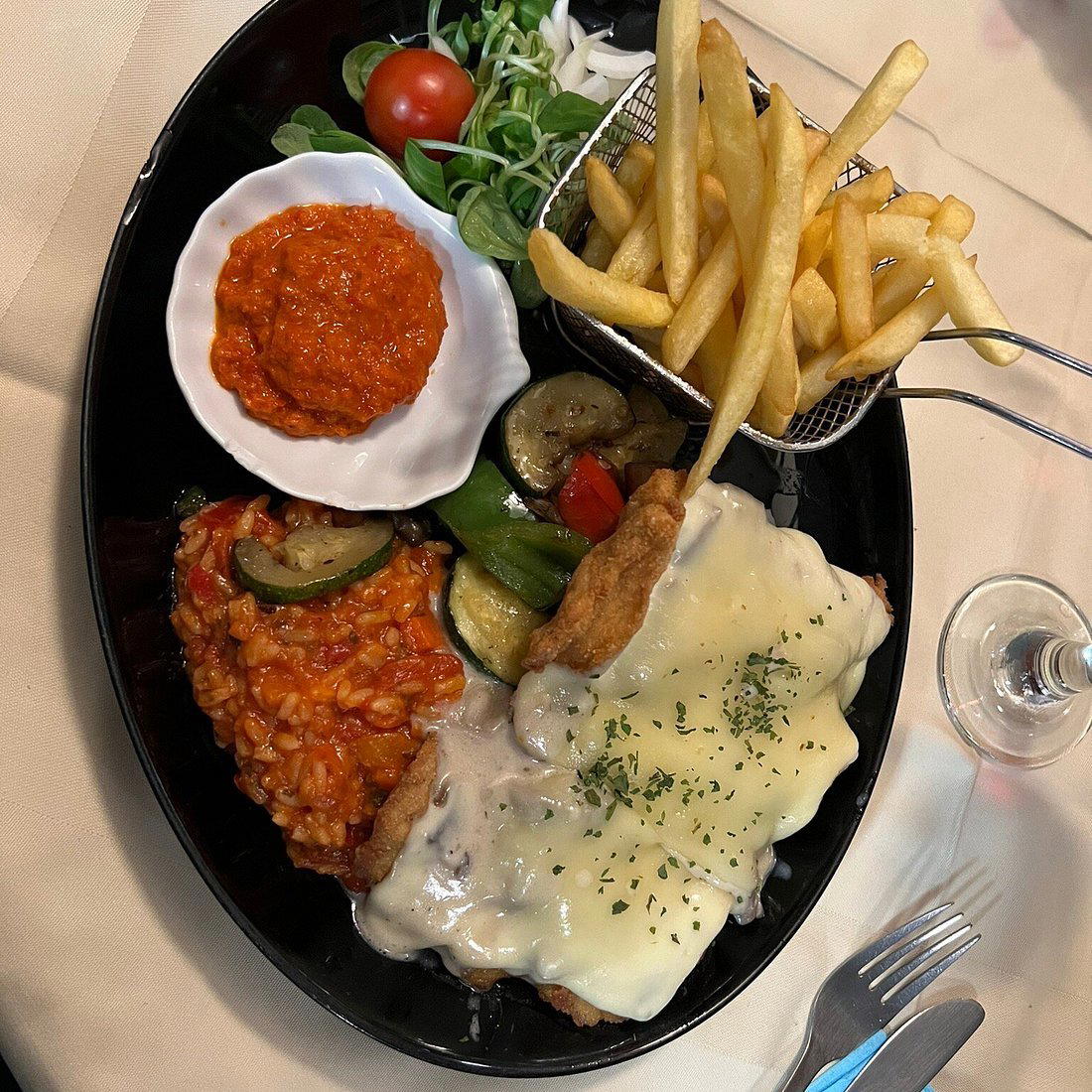
Bars in Barbat Na Rabu
Browse all →
Hotels in Barbat Na Rabu
Browse all →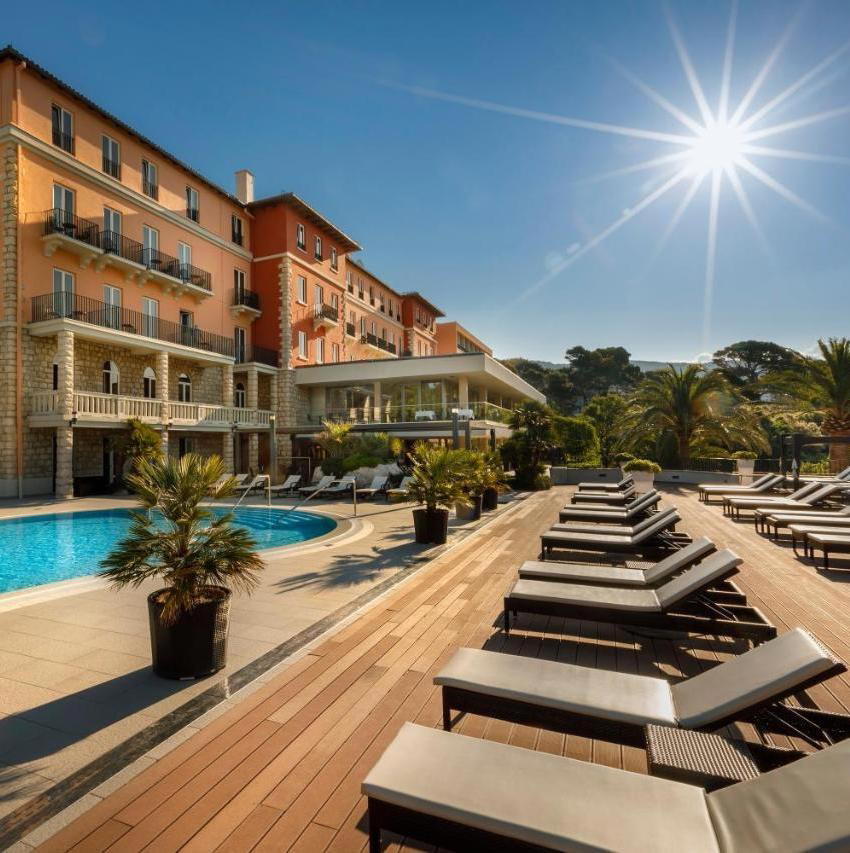
Wineries in Barbat Na Rabu
Browse all →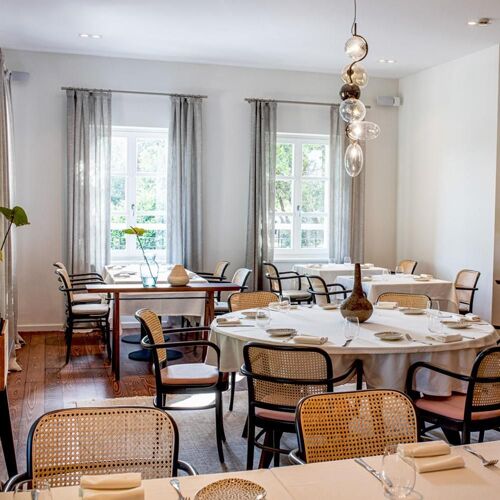

Details
- Scenic
- Elegant
- Romantic
- Date Night
- Special Occasion
- Terrace
- Waterfront
- Hotel Restaurant
- Local Sourcing
- Waterfront
- A La Carte
- Allergy Accommodating
Current opening hours
- Monday
- 11 AM–11 PM
- Tuesday
- 11 AM–11 PM
- Wednesday
- 11 AM–11 PM
- Thursday
- 11 AM–11 PM
- Friday
- 11 AM–11 PM
- Saturday
- 11 AM–11 PM
- Sunday
- 11 AM–11 PM
Hours can change for holidays and private events. Hours as of .
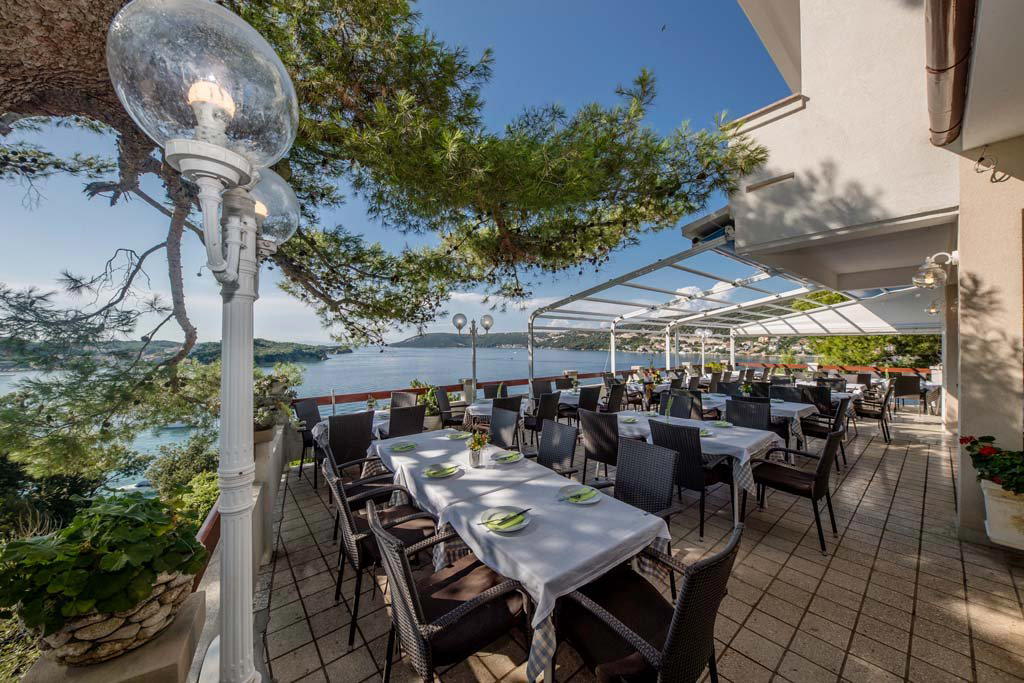
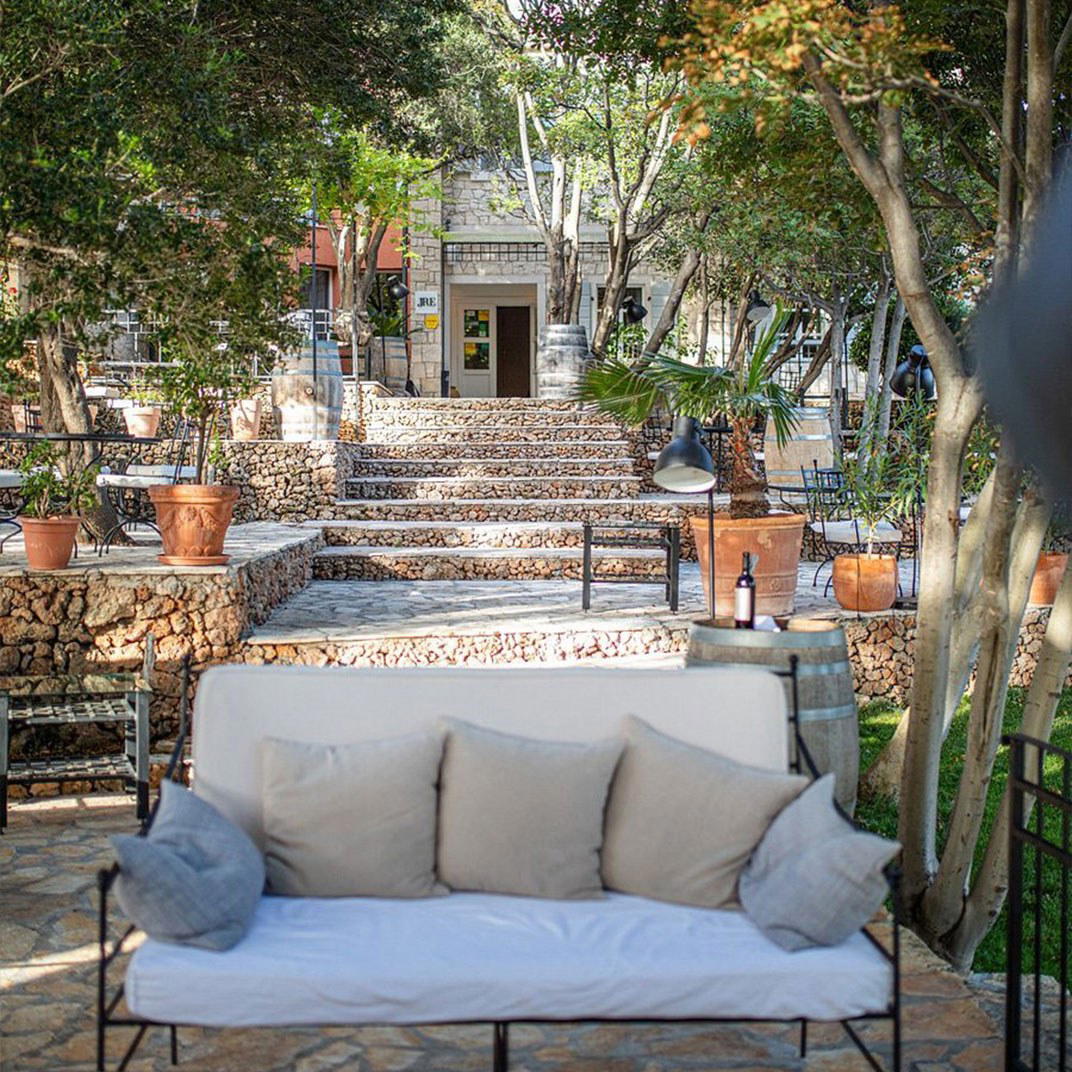
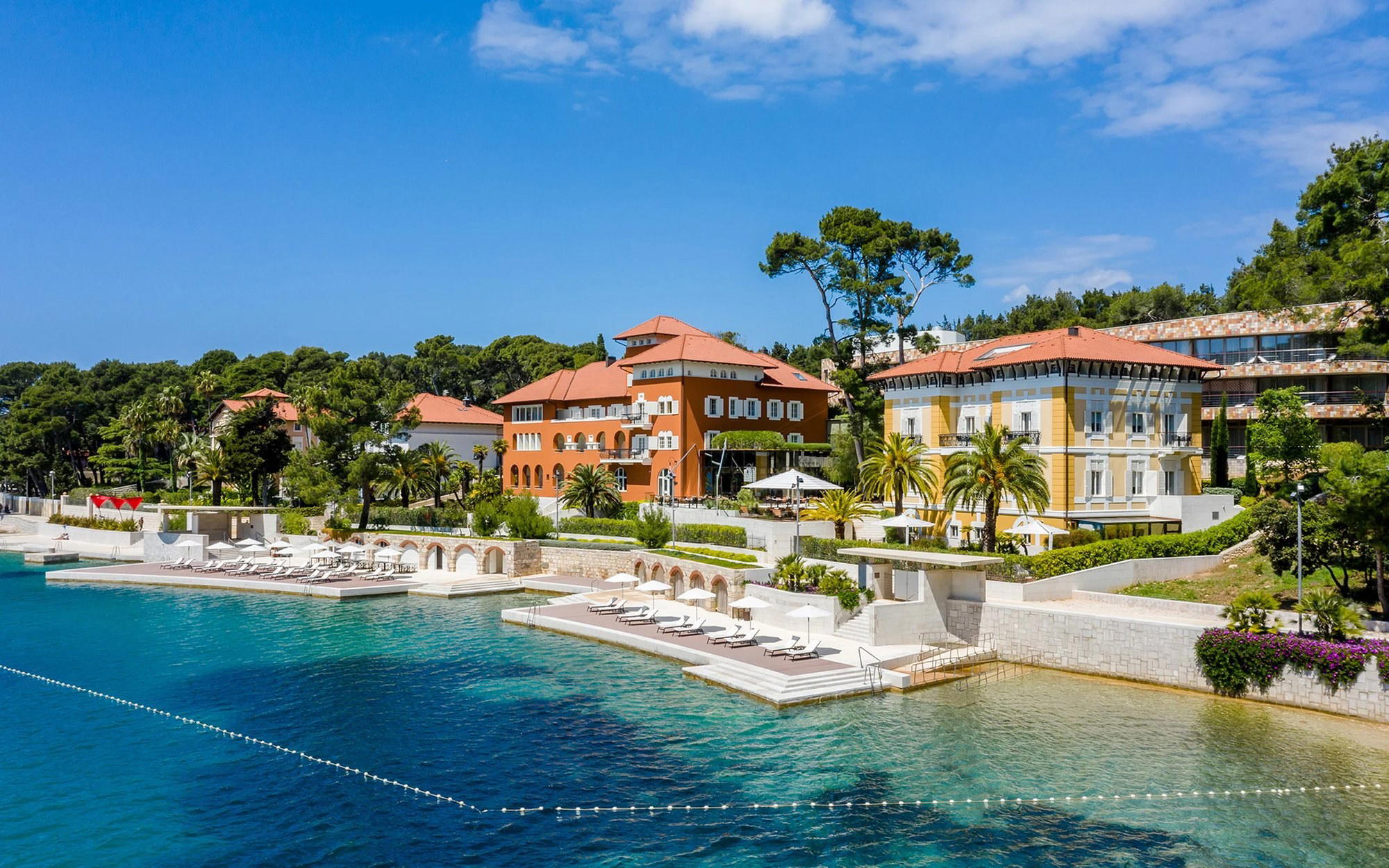
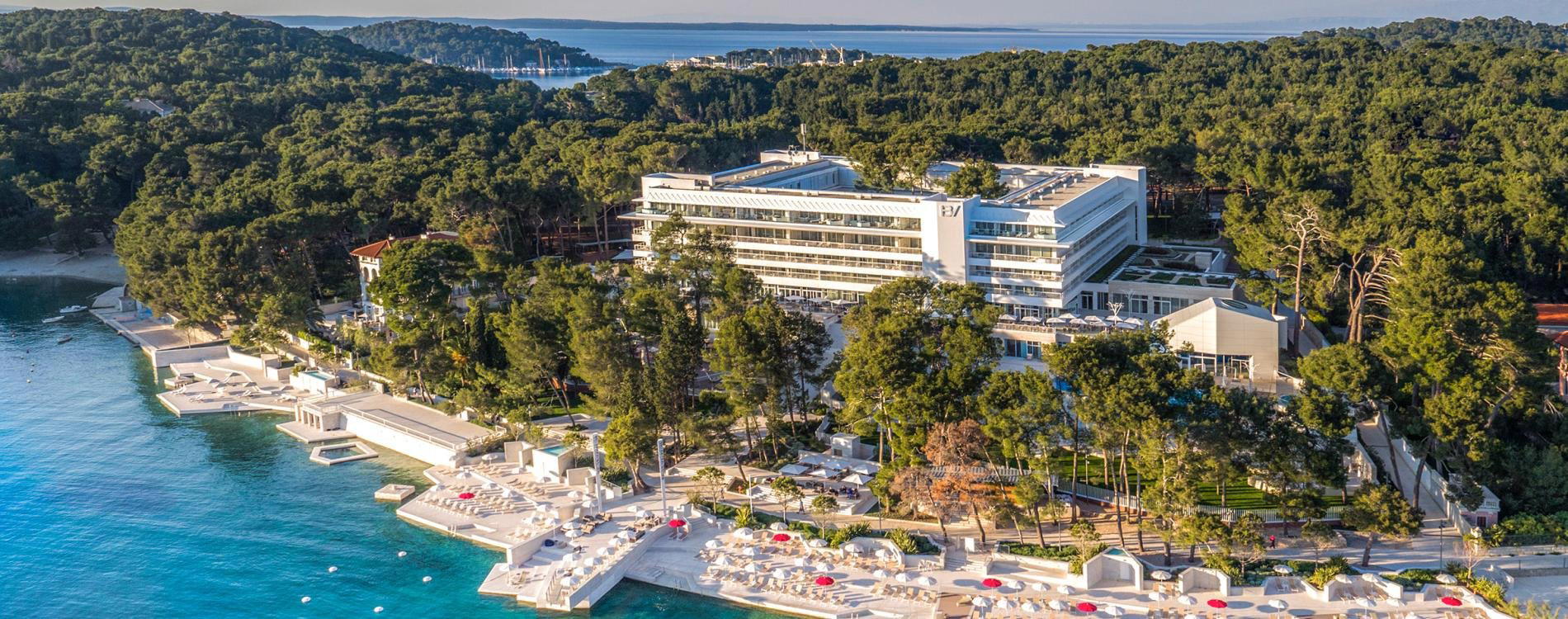
Charming terrace surrounded by greenery with sea views, floral setting, and a relaxed yet elegant atmosphere.