Our verdict
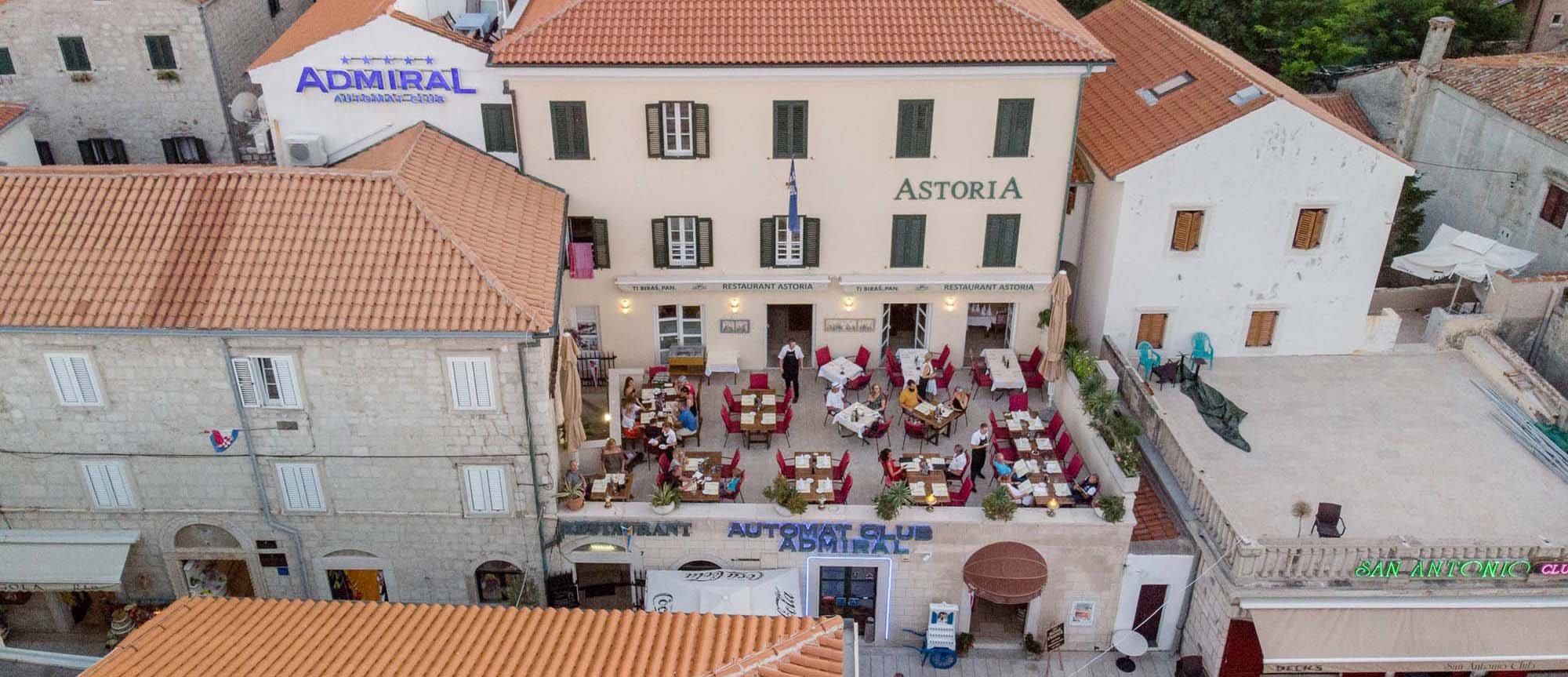
Astoria Restaurant sits in Rab, one of the northern Adriatic's most considered dining destinations, where Kvarner Gulf seafood and Dalmatian island produce shape the table. The restaurant occupies a town that has fed serious visitors for centuries, placing it within a local dining scene built on proximity to the sea and the agricultural rhythms of the island itself. For those passing through Rab, Astoria is a name that surfaces reliably among the town's established options.

Pearl is the En Primeur Club membership app, where members save venues, book tables and use the concierge.
The menu
What to order
- Peka
- Tuna Steak
- Fresh Fish Plate
- Spaghetti ai Frutti di Mare
Rab's Table: What the Island Puts on the Plate
There is a particular quality to eating on Rab that has less to do with any single kitchen and more to do with where the island sits in the northern Adriatic food chain. The Kvarner Gulf, which wraps around Rab's northern coast, is one of the most productive stretches of Croatian coastal water, delivering scampi, sea bass, dentex, and the bream that define the island's menus from June through September. The lamb that grazes the island's karst interior carries a mineral character that differs markedly from mainland Croatian product, a function of the sage, rosemary, and sparse grass that cover the rocky terrain. Astoria Restaurant operates within this geography, and the sourcing logic of the place is inseparable from what Rab's landscape and waters actually produce.
That sourcing context matters because it separates Rab's better restaurants from those simply applying Croatian coastal aesthetics. The island's fishing is small-scale and largely day-boat, meaning that what appears on a menu in the old town on a Tuesday reflects what came off the water that morning. Any serious kitchen on Rab works with that constraint and presents it as an asset. Alongside Astoria, restaurants including Gonar and Konoba Rab operate within the same tight ingredient radius, making provenance the shared competitive axis rather than any imported technique or travelling chef pedigree.
The Setting: Rab's Old Town as Dining Context
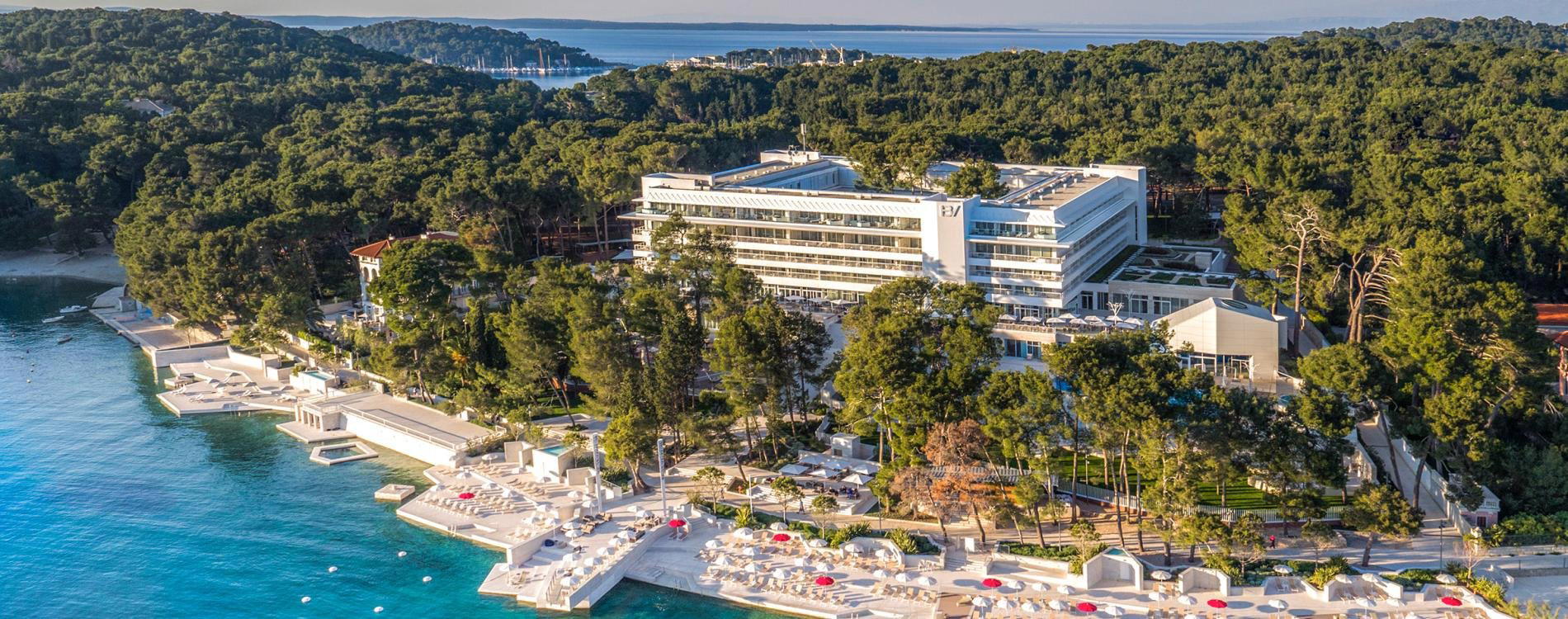
Rab's old town is a medieval walled enclosure on a narrow peninsula, its four bell towers visible from the Velebit Channel as you approach by ferry. Dining within this setting is unavoidably atmospheric in the architectural sense: stone streets, loggia-shaded terraces, and the ambient sound of a small Adriatic port in season. Astoria Restaurant is addressed within Rab's 51280 postcode, which places it within or immediately adjacent to this historic core. For visitors arriving via ferry from Jablanac or by road across Krk, the old town's concentration of restaurants means that choosing where to eat involves navigating a compact geography where a few streets contain most of the serious options.
That concentration is both Rab's advantage and its editorial challenge. The island attracts Croatian holidaymakers, a consistent Central European visitor base, and an increasing number of travellers who have moved beyond Dubrovnik and Split in search of quieter Adriatic alternatives. Demand in high summer is real, and the better-regarded addresses in the old town operate at capacity from mid-July through August. Timing a visit to Rab in June or September shifts the dynamic considerably: shorter queues, more attentive service, and an island that has returned to its own rhythms rather than performing for a peak-season audience.
Where Astoria Sits in the Rab Dining Picture
Rab's restaurant scene is not large by the standards of Split or Rovinj, but it is more considered than a small island of its size might suggest. The dining options stratify along familiar Croatian coastal lines: konoba-style rooms serving grilled fish and peka-cooked meat at one end, and more formally presented seafood restaurants targeting visitors with longer wallets at the other. Astoria occupies this scene as an established address rather than a newcomer, which in the context of a small island carries its own weight. Restaurants that survive multiple seasons on Rab do so by maintaining a level of consistency that day-tripper-facing places do not need to bother with.
For context within the wider Croatian fine-dining conversation, it is worth knowing what the comparative benchmark looks like beyond the island. Michelin-recognised restaurants elsewhere in Croatia, including Agli Amici Rovinj in Rovinj, Pelegrini in Sibenik, and Nebo by Deni Srdoč in Rijeka, set a reference point for what the country's serious kitchens are doing with Adriatic product. Rab does not carry that recognition tier at present, which is partly a function of the island's seasonal structure and partly a reflection of its visitor profile. That does not diminish what is possible in a well-run island kitchen: proximity to ingredient sources is its own competitive advantage, and no amount of technique compensates for a fish that travelled two days before service.
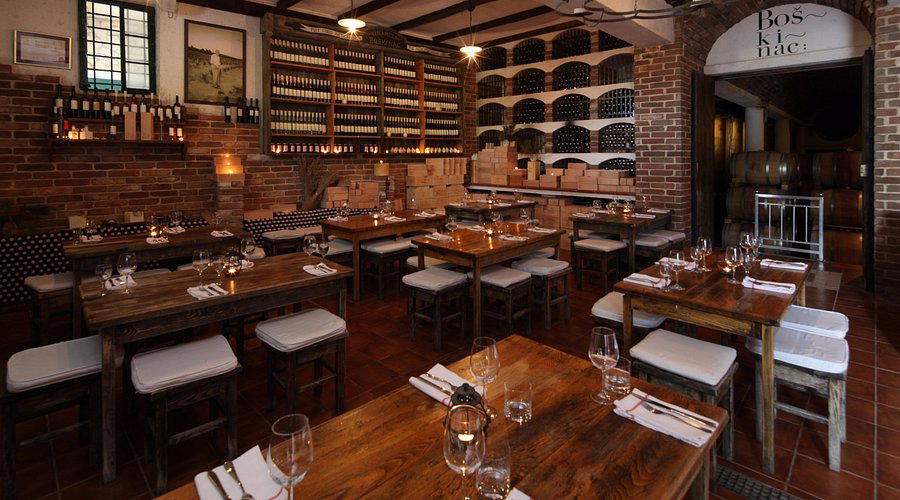
Nearby, Boskinac in Novalja on Pag island represents the most formally ambitious dining in the immediate geographical neighbourhood, pairing its kitchen with an on-site winery and hotel in a format that has earned consistent regional recognition. Alfred Keller in Mali Lošinj operates at a comparable level within the Kvarner island group. Astoria sits within this regional cluster as one of Rab's more reliable options without carrying the formal recognition of those properties.
Ingredient Logic on a Kvarner Island
The editorial angle on any Rab restaurant is ultimately an ingredient angle. The Kvarner scampi question is worth addressing directly: Kvarner scampi, caught in the deeper cold channels north of Rab, are among the most referenced crustaceans in Croatian gastronomy, smaller and more delicate than Atlantic alternatives and prone to being presented simply, grilled or raw, because their flavour requires no augmentation. Any kitchen on Rab that is paying attention will have access to this product and will present it without obscuring it. The broader Adriatic fish menu on the island follows a similar logic: sea bass, bream, mullet, and John Dory pulled from nearby waters and cooked to order, typically grilled over wood or prepared in the brodetto style that runs through Dalmatian and Kvarner cooking from Rijeka to Dubrovnik.
Rab lamb, the island's other defining product, appears on menus in two formats primarily: slow-roasted under the peka lid, where charcoal and time do most of the work, or simply grilled and seasoned with the herbs from the same landscape the animal grazed. The peka format, shared by kitchens across Croatia's coastal interior, takes several hours to prepare and is generally ordered in advance. Visitors who arrive expecting it to be a spontaneous menu option will find that the island's kitchens are not set up that way.
For a broader read of what the island's dining community is doing with local produce, Kuća Rabske Torte adds a pastry-specific dimension rooted in Rab's documented confectionery tradition, the Rapska torta, an almond and rose-water cake with medieval origins that appears in various forms across the island's dessert menus. It is one of the more specific culinary claims the island makes that is not shared by its Adriatic neighbours.
Planning a Visit to Rab
Rab is accessible by ferry from Jablanac on the mainland (a short crossing of under thirty minutes) or by road via the bridge to Krk and then down through Lopar at Rab's northern tip. The ferry from Jablanac is the more direct approach from Zagreb and the Velebit corridor. High season runs from late June through late August, when the old town fills with Croatian families and international visitors. Shoulder season visits in May, June, or September give a materially different experience of the island and its restaurants. For the wider Croatian coastal dining circuit, our full Rab restaurants guide covers the island's options in detail. Those building a longer Adriatic itinerary might also consider LD Restaurant in Korčula, Krug in Split, or Restaurant 360 in Dubrovnik to anchor the further south, and Korak in Jastrebarsko or Dubravkin Put in Zagreb if extending the trip inland. For those approaching from Istria, San Rocco in Brtonigla and EatIstria in Pluj represent the peninsula's own approach to regional sourcing. At the international reference level, the ingredient-first philosophy that underpins the leading Adriatic cooking connects to what kitchens like Le Bernardin in New York City and Lazy Bear in San Francisco demonstrate about letting provenance drive the menu rather than technique obscuring it.
Frequently asked questions
Is Astoria Restaurant okay with children?
Rab's old town dining culture is generally relaxed and family-oriented, and a restaurant at address 51280 Rab sits within walking distance of the pedestrianised medieval core where families move freely in the evenings. Nothing in Astoria's positioning suggests a format that would exclude younger guests, though the setting inside the walled town means a quieter, slower pace than a beach-facing terrace. Confirming directly with the restaurant before arrival is advisable, particularly for high-season visits in July and August.
What part of town is Astoria Resturant in?
Astoria Resturant is located at 51280, Rab, Croatia, Rab.
Do they take walk-ins at Astoria Resturant?
Reservations are recommended for Astoria Resturant in Rab. Confirm current policy via the venue's official channels.
What do critics highlight about Astoria Resturant?
Astoria Resturant is best approached by focusing on the core concept and signature offerings.
Side-by-Side Snapshot
Comparable venues nearby, for context on price, style, and recognition.
| Venue | Cuisine | Price | Notes |
|---|---|---|---|
| Astoria ResturantThis venue (the venue you are viewing) | Mediterranean Seafood with Croatian Tradition | $50–100 | Not listed |
| Gonar | Traditional Croatian Mediterranean Seafood | $20–30 | Supetarska Draga |
| Konoba Rab | Traditional Croatian Seafood & Peka | $20–30 | Rab Town |
| Kuća Rabske Torte | Traditional Croatian Rab Cake (Rapska Torta) | Not listed | Old Town |
| Rivica | Modern Mediterranean Seafood | $30–50 | Njivice |
| Ostaria Veranda | Mediterranean Seafood | $50–100 | Volosko |
Continue exploring
More in Rab
Restaurants in Rab
All restaurants in Rab →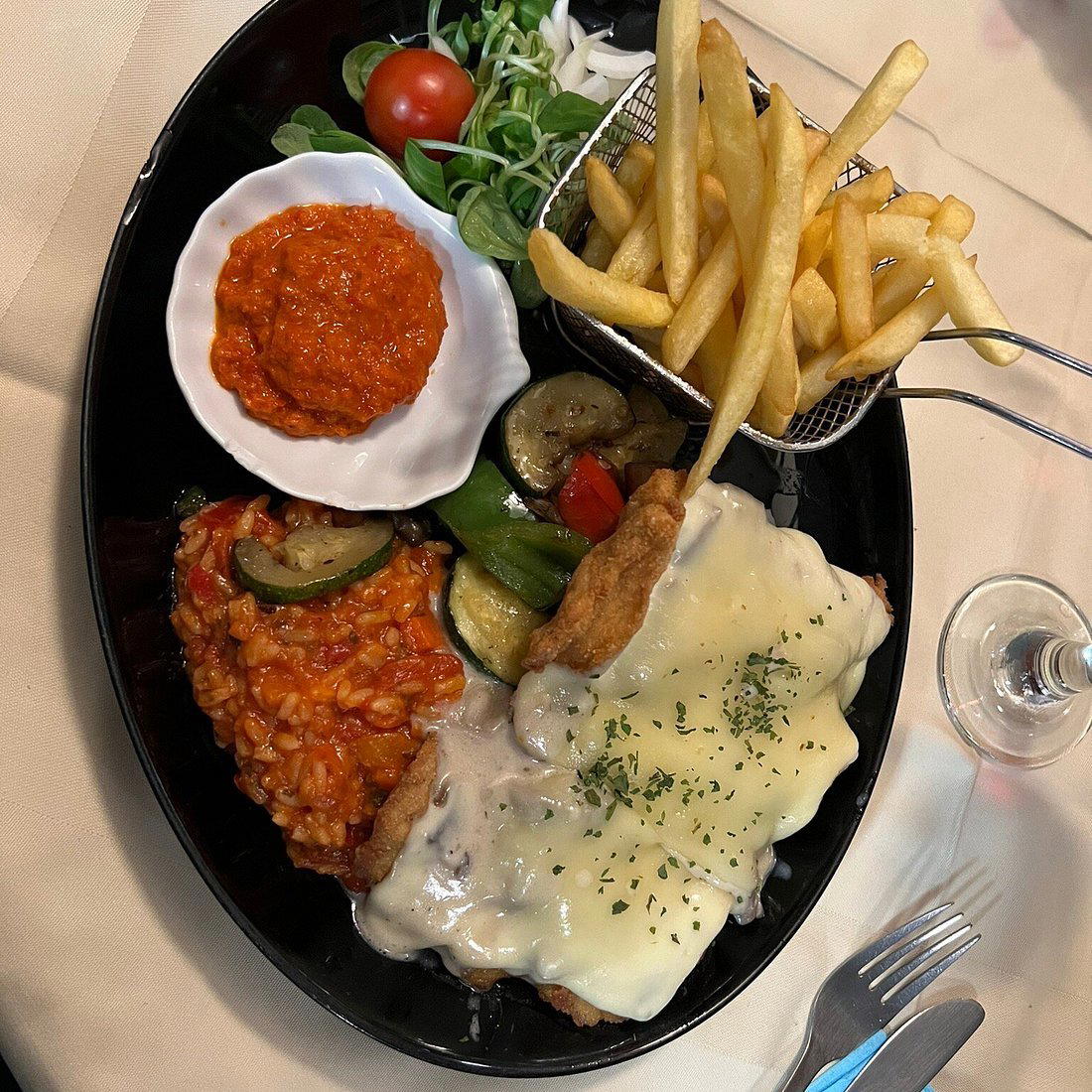
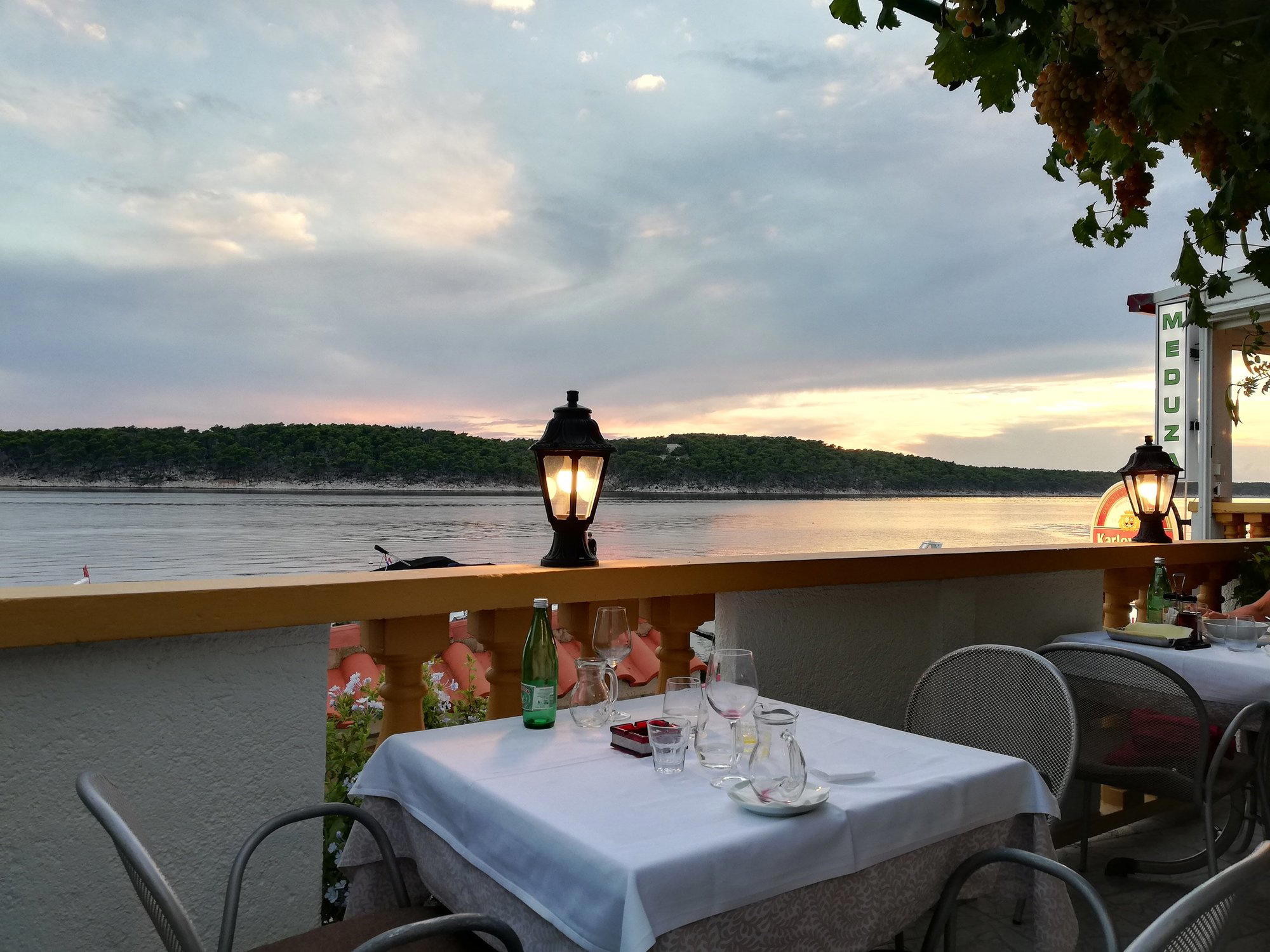
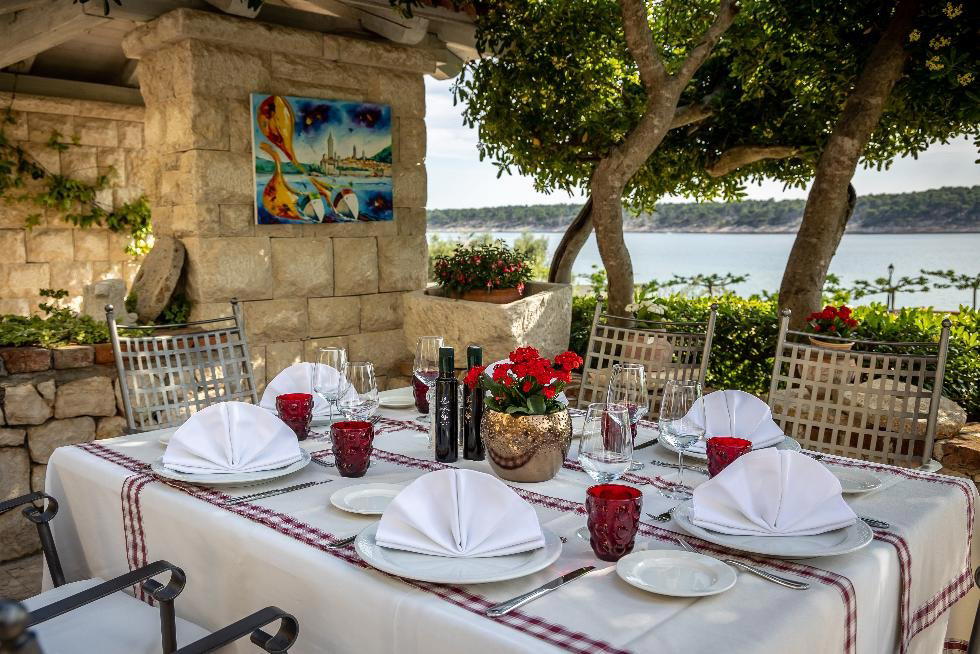
Hotels in Rab
All hotels in Rab →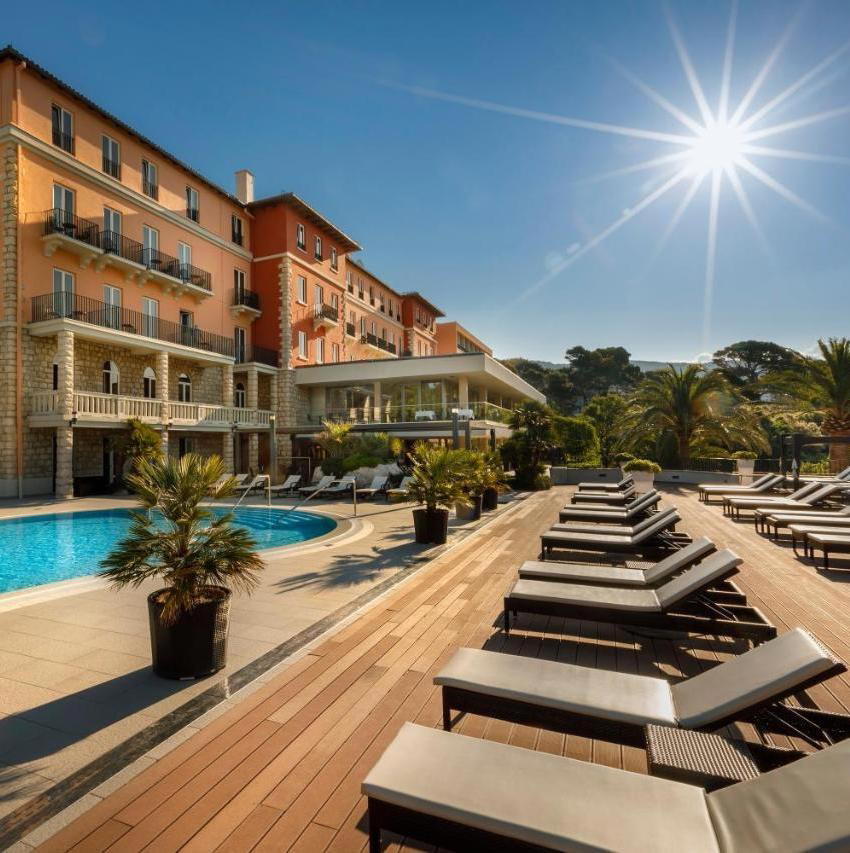

Details
- Romantic
- Elegant
- Scenic
- Date Night
- Special Occasion
- Business Dinner
- Terrace
- Waterfront
- Historic Building
- Extensive Wine List
- Local Sourcing
- Organic
- Farm To Table
- Waterfront
- A La Carte
- Croatian Wine
- Local Wine
- Vegetarian Friendly
- Vegan Options
- Pescatarian Friendly
Current opening hours
- Monday
- 12–3 PM, 6 PM–12 AM
- Tuesday
- 12–3 PM, 6 PM–12 AM
- Wednesday
- 6 PM–12 AM
- Thursday
- 12–3 PM, 6 PM–12 AM
- Friday
- 12–3 PM, 6 PM–12 AM
- Saturday
- 12–3 PM, 6 PM–12 AM
- Sunday
- 6 PM–12 AM
Hours can change for holidays and private events. Hours as of .
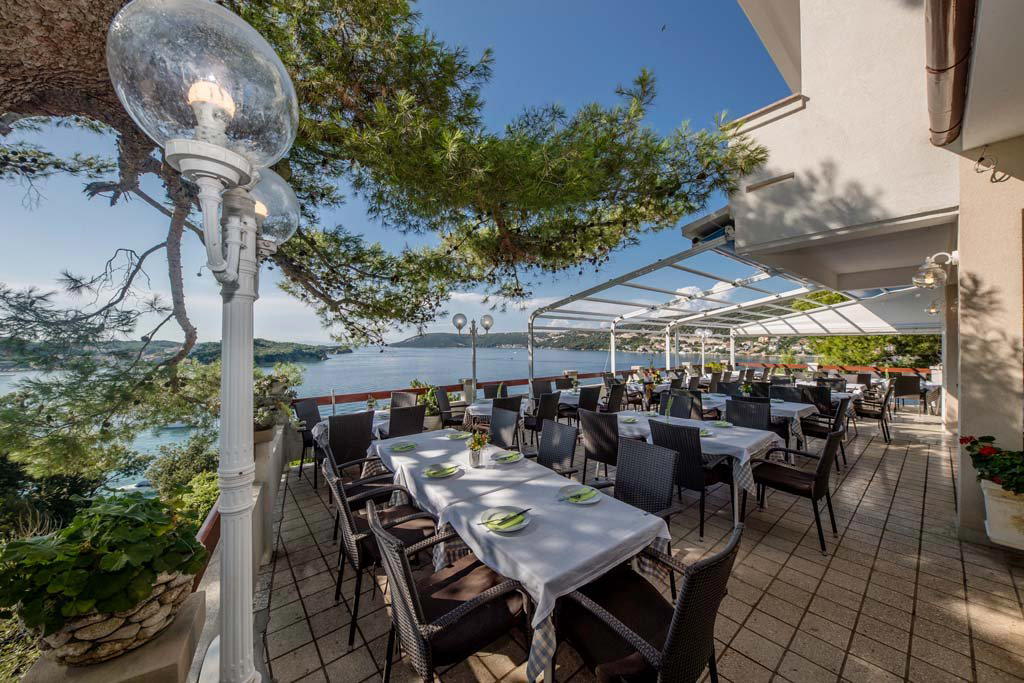
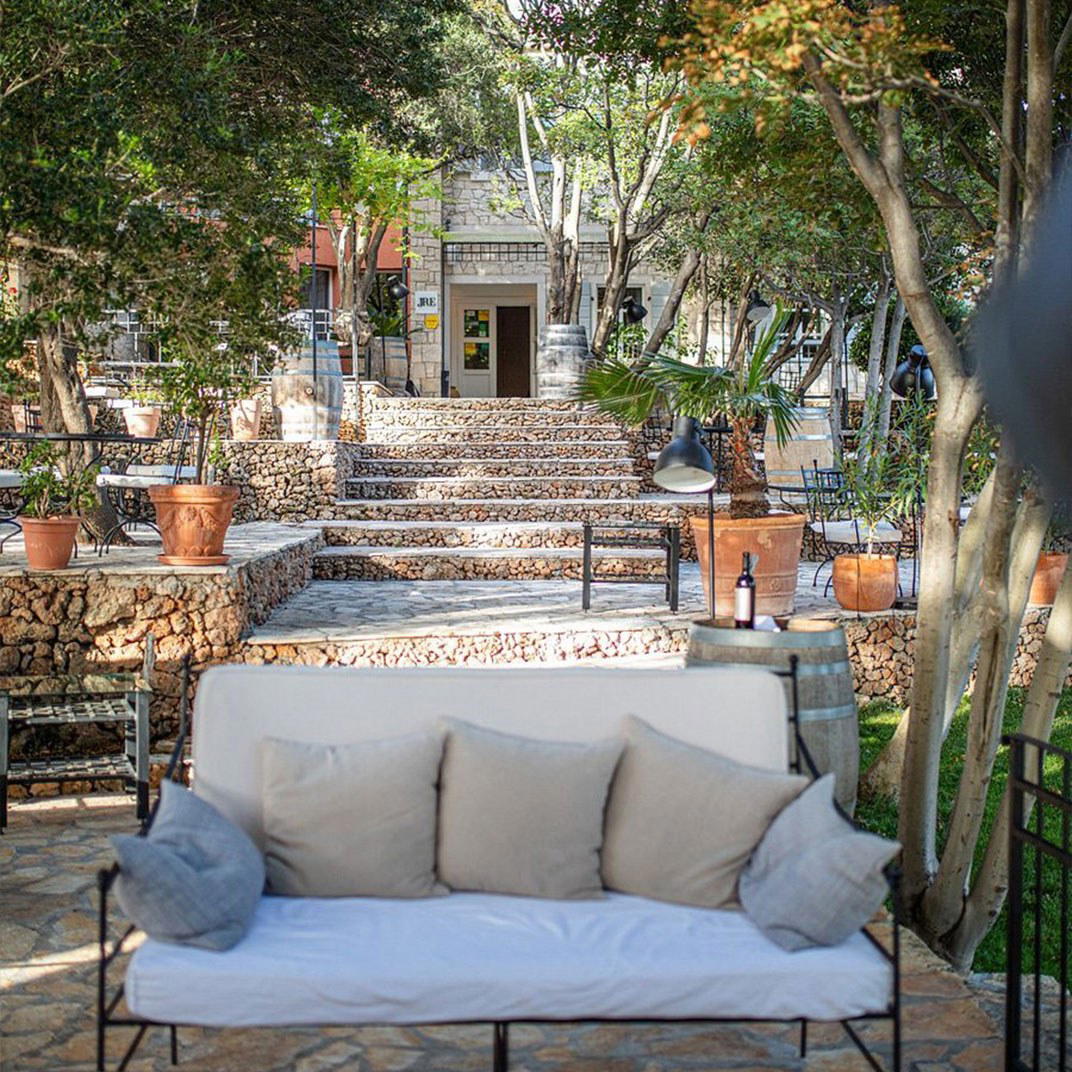
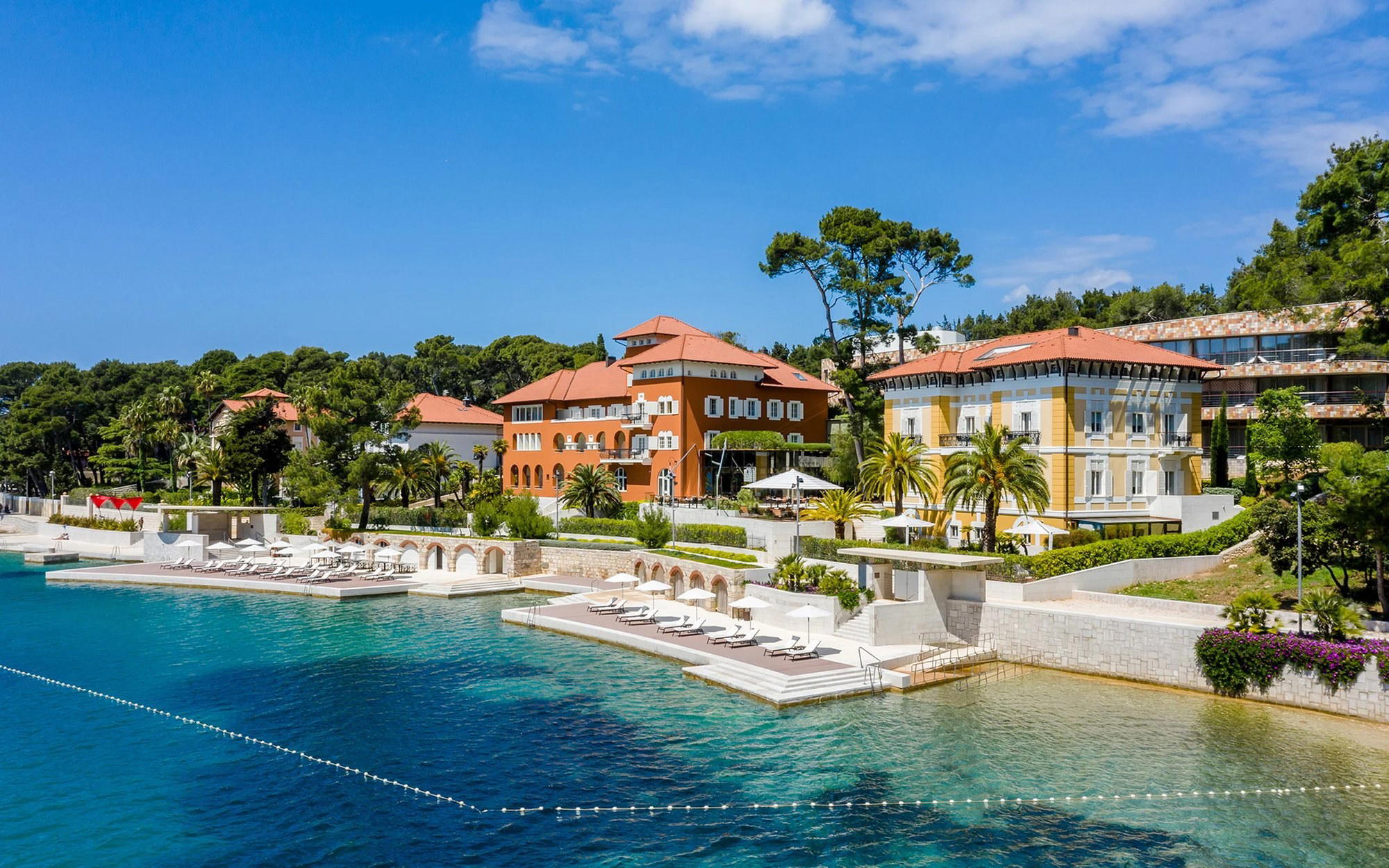
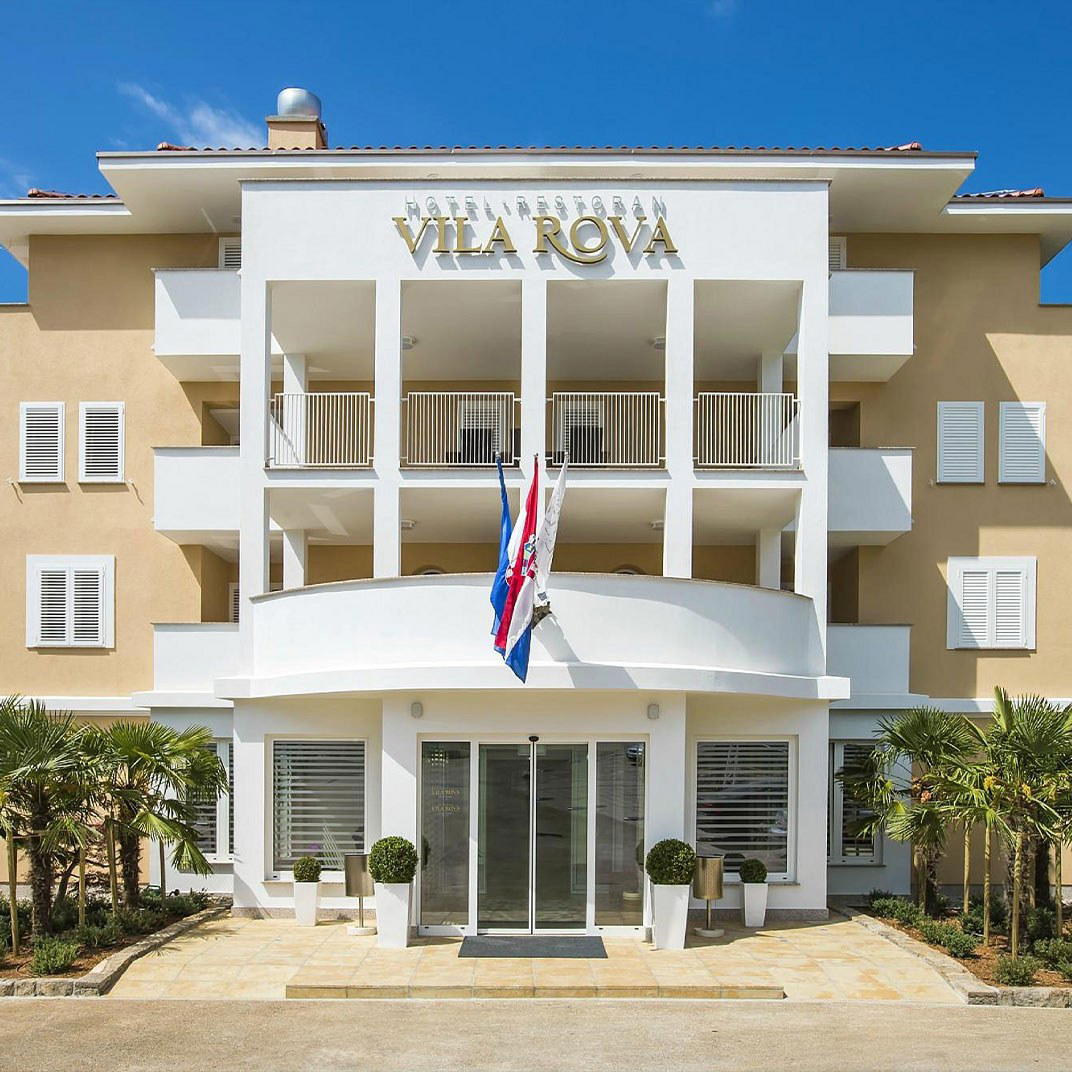
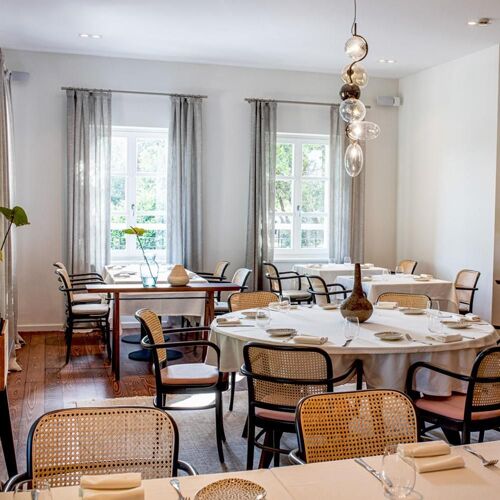
Elegant and romantic with candlelit tables, beautiful harbour views from the terrace, and a refined yet warm atmosphere.