Our verdict
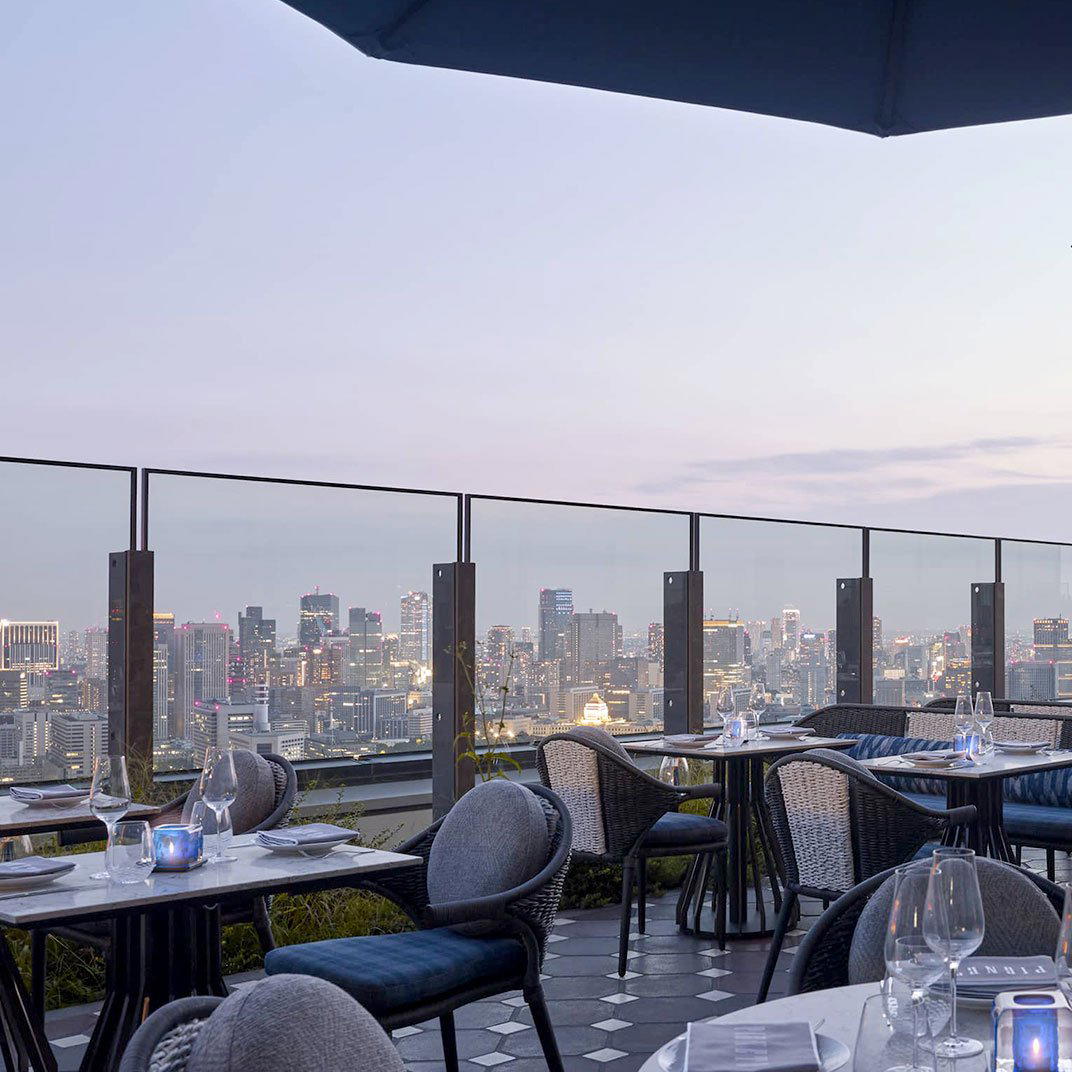
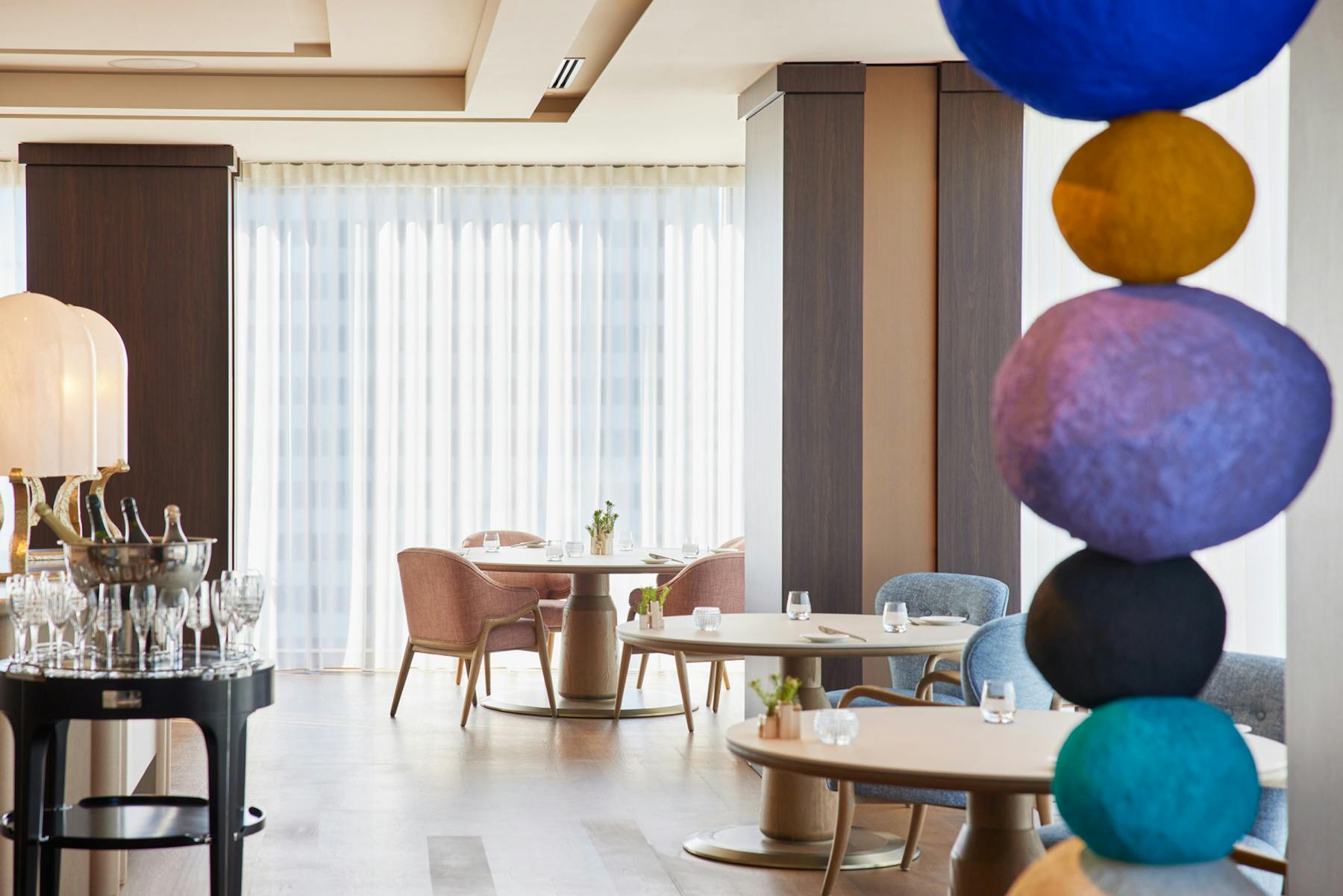
Bona Festa occupies the ground floor of a low-rise building in Kaminarimon, one of Taito City's most historically layered districts. The restaurant sits at the crossroads where European technique meets Japanese seasonal produce, a format Tokyo has refined across several decades into something recognisably its own. Confirmation of practical details including hours and booking is best sought directly before visiting.

Pearl is the En Primeur Club membership app, where members save venues, book tables and use the concierge.
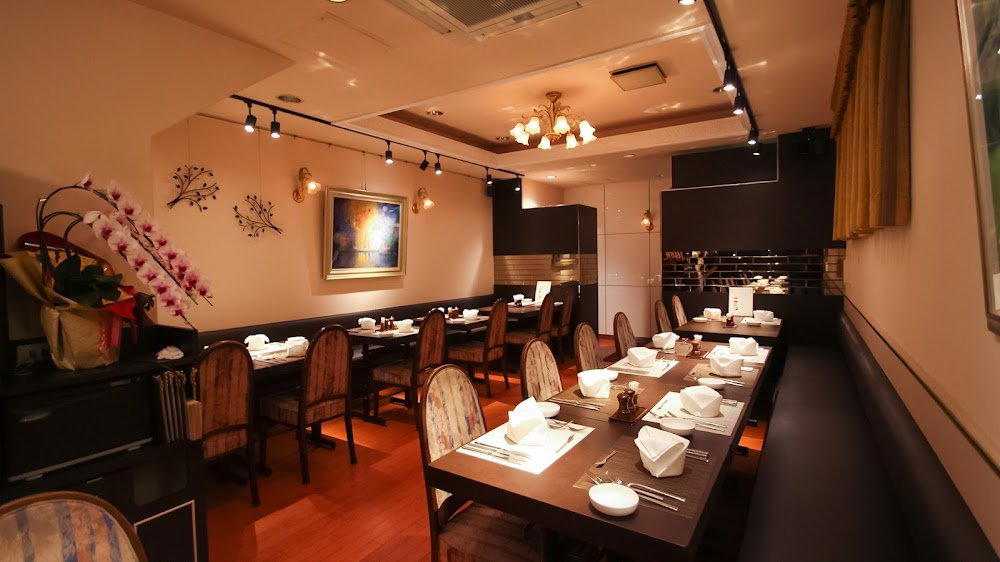
Kaminarimon and the Logic of European Technique in Old Tokyo
The district that surrounds Senso-ji temple has always operated on two registers simultaneously: the surface layer of tourist commerce along Nakamise-dori, and a quieter, more residential life tucked into the side streets of Kaminarimon. It is in that second register that Bona Festa sits, on the ground floor of a low-rise building at 2-6-9 Kaminarimon. The address places it within walking distance of one of Tokyo's most visited cultural sites, yet the neighbourhood character here is distinctly local, a counterweight to the spectacle a few blocks north.
Taito City has not historically been Tokyo's primary destination for fine dining in the European mould. That gravity has long sat further west, in Ginza, Nishi-Azabu, and Minami-Aoyama, where addresses like L'Effervescence and Sézanne anchor the French-inflected tier, and counters such as Harutaka define the upper range of Japanese omakase. Bona Festa's location in Kaminarimon represents a different model: a restaurant embedded in a working neighbourhood rather than a luxury retail corridor, where the surrounding context is temples and craft shops rather than department stores.
Where Imported Methods Meet Japanese Seasons
Tokyo has spent the better part of four decades developing a distinct approach to the intersection of European culinary structure and Japanese ingredient philosophy. The broad pattern is well-established: classical French or Italian technique applied to produce sourced through Japan's extraordinarily precise seasonal supply chains. What varies across restaurants is the balance, and specifically whether the technique serves the ingredient or whether the ingredient is pressed into serving the technique.
The name Bona Festa, which carries Italian register, signals that the European influence here leans toward Italy rather than France, a meaningful distinction in a city where the French model has historically dominated the premium tier. Italian-influenced restaurants in Tokyo have followed a different developmental arc than their French counterparts, often placing greater emphasis on ingredient simplicity and a shorter distance between the product and the plate. The approach shares territory, in concept at least, with the format pursued at Crony, which also operates at the intersection of imported structure and Japanese seasonal thinking, and with the broader innovative Japanese cooking explored at RyuGin.
Japan's seasonal produce network is among the most granular in the world. Regional farmers and fishermen supply Tokyo's premium restaurants through relationships built over years, and the specificity of those supply chains, down to the prefecture, the fishing port, the time of harvest, shapes what appears on a menu far more than any individual chef's stylistic preference. Restaurants working this format, whether kaiseki-based or European-adjacent, are ultimately curators of a supply network as much as they are cooks.
The Broader Context: European-Influenced Dining Across Japan
The format Bona Festa represents in Taito City has parallels across Japan, each inflected by its city's character and supply geography. In Osaka, HAJIME pushes European structure toward a more conceptual register. In Kyoto, Gion Sasaki anchors kaiseki tradition while absorbing French influence at its edges. akordu in Nara applies Basque-inflected thinking to Yamato ingredients, while Goh in Fukuoka demonstrates how Kyushu's coastal produce reshapes what European-derived cooking can taste like in practice. Further north, affetto akita uses Italian framing around Akita's distinctive mountain and rice-country ingredients, and aki nagao in Sapporo draws on Hokkaido's dairy-rich larder. The through-line across all of them is the same question: what happens when European training encounters a supply chain and a seasonal sensibility structured around entirely different logic?
Restaurants working this intersection at smaller scale and in residential rather than luxury-commercial addresses tend to operate with fewer covers, lower overheads, and a closer relationship to their immediate neighbourhood. That structural fact shapes both the hospitality register and the pricing dynamic, which typically sits below the Ginza and Roppongi brackets even when the cooking ambition is comparable. Venues such as Abon in Ashiya and Aji Arai in Oita demonstrate how the same European-Japanese synthesis plays out at regional scale, often with direct access to produce that Tokyo restaurants pay a premium to source.
What the Neighbourhood Tells You About the Restaurant
Kaminarimon in Taito City is not a neighbourhood defined by restaurant density or dining tourism in the way that Ginza or Ebisu are. It is defined by history, by the approach to Senso-ji, by craft industries that have operated in Taito for generations. A restaurant choosing this address is making a statement about orientation: toward the neighbourhood rather than toward destination diners. That positioning tends to attract a local regular clientele alongside visitors who seek out addresses rather than wait to be directed to them by hotel concierge lists.
The contrast with the westernised premium tier, where Le Bernardin in New York or Lazy Bear in San Francisco occupy formally designated dining districts with clear peer-set clustering, is instructive. Tokyo's dining scene has always been more geographically distributed than its global peers, with serious cooking appearing in residential pockets and neighbourhood side streets as readily as in the premium commercial corridors. Bona Festa's Kaminarimon address is consistent with that pattern. For broader coverage of where Tokyo's dining is concentrated, the full Tokyo restaurants guide maps the city's neighbourhoods by cuisine type and price tier.
Restaurants such as Ajidocoro in Yubari District and Akakichi in Imabari further illustrate how Japan's most compelling cooking is frequently encountered at a remove from obvious tourist infrastructure, in addresses that require a degree of deliberate navigation to reach.
Know Before You Go
- Address: 2-6-9 Kaminarimon, Taito City, Tokyo 111-0034 (ground floor, low-rise building)
- Nearest landmark: Kaminarimon gate, Senso-ji temple precinct
- Phone: Not publicly listed, confirm via local directory or walk-in enquiry
- Website:
- Hours: Confirm directly before visiting
- Booking: Advance booking strongly advised; method to be confirmed directly with the venue
- Price range:, contact venue for current menu pricing
- Dress code: Not formally specified; smart casual is appropriate for the neighbourhood and format
Frequently asked questions
Where is Bona Festa in Tokyo?
Bona Festa is located at Japan, 〒111-0034 Tokyo, Taito City, Kaminarimon, 2 Chome−6−9 ガーデンビル 1F, Tokyo.
Is Bona Festa a good option for dining near Senso-ji temple in Asakusa?
Bona Festa is located at 2-6-9 Kaminarimon, Taito City, within the Asakusa district that surrounds Senso-ji, one of Tokyo's most visited temple sites. Kaminarimon has far fewer destination restaurants than Ginza or Ebisu, which means a European-style kitchen at this address occupies relatively open ground. For visitors spending time in the Asakusa area, it represents one of the more structured dining options in the immediate neighbourhood.
What's the best thing to order at Bona Festa?
EP Club does not hold confirmed menu data for Bona Festa, so dish-level recommendations cannot be made with accuracy. What the Kaminarimon address and the restaurant's European-influenced positioning suggest is a menu built around seasonal Japanese produce framed within classical technique, the dominant pattern across this category in Tokyo. Confirm current offerings directly with the restaurant before visiting.
How far ahead should I plan for Bona Festa?
As a general reference point, Tokyo restaurants in the European-influenced category without Michelin recognition typically take reservations one to three weeks out, while those with star status can run two to three months. Kaminarimon has lower restaurant density than Ginza or Ebisu, which may work in your favour, but contacting Bona Festa directly is the only way to confirm current availability.
What do critics highlight about Bona Festa?
The restaurant's location in Kaminarimon, Taito City, a district with limited fine-dining competition relative to Ginza or Roppongi, places it in a context where European-influenced kitchens tend to develop loyal neighbourhood followings rather than chasing external recognition. That distinction, if accurate here, is worth factoring into expectations.
Can Bona Festa accommodate dietary restrictions?
Across Tokyo's European-influenced restaurant category, the ability to adjust for dietary needs varies considerably by format: tasting menus with fixed courses offer less flexibility than à la carte operations. Contact Bona Festa ahead of your visit to confirm what the kitchen can accommodate.
A Pricing-First Comparison
| Venue | Cuisine | Price | Awards | Notes |
|---|---|---|---|---|
| Bona FestaThis venue (the venue you are viewing) | Russian | $30–50 | Not listed | Not listed |
| Harutaka | Edo-Style Omakase Sushi | $200–300 | 3 Michelin Stars · World's 50 Best #76 | Sushi |
| L'Effervescence | Modern French with Japanese Influences | $200–300 | 3 Michelin Stars · World's 50 Best #69 | French |
| RyuGin | Modern Kaiseki | $500+ | 3 Michelin Stars · World's 50 Best #41 | Kaiseki, Japanese |
| Crony | Modern French with Japanese Influences | $150–200 | 2 Michelin Stars · World's 50 Best #34 | Innovative, French |
| Den | Modern Japanese Kaiseki | $150–200 | 2 Michelin Stars · World's 50 Best #91 | Innovative, Japanese |