Bochinche
Our verdict
Bochinche belongs to Buenos Aires’ Italian-Argentine conversation rather than the city’s steakhouse shorthand. Its value is in how that hybrid category lets Roman, Tuscan, Neapolitan and Milanese references meet local appetite, late dining rhythms and neighbourhood informality without turning the meal into a museum piece.

Pearl is the En Primeur Club membership app — saves, bookings, and concierge access live there. Same editors, same standards.
- Address
- Santos Dumont 4056, C1427 Cdad. Autónoma de Buenos Aires, Argentina
- Phone
- +54 11 2507-5374
- Hours
- Mon ClosedTue–Fri 8 PM–12 AMSat 12–4 PM, 8 PM–12 AMSun 12–4 PM
- Website
- linktr.ee
- Directions
- Get directions
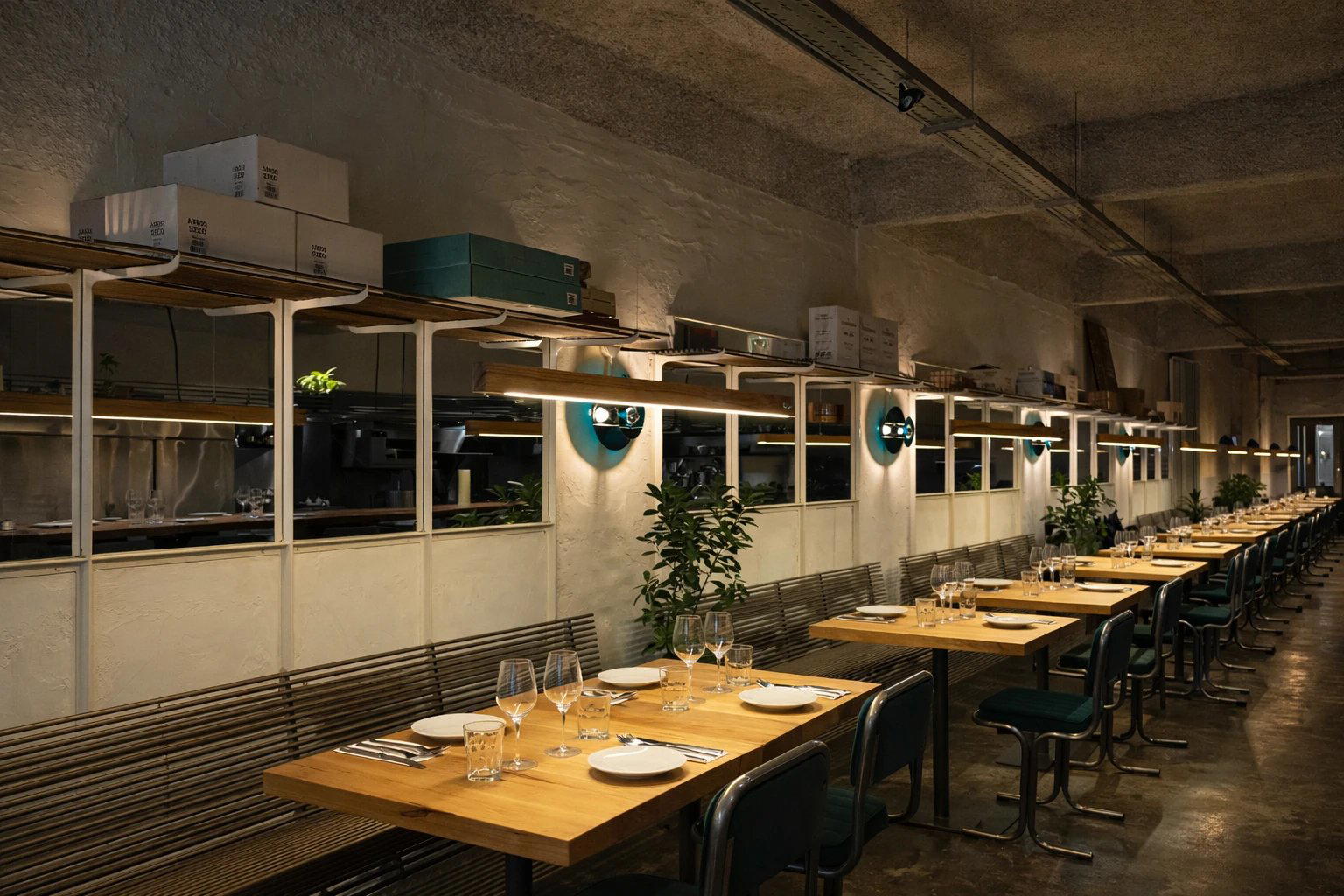
Approaching Buenos Aires at night, the city feels less ceremonial than in the postcard version: working streets, dinner starting late, and a crowd that treats Italian food as part of daily Argentine grammar rather than an imported special occasion. Bochinche sits inside that tradition. The point is not Italy reproduced in miniature; it is the Buenos Aires habit of absorbing Italian regional cues into a local table culture shaped by sharing, late hours and a relaxed relationship with formality.
Italian-Argentine cooking has never been a single cuisine. It carries the pull of immigration, neighbourhood pasta houses, pizza counters, family Sunday meals and newer restaurants willing to make the category sharper. In Buenos Aires, the useful question is not whether a place is “authentic” to one Italian region. It is whether the kitchen understands the difference between Roman directness, Tuscan rusticity, Neapolitan dough culture and Milanese comfort, then lets those ideas survive contact with Argentina’s appetite for abundance and social dining.
Italian regions, Buenos Aires rhythm
The Italian-Argentine label matters because it signals a negotiation rather than a theme. Roman cooking is often about restraint and salt-driven clarity; Tuscan references tend to lean on beans, bread, olive oil and grilled simplicity; Neapolitan influence enters Buenos Aires most visibly through pizza culture; Milanese memory lives in the cotoletta lineage that became Argentina’s milanesa. A restaurant working this lane has to choose whether to smooth those differences into generic trattoria language or let regional identities remain legible.
Bochinche is useful for travelers because it points away from the city’s over-familiar meat narrative. Buenos Aires can be read too narrowly through parrilla culture, especially by visitors who schedule every dinner around beef and Malbec. The Italian strand is just as central to how the city eats. Pasta, pizza, vermouth, schnitzel-like cutlets and shared plates are not secondary habits here; they are part of the city’s edible infrastructure. For a broader read on that range, use Our full Buenos Aires restaurants guide alongside adjacent city planning in Our full Buenos Aires hotels guide, Our full Buenos Aires bars guide, Our full Buenos Aires wineries guide and Our full Buenos Aires experiences guide.
The regional frame also helps set expectations. Diners chasing strict Neapolitan pizza orthodoxy, Roman pasta minimalism or Tuscan countryside cooking may find Buenos Aires more elastic than doctrinaire. That elasticity is the point. The city has long translated Italian references through local flour, local cheese culture, Argentine portion logic and social habits that favor lingering tables over fast turnover. Bochinche belongs to that conversation, where the reward is not purity but fluency.
Why this corner of the city changes the meal
Buenos Aires gives restaurants a different register from more polished, set-piece dining zones. The city has become one of South America’s more useful dining references for visitors who want meals without excessive grandeur. Rooms can feel less rehearsed, and the cooking often reads as more interested in format than ceremony. That suits Italian-Argentine food, which rarely benefits from excessive stiffness.
The timing matters as much as the setting. Buenos Aires dining culture runs late by North American and many northern European standards, and that rhythm changes how Italian food lands. A plate of pasta at the start of an early evening is one thing; the same category after the city has shifted into its later dinner tempo becomes part of a longer social pattern. Bochinche’s place in that rhythm makes it a smarter choice for travelers who want to understand how the city actually eats after dark rather than simply checking off a cuisine type.
For context inside Buenos Aires, other contemporary dining rooms show how wide the city’s current restaurant conversation has become. The useful contrast is categorical: some rooms push modern Argentine authorship, while Italian-Argentine places work with inherited forms that diners already know intimately. That inheritance can be limiting when handled lazily, but persuasive when the kitchen treats familiarity as a discipline.
How to read it against Argentina beyond the capital
Buenos Aires is not Argentina’s only serious dining reference, and Italian-Argentine food should be seen against a wider national table. Elsewhere in the country, restaurant culture can filter the meal through wine-country timing, fire cooking, colder-climate appetites or subtropical travel contexts. Buenos Aires, by comparison, is denser, later and more immigrant-coded.
That national contrast is useful because Bochinche’s appeal is not scale or spectacle. It is a city-specific reading of Italian inheritance. The decision to eat here makes sense for a traveler who has already understood that Buenos Aires is not only asado, and that the city’s Italian side is not a decorative sidebar. It is one of the main ways porteños have made imported traditions feel local.
Internationally, the category also resists easy analogy. Other global cities have their own immigrant-food dynamics, where inherited formats are interpreted through local dining habits. Buenos Aires does something parallel with Italy, but with a much longer and more domesticated imprint. At Bochinche, the interest lies in that domestication: regional Italian ideas absorbed so thoroughly that they can feel Argentine without losing their original accents.
Frequently asked questions
Can I bring kids to Bochinche?
Bochinche can be a practical choice for children when the meal is planned around the more relaxed side of Buenos Aires dining. Families should check current service details before going, especially if they prefer an earlier table.
What should I expect atmosphere-wise at Bochinche?
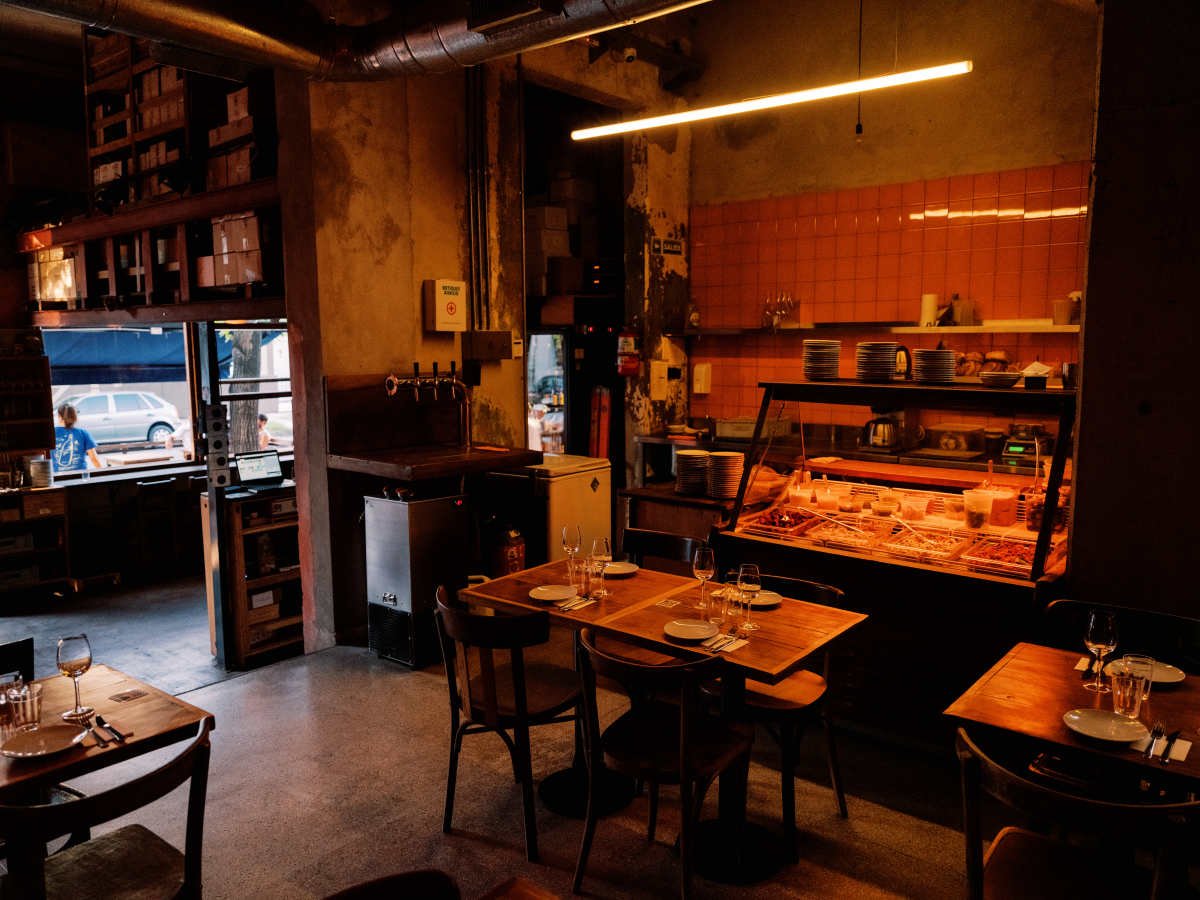
Expect an Italian-Argentine room in Buenos Aires rather than a polished hotel dining room. The appeal is its place in the city’s late, social dinner rhythm, with a tone that fits the relaxed fluency of Buenos Aires eating.
What type of food is Bochinche known for?
Bochinche serves Italian-Argentine cuisine.
Is Bochinche open every day?
Check Bochinche’s current opening schedule before visiting, as service days and times can change.
Reputation & Price
Comparable venues nearby, for context on price, style, and recognition.
| Venue | Cuisine | Price | Awards | Notes |
|---|---|---|---|---|
| BochincheThis venue — the venue you are viewing | Modern Italian pasta restaurant | Not listed | Not listed | Not listed |
| Cucina De Santo | Authentic Italian Trattoria | $20–30 | Not listed | Centro, Authentic Italian Trattoria |
| Atte. Pizzeria Napoletana | Neapolitan Pizzeria | Not listed | 50 Top Pizza Latin America #14 | Palermo Hollywood, Neapolitan Pizzeria |
| Caprichito | Comfort Italian Restaurant & Pizzeria | $30–50 | Conde Nast Hot List Restaurants | Palermo, Comfort Italian Restaurant & Pizzeria |
| El Cuartito | Traditional Argentine Pizza | $10–20 | Not listed | Centro, Traditional Argentine Pizza |
| El Pobre Luis | Argentine Parrilla Steakhouse | $20–30 | Not listed | Belgrano, Argentine Parrilla Steakhouse |
Continue exploring
More in Buenos Aires
Restaurants in Buenos Aires
Browse all →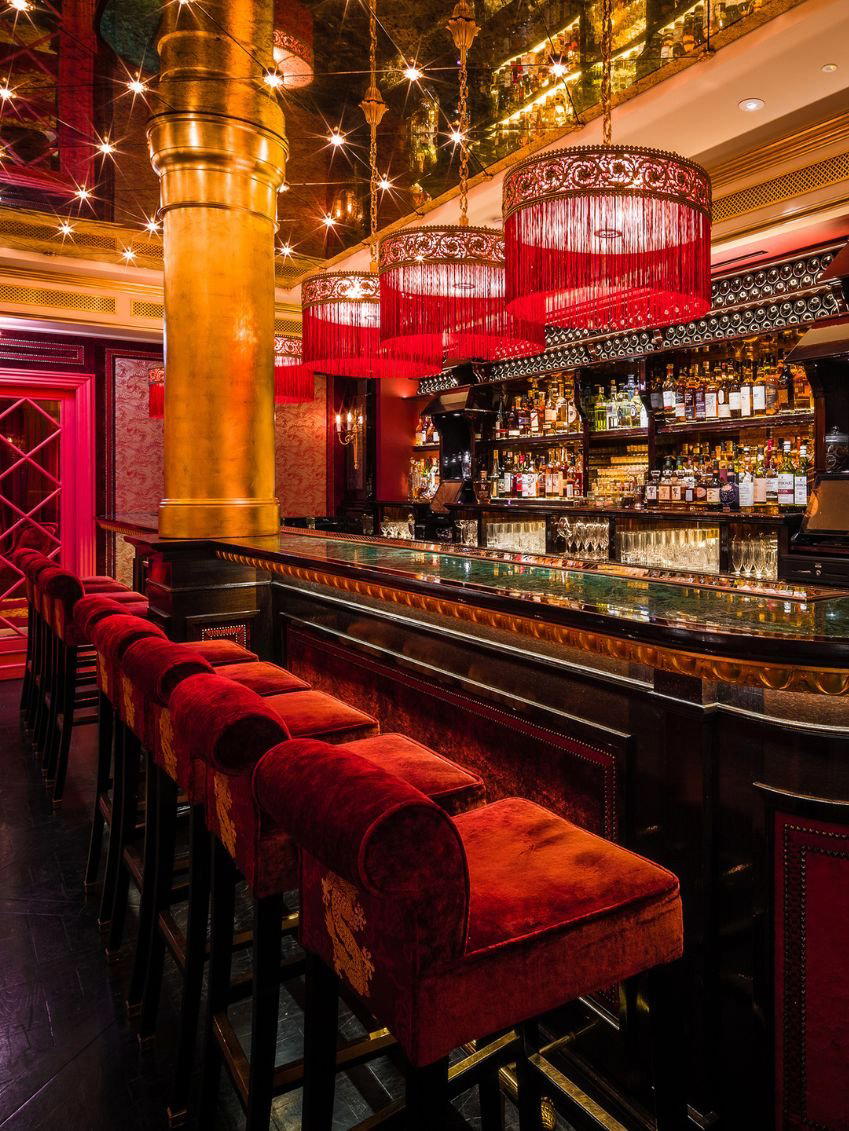
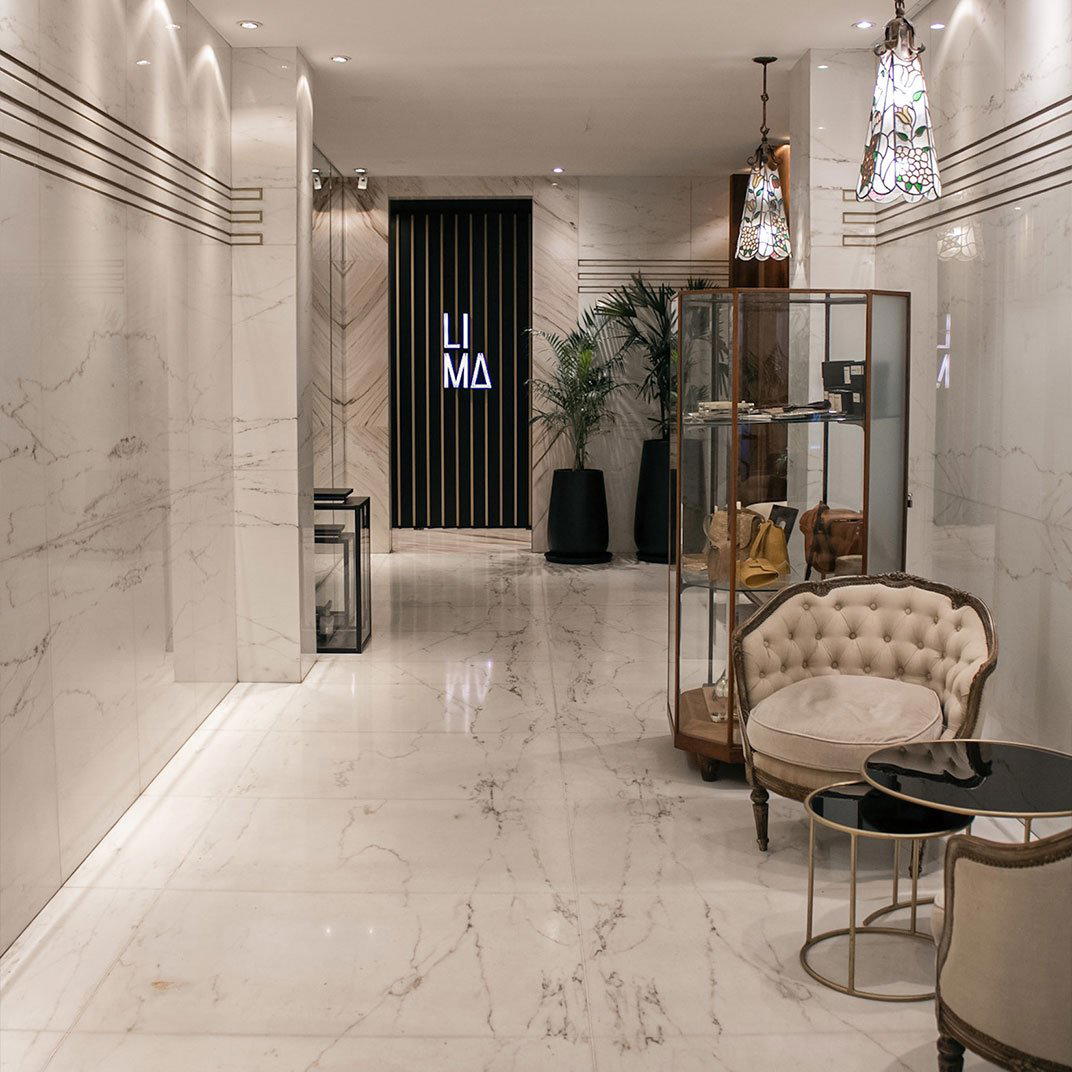
Bars in Buenos Aires
Browse all →
Hotels in Buenos Aires
Browse all →
Wineries in Buenos Aires
Browse all →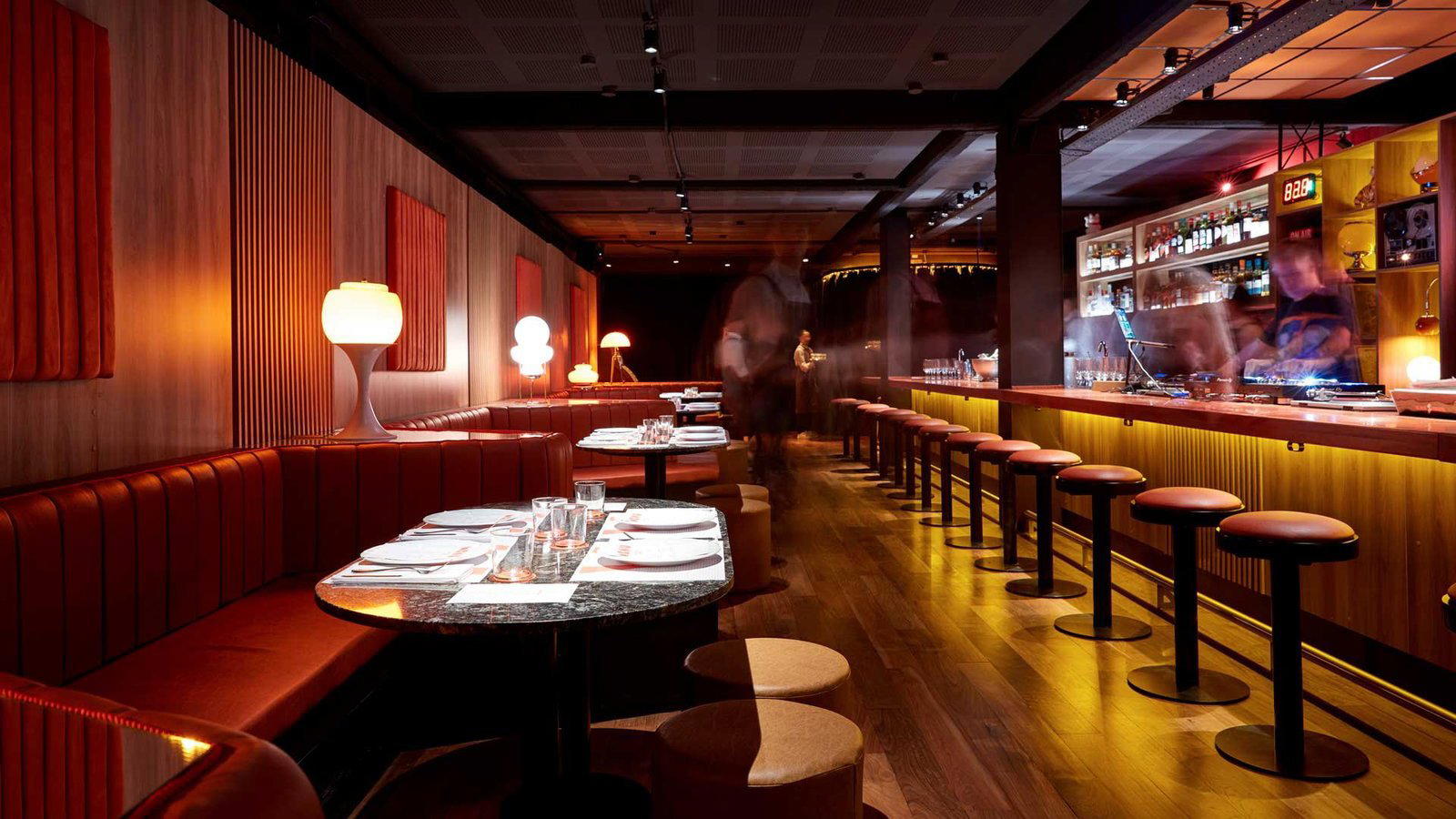
Details
- Date Night
- Group Dining
- Casual Hangout
- After Work
- Celebration
- Standalone
- A La Carte
Current opening hours
- Monday
- Closed
- Tuesday
- 8 PM–12 AM
- Wednesday
- 8 PM–12 AM
- Thursday
- 8 PM–12 AM
- Friday
- 8 PM–12 AM
- Saturday
- 12–4 PM, 8 PM–12 AM
- Sunday
- 12–4 PM
Hours can change for holidays and private events. Last verified .
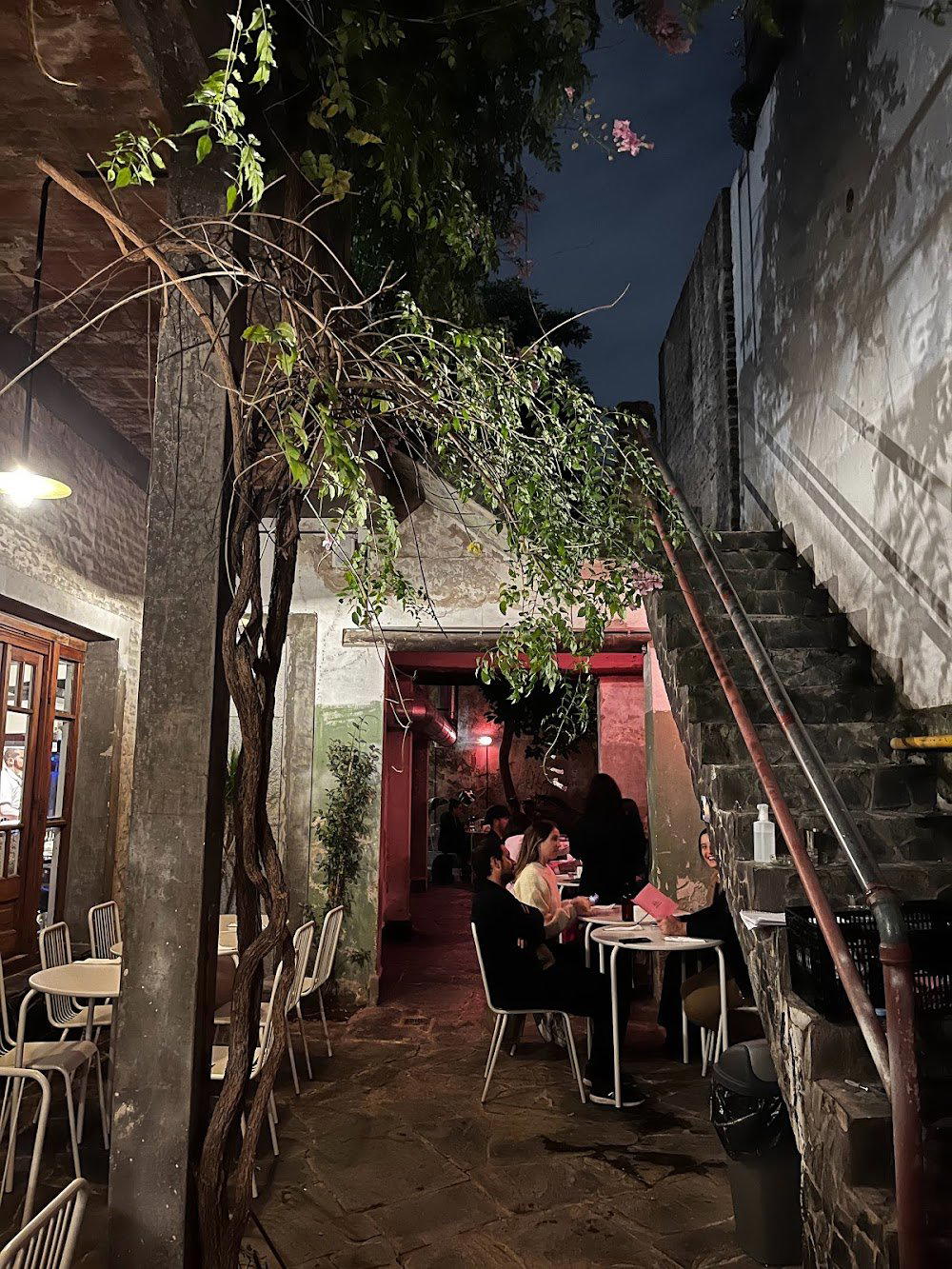
Contemporary neighborhood spot in Chacarita with a modern, buzzy feel; reviews describe a relaxed but energetic atmosphere centered around inventive pastas and a casual dining room rather than fine-dining formality.