Our verdict
Bobby&Fritz brings currywurst back to its working-class Hamburg roots at Nedderfeld 100 in the Lokstedt district. In a city where the dining conversation often skews toward Michelin-starred counters and modern European tasting menus, this spot holds its ground as a straight-talking street-food address built around one of Germany's most debated sausages. The ritual here is the point: order at the counter, eat standing or at a shared bench, move on.

Pearl is the En Primeur Club membership app — saves, bookings, and concierge access live there. Same editors, same standards.
- Address
- Nedderfeld 100, 22529 Hamburg, Germany
- Phone
- +4917670498357
- Hours
- Mon–Sat 11 AM–5 PMSun Closed
- Directions
- Get directions
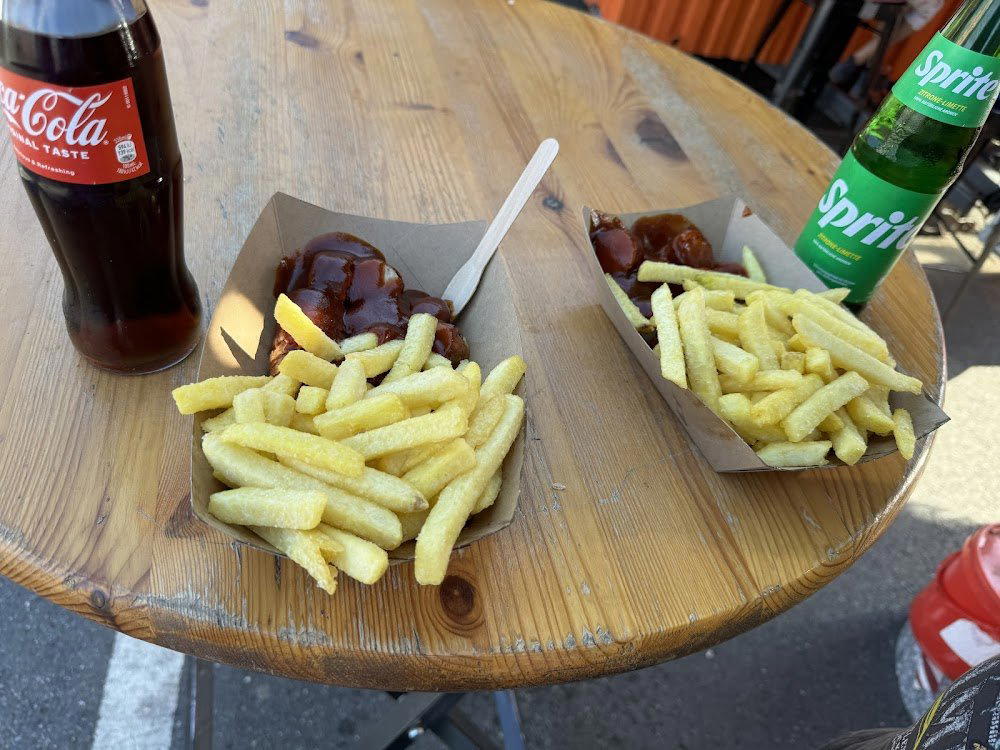
The menu
What to order
- Weißer Bobby
- Roter Bobby
- Beef Bobby
The Currywurst Counter as Hamburg Ritual
Hamburg's restaurant conversation tends to cluster around the Alster waterfront and the HafenCity developments, where addresses like Restaurant Haerlin and The Table Kevin Fehling set the price ceiling and the critical agenda. That conversation is worth having. But it leaves out the other half of how Hamburgers actually eat, and currywurst is somewhere near the centre of that other half. Bobby&Fritz; at Nedderfeld 100 in the Lokstedt district operates in that register: a counter-service address built around Germany's most discussed street sausage, in a residential neighbourhood far from the tourist belt.
Approaching the address, the aesthetic cues are deliberate in their plainness. Lokstedt is not a destination quarter in the way that Eimsbüttel or the Schanzenviertel have become; it is a functioning Hamburg neighbourhood where people live and work and eat without much editorial fanfare. That context matters. A currywurst stand earns its reputation not through positioning or concept but through repetition and trust, the way a neighbourhood baker or a corner butcher does. The ritual is the same every time you arrive: you approach the counter, you make your order, and you eat it quickly, probably standing.
What Currywurst Actually Demands
Germany's currywurst debate is older and more serious than outsiders tend to assume. The basic format — sliced pork sausage, tomato-based curry sauce, curry powder dusted over the leading — conceals a large number of variables that specialists and regulars treat as consequential. The quality and casing of the sausage (with skin or without, coarse or fine grind), the balance of sweetness and acid in the sauce, the grade of curry powder applied, and the temperature at which the dish arrives all carry weight in the assessment. Berlin and Hamburg have long maintained rival claims on the form, with Hamburg generally favouring a slightly sweeter sauce profile than the Berlin standard.
At the level of dining ritual, currywurst demands almost nothing from the diner in terms of etiquette, which is precisely where its cultural staying power comes from. You do not need a reservation. You do not need to dress for the room. You eat from a cardboard tray with a small wooden or plastic fork, often at a standing counter or on a pavement bench, and you are done in ten minutes. That accessibility is not accidental, it is the architecture of the format. In a city where 100/200 Kitchen and bianc ask for weeks of advance planning and multi-hour commitments, the no-friction counter is its own kind of offering.
Lokstedt and the Geography of Everyday Eating
Hamburg's eating geography is more layered than the fine-dining map suggests. The inner districts and the waterfront hold the headline addresses, but the residential outer quarters hold the everyday institutions that locals actually return to weekly. Lokstedt, in the city's northwest, sits between the more media-visible Eimsbüttel and the quieter Stellingen, a patch of Hamburg that functions largely on its own terms. A currywurst address here draws its customers from the surrounding blocks rather than from across the city, and that local dependency creates a different kind of accountability than a destination restaurant operates under. Regulars notice when the sauce changes. They notice when the sausage supplier shifts. The feedback loop is short and immediate.
This contrasts sharply with the €€€€ tier that defines Hamburg's critical high points, including Lakeside, where the experience is structured, paced, and built for occasion dining. Both models serve Hamburg, but they answer different questions about what a city's food culture actually contains. The broader German fine-dining circuit, from Schwarzwaldstube in Baiersbronn to Aqua in Wolfsburg and Vendôme in Bergisch Gladbach, operates with Michelin ambition and multi-course formats. Bobby&Fritz; operates at the other end of the same food culture, where the value is speed, price, and consistency rather than elaboration.
The Order and the Pace
The ordering protocol at a currywurst counter like Bobby&Fritz; follows a logic that regulars know without being told. You scan the board, you make a fast decision, and you give your order without extended deliberation. The staff expect efficiency. The queue behind you expects the same. Asking for modifications or extended explanations disrupts the rhythm that makes the format work. This is not unwelcoming, it is simply the grammar of the counter, the same grammar that governs a good ramen window in Tokyo or a serious sandwich counter in New York.
The pairing question at a currywurst counter is almost always resolved the same way: a bread roll on the side, sometimes fries. Beer is possible at some addresses, though not universal. What you are not doing is selecting from a wine list or considering a digestif. The meal has a clear beginning and a clear end, and the end comes quickly. For anyone spending time in Hamburg across a broader eating itinerary, perhaps including the high-concept dessert-led format at CODA Dessert Dining in Berlin or the precision cooking at JAN in Munich, Bobby&Fritz; represents the deliberate other pole of the eating spectrum.
Nedderfeld 100 is reachable by public transport from central Hamburg, which matters for a neighbourhood address without destination-restaurant draw. The Lokstedt area has a handful of everyday eating options, but a focused currywurst stop here is a daytime or early-evening proposition rather than a late-night one. Check local hours before making the journey from the city centre.
Where Bobby&Fritz; Sits in Hamburg's Eating Picture
Hamburg has a mature and self-aware food culture. The city supports Michelin-starred restaurants, ambitious modern European bistros, and a serious independent café and snack-bar scene that never required outside validation to function. Currywurst sits inside that independent layer, not as nostalgia or as concept, but as a live and continuing format that Hamburgers eat with genuine regularity. Bobby&Fritz; at Nedderfeld 100 is an address within that tradition, operating in a residential quarter where the standard is set by repeat custom rather than by critics.
For a fuller picture of Hamburg's eating options across price points and formats, the EP Club Hamburg restaurants guide covers the range from counter-service addresses to the €€€€ tier. Elsewhere in Germany, the fine-dining end of the spectrum is represented by addresses including Victor's Fine Dining by Christian Bau in Perl, ES:SENZ in Grassau, Schanz in Piesport, Waldhotel Sonnora in Dreis, and Bagatelle in Trier. The distance between those addresses and a currywurst counter in Lokstedt is what makes German food culture worth paying attention to. Internationally, the no-reservation counter format has its own distinguished practitioners: Le Bernardin in New York City operates at the opposite end of the formality axis, while Lazy Bear in San Francisco shows how communal dining formats can carry serious culinary ambition. Bobby&Fritz; makes no claim to that tier, and does not need to.
Frequently asked questions
What should I eat at Bobby&Fritz; – Currywurst?
Should I book Bobby&Fritz; – Currywurst in advance?
What do critics highlight about Bobby&Fritz; – Currywurst?
How does Bobby&Fritz; compare to currywurst in other German cities?
Comparison Snapshot
| Venue | Cuisine | Price | Awards | Notes |
|---|---|---|---|---|
| Bobby&Fritz – CurrywurstThis venue — the venue you are viewing | German Currywurst | $1–10 | Not listed | Not listed |
| The Table Kevin Fehling | Avant-Garde Fusion Fine Dining | $200–300 | 3 Michelin Stars · La Liste Top Restaurants | Creative |
| bianc | Modern Mediterranean Fine Dining | $200–300 | 2 Michelin Stars · La Liste Top Restaurants | Modern Mediterranean, Mediterranean Cuisine |
| Lakeside | Modern European Fine Dining | $200–300 | 2 Michelin Stars · La Liste Top Restaurants | German Lakeside |
| Heimatjuwel | Modern Regional German Vegetarian Fine Dining | Not listed | 1 Michelin Star · We're Smart World 3 Radishes | German, Creative |
| Landhaus Scherrer | Michelin-Starred North German Fine Dining | $150–200 | 1 Michelin Star · Star Wine List | Modern European, Classic Cuisine |
Continue exploring
More in Hamburg
Restaurants in Hamburg
Browse all →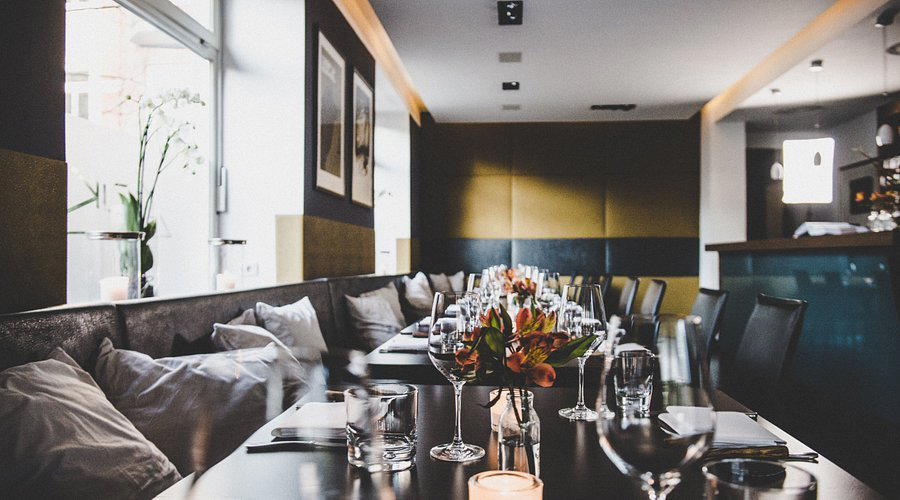
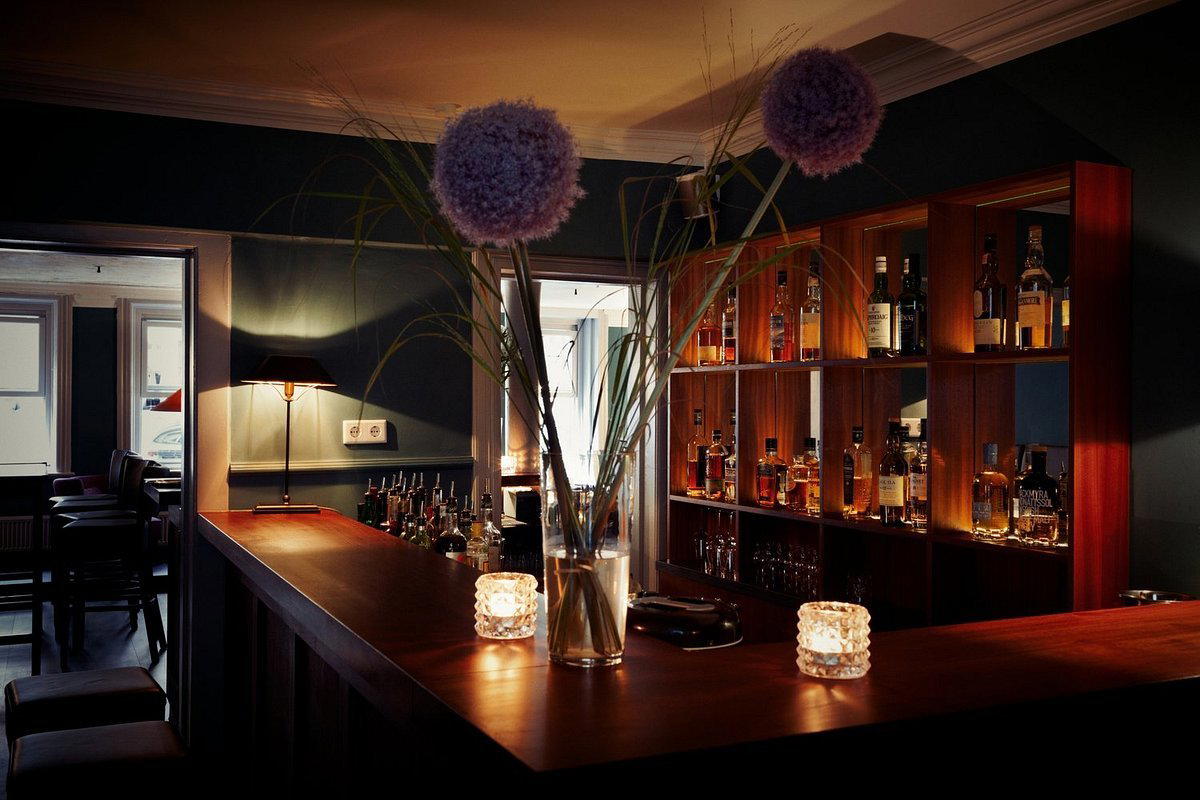
Bars in Hamburg
Browse all →

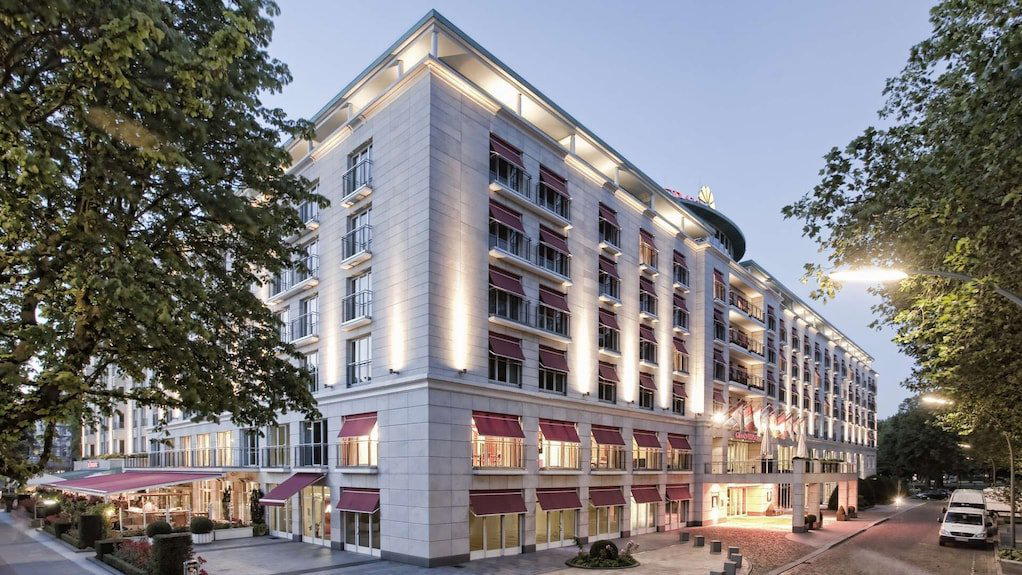
Hotels in Hamburg
Browse all →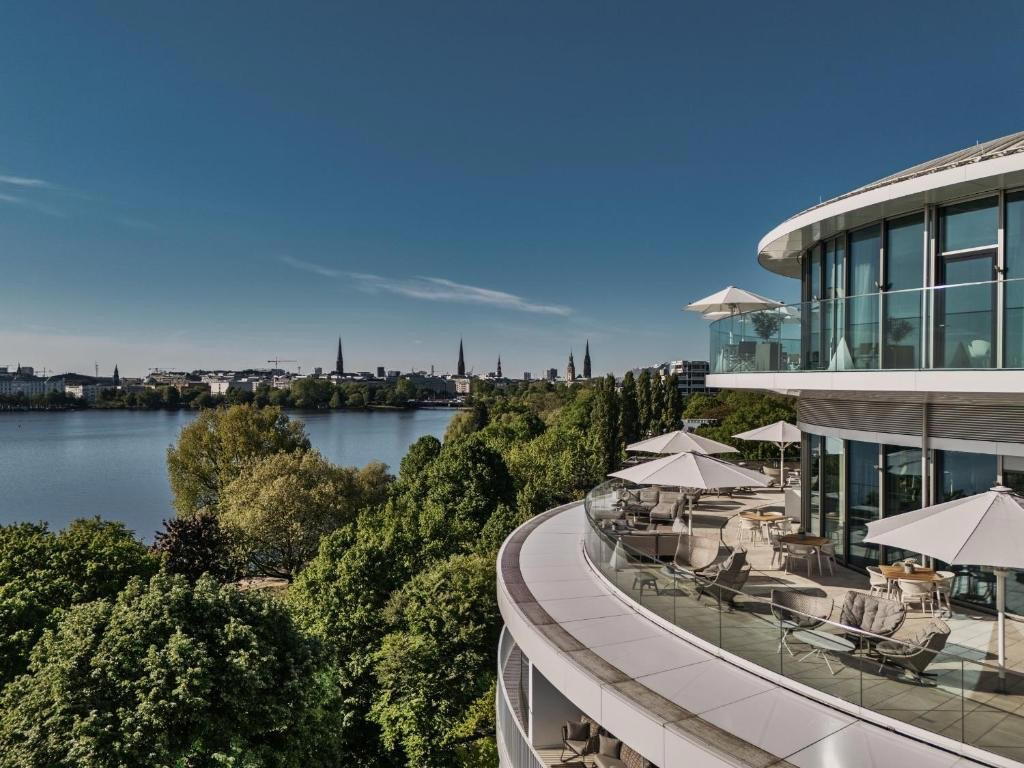
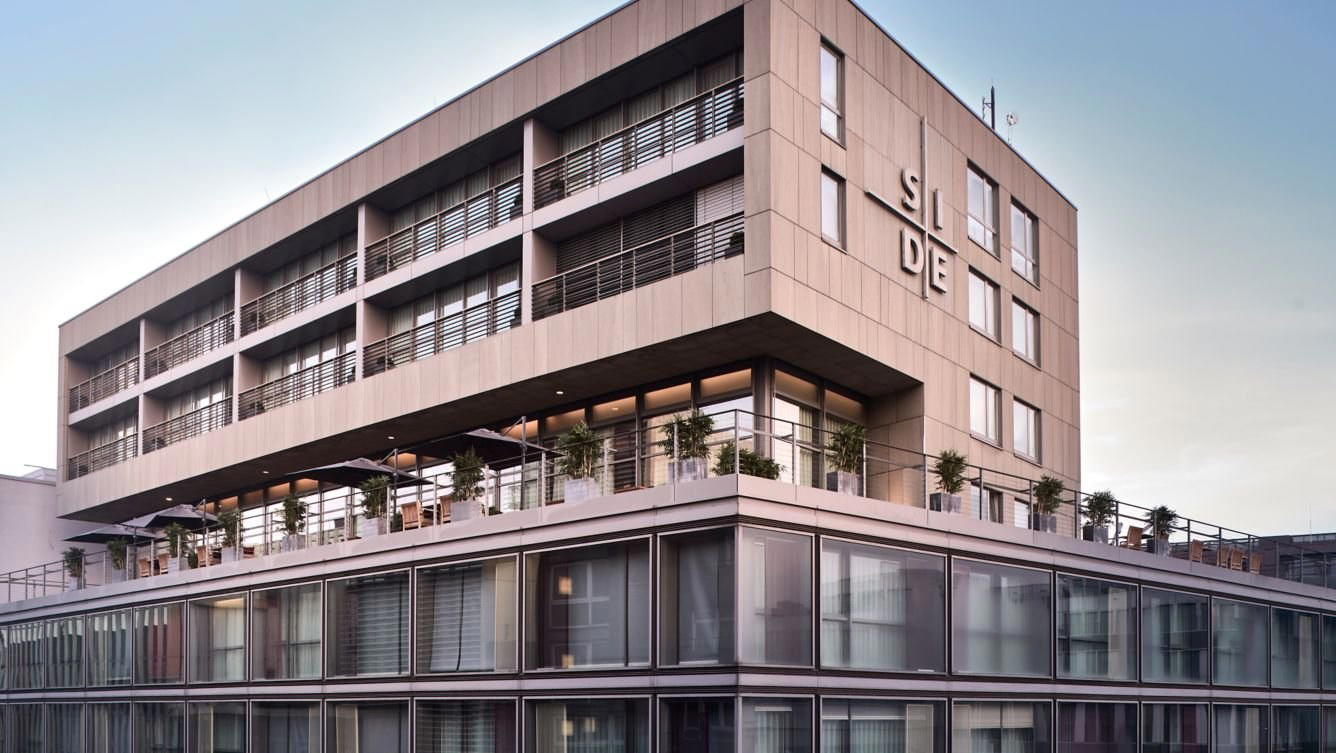
Wineries in Hamburg
Browse all →
Details
- Rustic
- Well Known
- Casual
- Casual Hangout
- Solo
- Group Dining
- After Work
- Counter Dining
- A La Carte
Current opening hours
- Monday
- 11 AM–5 PM
- Tuesday
- 11 AM–5 PM
- Wednesday
- 11 AM–5 PM
- Thursday
- 11 AM–5 PM
- Friday
- 11 AM–5 PM
- Saturday
- 11 AM–5 PM
- Sunday
- Closed
Hours can change for holidays and private events. Last verified .
Simple, rustic street food atmosphere with modern decor; casual and welcoming environment designed for quick service and high turnover.