Café Kaltehofe sits on a former water treatment island in Hamburg's Rothenburgsort district, where the industrial waterside setting does as much work as what arrives on the plate. Positioned outside Hamburg's concentrated fine-dining corridor, it draws a different crowd than the city's high-ticket tasting-menu rooms, placing it alongside destination spots where location and provenance shape the experience as decisively as the kitchen.
Pearl is the En Primeur Club membership app — saves, bookings, and concierge access live there. Same editors, same standards.
- Address
- Kaltehofe-Hauptdeich 6-7, 20539 Hamburg, Germany
- Phone
- +49406759950999
- Website
- dante-kaltehofe.de
- Directions
- Get directions
 Saves & bookings on Pearl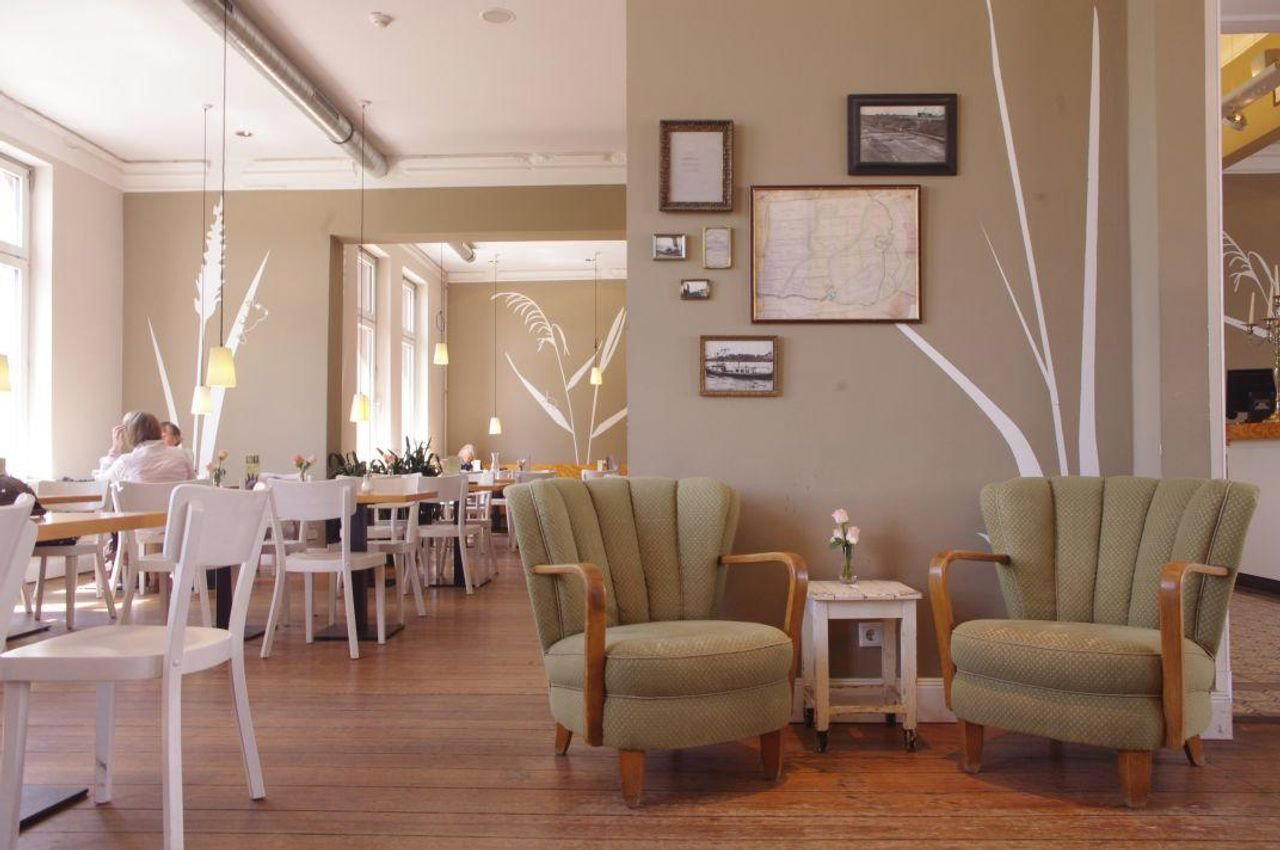
Water, Industry, and a Table Worth Crossing the City For
Café Kaltehofe is a restaurant in Hamburg, Germany, with a casual dress code and a price of about $15 per person. Hamburg's restaurant geography has a clear centre of gravity. The Michelin-starred rooms cluster predictably: Restaurant Haerlin in the Vier Jahreszeiten, The Table Kevin Fehling on the HafenCity waterfront, 100/200 Kitchen drawing a devoted following in the west of the city. Against that pattern, Café Kaltehofe occupies genuinely separate ground, sitting on the Kaltehofe island in Rothenburgsort, a former water filtration site southeast of the city centre that has been reimagined as a public park and heritage complex. Arriving here feels less like finding a restaurant and more like finding a destination that happens to serve food. The Elbe is close. The reed banks and filter basins of the old waterworks are closer still. That physical context is not incidental to the experience, it defines it.
Hamburg's dining scene has long been stratified between the high-ticket tasting rooms that compete against international peers and the neighbourhood places that serve the city rather than the guidebooks. Café Kaltehofe fits neither category cleanly. Its location, on reclaimed industrial land with serious architectural character, places it in a small cohort of Hamburg restaurants where the setting carries the weight that pedigree carries elsewhere. Think of how Lakeside uses its waterside position as an active part of the proposition, or how bianc leans into the visual drama of its room. Café Kaltehofe's version of that logic is more elemental: it trades on island access, heritage architecture, and a particular quality of light over water that no amount of interior design can replicate.
Provenance and Place: What the Location Implies About the Kitchen
The editorial angle that matters most when assessing a place like this is ingredient sourcing, specifically, how a restaurant's physical position shapes what reaches the table and how that food is understood. Northern Germany's food culture has always been shaped by proximity: to the North Sea for fish and shellfish, to the flat agricultural hinterland for pork, dairy, and root vegetables, to the waterways that historically moved goods into and out of Hamburg's port. A café operating on a water-heritage site in this city sits, whether intentionally or not, inside a long conversation about food and landscape. The Elbe estuary that made Hamburg a trading city is the same system that gave the region its smoked eels, its pickled herring, its sturdy bread traditions. That lineage doesn't require a tasting menu to be legible. It can be present in something as simple as which fish supplier a kitchen calls on a Tuesday morning, or whether the bread on the table comes from a local mill.
Germany's strongest contemporary restaurants have increasingly made provenance central to their identity. Schwarzwaldstube in Baiersbronn is inseparable from its Black Forest context. ES:SENZ in Grassau draws its identity from Alpine surroundings. Even urban rooms like CODA Dessert Dining in Berlin make strong statements about what they source and why. The leading argument for a restaurant in the restaurant's position is that the setting does half the work of communicating provenance before a dish arrives. When the view from your table includes a nineteenth-century filtration basin and the waterway that has defined Hamburg for centuries, context arrives automatically.
Hamburg's Broader Dining Spectrum
Understanding where the restaurant sits requires some mapping of the city's broader dining range. At the leading end, Hamburg's tasting-menu rooms now compete comfortably against Germany's other major fine-dining cities. The Table Kevin Fehling operates at the €€€€ tier with creative menus that have earned sustained critical attention. Vendôme in Bergisch Gladbach and JAN in Munich represent what German kitchens at the highest level are doing nationally. Hamburg's own Haerlin belongs to that conversation. Below that tier, the city has a dense layer of serious restaurants working in modern European, Mediterranean, and updated German registers.
The restaurant operates outside those competitive brackets by virtue of geography and format. It is not in competition with the city's fine-dining rooms. It is in competition with the idea that a worthwhile meal requires a prestigious address. That is a legitimate argument, and it's one that a growing number of well-positioned European cafés and bistros are making successfully. Across Germany and beyond, restaurants anchored in specific landscapes, whether coastal, alpine, or, as here, post-industrial waterside, have found that a committed sense of place can build loyalty that no number of award listings guarantees. Waldhotel Sonnora in Dreis and Schanz in Piesport both demonstrate how regional embeddedness creates a different kind of credibility than urban prestige alone. At the international level, places like Le Bernardin in New York City and Lazy Bear in San Francisco show how format conviction, rather than location prestige, can define a restaurant's identity over time.
The Rothenburgsort Context
Rothenburgsort is not a neighbourhood that appears frequently in Hamburg dining guides. Historically a working-class and industrial district, it sits east of the city centre across the Elbe canals, separated from the tourist circuits of the Speicherstadt and HafenCity. The Kaltehofe waterworks island within it operated as part of Hamburg's water supply system from the late nineteenth century until decommissioning in 2006, after which the site was redeveloped as a park, museum, and event space. That trajectory, from infrastructure to heritage destination, is a pattern repeated across post-industrial European cities, and it typically brings with it a particular kind of visitor: curious, inclined toward context, less interested in conventional hospitality and more interested in places with a genuine reason to exist where they exist. Restaurants that position themselves to serve that audience are making a bet on the visitor's willingness to travel for specificity. Bagatelle in Trier and Victor's Fine Dining by Christian Bau in Perl both demonstrate, in their own ways, that serious dining does not require a city-centre postcode.
The restaurant represents a distinct category: the destination that asks you to travel toward it rather than happening to be on your route. That requires a degree of intent, and intent generally produces a more considered visit.
Know Before You Go
- Address: Kaltehofe-Hauptdeich 6-7, 20539 Hamburg, Germany
- District: Rothenburgsort, southeast Hamburg, plan for transit or a short drive; this is not a walk from the city centre
- Setting: Former water filtration island, Kaltehofe heritage park complex
- Bookings: Walk-ins are welcome.
At a Glance
Comparable venues nearby, for context on price, style, and recognition.
| Venue | Cuisine | Price | Notes |
|---|---|---|---|
| Café KaltehofeThis venue — the venue you are viewing | Not listed | $$ | Not listed |
| Oberhafen-Kantine | Not listed | $$ | HafenCity, Traditional Northern German Comfort Food |
| Strandperle | Neumuehlen, German Beach Bar Fare | $$ | Not listed |
| BLOCKBRÄU | Not listed | $$ | St. Pauli, Traditional German Brewery Cuisine |
| Restaurant Engel | Not listed | $$$ | Klein Flottbek, Modern German Gourmet with Elbe Views |
| Hofbräu Hamburg | Neustadt, Traditional Bavarian Beer Hall | $$ | Not listed |
Continue exploring
More in Hamburg
Restaurants in Hamburg
Browse all →
At a Glance
- Cozy
- Scenic
- Brunch
- Casual Hangout
- Waterfront
- Historic Building
- Waterfront
Current opening hours
- Monday
- Closed
- Tuesday
- 10 AM–6 PM
- Wednesday
- 10 AM–6 PM
- Thursday
- 10 AM–6 PM
- Friday
- 10 AM–6 PM
- Saturday
- 10 AM–6 PM
- Sunday
- 10 AM–6 PM
Hours can change for holidays and private events. Last verified .
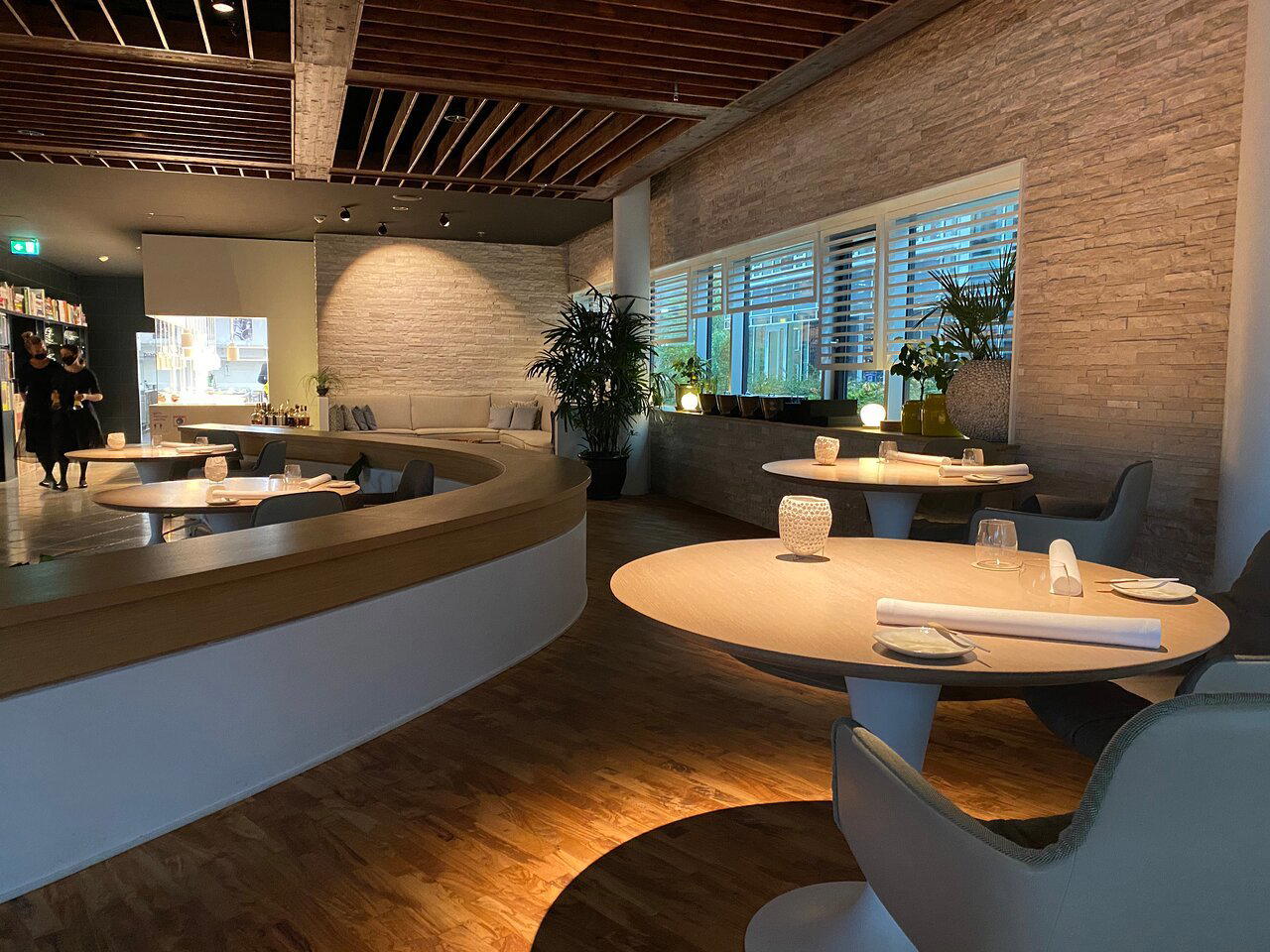
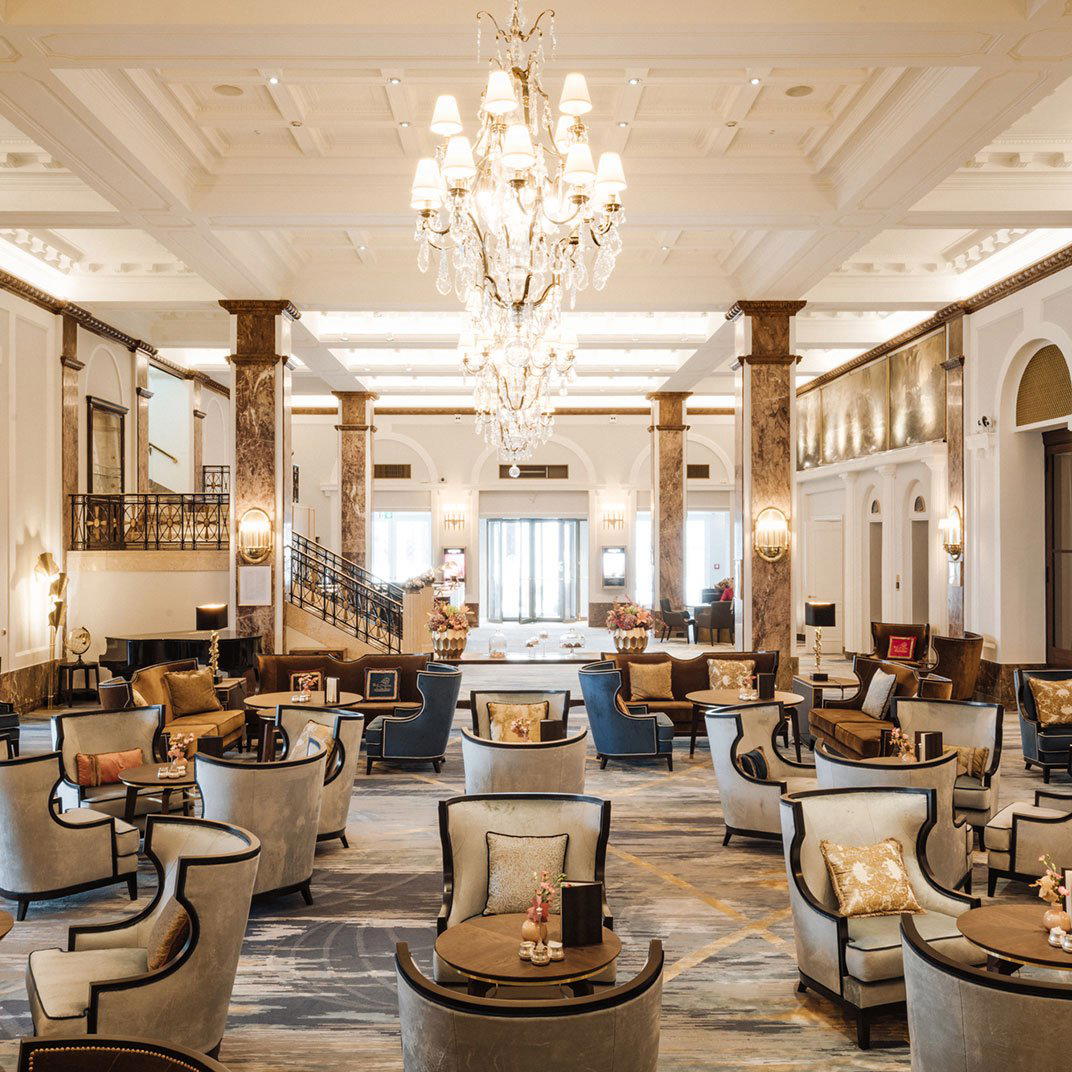
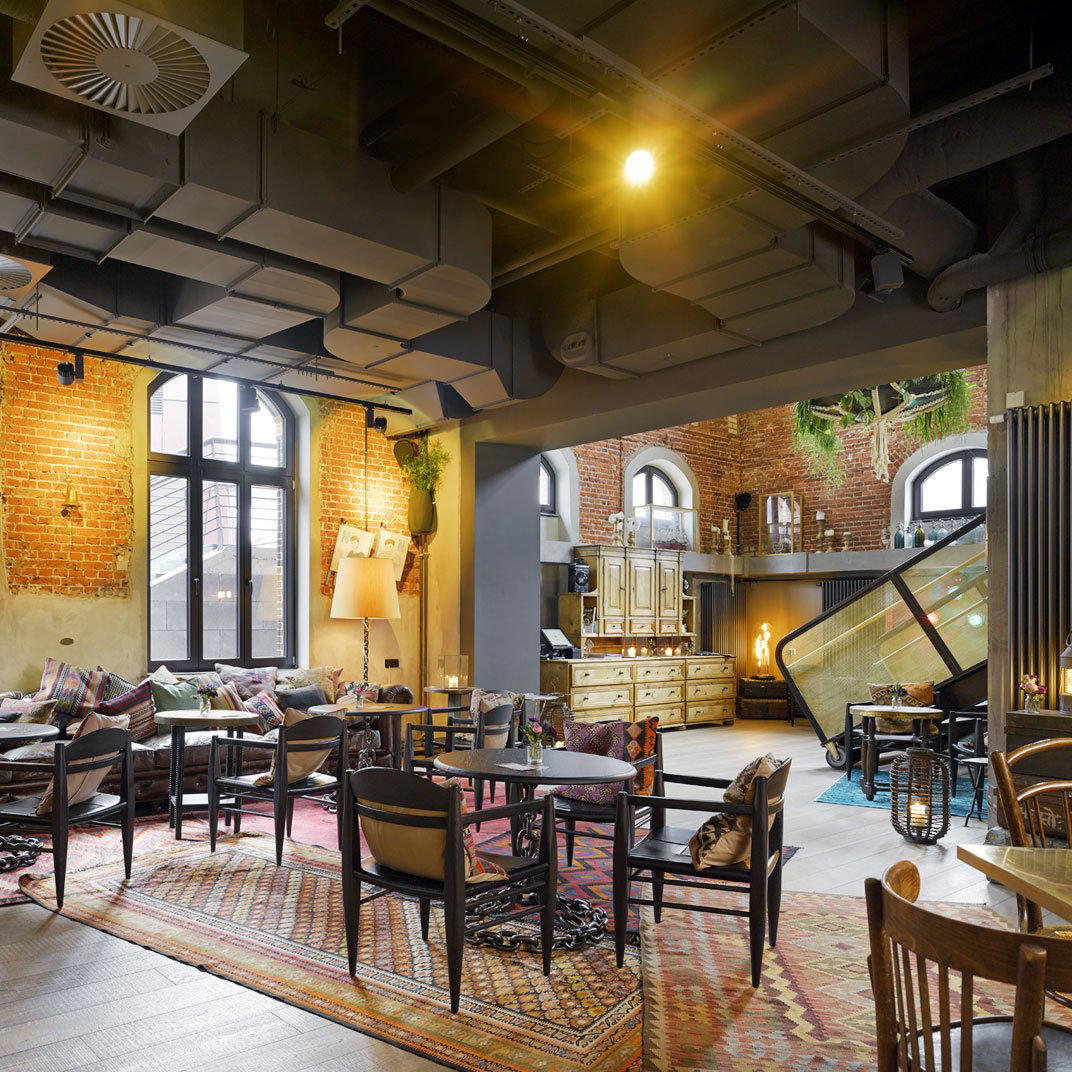
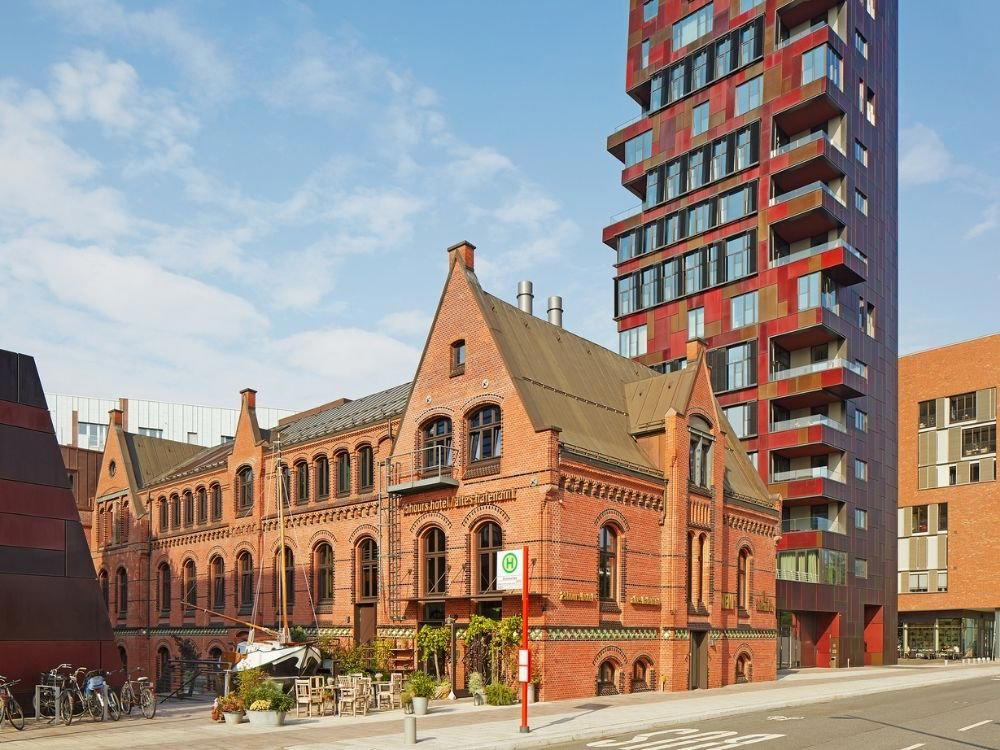
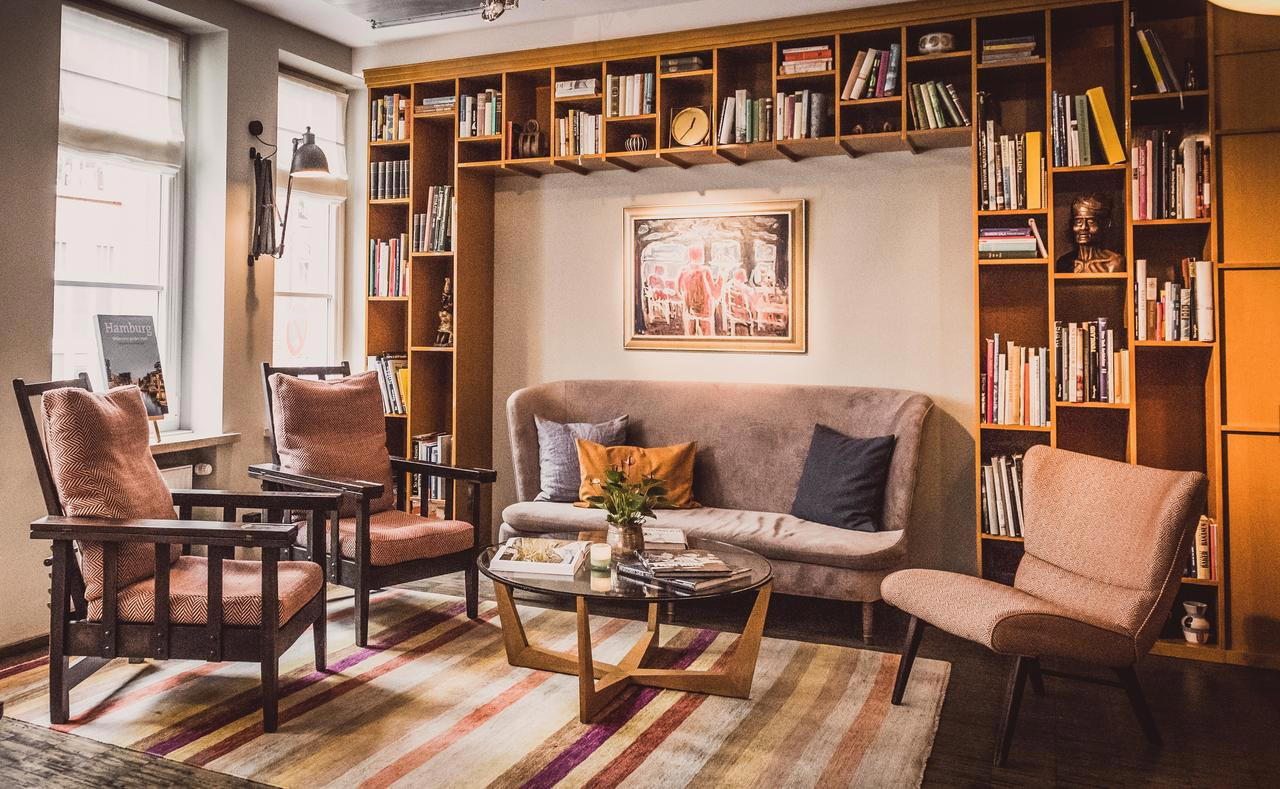
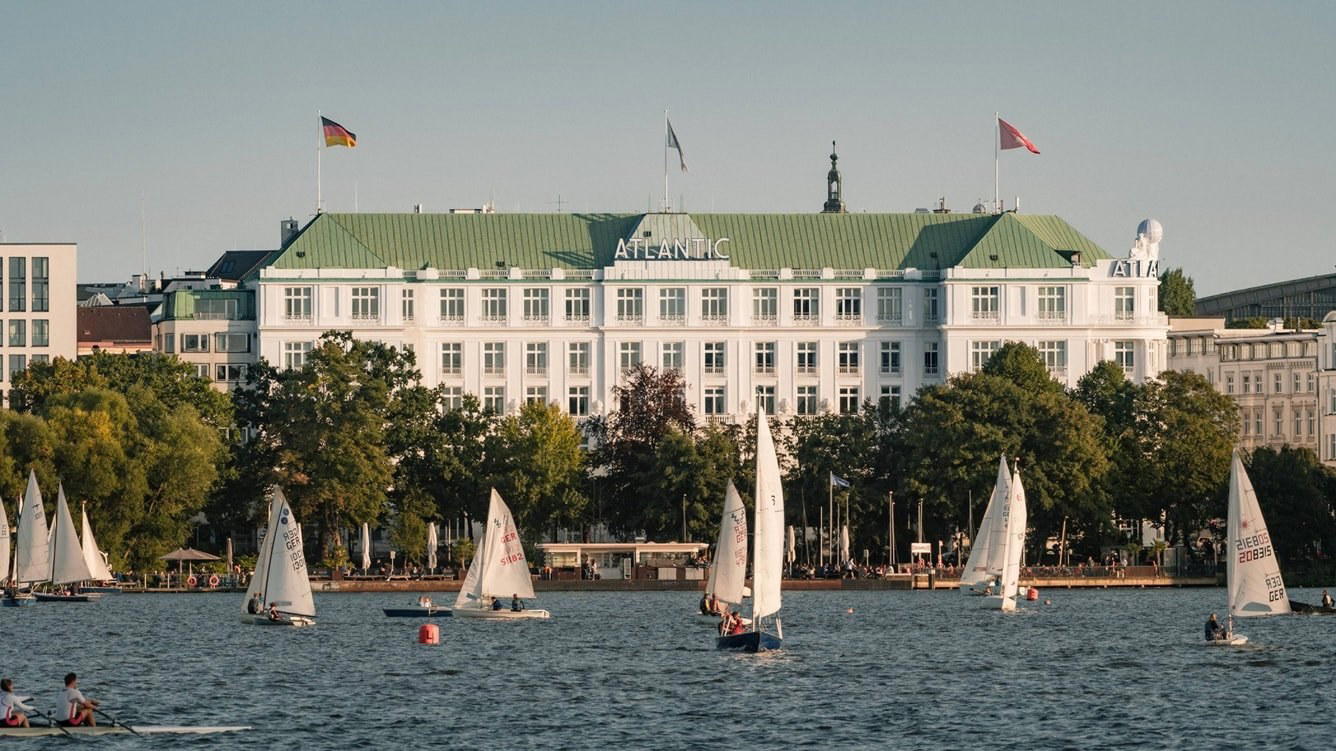
Cozy and relaxed lighting in a historic villa setting with scenic Elbe river views.