BOA Steakhouse
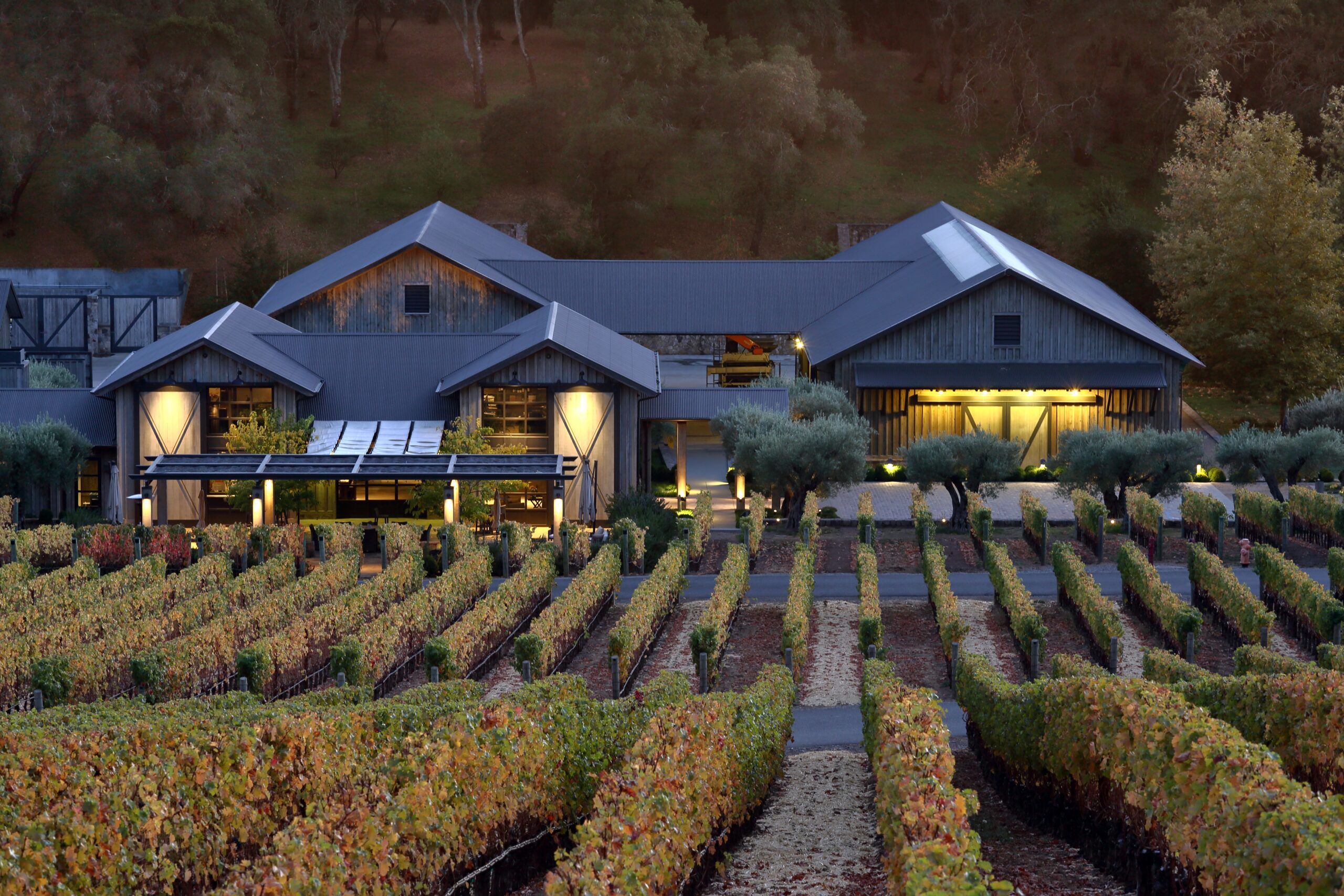
BOA Steakhouse at Casa Mani brings a focused steakhouse program to Napa Valley, where the surrounding wine culture creates unusually high expectations for beef-and-bottle pairing. Positioned within the Casa Mani property, the restaurant operates at the intersection of California produce sourcing and classic American steakhouse craft. For visitors already planning time in the valley, it offers a red-meat counterpoint to the region's tasting-menu circuit.
Pearl is the En Primeur Club membership app — saves, bookings, and concierge access live there. Same editors, same standards.
- Address
- Napa, United States
- Website
- boasteak.com
 Saves & bookings on Pearl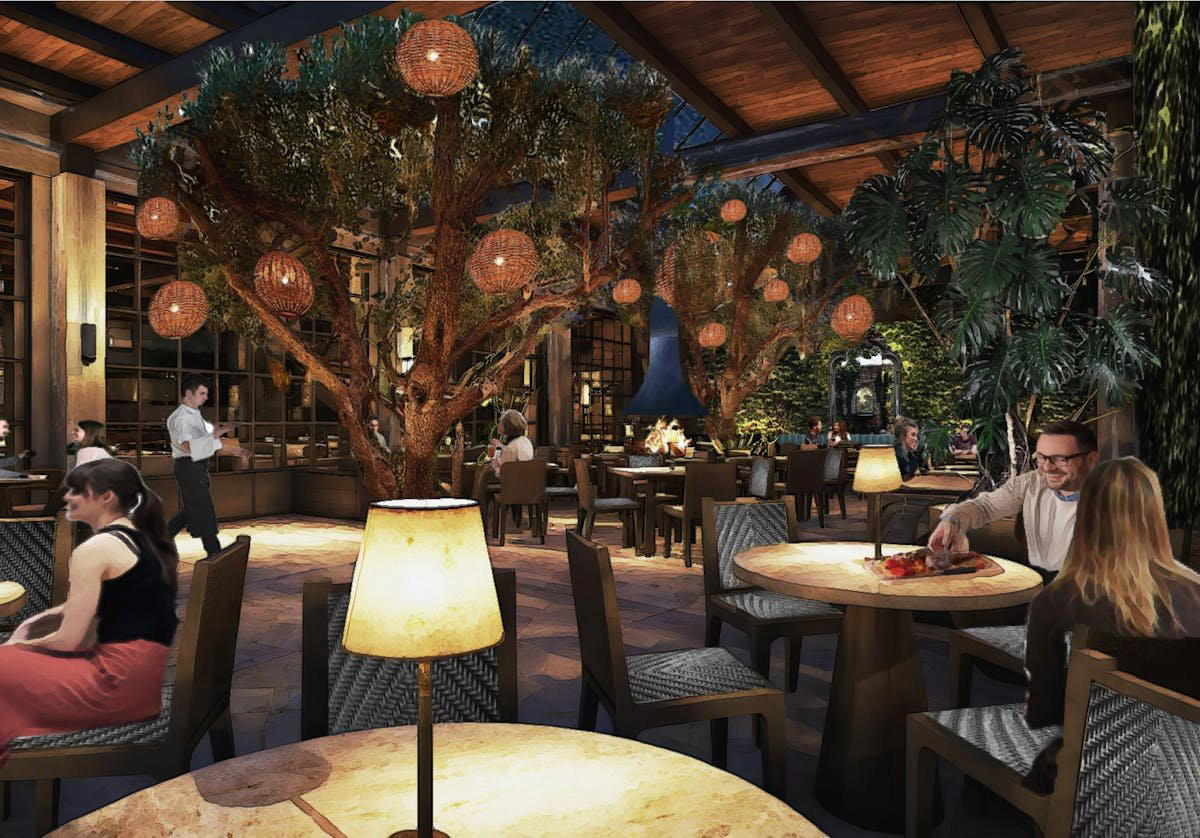
Steakhouse Dining in Wine Country: A Different Kind of Precision
Napa Valley built its dining reputation on restraint, provenance, and the long tasting menu. The arc from Thomas Keller's counter at The French Laundry to the wine-paired Californian cooking at The Restaurant at Auberge du Soleil defines what most visitors expect of the valley at the premium end. Against that backdrop, the steakhouse format asks a different question: not how many components can be placed on a plate, but how much flavour can be coaxed from a single cut of beef aged under controlled conditions. BOA Steakhouse operates within the Casa Mani property in Napa and occupies that specific niche in a region where most serious protein conversations still begin with the wine list.
The steakhouse as a format has undergone considerable refinement in American dining over the past two decades. Dry-aging programs that once ran 21 to 28 days at commodity-level operations have pushed into 45-, 60-, and even 90-day territory at premium counters, with the extended aging process concentrating umami, softening muscle fibre, and creating the faintly nutty, deeply savoury crust that defines the category at its higher end. In wine country specifically, that depth of beef flavour matters because the wines sitting alongside it, typically Cabernet Sauvignon from the valley floor or Napa's hillside AVAs, have the tannin and concentration to match it. The pairing logic of a well-aged steak with a structured Napa Cab is not incidental; it is coherent food-and-wine argument the region can make outside its tasting-menu format.
The Dry-Aging Argument
Dry-aging is a craft discipline that separates the operational steakhouse from the serious one. The process requires dedicated cold storage maintained at precise humidity and airflow, a commitment to carrying product that loses weight and trim over weeks, and a sourcing relationship with producers willing to supply whole sub-primals rather than pre-cut portions. At operations where dry-aging is genuinely central to the program, the result on the plate is measurable: a Maillard crust that caramelises faster at high heat, interior moisture concentrated into a denser, more intensely flavoured protein, and a finish that lingers longer than wet-aged equivalents.
Within Napa's dining context, that level of craft positions BOA Steakhouse at Casa Mani alongside a small cohort of restaurants in Northern California where beef technique receives the same methodical attention that flour fermentation gets at a serious bakery or grape sorting gets at a producer like those feeding the valley's leading tables. The comparison set for a dry-aging-focused steakhouse in this region extends beyond local peers; nationally, the format draws comparison with programs at venues like Capa in Orlando and A Cut in Taipei, both of which have built reputations on the precision of their beef programs rather than on broader culinary theatrics.
Casa Mani as Context
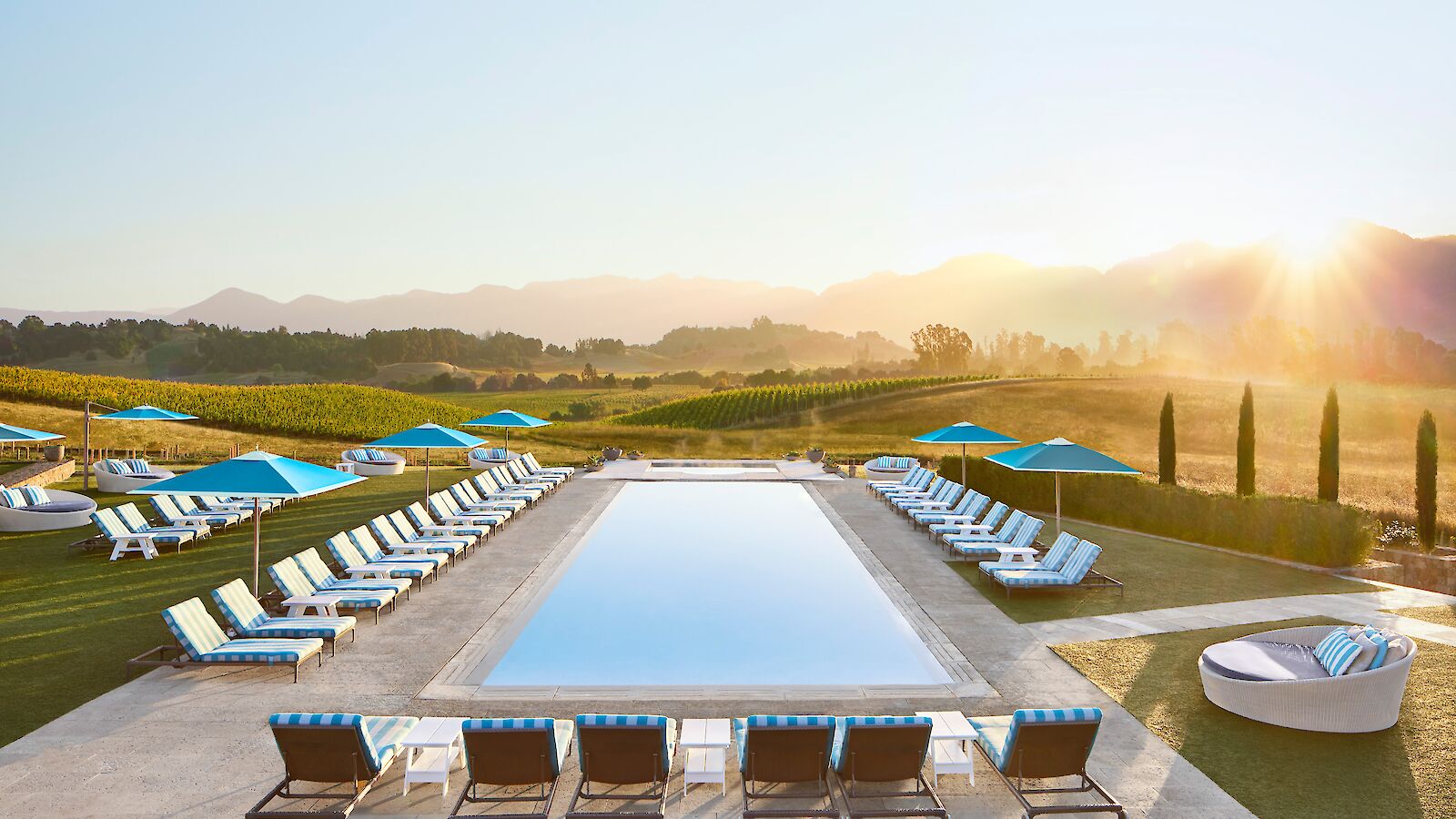
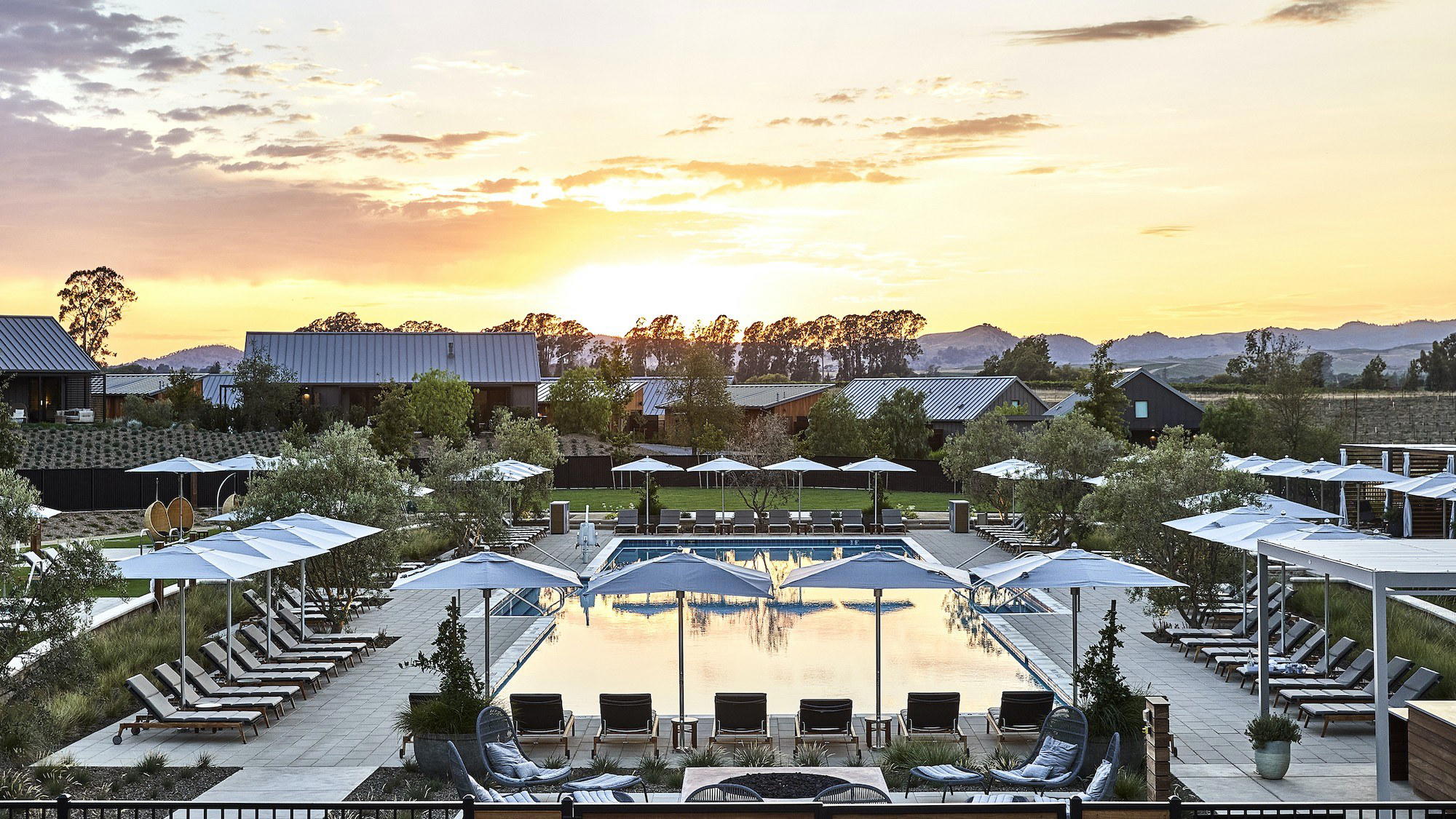
Operating within a host property changes how a restaurant functions in a city's dining ecosystem. The Casa Mani property gives BOA Steakhouse a degree of integration with Napa's hospitality infrastructure that a standalone steakhouse in a commercial strip would lack. For visitors staying within the property or nearby, the restaurant serves as a natural anchor for an evening that does not require moving across the valley. That convenience calculus matters in Napa, where many of frequently discussed restaurants, including Kenzo for Japanese omakase or Ad Hoc for Thomas Keller's more casual American format, require advance planning and specific trips into Yountville or downtown.
The property-embedded steakhouse also tends to attract a slightly different diner than the destination-only format. Guests arriving for wine-country stays who want serious food without a tasting-menu commitment, business travellers with a preference for a known format executed with care, and local regulars who treat the dining room as a reliable weekly anchor all contribute to a more varied room than the pure destination-dining tier. At the comparable end of the California dining spectrum, restaurants like Lazy Bear in San Francisco and Single Thread Farm in Healdsburg serve an almost exclusively reservation-driven destination crowd; a property steakhouse operates differently, with more room for flexibility.
Wine Country's Beef-and-Bottle Logic
Napa's producers have spent forty years calibrating their Cabernets toward a profile that makes them natural companions for red meat. The valley's warmth, its volcanic and alluvial soils, and the structural intervention of its winemakers converge on wines with the extract and acidity to cut through fat and the tannin to interact productively with a char-crusted crust. Steakhouses that understand this can build wine programs that function as genuine counterparts to the food rather than decorative additions to the table. For a visitor already committed to the valley for wine, adding a serious steakhouse dinner to the itinerary requires no conceptual leap; it is the format the region's wines were built to accompany.
That pairing argument reaches beyond Napa. Steakhouse programs at restaurant groups with national or international presence, including operations compared against venues as different as Le Bernardin in New York or Emeril's in New Orleans, have learned that wine-list depth is the variable that most differentiates the serious operator from the mid-market one. In Napa, the wine list is not optional credibility; it is table stakes, and a steakhouse operating in the valley with access to producer relationships and cellar depth has an advantage that equivalent concepts in other cities spend years trying to replicate.
Where It Sits in the Napa Dining Picture
Napa's dining tier runs from the globally cited destination format of The French Laundry at the leading, through mid-premium options like Angele for French bistro cooking along the river, down to casual wine-bar formats throughout the downtown corridor. The steakhouse occupies a distinct position in that range: it is not a tasting-menu experience, and it does not compete directly with the Californian farm-to-table format that dominates the valley's culinary identity. It competes instead on the premise that a single well-sourced, properly aged cut of beef, cooked with technical consistency and served with a glass of Napa Cabernet chosen for the pairing rather than the label, is its own complete argument for the region's dining credentials.
The same logic plays out in comparable dining destinations nationally. Restaurants like Bacchanalia in Atlanta, Addison in San Diego, Providence in Los Angeles, Blue Hill at Stone Barns in Tarrytown, and The Inn at Little Washington each anchor a regional dining scene by doing one thing with absolute consistency. For BOA Steakhouse at Casa Mani, that one thing is beef, aged and cooked to a standard that suits the valley's wine culture. And in Alinea-era American dining, where complexity is often the default signal of seriousness, a format that bets everything on a single product's quality and a kitchen's ability to execute it cleanly is, in its own way, a more demanding commitment.
Cost Snapshot
Comparable venues nearby, for context on price, style, and recognition.
| Venue | Cuisine | Price | Notes |
|---|---|---|---|
| BOA SteakhouseThis venue — the venue you are viewing | Not listed | $$$$ | Not listed |
| Cole's Chop House | Not listed | $$$$ | historic downtown Napa, Classic American Steakhouse |
| Morimoto Napa | Not listed | $$$$ | Downtown Napa, Contemporary Japanese Fusion |
| Raymond Vineyards | Not listed | $$$$ | St. Helena, Seasonal California Fine Dining |
| Caymus Vineyards | Rutherford, Wine Tasting | $$$$ | Not listed |
| Morimotos | Not listed | $$$$ | Downtown Napa Riverfront, Modern Japanese Fusion with Omakase |
Continue exploring
More in Napa
Restaurants in Napa
Browse all →
Bars in Napa
Browse all →
Hotels in Napa
Browse all →
At a Glance
- Modern
- Elegant
- Sophisticated
- Date Night
- Special Occasion
- Business Dinner
- Hotel Restaurant
- Private Dining
- Extensive Wine List
Candlelit elegance with glowing lanterns and warm, seductive stylish interior.