Caymus Vineyards
Caymus Vineyards sits in the Rutherford appellation, one of Napa Valley's most closely studied Cabernet Sauvignon sub-regions. The address on Conn Creek Road places it within a corridor that has shaped how the broader wine world understands ripe, structured California red. Visitors arrive to taste wines that have defined a particular register of Napa Cabernet for decades.
Pearl is the En Primeur Club membership app — saves, bookings, and concierge access live there. Same editors, same standards.
- Address
- 8700 Conn Creek Rd, Rutherford, CA 94573
- Phone
- +1 707 967 3010
- Website
- caymus.com
- Directions
- Get directions
 Saves & bookings on Pearl
Rutherford and the Cabernet Standard
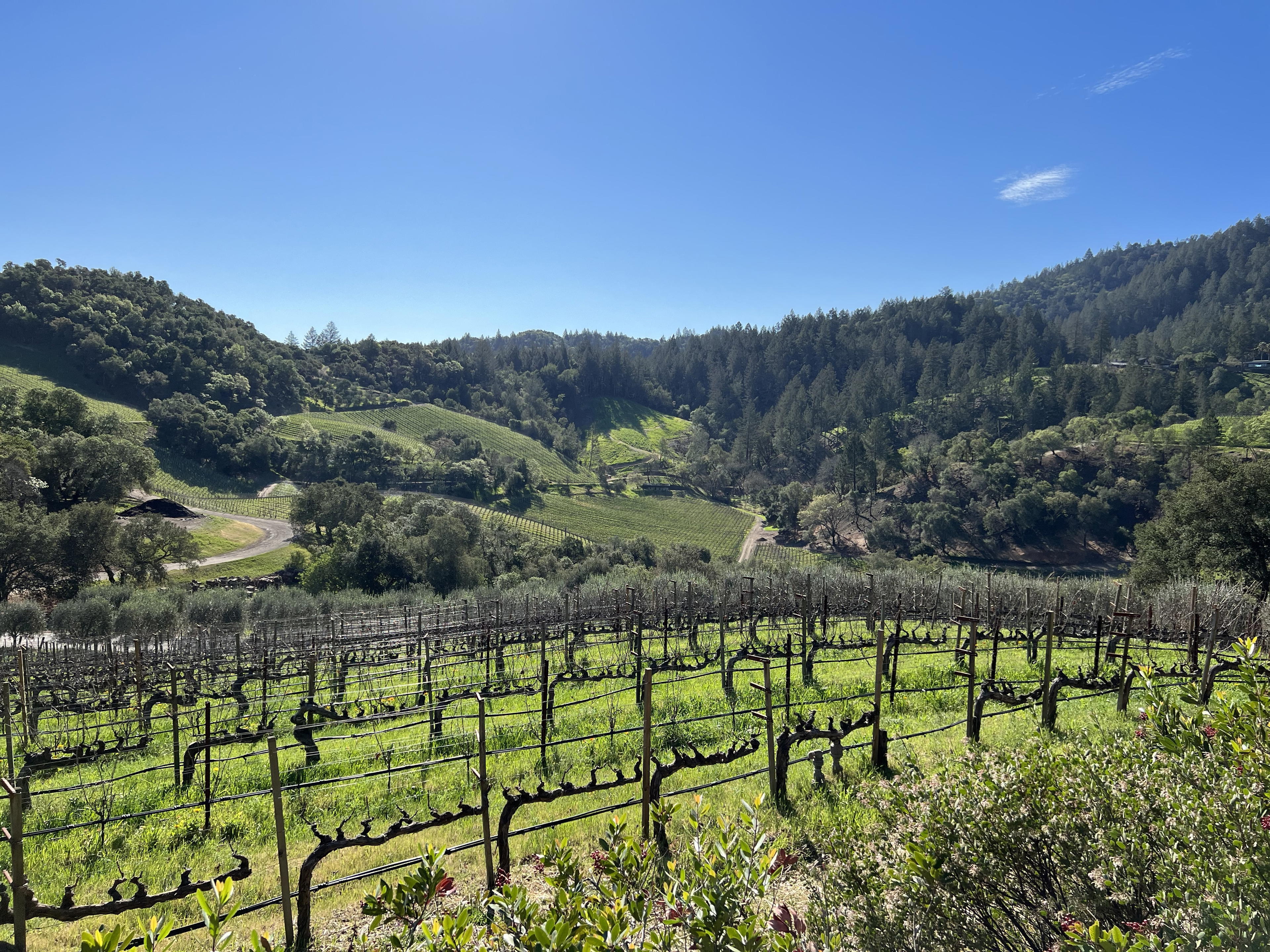
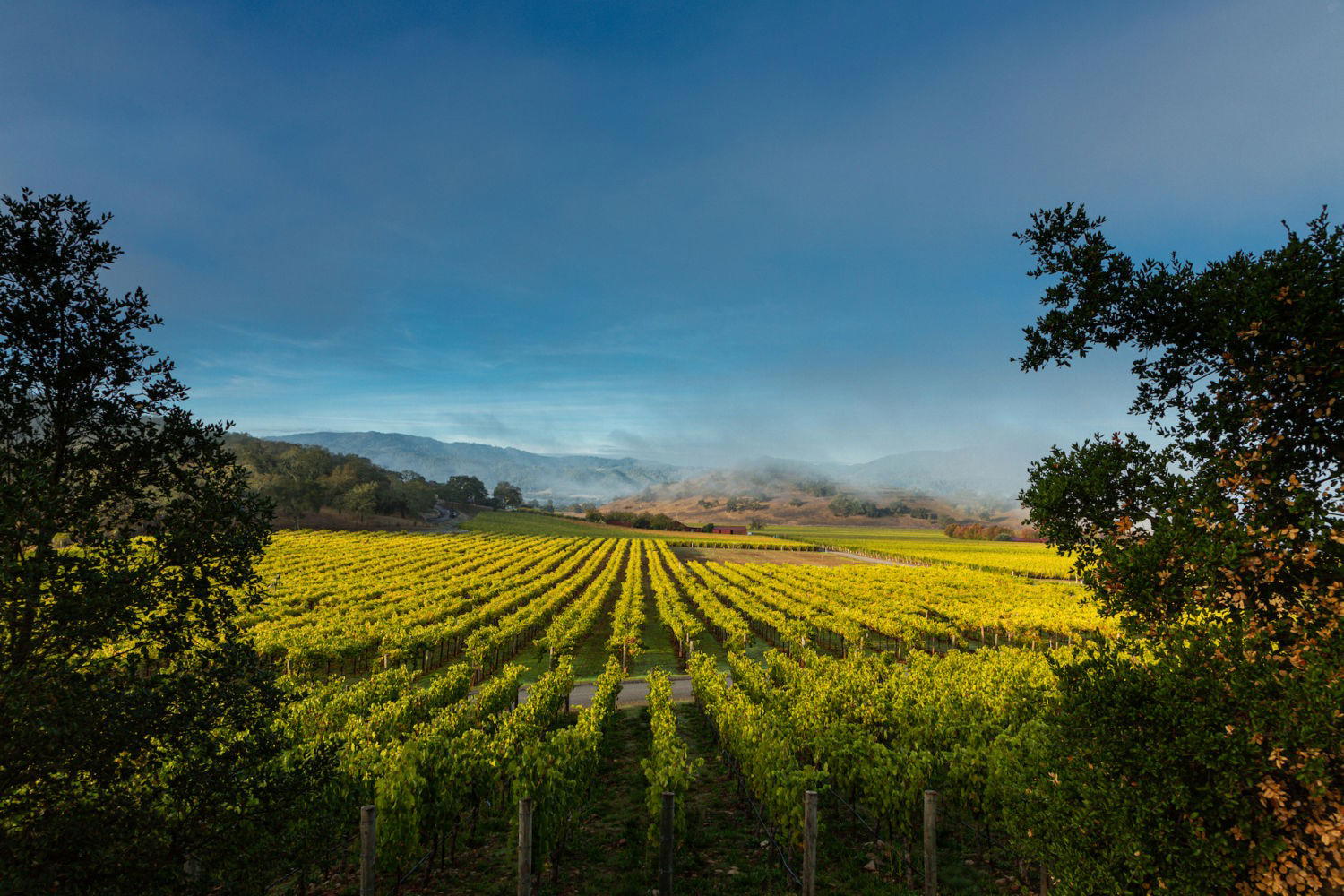
The drive along Conn Creek Road in Rutherford tells you something before you arrive anywhere. The valley floor here is dense with vine rows, the alluvial soils shallow enough to stress the plant and concentrate the fruit, and the afternoon heat reliable enough that ripeness is rarely in question. This is Napa at its most Cabernet-focused, and Caymus Vineyards at 8700 Conn Creek Rd sits squarely inside that tradition. Caymus Vineyards is a wine tasting room in Rutherford, Napa County,108 reviews and a smart casual, appointment-only visit style. Rutherford has its own appellation designation precisely because producers and critics recognised decades ago that wines grown here carry a particular texture, sometimes called "Rutherford dust" in tasting notes, a fine-grained tannic quality that sets the sub-region apart from Oakville to the south or Calistoga further north.
Within that context, Caymus represents the side of Napa that has long prioritised accessibility over severity. Where some Rutherford producers age toward austerity, the style associated with this address tends toward density and approachability. That positioning has made it one of the more frequently referenced names when writers and sommeliers describe what California Cabernet Sauvignon actually tastes like at scale. It is a reference point in the way that The French Laundry in Napa is a reference point for fine dining: a place where expectations for an entire category were partly formed.
Sourcing in a Region Where Origin Matters
Napa Valley's wine identity is inseparable from its geography, and that geography is unusually specific. The valley runs roughly 30 miles from south to north, with the Mayacamas range on the west side moderating heat and the Vaca Mountains on the east creating a different thermal profile. Within that corridor, sub-appellations like Rutherford, Oakville, and St. Helena carry distinct soil types and microclimate signatures that producers reference on their labels. Rutherford's benchland soils, a mix of gravel, loam, and volcanic material left by ancient river systems, are cited consistently in academic viticulture literature as contributing to the mid-palate weight that defines the appellation's character.
For producers working in this part of the valley, sourcing decisions carry particular weight. The question of whether fruit comes from benchland or hillside, from estate blocks or purchased vineyards, shapes both the wine's character and its market position. Caymus has been associated with Rutherford fruit across its history, and that connection to a specific, named sub-region is itself a credential in a market where appellation identity drives consumer confidence. Comparable estate-focused producers in the area, including Frog's Leap Winery and Kenefick Ranch Vineyard & Winery, each stake their identity on specific site relationships, reinforcing the broader Napa principle that provenance is the primary argument.
That sourcing logic extends beyond geography into farming practice. Napa's premium tier has moved steadily toward closer attention to soil health, canopy management, and reduced intervention in the cellar, partly because the valley's climate is forgiving enough that intervention is less necessary, and partly because the market increasingly rewards restraint. Ashes & Diamonds Winery represents one pole of that shift, drawing on mid-century California wine sensibilities and lower-alcohol profiles. Caymus occupies a different position on that spectrum, one where ripeness and richness are treated as assets rather than problems to be corrected.
How Caymus Sits in the Napa Visitor Circuit
Napa's tasting room circuit has stratified considerably over the past decade. At one end are appointment-only experiences at small-production estates, often requiring allocations or mailing-list membership to access. At the other are larger operations with walk-in availability and production volumes that make broad retail distribution possible. Caymus operates closer to the latter model in terms of visibility and reach, while its Rutherford address and historical reputation keep it in a different register from purely commercial operations.
For visitors building a Napa itinerary, that positioning has practical implications. Visitors who also want to eat well have strong options nearby: Brasswood Bar + Kitchen offers a kitchen-meets-winery format that integrates food and wine in a single stop, while Boon Fly Café at the southern end of the valley handles the more casual end of the meal.
The broader California dining conversation connects Napa to a network of kitchens that share its sourcing-first sensibility. Single Thread Farm in Healdsburg and Lazy Bear in San Francisco both treat ingredient provenance as the editorial spine of their menus, in the same way that Napa's estate producers treat vineyard origin as the central argument on their labels. That alignment between wine culture and restaurant culture in Northern California is not coincidental: the sourcing conversation started in these vineyards and moved into the kitchens. Nationally, comparable sourcing-led thinking appears at Blue Hill at Stone Barns in Tarrytown and Smyth in Chicago, both of which treat farm relationship as the organising principle of the plate.
Beyond the United States, the logic of place-based production finds parallels at Atelier Moessmer Norbert Niederkofler in Brunico, where Alpine sourcing shapes an entire culinary philosophy, and at Atomix in New York City, where Korean ingredient traditions provide the equivalent of an appellation framework.
Planning a Visit
Caymus Vineyards is located at 8700 Conn Creek Rd, Rutherford, CA 94573, on the valley floor in one of Napa's most consistently productive farming corridors. The restaurant is open daily from 9:30 AM to 4:30 PM and reservations are appointment only. For visitors combining the winery with a broader county itinerary, the Rutherford location works efficiently as a midday stop between morning and afternoon appointments.
In Context: Similar Options
Comparable venues nearby, for context on price, style, and recognition.
| Venue | Cuisine | Price | Notes |
|---|---|---|---|
| Caymus VineyardsThis venue — the venue you are viewing | Wine Tasting | $$$$ | Not listed |
| Odette Estate Winery | Winery Tasting Experience | $$$$ | Stags Leap District |
| Shafer Vineyards | Winery Tasting with Seasonal Cuisine | $$$$ | Napa Valley |
| Frog's Leap Winery | California Wine Country Tasting Experience | $$$ | Rutherford |
| Carabao | Modern Filipino | $$$ | Napa Valley |
| Morimotos | Modern Japanese Fusion with Omakase | $$$$ | Downtown Napa Riverfront |
Continue exploring
More in Napa
Restaurants in Napa
Browse all →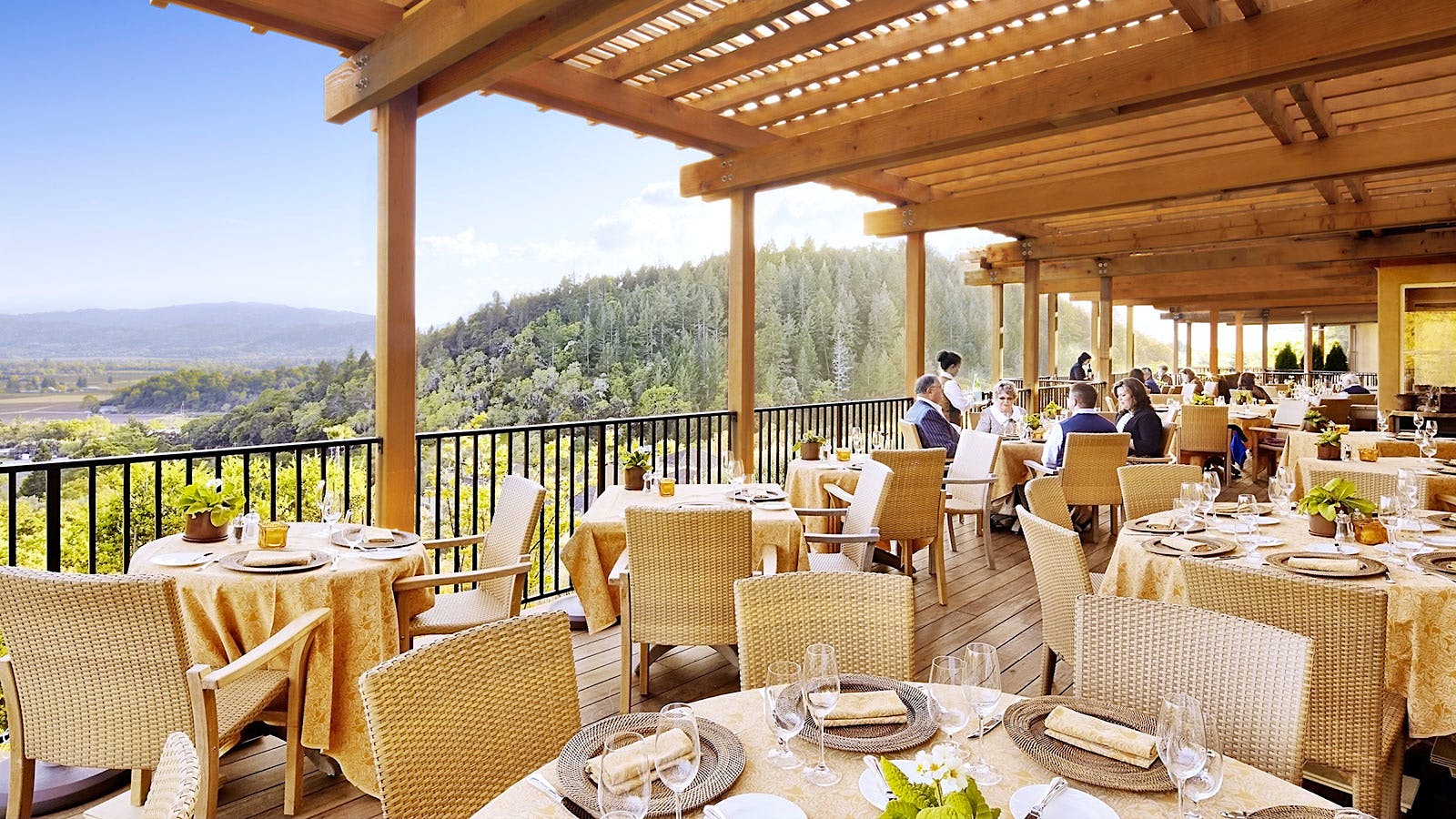
Bars in Napa
Browse all →

Hotels in Napa
Browse all →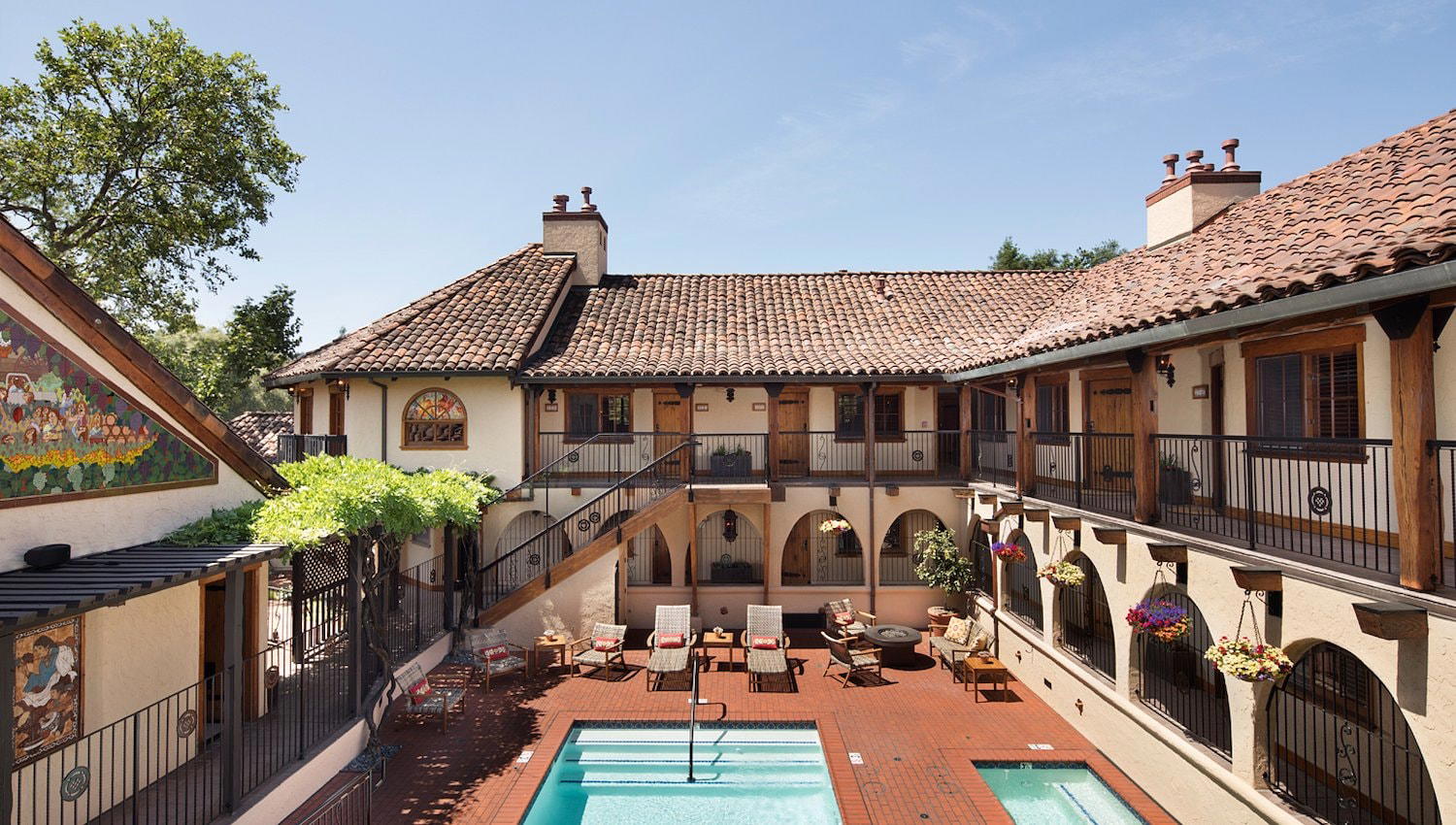


At a Glance
- Scenic
- Elegant
- Rustic
- Intimate
- Date Night
- Special Occasion
- Garden
- Wine Cellar
- Extensive Wine List
- Sommelier Led
- Local Sourcing
- Vineyard
- Garden
Current opening hours
- Monday
- 9:30 AM–4:30 PM
- Tuesday
- 9:30 AM–4:30 PM
- Wednesday
- 9:30 AM–4:30 PM
- Thursday
- 9:30 AM–4:30 PM
- Friday
- 9:30 AM–4:30 PM
- Saturday
- 9:30 AM–4:30 PM
- Sunday
- 9:30 AM–4:30 PM
Hours can change for holidays and private events. Last verified .
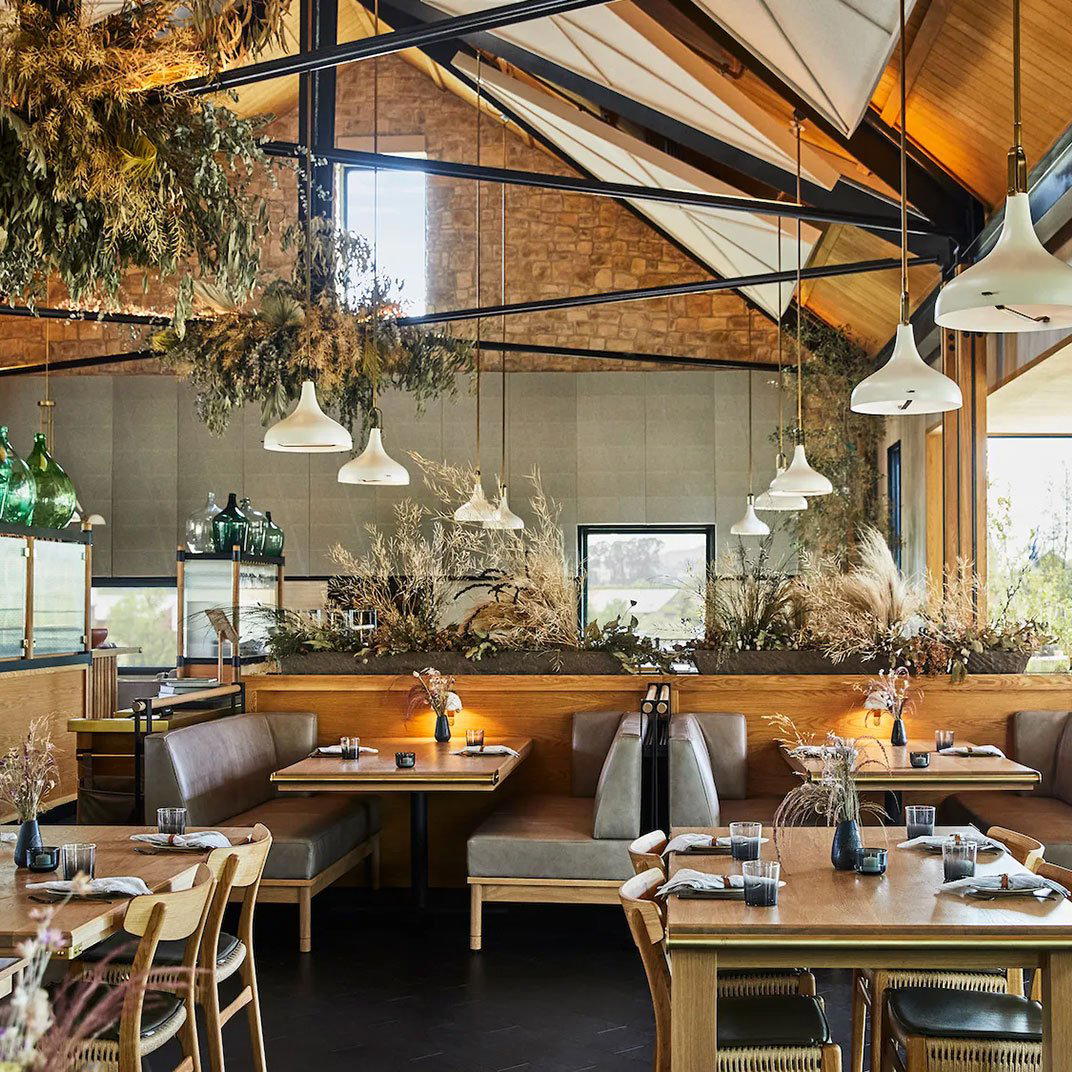
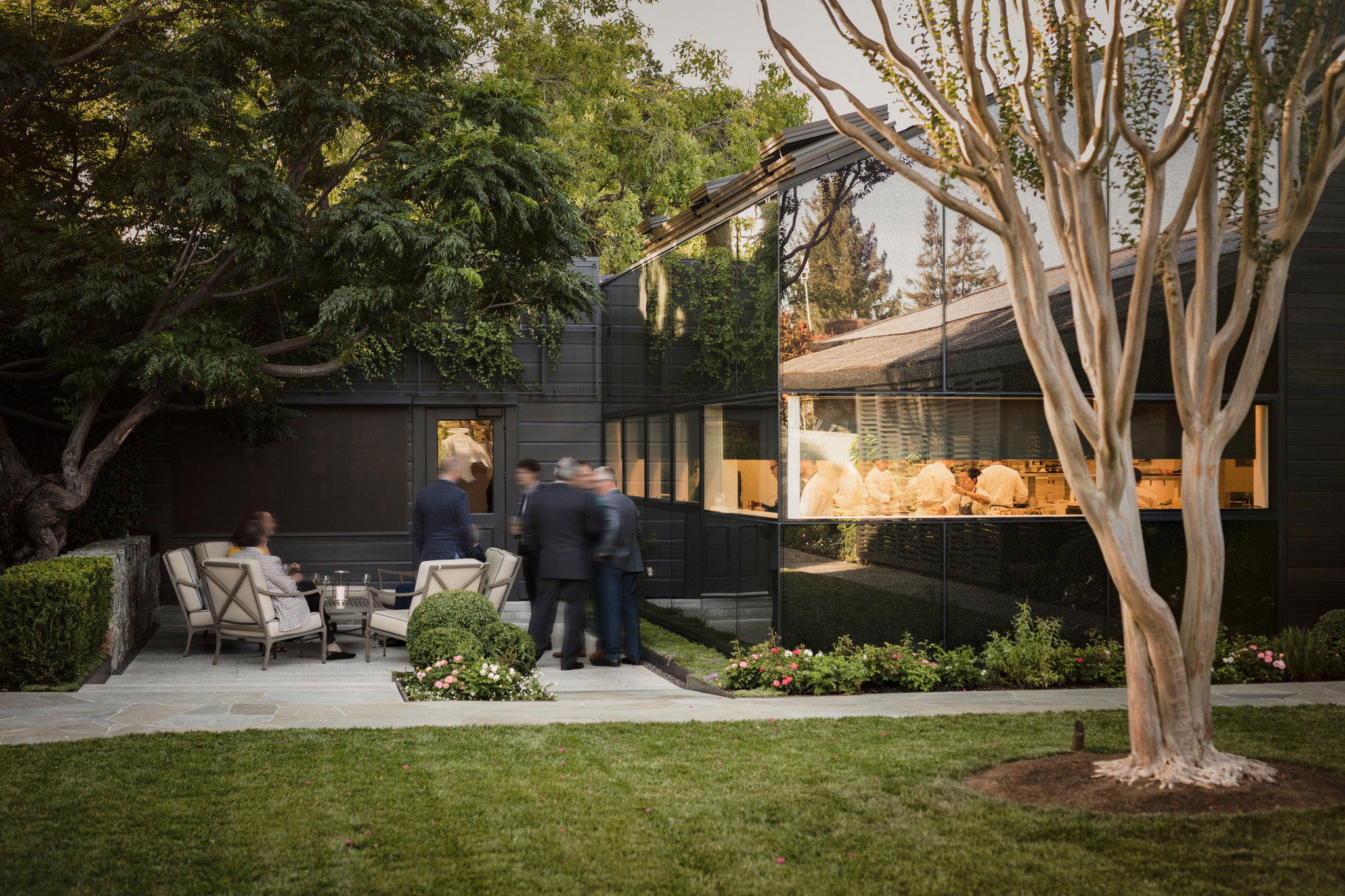
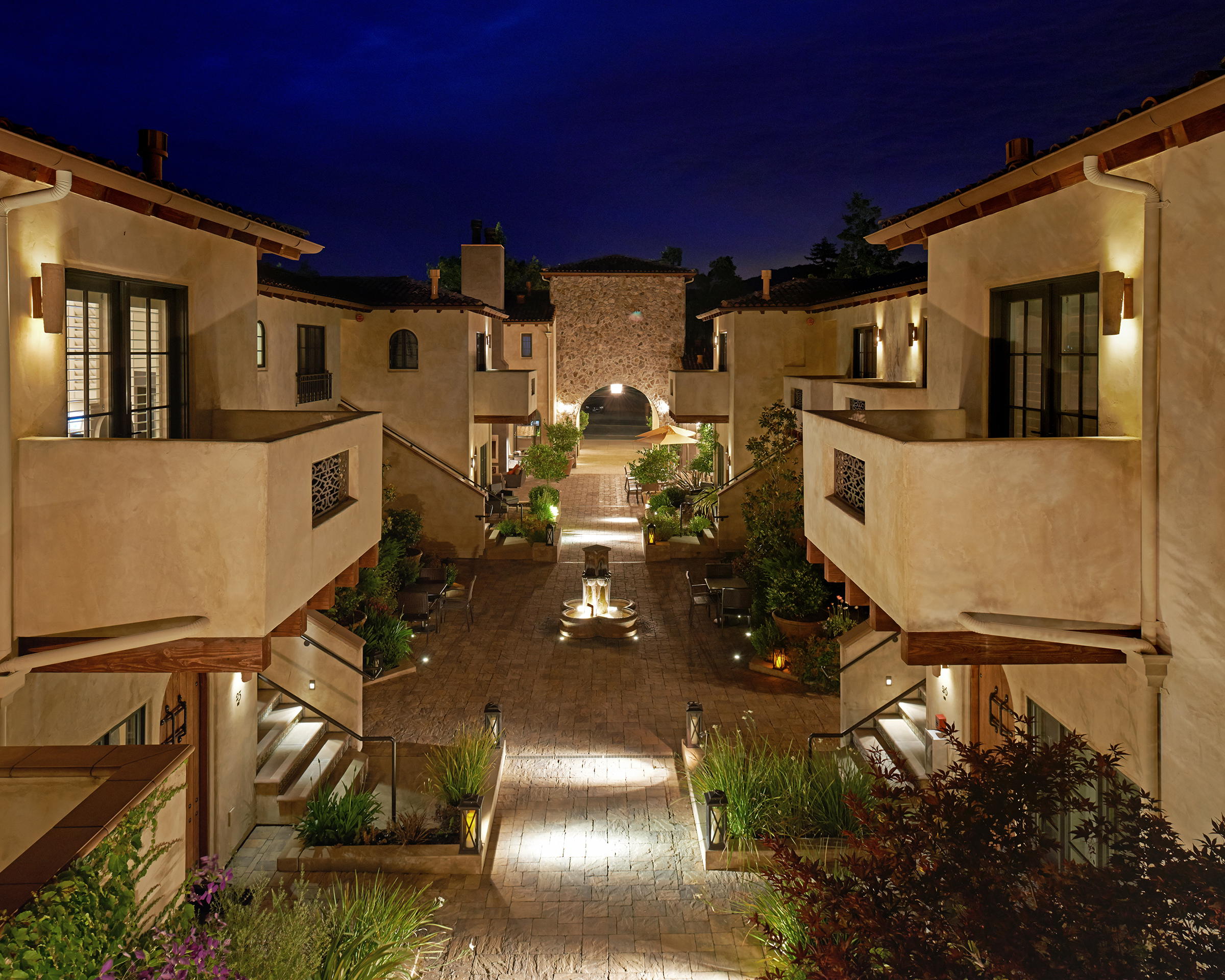
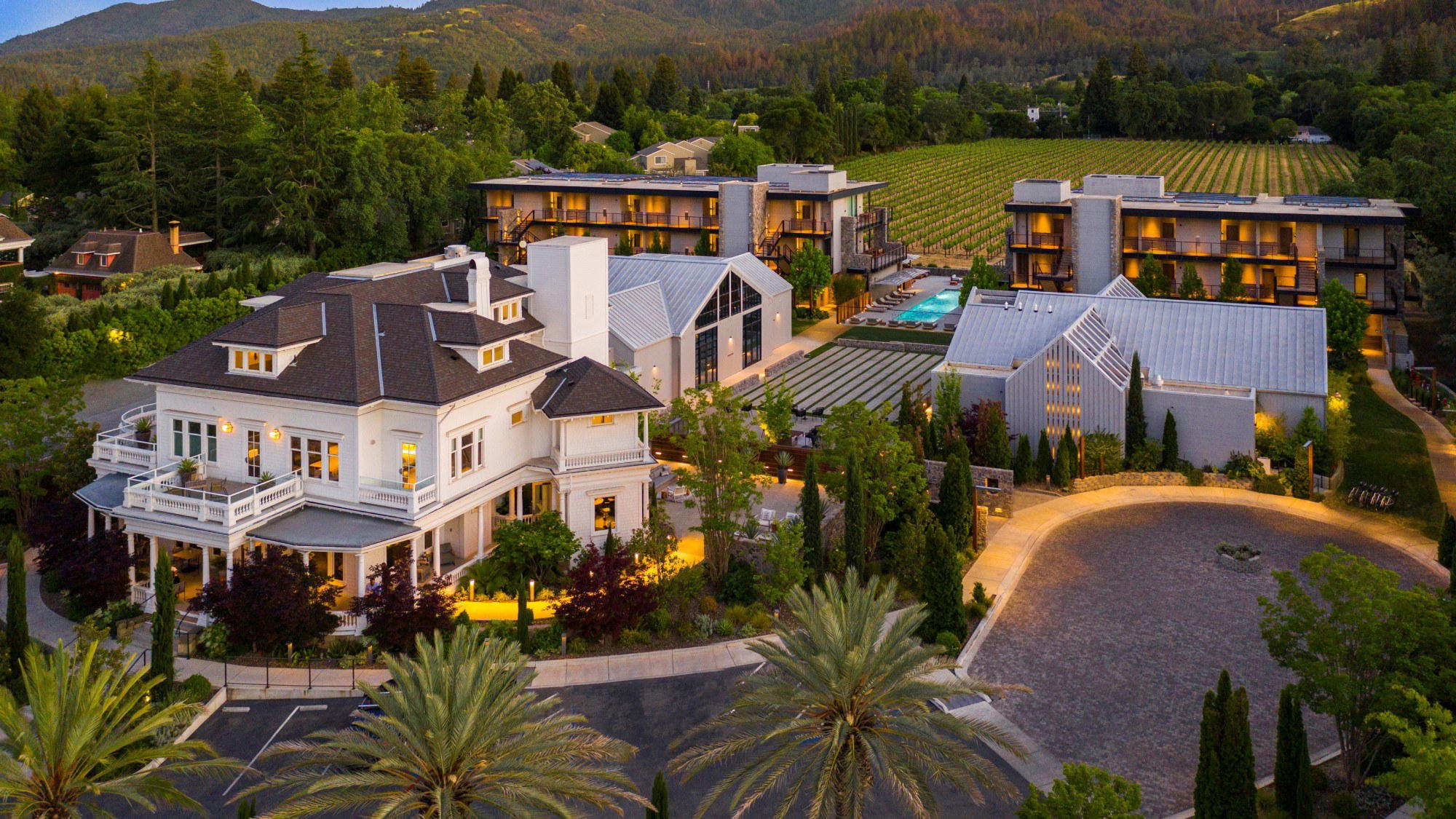
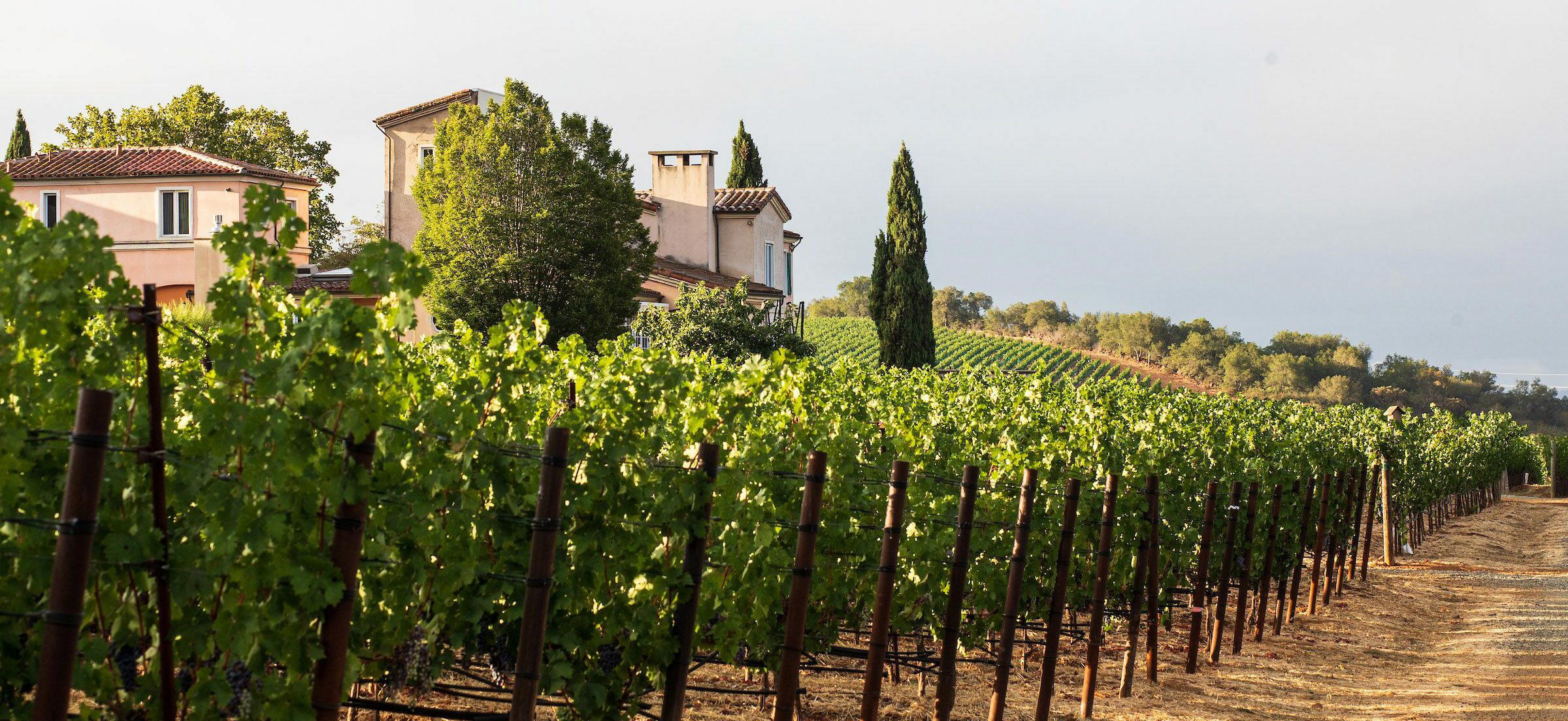
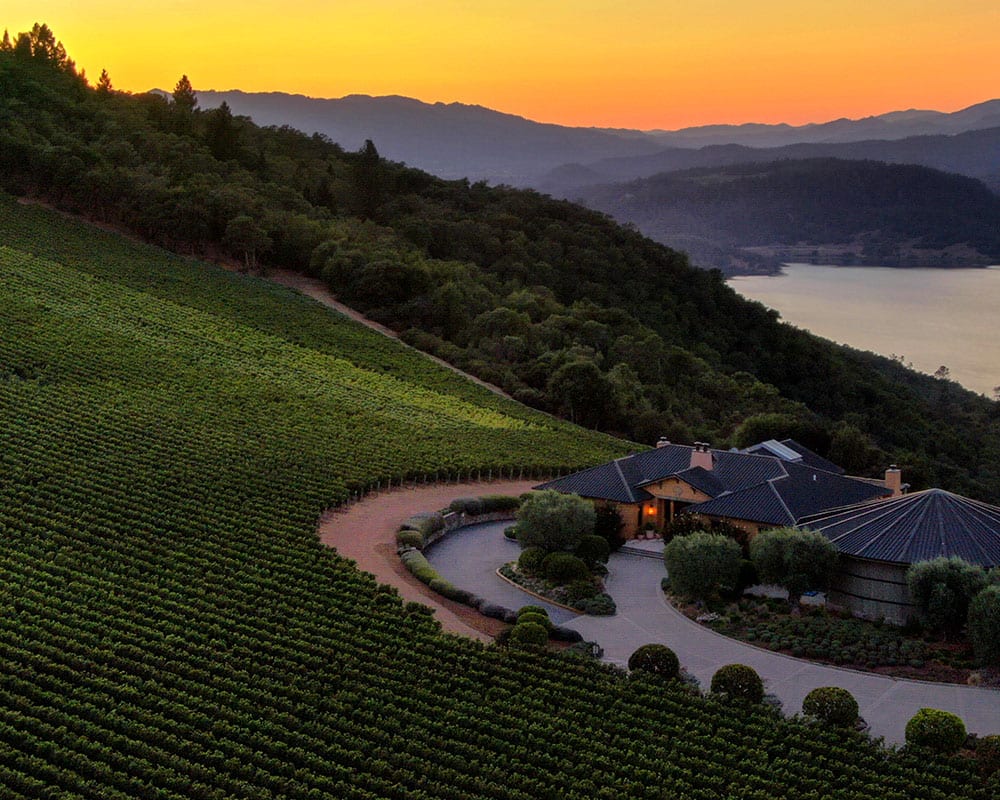
Relaxed atmosphere featuring garden nooks, cozy courtyards, and peaceful outdoor seating with vineyard vistas.