Bo Zai Fan
Our verdict
Bo Zai Fan occupies Limpertsberg, one of Luxembourg City's quieter residential quarters, where the dining scene skews toward neighbourhood regulars rather than tourist circuits. The name translates loosely from Cantonese as 'clay pot rice', signalling a focus on technique-driven Chinese cooking in a city more accustomed to French-leaning tasting menus. For Luxembourg's compact but internationally minded dining public, it represents a distinct register.

Pearl is the En Primeur Club membership app — saves, bookings, and concierge access live there. Same editors, same standards.
- Address
- 48 Av. de la Faiencerie, 1510 Limpertsberg Luxembourg
- Phone
- +352462147
- Hours
- Mon ClosedTue–Fri 12–2 PM, 6–10 PMSat 12–2:30 PM, 6–10 PMSun Closed
- Website
- bozaifan.lu
- Directions
- Get directions
- Booking
- Book on Zenchef
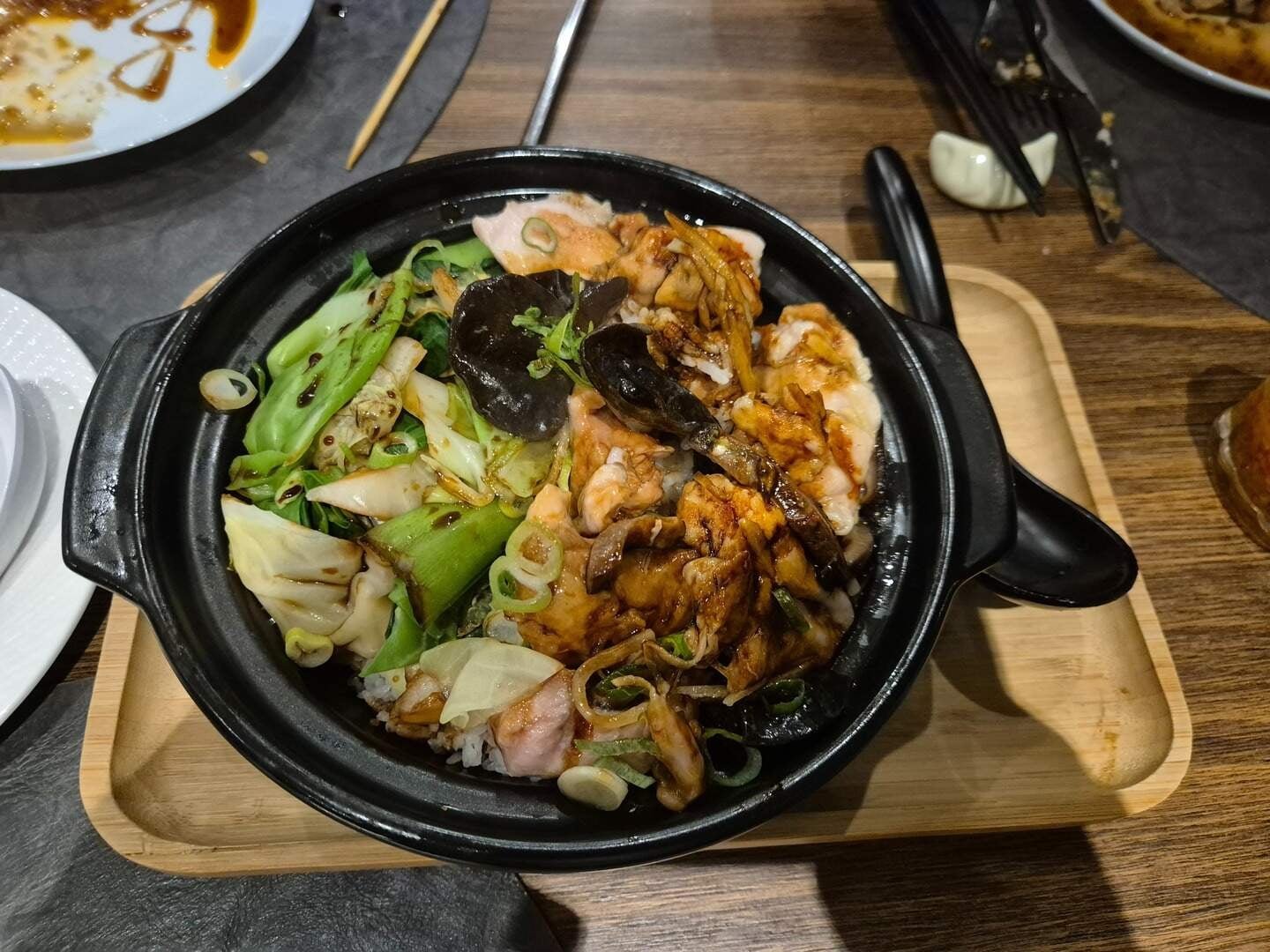
Limpertsberg and the Case for Chinese Cooking in a French-Dominant City
Luxembourg City's fine dining identity has long been anchored in French and French-adjacent cooking. The city's most decorated tables, from Léa Linster to Ma Langue Sourit, operate within a firmly European culinary grammar. Against that backdrop, a restaurant named after a Cantonese clay pot rice dish, sitting on Avenue de la Faiencerie in the residential Limpertsberg quarter, occupies a genuinely different position. Bo Zai Fan, at number 48, is not competing with the French tasting menu circuit. It is addressing a different appetite entirely, one that Luxembourg's multicultural professional population, drawn from across Europe and beyond, has been creating demand for over decades.
Limpertsberg itself sets the register. This is not the Grand Rue or the Kirchberg plateau, where institutional dining and expense-account restaurants cluster. It is a neighbourhood of embassies, tree-lined avenues, and apartment blocks, where restaurants survive on repeat local custom rather than tourism. A venue here needs to earn its regulars, which generally produces more careful, consistent cooking than a high-footfall central address would demand.
Clay Pot Cooking and What the Technique Actually Involves
The name Bo Zai Fan, drawn from the Cantonese tradition of clay pot rice, points toward a cooking method that has considerably more technical depth than its humble presentation might suggest. Clay pot cooking requires the management of radial heat distribution, crust formation at the base of the pot, and the precise timing of ingredients added in sequence, since proteins and aromatics are layered over par-cooked rice and finished with steam trapped inside the sealed vessel. The result, when executed properly, is rice with a caramelised base layer, known as socarrat in other traditions, and proteins that finish gently without drying out.
This tradition sits within a broader pattern visible at high-end Chinese restaurants globally: imported European techniques applied to Chinese ingredients, or conversely, classical Chinese methods applied to non-Chinese products. At venues like Le Bernardin in New York City or Lazy Bear in San Francisco, the cross-pollination of technique and ingredient has become a defining editorial story of contemporary dining. In Luxembourg, where the international population routinely moves between Paris, Frankfurt, and Brussels, diners are well-positioned to evaluate that kind of fluency.
Where Bo Zai Fan Sits in Luxembourg's Broader Dining Map
Luxembourg punches above its size in restaurant terms. A country of roughly 660,000 people holds multiple Michelin-starred addresses and a dining public accustomed to travelling for meals. The reference set for serious eating in the city spans creative European at Apdikt, organic-focused cooking at Archibald De Prince, and Italian at Fani. Beyond the city, the country's restaurant scene extends to addresses like SENSA in Weiswampach, Auberge De La Gaichel in Eischen, and Becher Gare in Bech, demonstrating that serious cooking is distributed across the Grand Duchy rather than concentrated solely in the capital.
Within Luxembourg City itself, the Chinese restaurant category has historically occupied the lower-to-middle price bands, serving students, families, and the lunch trade. A venue that takes its name from a specific regional technique, rather than presenting a generic pan-Asian or buffet format, signals an intention to occupy a different tier. How fully Bo Zai Fan realises that ambition, in terms of sourcing, execution, and atmosphere, is the operative question for any visit. The address in Limpertsberg, combined with a name that references a specific Cantonese cooking method, suggests the positioning is deliberate rather than incidental.
For a broader orientation to eating in the capital and across the country, the full Luxembourg restaurants guide maps the scene from central city addresses to further-flung options including B13 in Bertrange, Beefbar Smets in Strassen, Beim Bertchen in Wahlhausen, Beim Schlass in Wiltz, Brasserie de La Gaichel in Arlon, Chocolats du Coeur in Helmsange, and Côté cour in Bourglinster.
Planning a Visit
Bo Zai Fan is located at 48 Avenue de la Faiencerie, 1510 Luxembourg, in the Limpertsberg district. The avenue is one of the area's main residential arteries and is accessible by public transport from the city centre. Given that no booking platform, phone number, or website is listed in current directories the most reliable approach is to present in person, particularly outside peak dinner hours on weekday evenings. Limpertsberg's neighbourhood restaurant culture tends toward the mid-week dip common to residential districts, making Tuesday through Thursday evenings more accessible than Friday or Saturday without prior contact. Visiting in the autumn and winter months aligns well with clay pot cooking, a format that is fundamentally a cold-weather dish across its Cantonese home context.
Frequently asked questions
What's the address for Bo Zai Fan?
Bo Zai Fan is located at 48 Av. de la Faiencerie, 1510 Limpertsberg Luxembourg, Luxembourg.
Is Bo Zai Fan in Luxembourg one of the few places in the country serving traditional Cantonese clay pot rice?
Luxembourg's restaurant scene skews heavily toward French and French-adjacent cooking, with Cantonese clay pot rice representing a considerably narrower niche in the city's dining map. Bo Zai Fan, positioned in the Limpertsberg district at 48 Avenue de la Faiencerie, takes its name directly from the Cantonese clay pot rice tradition, making its culinary focus explicit. Whether it remains the only dedicated clay pot rice address in Luxembourg City is difficult to verify without a current citywide survey, but the format is rare enough in a country of 660,000 that its presence in Limpertsberg is notable.
What should I order at Bo Zai Fan?
The name Bo Zai Fan is Cantonese for clay pot rice, which signals the core of what this Limpertsberg address does. Clay pot rice is a technically demanding format where heat management and timing determine the final texture of both the rice crust and whatever is cooked above it. Given the venue's name centres entirely on this preparation, it is the place to start. Specific menu items and current availability are best confirmed directly with the restaurant before visiting.
Do they take walk-ins at Bo Zai Fan?
Walk-in policy details for Bo Zai Fan at 48 Avenue de la Faiencerie are not published online. In a residential neighbourhood like Limpertsberg, smaller Chinese restaurants often accommodate walk-ins on weeknights more readily than weekends, but this varies by cover count and staffing. Contacting the venue directly before arriving is the safest approach.
Same-City Peers
Comparable venues nearby, for context on price, style, and recognition.
| Venue | Cuisine | Price | Notes |
|---|---|---|---|
| Bo Zai FanThis venue — the venue you are viewing | Hong Kong Clay Pot Rice & Dim Sum | Not listed | Not listed |
| Mesa Verde | Organic Vegetarian with Asian Influences | $30–50 | Ville Haute |
| Madame Jeanette | Latin American | Not listed | Gare |
| Urban | Mediterranean & International Casual | $20–30 | Ville Haute |
| Wine Not | European Wine Bar | Not listed | Merl |
| Old Brasserie | Traditional Luxembourg Brasserie | $20–30 | Limpertsberg |
Continue exploring
More in Luxembourg
Restaurants in Luxembourg
Browse all →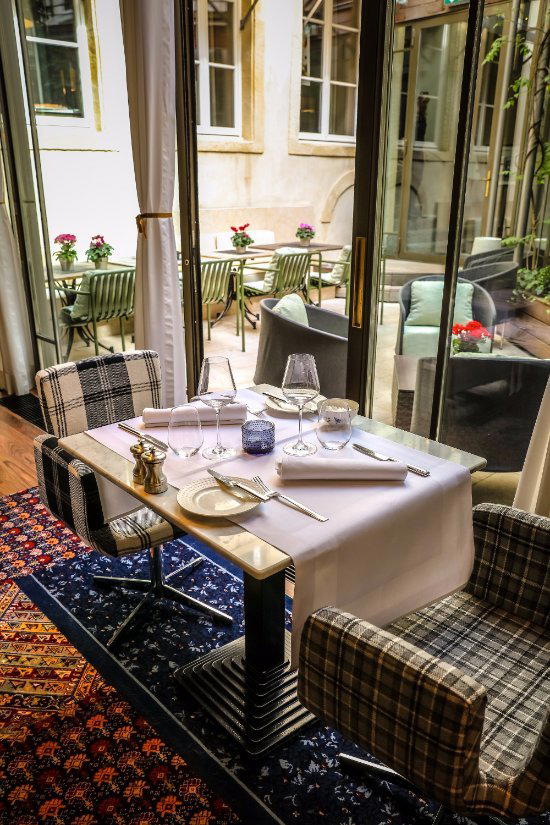
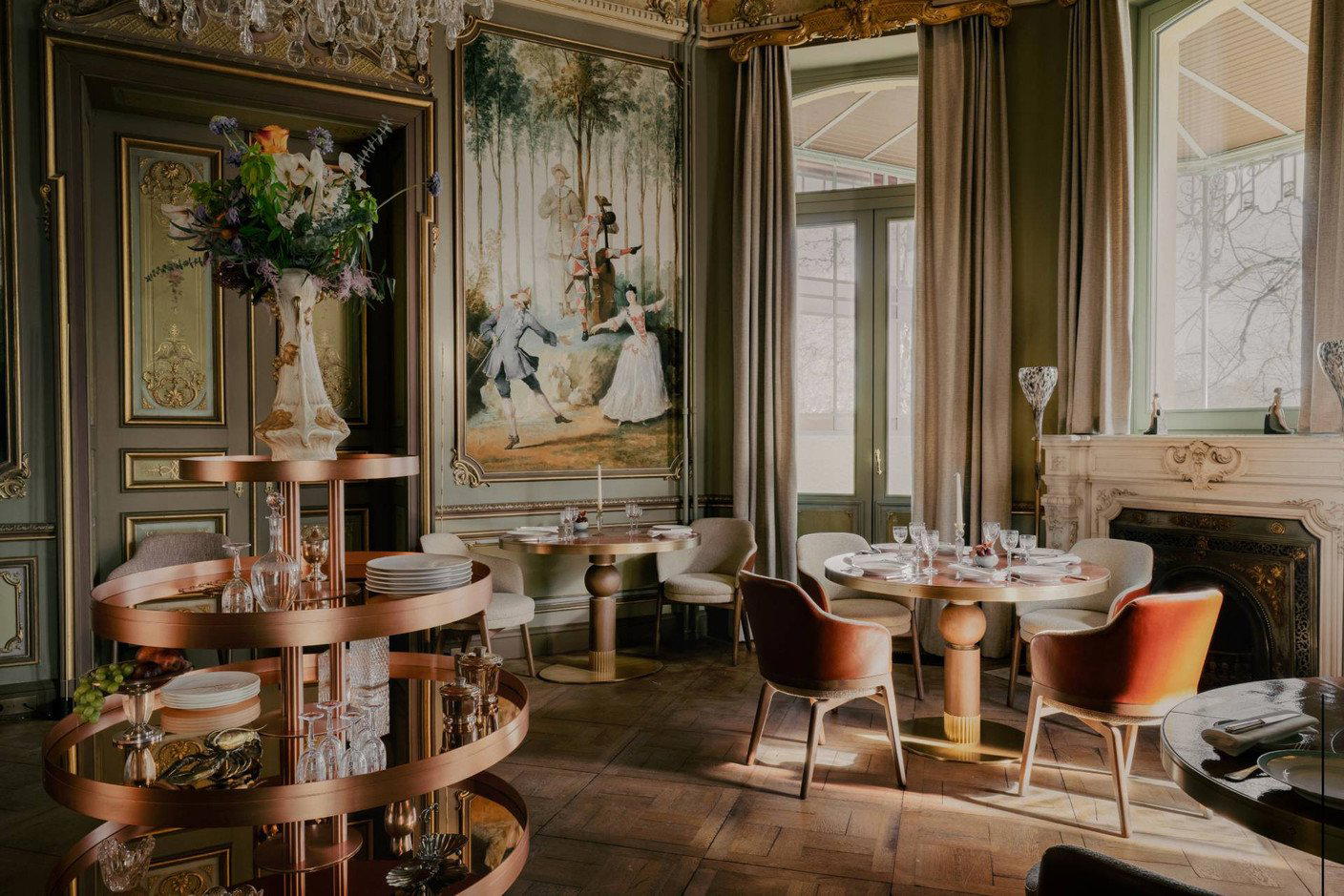
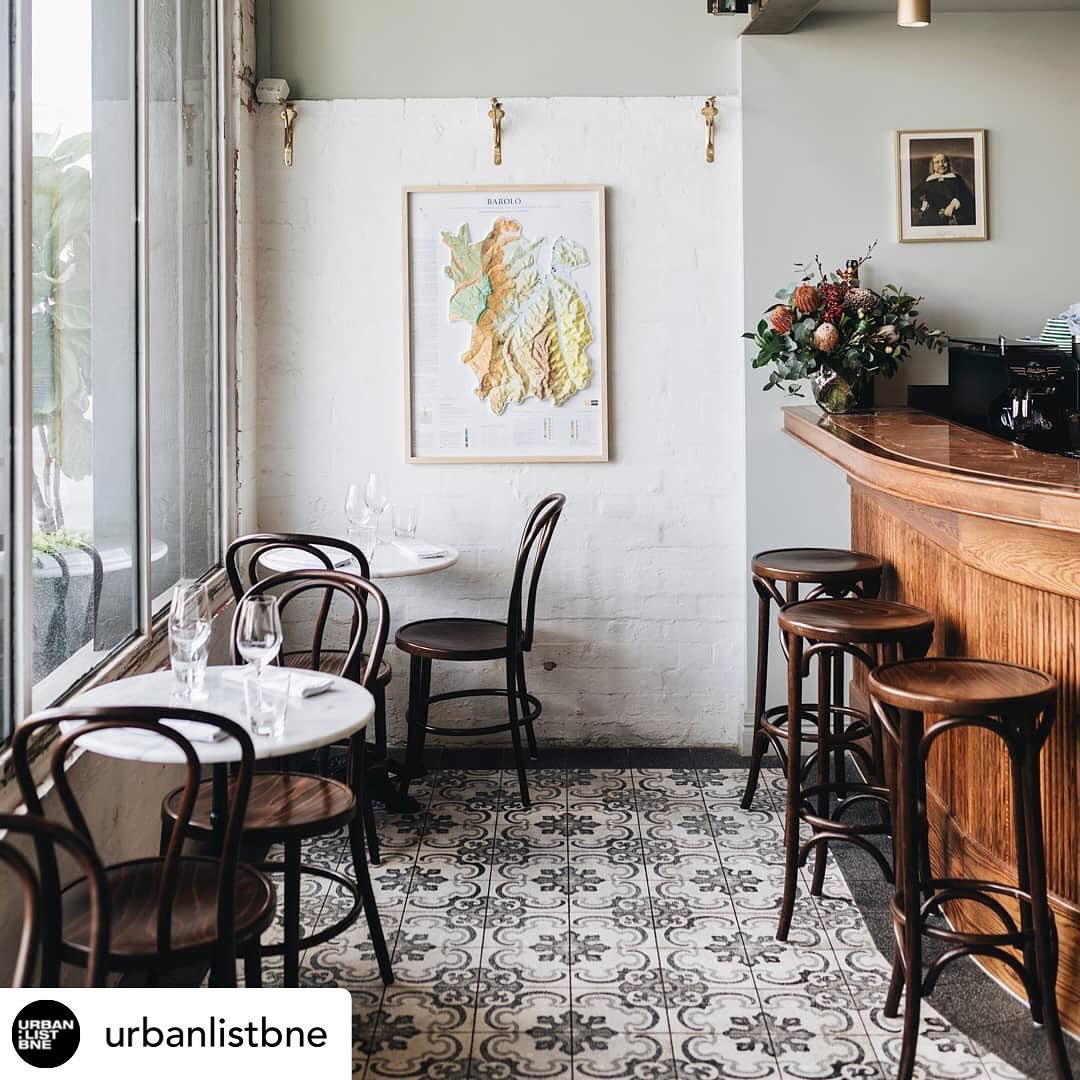
Bars in Luxembourg
Browse all →

Hotels in Luxembourg
Browse all →


Details
- Cozy
- Casual Hangout
- A La Carte
- Small Plates
Current opening hours
- Monday
- Closed
- Tuesday
- 12–2 PM, 6–10 PM
- Wednesday
- 12–2 PM, 6–10 PM
- Thursday
- 12–2 PM, 6–10 PM
- Friday
- 12–2 PM, 6–10 PM
- Saturday
- 12–2:30 PM, 6–10 PM
- Sunday
- Closed
Hours can change for holidays and private events. Last verified .
Cozy atmosphere ideal for enjoying dim sum and clay pot rice.