Old Brasserie
Our verdict
Old Brasserie occupies a address on Boulevard Robert Schuman in Luxembourg's Ville-Haute, placing it among the city's established dining addresses rather than its newer creative wave. The format sits closer to the classic European brasserie tradition than to Luxembourg's growing roster of tasting-menu destinations. For visitors orienting around the city's upper plateau, it is a reference point worth understanding in context.

The menu
What to order
- Judd mat Gaardebounen
- Wäinzoossiss
- Bouneschlupp
Boulevard Robert Schuman and What the Address Signals
Luxembourg's Ville-Haute is the city's administrative and institutional centre, a plateau of grand facades, European Union offices, and the kind of boulevard architecture that signals civic weight rather than neighbourhood character. Boulevard Robert Schuman, where Old Brasserie sits at number one, is named after one of the founding architects of European integration, a detail that, in this particular city, carries more than decorative significance. Luxembourg is, after all, the seat of the European Court of Justice and the Court of Auditors, and its central dining addresses have historically served a clientele defined as much by institutional affiliation as by local custom. That shapes what a brasserie on this boulevard is expected to do: hold a room, maintain consistency, and function across lunch and dinner for a mixed professional and visitor crowd.
In European urban dining, the brasserie format occupies a specific tier: above the bistro in formality and range, below the gastronomic restaurant in ambition and price. Cities like Brussels, Strasbourg, and Paris have long used the brasserie as the reliable backbone of their dining scenes, and Luxembourg's relationship with the format follows a similar logic. The Ville-Haute, with its proximity to EU institutions and its flow of diplomats, lawyers, and finance professionals, has sustained several addresses in this register. Old Brasserie's position at the top of that boulevard places it inside this institutional dining geography from the outset.
Luxembourg's Dining Tiers and Where the Brasserie Format Fits
The city's higher-end dining scene has moved considerably in the past decade. Ma Langue Sourit (Contemporary French, Modern Cuisine) and Léa Linster (Modern French) anchor the €€€€ tier with tasting-menu formats and the kind of kitchen precision that competes on an international register. Apdikt (Creative) operates at €€€, bringing a more experimental approach to the city's creative dining conversation. Further afield, addresses like Auberge De La Gaichel in Eischen and SENSA in Weiswampach demonstrate that Luxembourg's serious dining extends well beyond the capital's plateau.
The brasserie sits adjacent to all of this, not competing directly with the tasting-menu tier, but not defaulting to casual either. In a city where Archibald De Prince (Organic) and Fani (Italian) hold the €€€€ bracket with distinct conceptual identities, the classic brasserie format carries a different kind of value proposition: breadth of menu, predictable execution, and a room designed to accommodate multiple dining purposes in a single sitting. For visitors working through our full Luxembourg restaurants guide, understanding where Old Brasserie sits relative to these peers is the more useful frame than evaluating it in isolation.
The European Brasserie Tradition on a Luxembourg Boulevard
Brasserie as a format has specific expectations attached to it. Oysters at the right temperature. Steak-frites executed with confidence. A wine list anchored in French regions with some German and Luxembourgish selections alongside. Service that moves efficiently without theatre. These are not low bars, they require consistent kitchen discipline and front-of-house coordination that many restaurants with more ambitious menus cannot always sustain across a full service. The tradition travels well when the execution is honest about what it is.
Luxembourg's position at the intersection of French, German, and Benelux culinary traditions means a brasserie here can draw on a wider larder than its Parisian counterpart. The Grand Duchy has its own wine production concentrated in the Moselle valley, and local ingredients, from river fish to regional charcuterie, sit naturally within the brasserie register. Whether a given address on the Ville-Haute takes that local angle seriously or defaults to a more generically Franco-Belgian template is often the clearest editorial distinction between addresses in this format. For wider context across the country's dining spread, addresses like B13 in Bertrange, Becher Gare in Bech, and Beim Bertchen in Wahlhausen each demonstrate how Luxembourg's regional identity inflects different dining formats outside the capital.
What the Location Means for the Visit
Arriving on Boulevard Robert Schuman from the city's historic core involves crossing the kind of civic architecture that defines this part of Luxembourg: formal, wide-fronted, built for presence rather than intimacy. The Ville-Haute sits above the Alzette valley, and the plateau's scale is something you feel before you register it consciously. Dining here is not the same experience as eating in the more compact Grund neighbourhood or the commercial energy around Place d'Armes. The pace is different. The room, whatever its specific configuration, will likely reflect that institutional context: capable of absorbing a business lunch at midday and a quieter dinner after the offices empty.
For visitors to Luxembourg City with only a limited number of evenings, location on this boulevard has practical implications. The Ville-Haute is walkable from the main hotel corridor and from the key cultural addresses, the MUDAM contemporary art museum is a short distance away, and the city's main train station connects quickly to the plateau. Restaurants in this zone benefit from that connectivity, drawing both the transit-passing visitor and the resident professional crowd. Beefbar Smets in Strassen, Beim Schlass in Wiltz, Brasserie de La Gaichel in Arlon, Chocolats du Coeur in Helmsange, and Côté cour in Bourglinster each occupy different geographic corners of the wider Luxembourg dining map, but for a Ville-Haute address like Old Brasserie, the catchment is distinctly urban and institutionally weighted.
Internationally, the brasserie format at this address tier sits in a different competitive conversation than either Le Bernardin in New York City or Lazy Bear in San Francisco, both of which operate at the far end of culinary ambition and price. Old Brasserie's register is closer to a working European dining room: consistent, geographically grounded, and shaped by the specific demands of its boulevard address.
Planning Your Visit
Old Brasserie is located at 1 Boulevard Robert Schuman, 2525 Ville-Haute, Luxembourg City. Given the institutional character of the address and the surrounding neighbourhood, weekday lunch tends to draw the professional crowd that defines this part of the city; evenings are typically quieter. For broader planning across the city's dining options, the EP Club Luxembourg guide provides a fuller picture of where this address sits relative to the capital's other key tables.
Frequently asked questions
Is Old Brasserie child-friendly?
The Ville-Haute address on Boulevard Robert Schuman places Old Brasserie in Luxembourg City's administrative core, where the clientele skews toward professionals and institutional visitors. A formal boulevard brasserie in this context is not designed around families with young children. It is a workable option for older children who are comfortable at a standard restaurant table, but the setting is not oriented toward that demographic.
Is Old Brasserie better for a quiet night or a lively one?
Boulevard Robert Schuman draws its energy from the EU institutions and office buildings that define Ville-Haute, so the rhythm of the room follows the working day. Midday service on weekdays is the natural peak, with the crowd thinning considerably by evening once the professional traffic clears. For a quieter meal, an early dinner on a weekday is the more reliable window.
Is Old Brasserie a practical choice for a meeting lunch near Luxembourg's European institutions?
The address at 1 Boulevard Robert Schuman sits directly in the corridor that connects Luxembourg City's EU and governmental offices, making it a logical midday option for colleagues or clients working in that quarter. The brasserie format supports a structured lunch without the formality of a full tasting menu, which suits a working context. Reserving ahead for weekday midday service is advisable given the institutional foot traffic in this part of Ville-Haute.
What should I eat at Old Brasserie?
In the European brasserie tradition, steak preparations and seasonal fish are the categories where kitchens of this format tend to be most consistent. Avoid dishes that require elaborate technique, which brasseries rarely prioritise.
What's the address for Old Brasserie?
Old Brasserie is located at 1 Bd Robert Schuman, 2525 Ville-Haute Luxembourg, Luxembourg.
The Quick Read
| Venue | Cuisine | Price | Awards | Notes |
|---|---|---|---|---|
| Old BrasserieThis venue (the venue you are viewing) | Traditional Luxembourg Brasserie | $20–30 | Not listed | Not listed |
| Ma Langue Sourit | Modern French Fine Dining | $150–200 | 2 Michelin Stars · La Liste Top Restaurants | Contemporary French, Modern Cuisine |
| Léa Linster | Modern French Fine Dining | Not listed | 2 Michelin Stars · La Liste Top Restaurants | Modern French |
| Apdikt | French Contemporary Fine Dining | $150–200 | 1 Michelin Star · We're Smart World 2 Radishes | Creative |
| Archibald De Prince | Creative French Fine Dining | $100–150 | 1 Michelin Star · We're Smart World 4 Radishes | Organic |
| Fani | Modern Italian Fine Dining | $50–100 | 1 Michelin Star · We're Smart World 4 Radishes | Italian |
Continue exploring
More in Luxembourg
Restaurants in Luxembourg
All restaurants in Luxembourg →
Bars in Luxembourg
All bars in Luxembourg →
Hotels in Luxembourg
All hotels in Luxembourg →

Details
- Classic
- Cozy
- Rustic
- Casual Hangout
- Group Dining
- Family
- Terrace
- Local Sourcing
- A La Carte
- Vegetarian Friendly
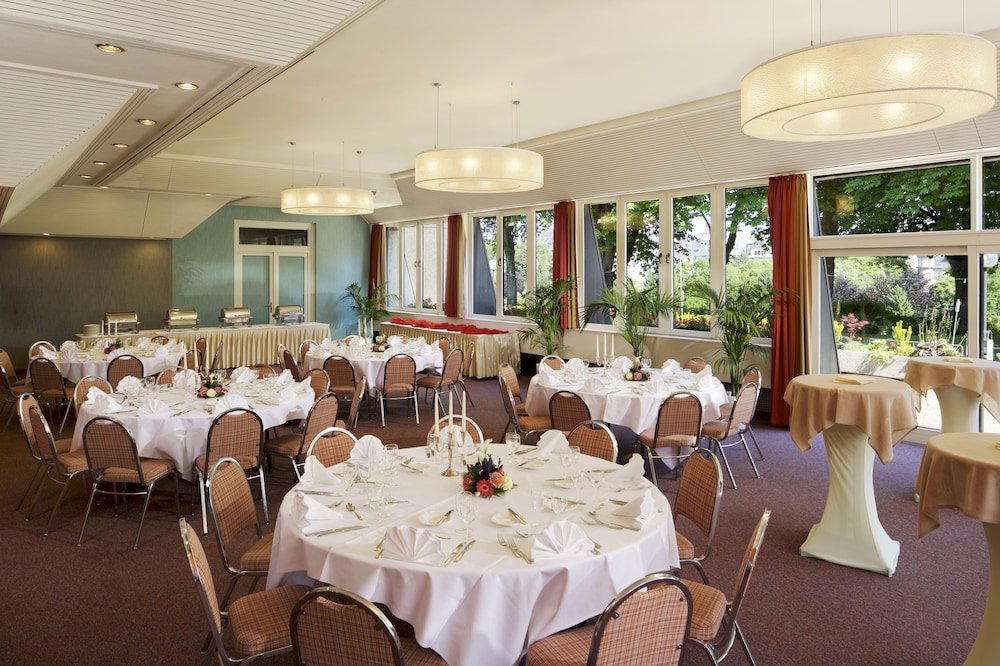
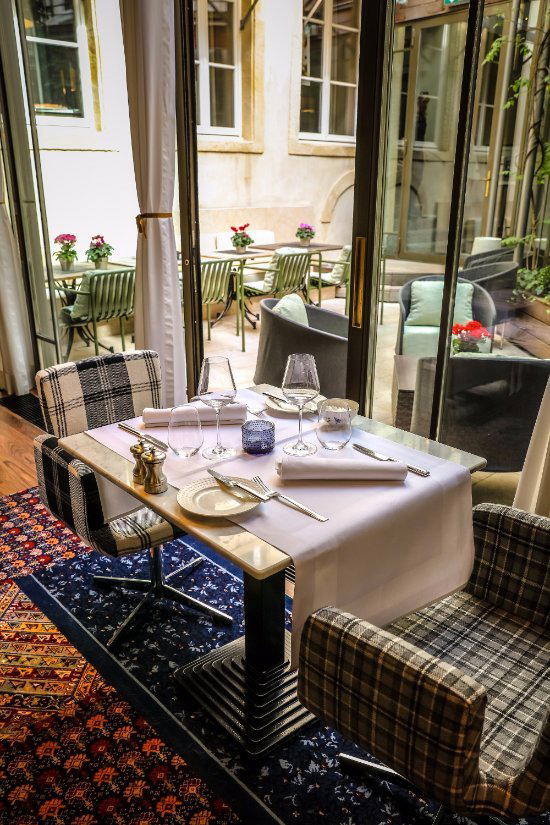
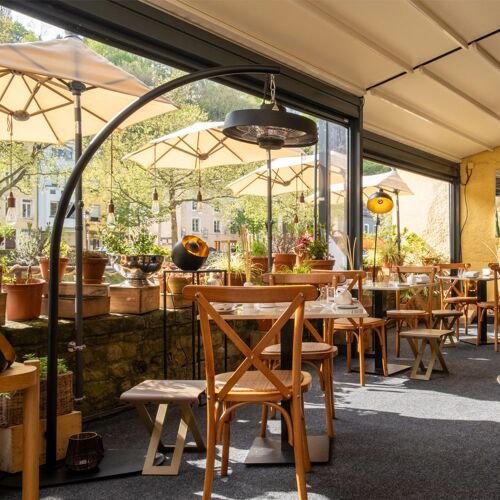
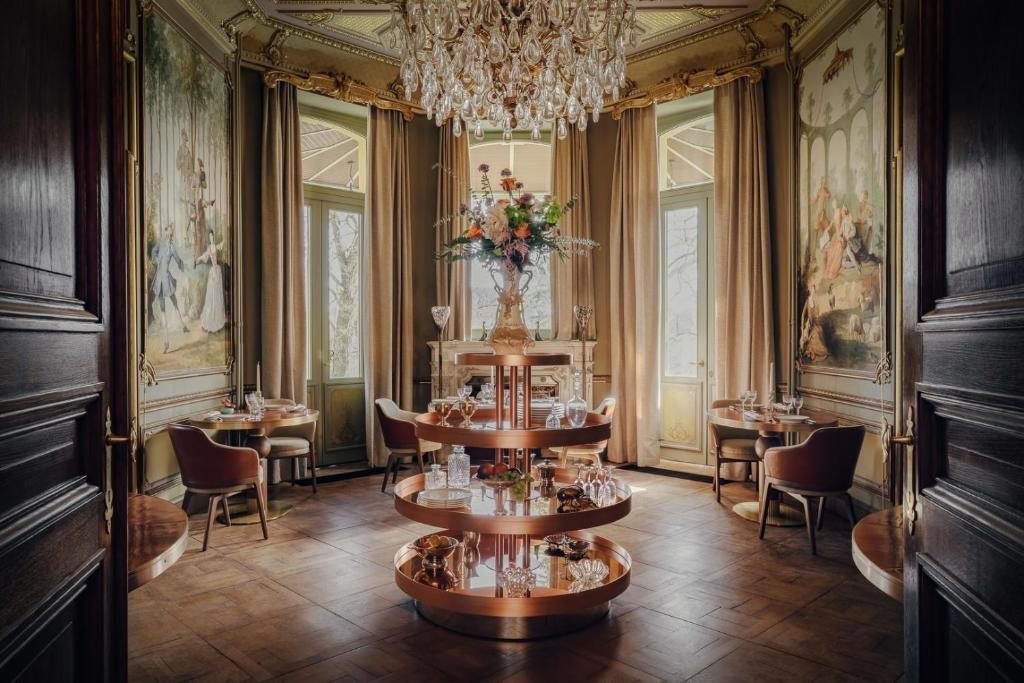
Warm and welcoming atmosphere reflecting traditional Luxembourg hospitality, with a focus on comfort and authenticity rather than modern design.