Mesa Verde
Rue du St Esprit and the Ville-Haute Table Rue du St Esprit climbs through the oldest quarter of Luxembourg City with the deliberate pace of a street that has never needed to hurry. The Ville-Haute sits above the Alzette valley on a sandstone...
Pearl is the En Primeur Club membership app — saves, bookings, and concierge access live there. Same editors, same standards.
- Address
- 11 Rue du St Esprit, 1475 Ville-Haute Luxembourg
- Phone
- +352464126
- Website
- mesaverderesto.com
- Directions
- Get directions
 Saves & bookings on Pearl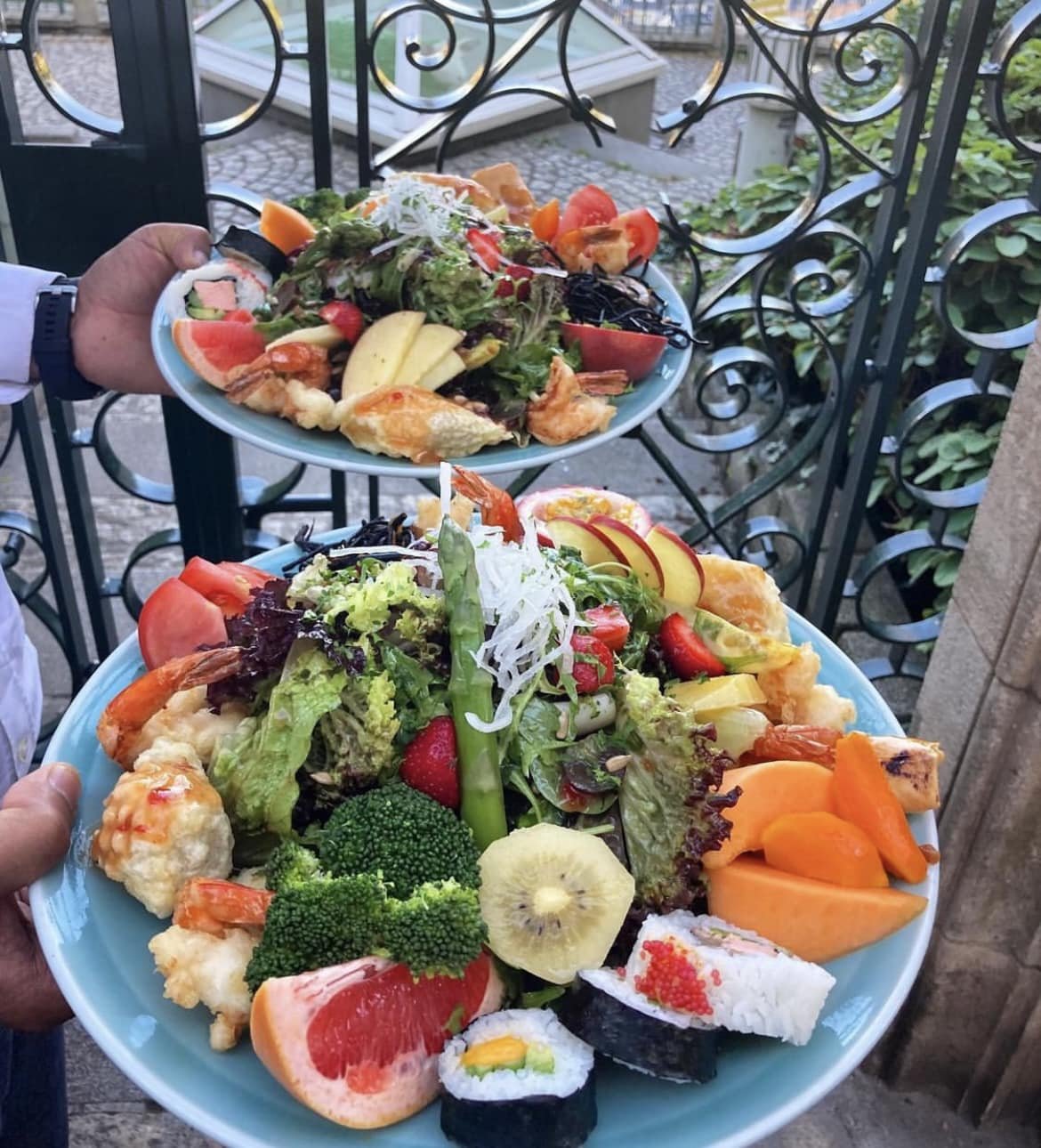
Rue du St Esprit and the Ville-Haute Table
Rue du St Esprit climbs through the oldest quarter of Luxembourg City with the deliberate pace of a street that has never needed to hurry. The Ville-Haute sits above the Alzette valley on a sandstone plateau, its administrative buildings and cathedral giving the neighbourhood a particular gravity. Restaurants that set up here operate inside that weight: the audience is professional, European, accustomed to eating well across multiple capitals, and not easily impressed by concept alone. Mesa Verde, at 11 Rue du St Esprit, is an organic vegetarian restaurant with Asian influences in Luxembourg City, where the question of what a kitchen does with local produce and imported technique is not abstract, it is the entry point for any serious conversation about the plate.
Where Local Ingredients Meet Global Method
Luxembourg sits at the intersection of French, German, and Belgian culinary traditions, which historically produced a cuisine of solid rural foundations: smoked pork collar, river fish, Moselle valley wines, seasonal game. The more interesting development over the past decade has been what happens when kitchens in the Grand Duchy apply techniques absorbed from Paris, Copenhagen, or New York to those same foundational materials. This is the territory Mesa Verde occupies at its address on Rue du St Esprit, a name that, in Spanish, gestures toward the verde, the green, the botanical, and in a Luxembourg context carries implicit promise about how the kitchen reads the surrounding land.
That intersection of imported methodology and local provenance is not exclusive to Mesa Verde. Across the city, a cohort of restaurants has been working through the same question with different emphases. Ma Langue Sourit (Contemporary French, Modern Cuisine) at the €€€€ tier applies a modernist French framework to the same regional supply chains. Archibald De Prince (Organic) takes an explicitly organic sourcing position. Apdikt (Creative), one price tier lower, works with a looser creative brief. Mesa Verde's position within this competitive set becomes clearer when you map these kitchens against each other: there is a cluster of serious restaurants in Luxembourg City operating at a level that competes with comparable tables in Brussels or Strasbourg, and that cluster is the relevant context for understanding what the restaurant is doing.
The Ville-Haute Dining Register
Luxembourg City's fine dining geography has two main centres of gravity: the Clausen and Grund districts, which draw a younger, more informal crowd, and the Ville-Haute, which holds the formal institutional weight of the city. Restaurants in the upper town tend to serve a clientele that includes EU institution professionals, international finance, and government-adjacent visitors, a group that arrives with calibrated expectations formed in other European cities. This creates a specific demand: kitchens must demonstrate technical fluency that would register in Paris or Amsterdam, while also offering something that anchors the meal to the specific place. Generic fine dining without a local argument becomes invisible in this environment.
The broader Luxembourg dining scene has enough range now to map this effectively. Outside the capital, tables such as Beim Bertchen in Wahlhausen, Côté Cour in Bourglinster, and Les Roses in Mondorf Les Bains are doing serious work in their respective registers. In and around the city, Kore in Steinfort, B13 in Bertrange, and Beefbar Smets in Strassen expand the frame further. Within this geography, the restaurant at Rue du St Esprit positions itself as a city-centre address in the Ville-Haute tradition.
How Luxembourg's Seasonal Calendar Shapes the Plate
The Grand Duchy's seasons are pronounced enough to drive sourcing decisions in ways that matter to how kitchens cook. Spring brings wild garlic and asparagus from the Moselle and Sûre valleys. Autumn produces game, hare, venison, wild boar, alongside mushrooms that appear in markets with genuine brevity. Winter menus in Luxembourg traditionally lean on preserved and cured ingredients: the smoked pork traditions of the country are not folkloric decoration but a functional response to a climate that historically required storage. Kitchens that take the local-technique argument seriously have to engage with this calendar rather than override it with year-round imported produce. The tension between what global technique can do and what the season actually offers is where interesting cooking happens in a country this size.
At the level where Léa Linster (Modern French) and comparable addresses operate, that seasonal engagement is assumed rather than announced. For tables in the next tier, it is the differentiator. Fani (Italian), also at the €€€€ level, demonstrates that imported culinary frameworks can coexist with Luxembourg's dining culture without erasing it. One coherent version of what the restaurant appears to be attempting, a table where the name's botanical suggestion meets the actual botanical calendar of the Moselle plateau, is a position that the city's dining public has appetite for, precisely because the alternatives have largely been taken by French-coded kitchens.
Planning Your Visit
The restaurant sits at 11 Rue du St Esprit in the Ville-Haute, within walking distance of the cathedral quarter and the main administrative core of Luxembourg City. The neighbourhood is compact and navigable on foot from most central hotels; public transport connections to the upper town are direct from Hamilius. For those arriving from further afield, Luxembourg City's scale means that most Ville-Haute restaurants are within a short taxi or tram ride of each other, which makes it practical to anchor an evening in this quarter and move between venues if plans change. Advance reservation is advisable for any table in this tier of the city's dining; the Ville-Haute's professional clientele tends to book ahead rather than walk in, and capacity at restaurants in this register is typically modest.
Domaine La Forêt in Remich offers a Moselle-side perspective. Laotse in Moutfort and Bo Zai Fan in Letzebuerg expand the range of culinary traditions represented across the country. Der Napf in Wilwerdange takes the rural Luxembourg register to its logical conclusion. The international frame of reference, for readers who want to calibrate Luxembourg against the broadest standards, runs through tables such as Le Bernardin in New York City and Atomix in New York City, where the local-global technique question has been worked through at a different scale and budget.
Comparable Spots
Comparable venues nearby, for context on price, style, and recognition.
| Venue | Cuisine | Price | Notes |
|---|---|---|---|
| Mesa VerdeThis venue — the venue you are viewing | Organic Vegetarian with Asian Influences | $$ | Not listed |
| Nostos | Modern Greek Mediterranean | $$ | Bonnevoie-Nord / Verlorenkost |
| Wine Not | European Wine Bar | $$ | Merl |
| Villa Pétrusse | Dining | Not listed | Ville Haute |
| Boutique Léa Linster Delicatessen | Luxembourg Delicatessen | $$ | Ville Haute |
| L'Hêtre Beim Musée | Modern French Brasserie | $$$ | Ville Haute |
Continue exploring
More in Luxembourg
Restaurants in Luxembourg
Browse all →
Bars in Luxembourg
Browse all →
Hotels in Luxembourg
Browse all →
At a Glance
- Bohemian
- Cozy
- Whimsical
- Intimate
- Casual Hangout
- Group Dining
- Special Occasion
- Terrace
- Garden
- Live Music
- Beer Program
- Organic
- Local Sourcing
- Farm To Table
- Garden
Current opening hours
- Monday
- Closed
- Tuesday
- Closed
- Wednesday
- 11:45 AM–2 PM, 6–11 PM
- Thursday
- 11:45 AM–2 PM, 6–11 PM
- Friday
- 6–11 PM
- Saturday
- 12–11 PM
- Sunday
- Closed
Hours can change for holidays and private events. Last verified .
Eclectic and artistic with handmade varied decor creating a dynamic, welcoming atmosphere; summer terrace features hanging lanterns and cultural programming.